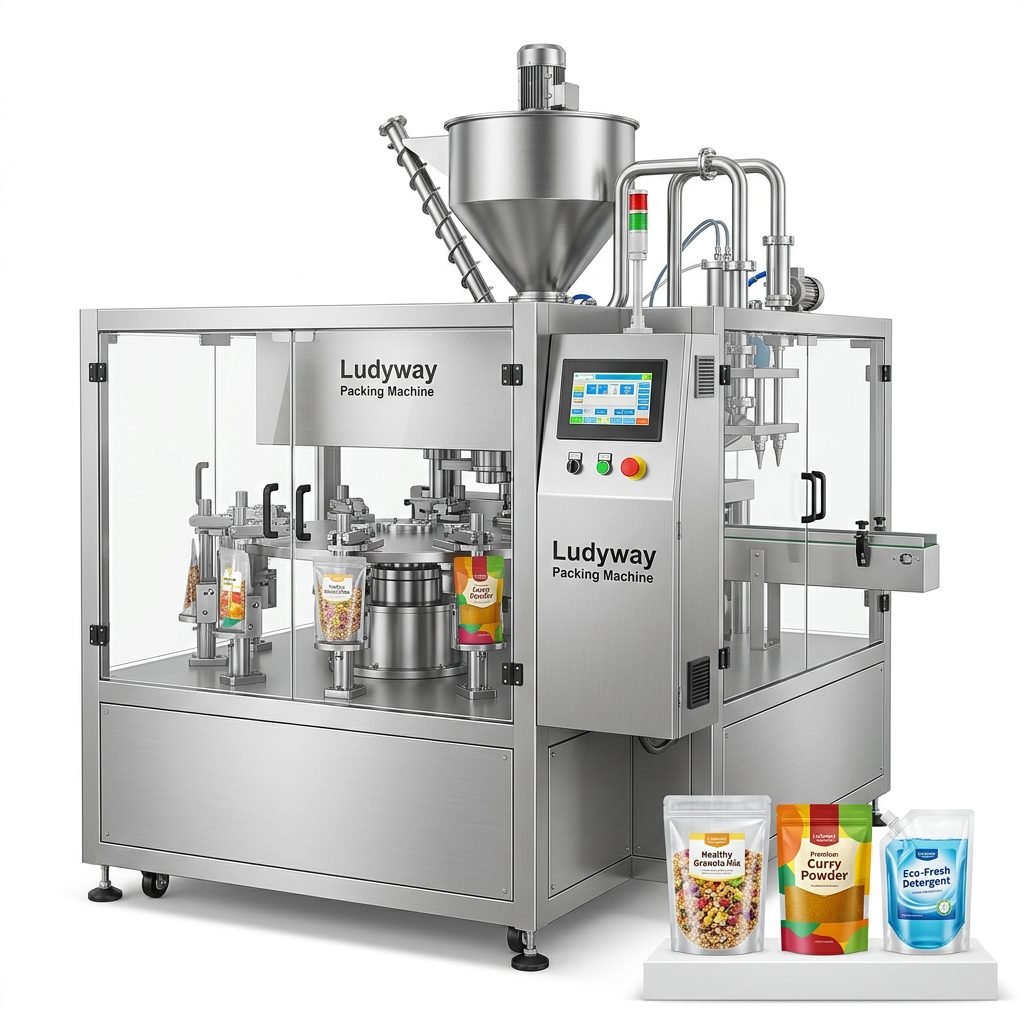
In the fast-paced world of industrial manufacturing, the final presentation and protection of products are as crucial as their production. Fastener packaging equipment plays a pivotal role in this final stage, ensuring that screws, nuts, bolts, and washers are delivered to customers efficiently, securely, and in a manner that enhances brand value. Selecting the right packaging machinery is not merely an operational decision; it’s a strategic investment that impacts productivity, cost-efficiency, and customer satisfaction.
Understanding the Different Types of Fastener Packaging Equipment
The market offers a diverse range of machinery designed to handle various fastener types, volumes, and packaging styles. Understanding these categories is the first step toward making an informed choice.
1. Counting and Filling Machines
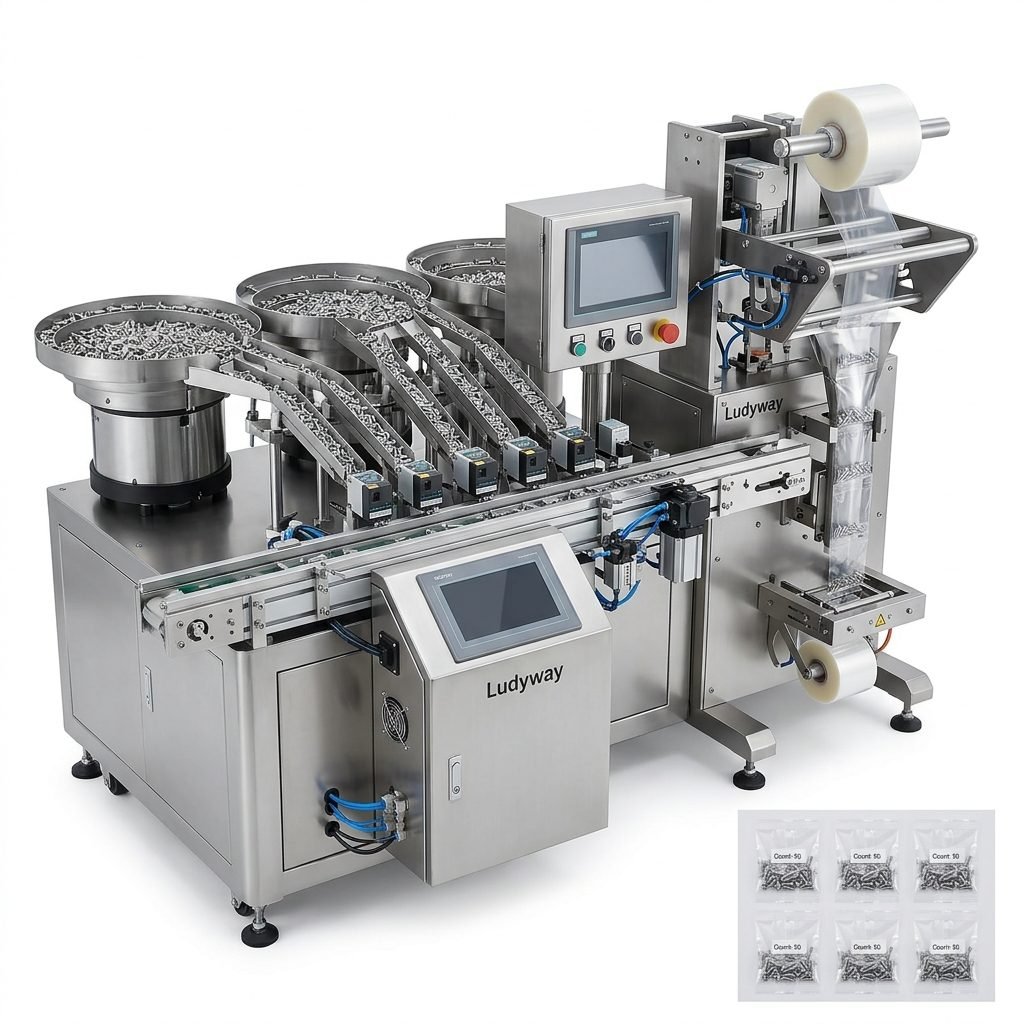
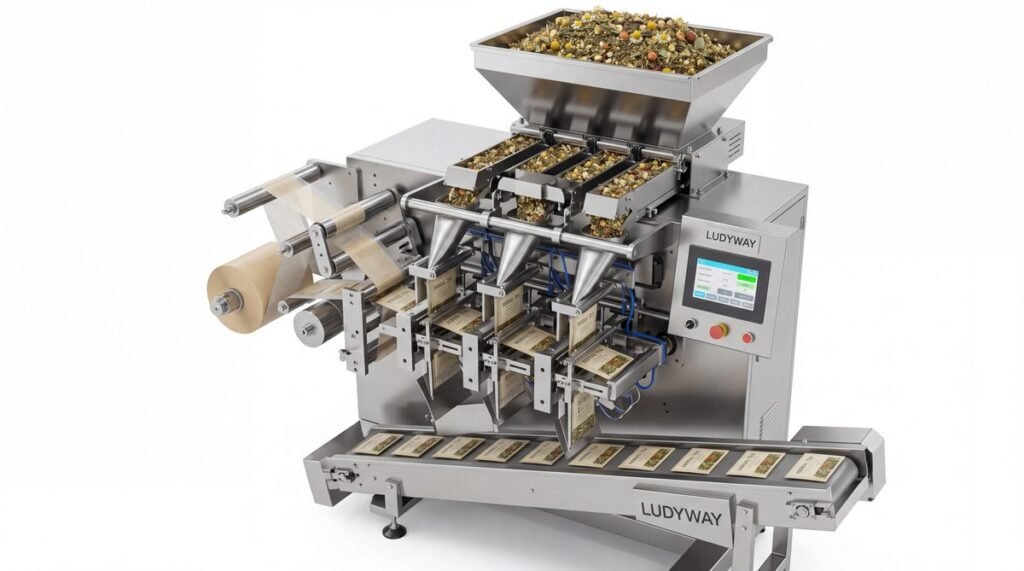
These are the workhorses of fastener packaging, designed for accuracy and speed. They automatically count precise quantities of fasteners and deposit them into bags, boxes, or blister packs. Modern systems utilize advanced vibratory bowl feeders, optical sensors, and load cells to ensure count accuracy, which is critical for inventory control and customer trust.
2. Bagging and Sealing Systems
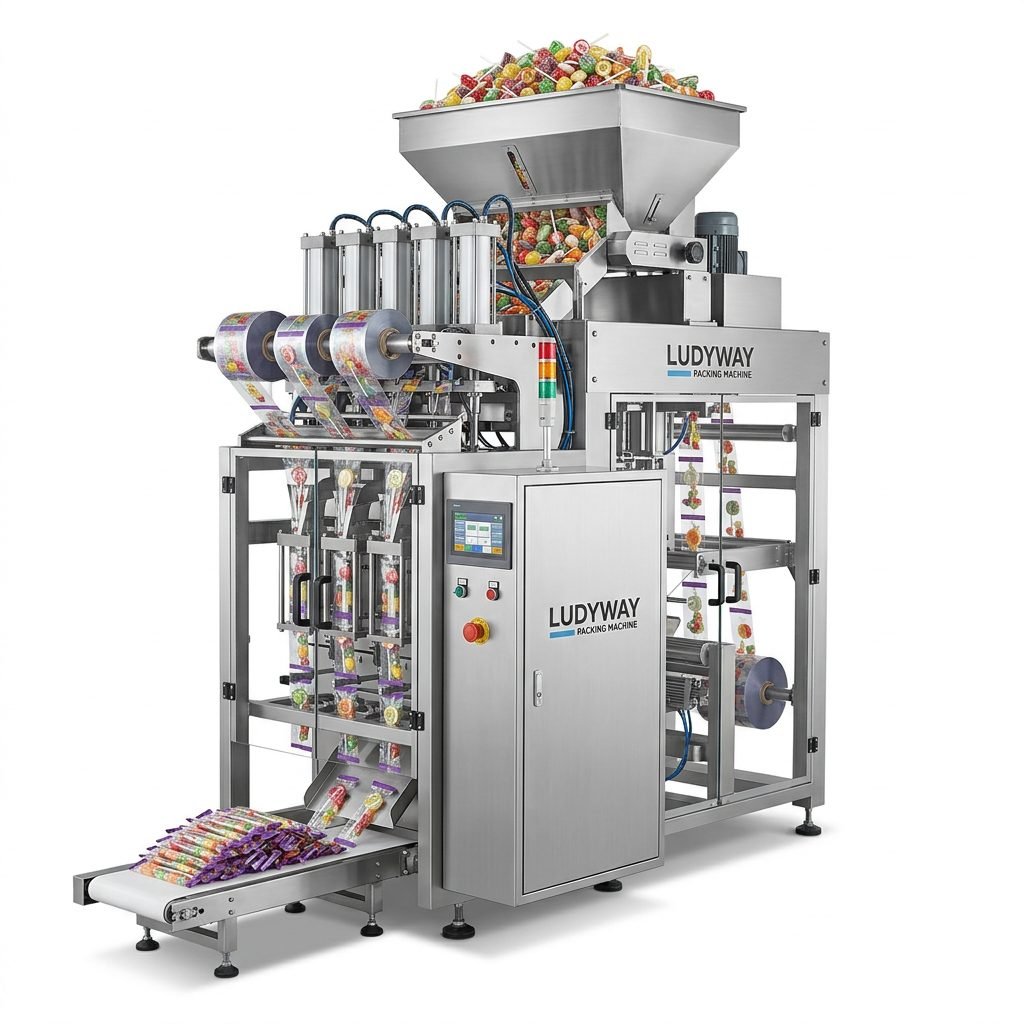
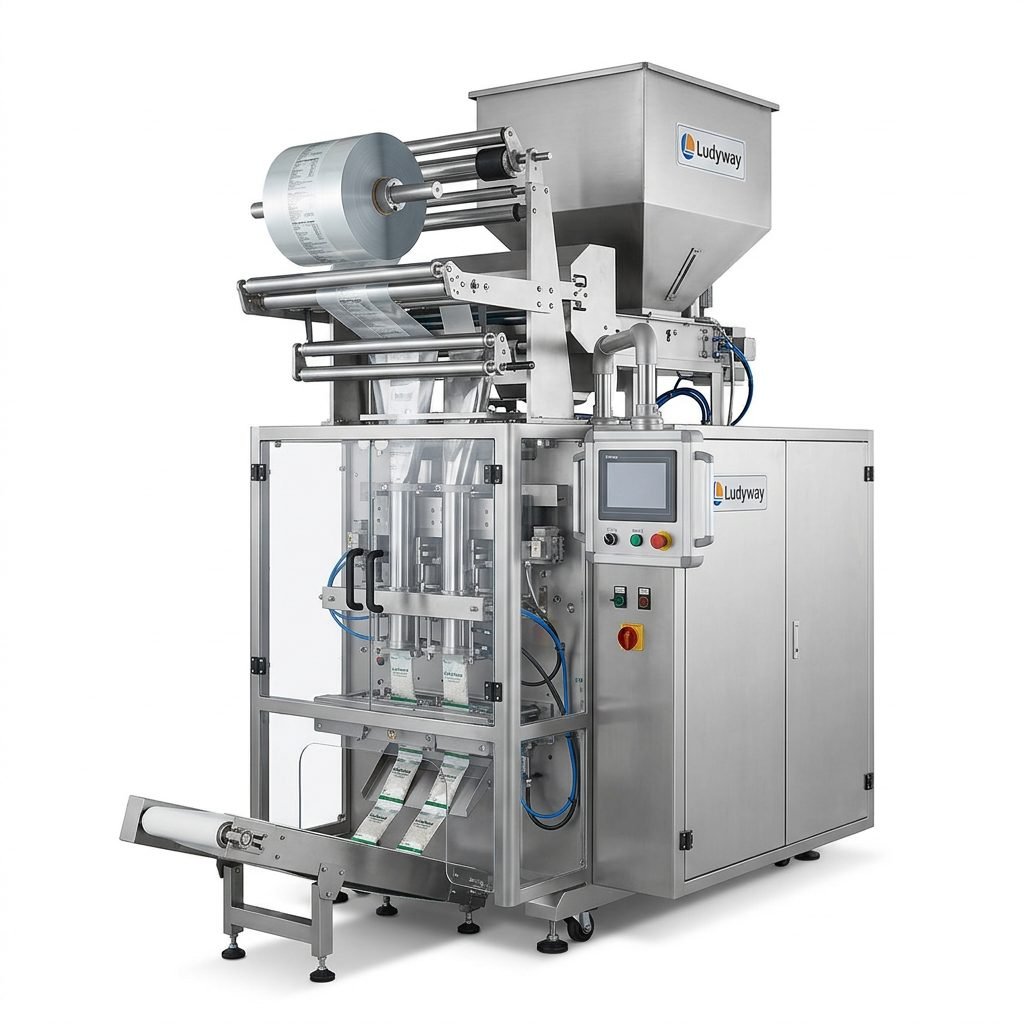
This category includes machines that form, fill, and seal bags. Options range from simple vertical form-fill-seal (VFFS) machines for poly bags to more complex systems that handle heavy-duty paper or laminated bags. Key features often include auger filling for granules, heat sealing, and date coding capabilities.
3. Cartoning and Case Packing Equipment
For retail or bulk shipment, fasteners often need to be placed into cartons or cases. Automatic cartoners erect boxes, insert counted fastener bags or blister cards, and seal them shut. Case packers then organize multiple cartons into larger shipping cases, streamlining the palletizing process.
4. Specialty Packaging Systems
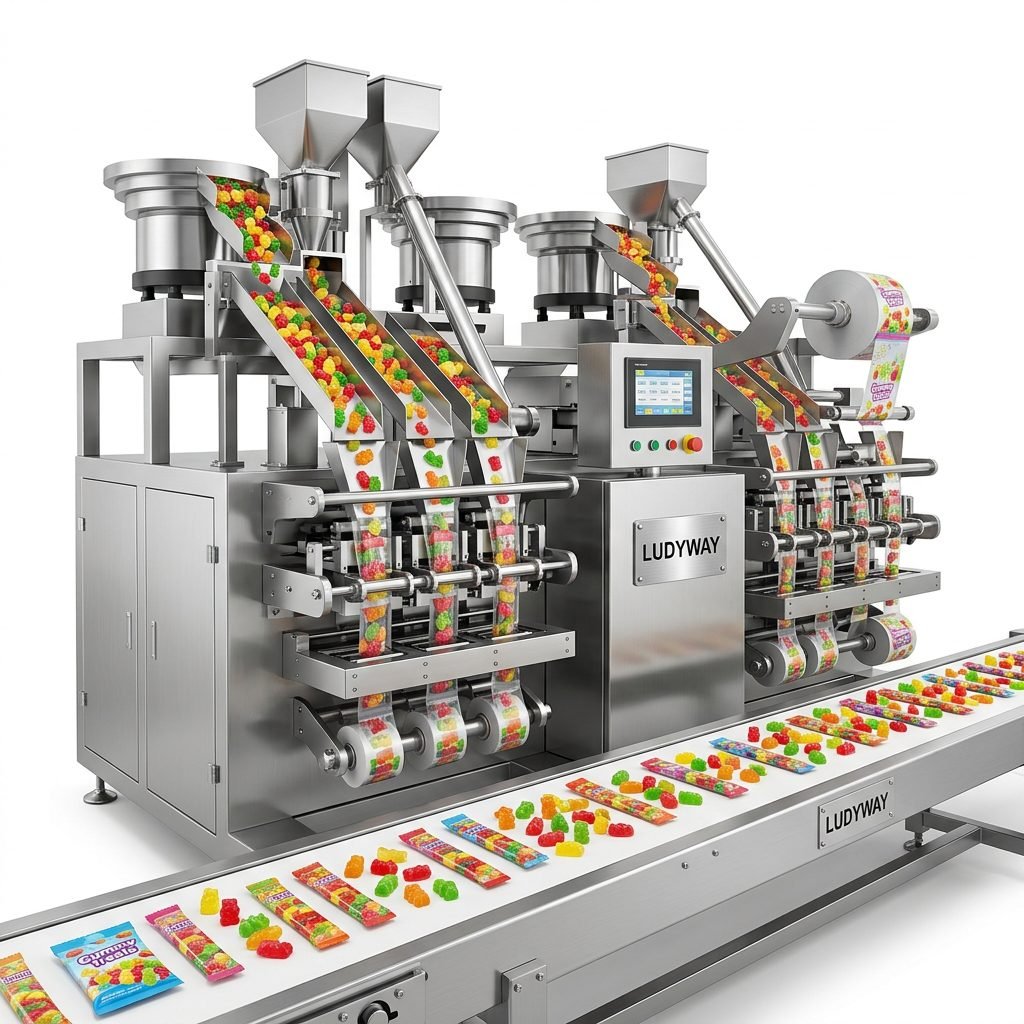
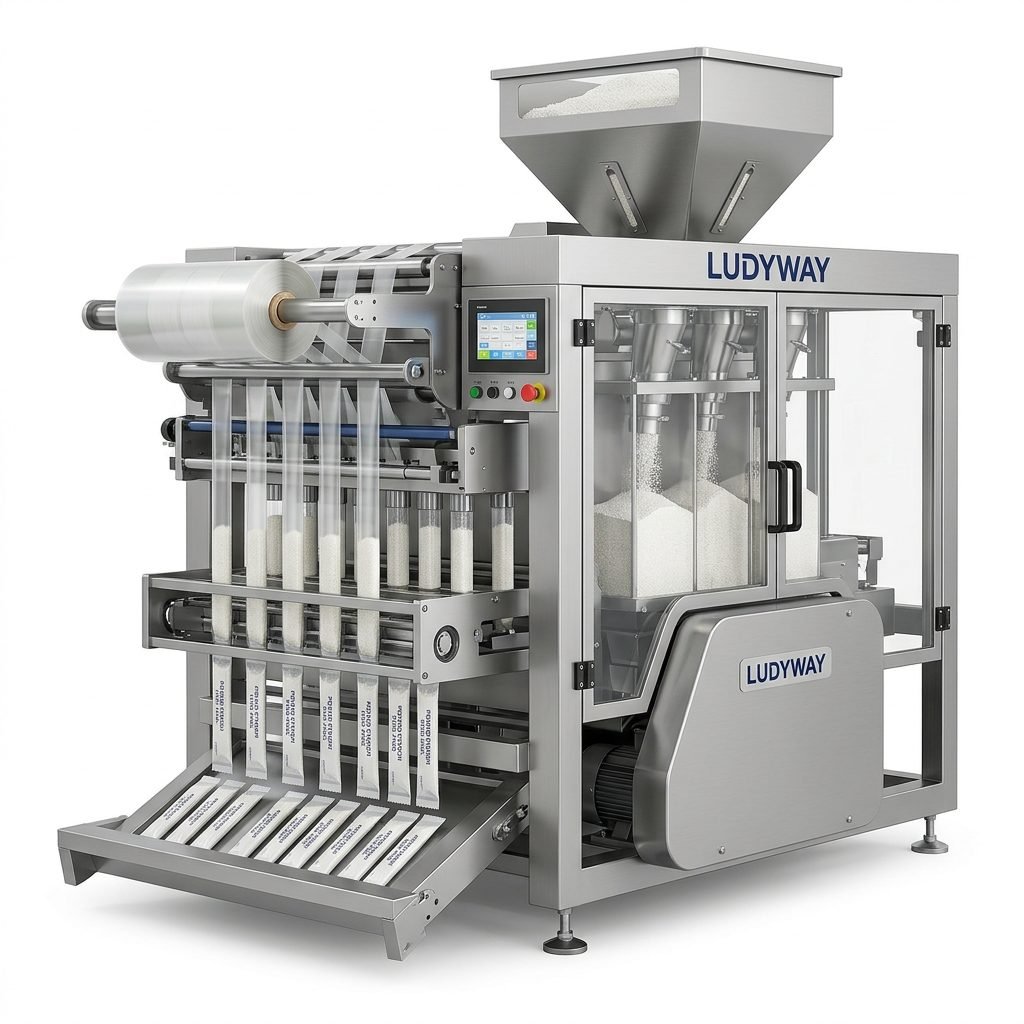
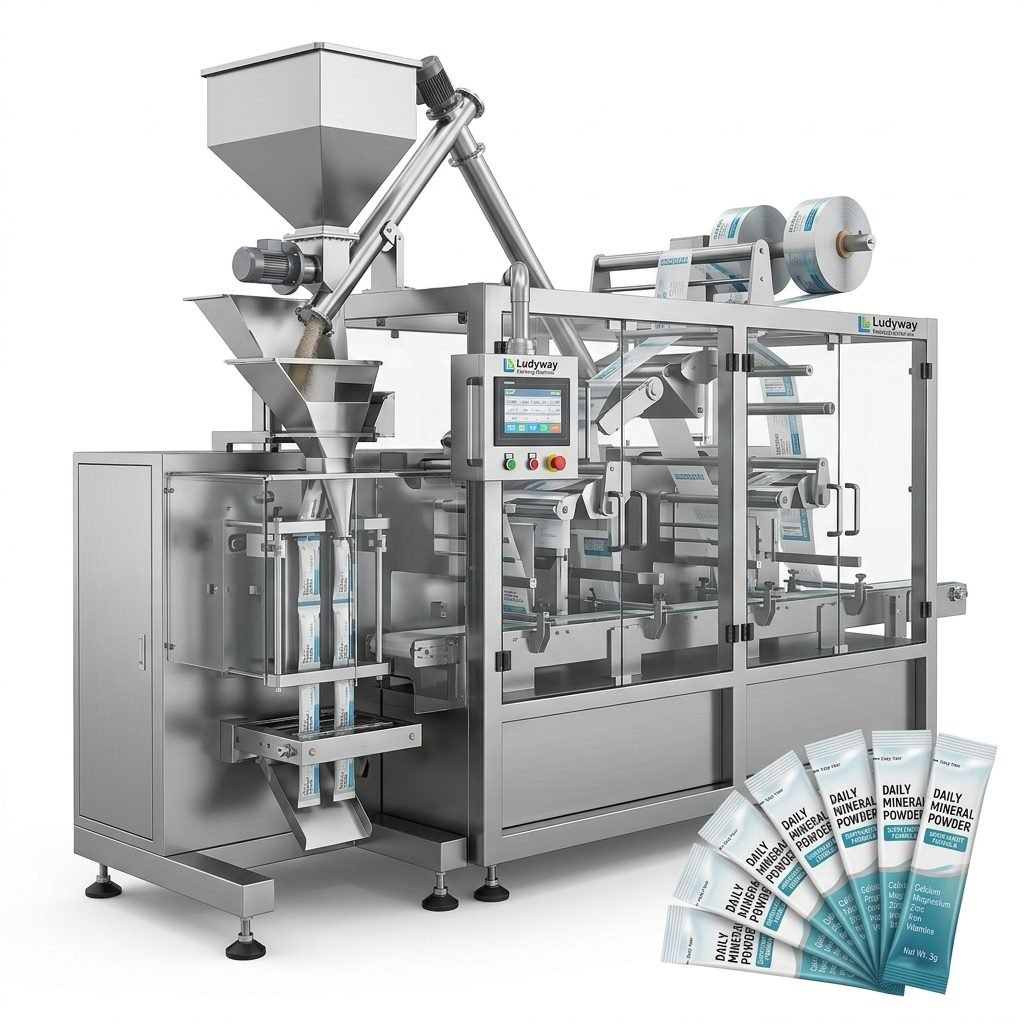
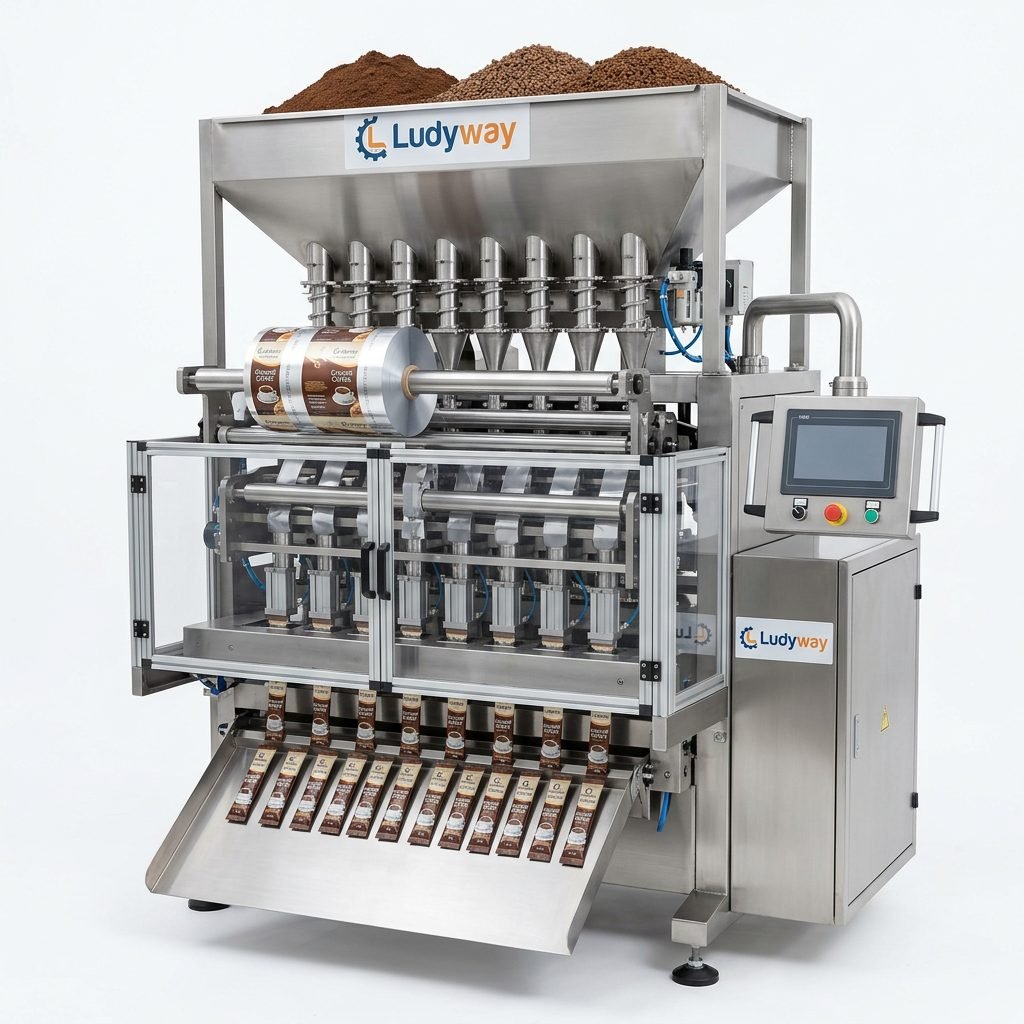
This includes equipment for unique packaging formats like stick packs for small hardware assortments, sachet machines for corrosion-inhibiting oils on fasteners, or blister packaging lines for retail display. These systems offer high visual appeal and product protection.
Key Features to Evaluate in Packaging Machinery
Beyond type, several core features determine a machine’s suitability for your specific fastener line. Prioritizing these aspects will guide you toward a machine that delivers long-term value.
Core Performance Features
Speed and Output Rate: Measured in packages per minute (PPM), this must align with your production targets. High-speed machines are essential for large-volume runs.
Accuracy and Precision: Consistent count and weight accuracy prevent giveaway and customer complaints. Look for machines with feedback-controlled systems and self-diagnostic checks.
Flexibility and Changeover Time: Can the machine handle different fastener sizes and packaging materials? Quick-change parts and recipe storage on an HMI (Human-Machine Interface) drastically reduce downtime between production runs.
Durability and Build Quality: Fastener handling can be abrasive. Machines constructed with stainless steel contact parts and robust frames ensure longevity and minimal maintenance.
Advanced Operational Features
Automation Level and Integration: Modern equipment can be integrated with upstream feeding systems and downstream robotics. Features like automatic reel feeding for labels or bag magazines enhance continuous operation.
User Interface and Control: An intuitive, color touchscreen HMI allows for easy operation, monitoring, and adjustment. Connectivity for Industry 4.0 data collection (OEE, production counts) is a significant advantage.
Safety and Compliance: Essential safety features include guarded moving parts, emergency stops, and compliance with international standards like CE or UL. This protects operators and ensures regulatory adherence.
How to Choose the Right Fastener Packaging Machine: A Step-by-Step Guide
Selecting equipment is a process that requires careful analysis of your current and future needs. Follow this structured approach to narrow down your options effectively.
Step 1: Conduct a Thorough Needs Analysis
Begin by defining your requirements. What types and size ranges of fasteners do you package? What is your required output (bags/boxes per hour)? What packaging materials do you use (poly bags, paper, blister cards)? What is your available factory floor space and power supply? Answering these questions creates a clear specification list.
Step 2: Research and Shortlist Reputable Suppliers
Look for manufacturers with proven experience in industrial packaging solutions, particularly with fastener or small parts handling. Evaluate their reputation, industry history, and the availability of local service and technical support. A supplier’s expertise is as important as the machine’s specs.
Step 3: Request Demos and Product Testing
Never buy based on specifications alone. Arrange for a live demonstration or, better yet, send samples of your actual fasteners and packaging materials to the supplier for a production-line test. Observe the machine’s performance, accuracy, and ease of operation firsthand.
Step 4: Evaluate Total Cost of Ownership (TCO)
Look beyond the initial purchase price. Consider the costs of installation, training, preventive maintenance, spare parts, energy consumption, and potential future upgrades. A slightly more expensive but more reliable and efficient machine often has a lower TCO.
Step 5: Plan for Integration and Support
Ensure the supplier offers comprehensive installation, operator training, and a clear warranty. Discuss how the new machine will integrate with your existing conveyor systems or production line software. Reliable after-sales service is critical for minimizing unexpected downtime.
Partnering for Success: The Role of Expert Suppliers
The journey doesn’t end with the purchase. A capable supplier acts as a long-term partner. Companies like Ludyway Machinery, with deep expertise in packaging automation, provide more than just equipment. They offer turnkey solutions, from initial consultation and custom machine design to installation, training, and ongoing technical support. This partnership model ensures your packaging line evolves with your business needs, maximizing your return on investment.
Frequently Asked Questions (FAQs)
What is the most important factor when choosing a fastener packager?
Accuracy and reliability are paramount. An inaccurate machine leads to product giveaway, inventory discrepancies, and unhappy customers. Consistency in performance over the long term is more valuable than peak speed alone.
Can one machine handle all different sizes of fasteners we produce?
Many machines are designed for flexibility. The key is the changeover process. Look for machines with quick-release parts and digital settings (recipes) that allow you to switch between different fastener sizes and counts with minimal tools and downtime.
How do I know if I need a fully automated line versus a semi-automatic machine?
This depends on your production volume and labor costs. High-volume, 24/7 operations justify the investment in full automation for speed and labor savings. For lower volumes or varied, short runs, a semi-automatic machine operated by a single worker may be more cost-effective and flexible.
What kind of maintenance do these machines require?
Regular preventive maintenance is essential. This typically includes cleaning, lubricating moving parts, inspecting and replacing wear items like sealing jaws or feeder bowls, and checking sensor alignment. A good supplier will provide a clear maintenance schedule and training.
Can packaging equipment be customized for our specific needs?
Yes, reputable manufacturers often offer customization. This can range from simple modifications like special hopper designs for oddly shaped fasteners to complex integrations with existing factory control systems. Always discuss your unique requirements during the consultation phase.