In the competitive world of food production, efficiency, hygiene, and product presentation are paramount. For yogurt manufacturers, the packaging stage is a critical point where these factors converge. The right yogurt packaging machine not only safeguards your product but also optimizes your entire production line, impacting speed, cost, and brand perception. This guide delves into the various types of packaging machines available, their key features, and provides a clear framework to help you select the best solution for your specific operational needs.
Understanding the Core Types of Yogurt Packaging Machines
The packaging process for yogurt can vary significantly based on product format (e.g., cup, bottle, pouch) and desired shelf life. Consequently, different types of machinery have been developed to handle these specific requirements efficiently.
Cup Filling and Sealing Machines
This is the most common system for retail yogurt. Machines in this category handle pre-formed plastic or paper cups. The process is typically fully automated: cups are fed from a magazine, filled with yogurt, a foil or plastic lid is applied, and then heat-sealed. Advanced models often integrate a date coder and a cup lidding system in-line. They are ideal for high-volume production of single-serve portions.
Form-Fill-Seal (FFS) Machines for Pouches
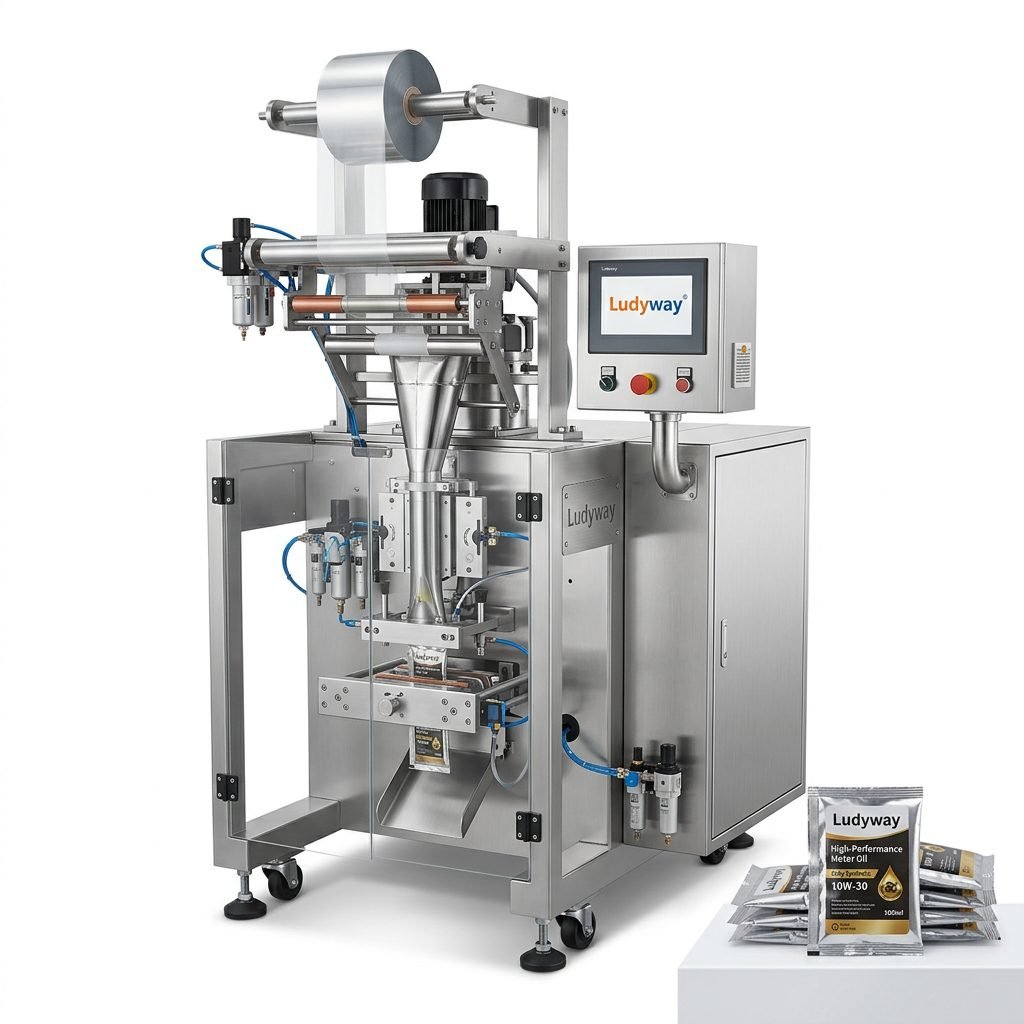
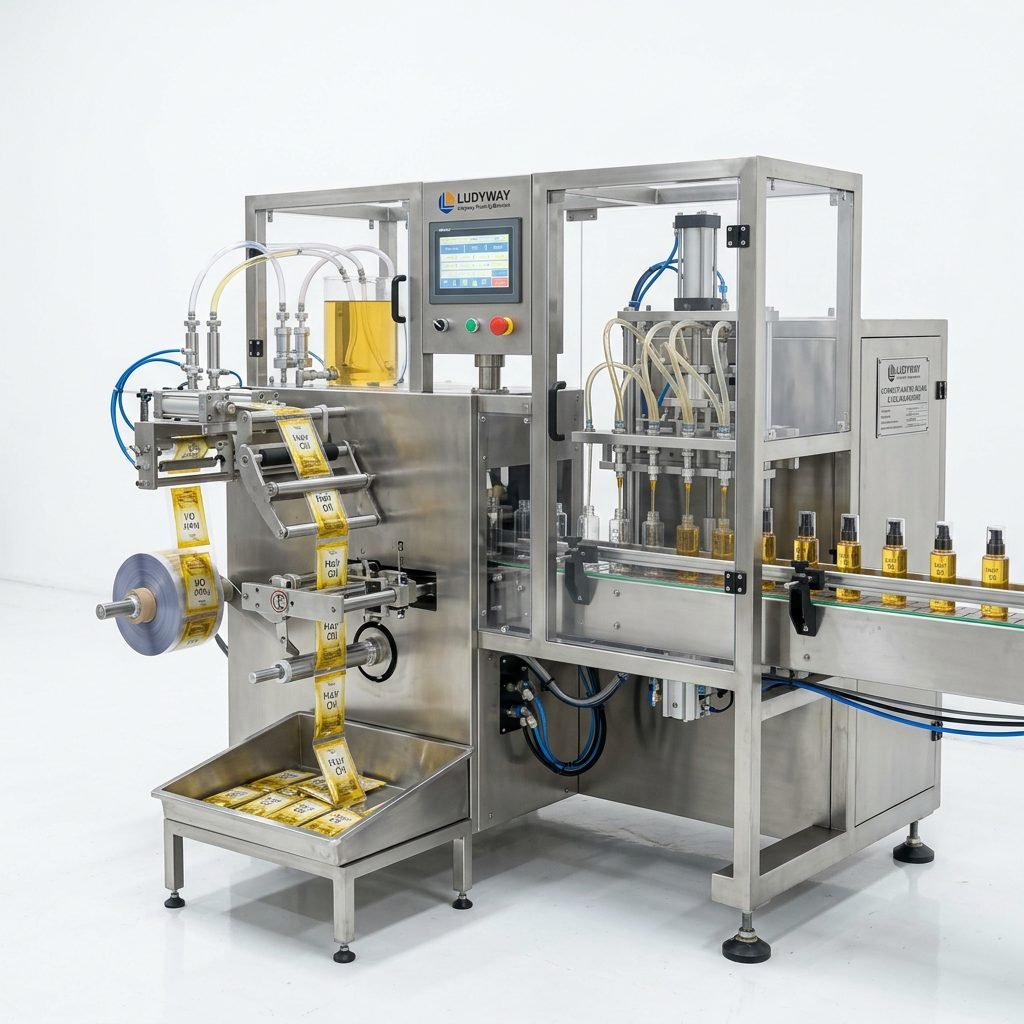
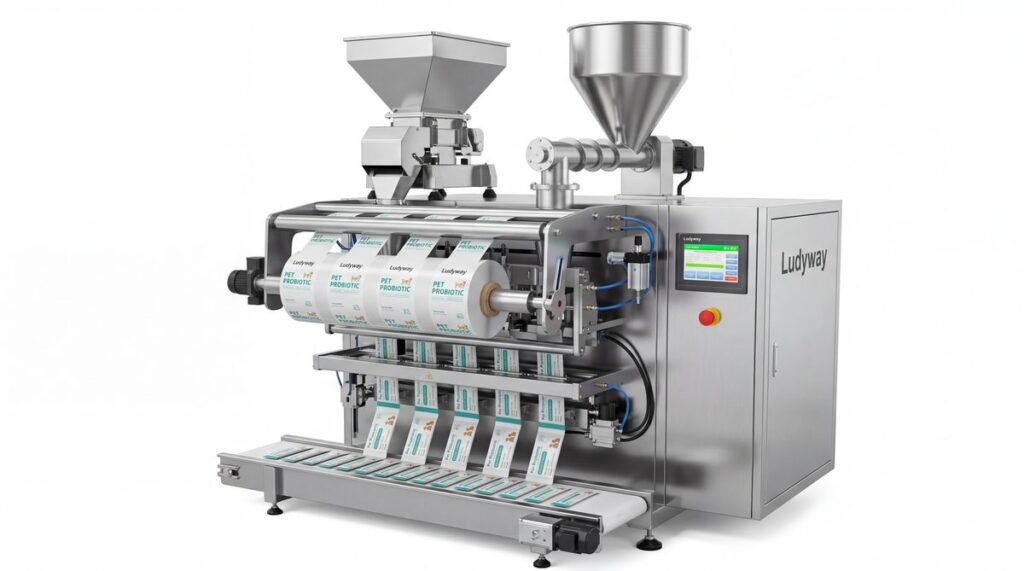
For products like drinkable yogurt or larger family-size portions, form-fill-seal technology is highly effective. These machines create the package from a roll of film, forming it into a pouch, filling it with yogurt, and then sealing it—all in one continuous operation. FFS machines offer excellent material efficiency and flexibility in pouch size and design. They are a cornerstone of modern flexible packaging solutions.
Bottle Filling Lines
Liquid and drinkable yogurts are frequently packaged in PET or HDPE bottles. Bottling lines are complex systems that may include a bottle unscrambler, rinser, filler, capper, and labeler. The filling technology is crucial here; yogurt’s viscosity often requires piston fillers or volumetric fillers to ensure accurate and clean dispensing without frothing.
Aseptic Packaging Systems
For extended shelf-life yogurt products without refrigeration, aseptic packaging is essential. These highly sophisticated systems sterilize both the packaging material and the product separately before filling and sealing in a sterile environment. This technology allows yogurt to be stored for months without preservatives, opening up broader distribution channels.
Key Features to Evaluate in a Packaging Machine
Beyond the basic type, several features determine a machine’s suitability, reliability, and return on investment.
Production Speed and Output Capacity
Measured in containers or pouches per minute (CPM/PPM), this must align with your current and projected production volumes. Consider not just peak speed but also sustainable operational speed with minimal downtime.
Accuracy and Consistency of Filling
Precise filling minimizes product giveaway and ensures every unit meets weight regulations. Look for machines with advanced servo-driven filling systems that offer high accuracy, even with variable product viscosities.
Hygienic Design and Cleanability
Given that yogurt is a dairy product, hygiene is non-negotiable. Machines should have a smooth, stainless steel construction with minimal crevices, easy disassembly for cleaning (CIP/SIP capabilities are a plus), and protection against contaminants.
Flexibility and Changeover Ease
If you produce multiple yogurt varieties, flavors, or package sizes, quick changeover is vital. Machines with tool-less adjustments, digital settings recall, and modular components can drastically reduce downtime between production runs.
Automation and Integration Level
Modern machines often feature PLC controls with user-friendly HMIs (Human-Machine Interfaces). Integration with upstream (mixing tanks) and downstream (cartoning, palletizing) equipment via conveyors is key for a seamless production line. Robotics for pick-and-place or case packing can further enhance automation.
Durability and After-Sales Support
The machine should be built from robust materials to withstand a wet, corrosive production environment. Equally important is the supplier’s reputation for providing accessible spare parts, comprehensive training, and responsive technical support.
How to Choose the Best Solution for Your Production
Selecting the ideal machine is a strategic decision. Follow this step-by-step framework to make an informed choice.
1. Define Your Product and Packaging Specifications
Start with clarity. What is your yogurt’s viscosity? What is your primary package material and size (e.g., 150g PP cup, 1L stand-up pouch)? Do you need gas flushing for modified atmosphere packaging (MAP) to extend freshness? Detail every requirement.
2. Analyze Your Production Volume and Growth Plan
Calculate your required output in units per shift, day, and year. Choose a machine that can comfortably meet your peak demand with about 15-20% capacity headroom for future growth, without being excessively oversized for your current needs.
3. Assess Your Facility and Utilities
Measure your available floor space, ceiling height, and access points. Ensure your facility can provide the necessary utilities: electrical power (voltage, phase), compressed air, and potentially chilled water for cooling seals. Don’t overlook logistical aspects like raw material (film, cup) storage and finished goods flow.
4. Prioritize Operational and Hygienic Needs
Consider the skill level of your operators. Is a simple, robust machine better than a highly complex one? For hygiene, a machine designed for easy, fast cleaning can save hours daily and reduce microbial risk, which is critical in dairy processing.
5. Evaluate Total Cost of Ownership (TCO)
Look beyond the initial purchase price. Factor in installation costs, energy consumption, maintenance requirements, cost of spare parts, and expected lifespan. A slightly more expensive but more efficient and reliable machine often has a lower TCO.
6. Partner with a Reputable Supplier
Your machine supplier is a long-term partner. Seek a provider with proven experience in the dairy or food packaging industry. They should offer not just a machine, but a comprehensive solution, including installation, commissioning, training, and ongoing support. Review their client testimonials and, if possible, request a live demonstration or visit a reference site.
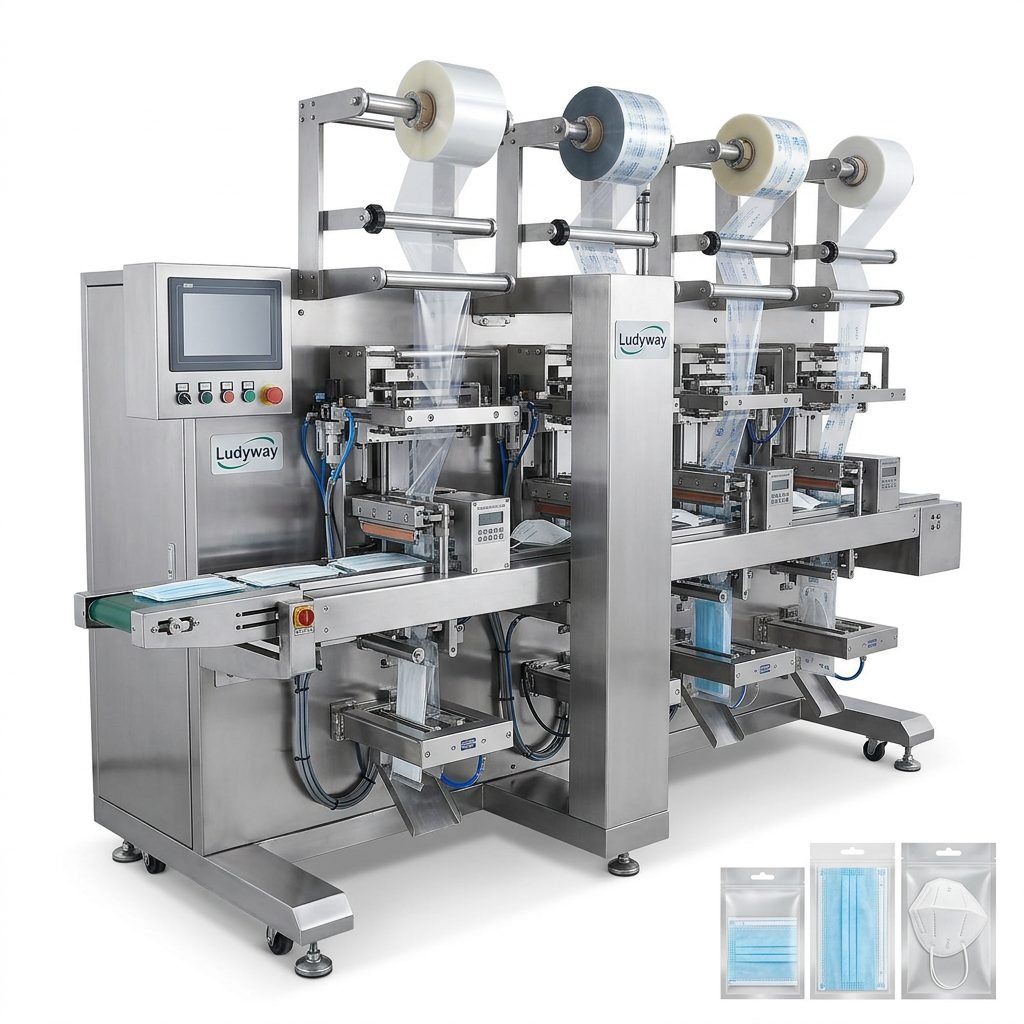
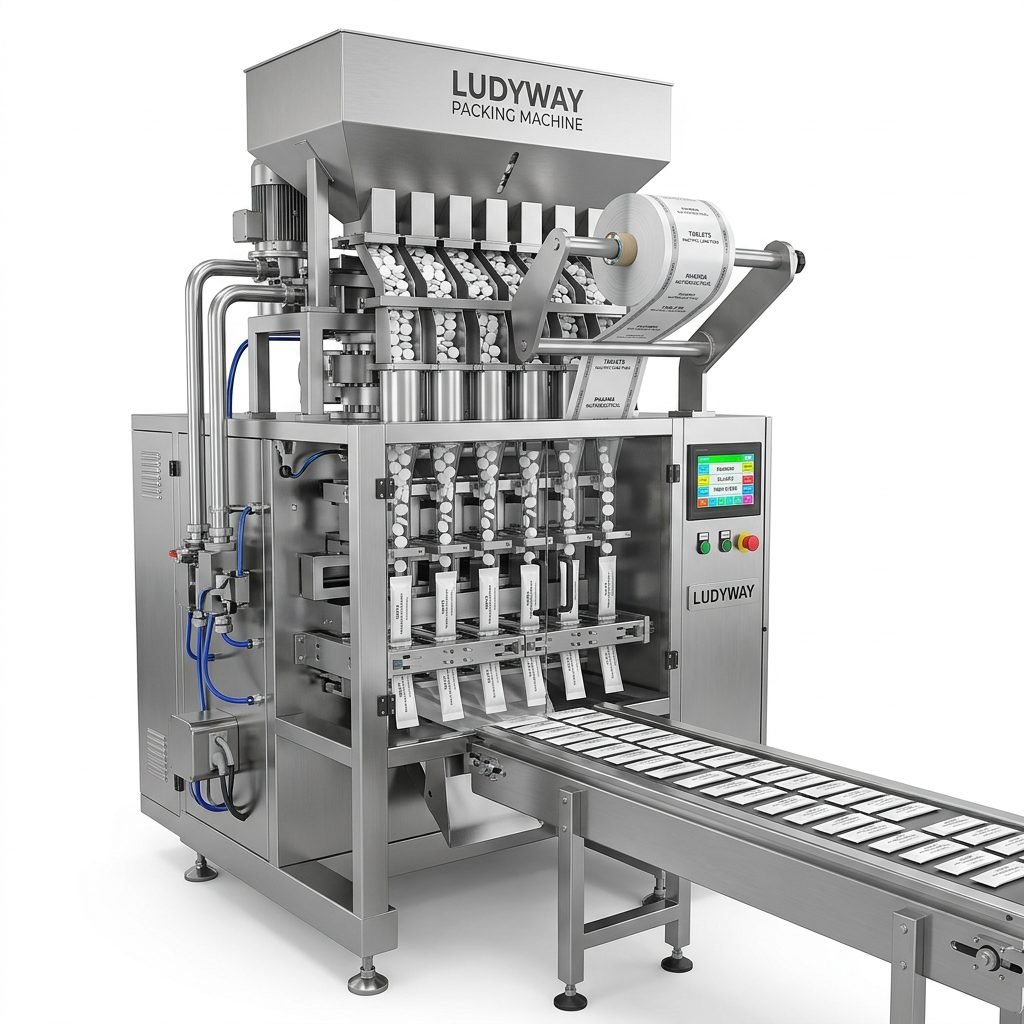
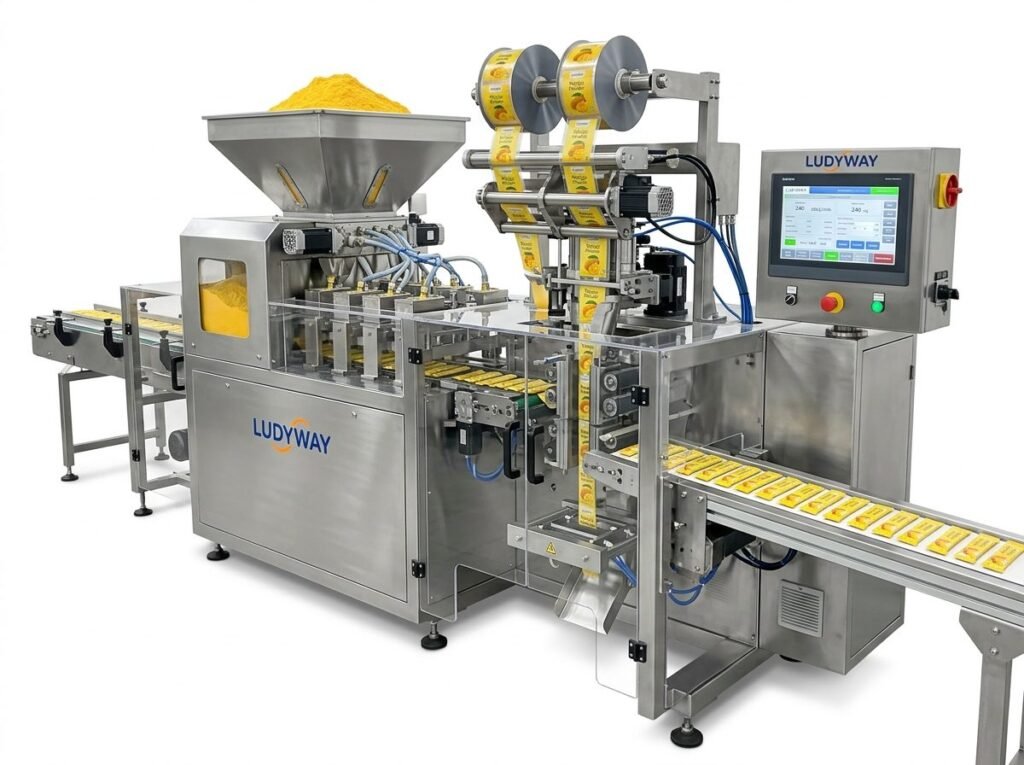
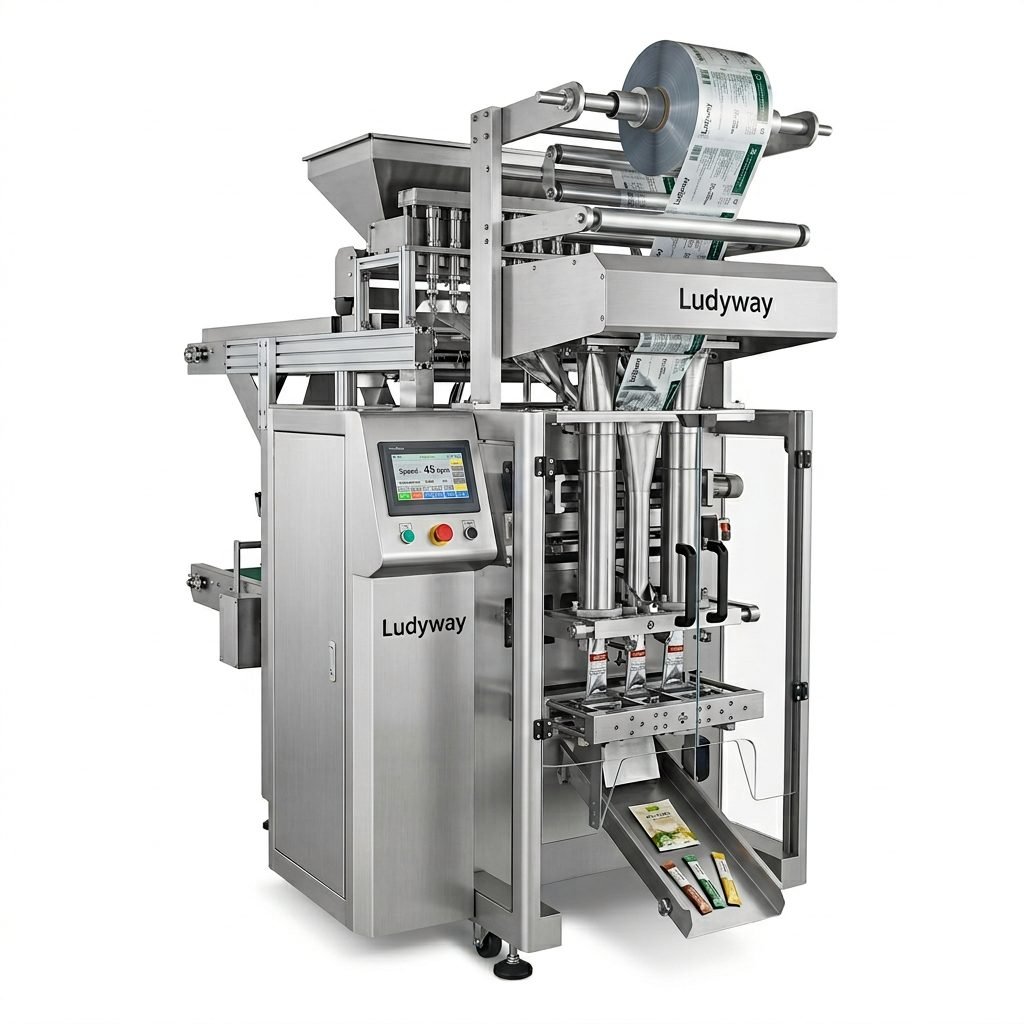
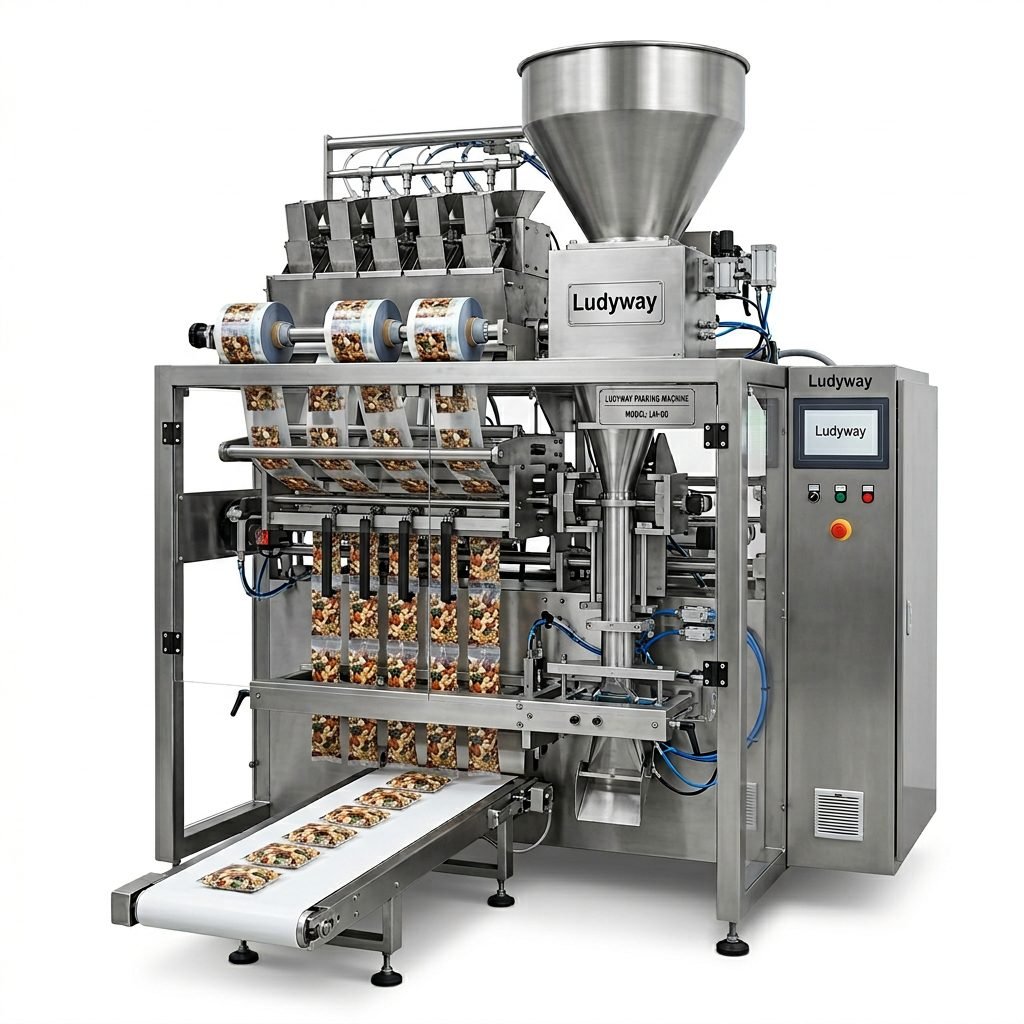
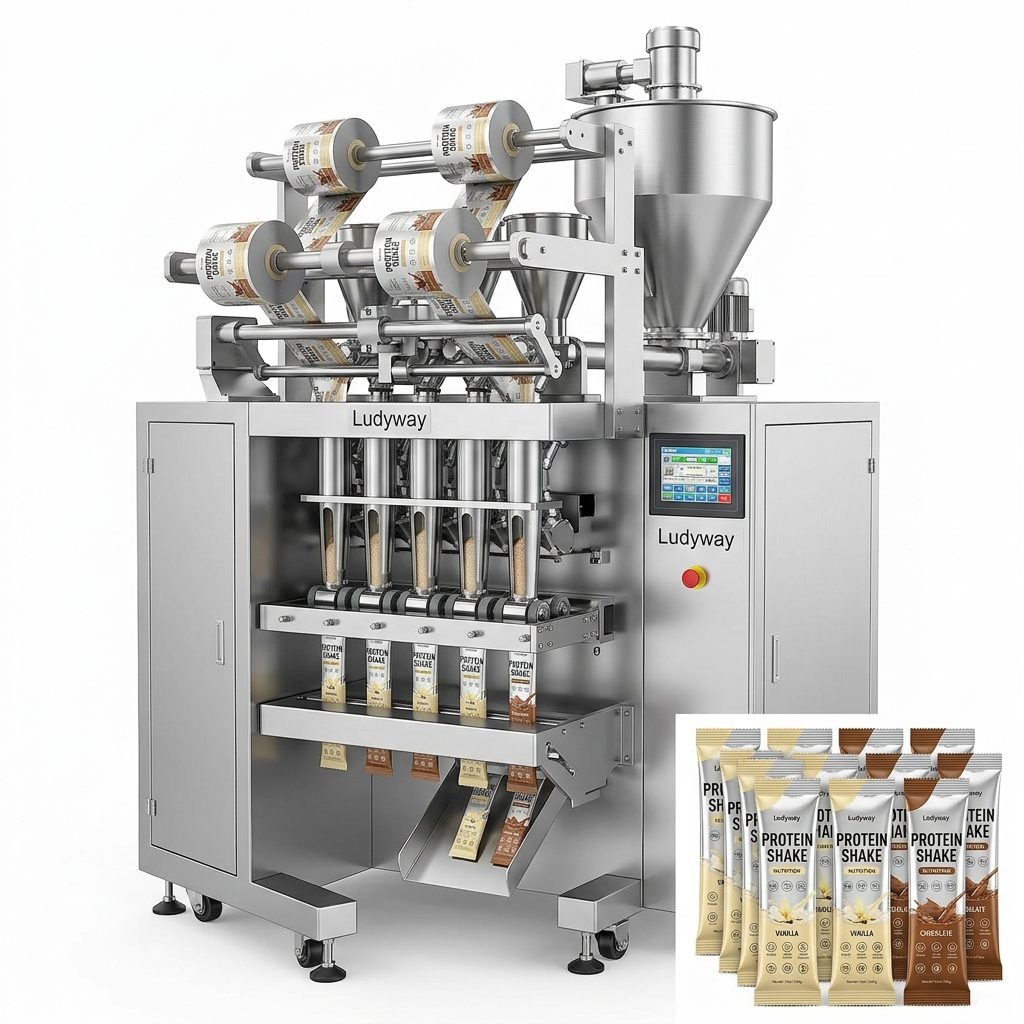
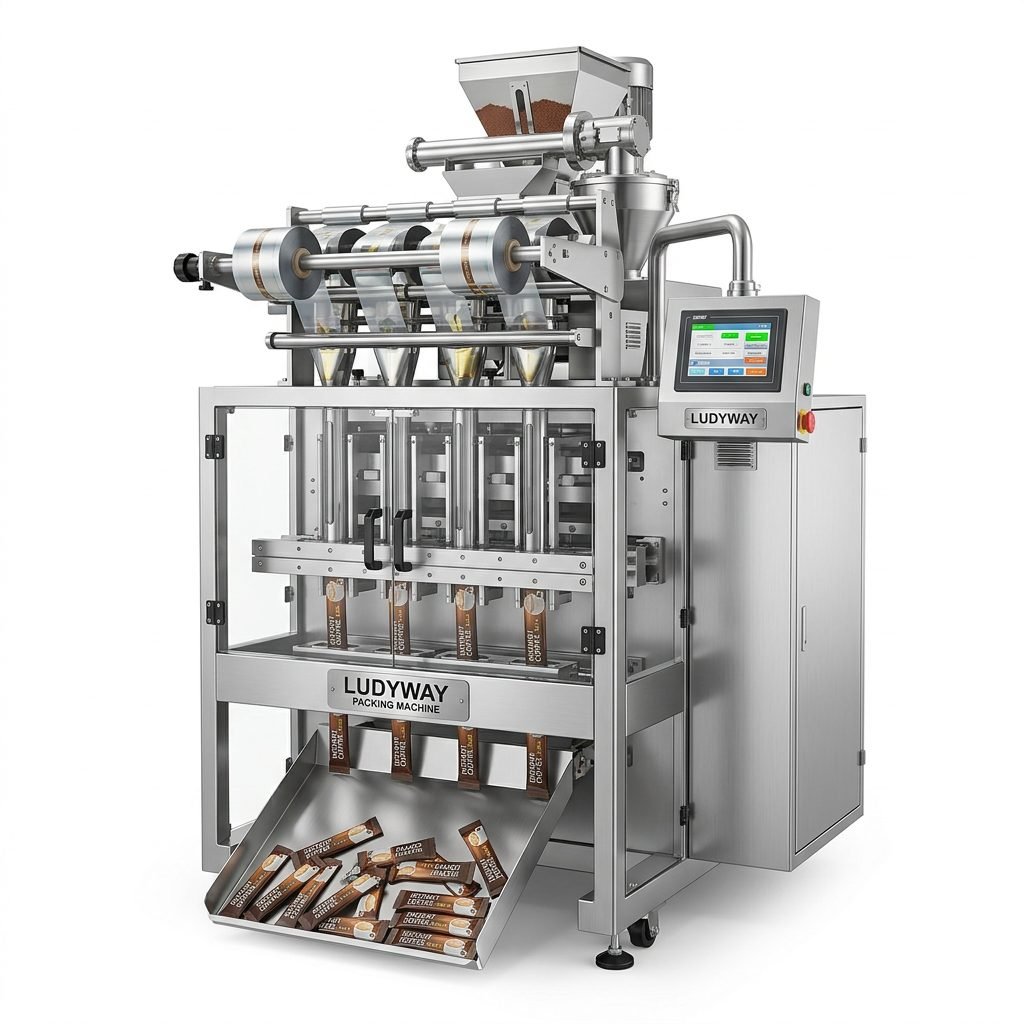
For businesses seeking reliable and advanced packaging solutions, partnering with an experienced provider is crucial. Companies like Ludyway Machinery, with deep industry expertise, can offer valuable guidance and robust equipment tailored to dairy applications. Exploring their range of sachet and stick pack machines or liquid packaging systems might reveal options perfectly suited for innovative yogurt products.
Frequently Asked Questions (FAQs)
What is the typical speed range for a yogurt cup filling machine?
Speeds vary widely based on automation and cup size. Entry-level semi-automatic machines may fill 30-40 cups per minute, while fully automatic, multi-lane rotary fillers can achieve speeds from 100 to over 400 cups per minute for high-volume production.
Can one machine handle different yogurt viscosities (e.g., Greek vs. regular)?
Many modern machines are designed with this flexibility. The key is a filling system (like a piston filler) that can be adjusted for different product viscosities. However, significant changes might require different filling nozzles or piston sizes, so discuss this specifically with the supplier.
How important is Modified Atmosphere Packaging (MAP) for yogurt?
MAP, which replaces the air in the package with an inert gas like nitrogen, is crucial for suppressing yeast and mold growth, especially in fruit-on-the-bottom or muesli yogurts. It significantly extends shelf life. If your product contains inclusions or targets a longer shelf life, a machine with integrated MAP capability is highly recommended.
What are the main maintenance requirements for these machines?
Daily cleaning and lubrication of specific points are essential. Periodic maintenance includes checking and replacing seals on filling heads, inspecting and calibrating sensors, and servicing pneumatic and drive components. A preventive maintenance schedule provided by the supplier is invaluable.
What training is usually provided with a new packaging machine?
A reputable supplier should provide comprehensive training covering normal operation, changeover procedures, routine cleaning, basic troubleshooting, and safety protocols. This training is typically conducted on-site during installation and commissioning for your production staff and maintenance engineers.