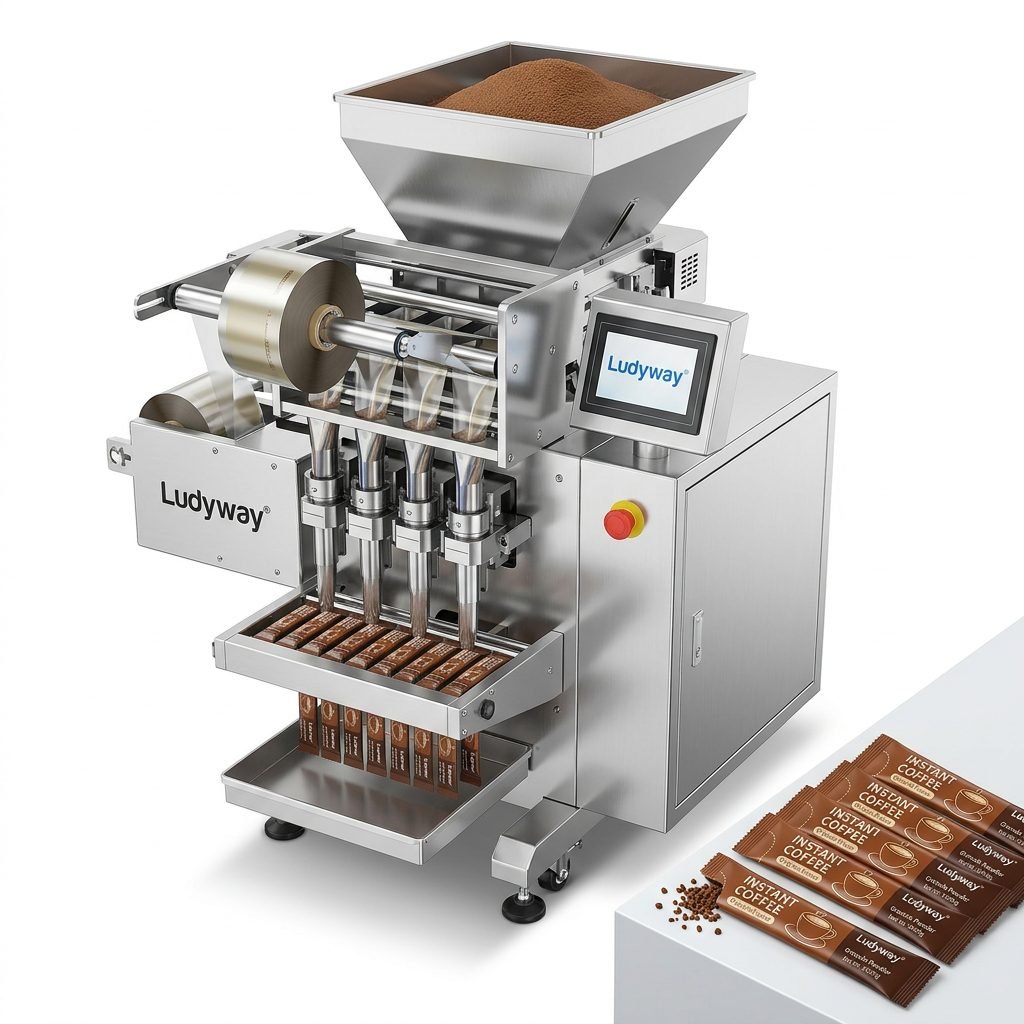
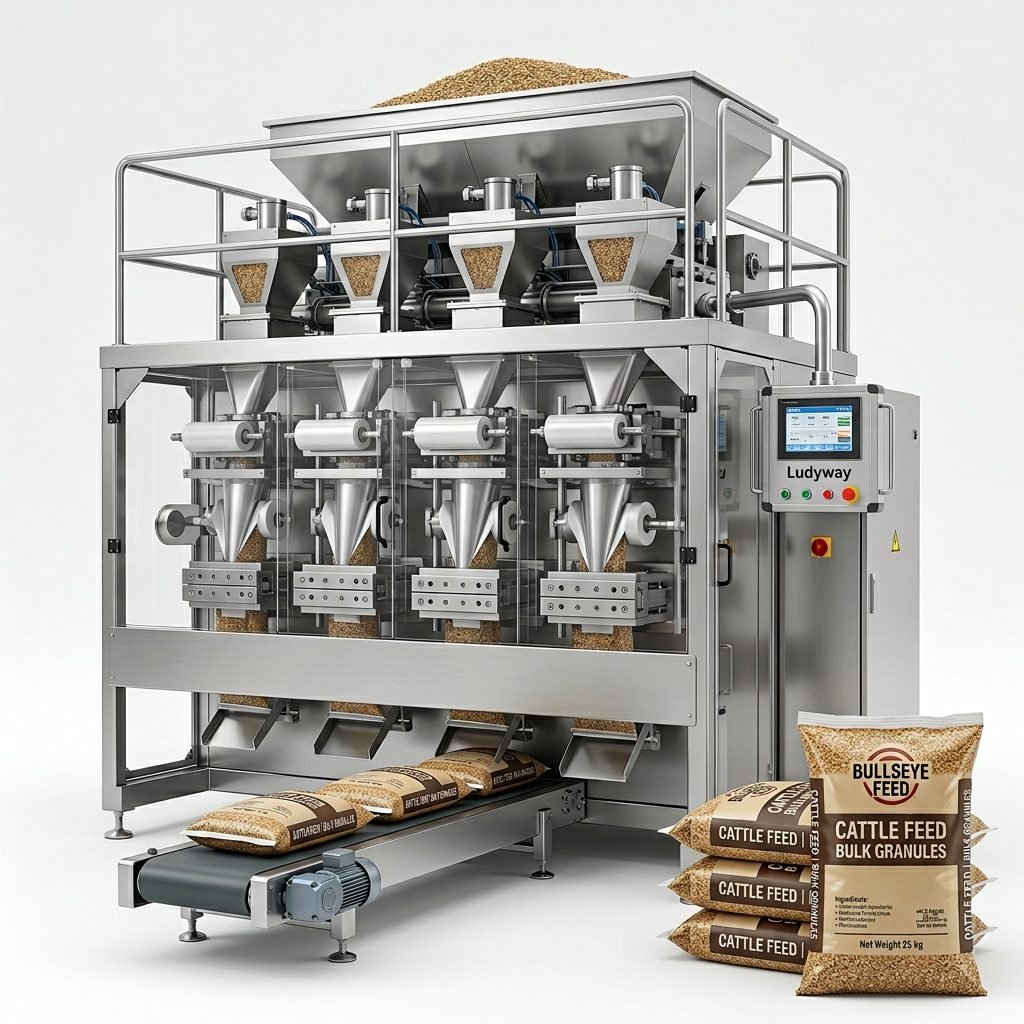
The coffee pod market continues to grow globally, driven by consumer demand for convenience and consistent quality. For manufacturers, this presents both an opportunity and a challenge: how to scale production efficiently while maintaining the integrity and freshness of the product. The heart of this operation is the coffee pod packaging machine. Choosing the right automatic solution is not merely a purchase; it’s a strategic investment that impacts your production capacity, product quality, and ultimately, your bottom line.
Understanding Coffee Pod Packaging Machinery
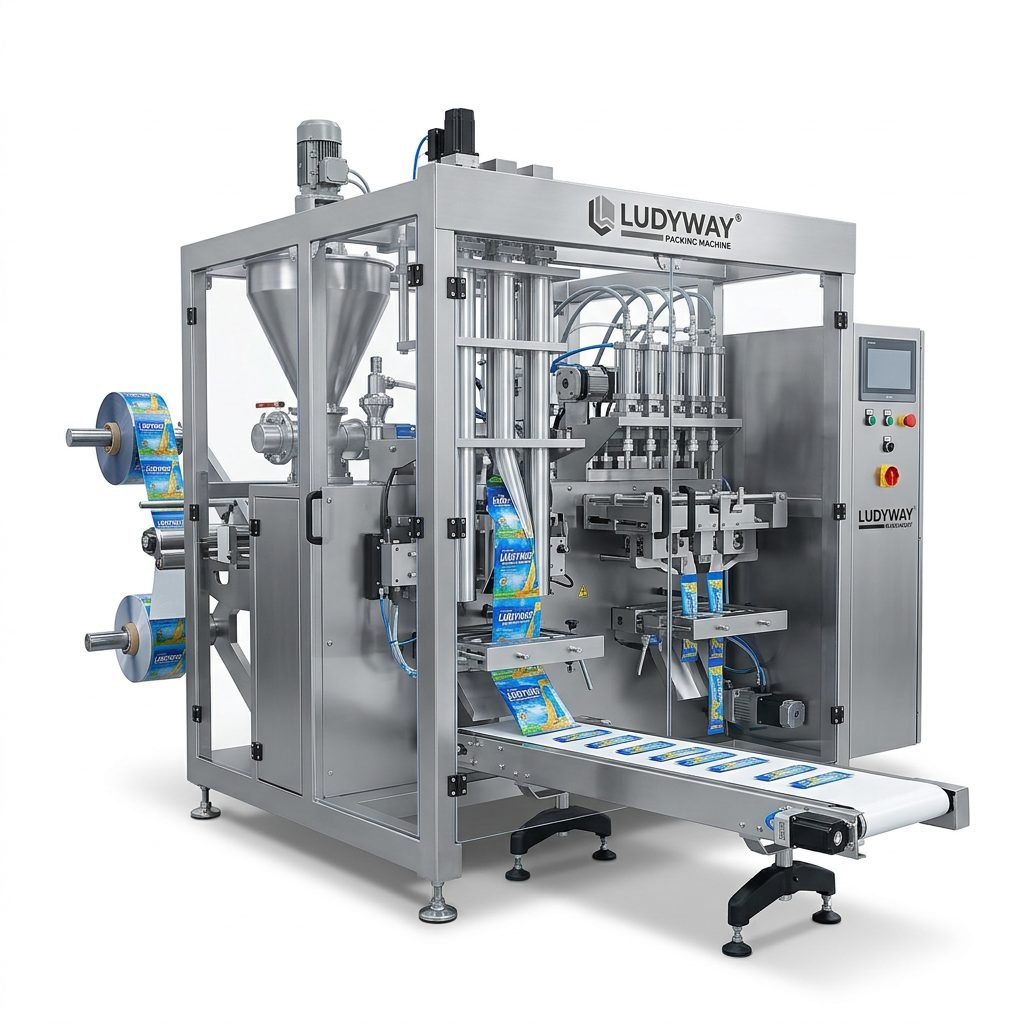
Coffee pod packaging is a specialized form of form-fill-seal (FFS) technology. An automatic machine typically performs several key functions in a continuous cycle: forming the pod cup from a roll of laminated material (often a combination of foil, plastic, and filter paper), precisely dosing the ground coffee, applying a lid or top seal, and finally cutting the individual pods. The entire process must be executed in a controlled, often nitrogen-flushed, environment to ensure optimal freshness and extended shelf life by displacing oxygen.
Key Insight: The most advanced machines integrate gas flushing systems directly into the sealing station. This is critical for preserving aroma and preventing oxidation, which are top priorities for premium coffee brands.
Core Components of a Reliable System
When evaluating machines, look beyond the basic specification sheet. The reliability and output depend on the synergy of its core components:
- Forming System: Uses precision dies and heat to shape the pod material without wrinkles or weak seals.
- Dosing System: The most critical part for consistency. Volumetric or auger fillers must be extremely accurate, often achieving tolerances within ±0.1 grams.
- Sealing System: Employs heated jaws with precise temperature and pressure control to create a hermetic, tamper-evident seal.
- PLC & HMI: The programmable logic controller and human-machine interface are the brains of the operation, allowing for recipe changes, speed adjustments, and detailed production reporting.
How to Choose the Right Automatic Solution
Selecting the ideal packaging machine requires a thorough analysis of your current and future needs. A mismatch here can lead to costly downtime or an inability to meet market demand.
1. Assess Your Production Volume and Speed Requirements
Machine speeds are measured in pods per minute (PPM). A small-scale operation might suffice with a machine producing 60-120 PPM, while a large manufacturer may need equipment capable of 300+ PPM. Consider not just today’s orders, but projected growth over the next 3-5 years. Investing in a slightly faster machine than currently needed can be more cost-effective than needing to replace it prematurely. For insights into scalable solutions, reviewing case studies from established packaging machinery providers can be invaluable.
2. Evaluate Pod Compatibility and Flexibility
Are you committed to a single pod size and shape (e.g., standard ESE pods), or do you plan to offer a range (different sizes, biodegradable materials, or capsule types)? Changeover time—the time needed to switch production from one pod format to another—is a crucial metric. Machines with quick-change parts and digital recipe storage can reduce changeover from hours to minutes, maximizing your production uptime.
Pro Tip: Future-Proofing Your Investment
Opt for a machine designed with modularity in mind. This allows you to add features later, such as vision inspection systems for quality control, secondary packaging integration, or more sophisticated data tracking for Industry 4.0 compliance. A partner with a broad portfolio, like those offering comprehensive packaging line solutions, can guide this modular approach.
3. Prioritize Hygiene, Cleanability, and Safety
Coffee is a food product, and machinery must comply with food safety standards (e.g., FDA, EU regulations). Look for machines with stainless steel contact surfaces, smooth edges to prevent residue buildup, and designs that allow for easy access and cleaning. Enclosed safety guards with interlock systems are non-negotiable to protect operators.
4. Analyze Total Cost of Ownership (TCO)
The purchase price is just the beginning. A thorough TCO analysis includes:
→ Energy Consumption: Efficient servo motors can significantly reduce electricity costs.
→ Material Waste: Precision forming and sealing minimize film waste.
→ Maintenance & Spare Parts: Assess the availability and cost of spare parts and the supplier’s technical support structure. A machine with a slightly higher upfront cost but lower long-term operating expenses and strong technical support often provides a better return.
5. Verify Supplier Expertise and Support
The machine is only as good as the company behind it. Investigate the supplier’s experience specifically in coffee pod packaging. Do they offer comprehensive training, installation supervision, and readily available spare parts? Can they provide references from other coffee producers? A supplier with deep industry knowledge becomes a long-term partner in your success.
The Role of Automation in Modern Production
Fully automatic coffee pod packaging lines often integrate upstream and downstream processes. This can include automated grinders and conveyors feeding the packaging machine, and robotic arms placing finished pods into cartons or trays. This level of automation minimizes human handling, reduces labor costs, and enhances overall line efficiency and hygiene.
In conclusion, selecting the best coffee pod packaging machine is a multifaceted decision. It requires balancing technical specifications (speed, accuracy, flexibility) with practical business considerations (cost, support, scalability). By methodically evaluating your needs against the capabilities of potential machines and their suppliers, you can choose an automatic solution that not only meets today’s production goals but also drives your brand’s growth for years to come.
Frequently Asked Questions (FAQs)
Q1: What is the typical output speed range for a commercial coffee pod packaging machine?
Speeds vary widely based on machine type and pod complexity. Basic single-lane machines may produce 80-150 pods per minute (PPM), while high-end multi-lane systems can achieve 400+ PPM. The right speed depends entirely on your production volume requirements.
Q2: How important is nitrogen flushing in coffee pod packaging?
Extremely important for product quality. Nitrogen flushing displaces oxygen inside the pod before sealing, drastically slowing down oxidation and staling. This process is essential for preserving the coffee’s fresh aroma and flavor, extending its shelf life, and is a standard feature for quality-focused producers.
Q3: Can one machine package different sizes and shapes of pods?
Yes, many machines offer flexibility, but with a caveat. This requires “changeover parts” like different forming dies and filling nozzles. The key factor is the changeover time—how long it takes to switch formats. Look for machines designed for quick changeover to maintain production efficiency.
Q4: What are the key maintenance requirements for these machines?
Regular daily cleaning is paramount for food safety. Periodic maintenance includes lubricating moving parts, checking seal jaw temperatures and alignment, calibrating the dosing system, and inspecting wear parts like cutting blades. A good supplier will provide a detailed maintenance schedule and training.
Q5: What should I look for in terms of supplier after-sales support?
Prioritize suppliers who offer comprehensive training, on-site installation assistance, a clear warranty, readily available spare parts inventory, and responsive remote technical support (e.g., via phone or video call). The ability to provide timely service minimizes costly production downtime.