In the competitive world of food production, efficiency, shelf life, and presentation are paramount. Dry food products, ranging from spices and tea to instant noodles and snacks, require specialized packaging to maintain quality and appeal to consumers. Selecting the right dry food packaging machine is a critical decision that impacts your production line’s speed, reliability, and overall cost-effectiveness. This comprehensive guide will explore the various types of machines, their key features, and provide a clear framework to help you choose the best solution for your specific needs.
Understanding the Core Types of Dry Food Packaging Machines
The first step in choosing a machine is understanding the different technologies available. The primary classification is based on the packaging form they create.
Vertical Form-Fill-Seal (VFFS) Machines
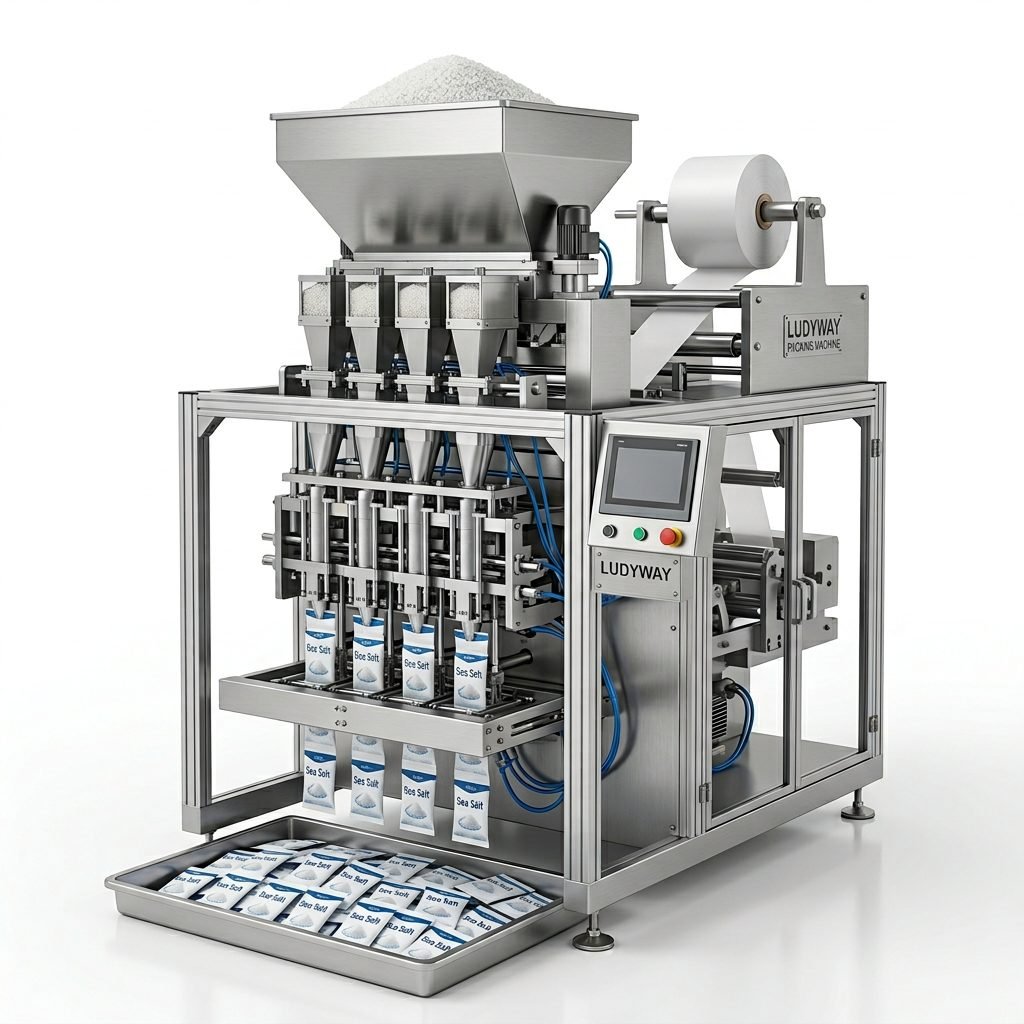
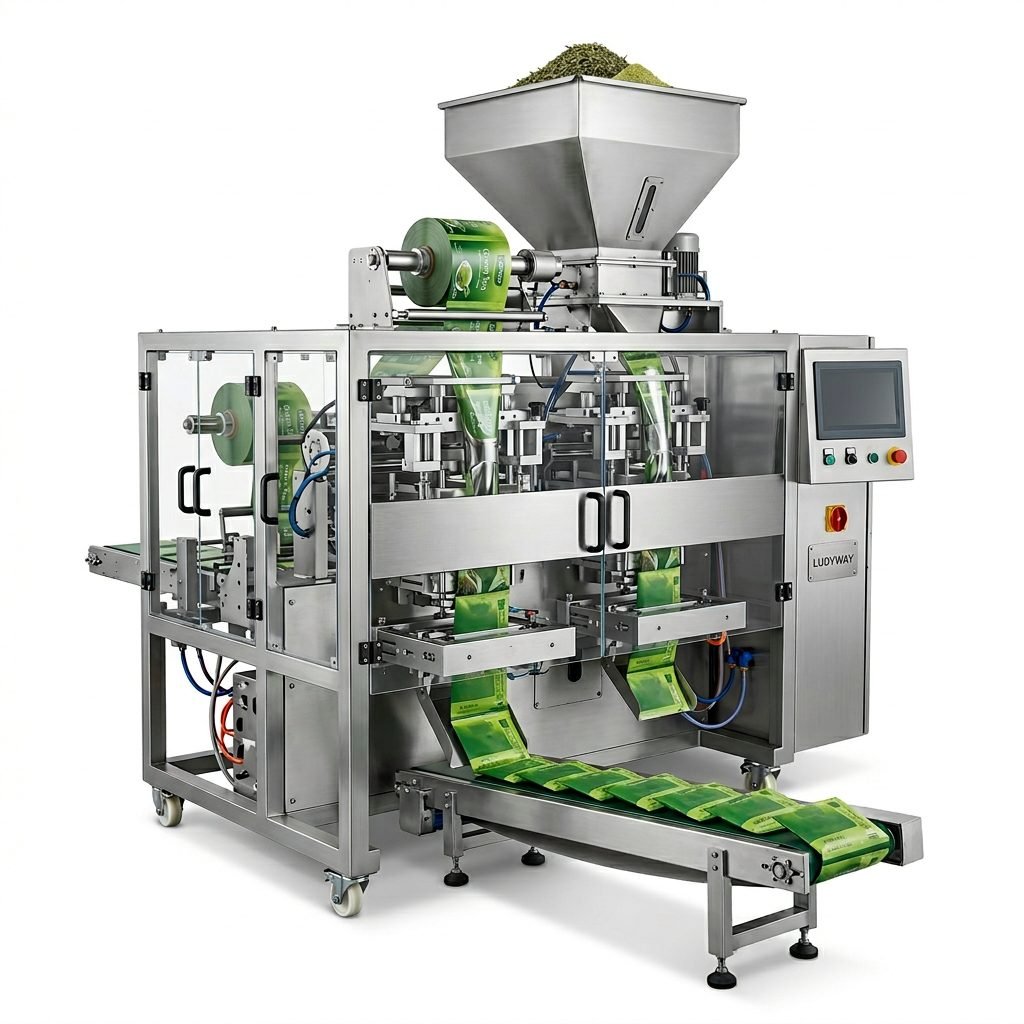
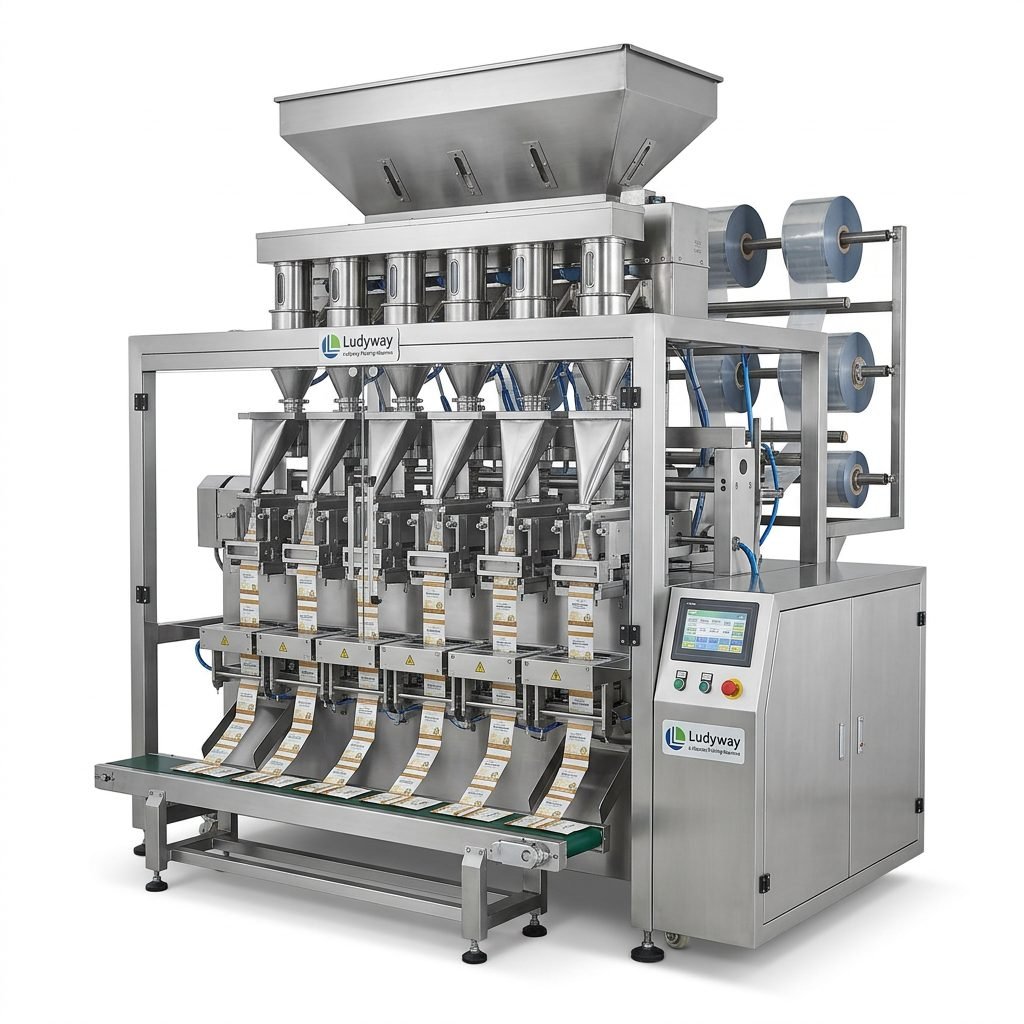
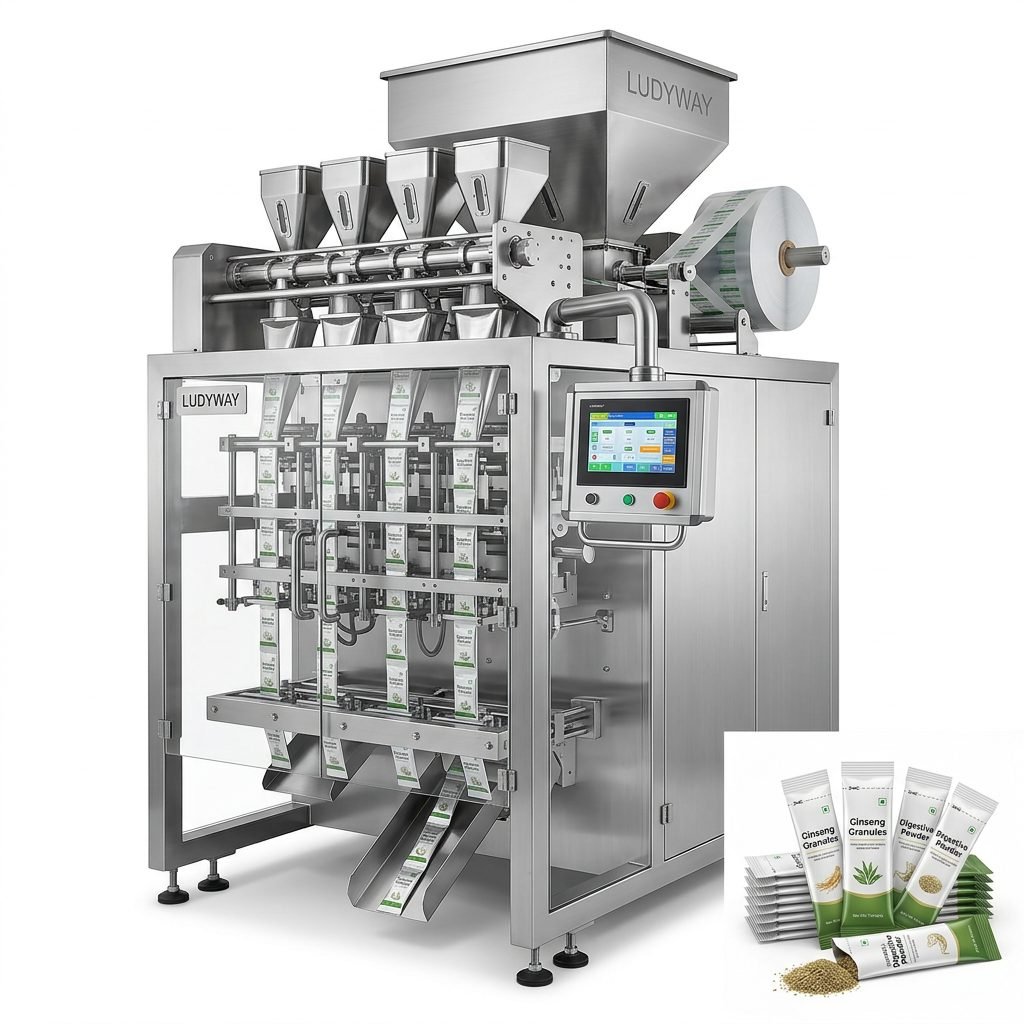
These are the workhorses of the dry food industry. A VFFS machine forms a bag from a roll of film, fills it with the product, and then seals it—all in a continuous vertical motion. They are incredibly versatile and suitable for a wide range of products like granules, powders, seeds, and small pieces. Their compact footprint and high-speed capabilities make them ideal for medium to high-volume production.
Horizontal Form-Fill-Seal (HFFS) Machines
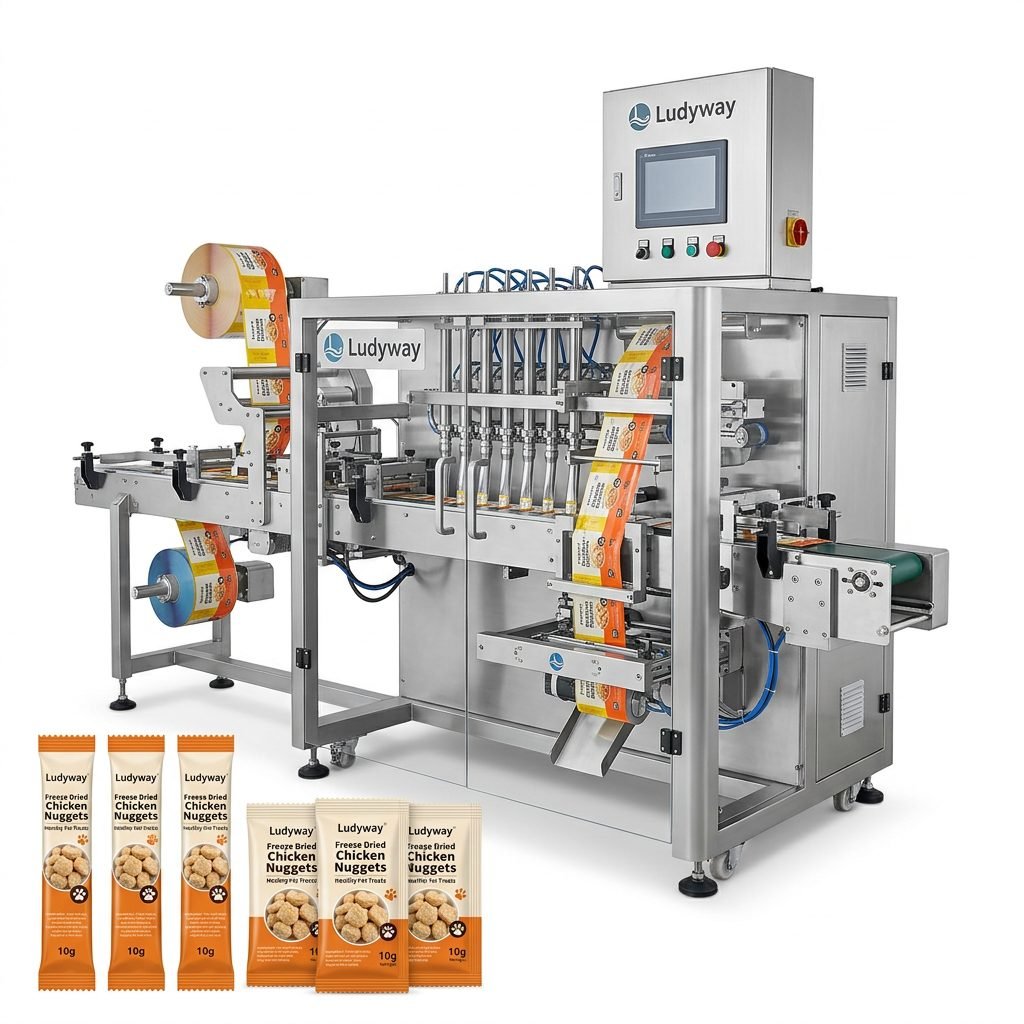
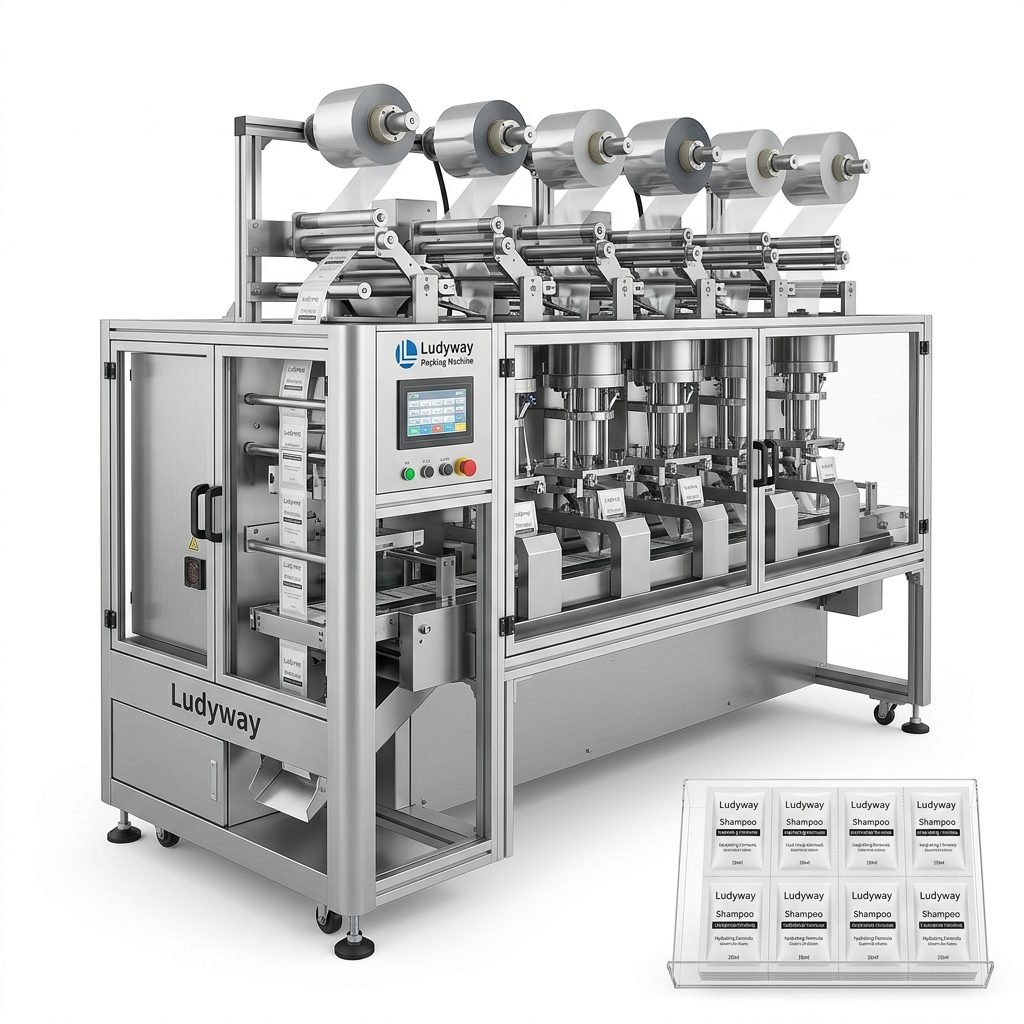
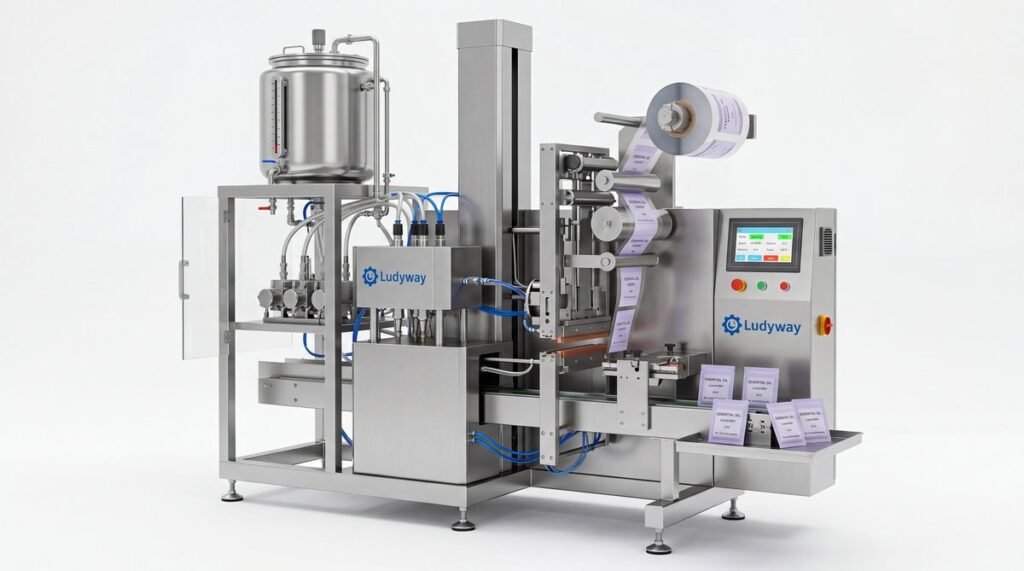
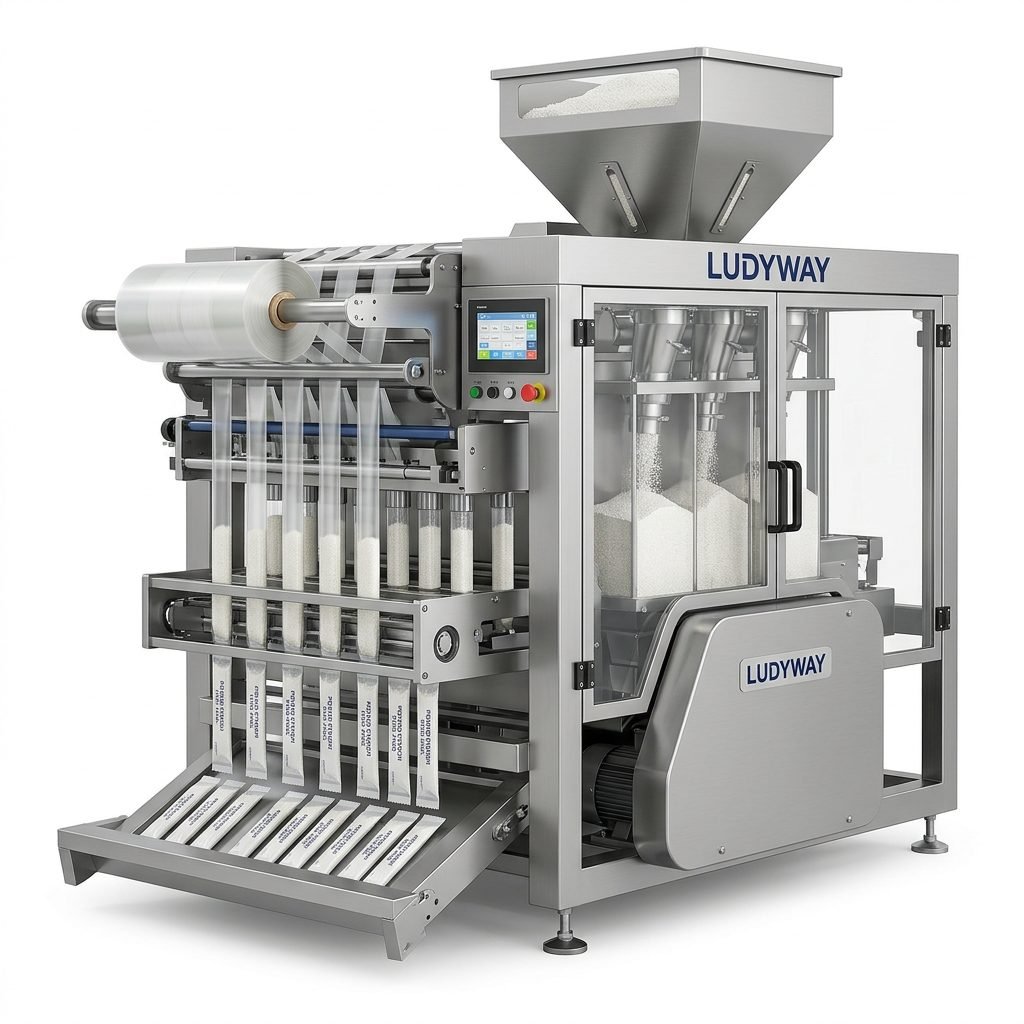
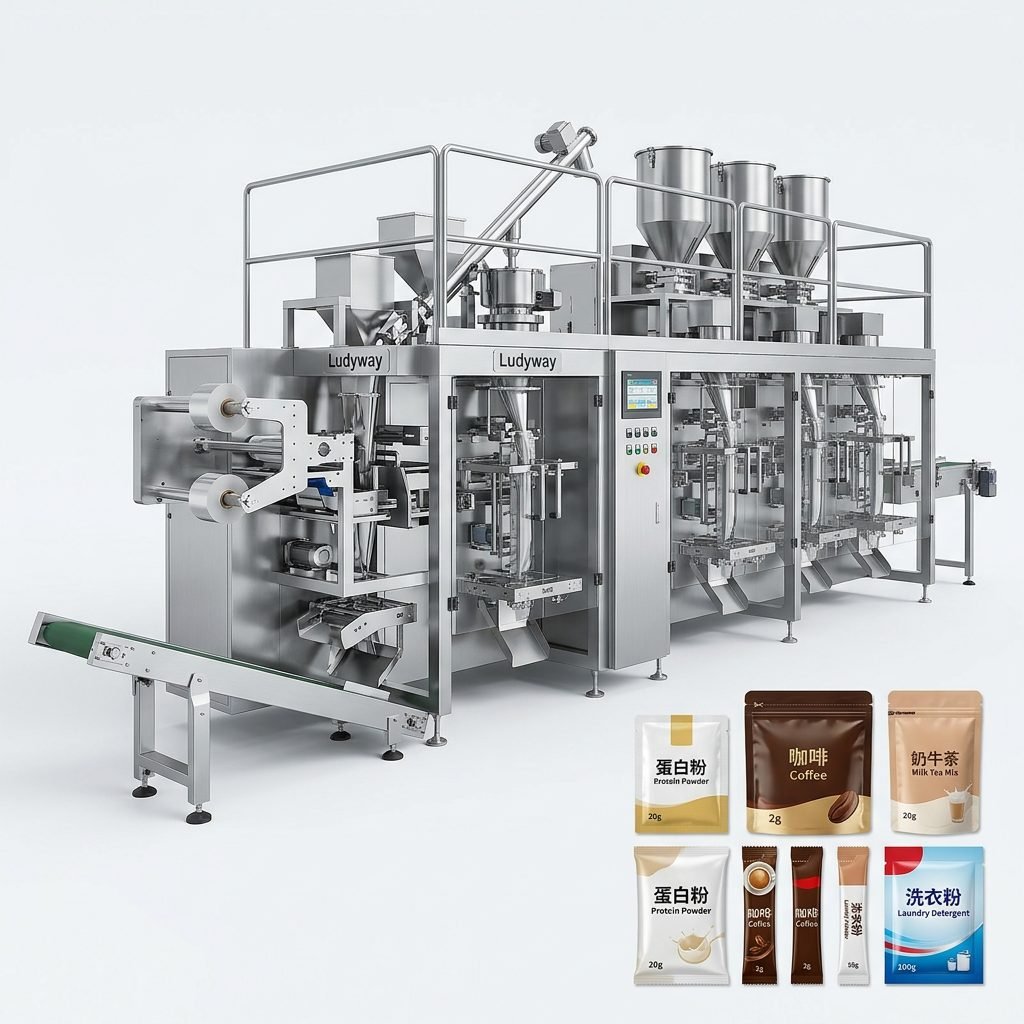
HFFS machines are typically used for more complex packaging formats, such as sachets, stick packs, and pouches with multiple compartments. The film travels horizontally, allowing for more intricate shaping, printing registration, and the inclusion of features like tear notches or spouts. They are perfect for single-serve portions of coffee, sugar, sauce powders, or pharmaceutical products.
Pre-Made Pouch Machines
This system uses pre-manufactured, flat pouches that are automatically opened, filled, and then sealed. The main advantage is the superior graphic quality achievable on pre-printed pouches, offering high-impact shelf presence. They are often chosen for premium products where branding and visual appeal are top priorities, though they generally operate at lower speeds than VFFS machines.
Weighing and Dosing Systems
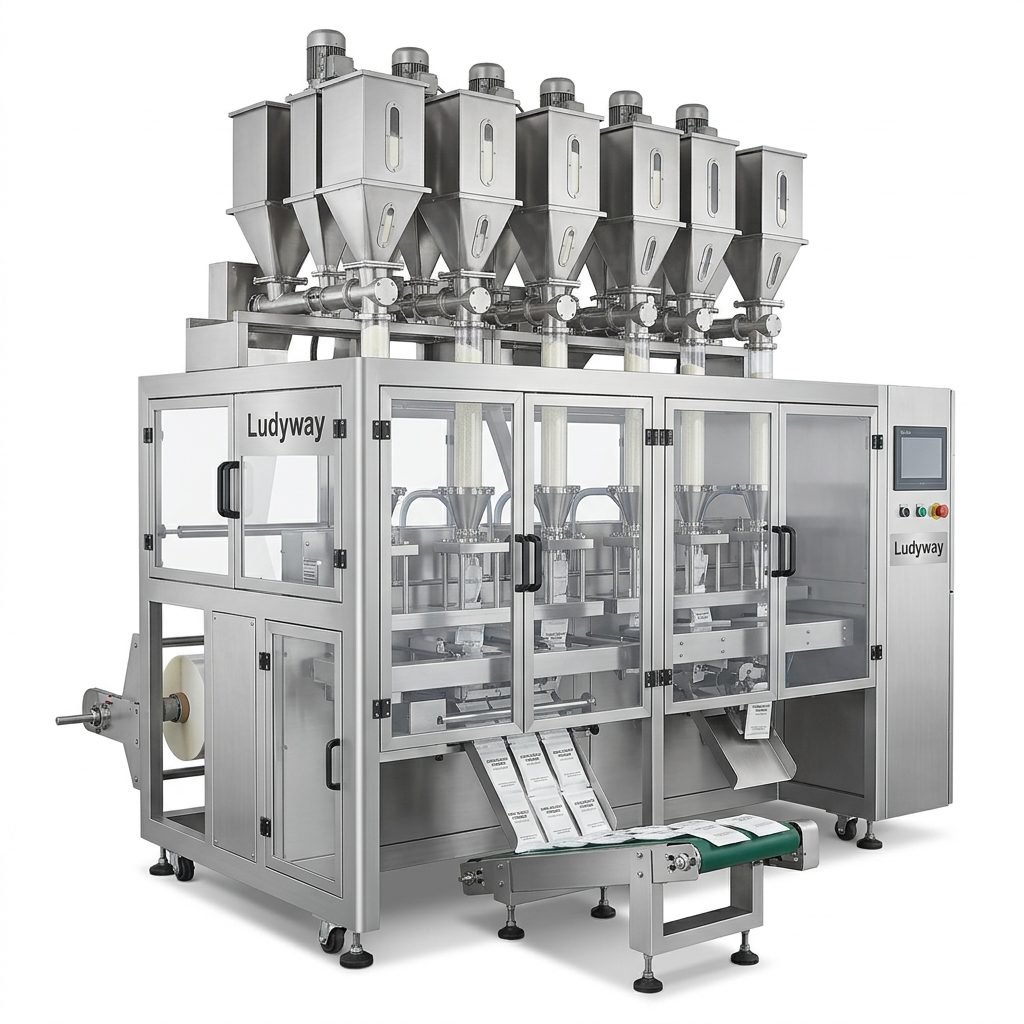
While not strictly packaging machines, accurate weighing systems are integral to the packaging line. These include multi-head weighers for granular products (like nuts or candy) and auger fillers for powders (like flour or protein powder). The choice between volumetric, auger, or net weighing depends entirely on your product’s characteristics and the required filling accuracy.
Essential Features to Evaluate in a Packaging Machine
Beyond the basic type, several key features differentiate a good machine from a great one that will serve your business for years.
✔ Production Speed & Efficiency
Measured in bags or pouches per minute (BPM/PPM), speed must align with your output goals. Consider not just peak speed but sustainable operational speed and quick changeover times between different products or package sizes to minimize downtime.
✔ Precision & Accuracy
Consistent filling weight is non-negotiable for compliance and cost control. Look for machines with high-precision servo motors, advanced load cells, and feedback-controlled augers. The machine should minimize product giveaway while ensuring every package meets the declared weight.
✔ Flexibility & Changeover
If you produce multiple SKUs, easy and tool-less changeover is vital. Features like digital size adjustment, recipe memory storage, and quick-release parts drastically reduce the time needed to switch between products, enhancing overall equipment effectiveness (OEE).
✔ Hygiene & Construction
For food applications, hygiene is critical. Machines should have a stainless steel contact surface, smooth, crevice-free design, and easy-clean access points. IP-rated electrical components may be necessary for environments where washdowns are frequent.
✔ Control & Integration
A user-friendly Human-Machine Interface (HMI) with intuitive controls simplifies operation and troubleshooting. Modern machines offer connectivity for Industry 4.0, allowing for data collection, remote monitoring, and integration with upstream and downstream equipment like checkweighers or cartoners.
A Step-by-Step Guide to Choosing Your Best Solution
Making the final decision requires a structured approach. Follow these steps to narrow down your options effectively.
Step 1: Define Your Product & Packaging Specifications
Start with the basics: What are you packaging? Detail the product’s physical form (granule size, flowability, dustiness), its sensitivity (to moisture, light, oxygen), and any special handling requirements. Then, define your desired package: type (pouch, stick pack), material (laminate structure), size range, and any special features like zippers or degassing valves.
Step 2: Analyze Your Production Requirements
Be realistic about your volume. Calculate your required output in bags per minute/shift, considering both current needs and projected growth. Also, determine how often you will need to change over between different products or package sizes, as this significantly impacts machine choice.
Step 3: Evaluate Your Operational Environment
Assess the space available on your factory floor for the machine and necessary peripherals. Consider your available utilities (electrical power, compressed air) and the skill level of your operators. The machine should fit your environment, not the other way around.
Step 4: Research and Shortlist Suppliers
Look for established manufacturers with a proven track record in your specific product category. A supplier like Ludyway Packing Machine, with deep industry experience, can offer valuable insights. Scrutinize their after-sales support, availability of spare parts, and training offerings.
Step 5: Request a Product Test & Compare Quotes
Never buy based on specifications alone. Always insist on a live product test using your actual materials. This is the only way to verify speed, accuracy, and package quality. Finally, compare the total cost of ownership, including purchase price, estimated maintenance, energy consumption, and potential ROI, not just the initial investment.
Investing in Your Production Future
Choosing a dry food packaging machine is a significant capital investment. By thoroughly understanding your own requirements, carefully evaluating machine types and features, and partnering with a reliable supplier who offers robust packaging solutions and support, you can secure a solution that boosts your productivity, ensures consistent quality, and scales with your business for years to come. The right machine is not just a piece of equipment; it’s a strategic asset driving your brand’s success in the marketplace.
Frequently Asked Questions (FAQs)
What is the main difference between VFFS and HFFS machines?
The core difference is the direction of film travel and the resulting package format. VFFS machines create bags in a vertical orientation and are best for simple, free-flowing products. HFFS machines move film horizontally and excel at creating more complex, flat pouches like sachets and stick packs, often at very high speeds for single-serve items.
How important is machine flexibility for a startup?
Extremely important. Startups often experiment with multiple product types and package sizes. A machine with easy, tool-less changeovers allows for agile production, smaller batch runs, and adaptation to market feedback without crippling downtime, making it a more future-proof investment.
Can one machine handle both powders and granules?
Many machines, particularly VFFS models, are designed to be versatile. However, switching between vastly different products like fine powder and large granules usually requires changing the feeding system (e.g., from an auger filler to a cup filler or linear weigher). The base machine may be compatible, but the feeding mechanism is key.
What kind of maintenance do these machines require?
Regular preventive maintenance is crucial. This typically includes daily cleaning, lubrication of moving parts as per the manual, inspection of sealing jaws and cutting blades for wear, and checking pneumatic filters. A reliable supplier will provide a clear maintenance schedule and training. Learn more about packaging machine maintenance best practices.
How do I ensure the packaging is airtight and preserves product freshness?
Airtight seals depend on three factors: the quality of the packaging film, the temperature and pressure of the sealing jaws, and the cleanliness of the sealing area (free of product dust or debris). A properly calibrated machine with the correct film specification is essential for creating hermetic seals that extend shelf life.