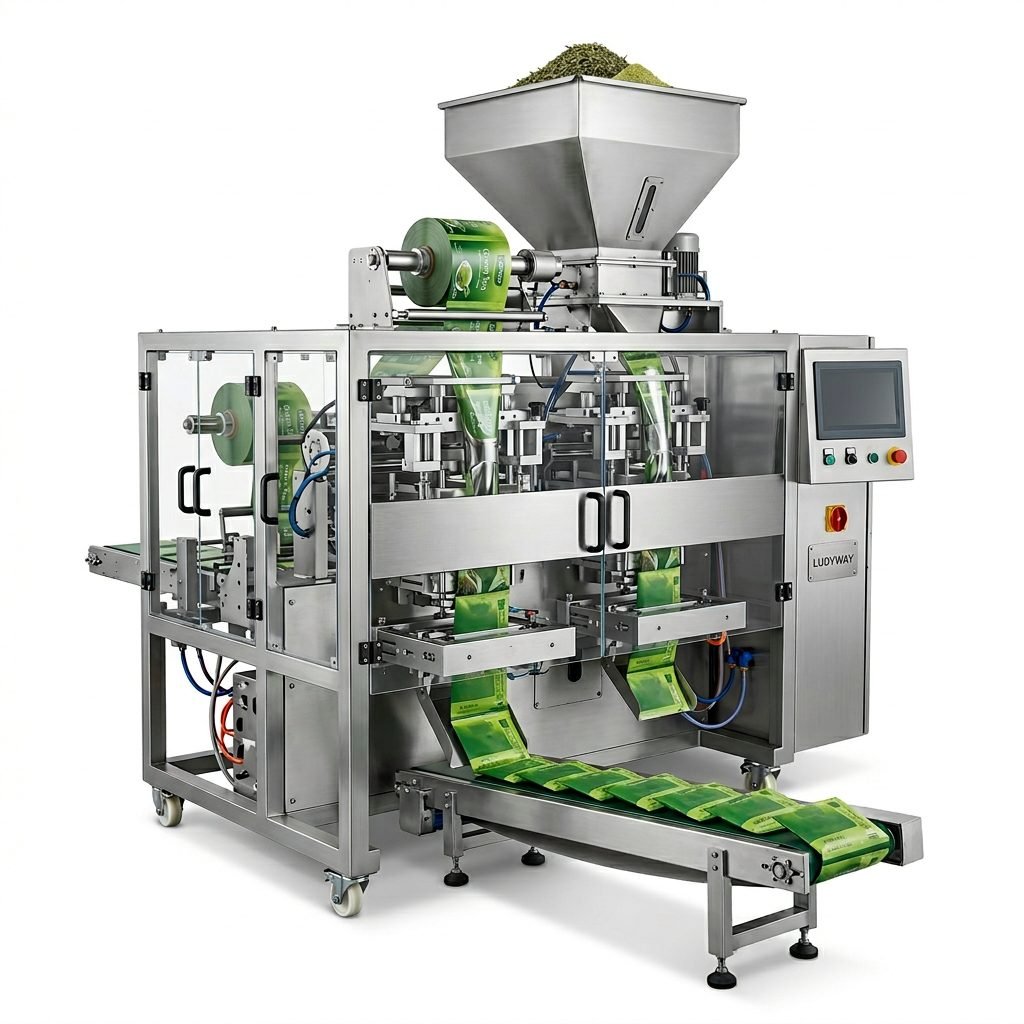
Salt is a fundamental ingredient in countless industries, from food production to chemical manufacturing and water treatment. Efficient, hygienic, and reliable packaging is crucial to maintaining product quality, ensuring accurate dosing, and meeting stringent industry standards. Selecting the right salt packaging machine is therefore a critical investment for any business handling this essential commodity. This comprehensive guide will explore the different types of salt packaging machines, explain their working principles, and provide a detailed framework to help you choose the best equipment for your specific needs.
Understanding the Different Types of Salt Packaging Machines
The market offers a variety of packaging machines designed to handle different salt forms (granules, powder, flakes) and packaging styles. The primary categories include:
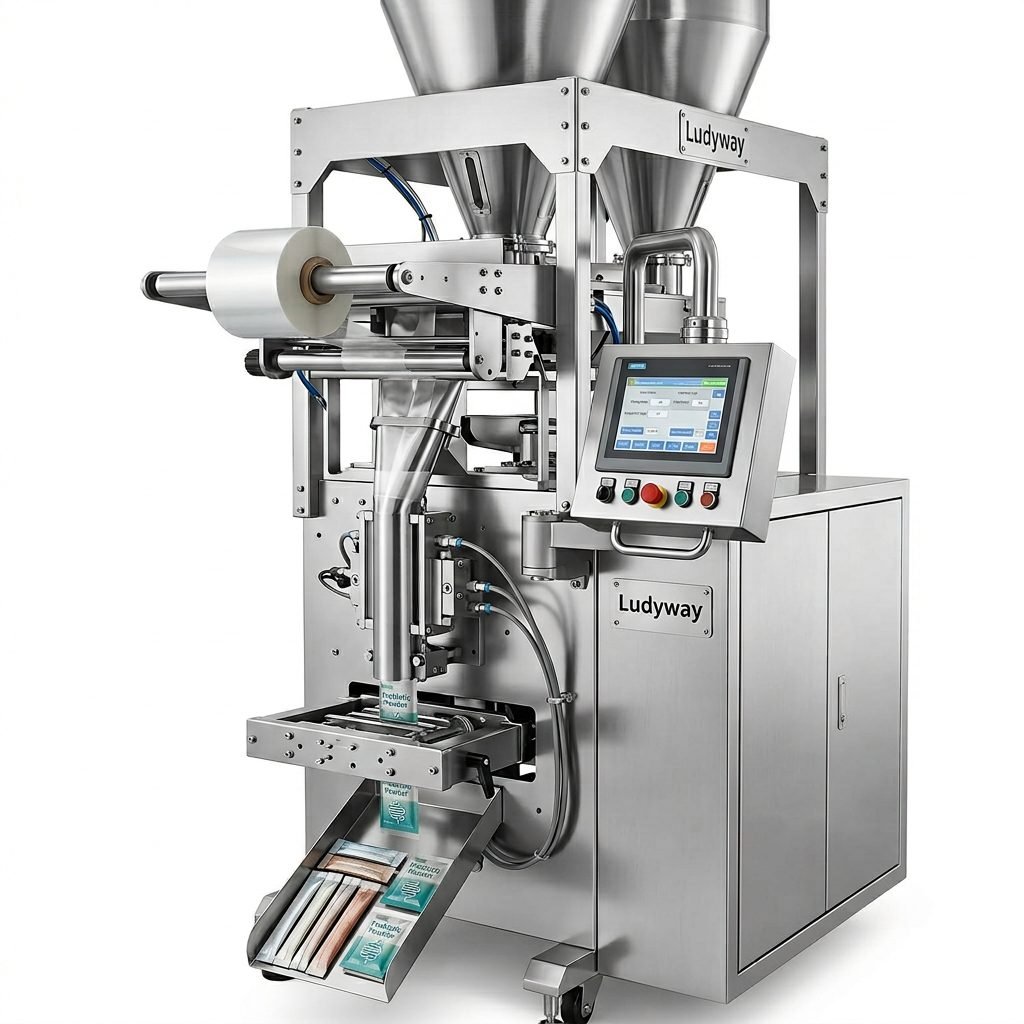
Vertical Form-Fill-Seal (VFFS) Machines
These are the most common and versatile machines for granular and powdered salt. They form bags from a roll of film, fill them with a pre-measured amount of product, and then seal them. Ideal for producing pillow bags, gusseted bags, or block-bottom bags in various sizes.
Best for: Medium to high-volume production of retail-sized packages (e.g., 1kg, 5kg bags).
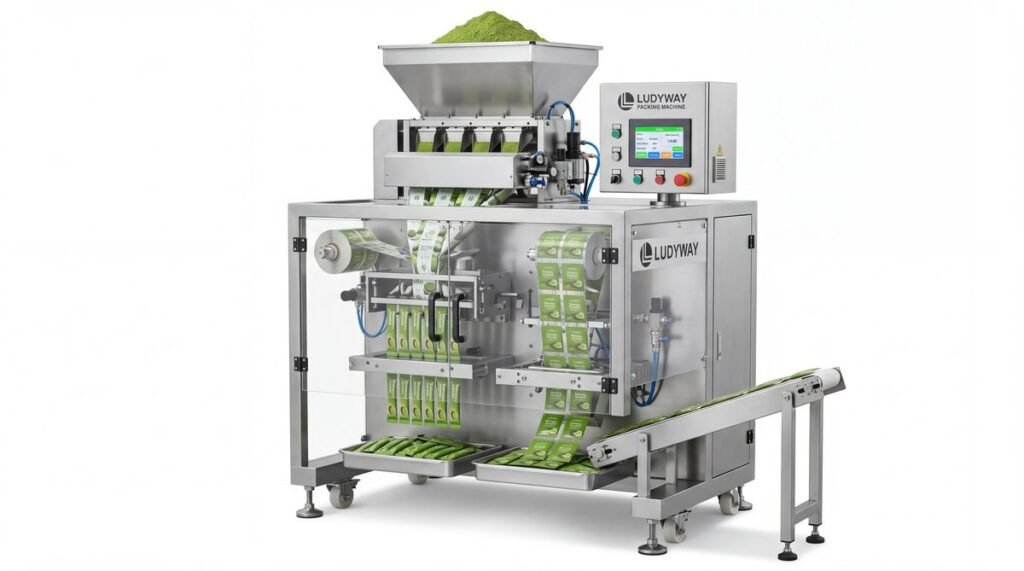
Horizontal Form-Fill-Seal (HFFS) Machines
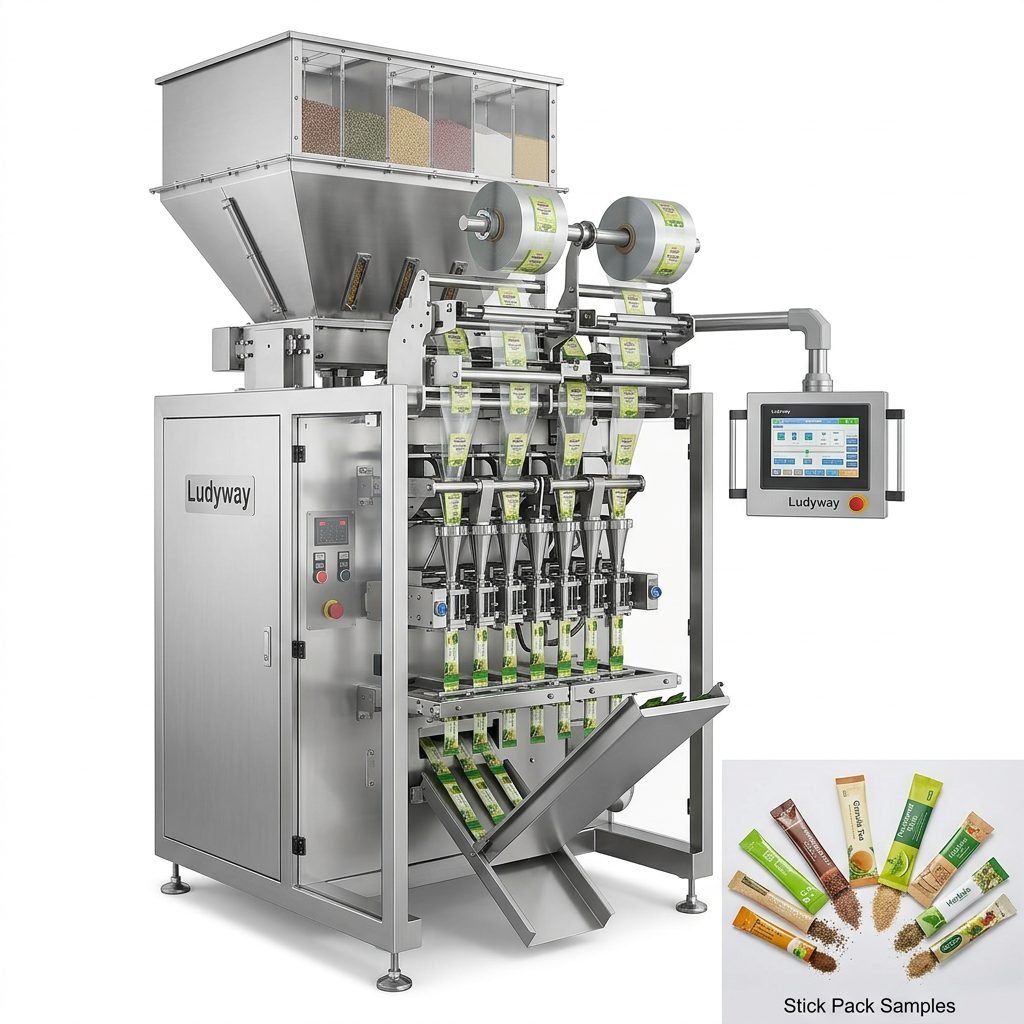
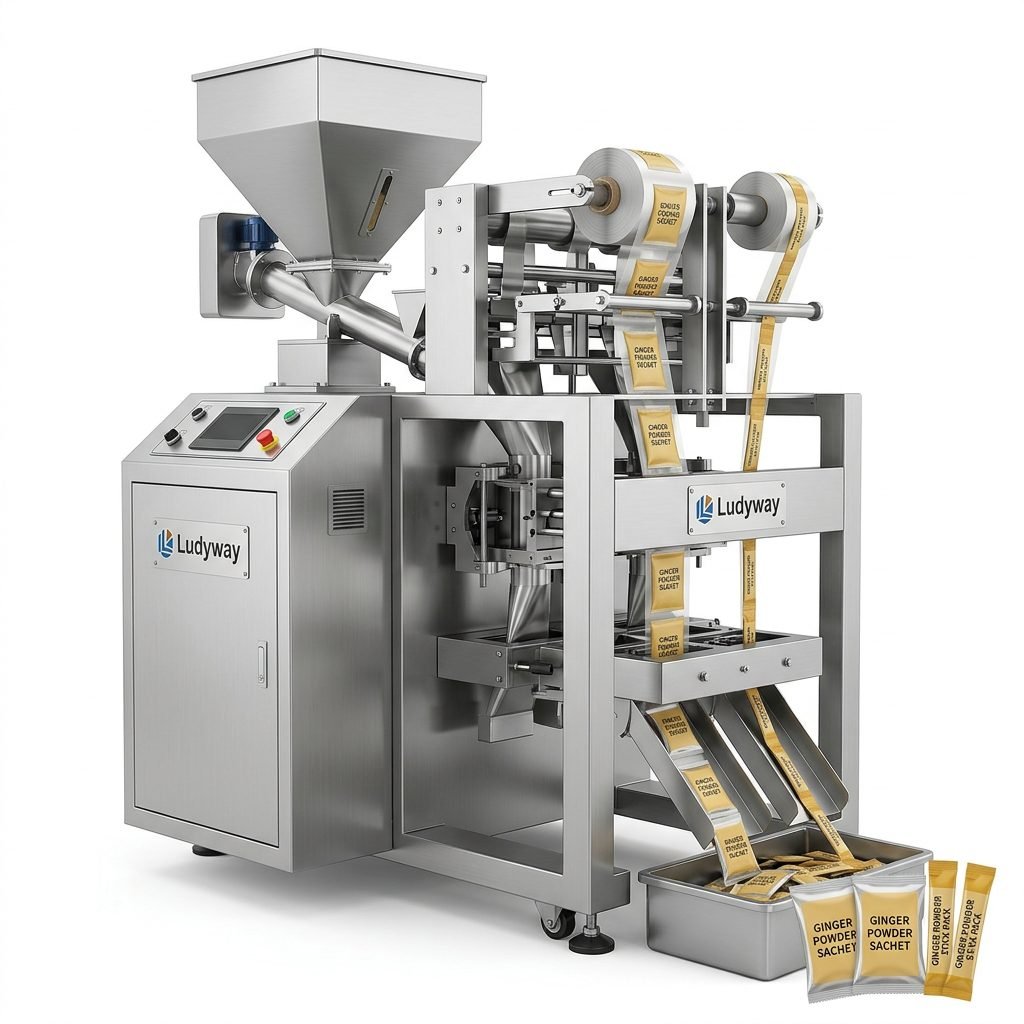
HFFS machines are typically used for creating stick packs, sachets, or pouches. The film moves horizontally, and the product is dosed into pre-formed pockets before sealing. This method offers excellent presentation and is perfect for single-serve portions.
Best for: Portion-control packaging, such as salt packets for restaurants, hotels, or food service kits.
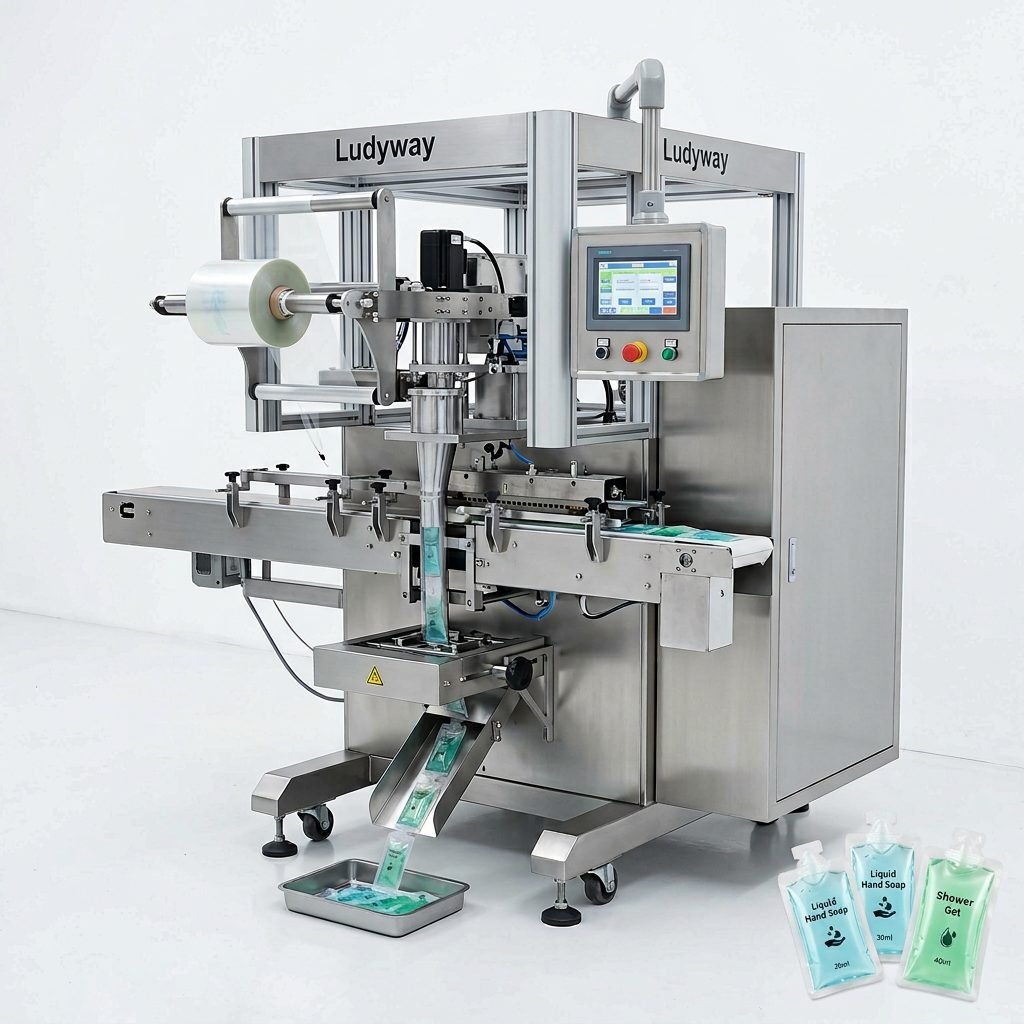
Auger Filling Machines
These machines use a rotating screw (auger) to dispense a highly accurate volume of product into pre-made bags, pouches, or containers. They are renowned for their precision and are excellent for handling free-flowing powders and fine granules.
Best for: Applications requiring high filling accuracy, such as pharmaceutical salts or premium food-grade products.
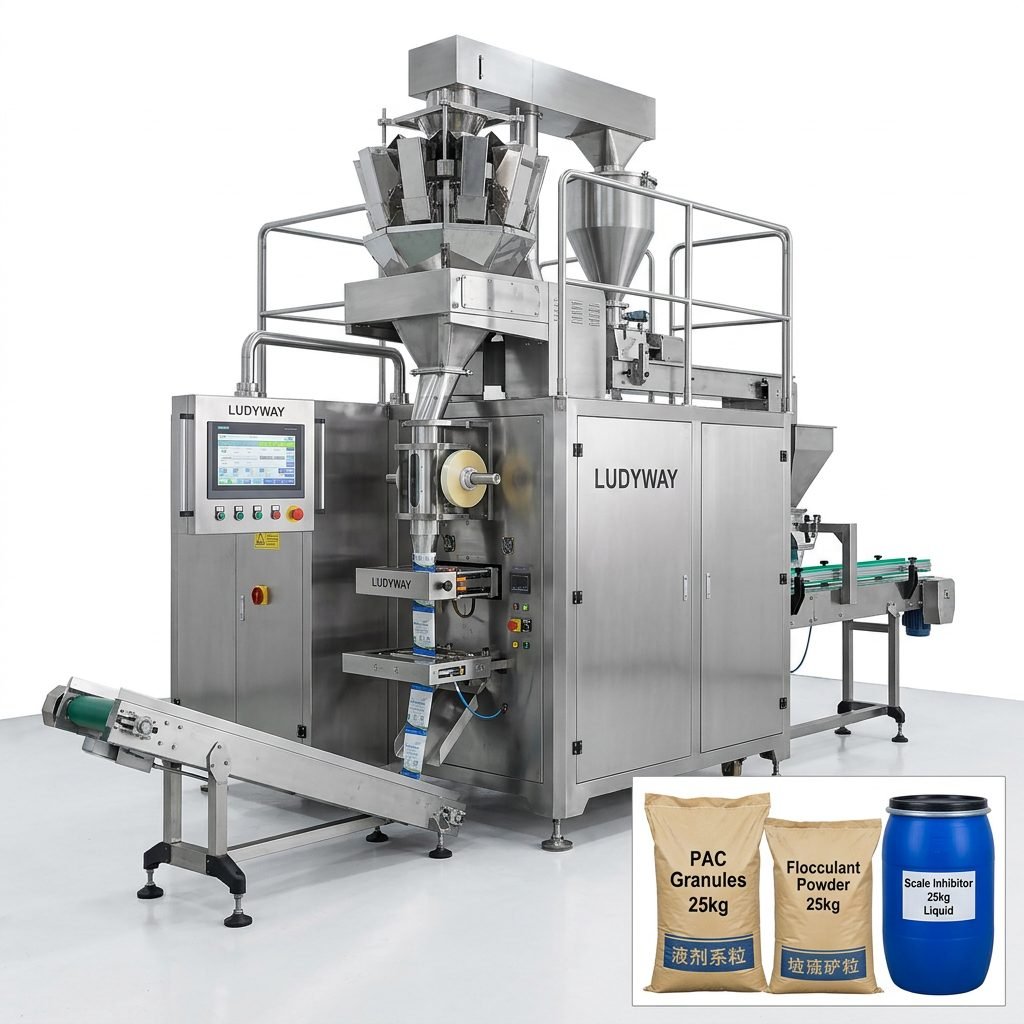
Weighing and Bagging Systems
For larger, bulk quantities (e.g., 25kg, 50kg bags), multi-head weighers or gross weighing systems are used. They combine speed with accuracy, filling bags based on weight rather than volume. These systems are often integrated with bag placers, conveyors, and palletizers.
Best for: Industrial-scale packaging of salt for agriculture, de-icing, or large-scale food processing.
Core Working Principle: How a Salt Packaging Machine Operates
While designs vary, the fundamental process for an automated salt packaging machine follows a consistent sequence:
1. Film Feeding & Bag Forming
A roll of packaging material (like laminated polyethene or metallised film) is fed into the machine. In a VFFS machine, the film is pulled over a forming tube, where it is shaped into a cylinder. In HFFS systems, the film is formed into pockets or a flat web.
2. Product Dosing & Filling
This is the heart of the operation. Salt is fed from a hopper into a dosing mechanism. The type of mechanism depends on the machine:
- → Auger System: A rotating auger precisely meters the salt.
- → Volumetric Cup: A cup of fixed volume scoops and releases the product.
- → Weigh Cell System: A load cell weighs the product in real-time for ultimate accuracy.
The measured salt is then discharged into the waiting bag or pouch.
3. Sealing & Separation
Heated jaws (or cold seal mechanisms) press against the film to create a hermetic seal. This step is critical for preventing moisture ingress, which can cause salt to clump. Finally, the individual bags are cut from the film web and discharged onto a conveyor for collection or secondary packaging.
Key Factors for Choosing the Best Salt Packaging Machine
Investing in the right equipment requires careful consideration of your product, output, and operational environment.
1. Salt Characteristics
The physical properties of your salt dictate the machine type. Fine, powdery salt flows easily and is best handled by auger fillers with fine-pitch screws. Coarse, granular salt may work well with volumetric cups. Flake or specialty salts might require gentle handling systems to prevent breakage.
2. Required Production Speed & Accuracy
Match the machine’s output (bags per minute) to your production targets. High-speed lines may use multi-lane VFFS or HFFS machines. Equally important is filling accuracy to avoid costly giveaways or underweight packages, which is where precision auger or multi-head weigher systems excel. For reliable and efficient solutions, exploring options from established packaging machinery providers with a track record in food-grade applications is advisable.
3. Packaging Material & Bag Style
The machine must be compatible with your chosen film (e.g., its thickness, sealant layer) and capable of producing your desired bag style—whether it’s a simple pillow pack, a stand-up pouch with a zipper, or a flat sachet. Consider if you need gas flushing for enhanced preservation.
4. Hygienic Design & Construction
Salt is hygroscopic and corrosive. Machines should feature stainless steel contact parts, especially in the hopper, auger, and filling areas, to resist corrosion and allow for easy cleaning. Sealed motors and washdown capabilities (IP ratings) are vital for food-grade production environments.
5. Automation & Integration Level
Determine how the machine will fit into your line. Does it need to integrate with existing checkweighers, labelers, or cartoners? Modern machines with PLC controls and HMI touchscreens offer recipe storage, production data tracking, and easier changeovers, boosting overall efficiency. For businesses looking to scale, partnering with a supplier that offers complete turnkey production line solutions can streamline the entire process from filling to palletizing.
6. Supplier Support & Service
The machine’s reliability is only as good as the support behind it. Choose a supplier with a strong reputation for technical expertise and after-sales service. Availability of spare parts, comprehensive training, and responsive technical support are non-negotiable for minimizing downtime.
Conclusion
Selecting the optimal salt packaging machine is a strategic decision that impacts your product quality, operational efficiency, and bottom line. By thoroughly understanding the different machine types—from versatile VFFS units to precise auger fillers—and critically evaluating your specific requirements for product type, speed, accuracy, and hygiene, you can make an informed investment. Prioritizing robust construction from corrosion-resistant materials and partnering with a reliable, experienced supplier will ensure your packaging line remains a dependable asset for years to come, effectively protecting your valuable salt product from production to end-user.
Frequently Asked Questions (FAQs)
What type of packaging machine is best for fine salt powder?
Auger filling machines are generally the best choice for fine salt powder. They offer superior accuracy and prevent dust generation. Look for augers with fine pitches and possibly a stirrer in the hopper to maintain consistent product flow and prevent bridging.
How can I prevent salt from clumping inside the machine?
Clumping is caused by moisture absorption. Solutions include using machines with stainless steel parts to minimize corrosion (a source of moisture traps), ensuring the production area has controlled low humidity, and optionally integrating a dehumidifier or dry air purge into the machine’s hopper or filling system.
Can one machine package different bag sizes of salt?
Yes, most modern machines are designed for quick changeover. The ability to easily switch forming tools, augers/cups, and sealing jaws allows one machine to handle a range of bag sizes. The speed and complexity of the changeover vary by machine model and sophistication.
What maintenance does a salt packaging machine require?
Regular maintenance is crucial due to salt’s corrosiveness. Daily cleaning of product contact parts, weekly lubrication of non-contact moving parts (with food-grade lubricant), and periodic inspection of seals, heating elements, and cutting blades are essential. Always follow the manufacturer’s specific maintenance schedule.
Is it possible to get a customized machine for a unique salt product?
Absolutely. Many reputable manufacturers offer customization. This can include special gentle-handling augers for flake salt, integrated nitrogen flushing systems for premium products, or unique bag shapes. Discussing your specific product characteristics with the supplier’s engineering team is the first step.