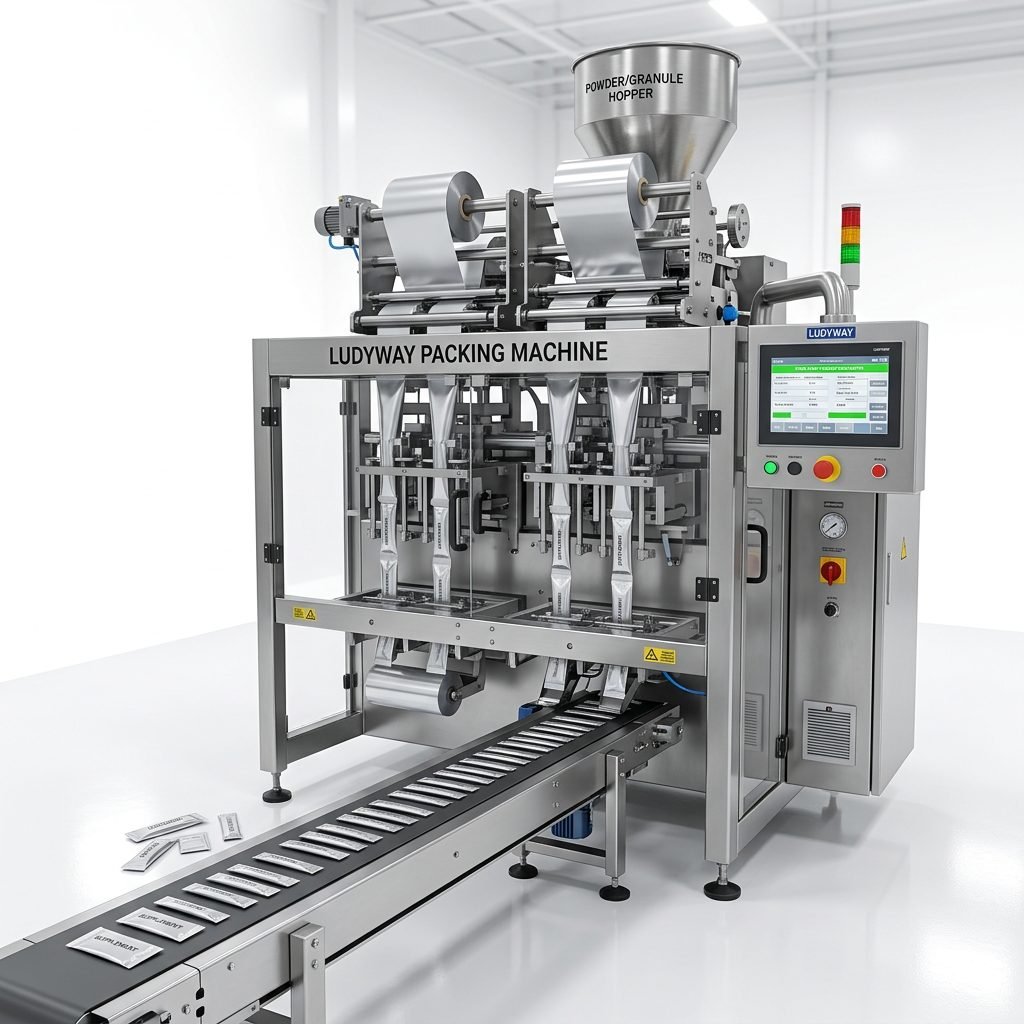
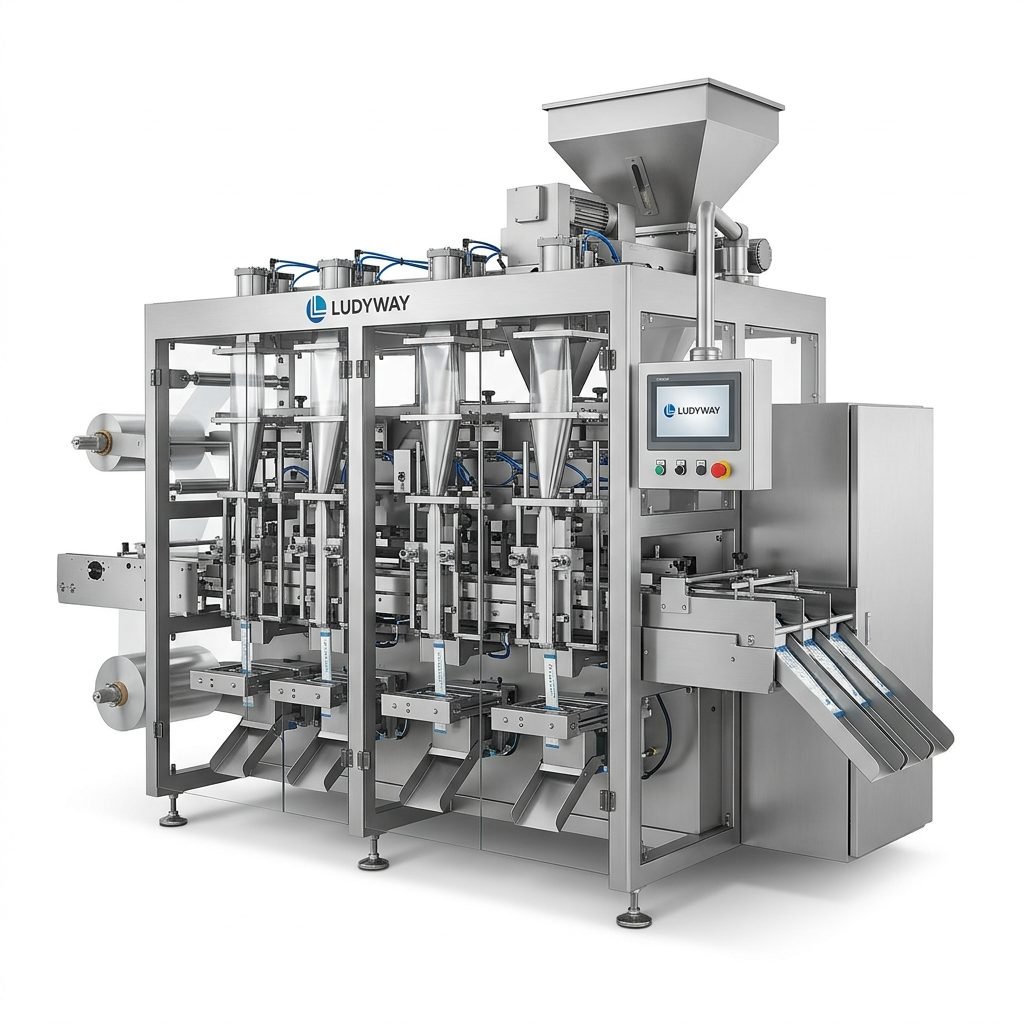
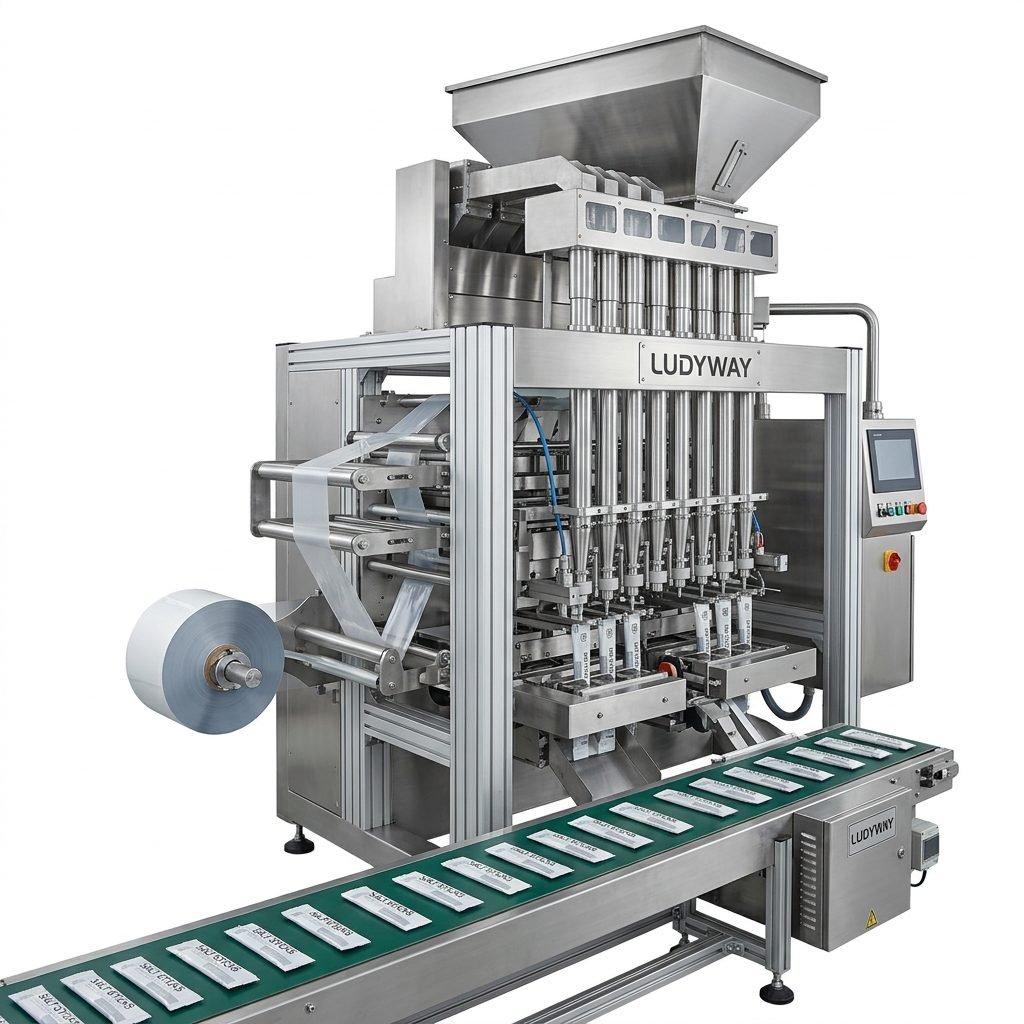
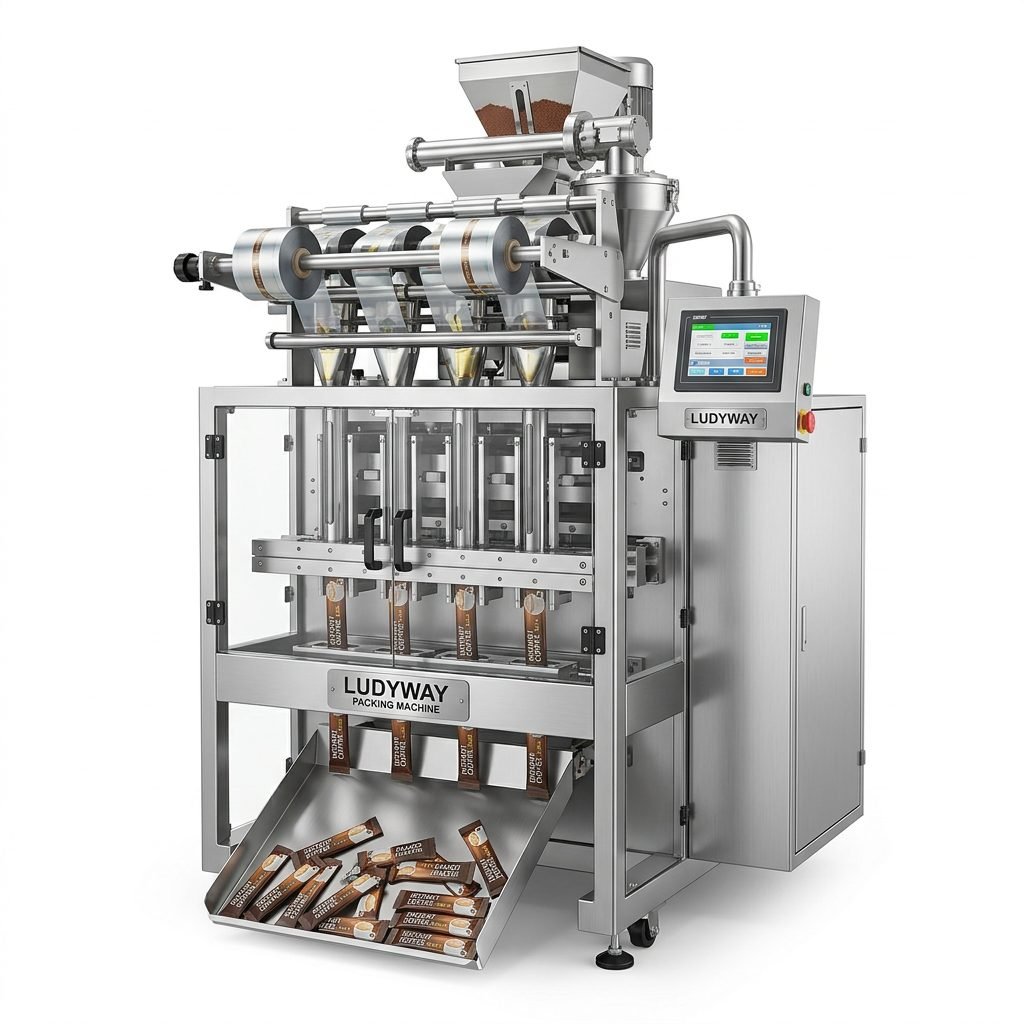
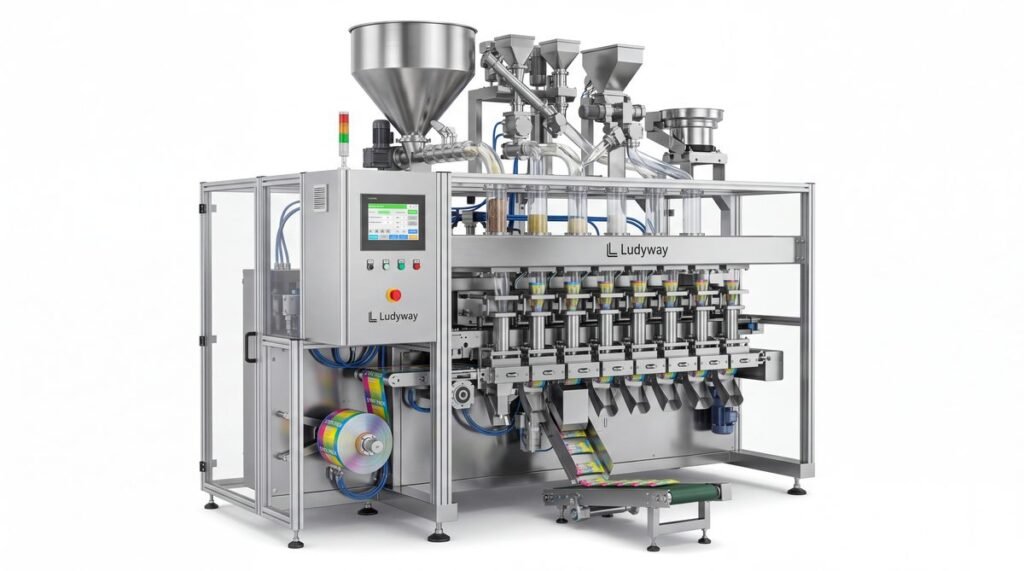
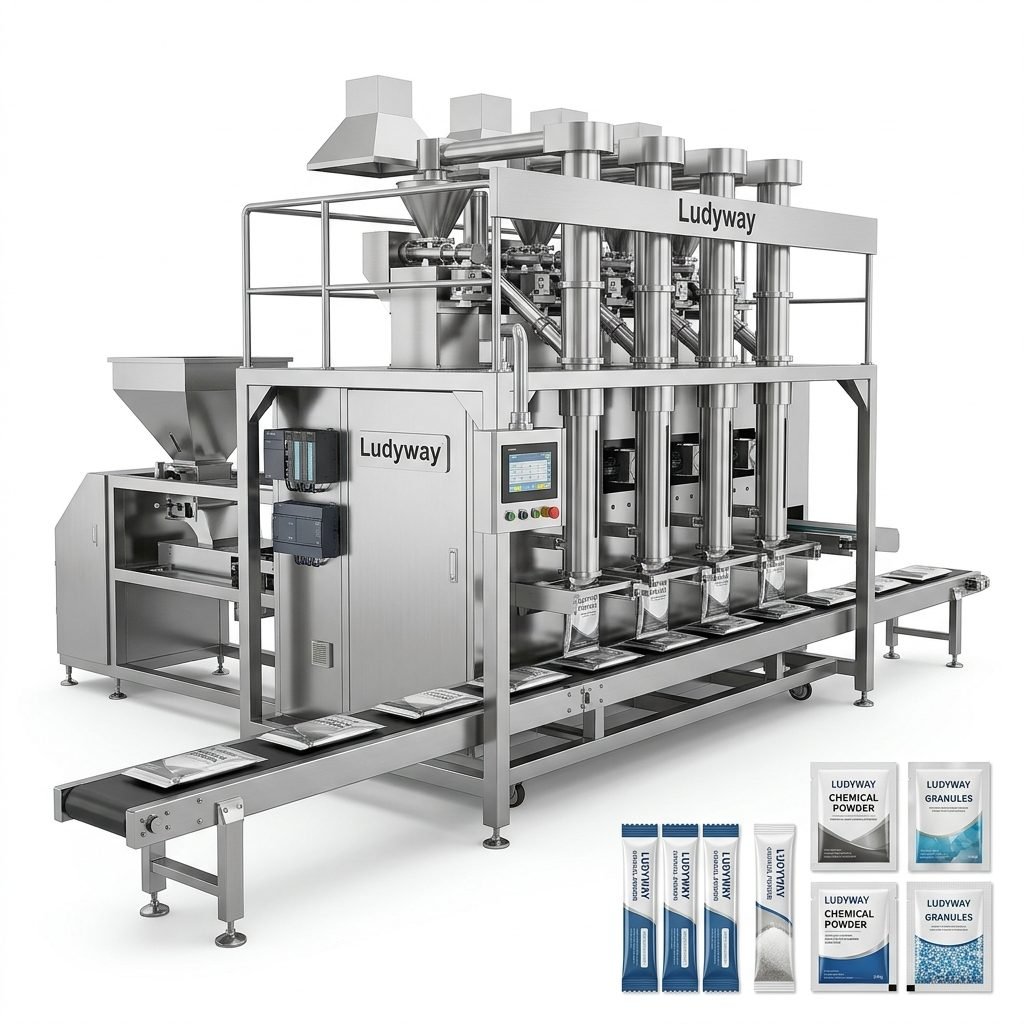
Choosing the right small packaging machine supplier is a critical decision that can significantly impact your business’s efficiency, product quality, and bottom line. In a market flooded with options, identifying the best manufacturer requires careful evaluation of several key factors beyond just the initial price tag. This guide will walk you through the essential considerations to help you select a partner that aligns with your specific production needs and long-term goals.
Understanding Your Packaging Requirements
Before you begin your search, you must have a crystal-clear understanding of your own requirements. This foundational step will guide every subsequent decision.
Product Specifications
What are you packaging? The nature of your product—whether it’s granules, powders, liquids, or solids—dictates the type of machine technology needed. Consider product characteristics like flowability, abrasiveness, and hygroscopicity.
Production Speed & Volume
Analyze your current and projected output. A supplier should offer machines that match your required speed (bags or pouches per minute) and can scale with your business growth.
Packaging Materials & Formats
Determine your preferred packaging format (e.g., stick packs, sachets, pouches) and the materials you plan to use (laminated films, foil, paper). The chosen supplier must have expertise in handling these materials efficiently.
Key Criteria for Evaluating Suppliers
Once your needs are defined, use these criteria to assess potential small packaging machine manufacturers.
1. Technical Expertise and Experience
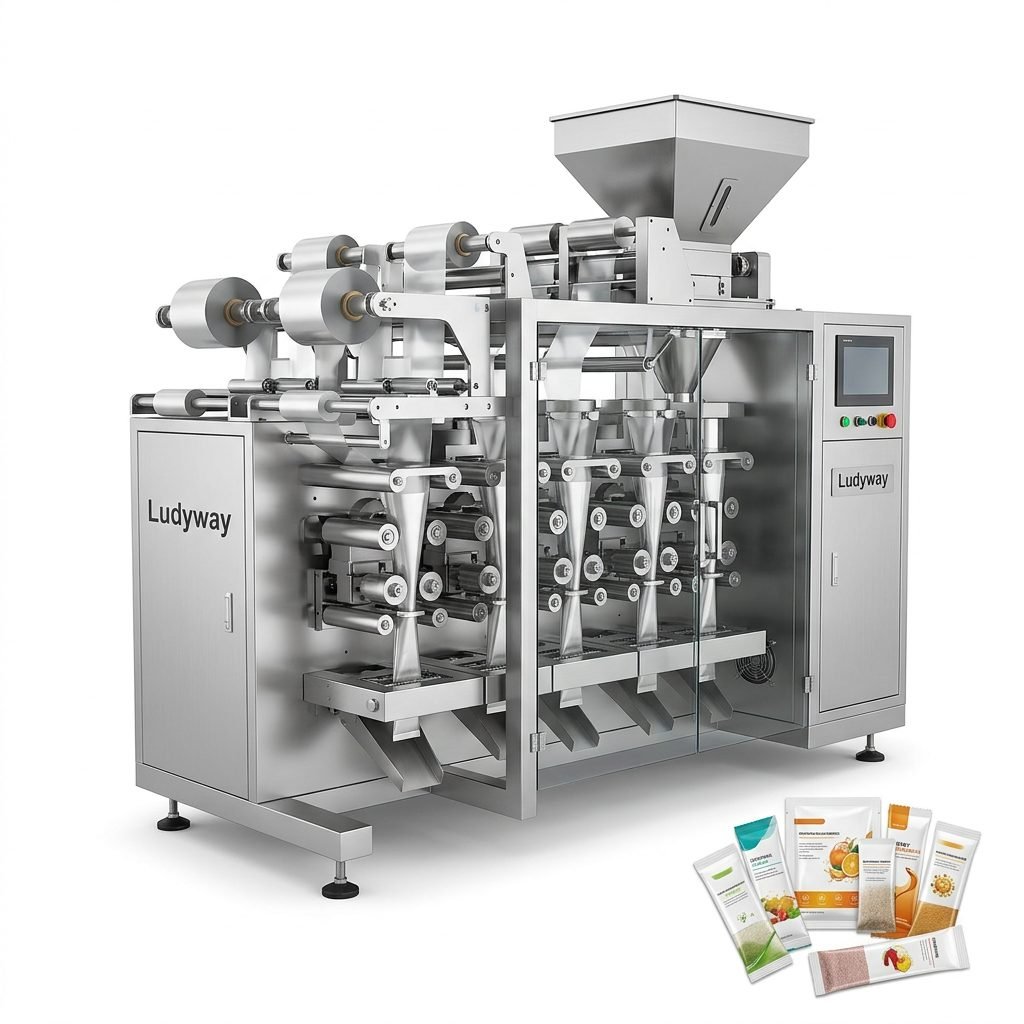
Look for a supplier with a proven track record. Industry experience is invaluable, as it translates into a deeper understanding of practical challenges and reliable solutions. A company like Ludyway Packing Machine, with decades in the field, brings knowledge that newer entrants may lack. Evaluate their portfolio for projects similar to yours.
2. Machine Quality and Reliability
The machine’s construction determines its longevity and uptime. Inquire about the core components (servo motors, PLCs, seals), the quality of stainless steel used, and the overall build precision. A reliable machine minimizes costly downtime and maintenance.
3. Range of Solutions and Customization
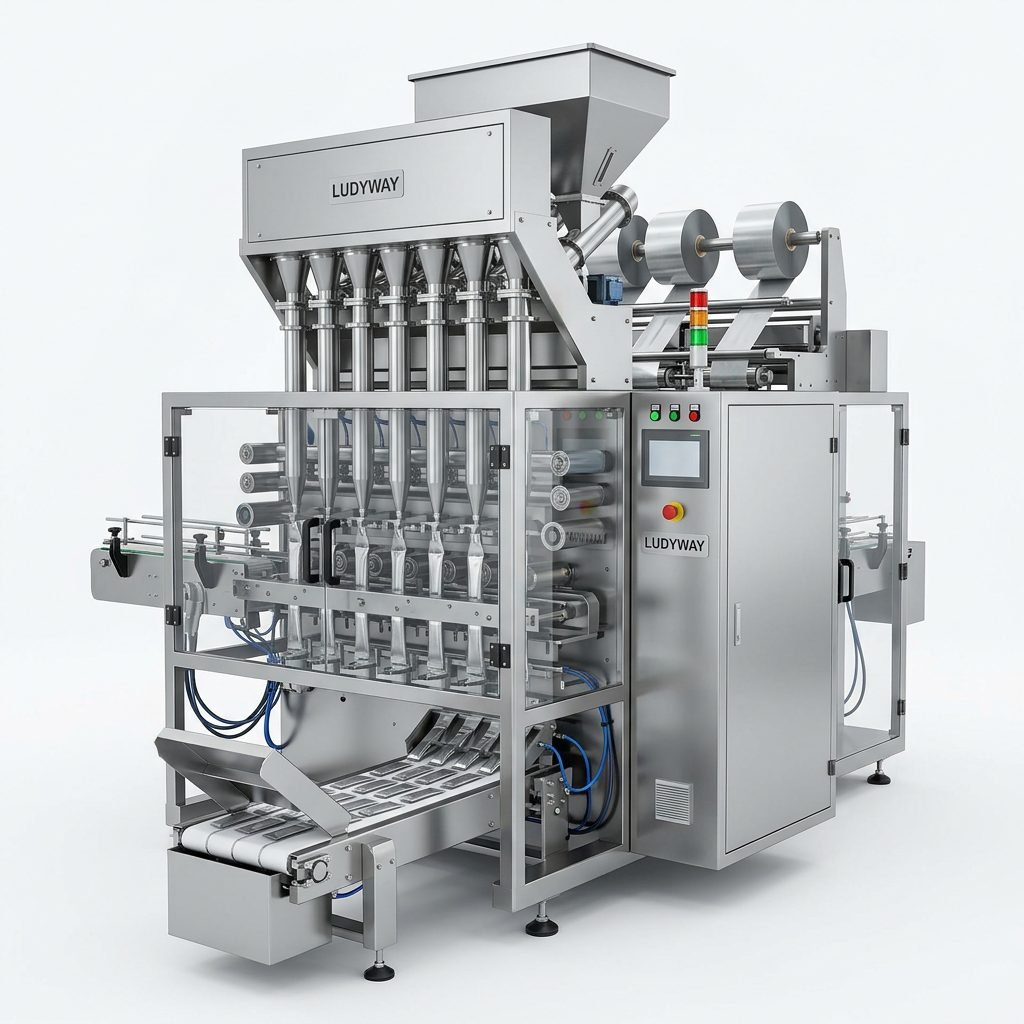
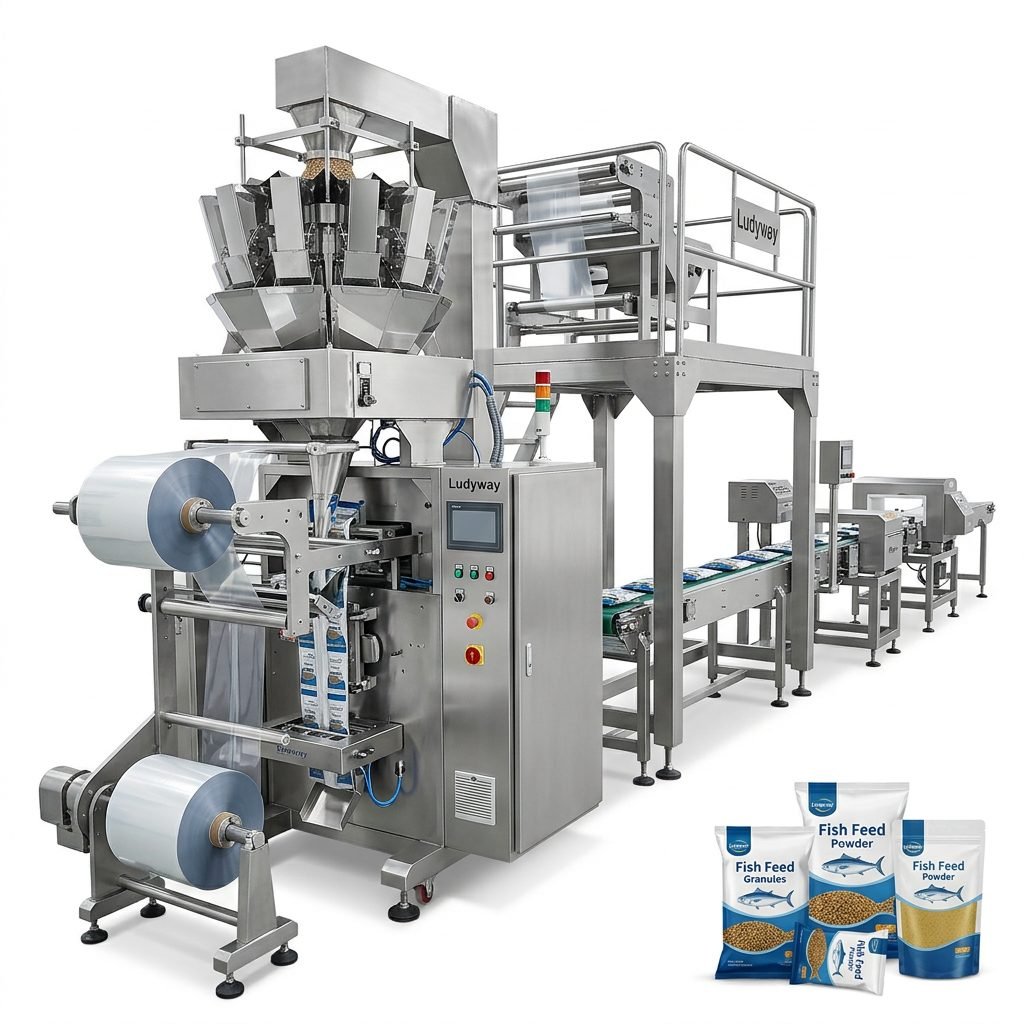
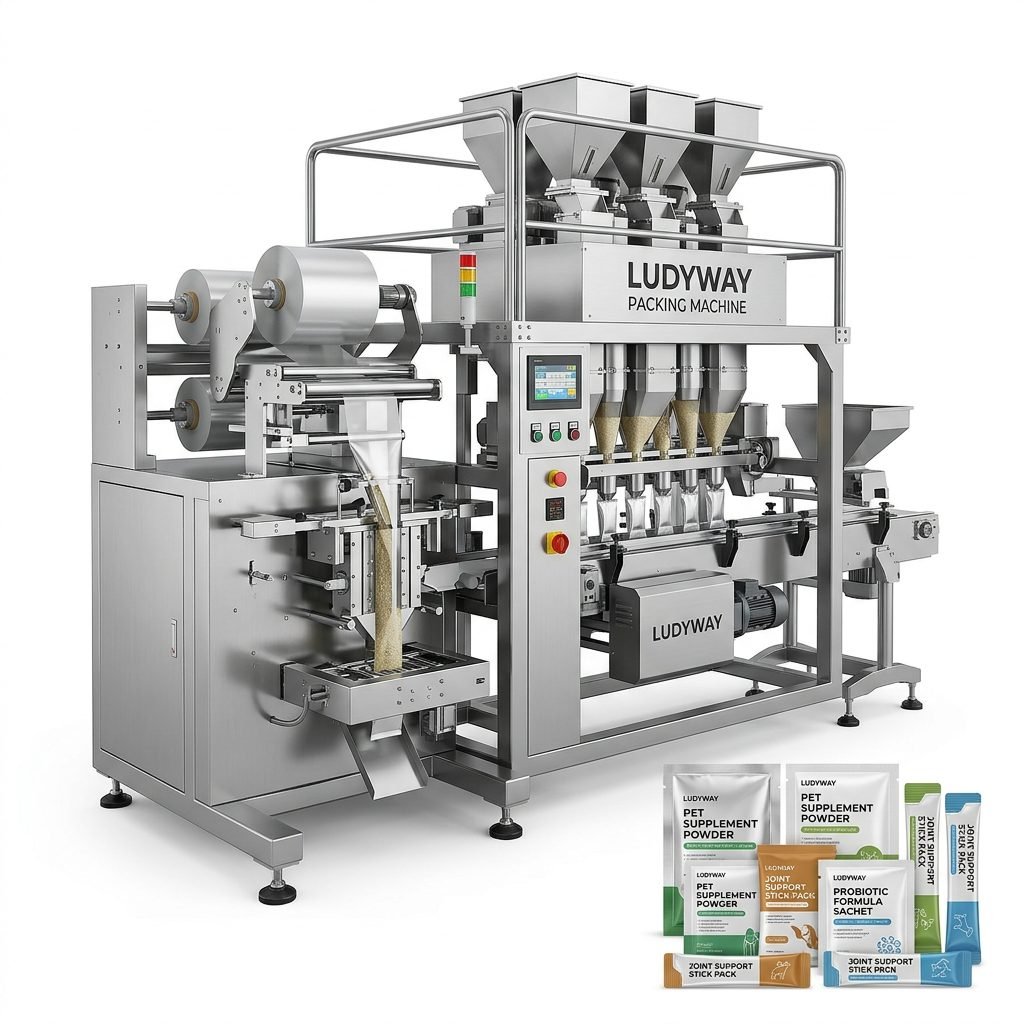
The best suppliers offer more than just off-the-shelf models. They should provide customizable or turnkey solutions. Whether you need a simple sachet packer or a complete multi-lane system with integrated weighing and cartoning, the supplier should have the capability and flexibility to tailor the equipment to your line.
4. After-Sales Support and Service
This is often the most critical differentiator. Comprehensive support includes:
✅ Installation & Commissioning: On-site setup and training.
✅ Technical Support: Accessible experts for troubleshooting.
✅ Spare Parts Availability: A global inventory to ensure quick replacements.
✅ Preventive Maintenance Plans: Programs to keep your machine running optimally.
A supplier with a strong global service network, like those serving international markets from the outset, ensures you’re never left without help.
5. Compliance and Certification
Ensure the machinery complies with relevant safety and industry standards (e.g., CE, FDA, GMP for food and pharmaceutical applications). This is non-negotiable for market access and consumer safety.
The Supplier Partnership Mindset
View your chosen manufacturer not just as a vendor, but as a strategic partner. A good partner invests in understanding your business, offers innovative ideas for improvement, and is committed to your success over the long term. They should have a clear company story that demonstrates evolution and a customer-centric focus.
Requesting and Evaluating Proposals
Provide detailed RFQs (Request for Quotation) to shortlisted suppliers. Compare not only prices but also the scope of supply, warranty terms, delivery timelines, and the proposed solution’s technical merits. Always ask for references and, if possible, visit existing customer sites or the supplier’s manufacturing facility.
Considering Total Cost of Ownership (TCO)
Look beyond the purchase price. Calculate the TCO, which includes energy consumption, maintenance costs, expected lifespan, and potential cost savings from increased efficiency and reduced material waste. A slightly higher initial investment in a robust machine from a reputable packaging machinery brand often yields a far lower TCO.
Conclusion: Making an Informed Choice
Selecting the top small packaging machine supplier is a multifaceted process that balances technical specifications, supplier capability, and long-term partnership potential. By thoroughly assessing your needs and rigorously evaluating manufacturers against the criteria of experience, quality, support, and value, you can secure a packaging solution that drives productivity and growth for years to come. The right partnership will provide not just a machine, but peace of mind and a competitive edge.
Frequently Asked Questions (FAQs)
1. What is the most important factor when choosing a small packaging machine supplier?
While all factors are important, after-sales support and service often become the most critical long-term. A reliable machine is essential, but having accessible technical support, available spare parts, and expert maintenance ensures maximum uptime and return on your investment over the machine’s entire lifecycle.
2. Can small packaging machines be customized for unique products?
Yes, reputable suppliers specializing in turnkey production solutions often offer significant customization. This can include modifications to feeding systems, dosing mechanisms (for difficult powders or granules), sealing jaws for unique materials, and integration with upstream/downstream equipment. Always discuss your specific product challenges during the consultation phase.
3. How do I ensure the machine meets safety and hygiene standards for my industry?
Explicitly request information on compliance and certifications. For food, pharmaceutical, or cosmetic packaging, machines should be constructed with appropriate food-grade or sanitary-grade materials (like 304 or 316L stainless steel) and designed for easy cleaning. Ask for documentation proving compliance with standards like CE, FDA regulations, or GMP guidelines relevant to your market.
4. What’s the typical lead time for a small packaging machine?
Lead times vary widely based on complexity, customization, and supplier capacity. For standard models, it could be 8-12 weeks. For highly customized or complete turnkey lines, it may extend to 20 weeks or more. A clear project timeline should be part of your supplier’s proposal. Established manufacturers with strong engineering capabilities and production facilities can often provide more reliable schedules.
5. Is operator training provided by the supplier?
Comprehensive supplier packages should always include operator training. This typically occurs during installation and commissioning on your factory floor. Training should cover machine operation, routine maintenance, basic troubleshooting, and safety procedures. Ensure the scope and duration of training are detailed in your purchase agreement.