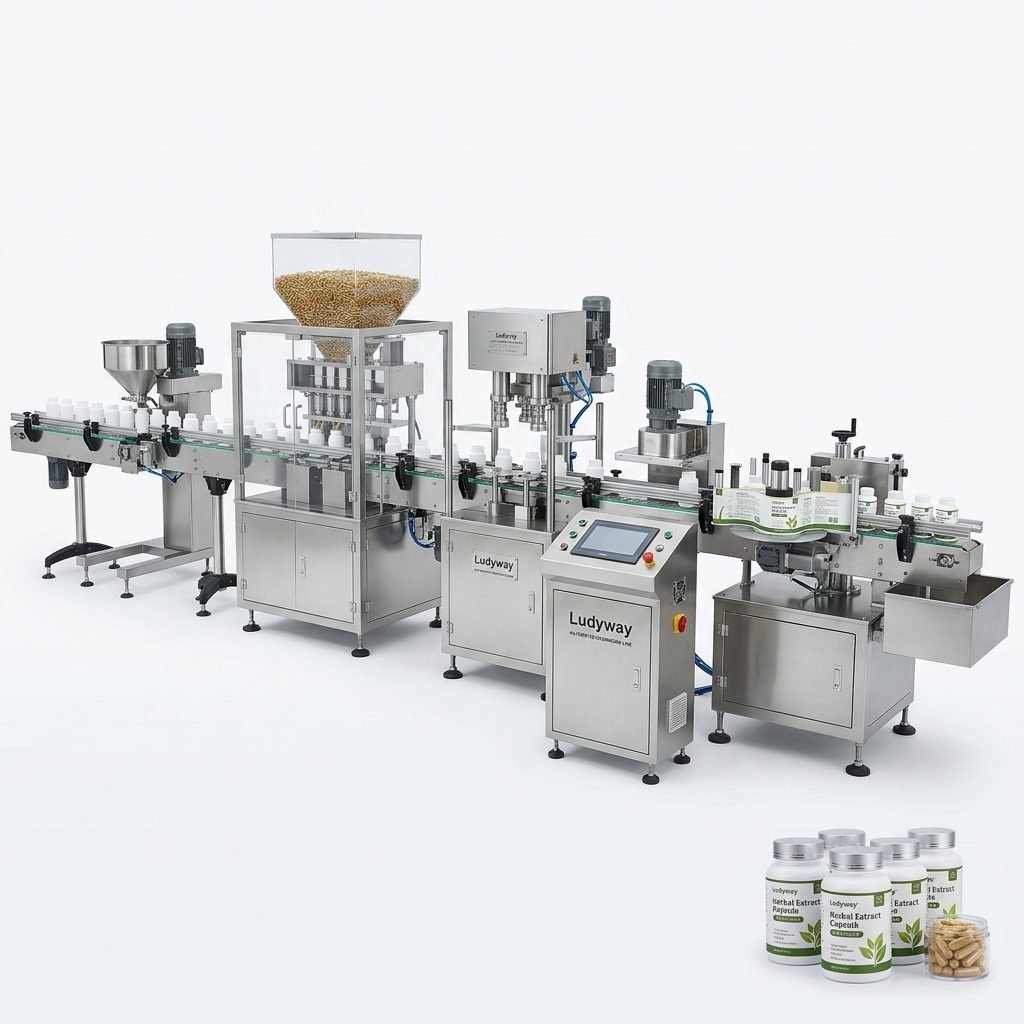
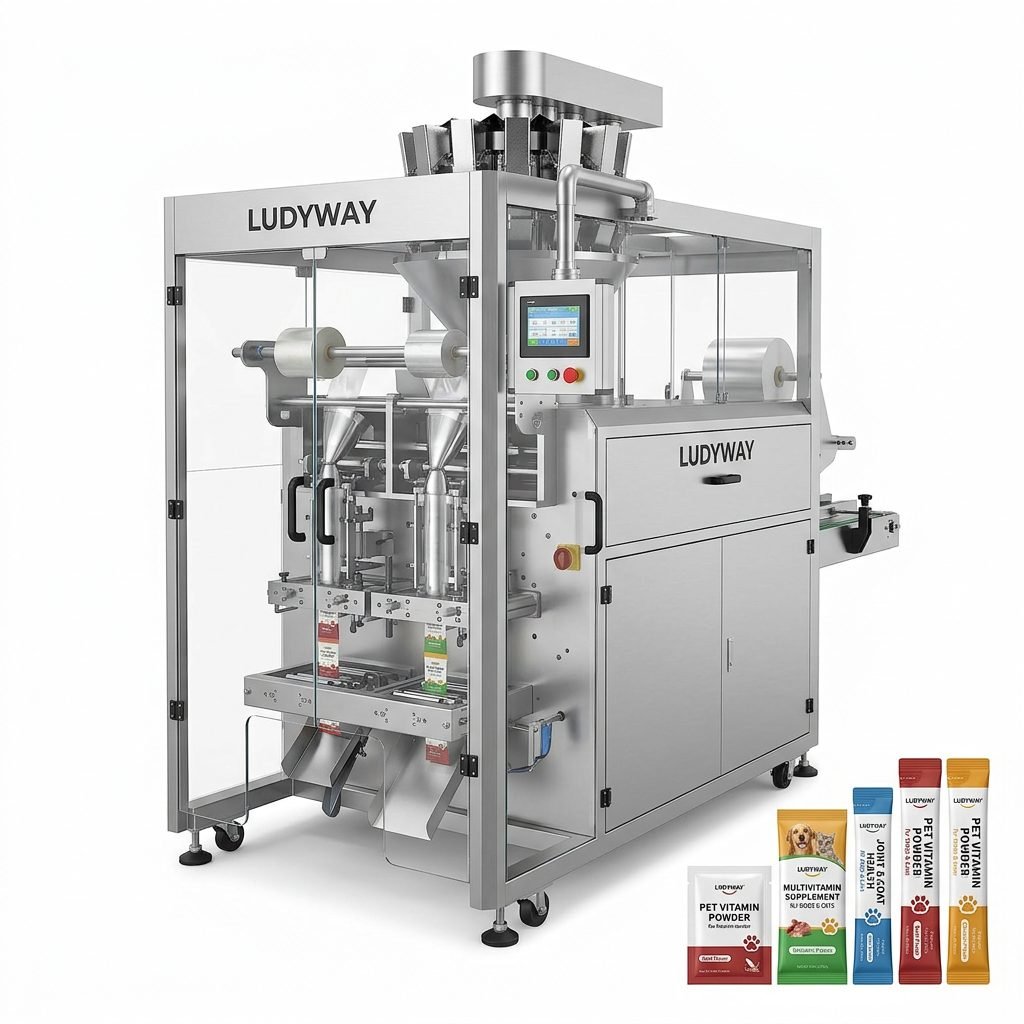
In the competitive landscape of the food and beverage industry, extending product shelf life while maintaining quality is a paramount concern. This challenge is effectively met by aseptic packaging technology, a sophisticated process that has revolutionized how we preserve consumables. At its core, an aseptic packaging machine is a specialized system designed to fill a pre-sterilized product into a sterilized container within a sterile environment, and then hermetically seal it to prevent recontamination. This method allows products to be stored for extended periods without refrigeration, drastically reducing food waste and expanding distribution networks.
The Core Technology Behind Aseptic Packaging Machines
The process is a meticulously coordinated sequence. First, the product (such as milk, juice, soup, or sauce) is sterilized outside the packaging, typically using rapid heat treatment methods like UHT (Ultra-High Temperature) processing. Simultaneously, the packaging material—often a multi-layer laminate of paper, plastic, and aluminum foil—is sterilized. This is commonly achieved using chemical sterilants like hydrogen peroxide, heat, or a combination of both. The machine then forms, fills, and seals the package in a completely sterile chamber, ensuring no microorganisms can enter during this critical phase.
Key Advantage: Unlike traditional canning, which heats the product inside the container, aseptic processing applies intense, short-term heat to the product separately. This minimizes thermal damage, preserving the product’s natural flavor, color, and nutritional value far more effectively.
How Aseptic Packaging Extends Shelf Life
The shelf-life extension is achieved through a multi-barrier approach. By eliminating harmful bacteria, yeasts, and molds during sterilization, the initial microbial load is brought to near zero. The hermetic seal created by the machine acts as an impenetrable physical barrier, preventing new contaminants and oxygen from entering. Furthermore, the sophisticated packaging materials themselves provide excellent barriers against light and oxygen, which are primary catalysts for spoilage and nutrient degradation. The result is a shelf-stable product that can remain safe and palatable for six months to a year or more without preservatives or refrigeration.
Benefits for the Food and Beverage Industry
The implications of this technology are vast. For manufacturers, it enables entry into new, non-refrigerated retail channels and distant markets with reduced logistics costs. For retailers, it saves valuable chilled display space. For consumers, it offers unparalleled convenience, safety, and access to a wider variety of products with fewer additives. Environmentally, it contributes to sustainability by reducing energy consumption in the cold chain and minimizing food waste from spoilage.
Applications Beyond Dairy and Juice
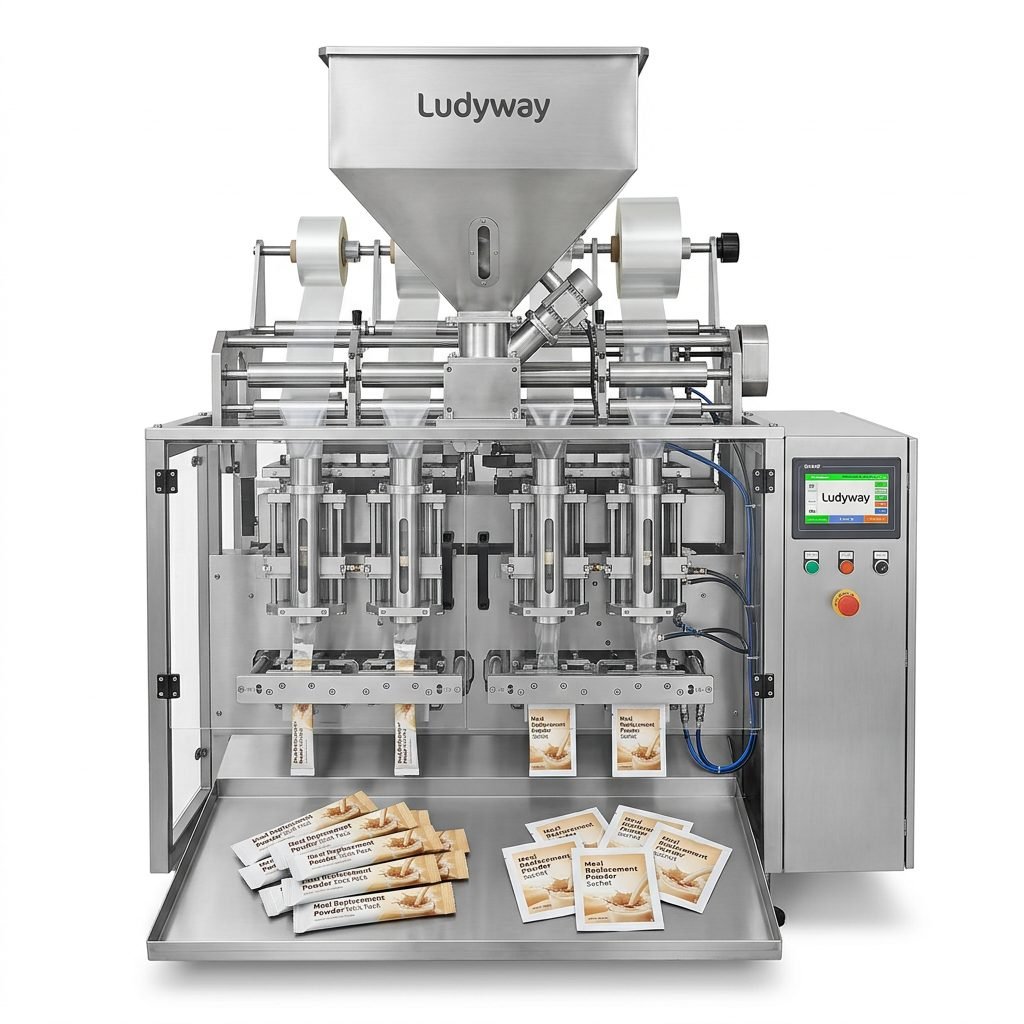
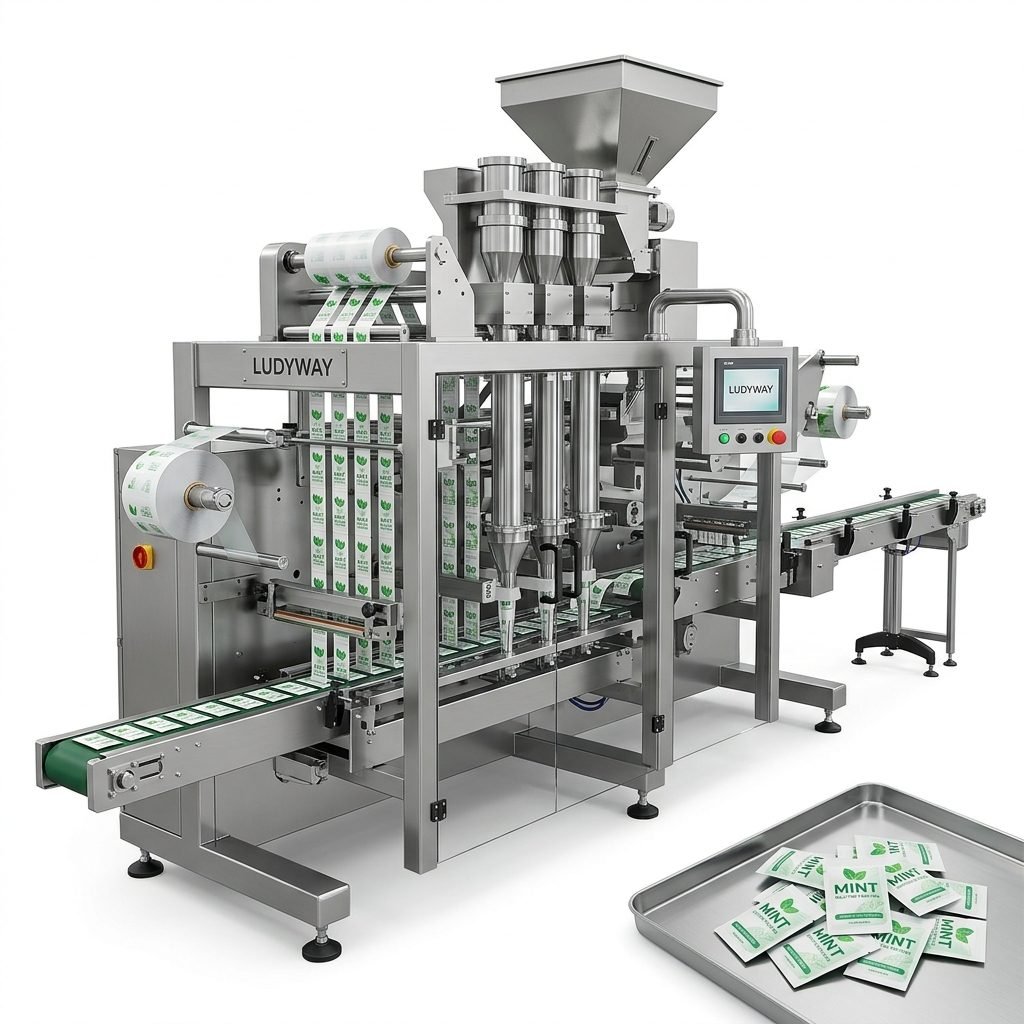
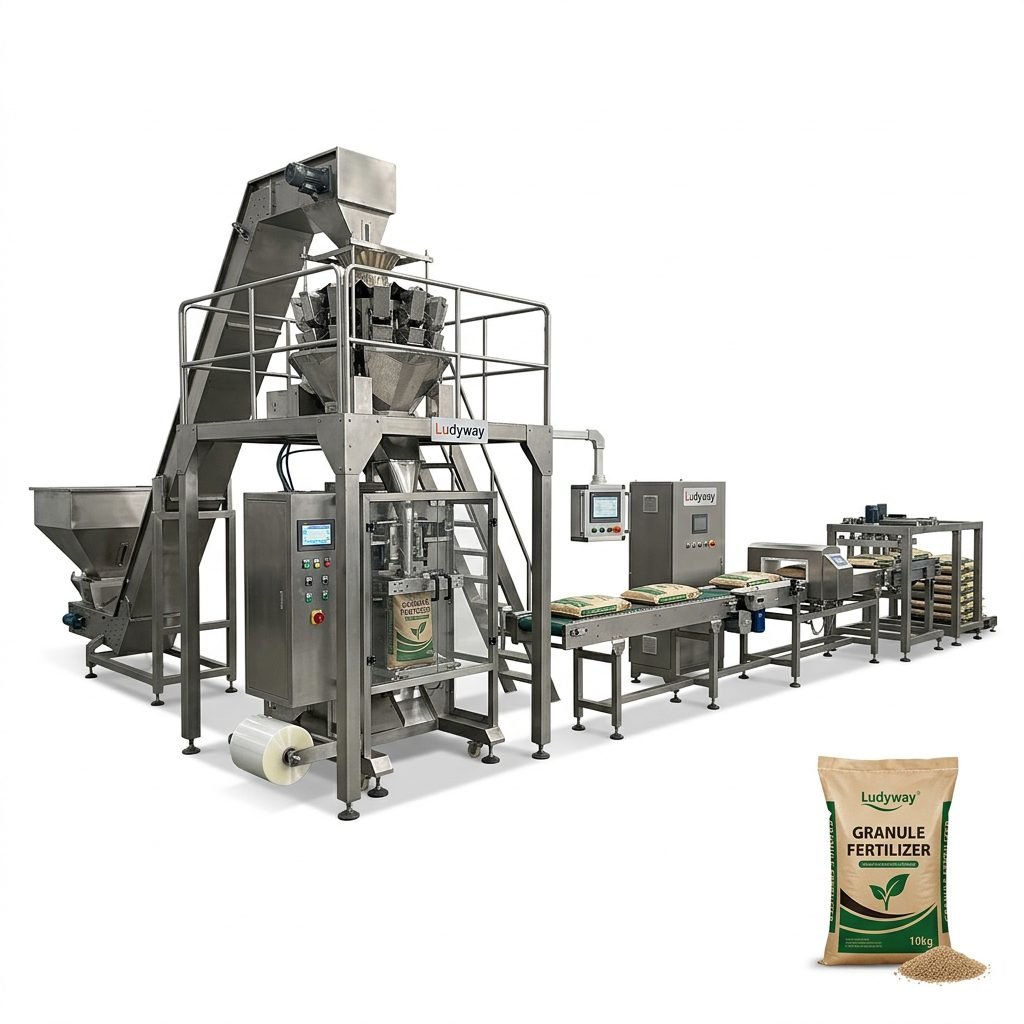
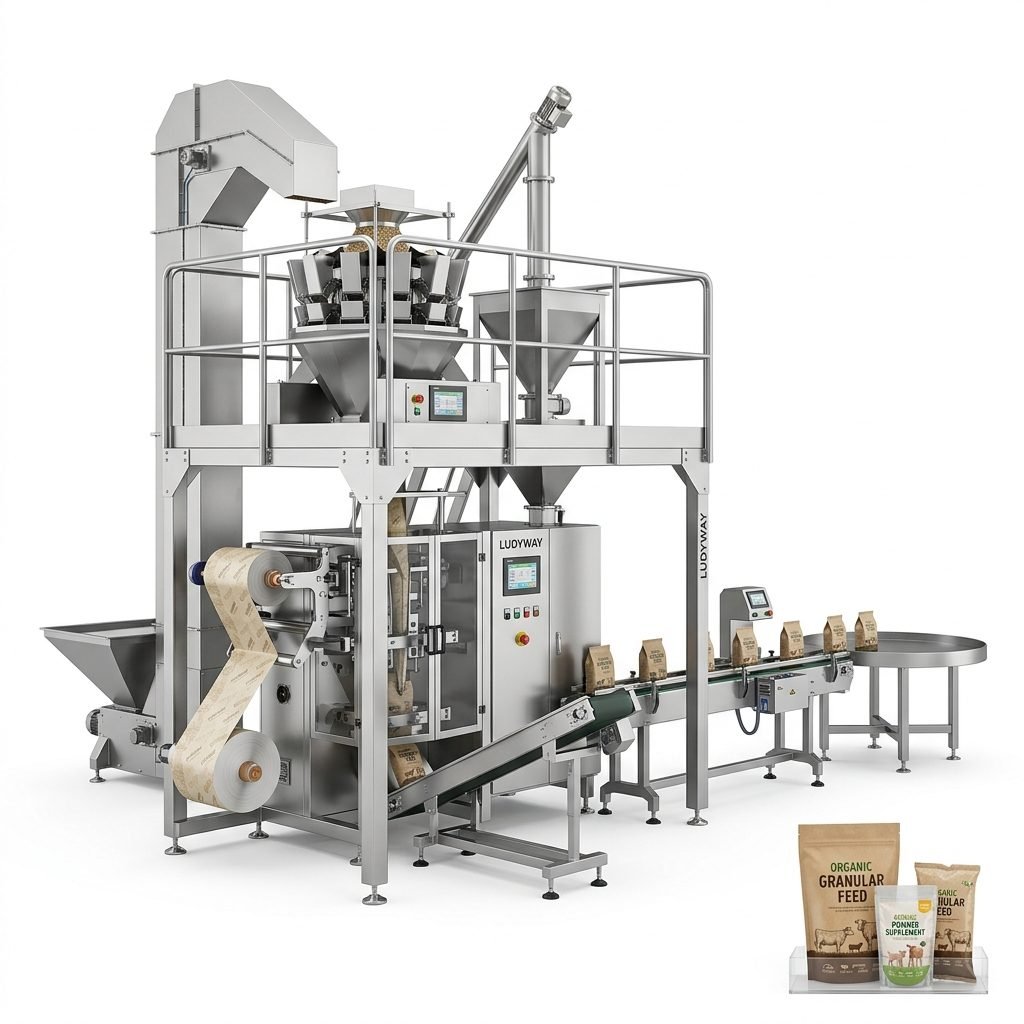
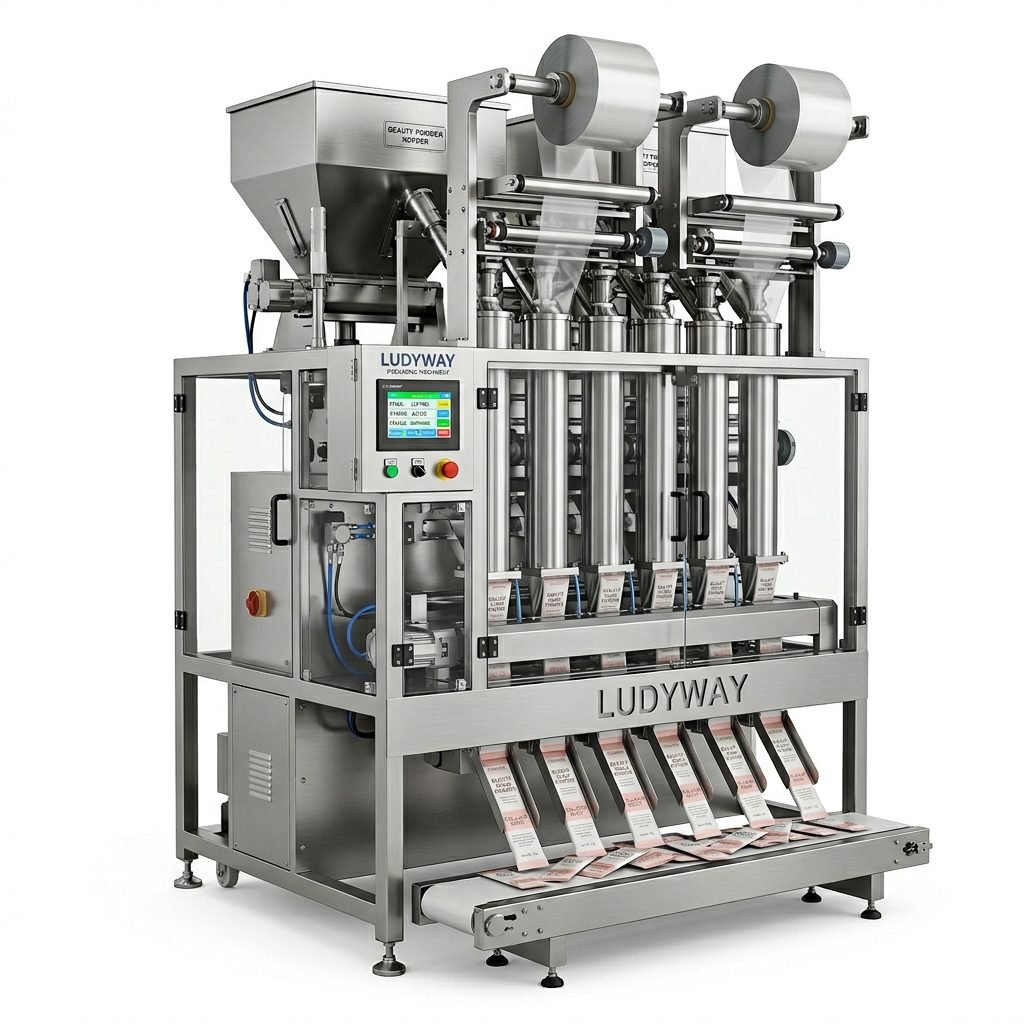
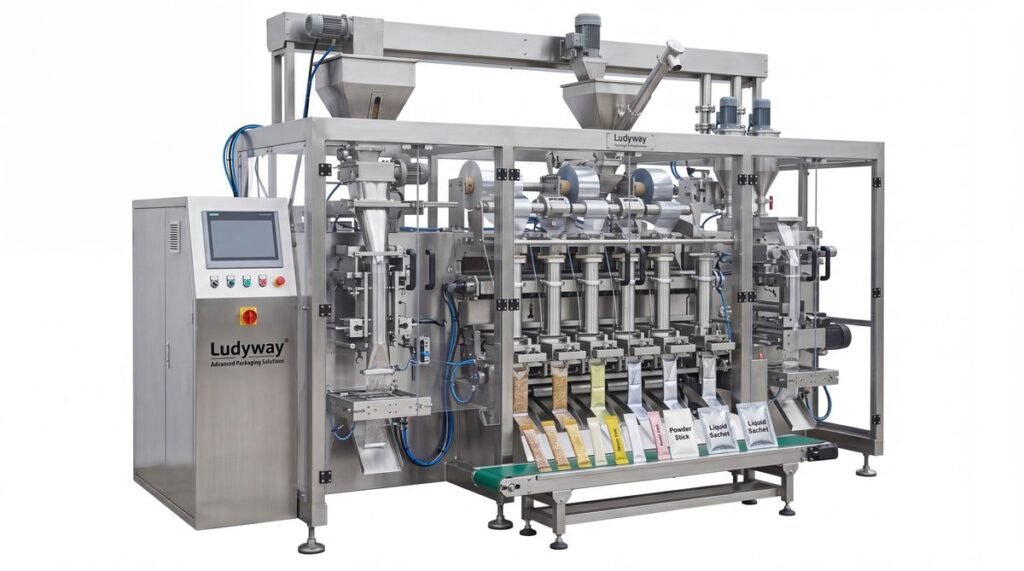
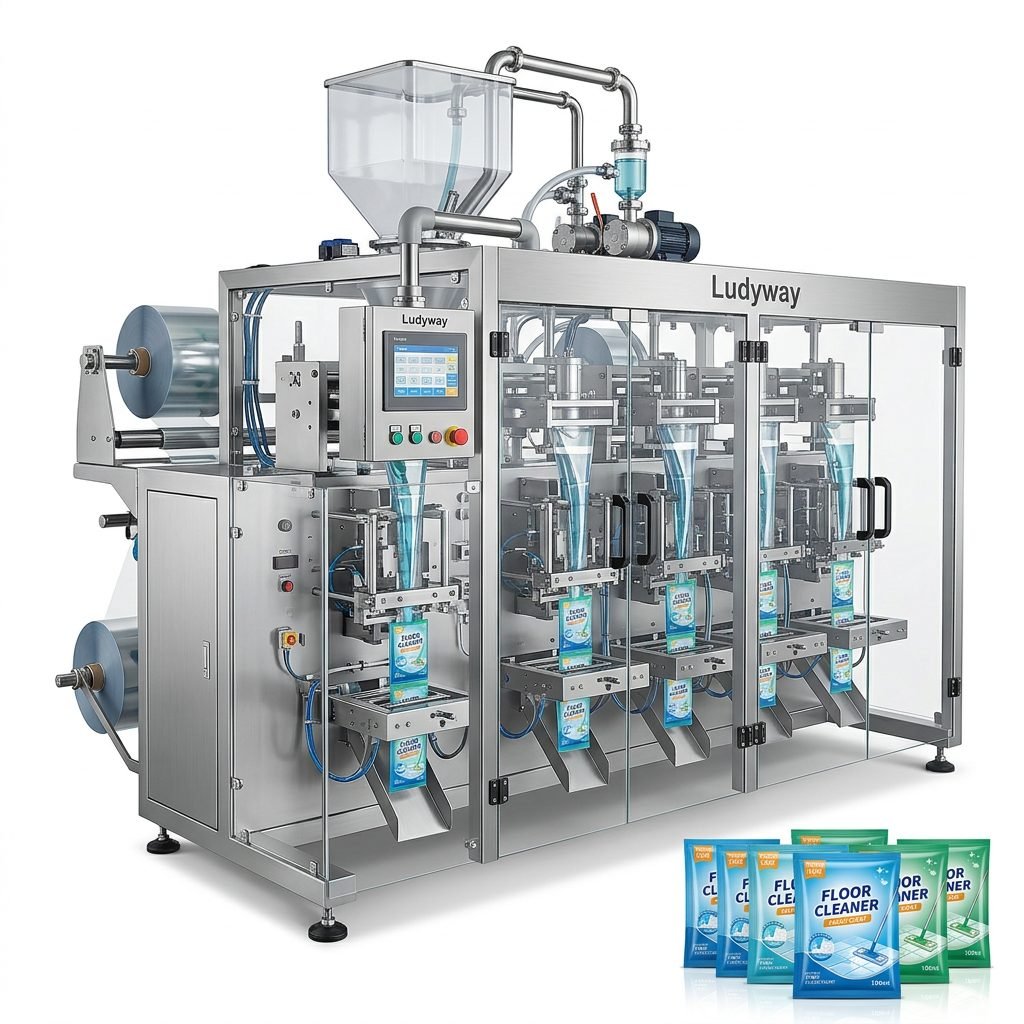
While commonly associated with milk and fruit juices, aseptic packaging is now widely used for broths, liquid eggs, plant-based beverages, wines, tomato products, and even certain types of ready-to-eat meals and desserts. Its versatility makes it a cornerstone of modern food processing. Companies like Ludyway Machinery are at the forefront, providing advanced automated packaging solutions that integrate this technology for efficient, large-scale production.
Critical Components of a Reliable Aseptic Line
A successful aseptic packaging operation relies on more than just the filler. It involves a fully integrated system:
- Sterilization Unit: For packaging material (e.g., hydrogen peroxide bath or spray).
- Aseptic Chamber: A controlled, sterile environment where filling and sealing occur.
- Precision Filler: Ensures accurate volume filling without breaking sterility.
- Hermetic Sealer: Creates a perfect, airtight seal on the package.
- Sophisticated Controls & Monitoring: Continuously validates sterility parameters like temperature, chemical concentration, and air quality.
Suppliers with deep expertise, such as Ludyway, offer these as part of complete turnkey solutions, ensuring all components work in perfect harmony.
Conclusion and Future Outlook
Aseptic packaging machines are indispensable tools for modern food and beverage production. By creating a sterile, sealed environment for packaging, they effectively halt the biological and chemical processes that lead to spoilage. This not only grants products a remarkably long shelf life at ambient temperatures but also does so while better preserving their inherent quality. As consumer demand for clean-label, convenient, and sustainable products grows, the role of aseptic technology will only become more central. Continued innovation in machine efficiency, packaging material sustainability, and process validation will drive its adoption across an even broader range of products.
Frequently Asked Questions (FAQs)
1. Is aseptic packaging the same as vacuum packaging?
No, they are fundamentally different. Vacuum packaging removes air from a package to slow oxidation and growth of aerobic bacteria, but it does not sterilize the product or package. Aseptic packaging involves sterilizing both the product and package separately before filling in a sterile environment, offering a much higher level of preservation and longer ambient shelf life.
2. Do aseptically packaged products contain preservatives?
Not necessarily. The preservation is achieved through the sterilization process and hermetic sealing, not chemical additives. Many aseptic products, like UHT milk or broth, are preservative-free, aligning with clean-label trends.
3. How is the packaging material itself sterilized in the machine?
The most common method is using hydrogen peroxide (H₂O₂). The packaging material web or pre-formed containers are treated with a fine mist or bath of H₂O₂, which is then evaporated and broken down into water vapor and oxygen by hot air, leaving no residue inside the sterile zone.
4. Can aseptic technology be used for solid or particulate foods?
Yes, though it is more complex. Technologies like aseptic filling for soups with chunks or diced fruits exist. They often involve sterilizing the particulates and sauce separately before combining and filling in the sterile chamber, requiring highly specialized equipment.
5. What are the main challenges in operating an aseptic packaging line?
The primary challenges are maintaining the absolute sterility of the system (any breach can spoil an entire batch), validating and monitoring all sterilization parameters continuously, and the high initial capital investment for the machinery and infrastructure. Partnering with an experienced provider like Ludyway Machinery is crucial for navigating these complexities and ensuring a reliable, efficient production setup.