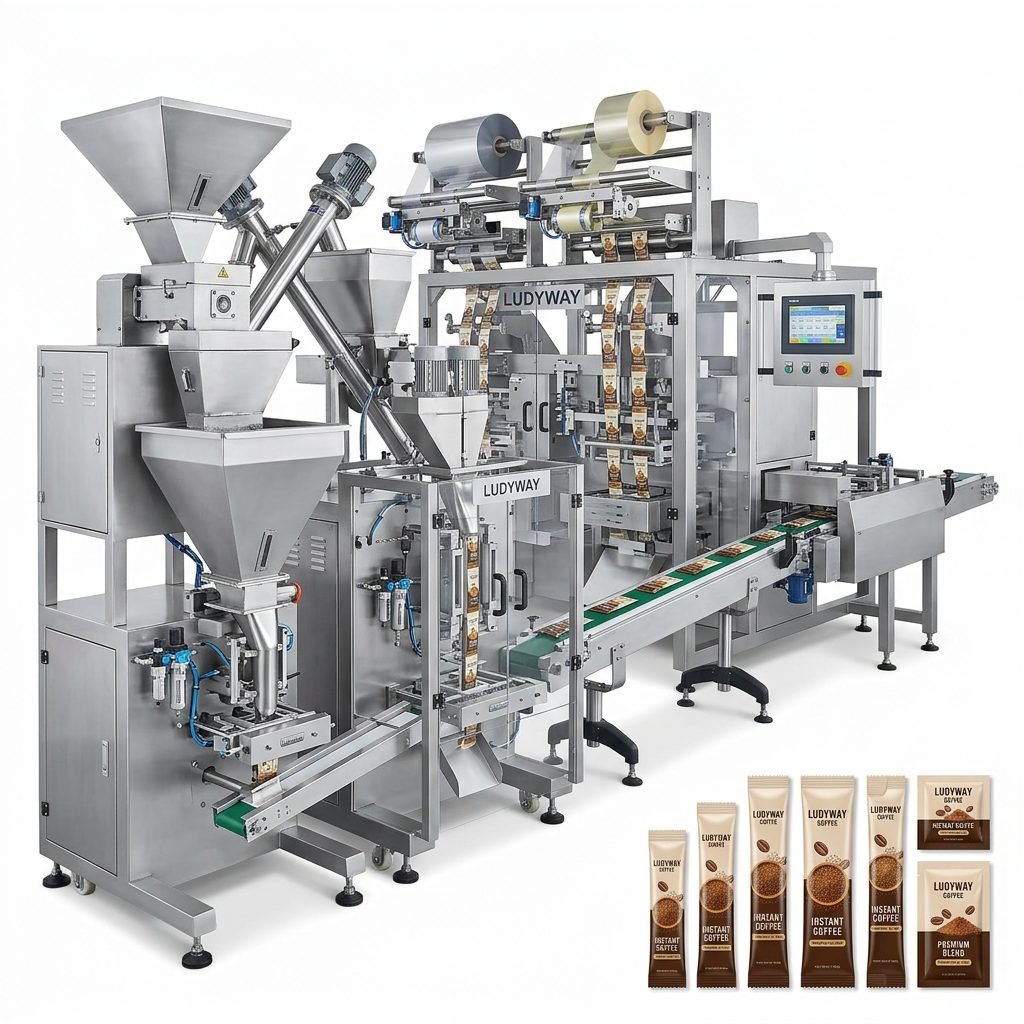
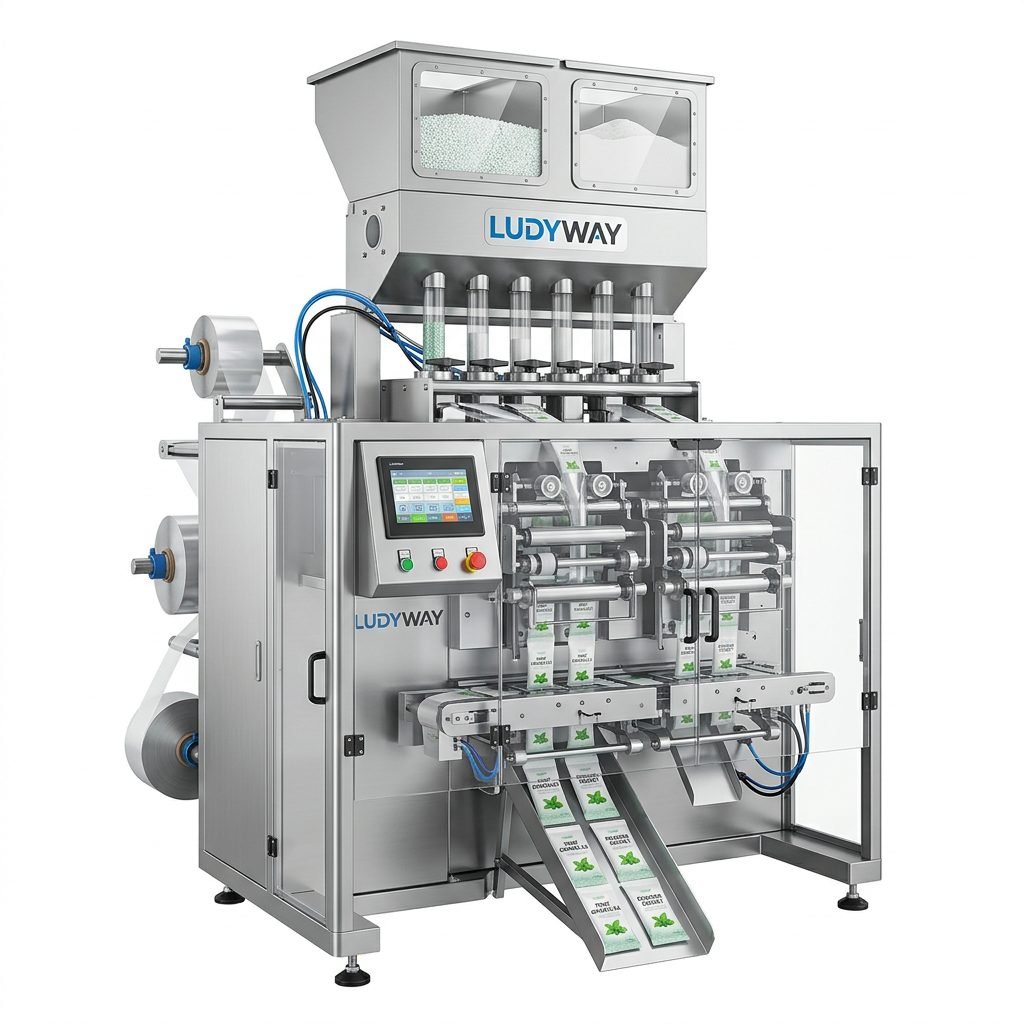
In the competitive landscape of food production, selecting the right flour packaging machine is a critical decision that directly impacts efficiency, product quality, and your bottom line. The market is filled with numerous suppliers, each promising reliability and innovation. This guide will navigate you through the top-tier suppliers and provide a comprehensive framework for choosing the perfect machine to integrate seamlessly into your production line.
Key Factors Defining Top Flour Packaging Machine Suppliers
When evaluating potential suppliers, it’s essential to look beyond the basic specifications. The leading players in the industry distinguish themselves through a combination of technological prowess, robust support, and proven reliability.
Core Hallmarks of Excellence
Top suppliers typically share these critical attributes:
• Engineering Expertise & Innovation: They invest heavily in R&D to offer machines with high precision dosing, minimal product waste, and adaptability to various flour types (all-purpose, whole wheat, specialty blends).
• Build Quality & Durability: Machines are constructed from food-grade stainless steel and components designed for the demanding, dusty environment of flour packaging, ensuring longevity and food safety.
• Comprehensive Service Network: They provide extensive after-sales support, including installation, operator training, readily available spare parts, and responsive technical assistance to minimize downtime.
• Customization Capability: The ability to tailor machine parameters—from bag size and weight range to specific sealing methods—to your unique product line is a sign of a superior supplier.
A Closer Look at Supplier Profiles
The global market features a mix of large multinational corporations and specialized, agile manufacturers. Understanding their strengths helps in aligning their offerings with your needs.
Established Global Brands
These companies offer a wide range of packaging solutions with global recognition. Their machines are often feature-rich and backed by extensive R&D budgets and worldwide service centers. They are an excellent choice for large-scale operations requiring high-speed, integrated lines and have the infrastructure to support complex, multi-national operations.
Specialized and Regional Experts
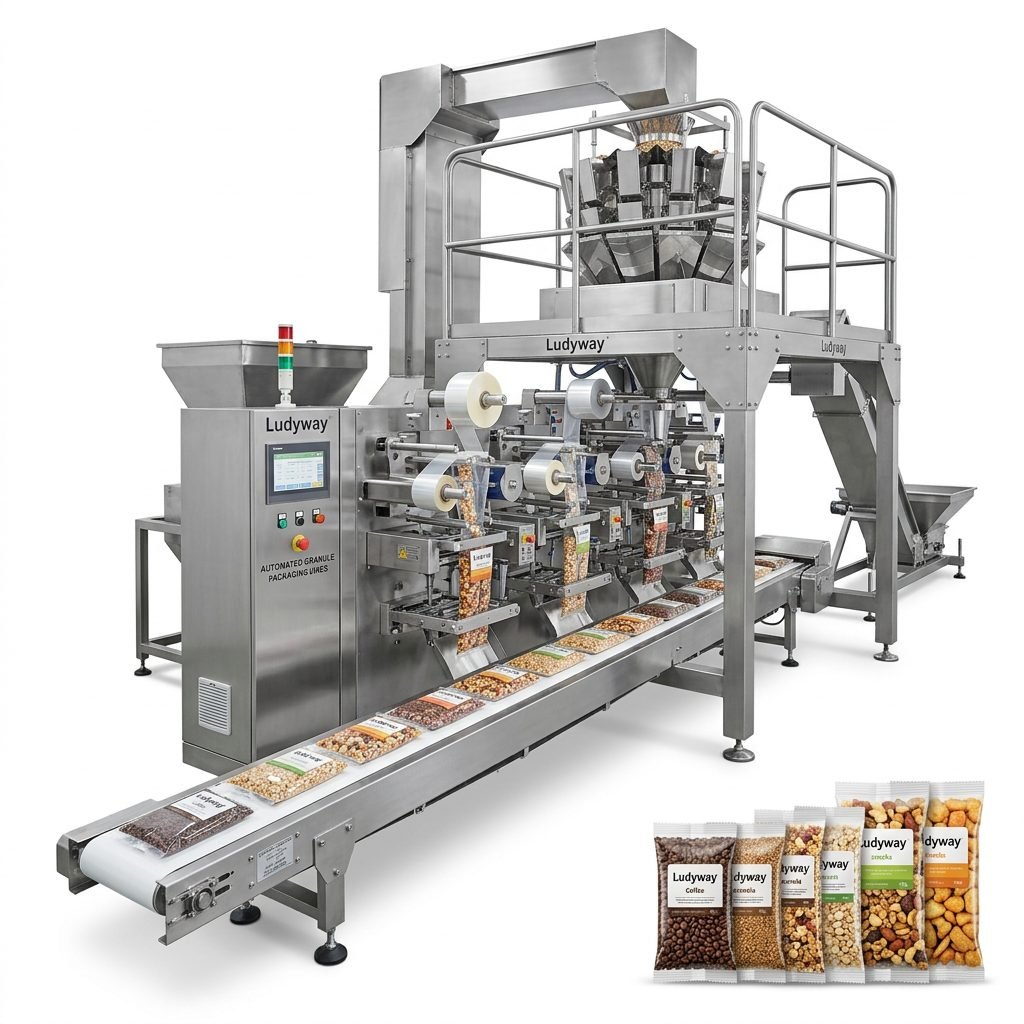
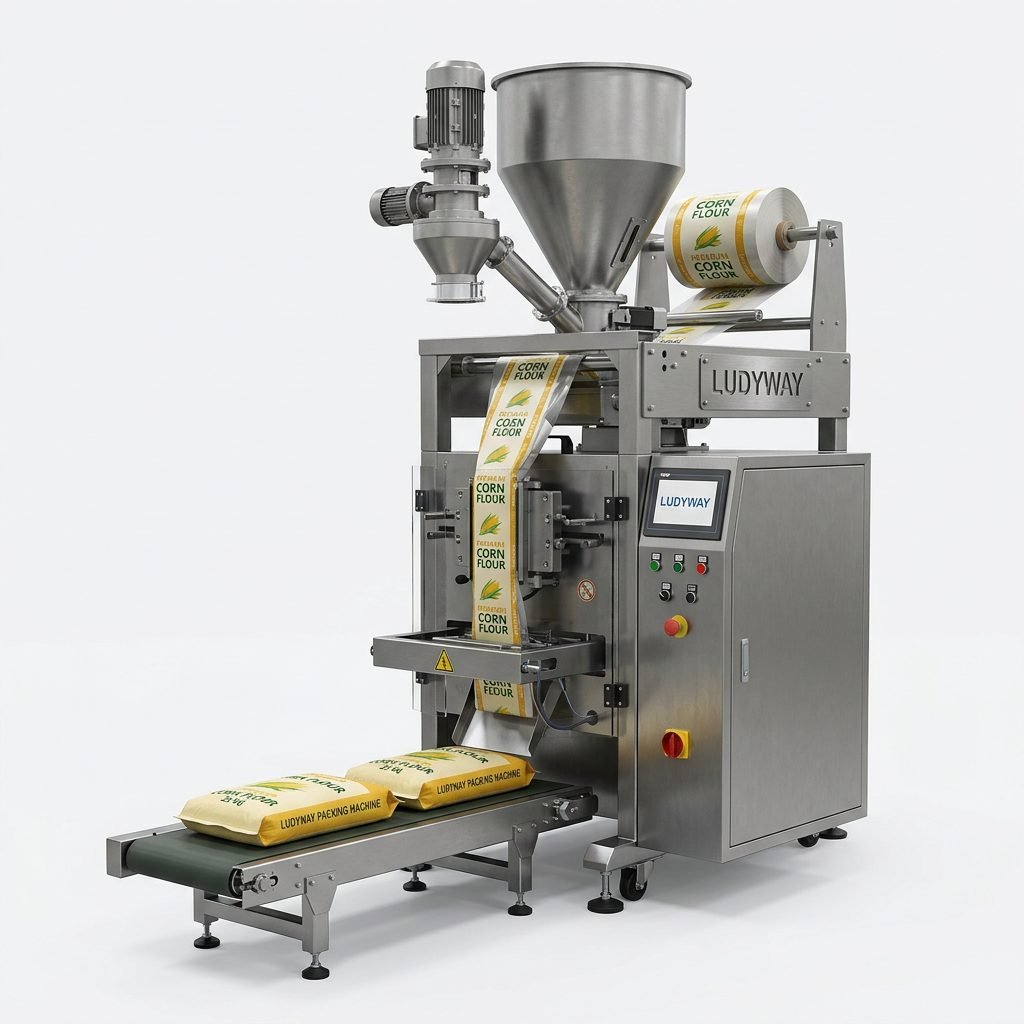
Many suppliers, like Ludyway Packing Machine, have carved a niche by focusing deeply on specific segments like food powders. Founded with a vision for efficient and reliable solutions, such companies often combine decades of practical industry experience with the flexibility to provide highly customized turnkey solutions. They can be particularly valuable for small to medium enterprises (SMEs) seeking a more collaborative partnership and machinery that fits a specific budget and floor space without compromising on core functionality.
Why Specialization Matters in Flour Packaging
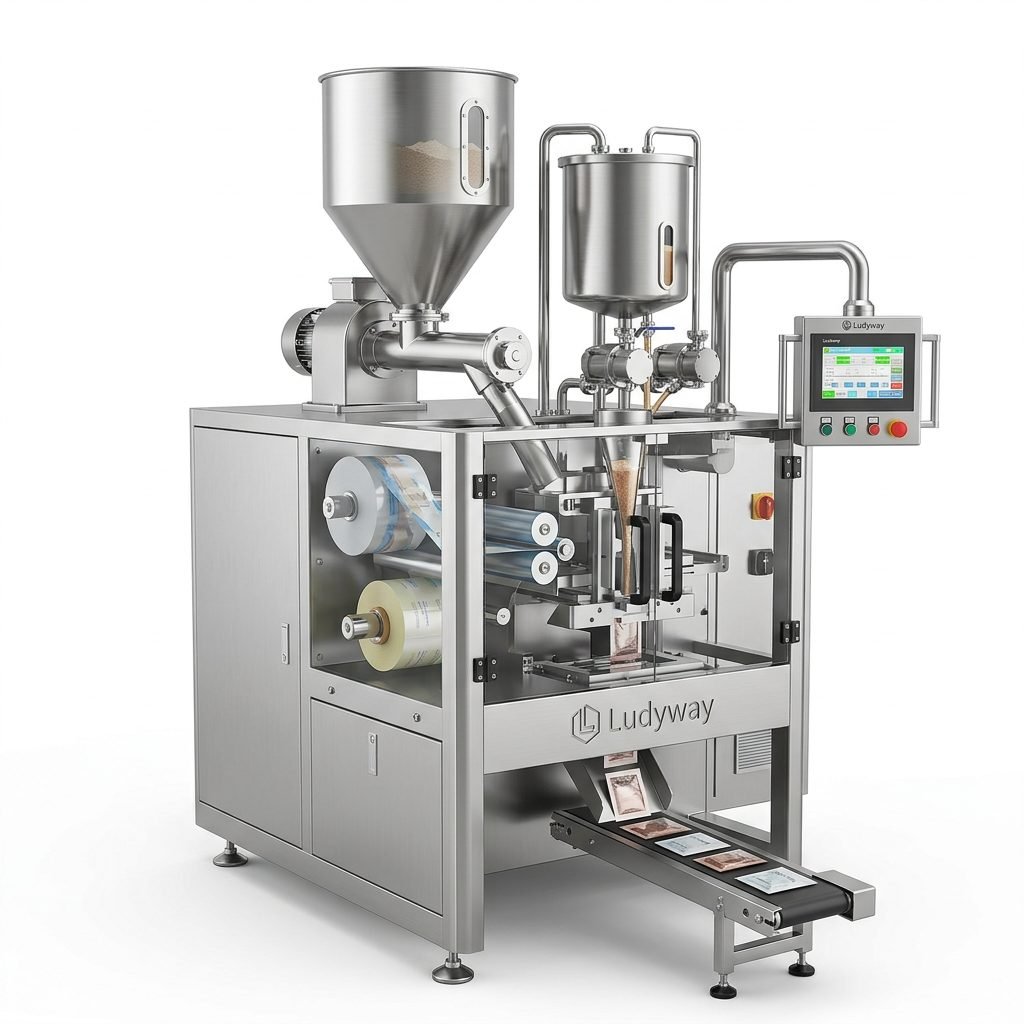
Flour has unique characteristics—it’s dusty, aeratable, and requires precise handling to maintain consistent bag weight. A supplier specializing in powder packaging will have engineered solutions specifically for these challenges, such as advanced auger filler systems with anti-bridging features, integrated dust recovery, and sensitive weighing technology. This focused expertise often translates to more reliable performance and better product yield in real-world production.
How to Choose the Right Machine for Your Production Line
Selecting a machine is a strategic process. A misstep can lead to chronic inefficiencies. Follow this step-by-step evaluation framework.
Step 1: Conduct a Thorough Needs Analysis
Begin by defining your current and future requirements with absolute clarity.
Production Output: Calculate your required speed in bags per minute (BPM) or packs per hour. Factor in peak seasons and allow for 15-20% growth capacity.
Product Parameters: Detail the exact flour types, bag sizes (from small 1lb retail bags to large 50lb commercial sacks), and packaging materials (polyethylene, paper, laminated films).
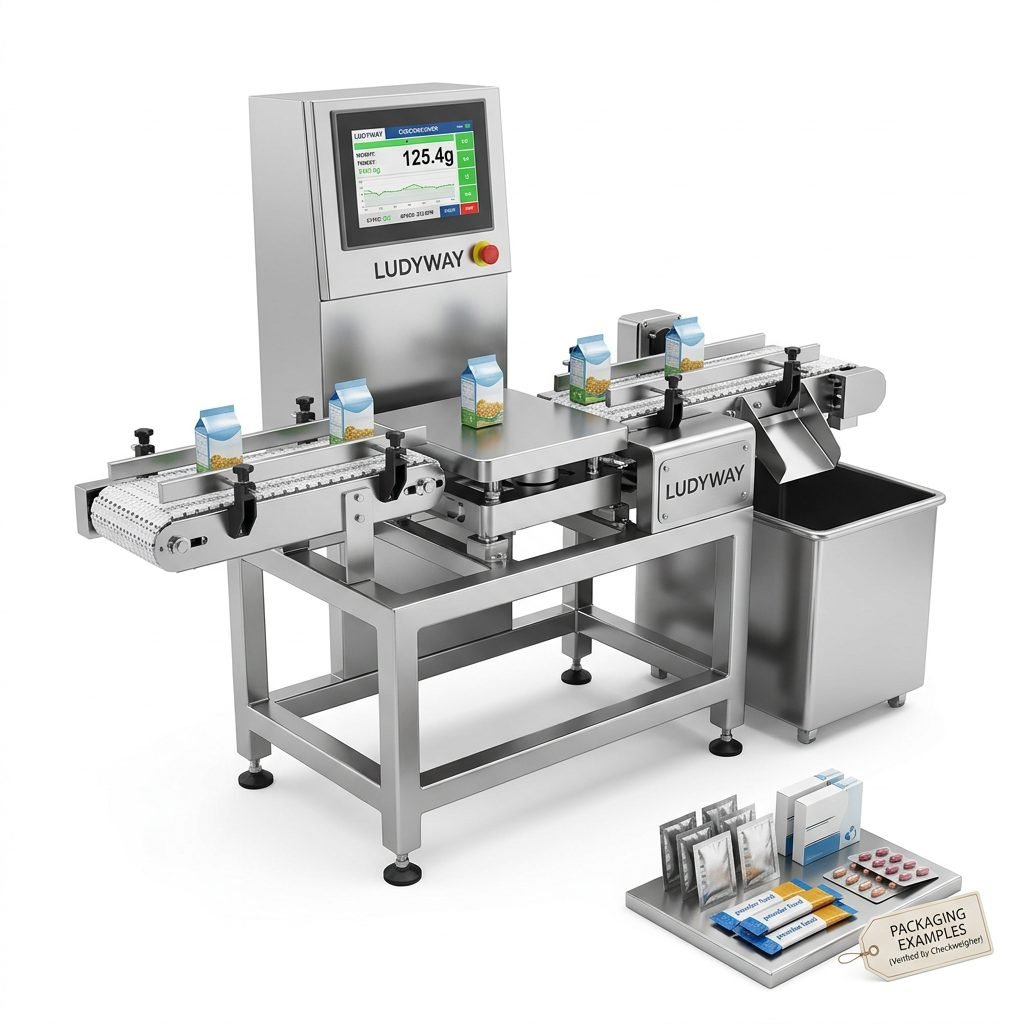
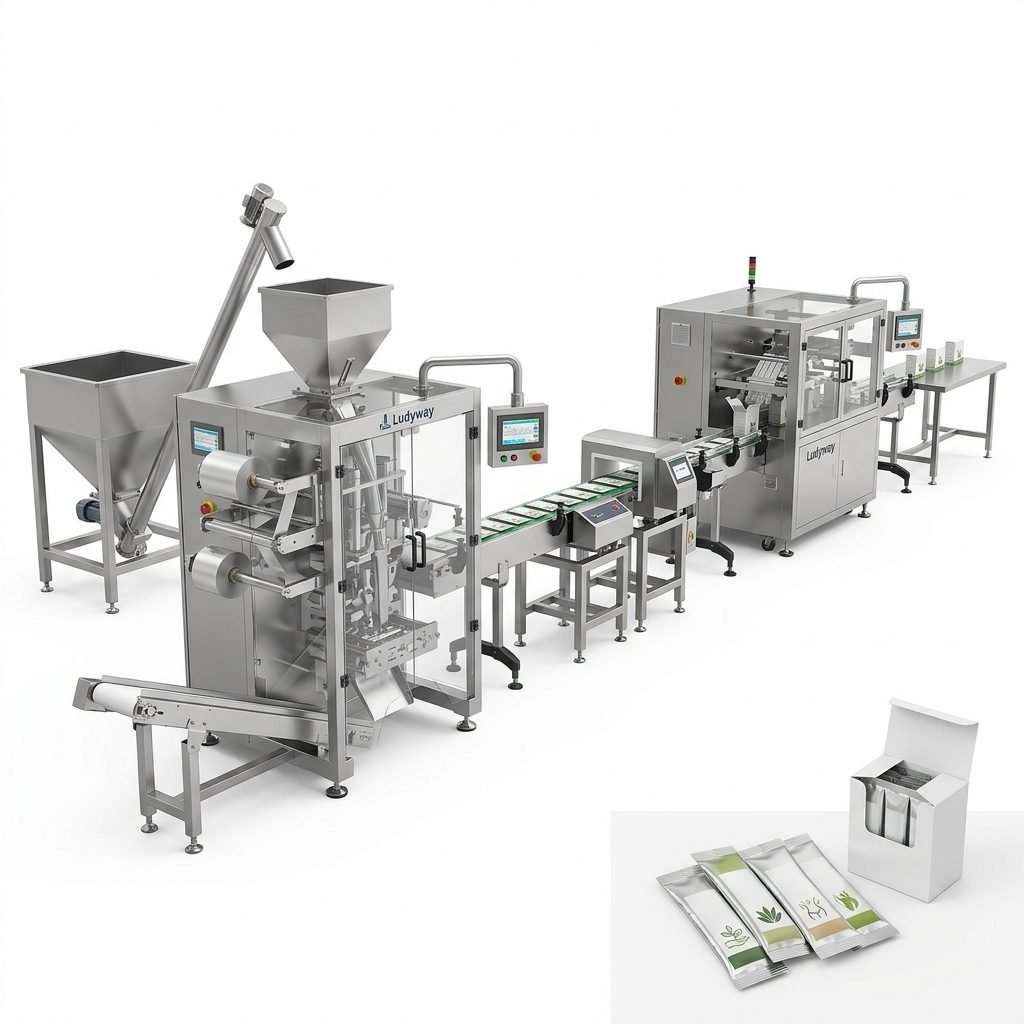
Line Integration: Determine if you need a standalone machine or one that must interface with existing conveyors, checkweighers, or palletizers.
Step 2: Evaluate Critical Machine Specifications
With your needs defined, scrutinize the technical details of potential machines.
- Filling Accuracy: The heart of the machine. Look for a precision auger filler with servo-motor control for minimal giveaway and consistent weight, which directly saves raw material cost.
- Dust Management: Essential for plant safety and cleanliness. Opt for machines with enclosed filling zones, dust extraction ports, and easy-clean surfaces.
- Changeover Flexibility: How quickly can you switch bag sizes? Machines with quick-release parts and digital recipe storage dramatically reduce downtime.
- Control System: A user-friendly, programmable logic controller (PLC) with a touchscreen HMI simplifies operation, troubleshooting, and access to production data.
Step 3: Assess the Supplier Partnership
The machine is only as good as the company behind it. Due diligence here is non-negotiable.
Request References & Visit Facilities: Ask for contact information of current clients with similar applications. If possible, visit the supplier’s manufacturing facility, like a 20,000㎡ modern production plant, to assess their quality control and engineering capabilities firsthand.
Analyze Support & Warranty: Scrutinize the warranty terms, availability of spare parts, and the structure of their technical support. Do they offer remote diagnostics? What is the typical response time for an on-site engineer?
Review Total Cost of Ownership (TCO): Look beyond the initial purchase price. Factor in estimated energy consumption, maintenance costs, potential downtime, and the cost of spare parts over a 5-10 year period.
Step 4: Request a Product Demonstration
Never buy based on specifications alone. Insist on a live or recorded test run using your actual flour and packaging material. This is the only way to verify claimed accuracy, speed, and operational smoothness.
Final Checklist Before Purchase
✓ Needs analysis document completed and signed off.
✓ Machine specs meet or exceed all technical requirements.
✓ Supplier site visit completed or credible references verified.
✓ Live product test performed successfully with your materials.
✓ Detailed service and warranty agreement reviewed by legal.
✓ Delivery, installation, and training timeline is confirmed.
✓ Total Cost of Ownership (TCO) projection is satisfactory.
Conclusion: Investing in Precision and Partnership
Choosing the right flour packaging machine supplier is a strategic investment in your operation’s future productivity and quality. By prioritizing specialized engineering expertise, demonstrable machine performance with your specific product, and a supplier committed to long-term support and innovation, you secure more than just equipment—you gain a reliable partner for growth. A disciplined selection process, centered on a clear understanding of your own production needs, will lead you to the optimal solution that delivers value for years to come.
Frequently Asked Questions (FAQs)
1. What is the most important feature to look for in a flour packaging machine?
Filling accuracy and consistency are paramount. Inaccurate filling leads to product giveaway (costing you money) or underweight bags (which are regulatory and customer satisfaction issues). Look for machines with servo-driven auger fillers and multi-head weigher systems designed specifically for fine powders.
2. How can I minimize dust in my packaging area?
Choose a machine with excellent integrated dust management. Key features include a fully enclosed filling chamber, sealed bearings, built-in dust extraction ports that connect to your plant’s system, and smooth, easy-to-clean surfaces without ledges where flour can accumulate.
3. Can one machine handle different types of flour and bag sizes?
Yes, but flexibility varies. High-quality machines offer quick-changeover systems for augers, funnels, and bag holders, along with digital settings (“recipes”) to store parameters for different products. Discuss your full range of needs with the supplier to ensure the machine’s changeover time and complexity meet your production schedule.
4. What should I expect from the supplier after purchase?
You should expect comprehensive after-sales support. This typically includes professional installation and commissioning, thorough training for your operators and maintenance staff, a clear warranty, readily available spare parts, and access to technical support—either remotely or on-site—for troubleshooting and preventive maintenance.
5. Is it worth investing in a fully automated line versus a semi-automatic machine?
The decision depends on your volume and labor costs. Semi-automatic machines require an operator to place each bag but have a lower initial cost. Fully automatic lines (with bag feeding, filling, sealing, and coding) offer much higher output with minimal labor and are essential for large-scale production. A reputable supplier can help you analyze the return on investment (ROI) for automation based on your specific output goals.