The Japan packaging machinery market represents a sophisticated and highly dynamic sector within the country’s advanced manufacturing landscape. Characterized by a deep cultural appreciation for precision, quality, and aesthetic presentation—principles deeply rooted in concepts like monozukuri (the art of making things) and omotenashi (wholehearted hospitality)—the demand for advanced packaging solutions is intrinsically linked to Japan’s consumer and industrial ethos. The market is currently experiencing a significant transformation, driven by technological innovation, shifting consumer habits, and evolving regulatory standards.
Primary Growth Drivers of the Market
Several powerful forces are propelling the Japanese packaging machinery industry forward, creating a fertile ground for innovation and investment.
Technological Integration and Industry 4.0
The relentless pursuit of automation and smart manufacturing is a cornerstone of market growth. Japanese manufacturers are at the forefront of integrating Internet of Things (IoT) sensors, artificial intelligence (AI), and robotics into packaging lines. This enables predictive maintenance, real-time quality control, and seamless data exchange, minimizing downtime and maximizing efficiency—a critical factor in a high-cost operational environment.
Demographic Shifts and E-commerce Boom
Japan’s aging population and shrinking household size have fueled demand for smaller, single-serve, and easy-to-open packages. Concurrently, the explosive growth of e-commerce, accelerated by the pandemic, demands packaging that is not only protective for logistics but also delivers a premium unboxing experience, aligning with the consumer’s expectation for thoughtful presentation.
Sustainability and Regulatory Compliance
Heightened environmental consciousness among consumers and stringent government regulations, such as the Plastic Resource Circulation Act, are compelling brands to adopt sustainable packaging. This drives demand for machinery capable of handling recycled materials, biodegradable films, and lightweight designs, as well as systems that reduce material waste through precision filling and cutting.
Analysis of Key Market Segments
The market can be segmented by technology, application, and end-user industry, each with distinct characteristics and growth trajectories.
By Technology Type
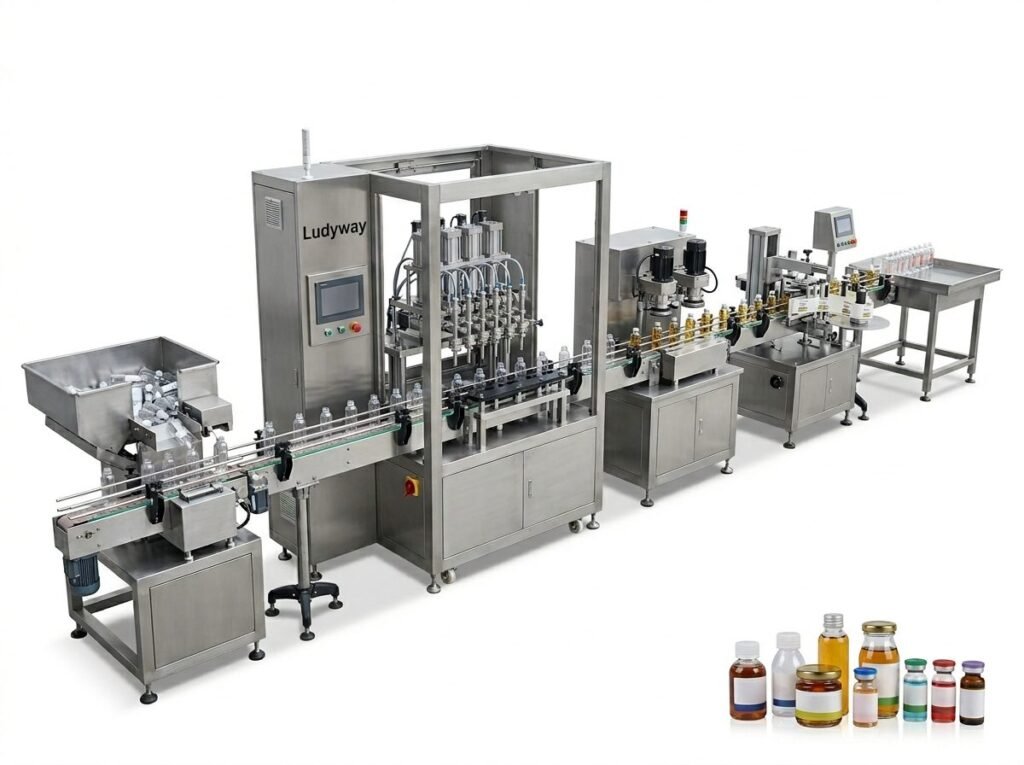
Filling & Sealing Machines: Dominant segment, essential for food, beverages, and pharmaceuticals. Demand is high for ultra-hygienic, high-speed aseptic filling machines for dairy and drinks.
Labeling & Coding Machines: Critical for traceability and compliance. Smart labeling systems with QR codes for consumer engagement and supply chain transparency are gaining traction.
Wrapping & Bundling Machines: Widely used in confectionery, baked goods, and consumer goods. Growth is tied to retail-ready packaging and multipack solutions.
By End-User Industry
Food & Beverage: The largest segment. Demand is driven by ready-to-eat meals, premium snacks, and health-oriented products, requiring flexible machinery for diverse package formats.
Pharmaceuticals: Requires high-precision, compliant machinery for blister packing, vial filling, and serialization to meet Japan’s rigorous Pharmaceuticals and Medical Devices Act (PMD Act) standards.
Cosmetics & Personal Care: Heavily influenced by aesthetics and miniaturization trends. Machinery for creating intricate sachet, tube, and compact packaging is in high demand.
Import Trends and the Competitive Landscape
While Japan boasts strong domestic manufacturers, it remains a significant importer of specialized packaging machinery. This reflects the need to source best-in-class technology from global leaders.
Major imports include high-speed robotic palletizers, advanced digital printing systems, and specialized machinery for niche applications. Germany, Italy, and China are key sourcing regions, each offering strengths in engineering, design, and cost-effectiveness, respectively. The import trend underscores a strategic focus on acquiring technology that complements local expertise in automation and control systems.
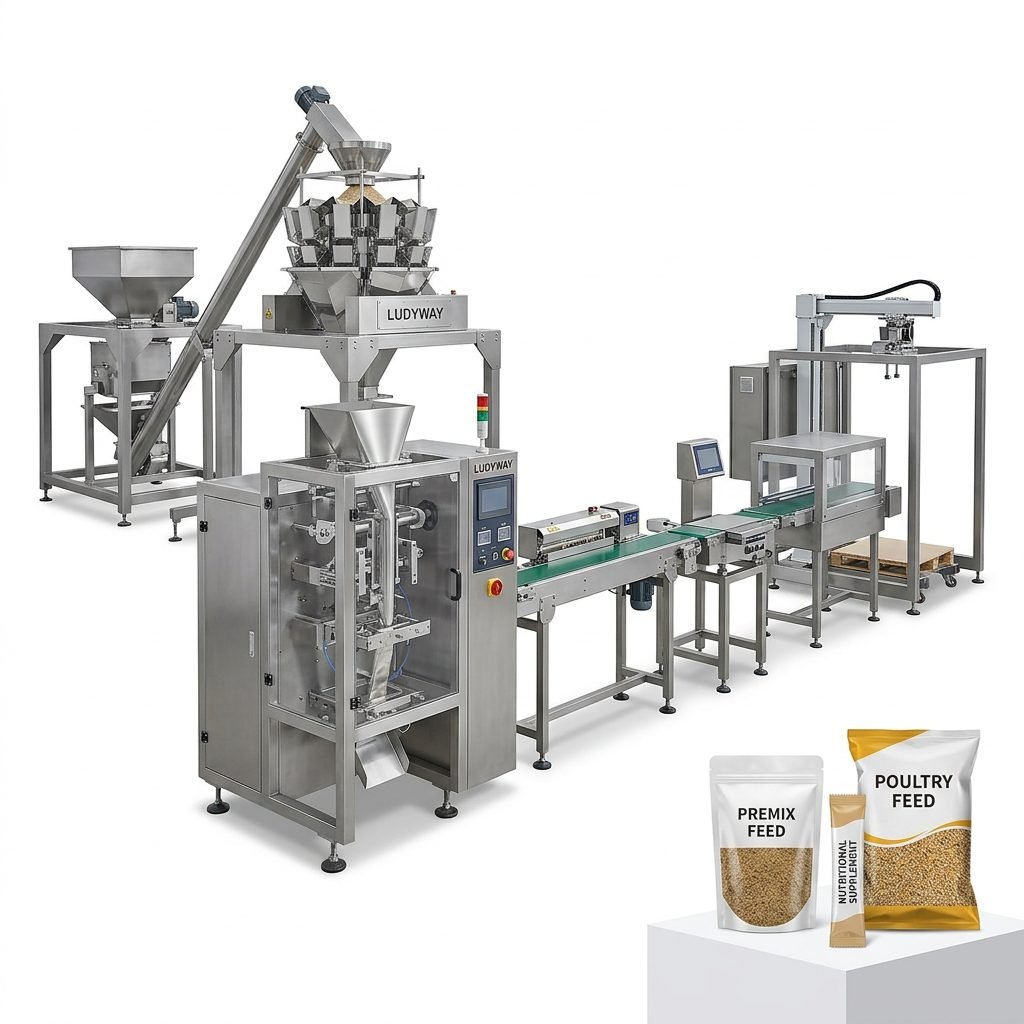
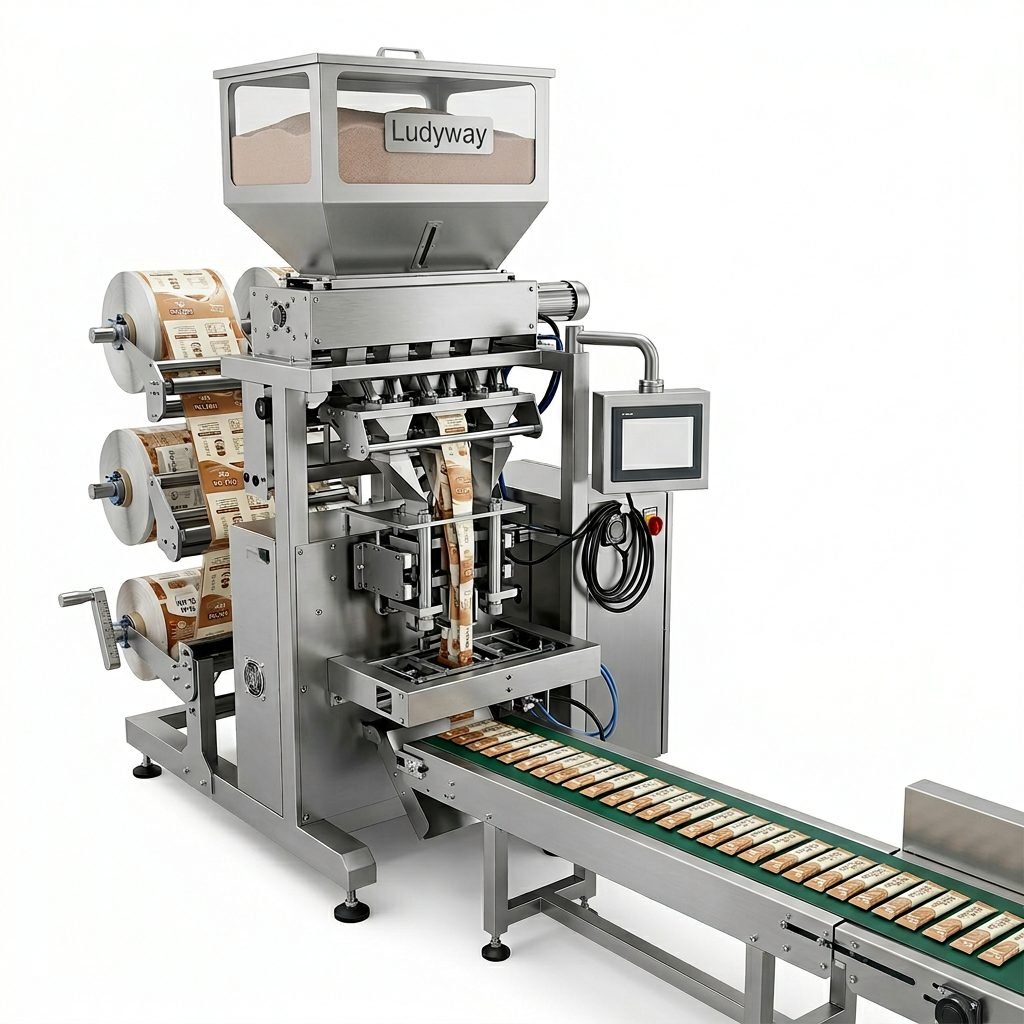
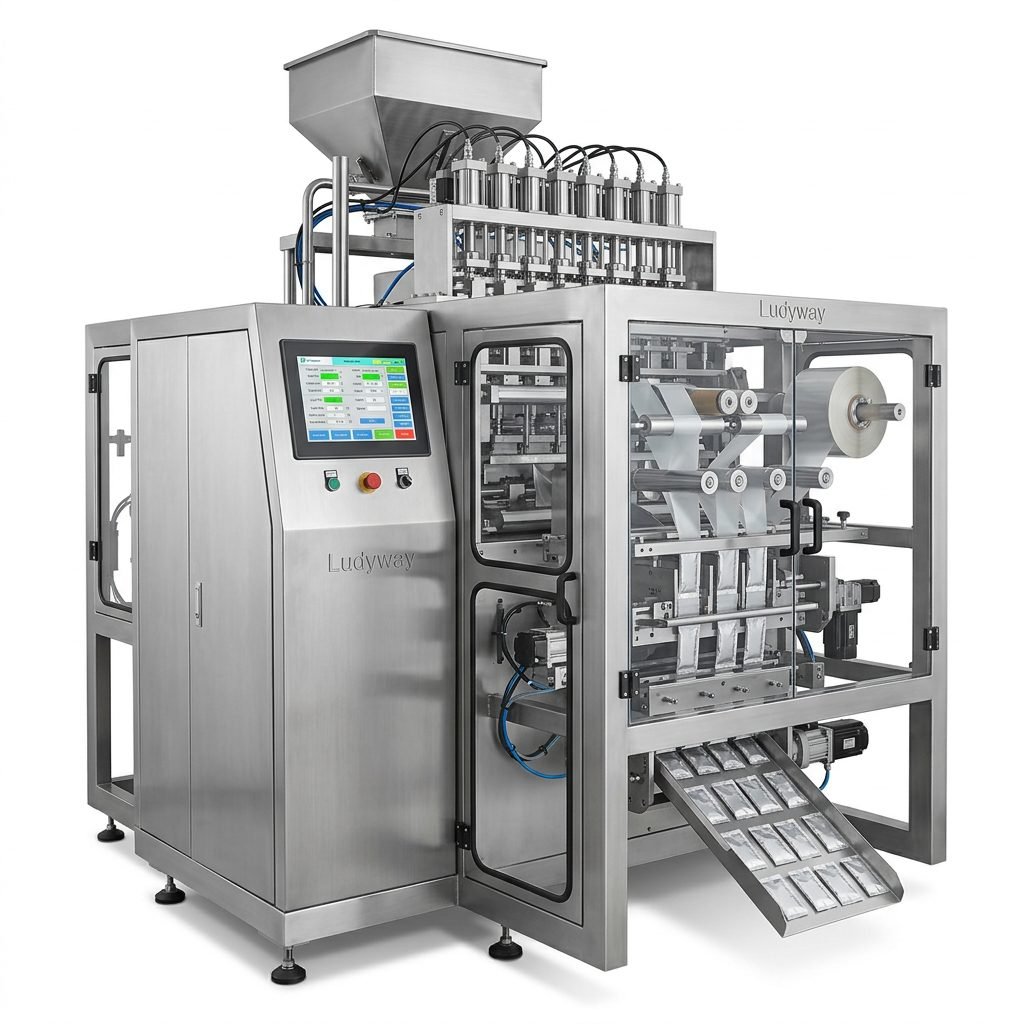
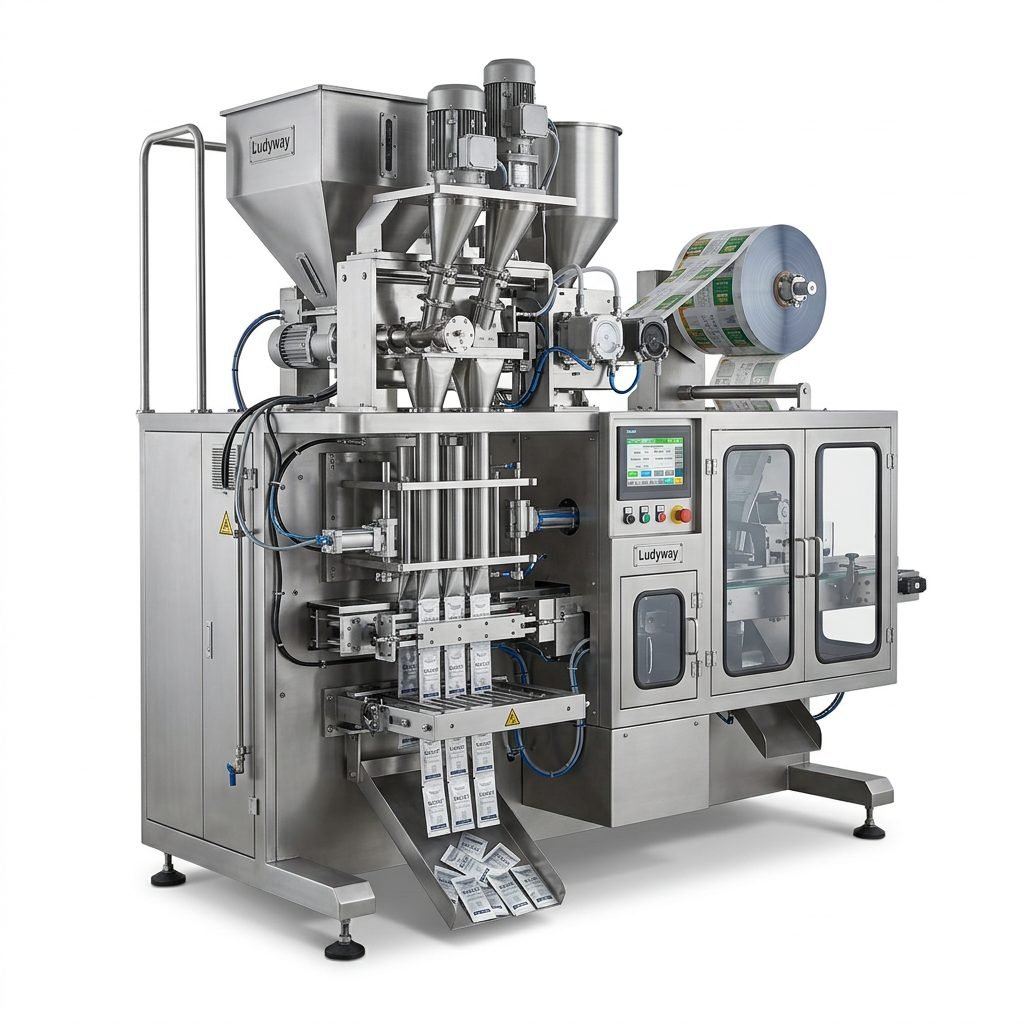
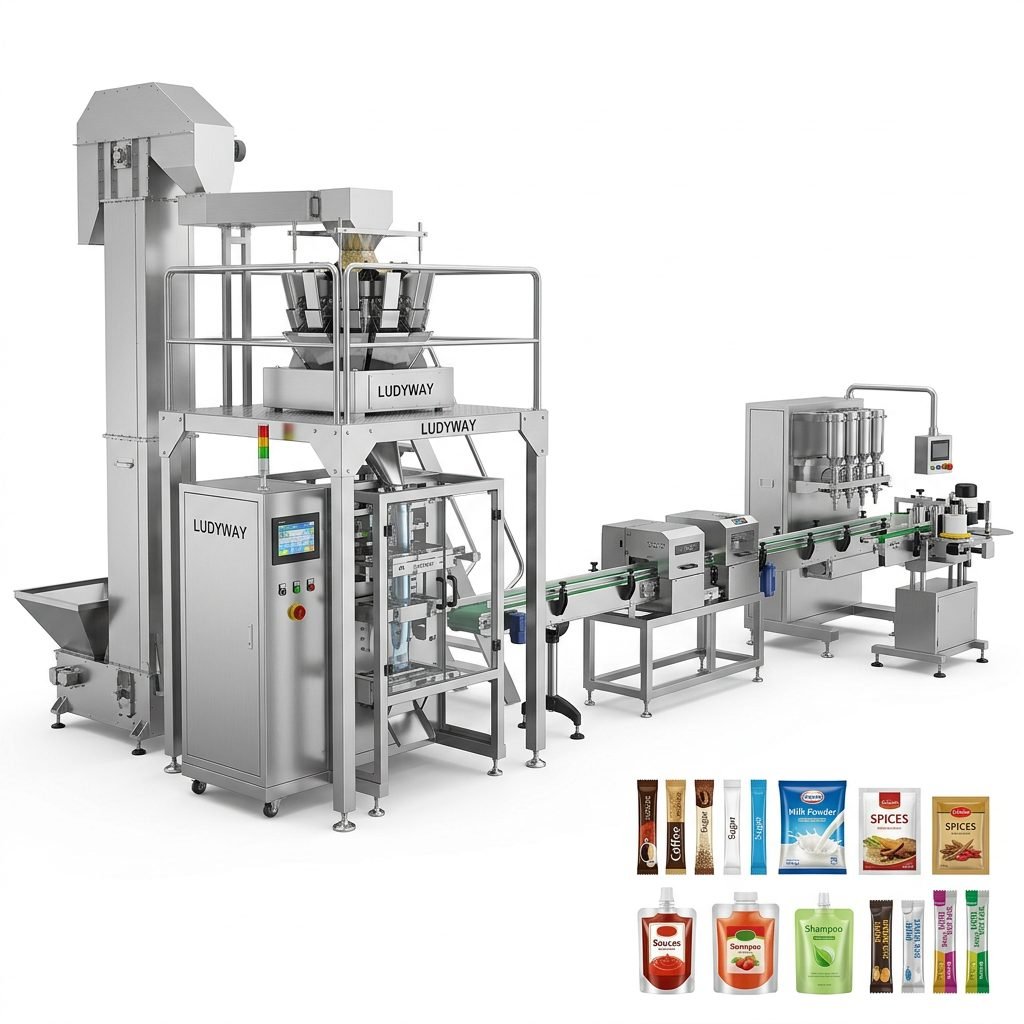
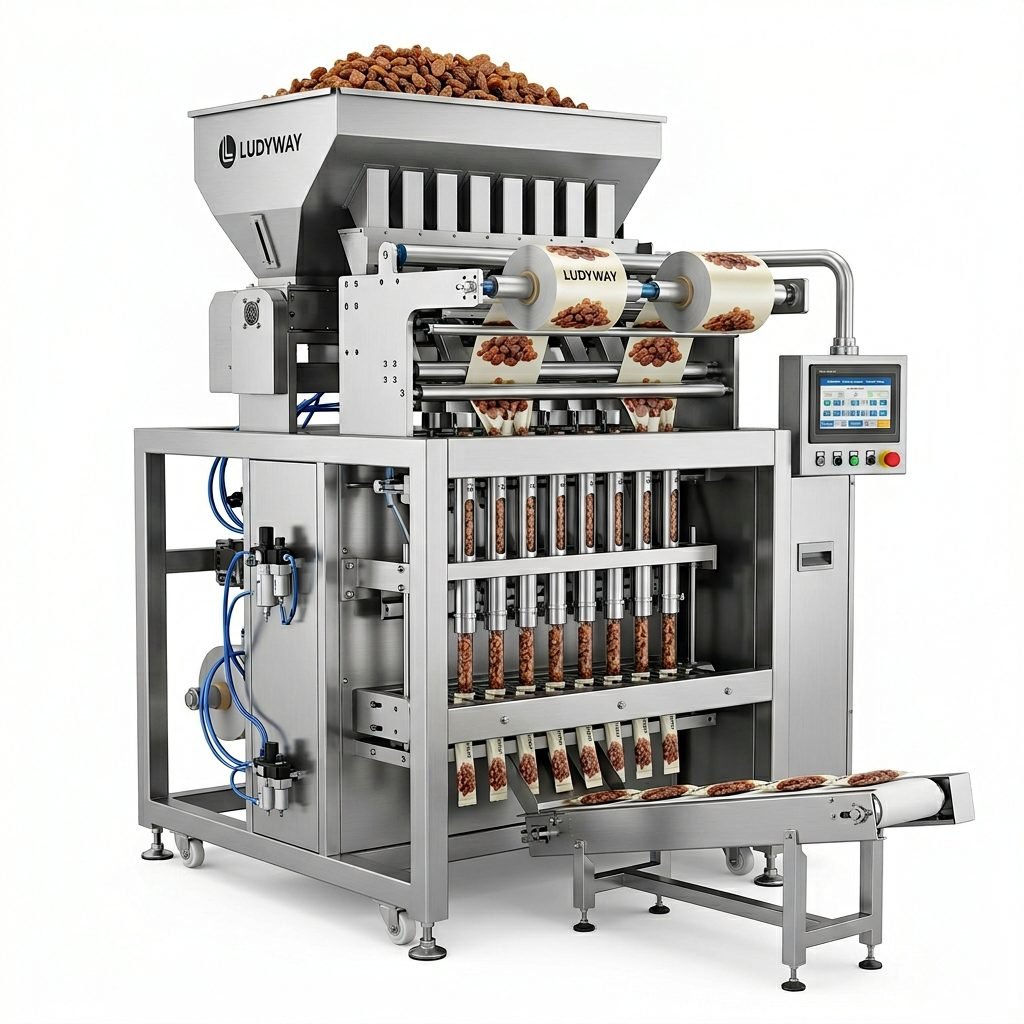
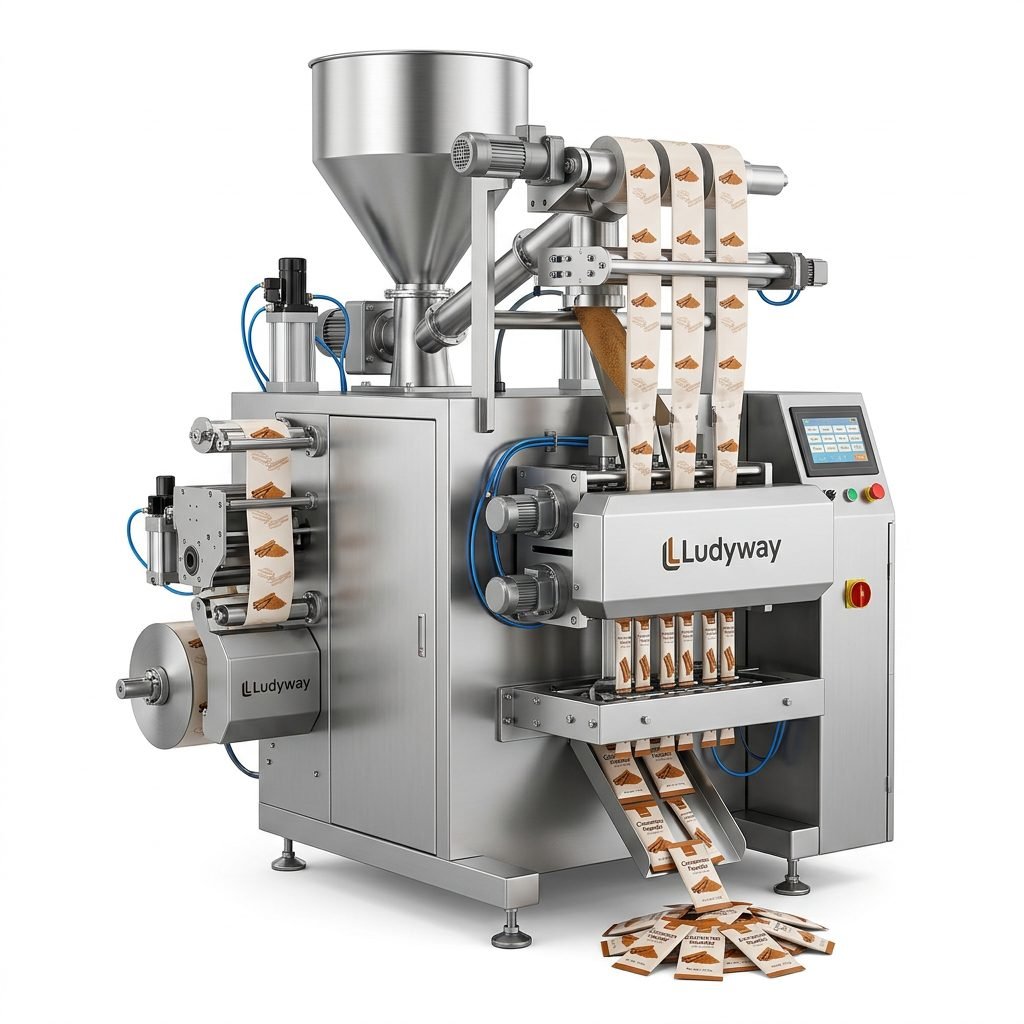
For businesses looking to navigate this complex import landscape and integrate advanced machinery, partnering with an experienced solution provider is crucial. Companies like Ludyway Packing Machine, with deep industry knowledge, can facilitate access to suitable international equipment and provide vital customized production solutions and local support.
Future Opportunities for Market Players
The future of Japan’s packaging machinery market is ripe with opportunities for agile and innovative companies.
Servitization and After-Sales Support
Moving beyond equipment sales to offering Packaging-as-a-Service (PaaS) models—including maintenance, consumables supply, and performance monitoring—creates recurring revenue and deeper client relationships. This aligns perfectly with the Japanese business value of long-term partnership (keiretsu-like relationships).
Flexibility for Small-Batch Production
The rise of niche brands and limited-edition products requires machinery that allows for quick changeovers and economical short runs. Developing and supplying modular, easily reconfigurable packaging systems presents a significant opportunity.
Focus on Hygiene and Aseptic Packaging
Post-pandemic, the demand for hygienic packaging in food and pharma is non-negotiable. Opportunities abound for machinery that enhances sterile barrier integrity and minimizes human intervention in the packaging process.
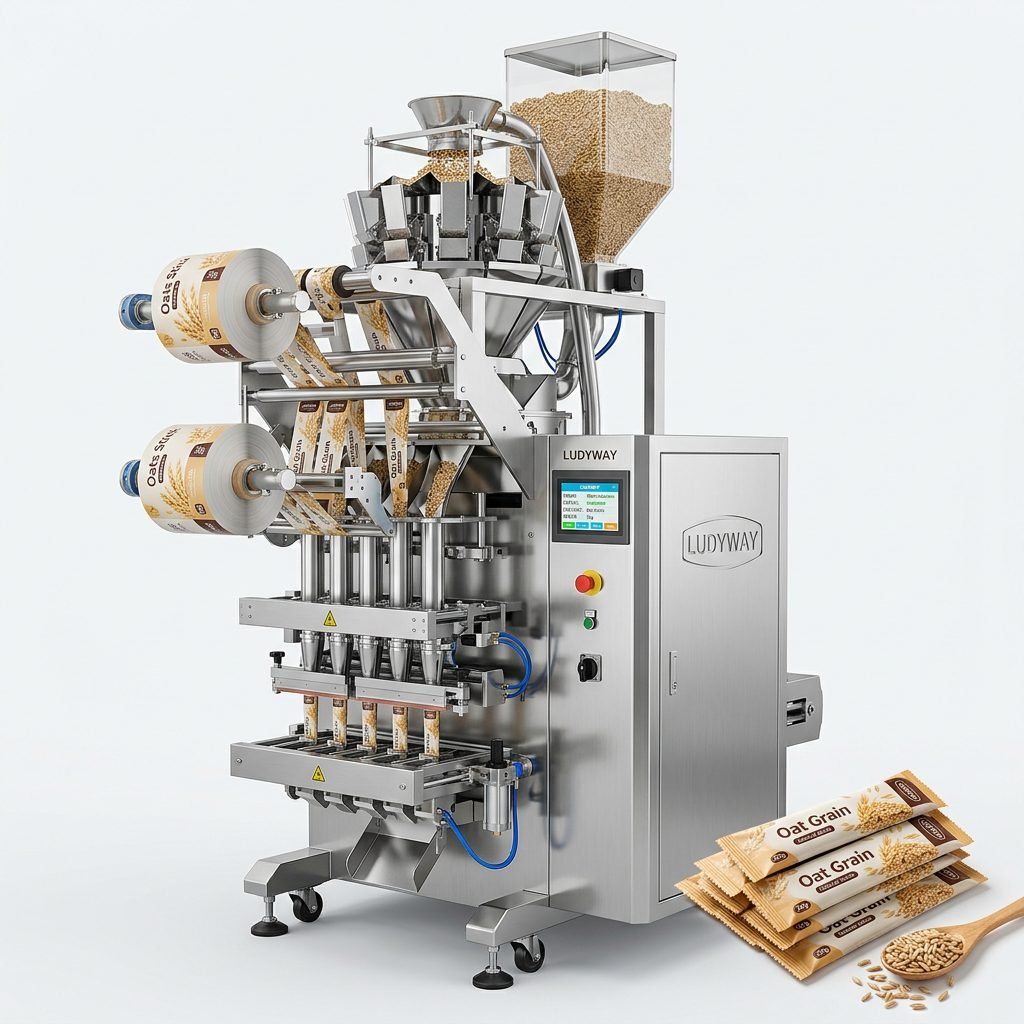
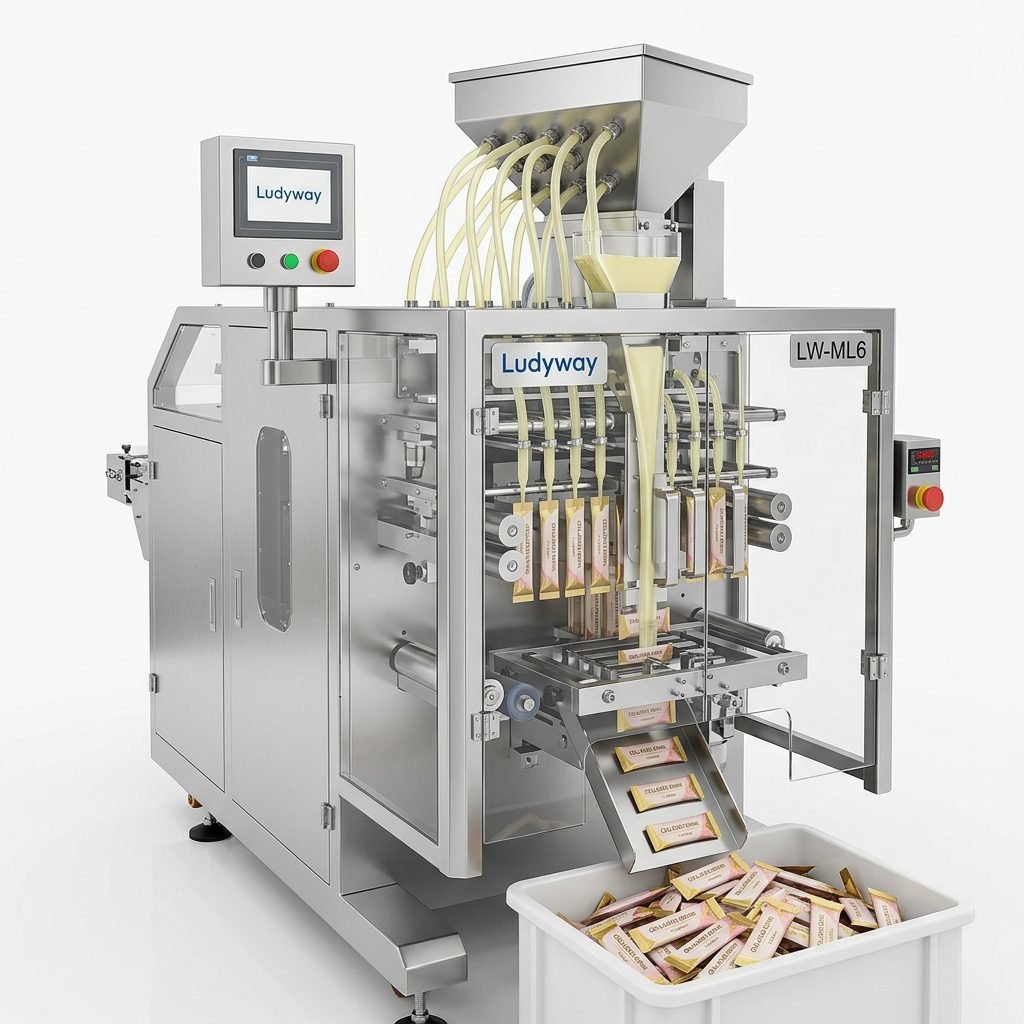
To capitalize on these trends, especially in segments like stick pack and sachet packaging for food and pharmaceuticals, exploring the range of intelligent packaging machine models offered by specialized suppliers can be a strategic first step.
Conclusion
The Japan packaging machinery market is a vibrant ecosystem driven by technological excellence, cultural nuances, and pragmatic responses to demographic and environmental challenges. Success in this market requires more than just advanced hardware; it demands an understanding of the local emphasis on quality, detail, and reliability. By focusing on smart, sustainable, and flexible solutions, and by forging strong technical partnerships, both domestic and international players can thrive in this demanding yet rewarding landscape.
Frequently Asked Questions (FAQs)
Q1: What is the biggest challenge for foreign packaging machinery suppliers in Japan?
The biggest challenges are meeting Japan’s exceptionally high standards for precision, reliability, and after-sales service. Building trust through local technical support and demonstrating a commitment to long-term partnership is essential to overcome these hurdles.
Q2: How important is sustainability in the Japanese packaging market?
Extremely important. Consumer pressure and government legislation are making sustainable packaging a prerequisite. Machinery that enables material reduction, uses recycled content, and handles bio-based films is increasingly in demand across all industries.
Q3: Which end-user industry offers the fastest growth for packaging machinery in Japan?
The pharmaceutical and healthcare sector is a high-growth area, driven by an aging population and strict regulatory requirements for serialization and track-and-trace, which mandate advanced coding and labeling machinery.
Q4: Are Japanese manufacturers open to importing packaging machinery?
Yes, absolutely. Japanese companies are pragmatic and will import machinery that offers a technological advantage, superior specialization for a specific task, or a better total cost of ownership that is not currently available domestically.
Q5: What role does customization play in this market?
A critical role. Given the diversity of products and the premium on perfect presentation, the ability to provide tailored solutions—from machine modification to complete turnkey line design—is often a key differentiator for suppliers, more so than offering only standard models.