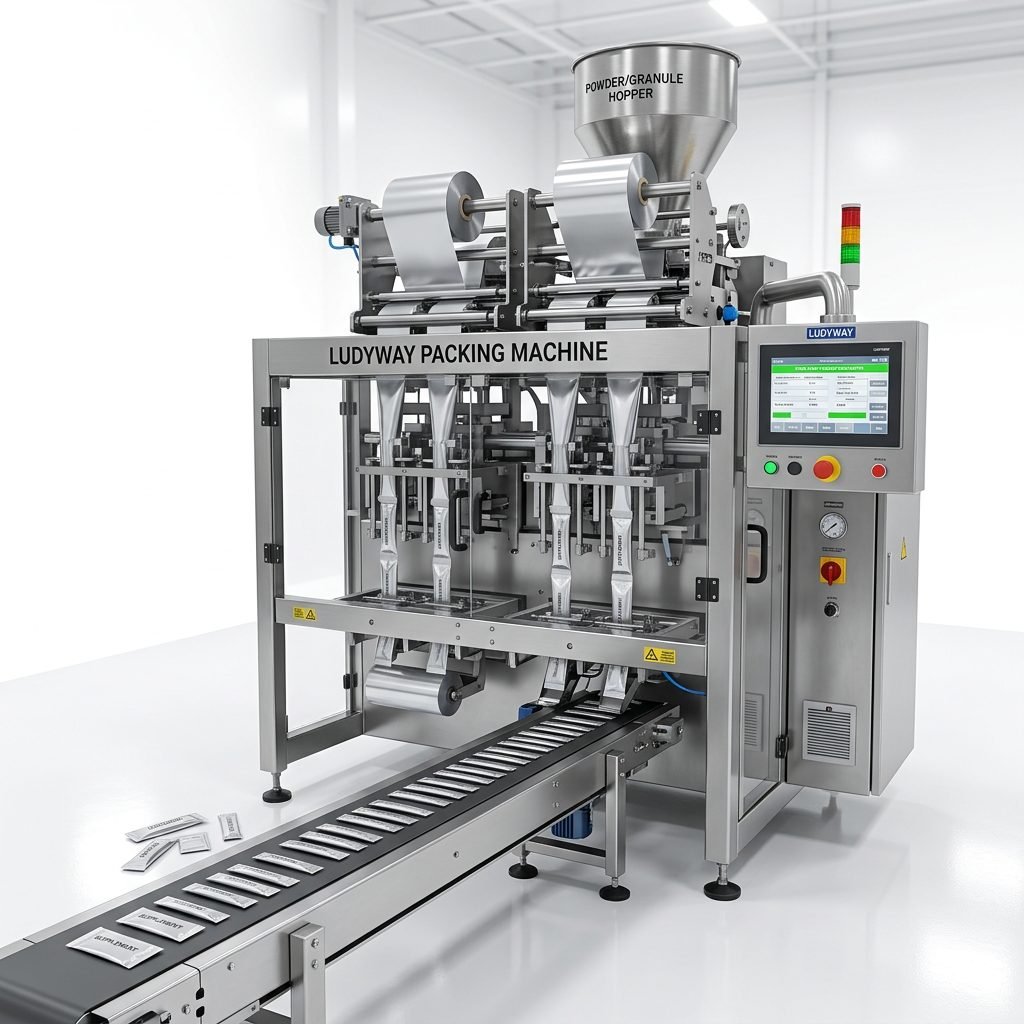
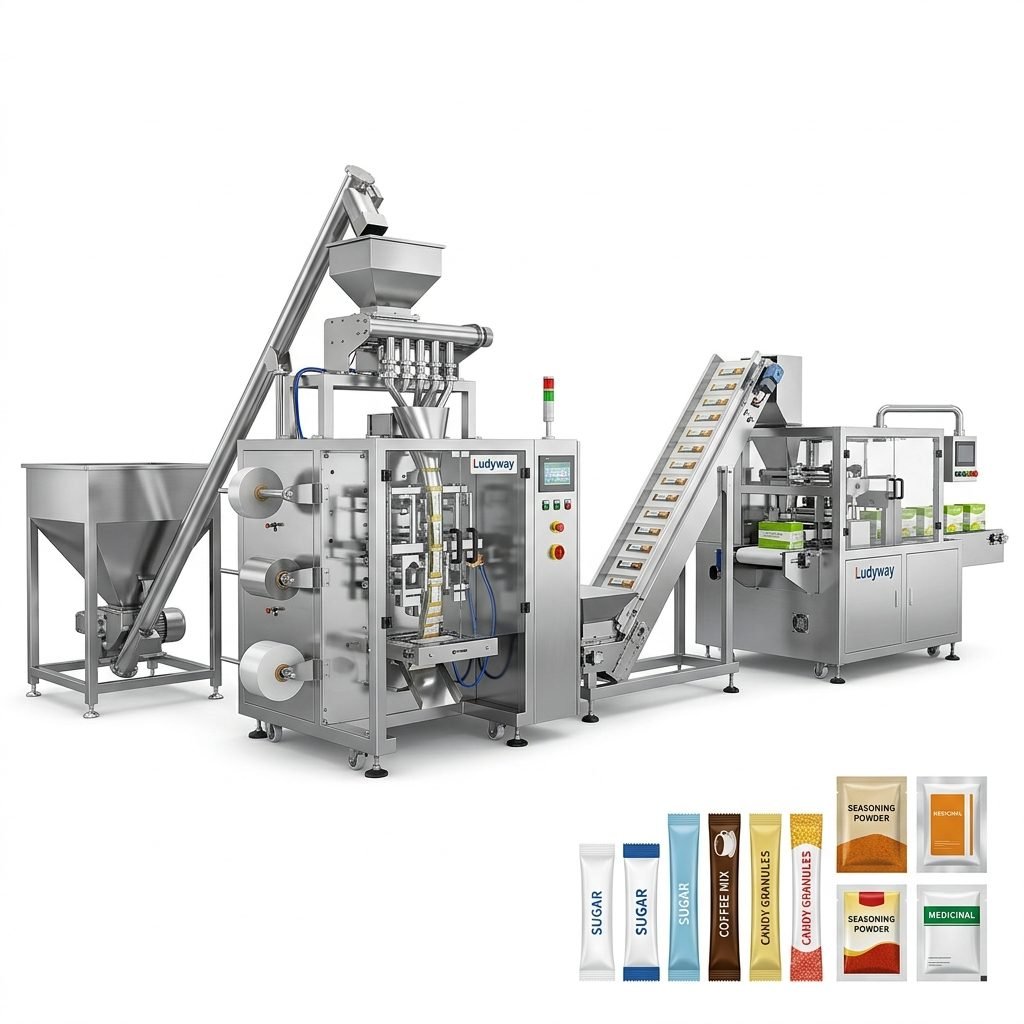
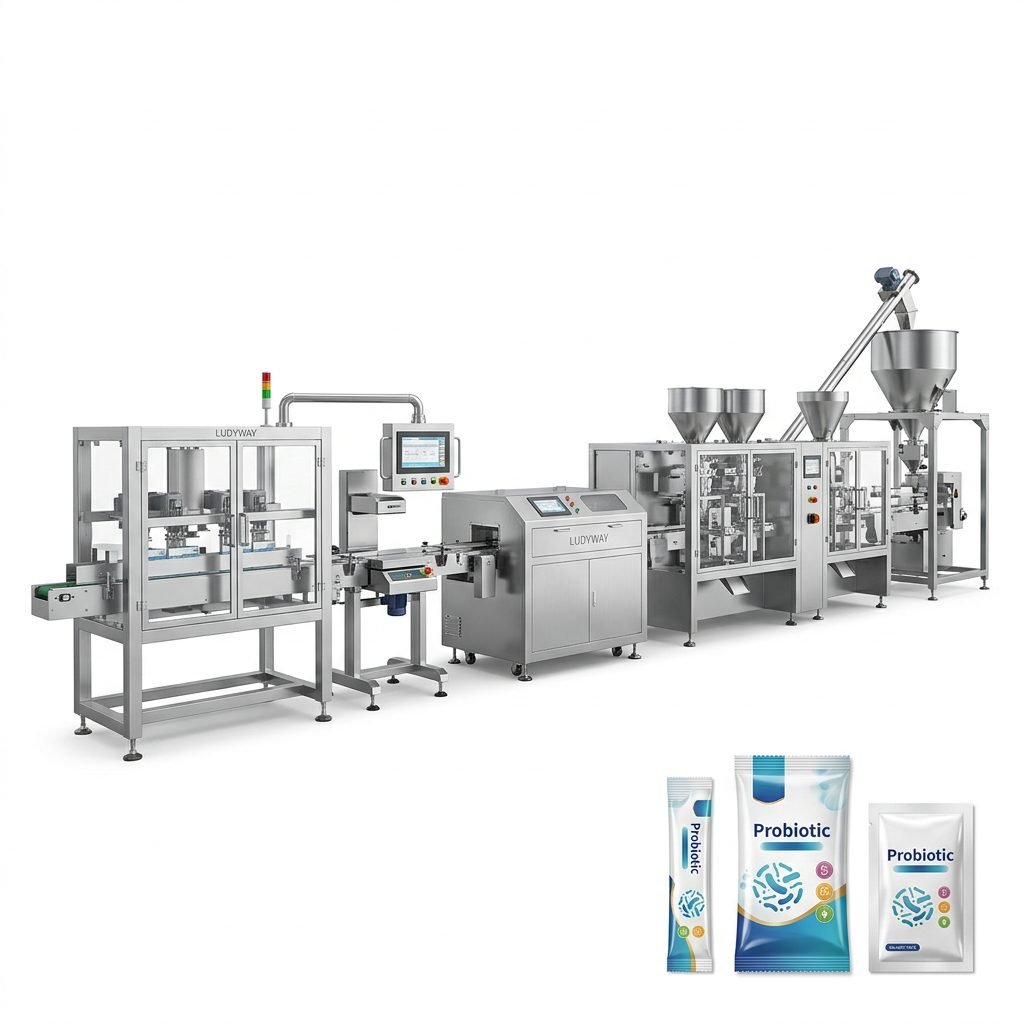
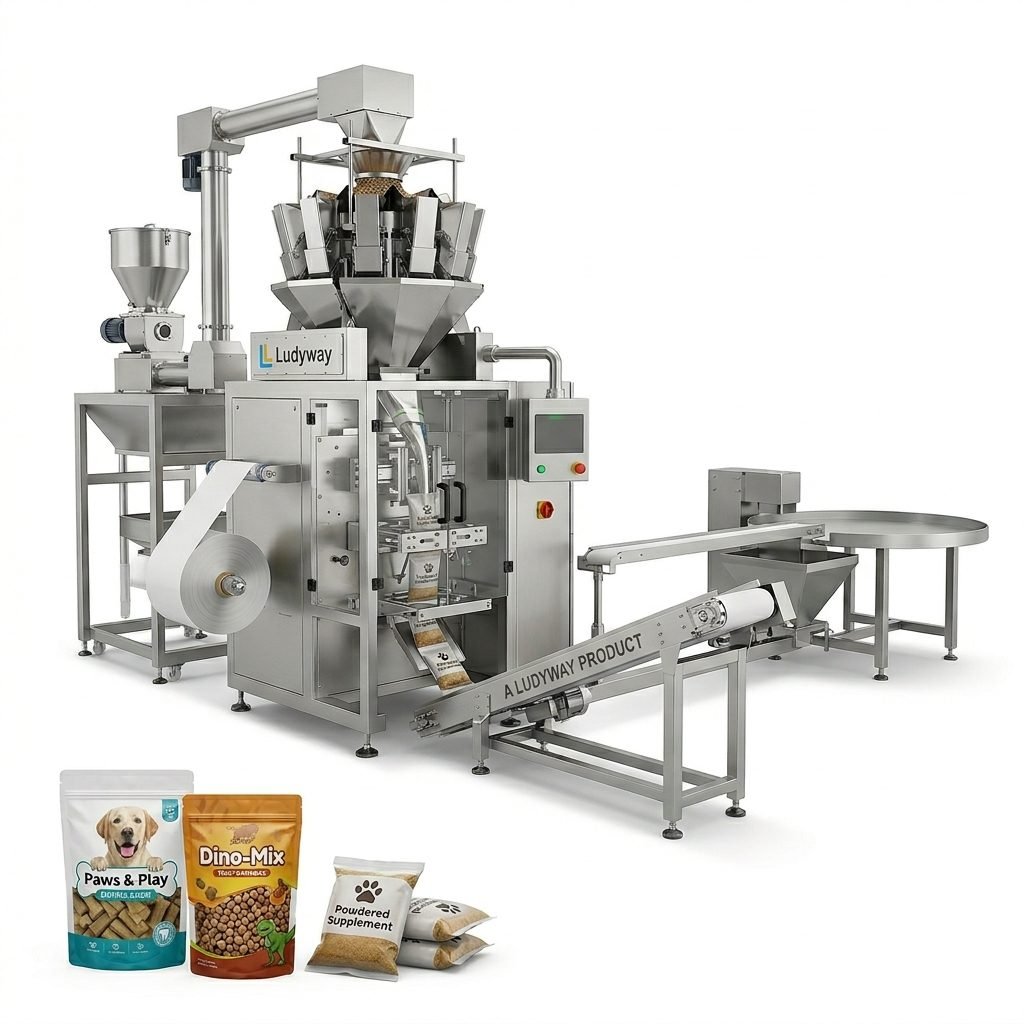
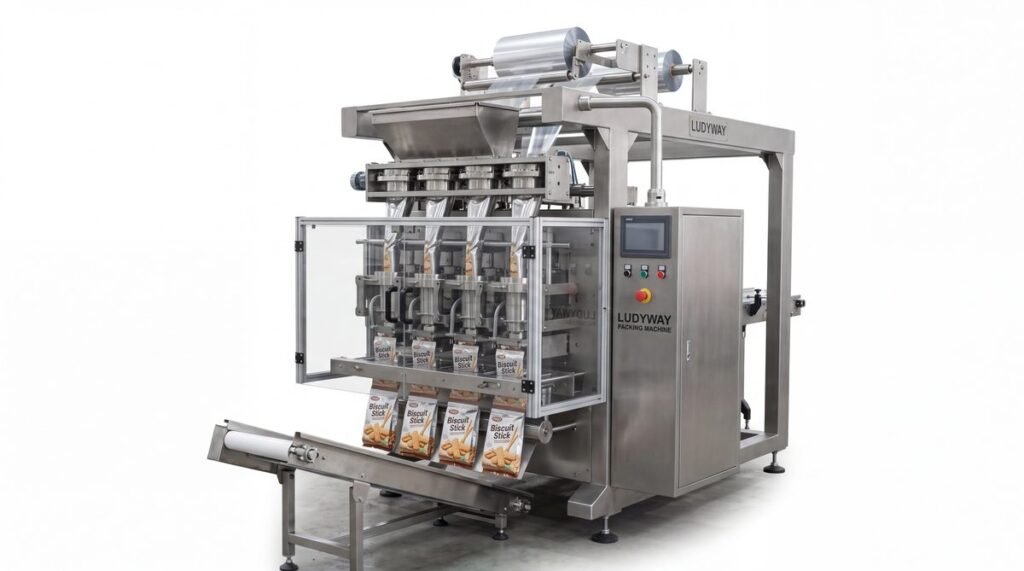
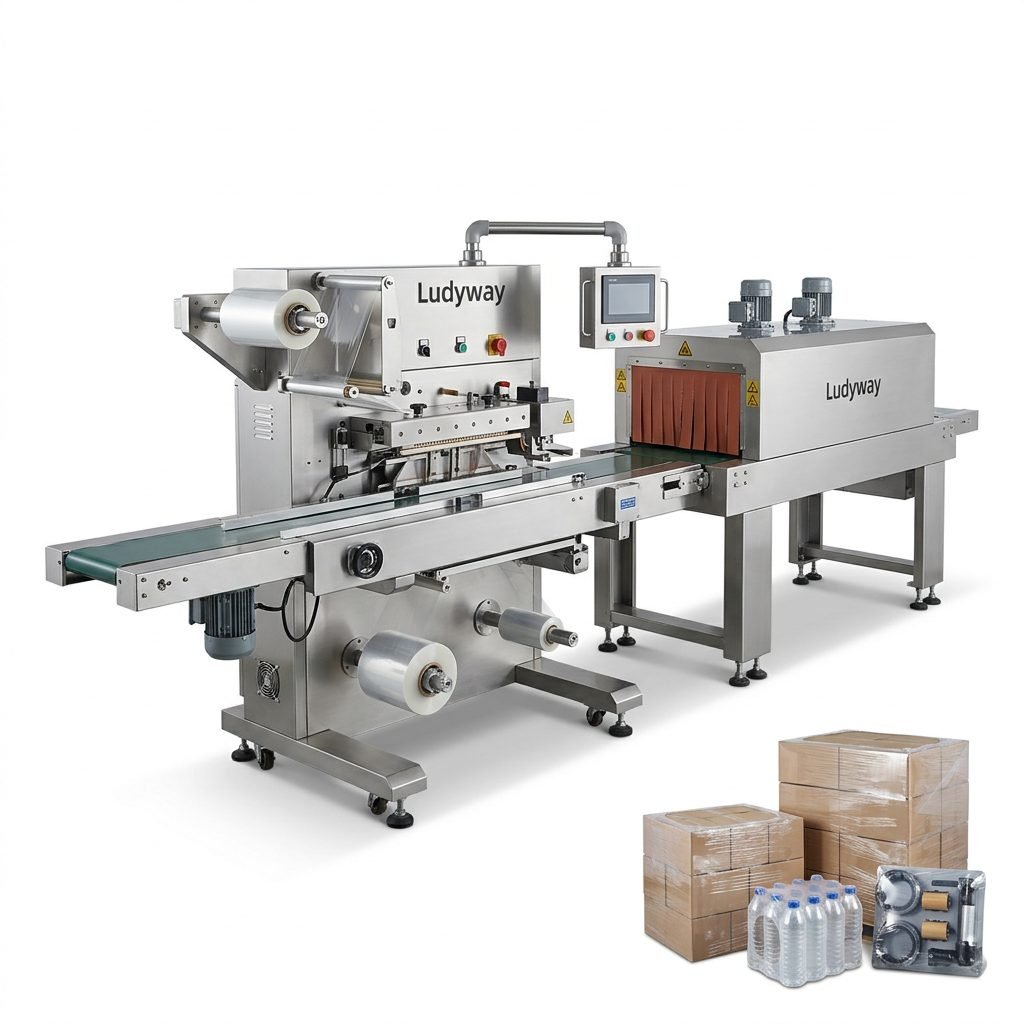
In today’s fast-paced manufacturing environment, packaging machinery is the backbone of production lines across the food, pharmaceutical, and health industries. Ensuring this critical equipment operates at peak performance is not just a matter of fixing breakdowns; it’s a strategic imperative for maximizing production efficiency, minimizing downtime, and protecting your investment. A comprehensive service program encompassing proactive maintenance, expert repair, and dedicated support is the key to unlocking sustained operational excellence.
Core Insight: The true cost of packaging machinery isn’t just its purchase price. Unplanned downtime, suboptimal output, and premature wear can far exceed the investment in a robust service and maintenance plan. A strategic approach to machinery care directly translates to higher throughput, better product quality, and a stronger bottom line.
The Three Pillars of Maximizing Packaging Efficiency
To achieve true production maximization, your service strategy must rest on three interconnected pillars. Neglecting any one compromises the entire system’s reliability and output.
1. Proactive & Preventive Maintenance
This is the cornerstone of efficiency. Rather than waiting for failure, scheduled maintenance anticipates and prevents it. A well-structured plan includes:
- Scheduled Inspections: Regular check-ups of mechanical components, electrical systems, and pneumatic parts.
- Calibration & Alignment: Ensuring weighing systems, film registration, and sealing jaws are perfectly tuned for accuracy.
- Lubrication & Cleaning: Following strict protocols to reduce friction, prevent contamination, and avoid residue buildup that affects seals.
- Wear Part Replacement: Proactively replacing components like seals, gaskets, and cutter blades before they fail during a production run.
The result is predictable performance, extended machinery lifespan, and the avoidance of catastrophic failures that halt entire lines.
2. Expert Repair & Technical Restoration
Even with the best maintenance, issues can arise. When they do, access to expert repair is critical. This goes beyond simple part swapping to include:
→ Rapid Diagnostics: Utilizing deep system knowledge and diagnostic tools to pinpoint the root cause, not just the symptom.
→ Genuine Parts & Precision Repair: Using OEM-quality or certified parts to ensure repairs restore original equipment specifications and reliability.
→ Minimized Downtime: Efficient service execution with clear communication to get your line back to full capacity as quickly as possible.
3. Comprehensive Operational Support
Maximizing efficiency extends beyond the machine itself to the people who operate it. Holistic support empowers your team and optimizes processes.
- Operator Training: Proper training reduces user error, promotes safe practices, and enables staff to perform basic troubleshooting and adjustments.
- Technical Consultation: Access to engineers for optimizing machine settings for new materials, improving line integration, or planning upgrades.
- Remote Monitoring & Support: Leveraging connectivity for remote diagnostics, performance tracking, and virtual assistance to resolve issues faster.
- Process Optimization Advice: Experts can analyze your entire packaging workflow to identify bottlenecks and suggest efficiency improvements.
Building a Partnership for Long-Term Success
The most effective service model is built on partnership. Choosing a service provider like Ludyway Machinery, with decades of industry experience, means you gain more than a technician—you gain a long-term ally invested in your productivity. This partnership is fueled by deep application knowledge, especially in complex sectors like pharmaceuticals where compliance and precision are non-negotiable, and access to a vast inventory of knowledge and parts.
With a foundation of over 30 years in the industry and a portfolio of 50+ intelligent machine models, this expertise ensures service recommendations and repairs are informed by real-world production challenges and solutions. Understanding the specific demands of granule, powder, and liquid packaging allows for support that is both precise and practical.
Quantifying the Return on Investment (ROI)
Investing in premium service delivers measurable returns. Consider the impact on key performance indicators:
Increased Overall Equipment Effectiveness (OEE)
By maximizing availability, performance, and quality rate, a serviced machine directly boosts your OEE, a critical metric for production efficiency.
Reduced Total Cost of Ownership
Preventive maintenance avoids major overhauls. Efficient repairs prevent secondary damage. This controls long-term operational costs.
Enhanced Product Quality & Consistency
Properly calibrated and maintained machines produce precise, consistent packages, reducing giveaway, waste, and customer complaints.
Implementing Your Efficiency Maximization Plan
Getting started requires a shift from a reactive to a proactive mindset. Begin with a professional audit of your current packaging assets and service history. Develop a customized maintenance schedule based on machine hours, production cycles, and manufacturer recommendations. Most importantly, establish a clear communication channel with your service partner. For businesses looking to build or upgrade their capabilities, exploring complete turnkey solutions from the outset can embed service and support into the very design of the production line.
The journey towards packaging efficiency is continuous. It demands choosing a partner whose history and growth demonstrate a commitment to innovation and customer success. By prioritizing comprehensive service, you transform your packaging machinery from a potential point of failure into a guaranteed driver of productivity and profit.
Frequently Asked Questions (FAQs)
How often should preventive maintenance be performed on packaging machinery?
The frequency depends on usage (machine hours/shifts), the product being packaged (abrasive powders vs. granules), and environmental factors. A common baseline is quarterly or semi-annual professional service, supplemented by daily/weekly operator checks. Your service provider should recommend a schedule based on a machine audit.
What are the most common signs that my packaging machine needs immediate service?
Key warning signs include: increasing seal failure rates, declining weighing accuracy, unusual noises or vibrations, a rise in film or product waste, and frequent, unexplained stoppages. Addressing these early prevents more severe damage.
Is it worth investing in a service contract versus paying for repairs as needed?
Absolutely. A service contract typically provides scheduled maintenance, priority response, and often discounted parts/labor. It budgets your service costs predictably and is almost always more cost-effective than emergency repairs, which are more expensive and come with the high hidden cost of unplanned downtime.
Can older packaging machinery still be supported efficiently?
Yes, a skilled service partner with broad experience, like one with decades in the industry, can support older models through expert knowledge, quality aftermarket parts, and potential retrofits to improve reliability and performance, extending the machine’s valuable life.
What should I look for when choosing a packaging machinery service provider?
Prioritize providers with: specific experience in your machine type and industry, rapid response capability, access to genuine or high-quality parts, certified technicians, and a proven track record. Look for a partner, not just a vendor, who offers training and consultation to improve your overall operation.