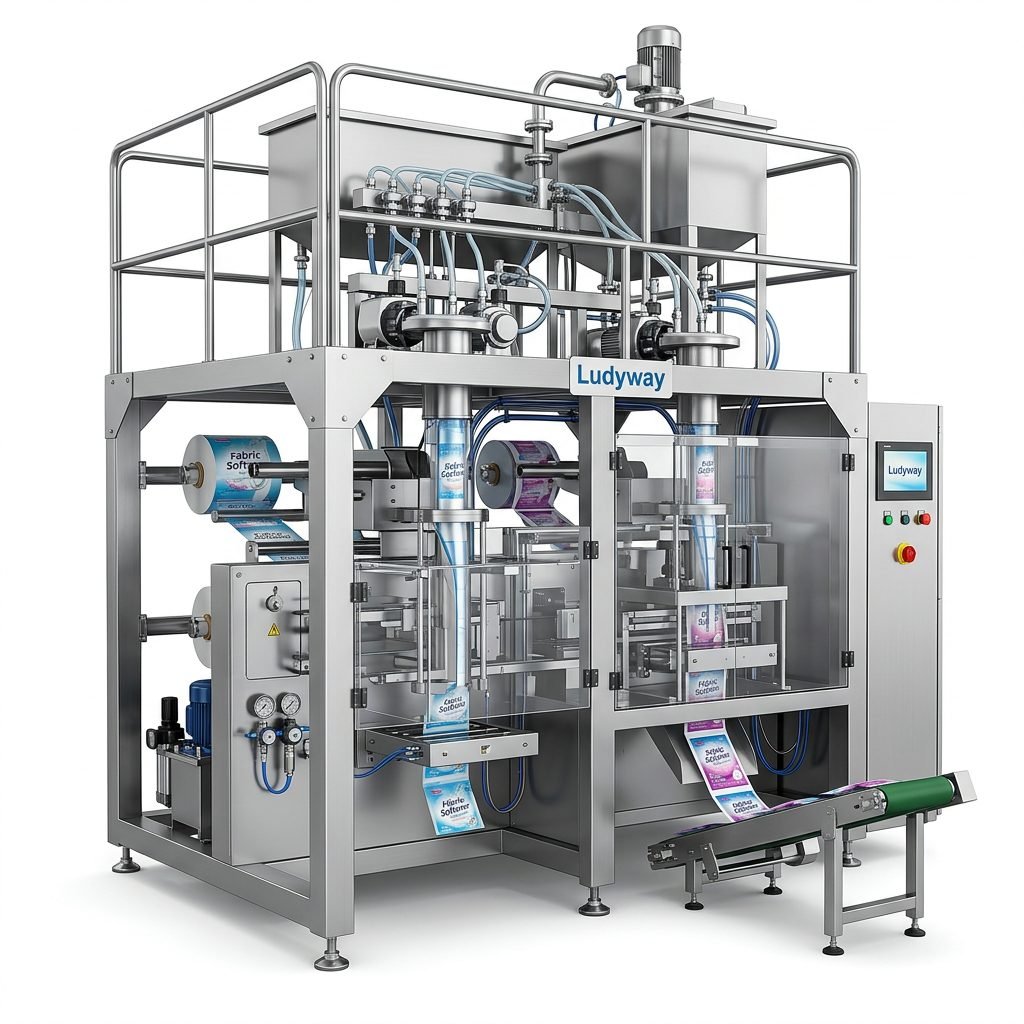
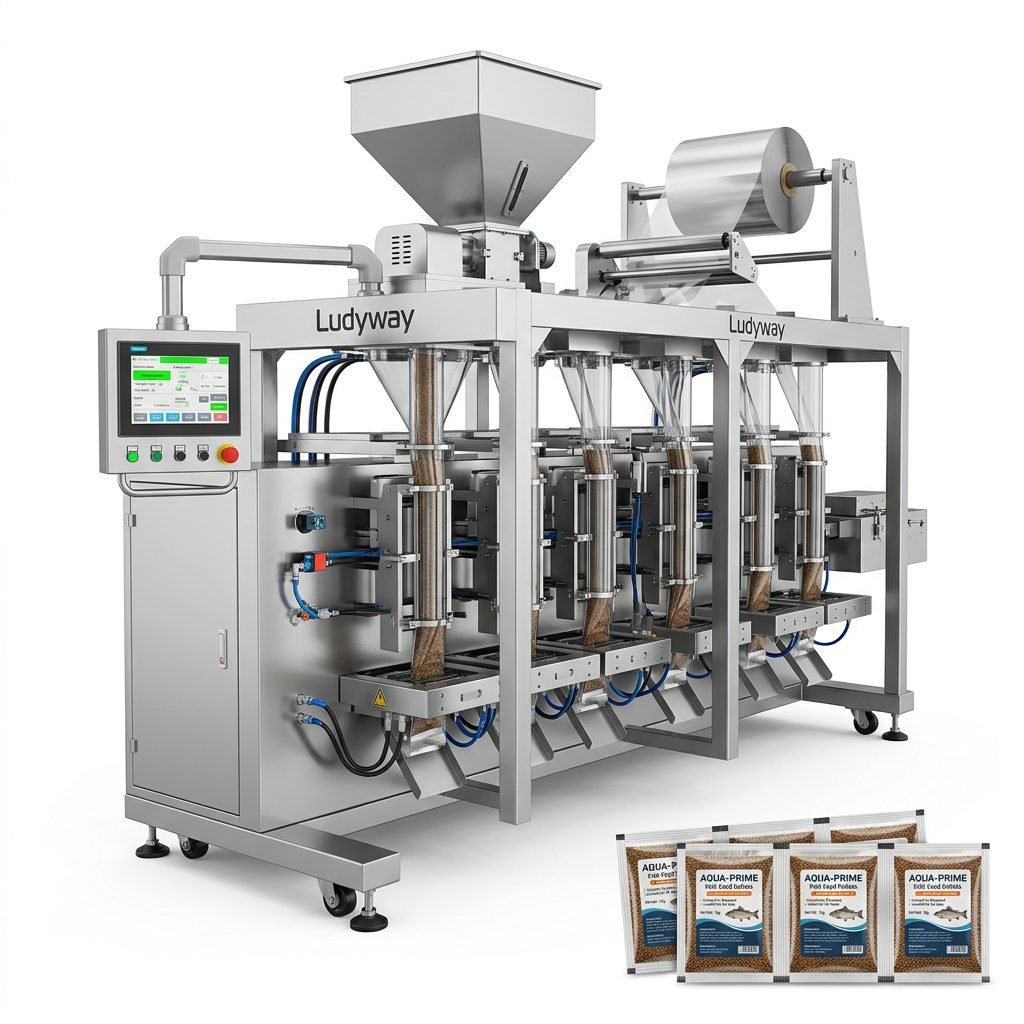
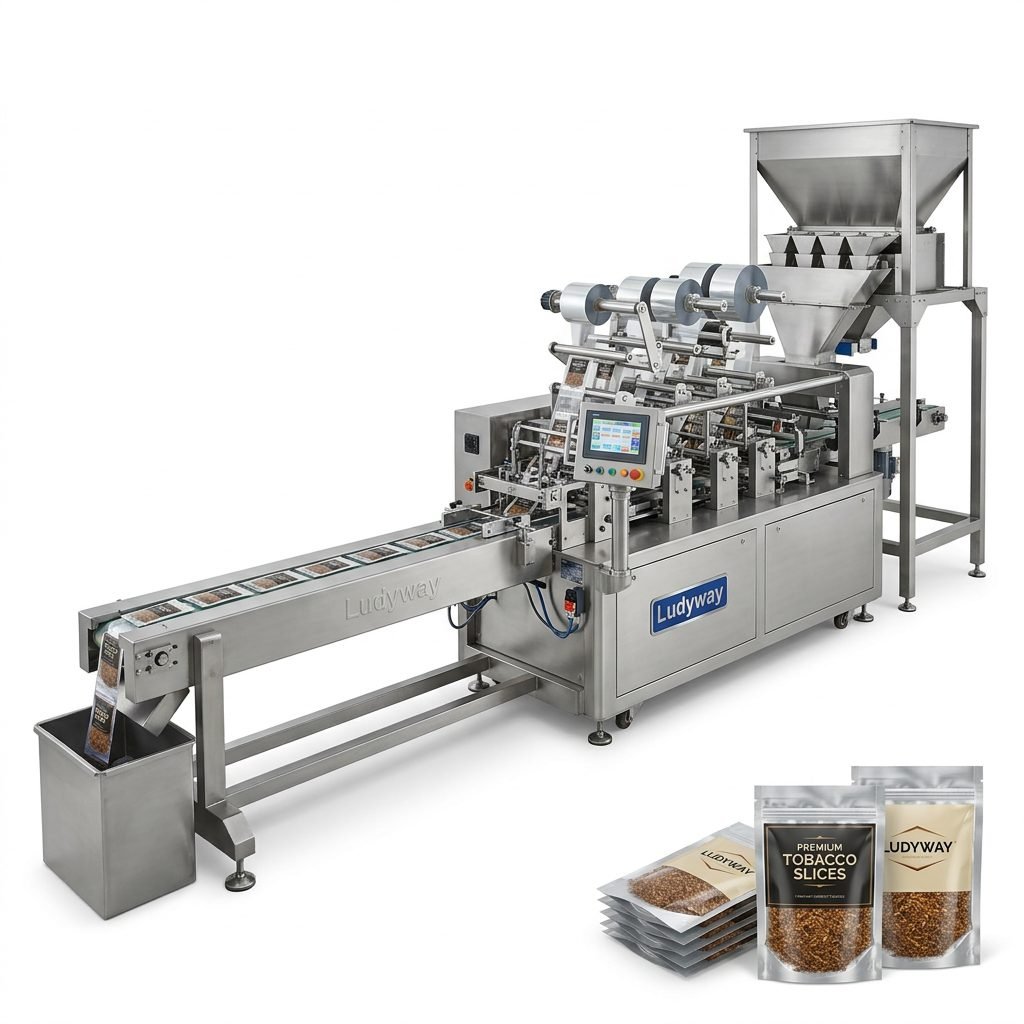
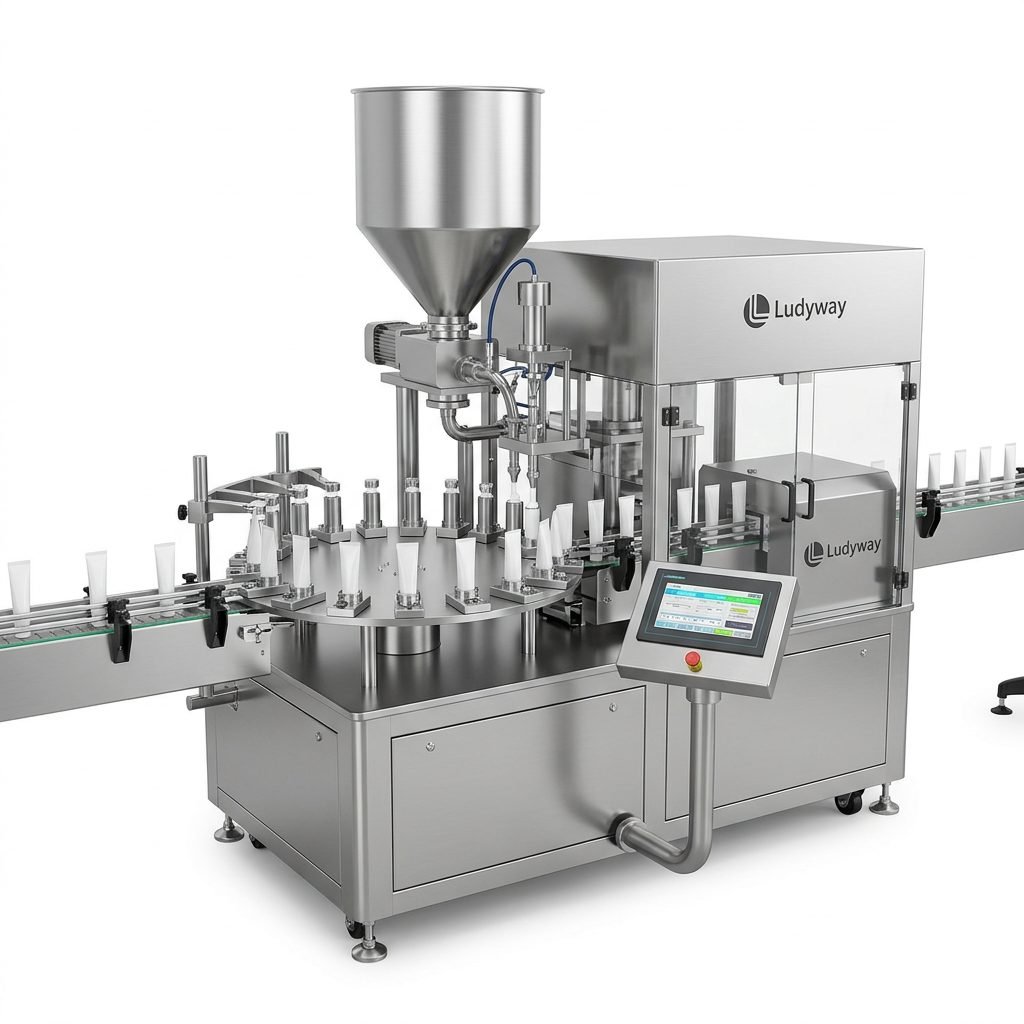
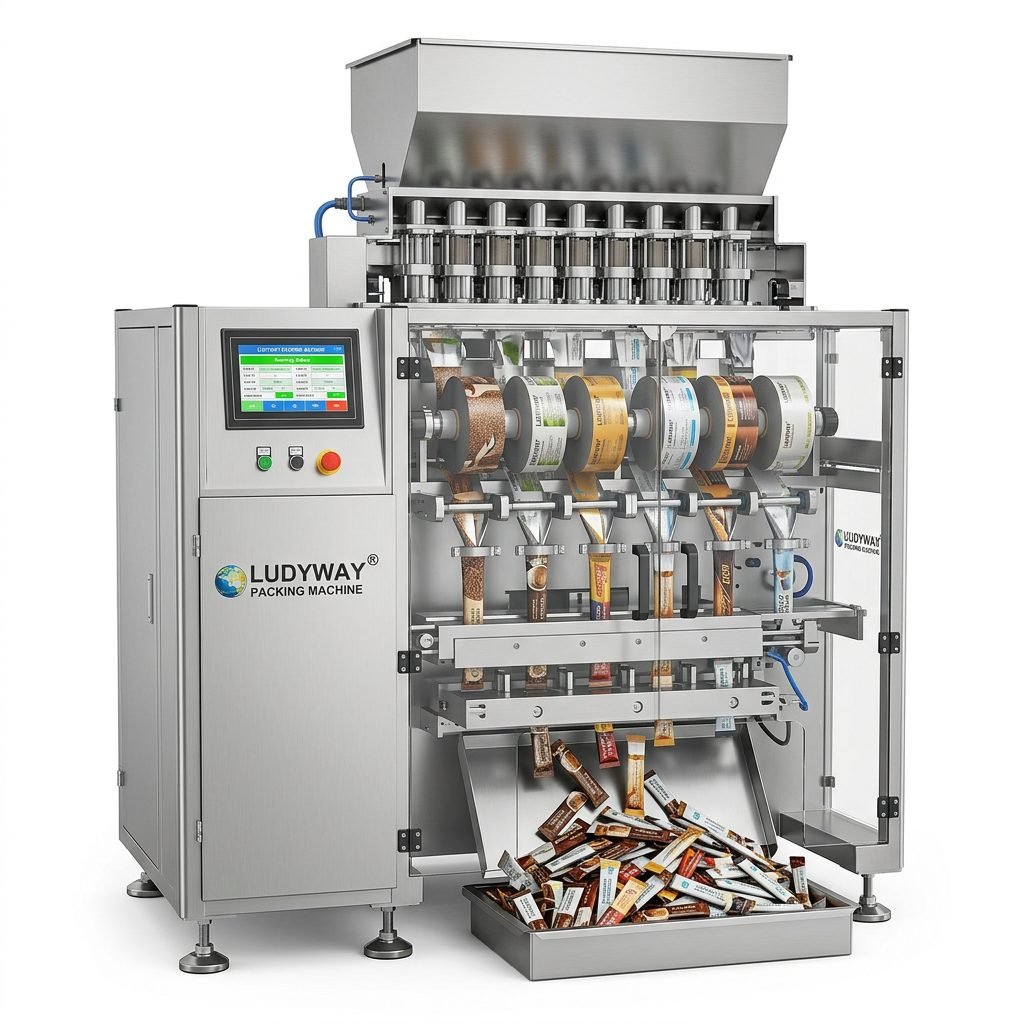
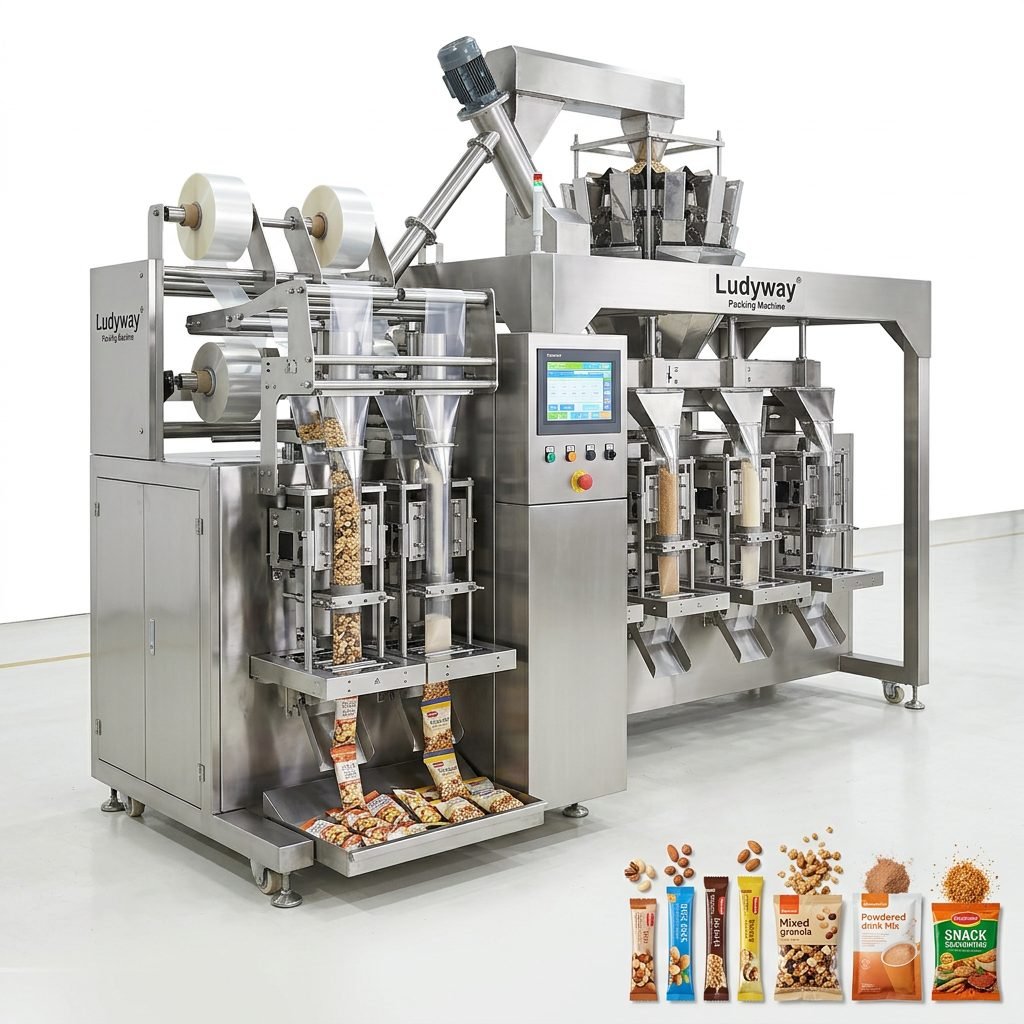
In today’s fast-paced manufacturing and distribution sectors, efficient product protection and presentation are paramount. Shrink wrap packaging systems stand as a critical solution, offering durability, tamper evidence, and a professional finish. For businesses seeking reliable equipment, understanding the landscape of shrink wrap machinery is the first step toward optimizing your packaging line.
Exploring the Core Types of Shrink Wrap Machinery
The market offers a diverse range of shrink wrap systems, each designed for specific operational scales and product types. Selecting the right type is foundational to achieving efficiency and cost-effectiveness.
L-Sealers: The Versatile Workhorse
L-sealers are among the most common and flexible systems. They create an “L”-shaped seal by forming a bag around the product from a single roll of film. Ideal for low to medium-volume operations, they handle a wide variety of box sizes and irregular shapes with ease. Their semi-automatic nature makes them perfect for businesses with diverse product lines.
Sleeve Wrappers: For High-Speed Consistency
When speed and uniformity are critical, sleeve wrappers excel. These systems form a continuous tube of film around products passing through on a conveyor. A cross-seal cutter then separates individual packages. This method is highly efficient for high-volume production of consistently sized items, such as beverage multipacks, books, or canned goods.
Shrink Tunnels: The Finalizing Force
A shrink tunnel is not a packaging machine per se but an essential companion. After a product is loosely enclosed in film (by an L-sealer or sleeve wrapper), it passes through the tunnel. Heated air uniformly shrinks the film, creating a tight, conformal “second skin” around the product. Tunnels vary by heat source (hot air or steam) and conveyor type to suit different films and throughput needs.
Fully Automatic Systems: Integrated Packaging Lines
For maximum throughput, fully automatic systems integrate a sleeve wrapper or form-fill-seal machine directly with a shrink tunnel. Products are fed, wrapped, sealed, and shrunk in one continuous, hands-off operation. These turnkey solutions are the backbone of large-scale manufacturing and distribution centers, minimizing labor and maximizing output.
Key Applications Across Industries
Shrink wrap’s utility spans countless sectors. Its primary functions are to bundle, protect, and enhance products.
Food & Beverage
This is a dominant application. Shrink wrap secures multi-packs of bottles, cans, and snack boxes. It provides tamper evidence for food safety and creates a stable, easy-to-handle retail unit. For frozen foods, it offers a barrier against freezer burn.
Pharmaceutical & Healthcare
Sterility and security are non-negotiable. Shrink wrap seals medical device kits, bundles medicine boxes, and provides a clear, protective layer for sterile products. The tight seal acts as a primary tamper-evident feature, which is crucial for consumer safety. Companies like Ludyway Machinery often provide solutions tailored to the stringent hygiene and validation requirements of this sector.
Consumer Goods & Electronics
From software boxes and toy sets to hardware tools, shrink wrap delivers a pristine, retail-ready finish. It protects against dust, moisture, and scuffing during shipping and on shelves. For electronics, anti-static films are available.
Logistics & Distribution
Beyond retail packaging, shrink wrap is vital in warehousing. Pallet wrap (a heavier gauge film) stabilizes loads on shipping pallets, preventing movement and damage during transit. While different from consumer shrink wrap, the principle of containment and protection is the same.
How to Choose the Right Shrink Wrap System: A Strategic Guide
Investing in the wrong equipment can lead to bottlenecks, film waste, and inadequate packaging. Consider these critical factors to make an informed decision.
1. Analyze Your Product Profile
Start with what you’re wrapping. What are the dimensions, weight, and shape? Do you have one standard size or hundreds of SKUs? Irregular shapes may require an L-sealer, while uniform boxes are candidates for high-speed sleeve wrapping. Also, consider product sensitivity—heat-sensitive items need precise tunnel temperature control.
2. Determine Your Production Volume
Your required output per hour or shift dictates automation level. A small business might thrive with a manual L-sealer and separate tunnel. A high-volume operation will need a fully automatic system. Remember to plan for future growth; a slightly more capable machine can save a costly upgrade later.
3. Select the Appropriate Film
The machine and the film are a partnership. Common types include Polyolefin (POF), Polyvinyl Chloride (PVC), and Polyethylene (PE). POF is popular for its clarity, strength, and lower shrinking temperature. PVC is cost-effective but less eco-friendly. PE is very tough, used for heavy items and pallets. Your machine must be compatible with your chosen film’s sealing and shrinking properties.
4. Evaluate Machine Features & Support
Look beyond the basics. Does the sealer have adjustable sealing time and temperature for different films? Does the tunnel have multiple heating zones for even shrinkage? Crucially, assess the supplier’s reputation for technical support, training, and spare parts availability. A reliable partner, such as the experts behind Ludyway Packaging Machinery, ensures your investment is protected long-term.
5. Consider Total Cost of Ownership (TCO)
The purchase price is just one component. Factor in film consumption rates (efficient machines waste less), energy consumption of the tunnel, maintenance costs, and required operator labor. A slightly more expensive but robust and efficient machine often has a lower TCO over five years than a cheaper, less reliable alternative.
Partnering for Success in Packaging Automation
Implementing a new shrink wrap system is a significant operational decision. The goal is to find a solution that not only meets today’s needs but also scales for tomorrow. Working with an experienced provider who offers comprehensive packaging solutions—from single machines to complete lines—can streamline the entire process, from initial consultation and testing to installation and after-sales service.
Frequently Asked Questions (FAQs)
What is the main difference between an L-sealer and a sleeve wrapper?
An L-sealer creates a three-sided seal around a product placed inside a pre-formed “bag” of film, offering great flexibility for different sizes. A sleeve wrapper forms a continuous tube of film around products on a conveyor and seals/cuts between them, making it much faster for high-volume, uniform items.
Can I use any shrink film with my machine?
No. Machines are calibrated for specific film types based on their sealing temperature, thickness, and shrink characteristics. Using an incompatible film can lead to poor seals, uneven shrinkage, or machine damage. Always consult your machine manual or supplier for recommended film specifications.
How important is the shrink tunnel, and how do I choose one?
It is critically important, as it finalizes the package. The tunnel must provide even, consistent heat. Choose based on your production speed (conveyor length/speed), product heat sensitivity, and film type. Options include standard hot air tunnels and lower-temperature systems for sensitive products.
What are the key maintenance requirements for a shrink wrap system?
Regular maintenance includes cleaning sealing wires and bars to ensure consistent seals, cleaning the tunnel interior and air filters for proper airflow, and lubricating moving parts as per the manufacturer’s schedule. Consistent maintenance prevents downtime and extends machine life.
Is shrink wrap packaging environmentally friendly?
The industry is evolving. Many modern shrink films, like Polyolefin (POF), are recyclable (where facilities exist) and produce less smoke when incinerated compared to older films like PVC. The best practice is to use the minimal necessary film thickness for the job and to source films with recycled content when available, reducing the overall environmental footprint.