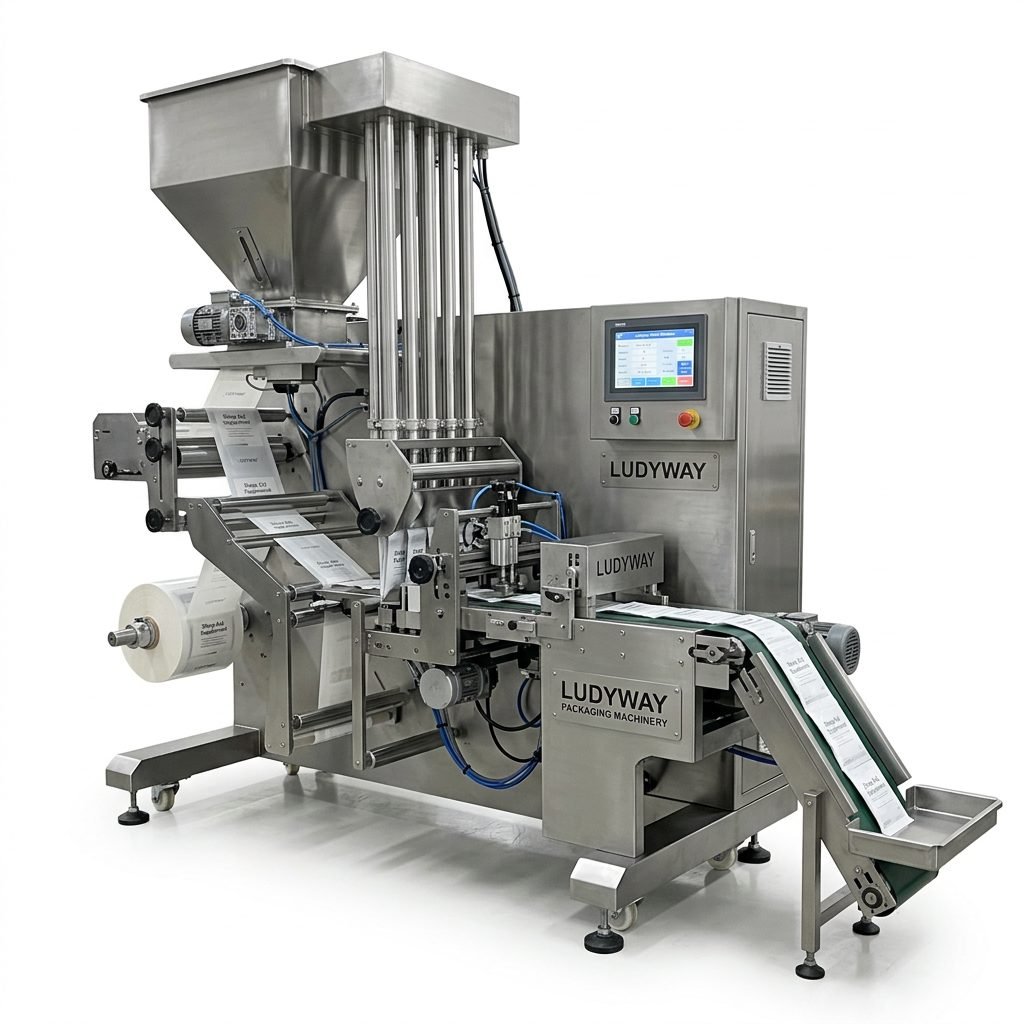
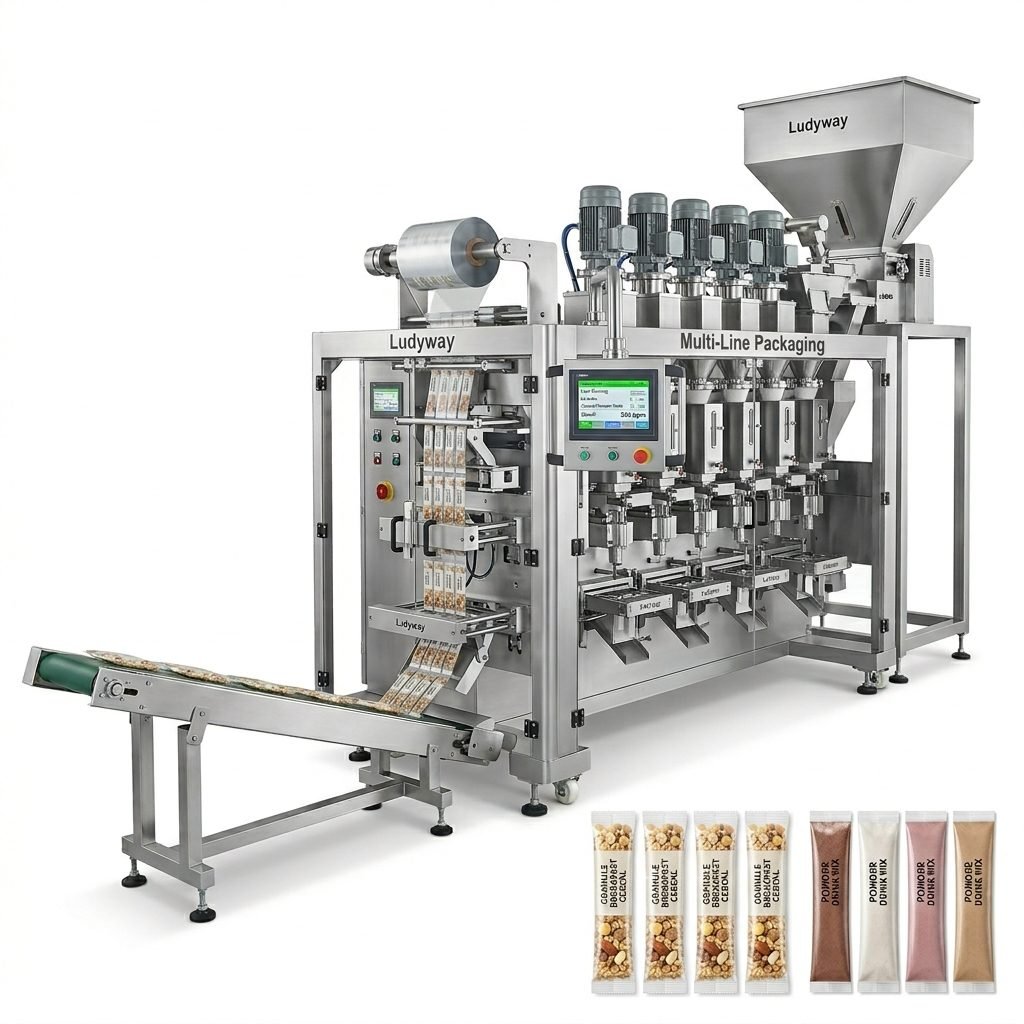
In today’s fast-paced manufacturing landscape, achieving peak efficiency on the production floor is not just a goal—it’s a necessity for survival and growth. The right packaging equipment can be the linchpin of this efficiency, transforming a production line from a cost center into a competitive advantage. High-performance packaging machinery solutions are engineered to deliver unparalleled speed, precision, and reliability, directly impacting throughput, product quality, and overall operational costs.
The Core Pillars of High-Performance Packaging
True high performance in packaging transcends simple speed. It is built on a foundation of several interconnected pillars that work in harmony to create a robust and efficient system.
1. Unmatched Speed & Throughput
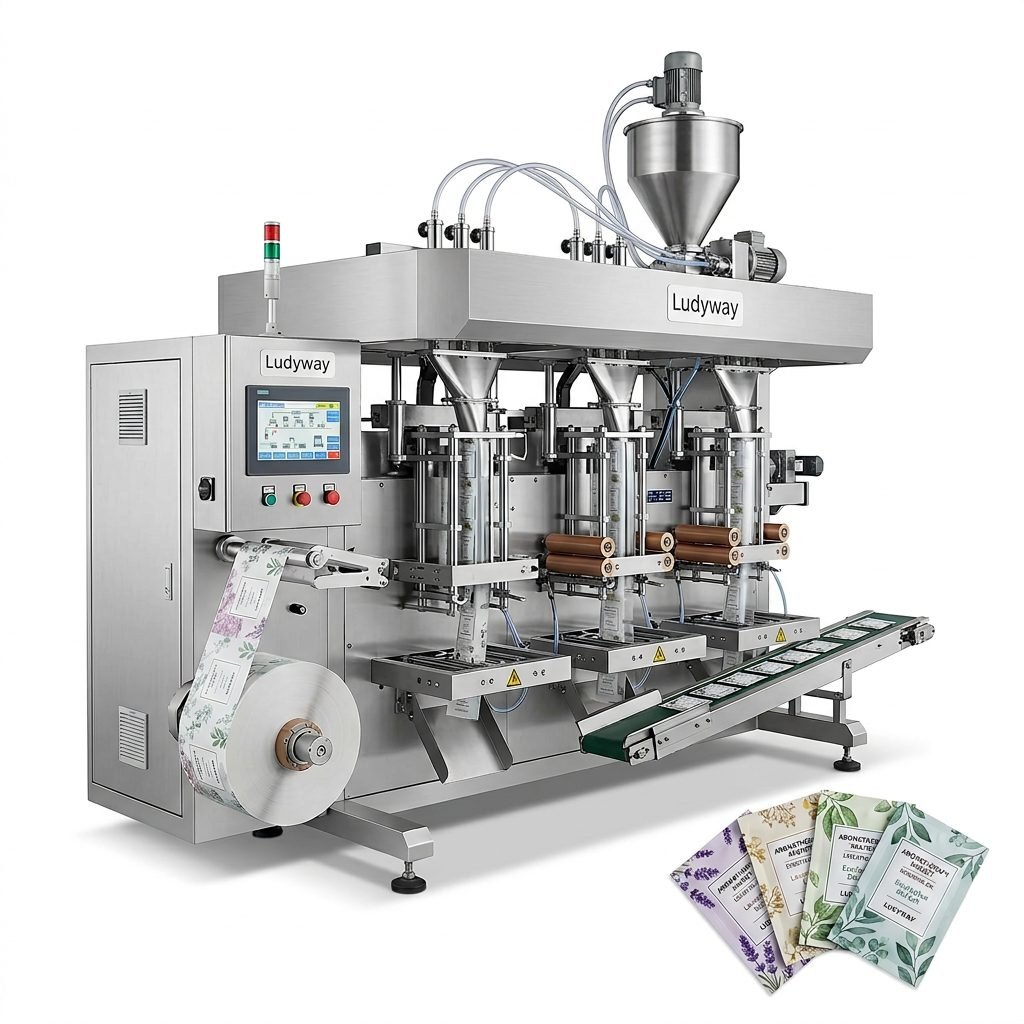
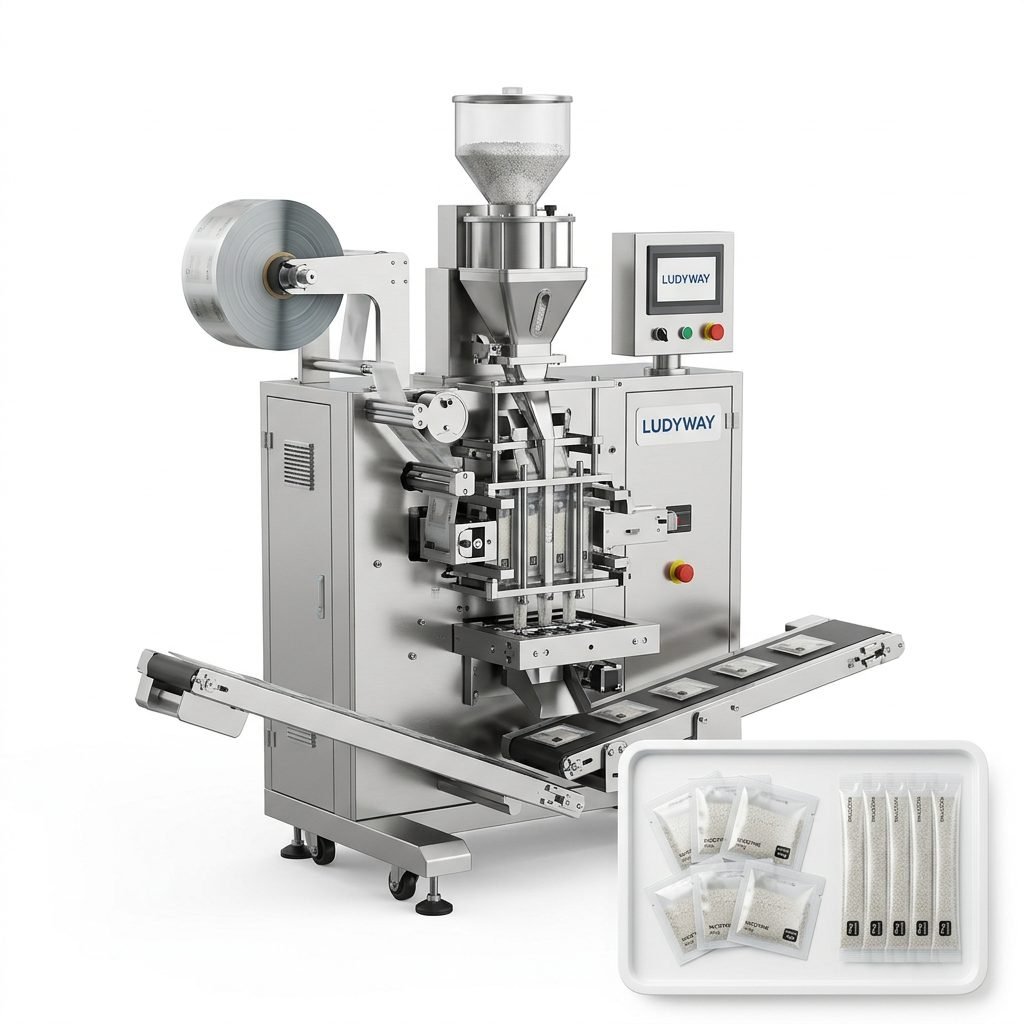
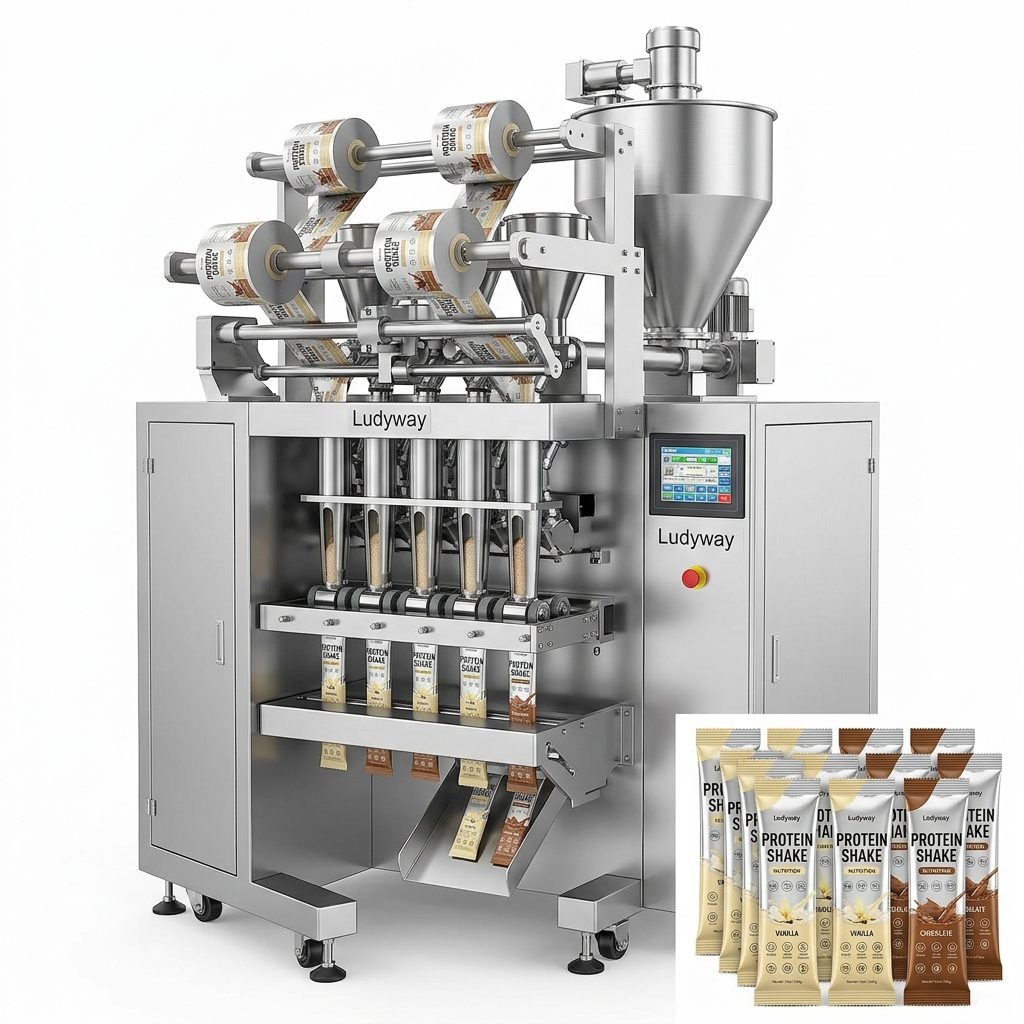
Modern high-speed machines, such as multi-lane stick pack and sachet packaging systems, are designed to handle exponentially higher volumes than traditional equipment. By operating multiple lanes simultaneously, they maximize output without compromising the integrity of the packaging process. This capability is crucial for meeting large-scale orders and just-in-time delivery schedules.
→ Key Insight: The transition from single-lane to multi-lane packaging can often double or triple production output using the same floor space, offering a rapid return on investment.
2. Precision & Consistency
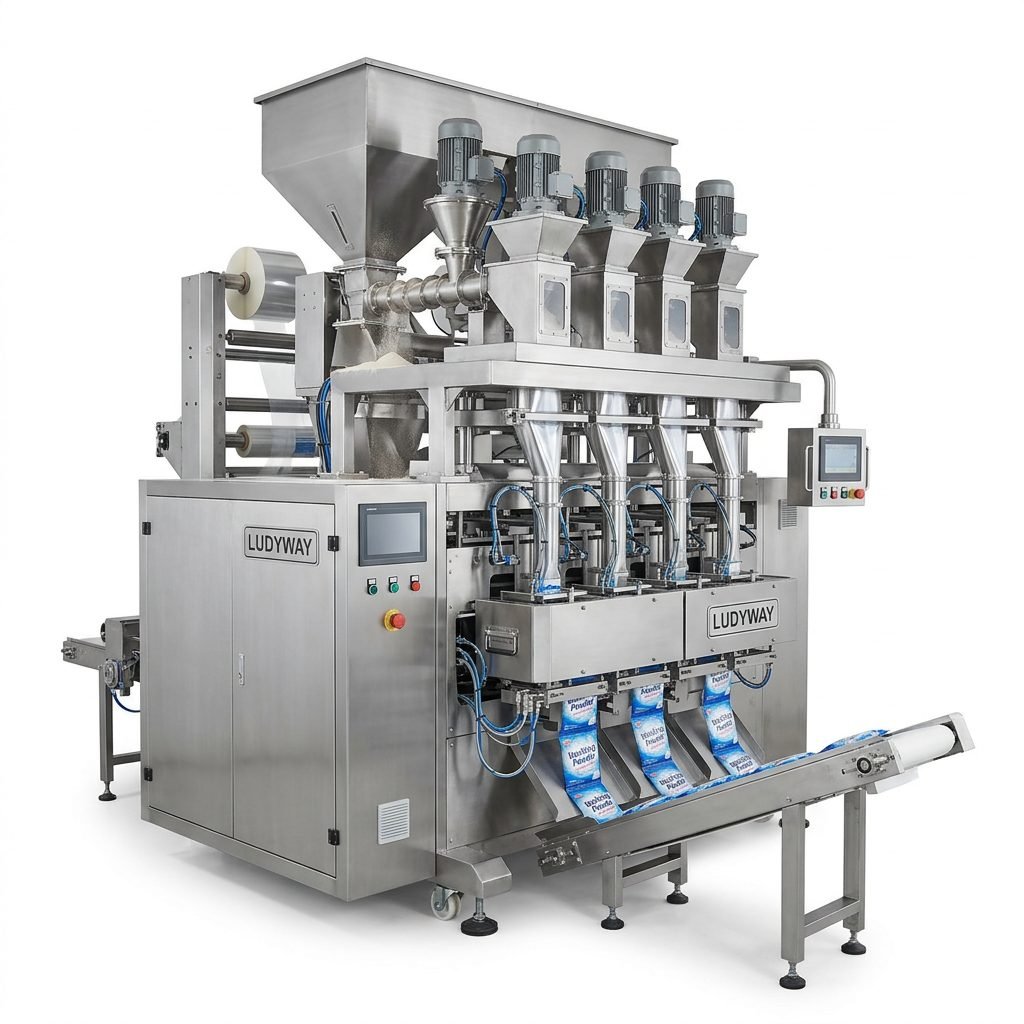
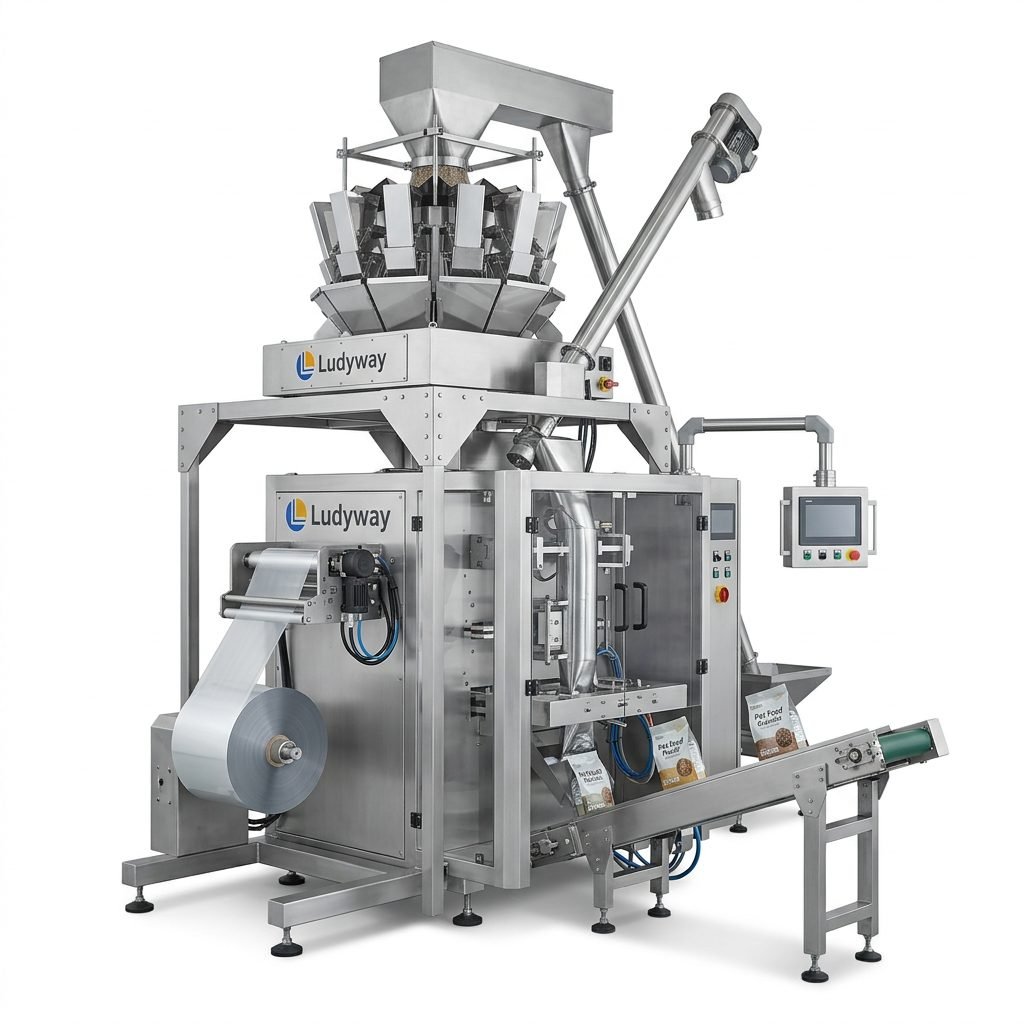
Performance is meaningless without consistency. Advanced dosing systems—whether for granules, powders, or liquids—ensure each package contains the exact specified weight or volume. This precision minimizes product giveaway, a significant source of waste, and guarantees that every unit meets stringent quality standards, which is especially vital in industries like pharmaceuticals and premium foods.
3. Operational Reliability & Uptime
Equipment that frequently breaks down cripples a production line. High-performance solutions are built with durability in mind, utilizing robust components and intelligent design to minimize mechanical stress. Furthermore, features like quick-changeover parts and user-friendly diagnostic interfaces drastically reduce downtime during product switches or maintenance, keeping the line running smoothly.
Integrating Solutions for a Cohesive Production Line
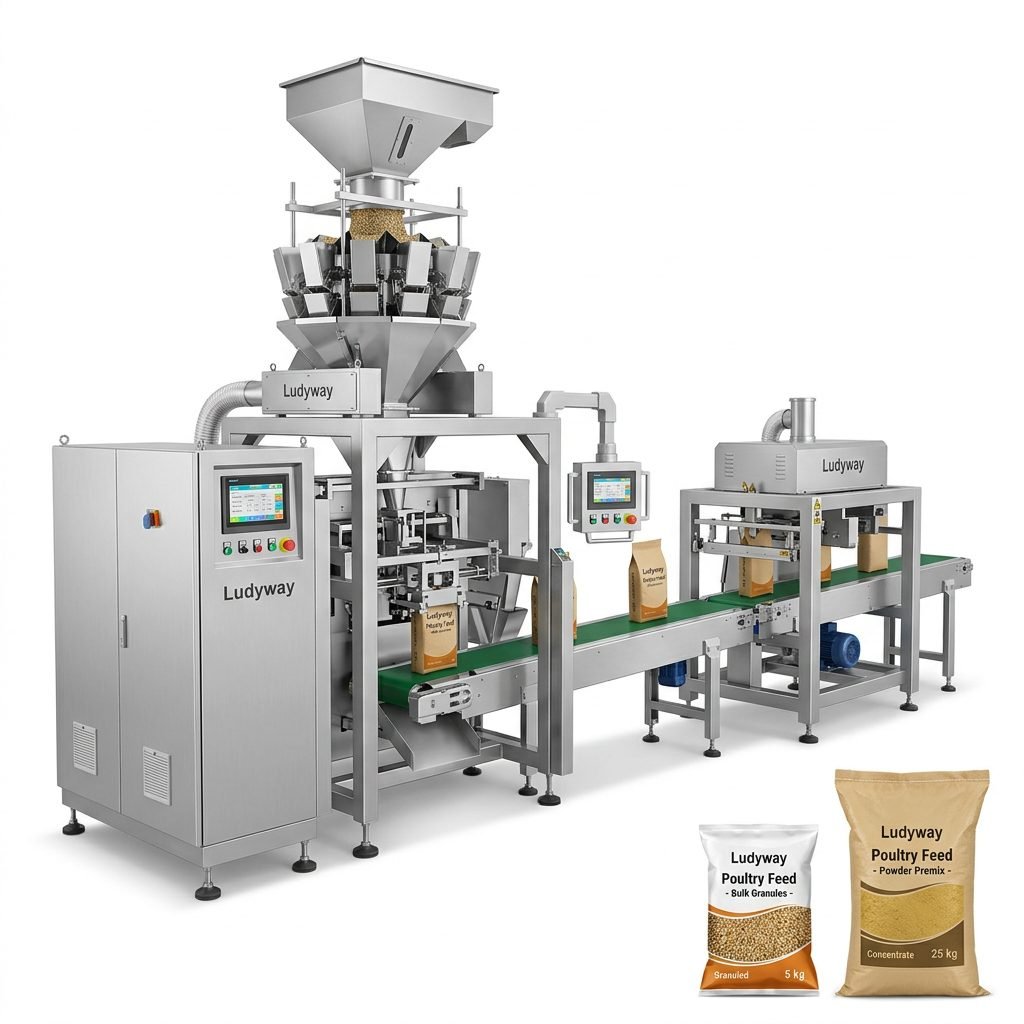
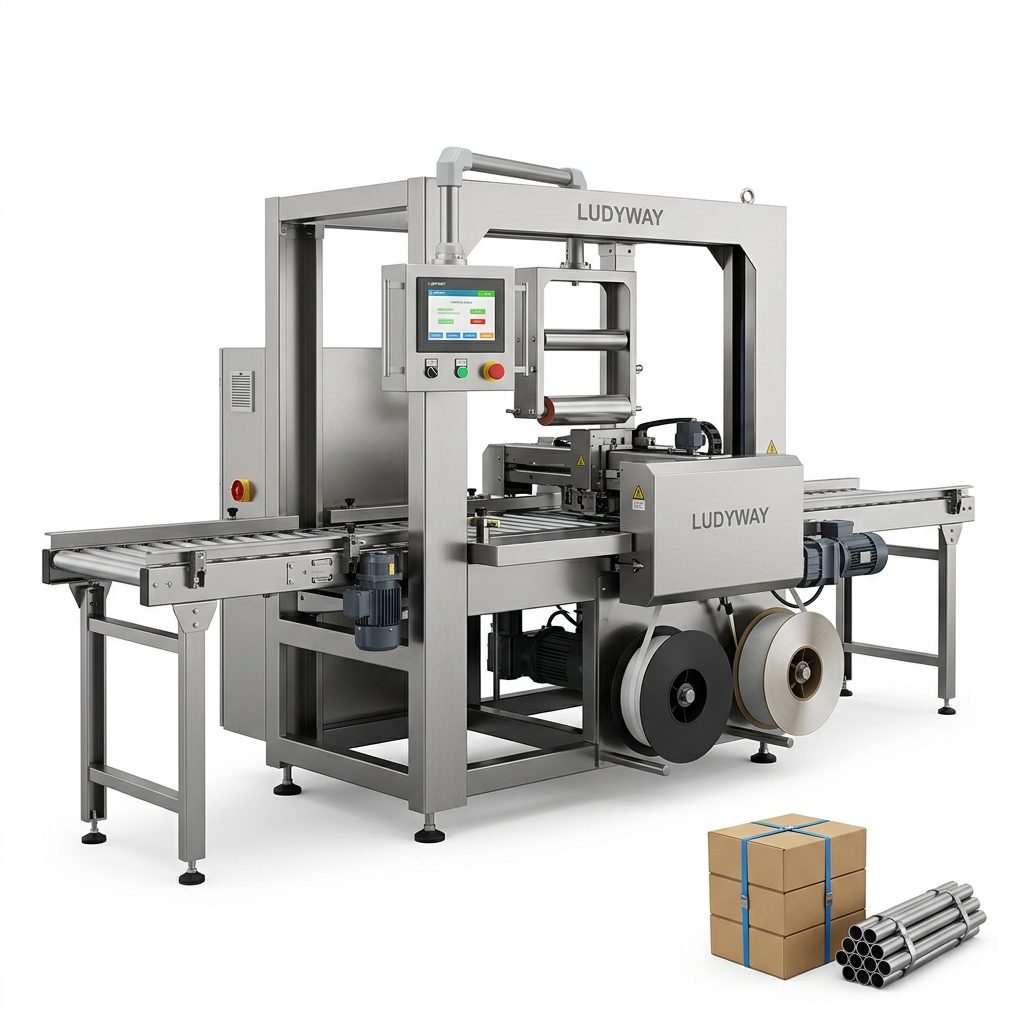
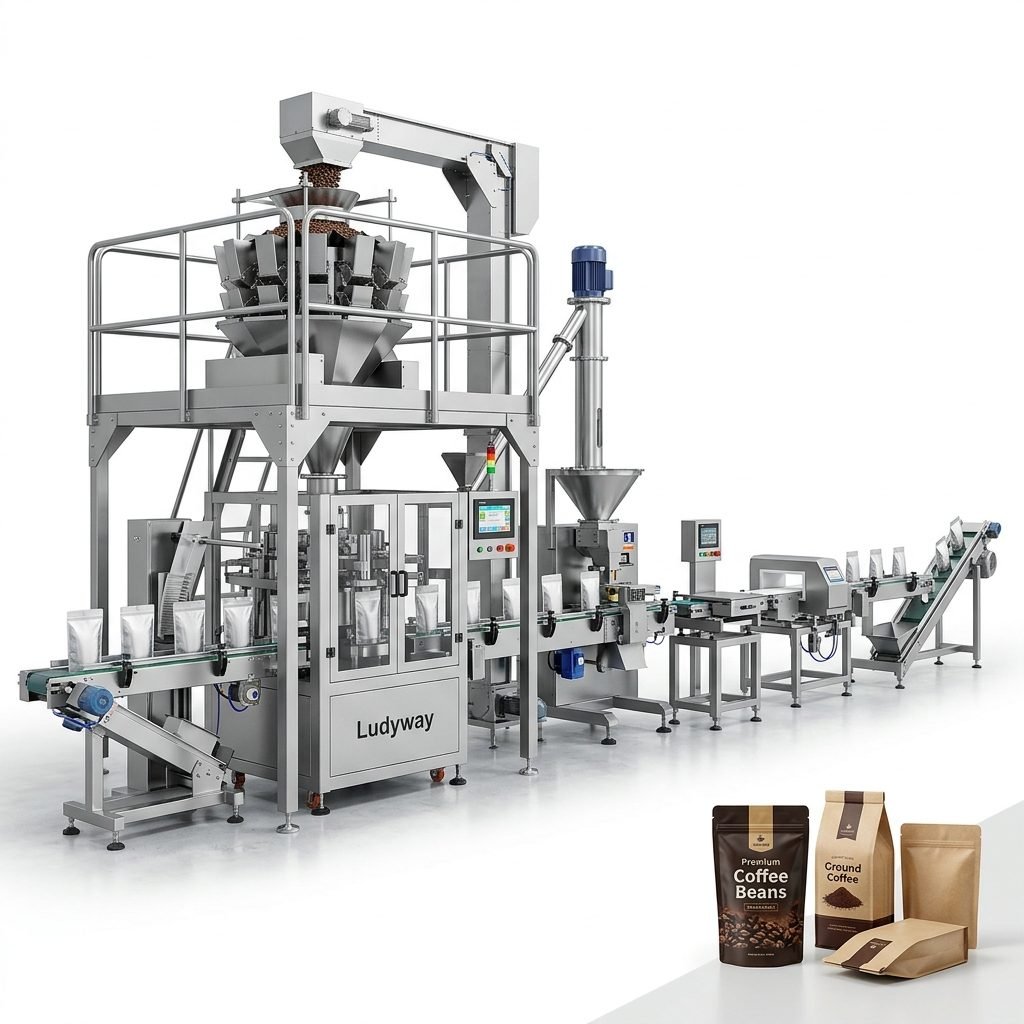
An individual machine, no matter how advanced, operates in a vacuum. The highest levels of efficiency are achieved through seamless integration. A turnkey production solution considers the entire workflow—from product feeding and packaging to cartoning and palletizing.
Benefits of an Integrated Line:
- Reduced Manual Handling: Automated conveyors and transfer systems link machines, lowering labor costs and minimizing contamination risks.
- Data Synchronization: A unified control system allows for real-time monitoring of the entire line’s performance, enabling proactive adjustments.
- Scalability: A well-planned integrated system can be more easily expanded or reconfigured to accommodate future product lines or increased capacity.
The Role of Automation & Smart Technology
The next frontier in packaging performance is intelligent automation. This goes beyond basic mechanics to incorporate data, connectivity, and adaptive control.
Smart Features Driving Efficiency:
Predictive Maintenance: Sensors monitor machine health, predicting failures before they occur and scheduling maintenance during planned stops.
Self-Optimization: Machines that automatically adjust parameters (like seal temperature or filling speed) based on material batch variations ensure consistent quality.
Remote Monitoring & Support: OEMs with global service networks can often diagnose and even resolve issues remotely, minimizing downtime dramatically.
Choosing the Right Partner for Your High-Performance Journey
Selecting equipment is also about selecting a partner. Look for a provider with:
Proven Industry Experience: Deep knowledge of your specific sector’s challenges and regulations is invaluable. Partners with decades of experience, like those with over 30 years in the industry, bring tried-and-tested solutions to the table.
Customization Capability: Off-the-shelf machines rarely fit perfectly. A partner with strong engineering resources can tailor equipment to your unique product, packaging format, and space constraints.
Comprehensive Support: Performance depends on long-term reliability. Ensure your partner offers robust after-sales service, readily available spare parts, and thorough operator training. Exploring a provider’s complete range of solutions can give insight into their technical depth.
Ultimately, investing in high-performance packaging equipment is an investment in the future resilience and profitability of your manufacturing operation. By focusing on integrated, intelligent, and reliable solutions, businesses can build production lines that are not just efficient for today, but are also adaptable for the challenges and opportunities of tomorrow.
Frequently Asked Questions (FAQs)
1. What is the most important factor when upgrading to high-performance packaging equipment?
While speed is often the initial driver, overall equipment effectiveness (OEE)—which combines availability, performance, and quality—is the most critical metric. The best investment maximizes all three factors for the highest long-term return.
2. Can high-speed equipment handle delicate or complex products?
Yes. Advanced machines offer gentle handling features like vibratory trays with precise amplitude control, soft-drop filling systems, and customized sealing jaws that ensure product integrity even at high speeds.
3. How long does it typically take to see an ROI on such an investment?
The payback period varies but can often be between 12 to 24 months. This is achieved through reduced labor costs, lower material waste, increased output, and decreased downtime. A detailed productivity analysis from your supplier can provide a more accurate forecast.
4. Is it possible to automate an existing, older production line?
Absolutely. Many providers specialize in line integration and retrofitting. They can add new high-performance machines to work with your existing equipment or upgrade key components of older machines to boost their speed and connectivity.
5. What kind of training is required for operators of advanced packaging machinery?
Reputable suppliers offer comprehensive training programs covering operation, routine maintenance, troubleshooting, and safety. Modern machines with intuitive Human-Machine Interfaces (HMIs) also significantly reduce the learning curve for operators.