The food and beverage industry is a dynamic and fast-paced sector where product presentation, freshness, and safety are paramount. At the heart of ensuring these qualities lies a critical component: packaging equipment. The right packaging system not only protects your product but also enhances efficiency, reduces waste, and strengthens your brand on the shelf. This guide delves into the world of food and beverage packaging equipment, exploring the various types, their applications, and providing a clear framework for selecting the ideal system for your production needs.
Understanding the Core Types of Packaging Equipment
Packaging machinery can be categorized based on the form of the product being packaged and the type of package being created. Here’s a breakdown of the primary systems you’ll encounter.
1. Filling and Sealing Machines
These are the workhorses of packaging lines, responsible for accurately dispensing the product and securely closing the package.
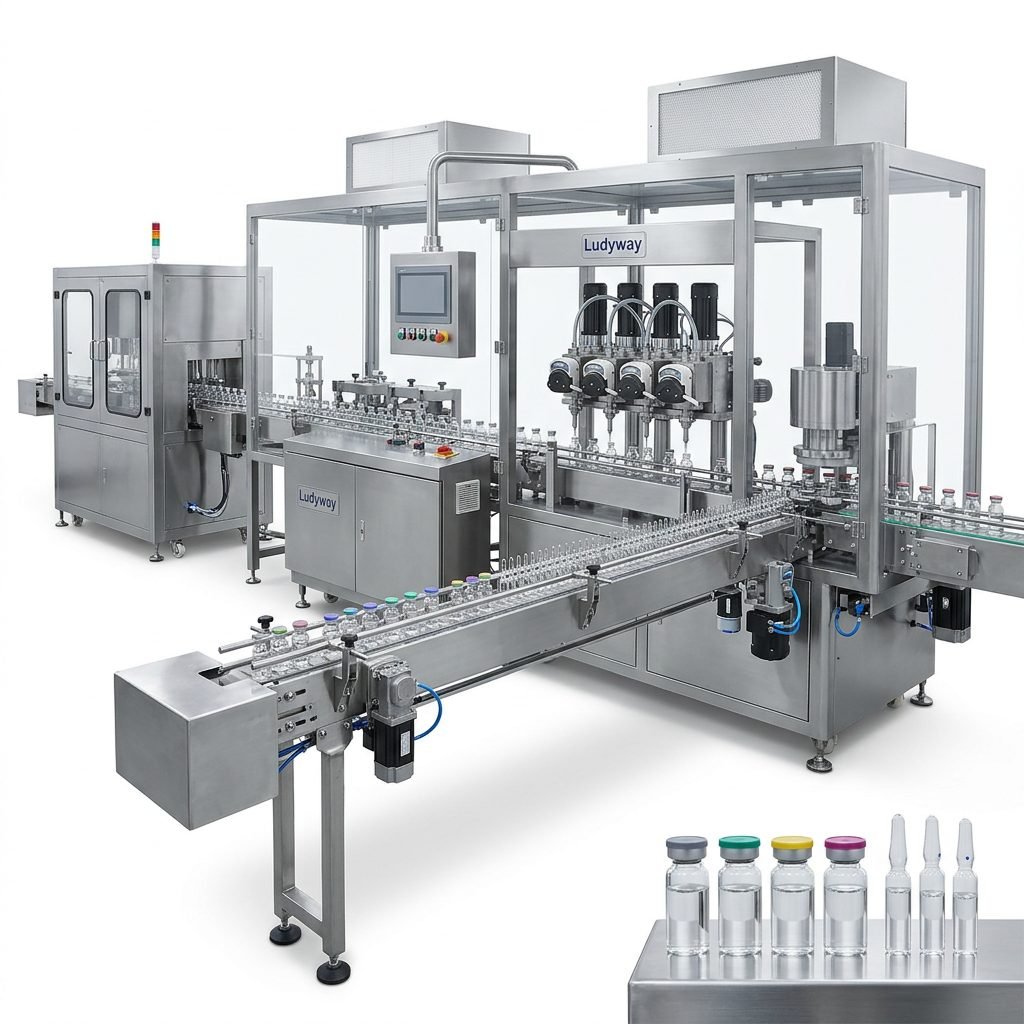
Liquid Fillers: Ideal for beverages, oils, sauces, and dairy products. They range from simple gravity fillers to sophisticated volumetric or piston fillers for high accuracy with viscous products.
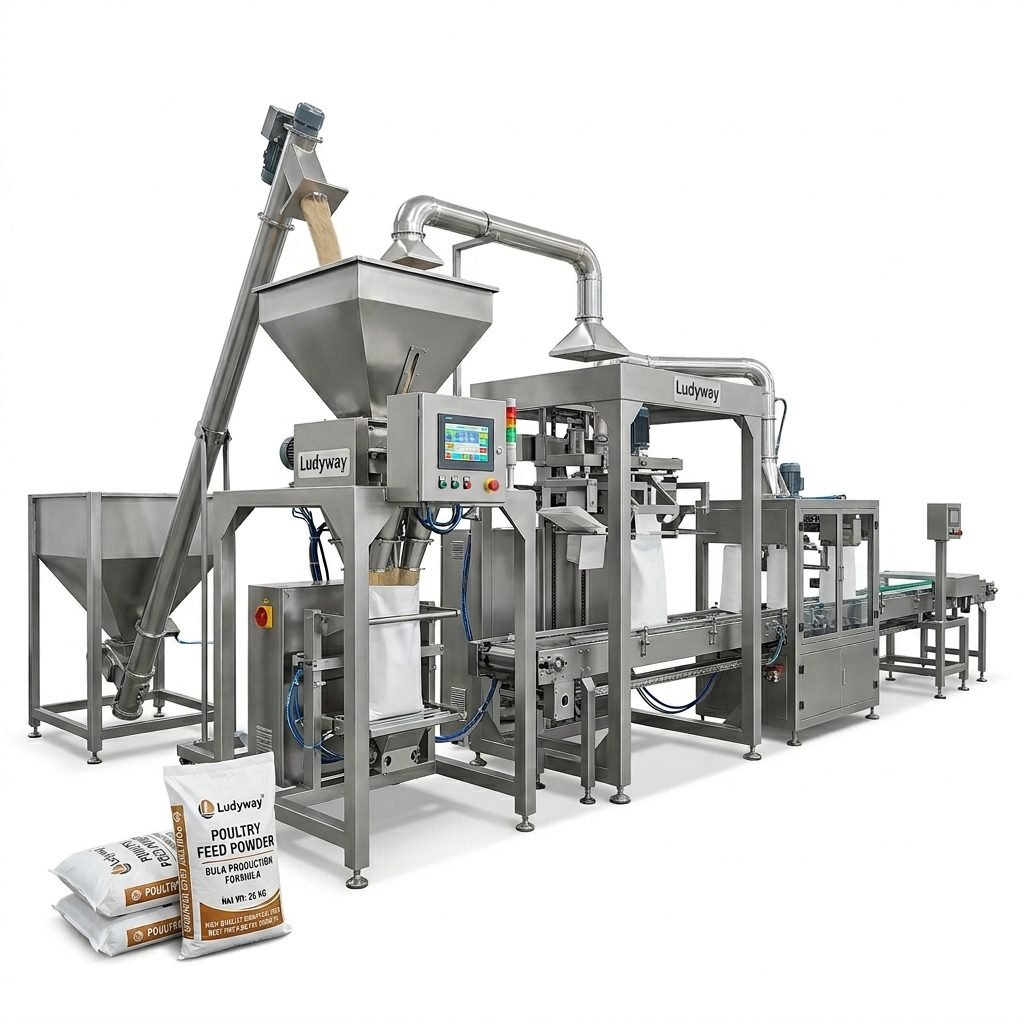
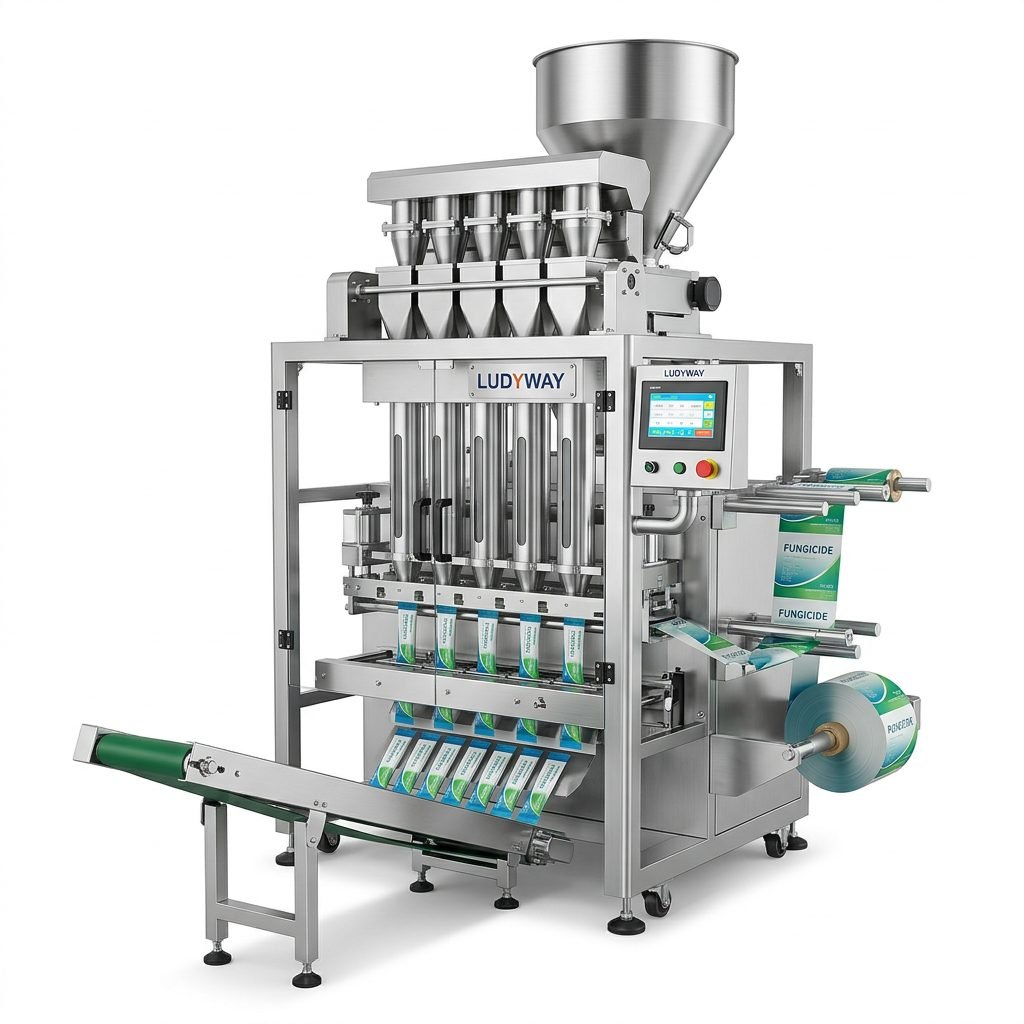
Powder & Granule Fillers: Used for coffee, sugar, spices, powdered drinks, and snacks. Auger fillers are common for their precision, while cup fillers handle larger volumes efficiently.
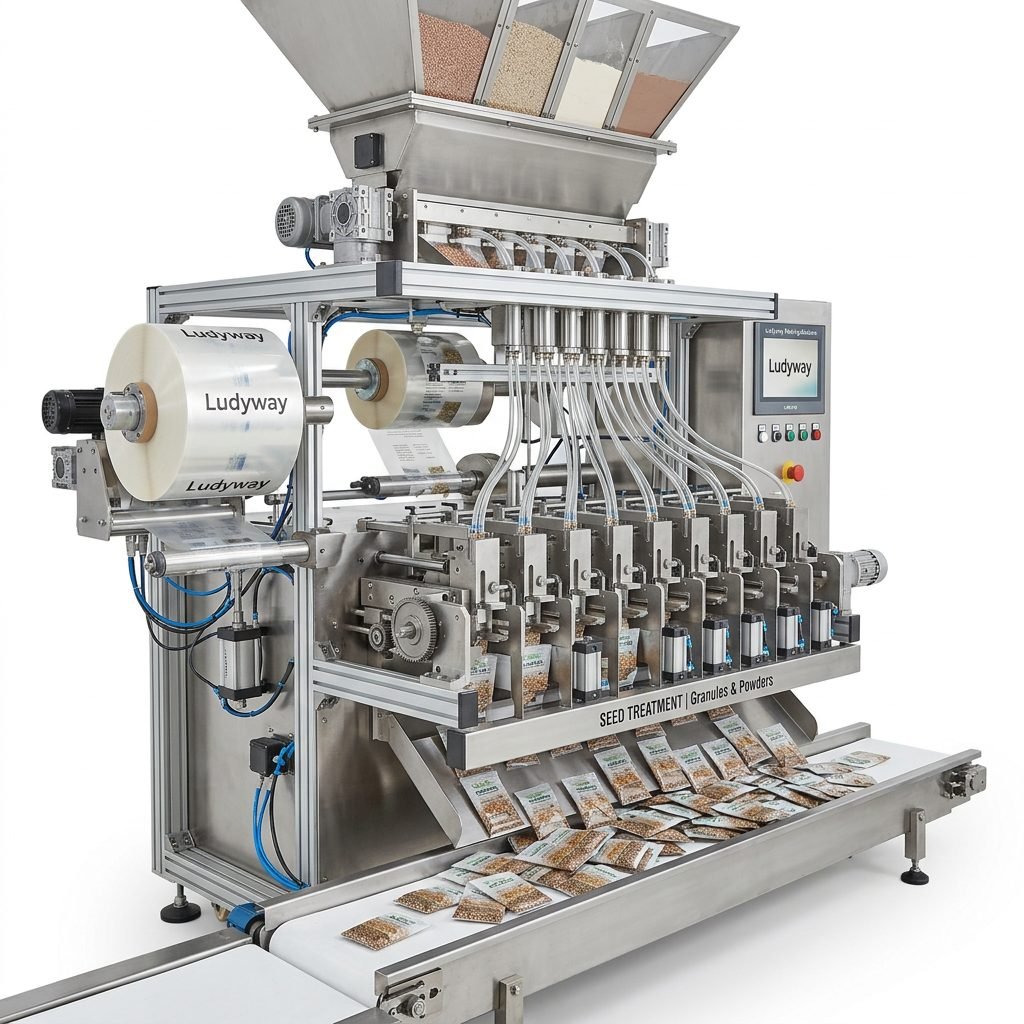
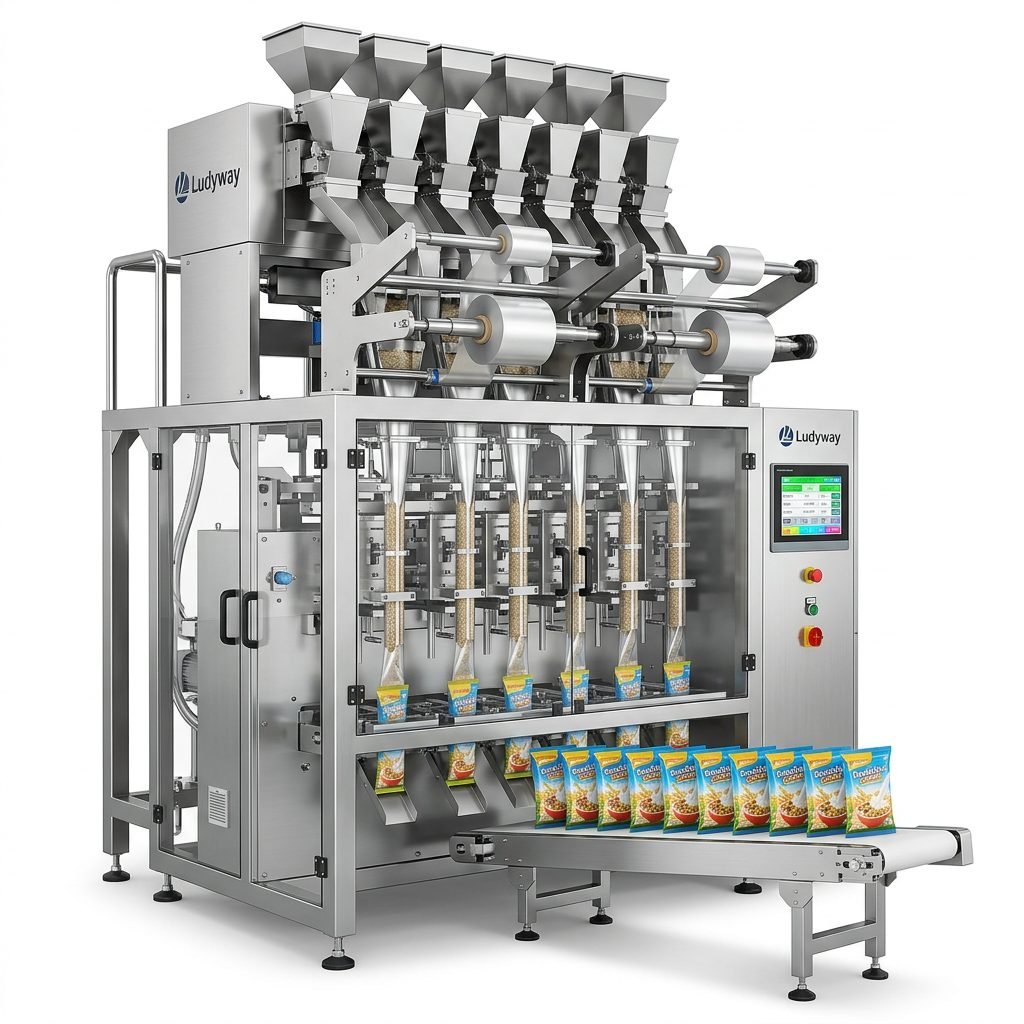
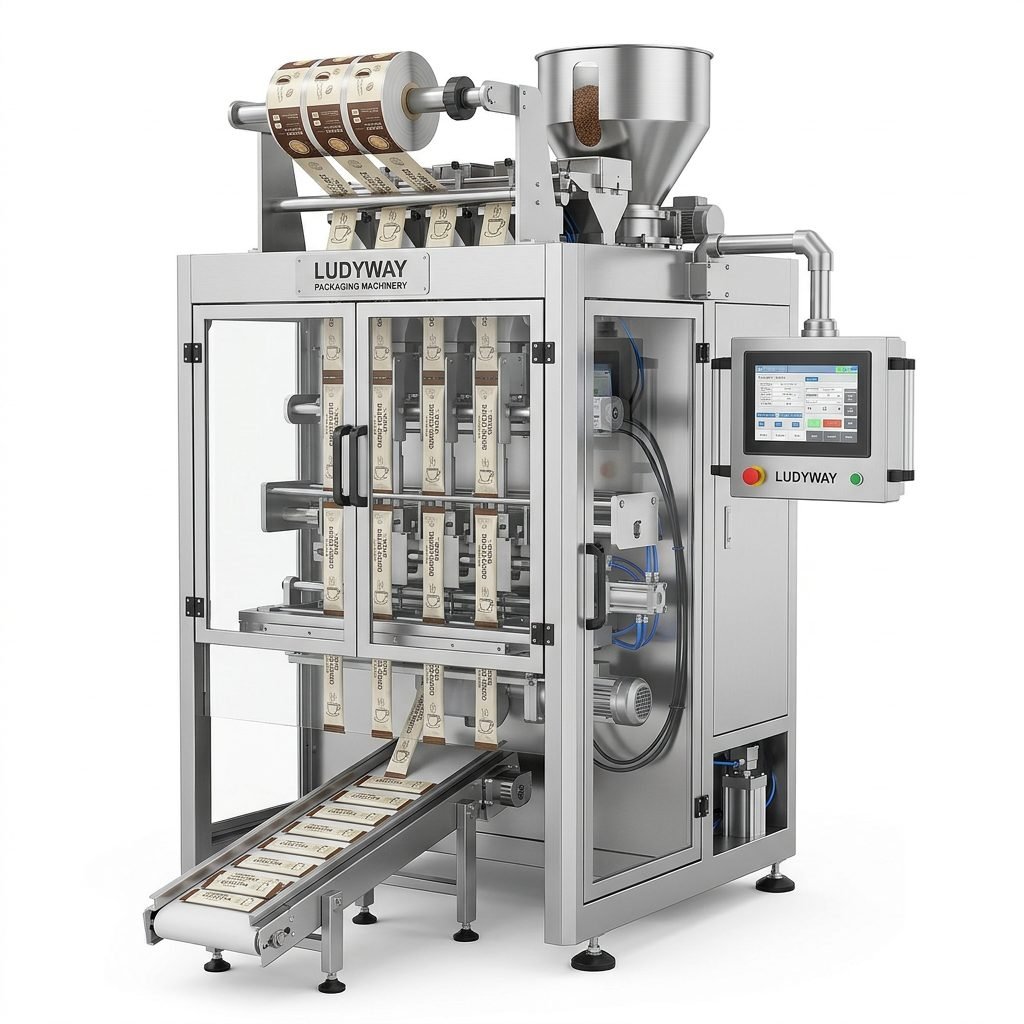
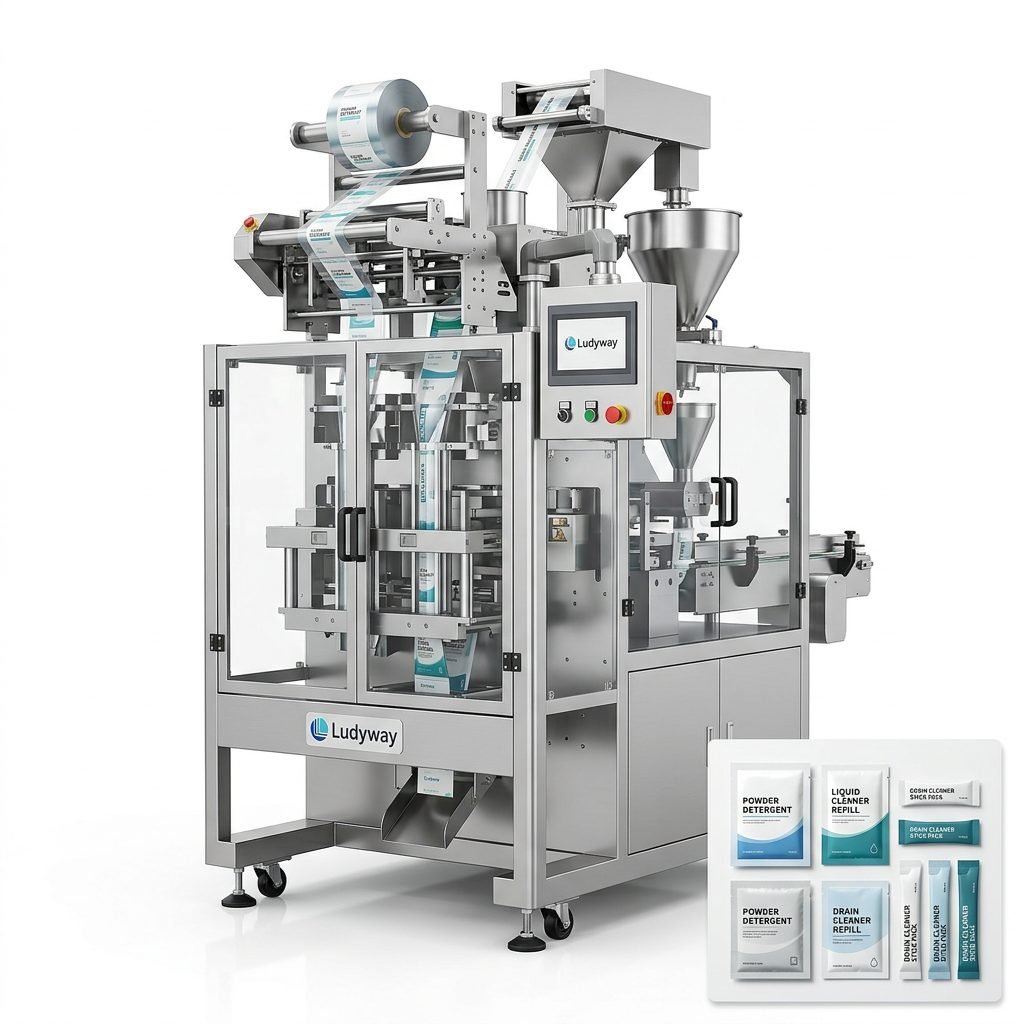
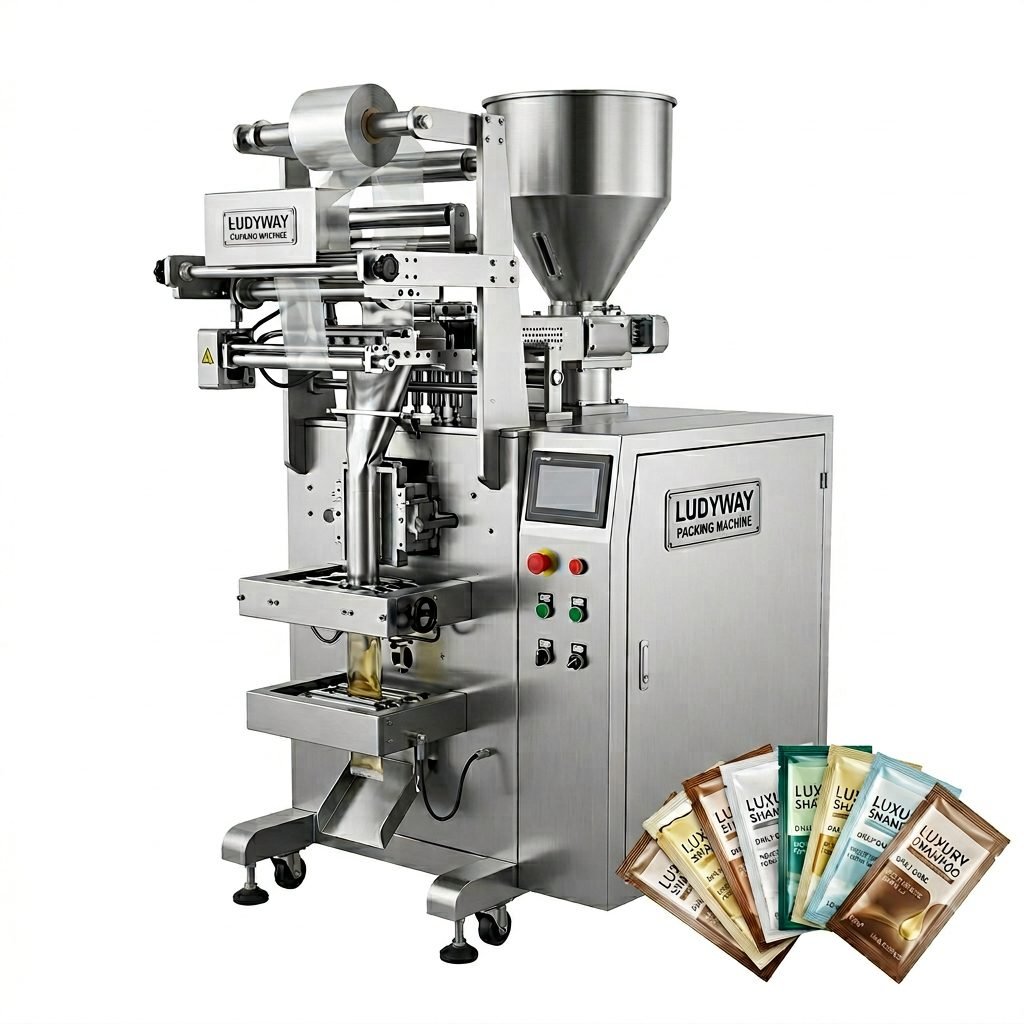
Form-Fill-Seal (FFS) Machines: A highly versatile and popular category. These machines form the packaging from a roll of film, fill it with product, and seal it—all in one continuous operation. They are perfect for creating sachets and stick packs for single-serve condiments, drink mixes, or sauces.
2. Capping, Lidding, and Closing Equipment
Once filled, containers need to be securely closed. This equipment applies caps, lids, corks, or induction seals to bottles, jars, cups, and trays, ensuring tamper-evidence and product integrity.
3. Labeling and Coding Machines
This equipment applies product labels, barcodes, expiry dates, and batch numbers. Accurate labeling is crucial for compliance, traceability, and consumer information.
4. Cartoning and Case Packing Systems
These systems automate the secondary packaging process. They erect cartons, load individual packages into them, and seal the cartons before they are palletized for shipping, dramatically increasing end-of-line efficiency.
Key Applications Across the Food & Beverage Sector
Different product categories have unique packaging demands. Here’s how the equipment applies to specific segments.
Beverage Production
From bottled water and soft drinks to juices and craft beers, this sector relies heavily on high-speed liquid filling lines, cappers, labelers, and pasteurization tunnels. Aseptic filling systems are critical for shelf-stable products like milk alternatives.
Snack Foods & Confectionery
This industry utilizes vertical form-fill-seal machines for chips and nuts, flow wrappers for candy bars, and multi-lane stick pack machines for powdered drink mixes or seasoning. Precision is key to maintaining portion control and product freshness.
Dairy & Fresh Products
Yogurt cups, cheese slices, and fresh pasta often use thermoform-fill-seal machines that create the container from a bottom web, fill it, and seal it with a lidding film. Modified Atmosphere Packaging (MAP) equipment is also vital here to extend shelf life.
Dry Goods & Ingredients
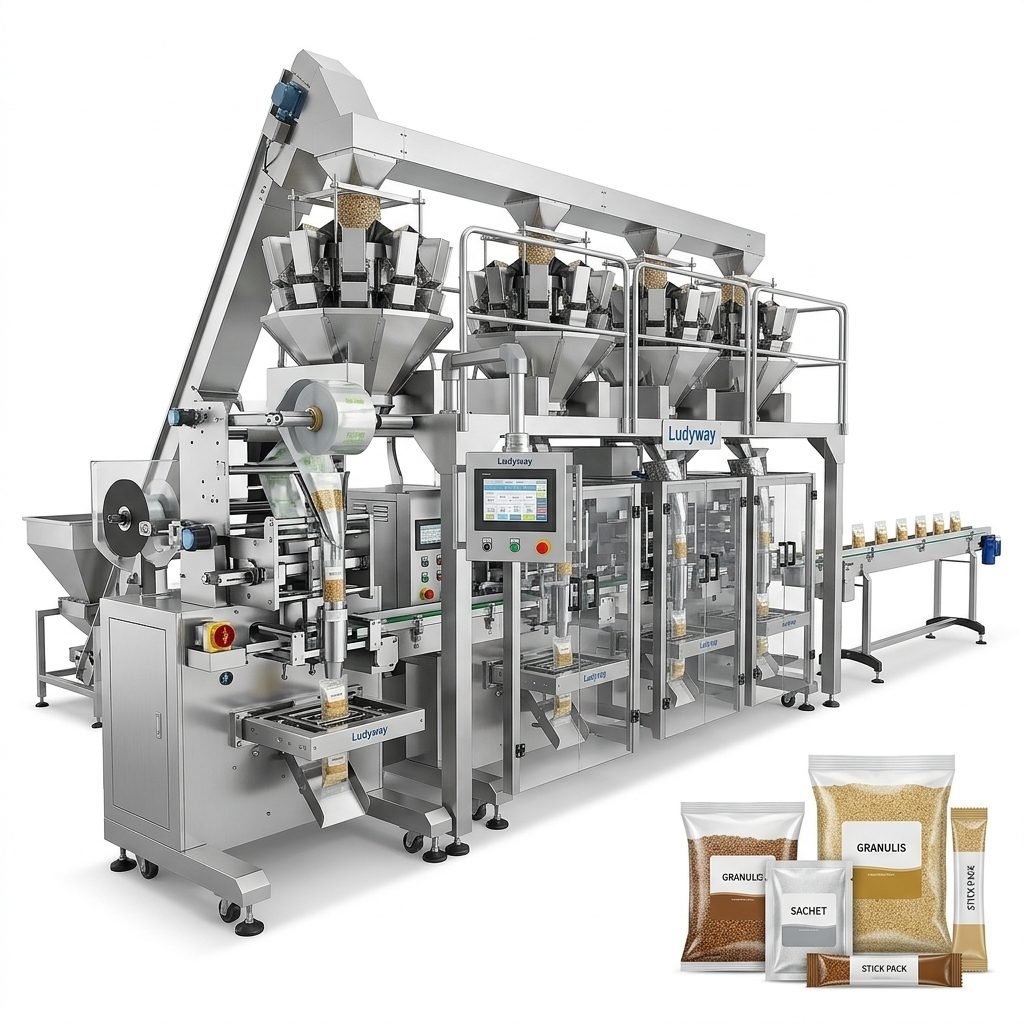
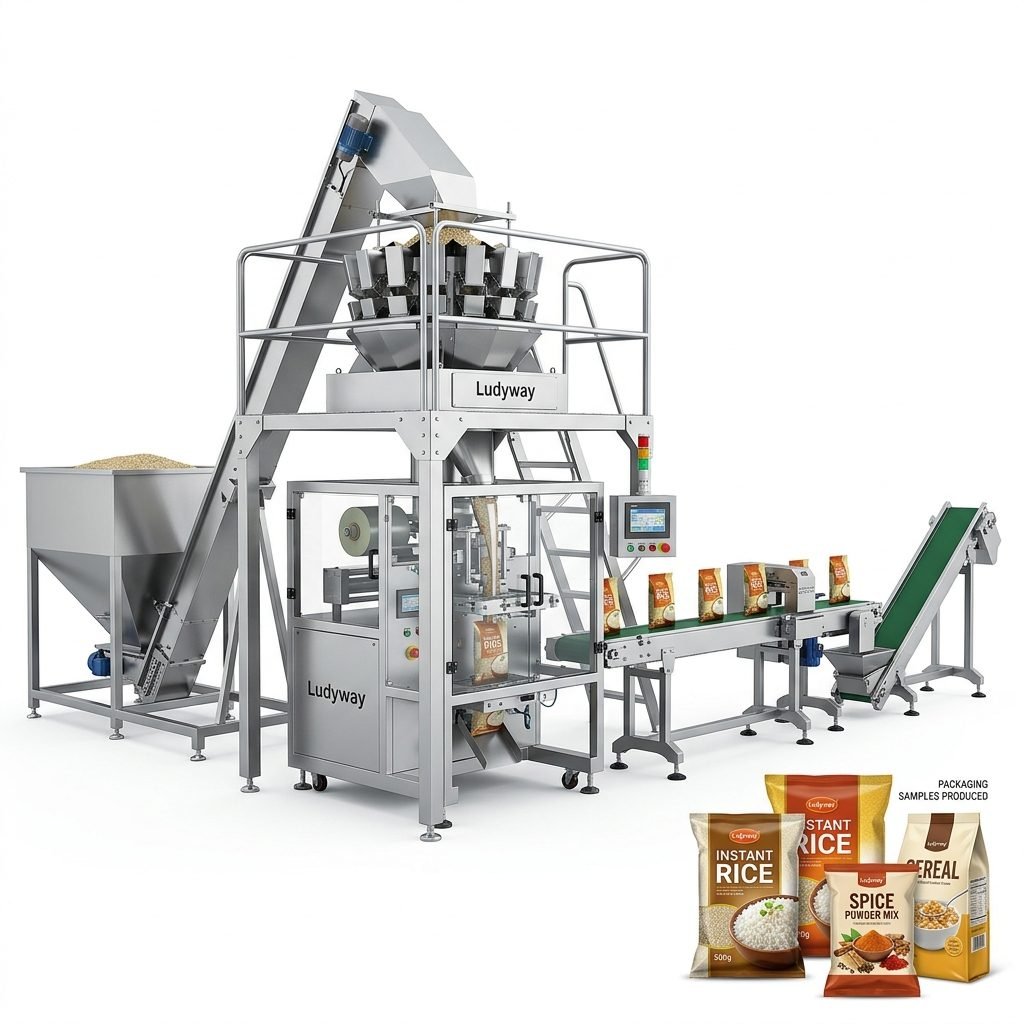
Flour, rice, coffee, and spices are typically packaged using robust bagging systems or FFS machines. Multi-head weighers combined with bag formers allow for high-speed, accurate packaging of free-flowing products.
How to Choose the Right Packaging System: A Strategic Guide
Selecting equipment is a significant investment. A methodical approach ensures you choose a system that delivers a strong return on investment.
Step 1: Analyze Your Product & Package
Start with the fundamentals. What is your product’s physical state (liquid, powder, granule, solid)? What are its characteristics (viscosity, abrasiveness, fragility)? Determine your desired package type (bottle, pouch, stick pack, carton) and material. This defines the core machine type you need.
Step 2: Define Your Production Requirements
- Output Speed (Units/Minute): Calculate your required output based on demand forecasts. Don’t just consider peak capacity; think about efficient, sustainable running speeds.
- Accuracy & Consistency: For costly ingredients or regulated products, filling accuracy is non-negotiable. Look for machines with precise dosing technology.
- Flexibility: Will you run multiple products or package sizes? If so, prioritize equipment with quick changeover capabilities to minimize downtime.
Step 3: Evaluate Machine Features & Technology
Look beyond the basic function. Consider the control system (user-friendly HMI), construction materials (food-grade stainless steel), ease of cleaning, and integration capabilities with upstream and downstream equipment. Modern machines often offer IoT connectivity for data monitoring and predictive maintenance.
Step 4: Consider Total Cost of Ownership (TCO)
The purchase price is just one part of the cost. Factor in installation, training, maintenance, spare parts availability, energy consumption, and potential future upgrades. A reliable, well-supported machine from a reputable supplier like Ludyway Packaging Machinery often provides better long-term value than a cheaper, less capable alternative.
Step 5: Assess Supplier Support & Expertise
Your relationship with the equipment manufacturer is crucial. Choose a partner with proven experience in your specific product category. Evaluate their technical support, availability of spare parts, warranty terms, and service network. A supplier who offers comprehensive packaging solutions and project management can streamline your entire line integration.
Investing in the right packaging equipment is a strategic decision that impacts your product quality, operational efficiency, and bottom line. By thoroughly understanding the types of machinery available, clearly mapping them to your product applications, and following a disciplined selection process focused on your specific requirements and long-term partnership, you can build a packaging line that is not only productive but also adaptable for future growth. Partnering with an experienced provider ensures you gain access to the technology and expertise needed to compete effectively in today’s market.
Frequently Asked Questions (FAQs)
What is the most versatile type of packaging machine for food?
Vertical Form-Fill-Seal (VFFS) machines are often considered highly versatile. They can handle a wide range of dry products (powders, granules, snacks) and some liquids, creating various pouch styles (pillow, gusseted, stand-up) from a single roll of film, making them suitable for many food applications.
How important is machine flexibility for a startup?
Flexibility can be very important for startups expecting product or package changes. Equipment with quick-change parts for different bag sizes or simple adjustments for various products allows a startup to adapt to market feedback without major capital reinvestment, though it may involve a higher initial cost.
What are the key maintenance requirements for packaging equipment?
Regular maintenance is vital. Key tasks include daily cleaning to meet hygiene standards, lubrication of moving parts as per the manual, inspection and replacement of wear items like sealing jaws, gaskets, and filler nozzles, and regular calibration of weighing or filling systems to ensure ongoing accuracy.
Can I integrate new packaging machinery with my existing production line?
Yes, integration is common but requires careful planning. You must ensure the new machine’s input/output speeds, conveyor heights, and control systems are compatible with your existing line. Reputable suppliers often provide integration services and can advise on the necessary line configuration and modifications.
What should I look for in a packaging equipment supplier?
Prioritize suppliers with a strong track record in your industry, who offer robust after-sales support, readily available spare parts, and comprehensive operator training. Look for transparency in communication and a willingness to provide references or case studies similar to your project.