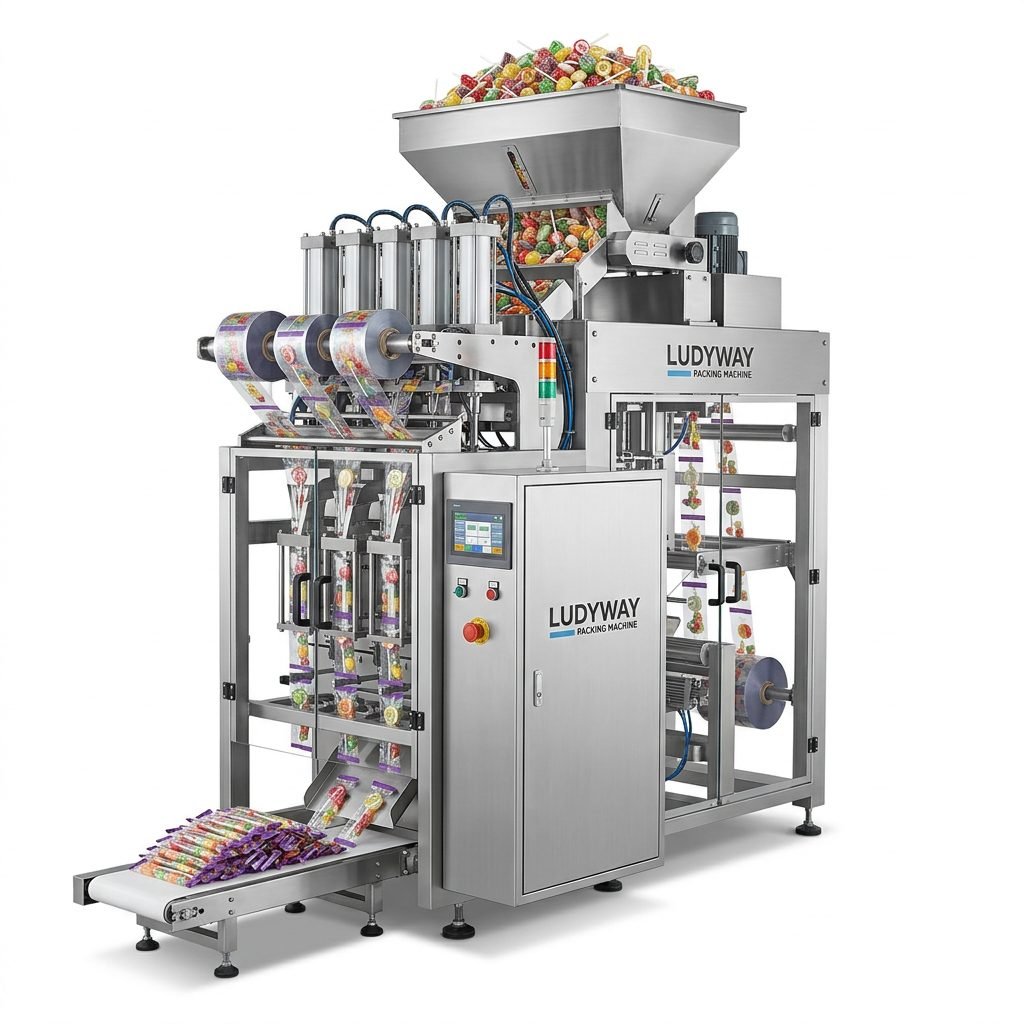
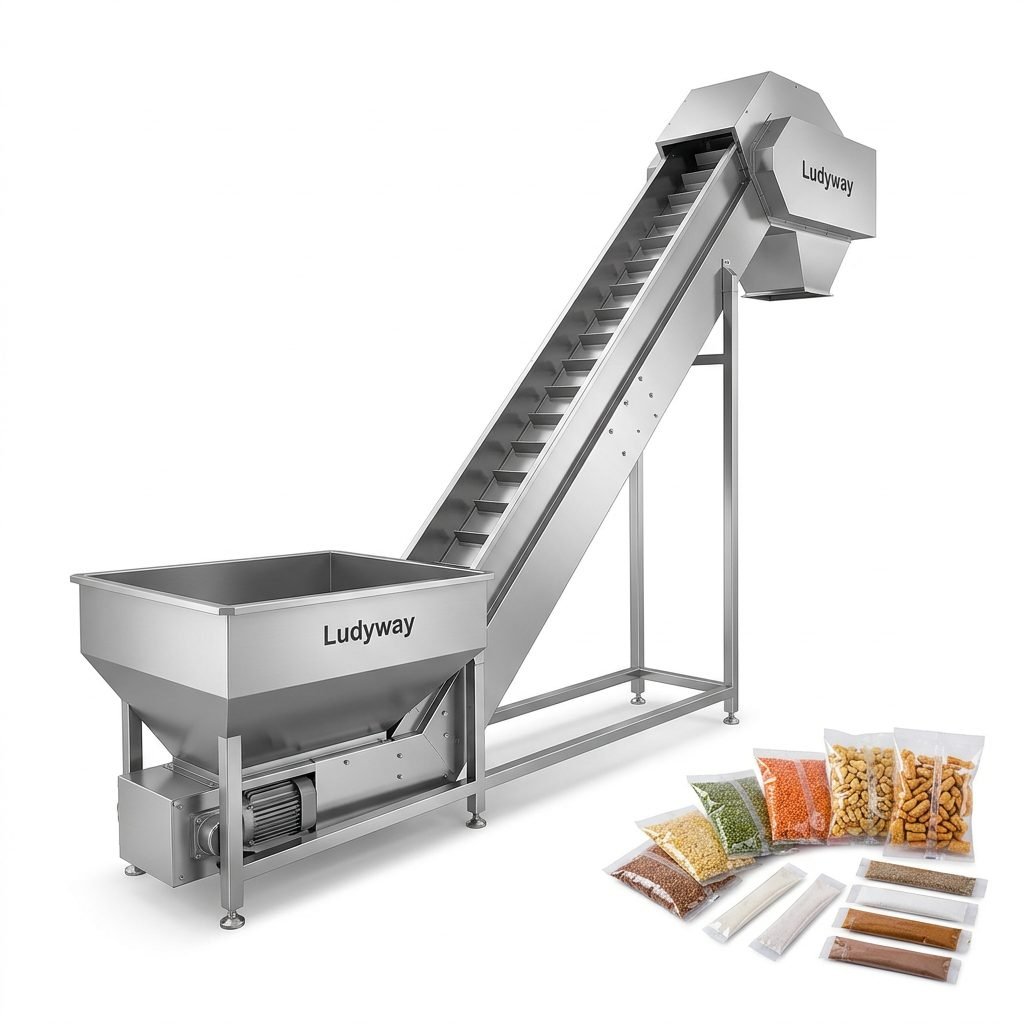
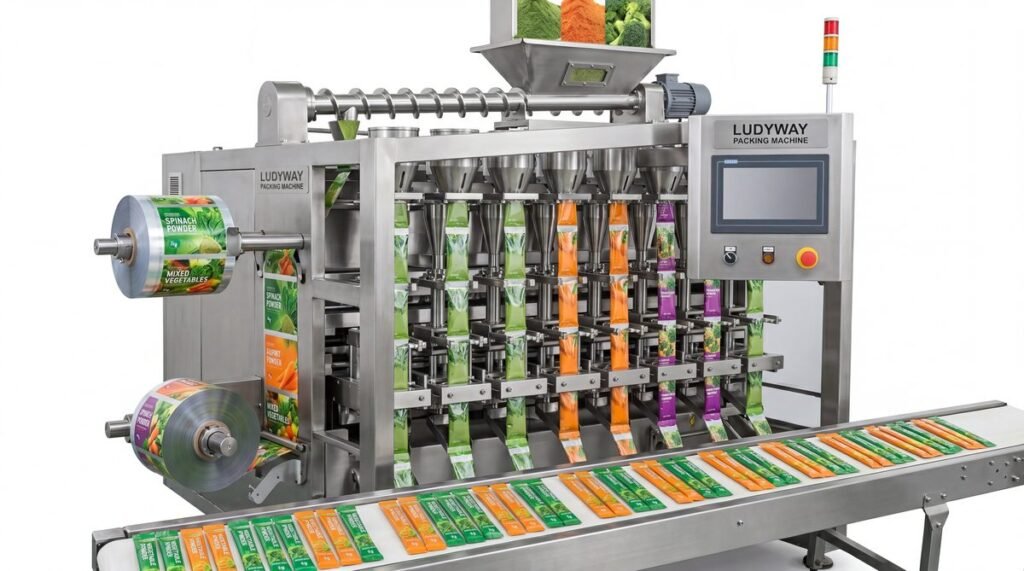
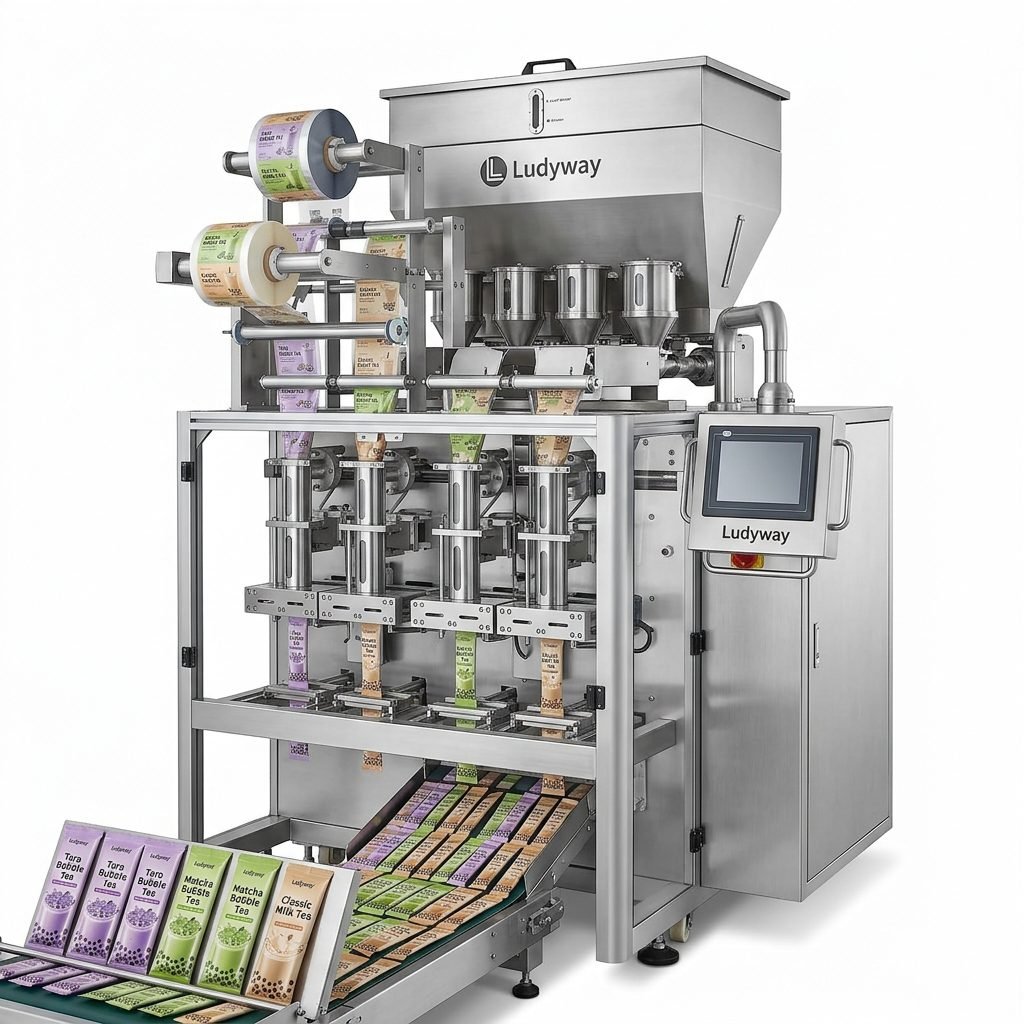
In today’s fast-paced manufacturing world, efficiency and precision are paramount. For businesses that package a high volume of small items—from hardware components and electronic parts to confectionery and pharmaceuticals—manual bagging is a bottleneck. This is where the Autobag packaging machine comes into play. An Autobag system automates the process of opening, filling, and sealing pre-made plastic bags on a roll, dramatically increasing output while ensuring consistency and reducing labor costs. This guide will delve into how these machines work, explore their key features, and provide essential tips for selecting the right system for your operation.
How an Autobag Packaging Machine Works
The operation of an Autobag machine is a fascinating dance of mechanical precision and automation, typically broken down into four core stages.
Stage 1: Bag Feeding and Opening
The process begins with a roll of pre-manufactured plastic bags, known as bag-on-a-roll (BOR). These bags are connected side-by-side with perforations. The machine’s feeding mechanism advances the roll, positioning the first bag at the loading station. A combination of suction cups, air jets, or mechanical fingers then gently opens the bag, creating a ready-to-fill cavity. The reliability of this opening mechanism is critical for maintaining a smooth, uninterrupted production flow.
Stage 2: Product Loading
Once the bag is open, the product is loaded. This can be achieved through various methods depending on the item. For loose parts like screws or bolts, a vibratory bowl feeder or linear conveyor can orient and count items before dropping them in. For pre-counted or weighed products, a simple chute or funnel directs the product into the bag. Advanced systems can integrate with scales or counters for highly precise filling.
Stage 3: Sealing and Separation
After filling, the bag moves to the sealing station. Most Autobag machines use impulse heat sealing, which applies a brief, intense heat pulse to melt the bag’s inner plastic layer, creating a strong, airtight seal. Following sealing, the connected bags are separated. This is typically done via a cutting mechanism that slices through the perforations, releasing the individual, finished package.
Stage 4: Discharge and Optional Functions
The finished bag is then discharged onto a conveyor belt or into a collection bin. Many systems offer additional inline functions, such as printing date/batch codes directly onto the bag, attaching a header card or hang tab for retail display, or even inserting a coupon or instruction sheet before sealing.
Key Features and Benefits of Autobag Systems
Investing in an Autobag machine brings a suite of advantages that directly impact your bottom line and operational efficiency.
High-Speed Automation
The most significant benefit is speed. Autobag machines can typically package 60 to 120+ bags per minute, far surpassing manual capabilities. This allows you to meet high-volume demands with fewer personnel.
Consistency and Reduced Waste
Every bag is opened, filled, and sealed identically, ensuring a uniform, professional appearance. Precise control over the sealing process minimizes leakers and rejects, reducing material waste. Accurate counting and filling also prevent product giveaway.
Operational Flexibility
Modern Autobag systems are highly adaptable. Quick-change bag roll holders and adjustable sealing jaws allow for rapid switchovers between different bag sizes and materials. This is ideal for manufacturers running short batches of multiple products.
Improved Hygiene and Safety
Automating the packaging process minimizes direct human contact with the product, which is crucial in food, pharmaceutical, and medical device industries. It also reduces repetitive strain injuries associated with manual bagging tasks.
Integration Capabilities
A robust Autobag system is designed to be the heart of a larger packaging line. It can be seamlessly integrated with upstream equipment like checkweighers, metal detectors, and labeling systems, as well as downstream systems for cartoning or case packing, creating a fully automated production cell.
Tips for Choosing the Right Autobag System
Selecting the perfect Autobag machine requires careful consideration of your specific needs. Here’s a roadmap to guide your decision.
1. Analyze Your Product and Bag Requirements
Start with the basics. What are you packaging? Consider the product’s size, shape, weight, and fragility. This will determine the feeding mechanism. Next, define your bag specifications: material (polyethylene, polypropylene, etc.), size range, and any special features like zippers or hang holes. The machine must be compatible with your chosen bag roll.
2. Determine Your Required Speed (Throughput)
Calculate your current and projected daily/weekly output. Machine speeds are rated in bags per minute (BPM). Choose a model that meets your peak requirements with some room for growth, but avoid over-specifying, as higher-speed machines come with a higher price tag.
3. Evaluate Feeding and Counting Technology
The feeding system is often the most product-specific component. For small, uniform parts, a vibratory feeder is cost-effective. For delicate or irregular items, a gentle belt or pick-and-place system may be necessary. If precise counts are critical, ensure the machine has a reliable optical or mechanical counting sensor.
4. Consider Integration and Future-Proofing
Think beyond the standalone machine. Does it have standard electrical and communication interfaces (I/O, Ethernet) to connect to other equipment? Is the frame sturdy enough to support add-ons like a code printer or card attacher? Choosing a modular system from a provider with a broad portfolio, like Ludyway Machinery, allows you to add capabilities as your needs evolve.
5. Prioritize Support and Service
The machine’s reliability is only as good as the support behind it. Investigate the manufacturer’s reputation. Do they offer comprehensive training, clear documentation, and readily available spare parts? A supplier with deep industry experience, such as Ludyway’s team with over 30 years in packaging, can provide invaluable application expertise and long-term technical support, ensuring your system runs smoothly for years.
6. Request a Product Sample Test
Never buy based on specifications alone. The gold standard is to send your actual product and bags to the supplier for a live demonstration or trial run. This test will reveal how well the machine handles your specific items, its true speed, and the quality of the finished package.
Conclusion
An Autobag packaging machine is a powerful tool for any business looking to streamline its small-item packaging operations. By automating a repetitive, labor-intensive process, it delivers tangible benefits in speed, consistency, cost savings, and hygiene. The key to a successful investment lies in a thorough analysis of your product, throughput needs, and future goals, followed by partnering with a reputable supplier who can provide not just a machine, but a complete, reliable solution. By carefully following the selection tips outlined above, you can implement a system that boosts your productivity and grows with your business.
Frequently Asked Questions (FAQs)
What types of products are best suited for Autobag machines?
Autobag systems are ideal for a vast range of small, discrete items. Common applications include hardware (screws, nails, fasteners), electronic components, confectionery (candy, nuts), pharmaceutical tablets and capsules, medical devices, seeds, and promotional items. Essentially, any product that fits into a small plastic bag and is suitable for automated handling can be a candidate.
How do I choose the right bag material for my product?
The bag material depends on your product’s needs and the supply chain. For general moisture or dust protection, low-density polyethylene (LDPE) is common. For a crisper, more rigid pack, polypropylene (PP) is better. Barrier films are used for food to extend shelf life. Your packaging machine supplier can advise on the best, most machinable material for your application and ensure their equipment is compatible with it.
Can one Autobag machine handle multiple bag sizes?
Yes, most Autobag machines are designed for quick changeover between different bag widths and lengths. This is achieved via adjustable sealing jaws, repositionable bag feed components, and simple menu controls on the human-machine interface (HMI). The speed and ease of changeover are important factors to discuss with your supplier.
What is the typical maintenance required for an Autobag system?
Regular maintenance is minimal but crucial. Daily tasks include cleaning dust and debris from sealing jaws and sensors. Weekly or monthly checks might involve lubricating moving parts and inspecting wear items like suction cups or cutting blades. A reliable supplier will provide a clear maintenance schedule and training for your operators.
How does an Autobag system differ from a form-fill-seal (FFS) machine?
Both automate packaging, but the process differs fundamentally. An Autobag machine uses pre-made bags from a roll, opening, filling, and sealing them. A vertical form-fill-seal (VFFS) machine creates the bag from a roll of flat film, forming a tube, sealing the bottom, filling it, and then sealing the top. Autobag systems often offer faster speeds and better bag presentation for certain rigid items, while VFFS machines can be more flexible with bag dimensions and use less film material.