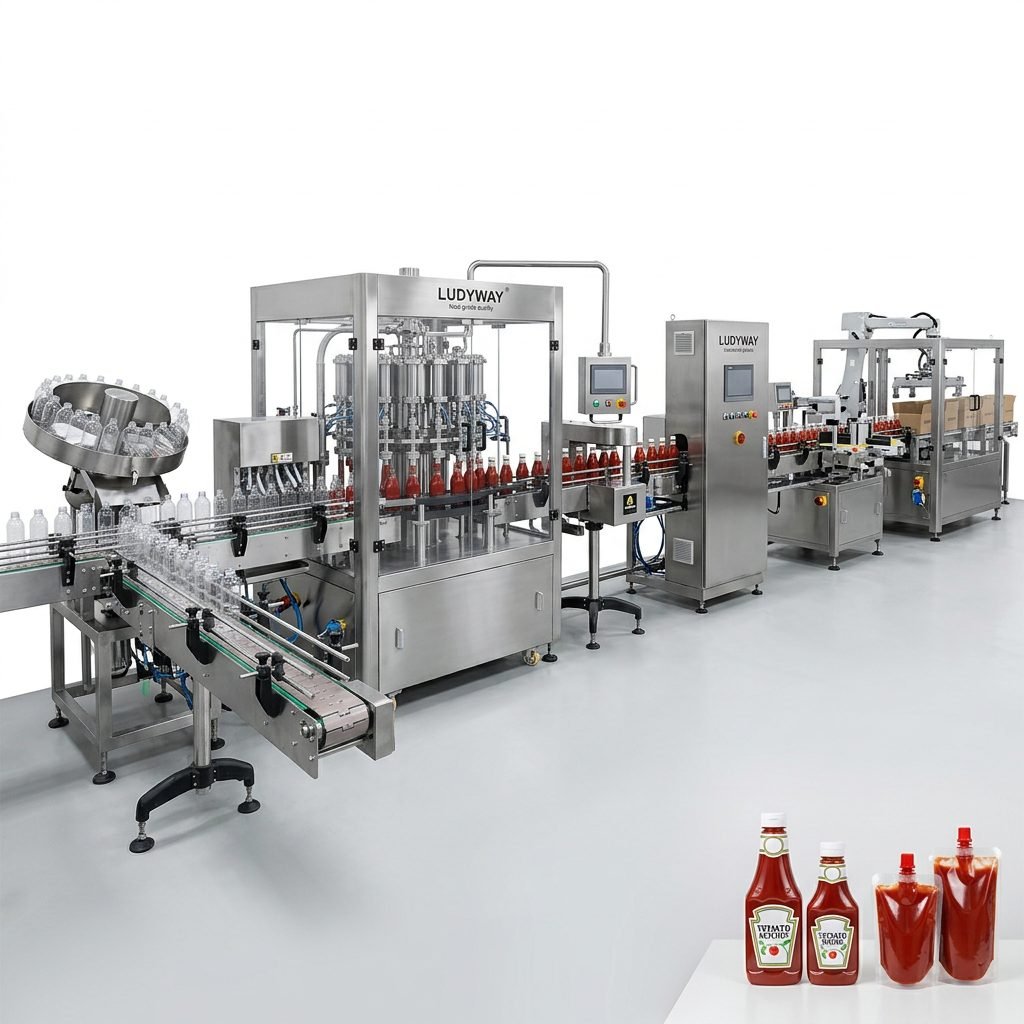
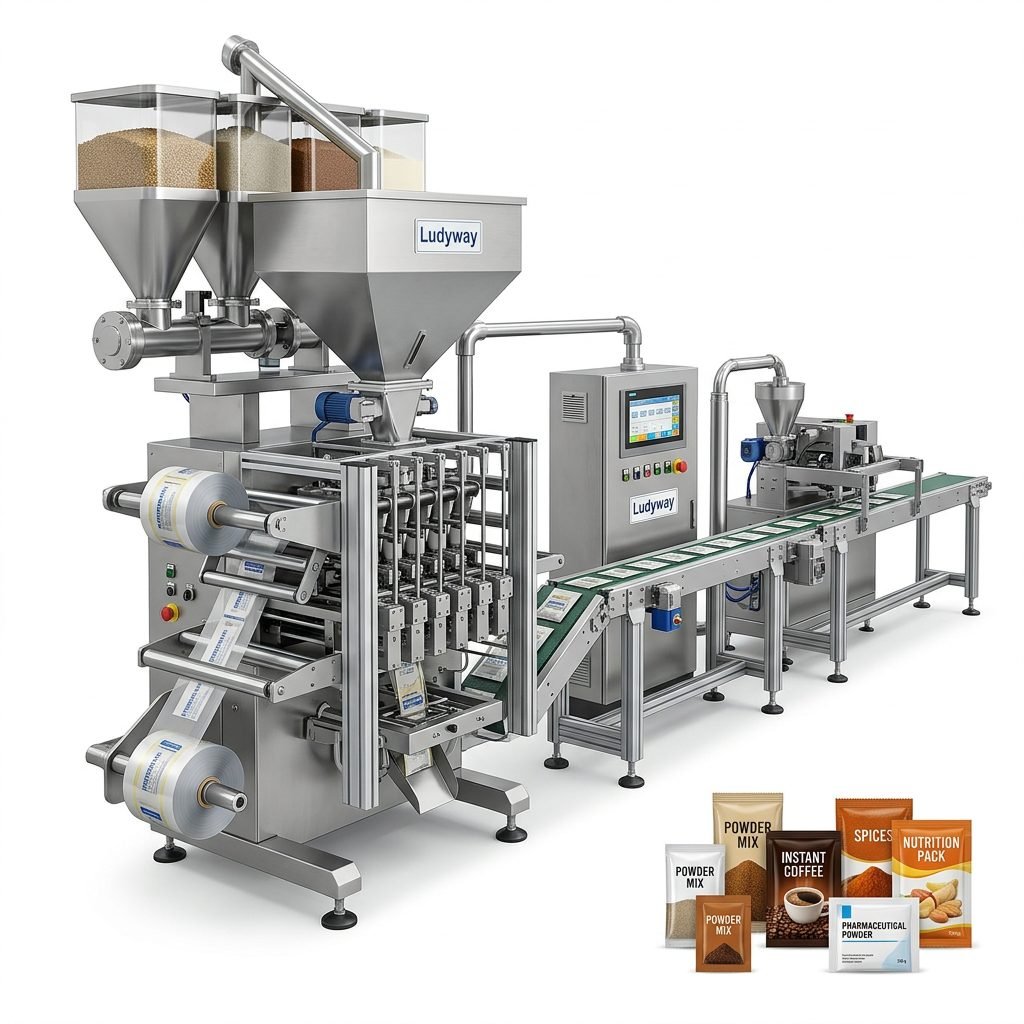
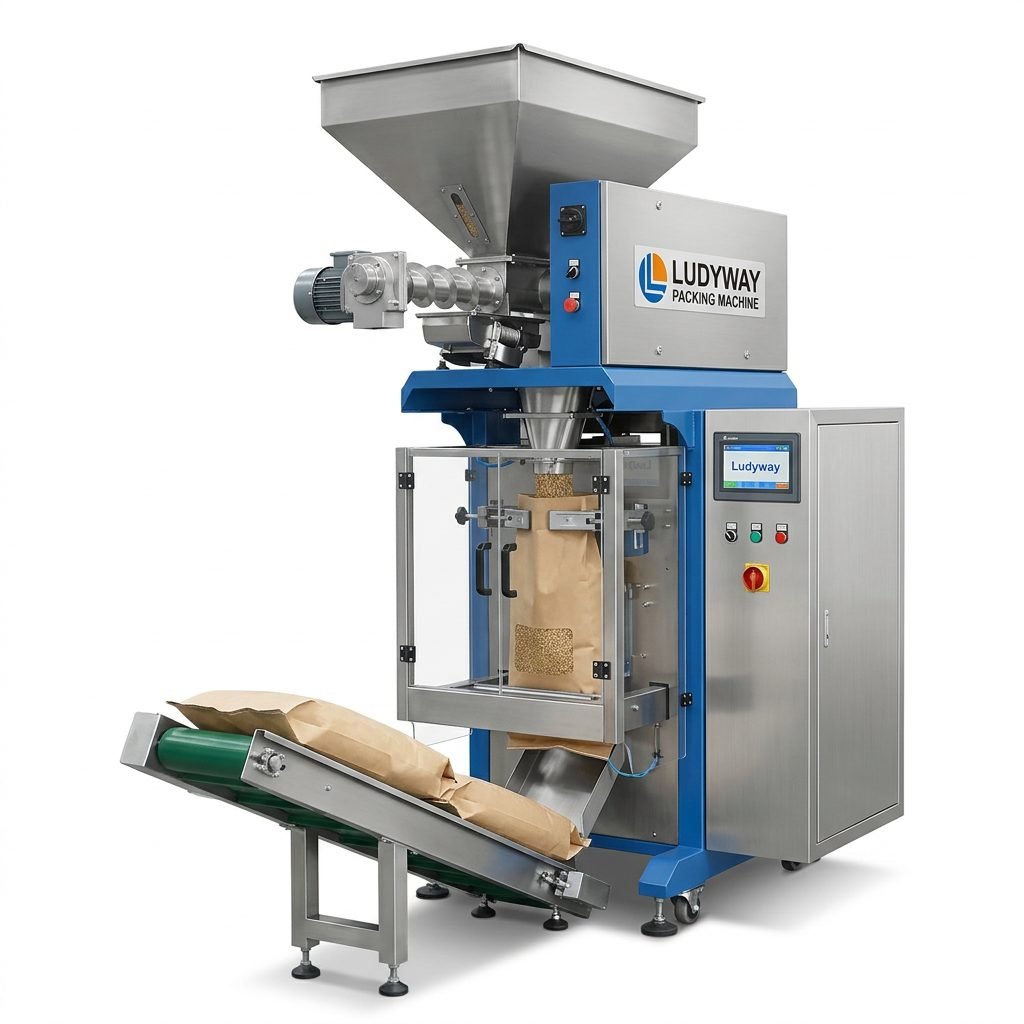
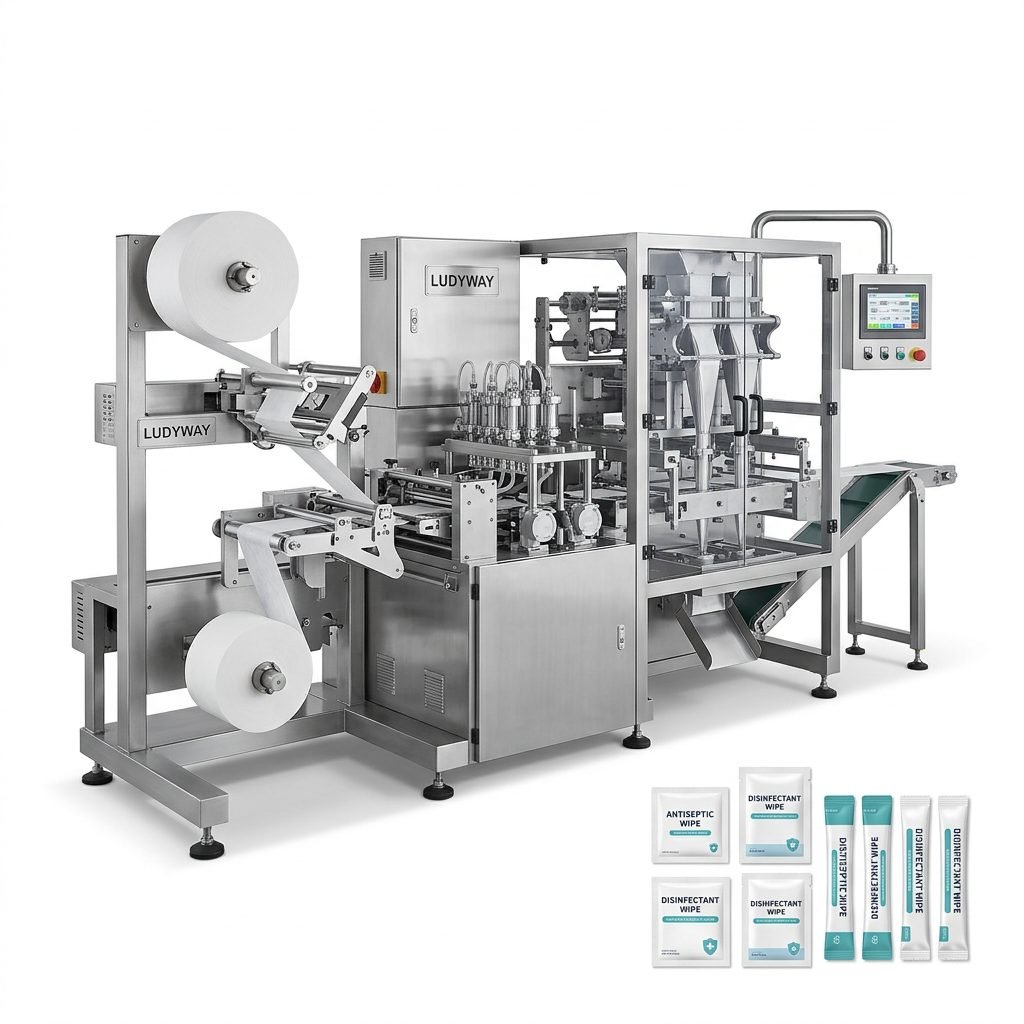
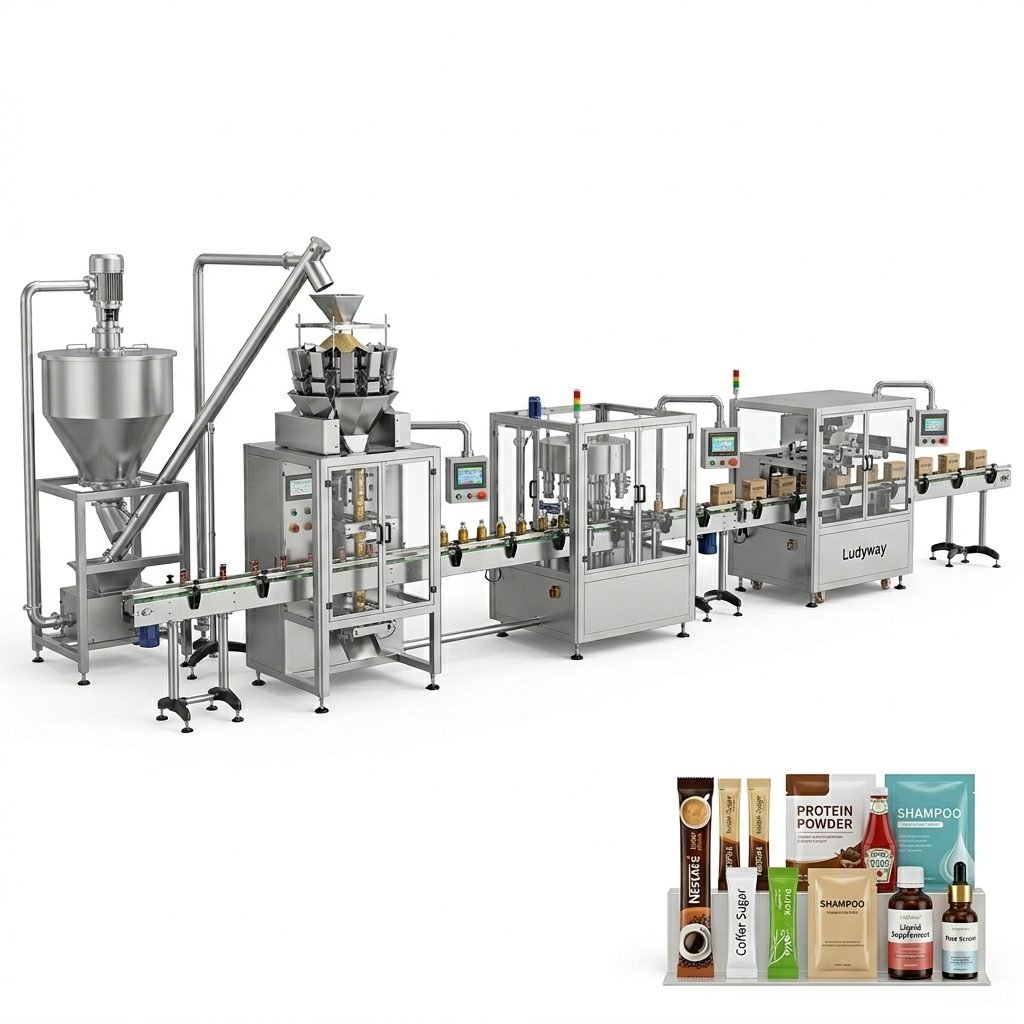
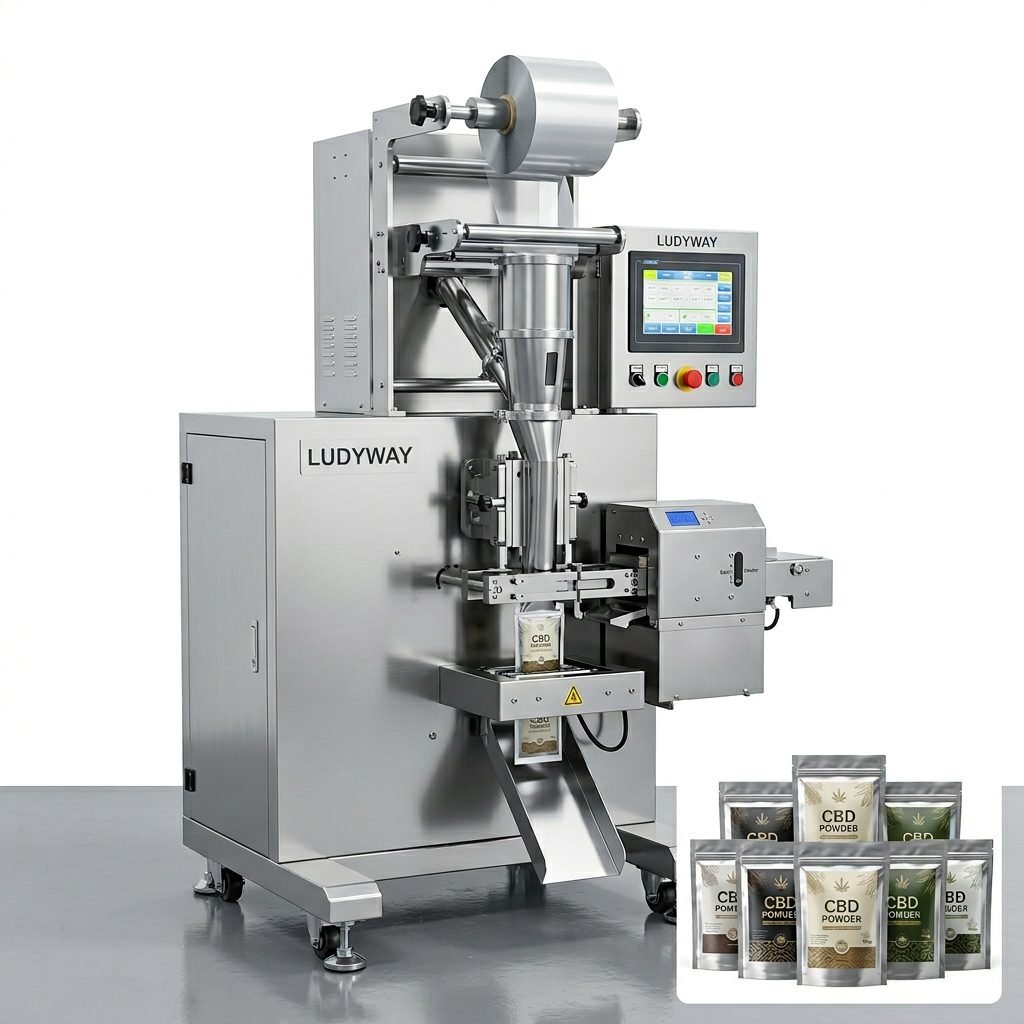
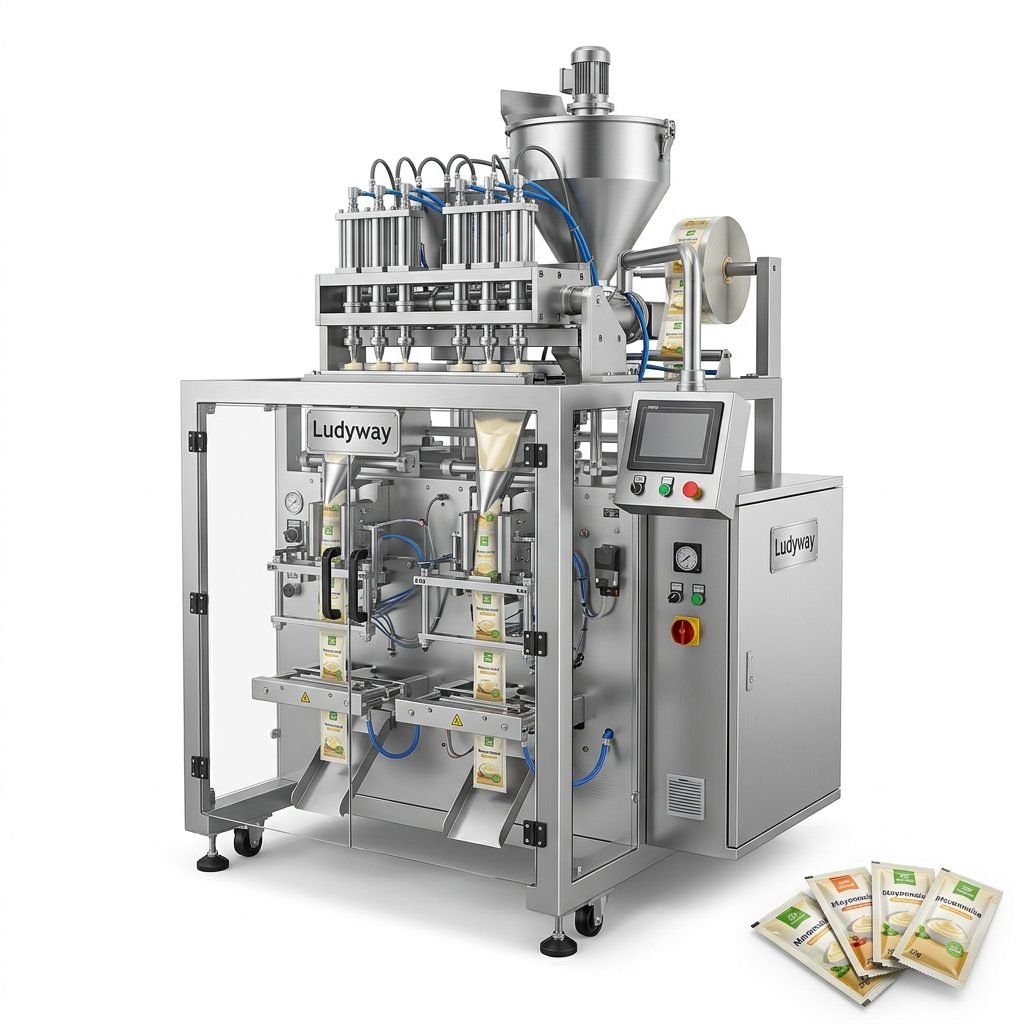
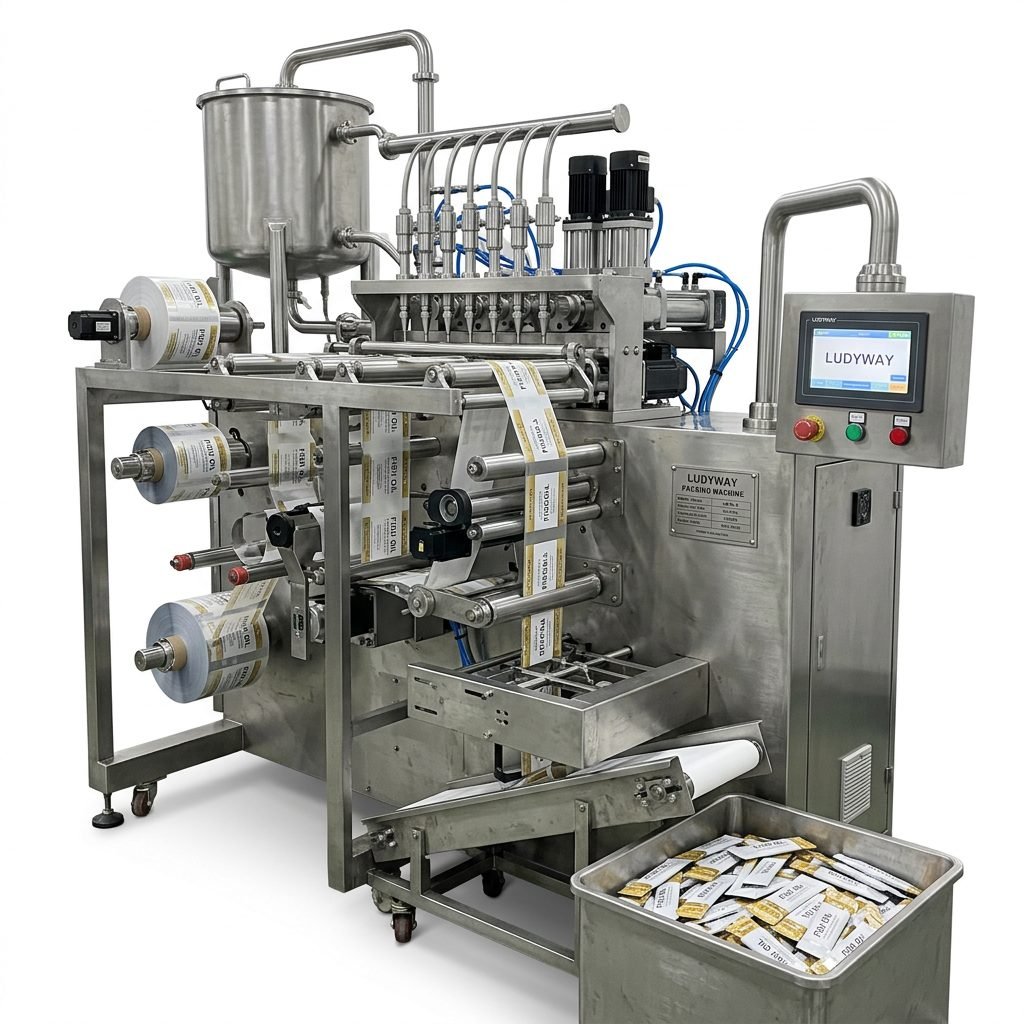
In today’s fast-paced manufacturing environment, the choice of packaging equipment can be the difference between profit and loss. An automatic bag packaging machine is no longer a luxury but a necessity for businesses aiming to scale production, ensure product safety, and control operational costs. This guide will walk you through the critical factors for selecting the right system to achieve faster, safer, and more cost-effective packing.
Understanding Your Core Packaging Needs
Before diving into machine specifications, a thorough analysis of your product and process is essential. This foundational step ensures the system you choose aligns perfectly with your operational goals.
Product Characteristics Are Key
Physical Form: Is your product a fine powder, coarse granule, viscous liquid, or small solid piece? Each form demands different feeding, dosing, and sealing mechanisms. For instance, powders require auger fillers with anti-bridging features, while liquids need precise piston or pump fillers.
Flowability and Hygiene: Products like spices or pharmaceutical powders have poor flowability and high hygiene requirements. Machines for these need specialized hoppers, stainless-steel contact parts, and often integrated CIP (Clean-in-Place) systems.
Defining Output and Bag Specifications
Your required production speed and the final bag format are primary drivers of machine selection and cost.
- Speed (Bags/Minute): Determine your current and projected future output. Single-lane machines may suffice for 60-120 bags/min, while multi-lane systems can achieve 300+ bags/min for high-volume needs.
- Bag Type & Material: Will you produce pillow bags, gusseted bags, stand-up pouches, or stick packs? The machine must be compatible with your chosen film (e.g., laminates, PE, CPP) and capable of the required sealing method (e.g., heat seal, ultrasonic seal).
Key Machine Features for Faster Packing
Speed is a direct contributor to throughput and ROI. Look for these features to maximize your packing line’s velocity.
1. High-Speed Servo-Driven Technology
Modern machines utilize servo motors for controlling all movements—film pull, forming, filling, and sealing. Servo systems offer superior precision at high speeds, reduce mechanical wear, and allow for quick changeovers through programmable settings.
2. Multi-Lane Configuration
For a dramatic boost in output, consider a multi-lane machine. Instead of one packaging lane, these systems run 2, 4, 8, or more lanes simultaneously from a single film reel, effectively multiplying your output without a proportional increase in floor space or operator oversight.
3. Integrated Automation & Robotics
The fastest packaging cell is part of a connected line. Seek systems designed for easy integration with upstream equipment (like mixers or conveyors) and downstream robots for cartoning, case packing, and palletizing. This eliminates manual handling bottlenecks.
Ensuring Safer and More Reliable Operation
Safety encompasses product integrity, operator welfare, and equipment durability. A reliable machine minimizes downtime and protects your brand.
Hygienic Design and Construction
For food, pharmaceutical, or nutraceutical products, machine construction is critical. Opt for models with:
- Stainless-Steel Contact Parts (304 or 316 grade): Resists corrosion and is easy to clean.
- Smooth, Rounded Surfaces: Prevents product trapping and bacterial growth.
- IP-Rated Electrical Panels: Protects against dust and moisture ingress.
Advanced Monitoring and Control Systems
A robust Human-Machine Interface (HMI) with a touchscreen is essential. It should provide real-time monitoring of speed, count, temperature, and diagnostics. Look for features like automatic fault detection, missing bag rejection, and weight feedback control to maintain consistent fill accuracy and immediately flag any issues.
Safety Guards and Interlocks
All moving parts must be guarded with safety interlocks that immediately halt the machine if a guard is opened. This is a non-negotiable feature for protecting operators and is required by most industrial safety standards.
Achieving Cost-Effective Packing
The true cost of a packaging machine isn’t just its purchase price. Total Cost of Ownership (TCO) includes operational efficiency, material savings, and maintenance.
Minimizing Film Waste
Precision servo control allows for tighter registration and shorter end seals, reducing film waste per bag. Some advanced systems even feature film tension control to prevent stretching and ensure optimal material usage, directly lowering your consumable costs.
Energy Efficiency
Servo-driven machines are generally more energy-efficient than traditional clutch/brake or fully pneumatic systems, as motors only draw power when performing work. This can lead to significant savings on electricity bills over the machine’s lifespan.
Ease of Maintenance and Changeover
Quick changeover tools and tool-less adjustments are vital for manufacturers running short batches. Machines designed with modular components and accessible service points reduce downtime for cleaning and format changes, keeping your line productive. A supplier with a strong global support network, like Ludyway Machinery, ensures you have access to spare parts and technical assistance, preventing costly extended stoppages.
Making the Final Decision: Supplier Evaluation
Choosing the right partner is as important as choosing the right machine. A reliable supplier ensures long-term success.
Evaluate potential suppliers on their industry experience, engineering capability, and after-sales support. Request references from clients with similar products. A provider with over 30 years of industry experience and a portfolio of over 50 machine models demonstrates deep expertise and a commitment to the packaging sector. Ensure they offer comprehensive training, clear documentation, and responsive service.
Request a Product Test
Always insist on a live or recorded test run using your actual product and packaging materials. This is the only way to verify speed claims, check seal integrity, assess accuracy, and see the machine in action before committing.
Frequently Asked Questions (FAQs)
1. What is the typical payback period for an automatic bag packaging machine?
The payback period can vary from 12 to 36 months, depending on factors like labor savings, increased output, reduced material waste, and your previous packaging method’s inefficiency. High-volume operations often see a faster return on investment.
2. Can one machine handle different bag sizes and products?
Yes, most modern machines are designed for quick changeover. However, the range of sizes (minimum to maximum bag length/width) is limited by the machine’s mechanical design. Always confirm the machine’s changeover capabilities and the time required to switch formats with the supplier.
3. How important is after-sales service and technical support?
Extremely important. Even the best machines require maintenance and occasional troubleshooting. A supplier with a strong global support network ensures you have access to spare parts, remote diagnostics, and technician support, minimizing costly downtime. Partnering with an experienced provider like Ludyway offers peace of mind in this regard.
4. What are the most common causes of downtime in automatic baggers?
Common issues include film web breaks (often due to misalignment or poor film quality), filling system blockages (from product clumping), and seal quality problems (caused by contaminated seal jaws or incorrect temperature/pressure settings). Proper operator training and preventive maintenance are key to mitigation.
5. Are there “all-in-one” solutions for start-to-finish packaging?
Yes, many suppliers offer turnkey solutions. This can include the bagging machine integrated with upstream equipment (like feeders and checkweighers) and downstream systems (like cartoners and case packers) into a complete, automated line. This provides a single point of responsibility for the entire system’s performance.