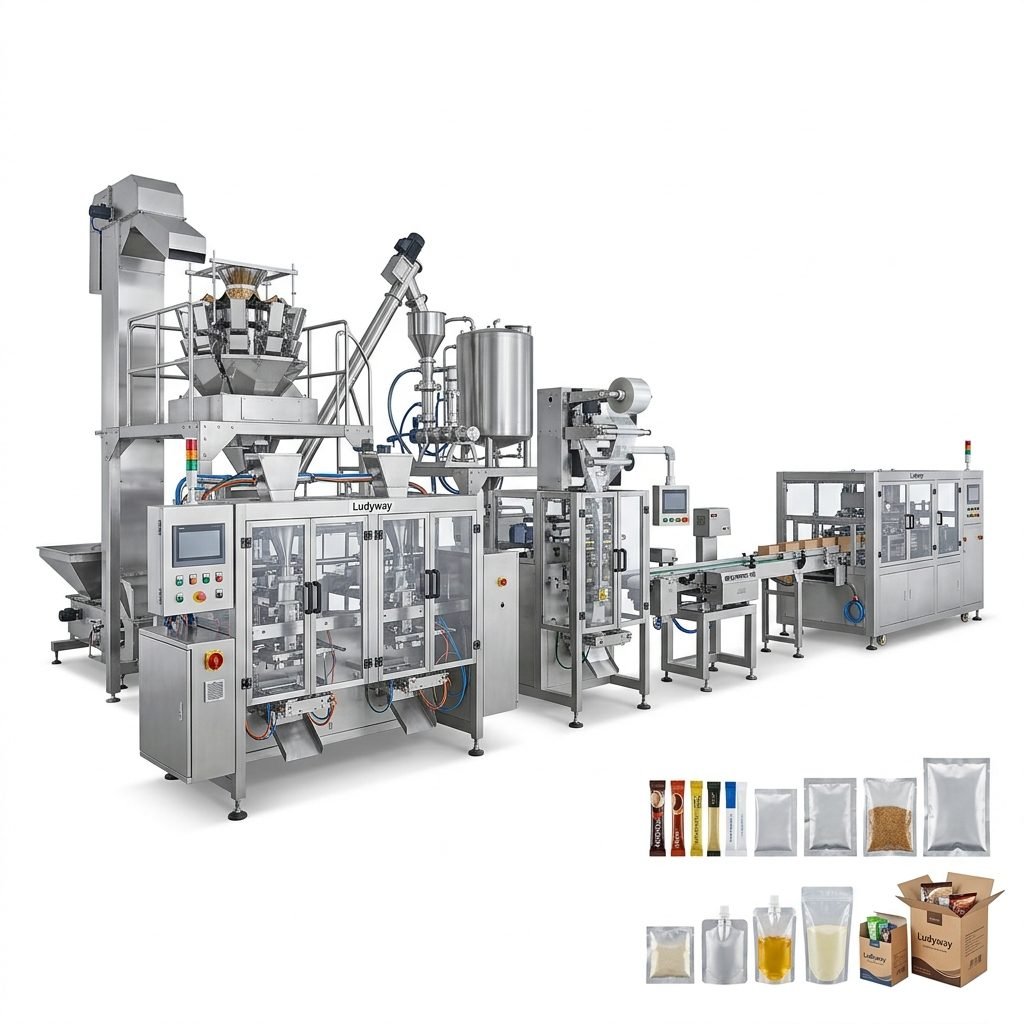
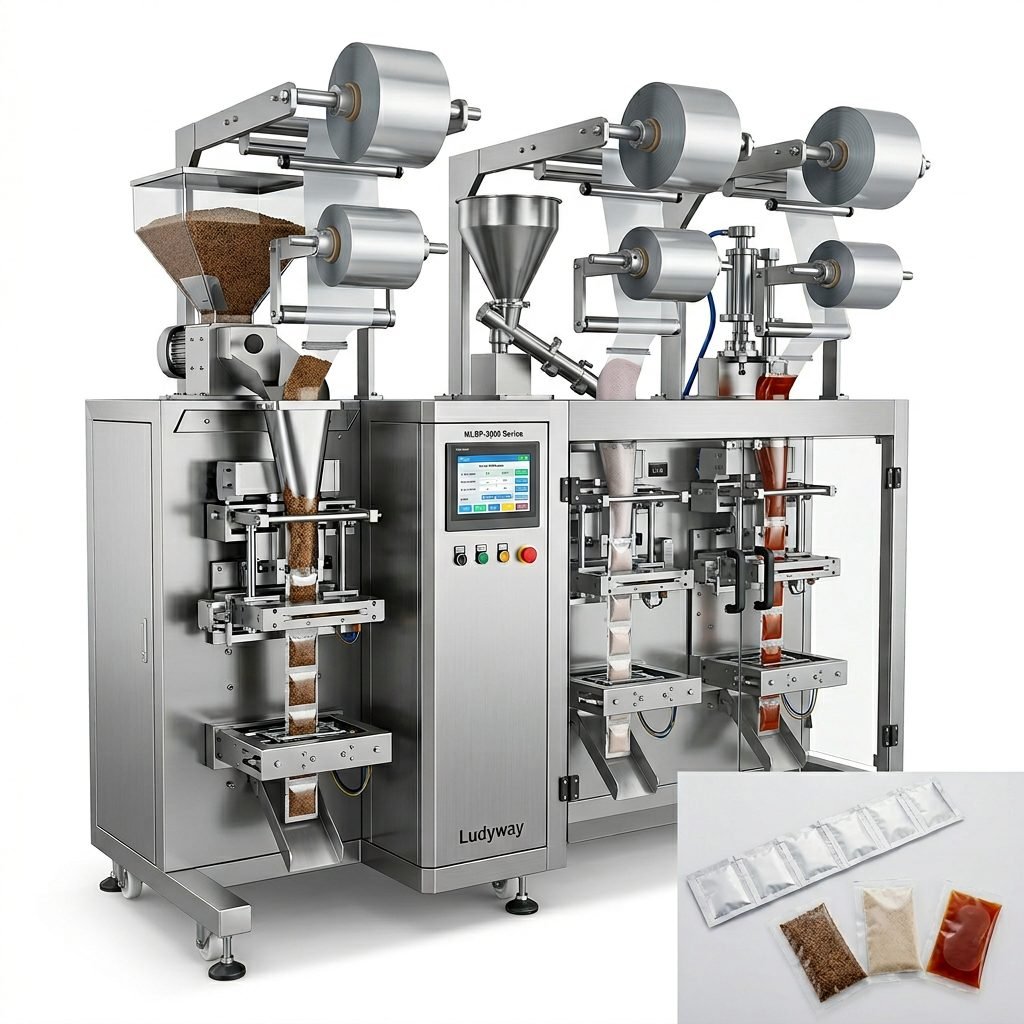
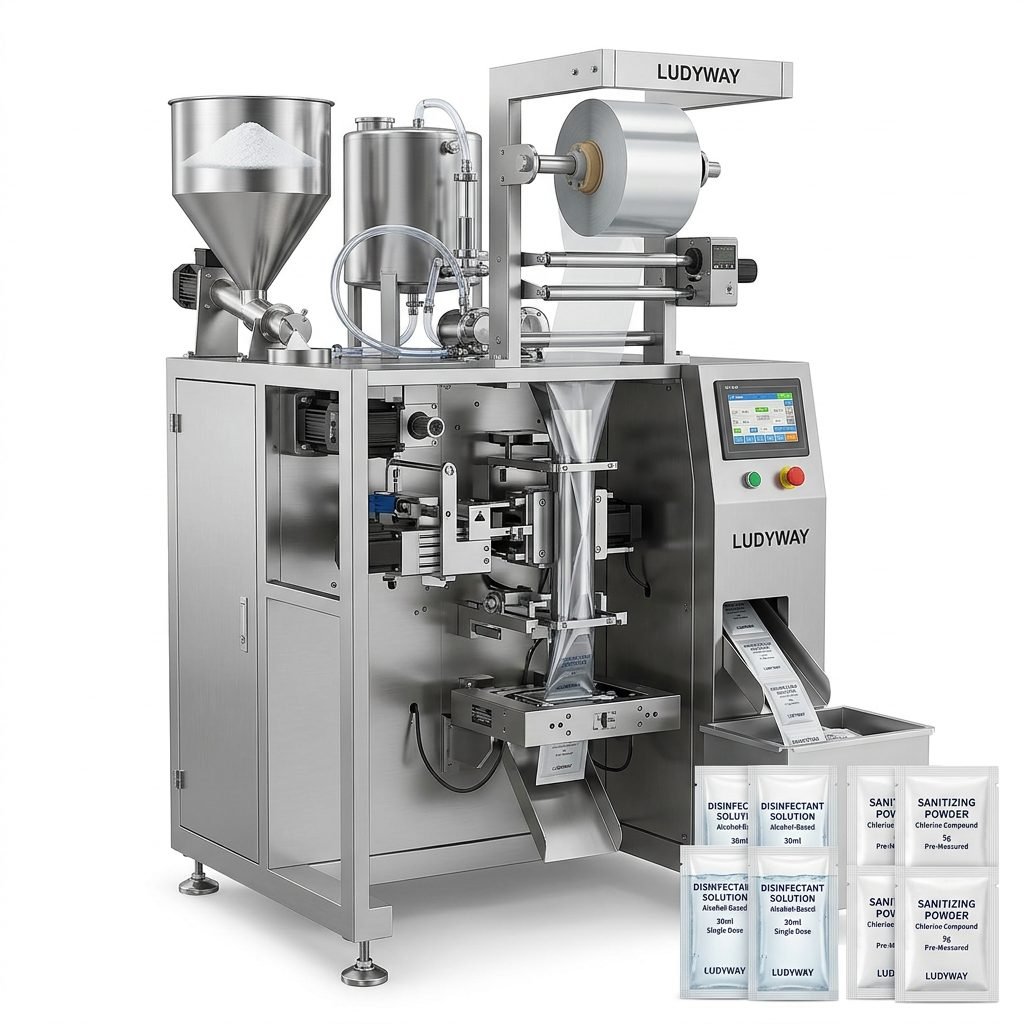
In modern manufacturing, efficiency and precision are paramount. Automatic particle packaging machines have become indispensable in industries that handle granular, powdered, or small solid products. These machines streamline the packaging process, ensuring consistent quality, reducing labor costs, and increasing overall output. This comprehensive guide delves into the various types of automatic particle packaging machines, their working principles, key applications across industries, and essential factors to consider before making a purchase.
Understanding Automatic Particle Packaging Machines
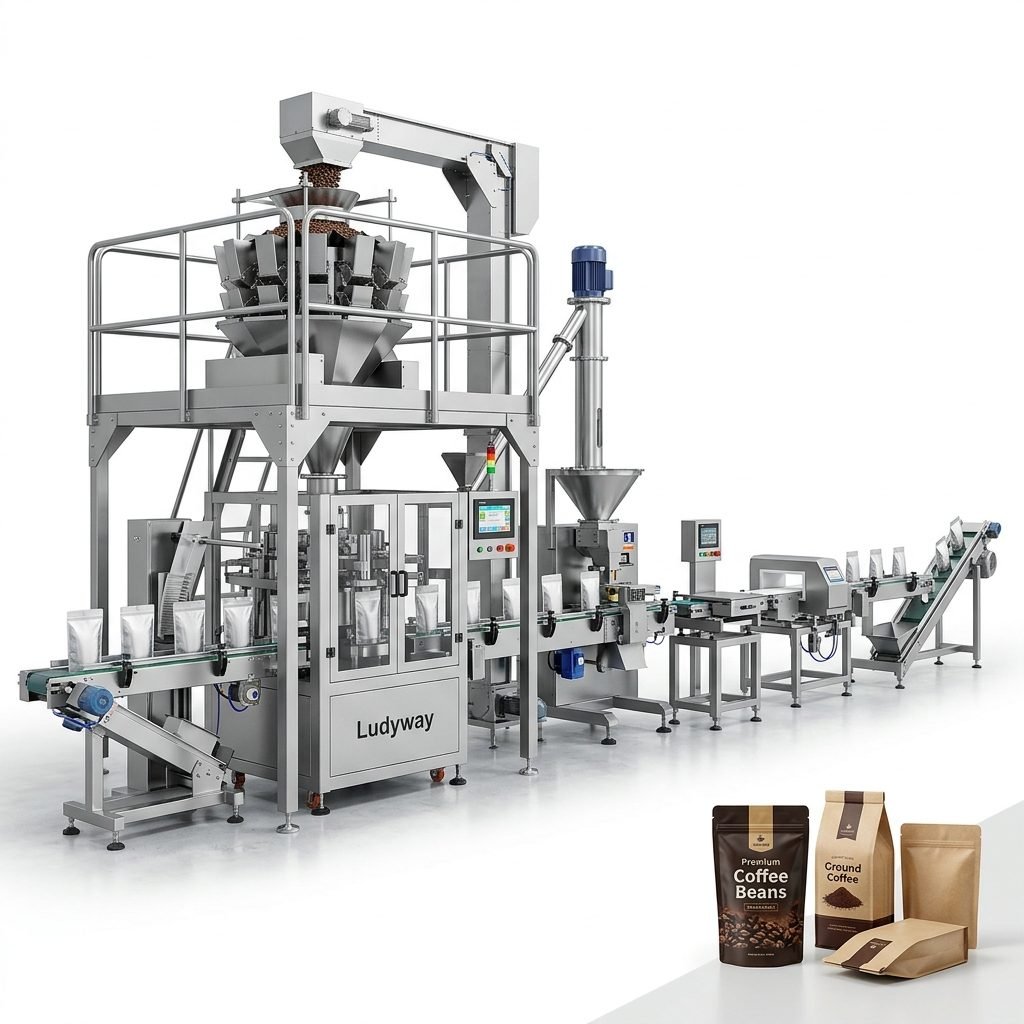
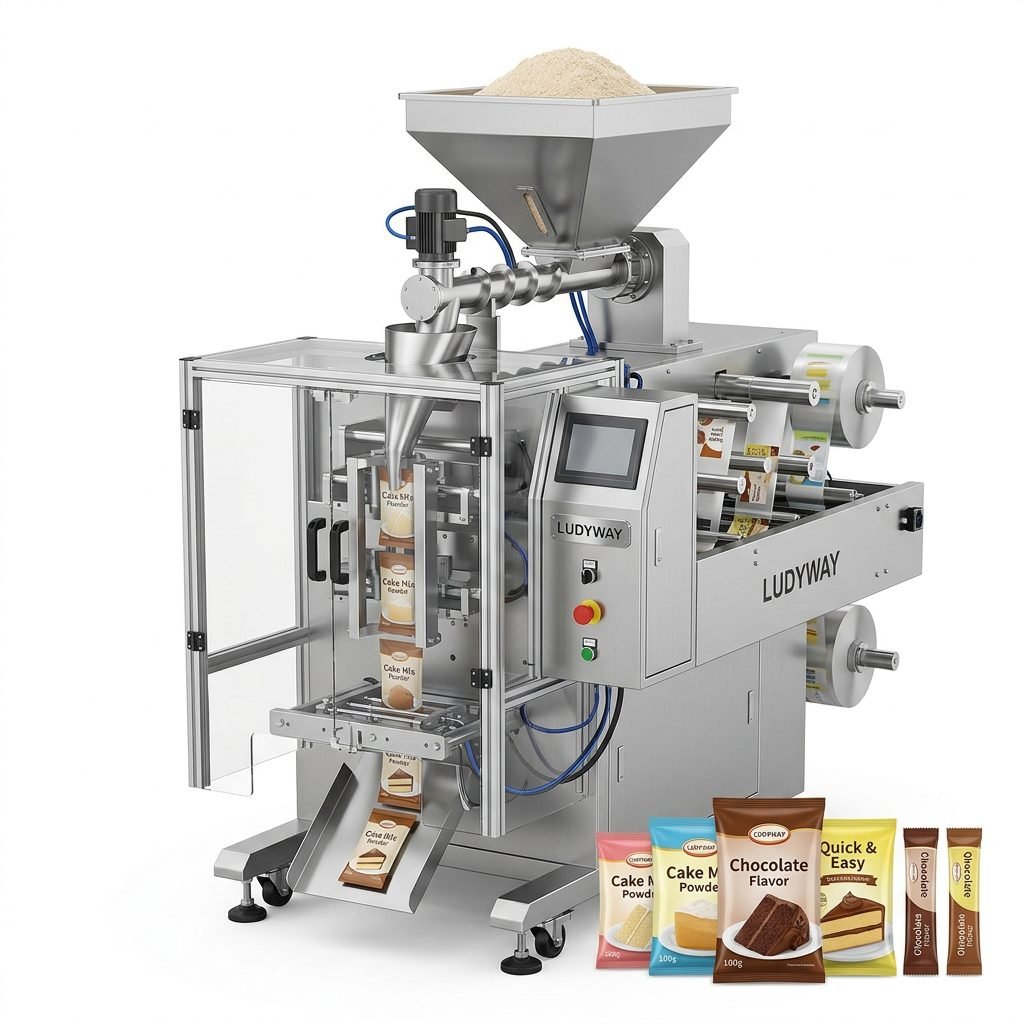
An automatic particle packaging machine is a sophisticated piece of equipment designed to measure, fill, and seal pre-formed bags or pouches with granular or powdered materials. The process is fully automated, from product feeding to the final sealing and discharge of the finished pack. These machines are highly versatile and can handle a wide range of products, including coffee beans, seeds, nuts, spices, pharmaceutical granules, detergent powder, and instant drink mixes.
The core advantage of automation lies in its speed, accuracy, and hygiene. Manual packaging is prone to inconsistencies and contamination, whereas automated systems provide precise weight control and operate in a controlled environment, which is especially critical for food and pharmaceutical products.
Primary Types of Automatic Particle Packaging Machines
The market offers several types of machines, each suited for specific packaging formats and production scales. Choosing the right type is the first step toward optimizing your packaging line.
Vertical Form-Fill-Seal (VFFS) Machines
These are the most common type for granular products. A VFFS machine uses a roll of flat packaging film to form a tube, which is then filled with the product and sealed vertically and horizontally to create individual pouches. They are highly efficient for medium to high-speed production and allow for quick changeovers between different pouch sizes.
Horizontal Form-Fill-Seal (HFFS) Machines
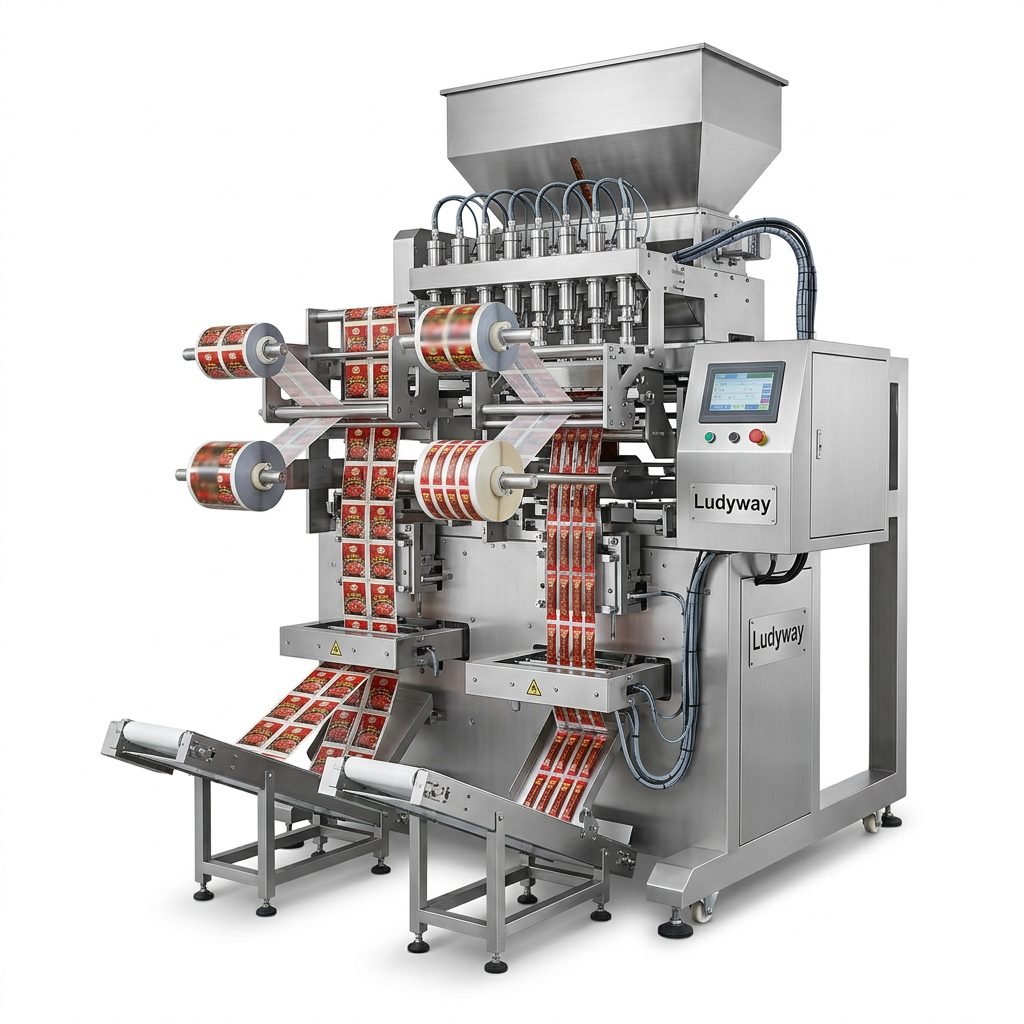
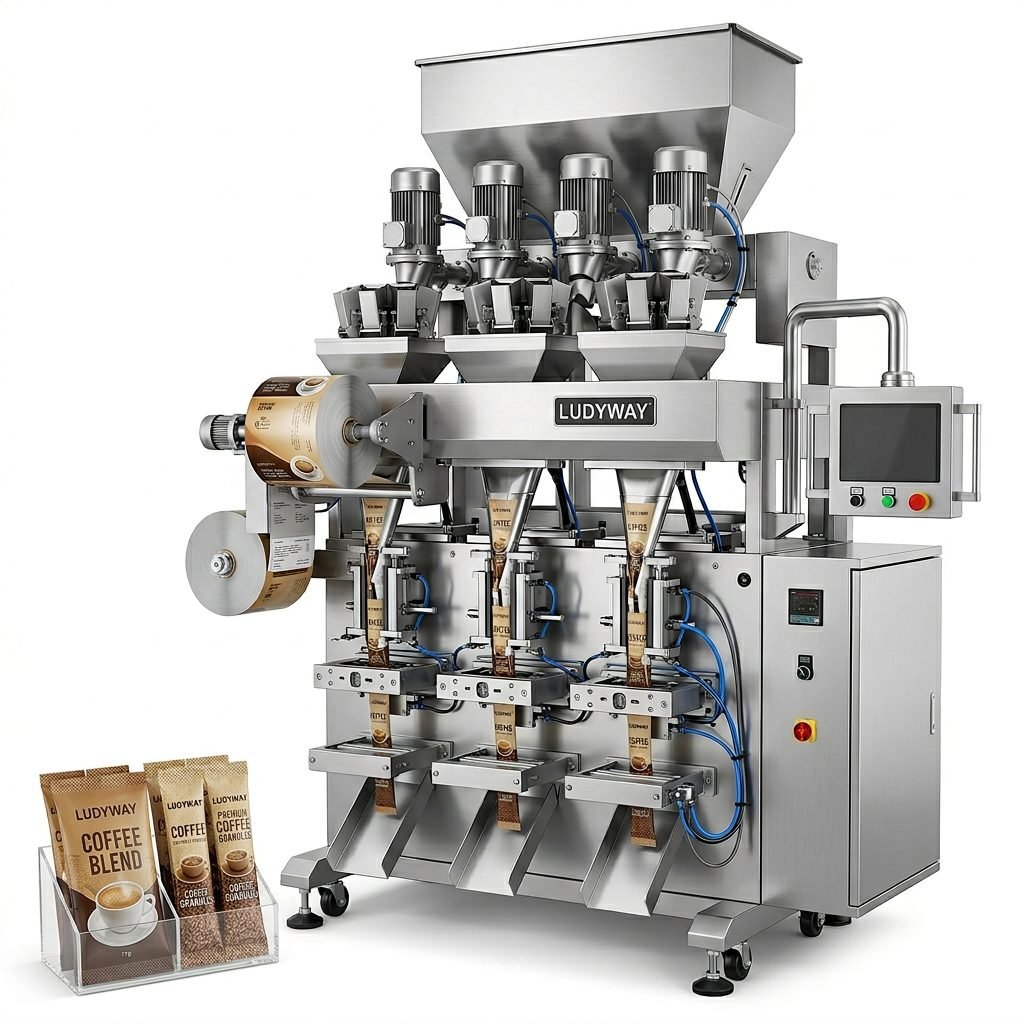
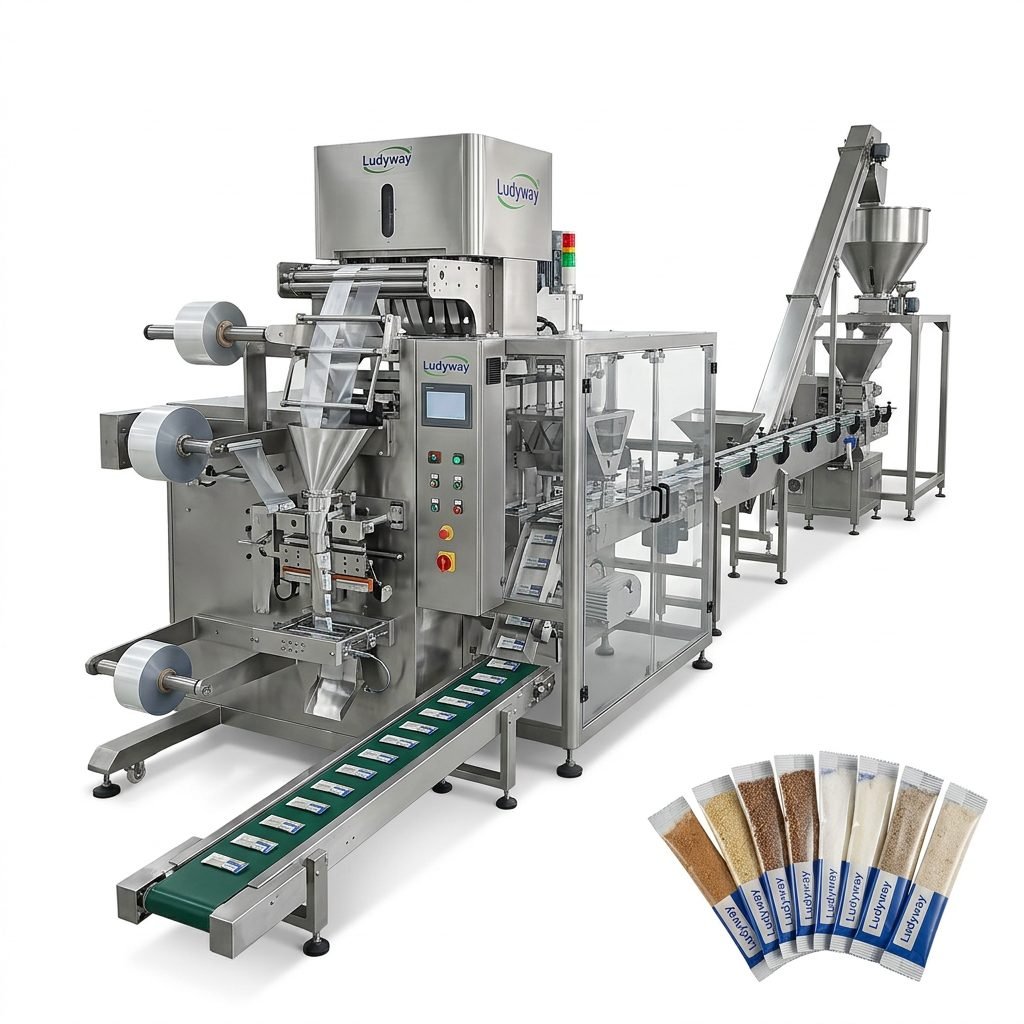
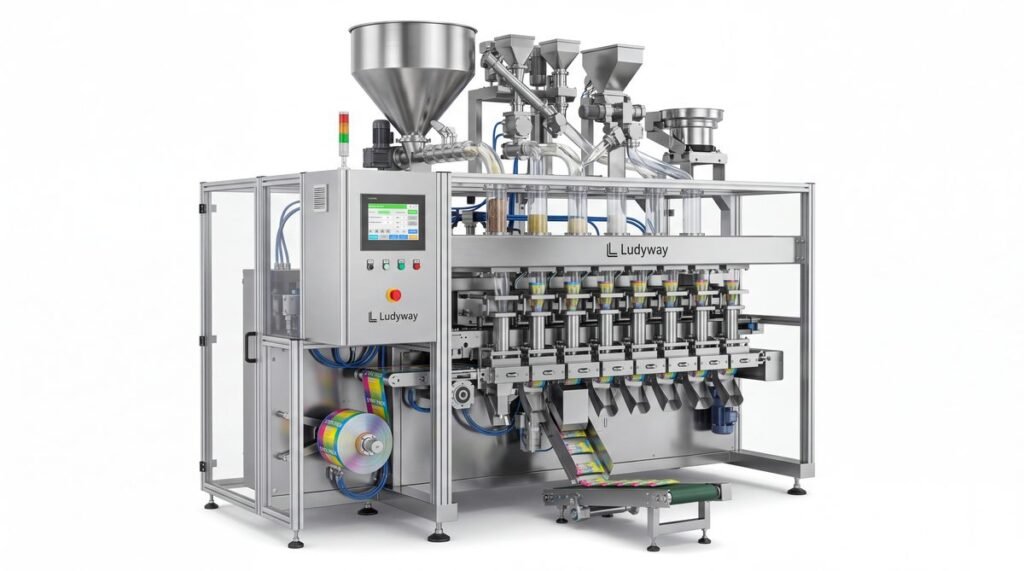
Ideal for more rigid structures or when products need to be laid in a specific orientation. HFFS machines form pouches horizontally, often from a single or multiple webs of film. They are excellent for creating stick packs or sachets for single-serve portions of products like sugar, instant coffee, or supplements.
Pre-Made Pouch Fillers
This system uses ready-made pouches that are automatically fed, opened, filled, and then sealed. It is perfect for brands with distinctive, pre-printed pouch designs who want to maintain brand consistency without the complexity of forming the pouch on the machine.
Multi-Lane and Multi-Head Weighers
For ultra-high precision, especially in food and pharmaceutical applications, multi-head weighers are integrated with packaging machines. They use a combination of weigh buckets to achieve the exact target weight by combining doses from different heads, minimizing giveaway and ensuring compliance with strict regulatory standards.
How Does an Automatic Particle Packager Work?
The working principle follows a seamless, cyclic process. Understanding this flow is key to appreciating the machine’s efficiency.
- Product Feeding: Granules are fed from a bulk hopper into the machine’s feeding system, often using a screw conveyor or vibratory feeder for controlled transfer.
- Dosing & Weighing: This is the most critical stage. The product is measured by volume (using a cup) or weight (using a scale). Modern machines predominantly use computer-controlled load cells for high precision.
- Pouch Formation (for VFFS/HFFS): The packaging film is drawn from the roll, formed into a shape, and the back seal is created.
- Filling: The measured dose of product is discharged through a funnel into the waiting pouch.
- Sealing: The top of the pouch is sealed, and for VFFS machines, a horizontal seal also separates the finished pouch from the next one being formed.
- Discharge & Coding: The finished pouch is discharged onto a conveyor or collection tray. An integrated date/batch coder often prints necessary information on the pouch.
Key Industries and Applications
The versatility of these machines makes them vital across numerous sectors. Their ability to maintain product integrity and ensure sanitary conditions is a universal benefit.
Primary Application Sectors
- Food & Beverage: Packaging coffee, tea, sugar, spices, nuts, seeds, powdered milk, drink mixes, and pet food. Hygiene and freshness preservation are top priorities.
- Pharmaceutical & Nutraceuticals: Packaging granules, powders for sachets, effervescent tablets, and herbal supplements. Compliance with GMP standards and dust-free operation are mandatory.
- Chemical & Agricultural: Packaging fertilizers, seeds, pesticides, and detergent powders. Machines often require special corrosion-resistant materials and dust containment systems.
- Cosmetics & Personal Care: Filling bath salts, exfoliating granules, and powdered formulations into stylish sachets or pouches.
Critical Buying Considerations
Investing in an automatic packaging machine is a significant decision. Here are the key factors to evaluate to ensure you select the right equipment for your long-term needs.
1. Product Characteristics
Analyze your product’s flowability, abrasiveness, hygroscopicity (moisture absorption), and particle size. Sticky or oily granules may require special hopper coatings and auger designs, while abrasive materials need wear-resistant components.
2. Required Speed and Output
Calculate your required production speed in pouches per minute (PPM). Match this with the machine’s rated capacity, but always consider future growth. A machine operating at 80% of its max capacity is more sustainable than one constantly at 100%.
3. Packaging Material and Format
Determine the type of film you will use (e.g., laminated PET/PE, aluminum foil) and the desired pouch style (e.g., pillow bag, gusseted, stand-up, stick pack). The machine must be compatible with your material’s thickness and sealing properties.
4. Accuracy and Weighing Technology
For cost-saving and regulatory compliance, weighing accuracy is non-negotiable. Discuss the acceptable weight tolerance with your supplier. Machines with servo motors and high-resolution load cells typically offer the best precision.
5. Automation Level and Integration
Consider how the machine will fit into your existing line. Does it need to integrate with upstream equipment like mixers or downstream systems like cartoners? Look for machines with PLC controls, HMI touchscreens, and communication protocols (like Ethernet/IP) for easy integration and data collection.
6. Supplier Reputation and Support
This is perhaps the most crucial factor. Choose a supplier with a proven track record, like Ludyway Machinery, which brings over 30 years of industry experience. Evaluate their after-sales service, availability of spare parts, technical training, and warranty terms. A reliable partner ensures minimal downtime and long-term machine productivity.
FAQs: Automatic Particle Packaging Machines
What is the typical accuracy range for a particle packaging machine?
High-quality automatic machines can achieve weighing accuracies within ±0.5% to ±1% of the target weight, depending on the product characteristics and dosing technology used. For very fine powders or expensive products, specialized weighers can achieve even tighter tolerances.
Can one machine handle both granules and fine powders?
Some machines are designed with versatility in mind and can handle both with changeover of parts like the feeding auger and funnel. However, for optimal performance, especially when switching frequently, it’s best to consult with the machine manufacturer. They can recommend specific configurations or optional accessories to manage different product types effectively.
How important is the choice of packaging film?
Extremely important. The film must have the necessary barrier properties (against moisture, oxygen, light) to protect the product. Its thickness and sealing layer must also be compatible with the machine’s sealing jaws (temperature and pressure) to ensure strong, consistent seals and prevent leaks.
What are the main maintenance requirements?
Regular daily cleaning to prevent product buildup, periodic lubrication of moving parts as per the manual, and inspection of wear items like sealing jaws, augers, and cutting blades are essential. Proper maintenance, often supported by your supplier’s service team, is key to maximizing machine lifespan and preventing unplanned stoppages.
What training is required for operators?
Reputable suppliers provide comprehensive training covering machine operation, basic troubleshooting, routine maintenance, and safety procedures. This training is vital for ensuring efficient operation, quick resolution of minor issues, and a safe working environment for your staff.