Choosing the right food product packaging machine is a critical decision for any manufacturer. The right system not only protects your product and ensures its shelf life but also enhances brand appeal, optimizes production efficiency, and can be a significant factor in meeting regulatory compliance. With a vast array of technologies available, from simple manual fillers to fully integrated, computer-controlled production lines, navigating the options can be daunting.
This comprehensive guide is designed to demystify the world of food packaging machinery. We will explore the main types of packaging systems, delve into their key features and technological advancements, and provide a structured framework to help you select the perfect machine for your specific product, budget, and production goals. Whether you are packaging coffee, spices, sauces, snacks, or nutritional supplements, understanding your machinery options is the first step toward a more efficient and profitable operation.
Primary Types of Food Product Packaging Machines
The packaging process typically involves several stages: forming the package, filling it with product, and then sealing it. Machines are often categorized by the type of package they create or the specific function they perform.
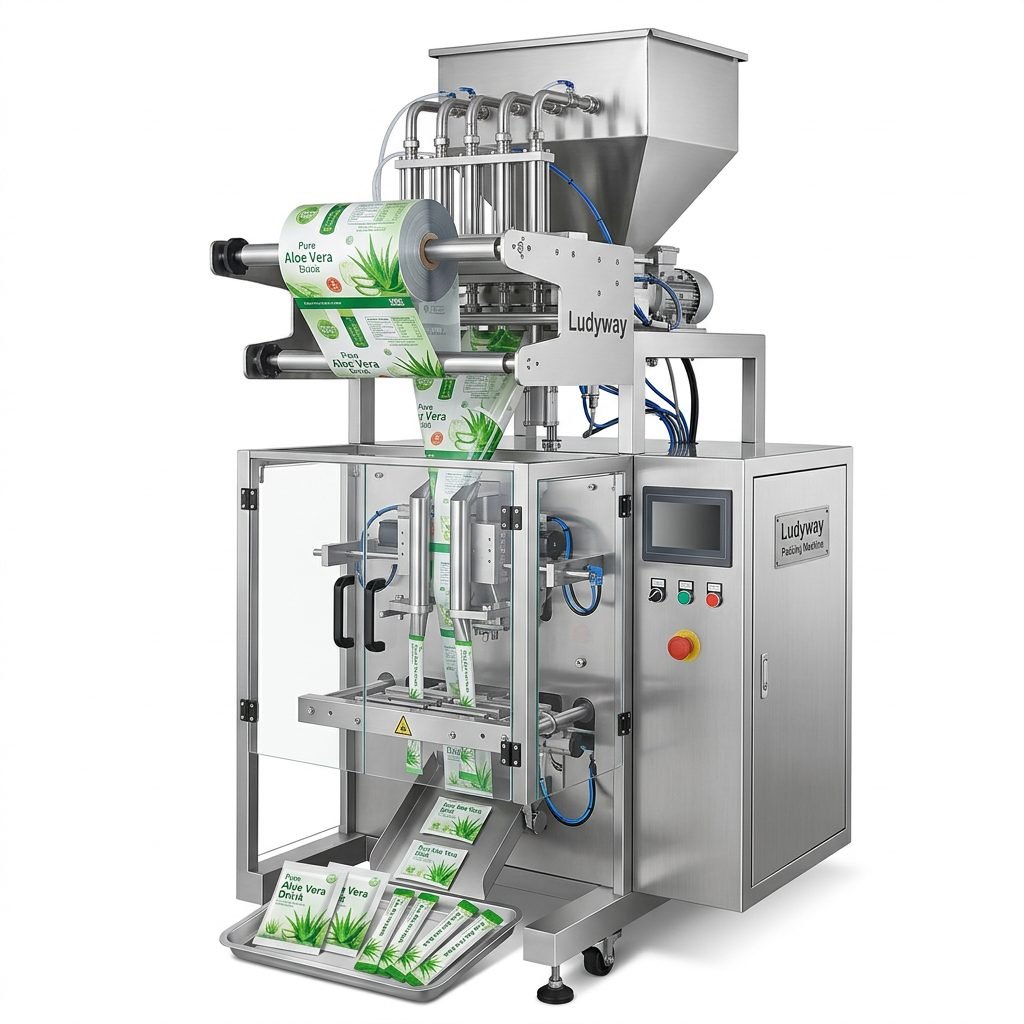
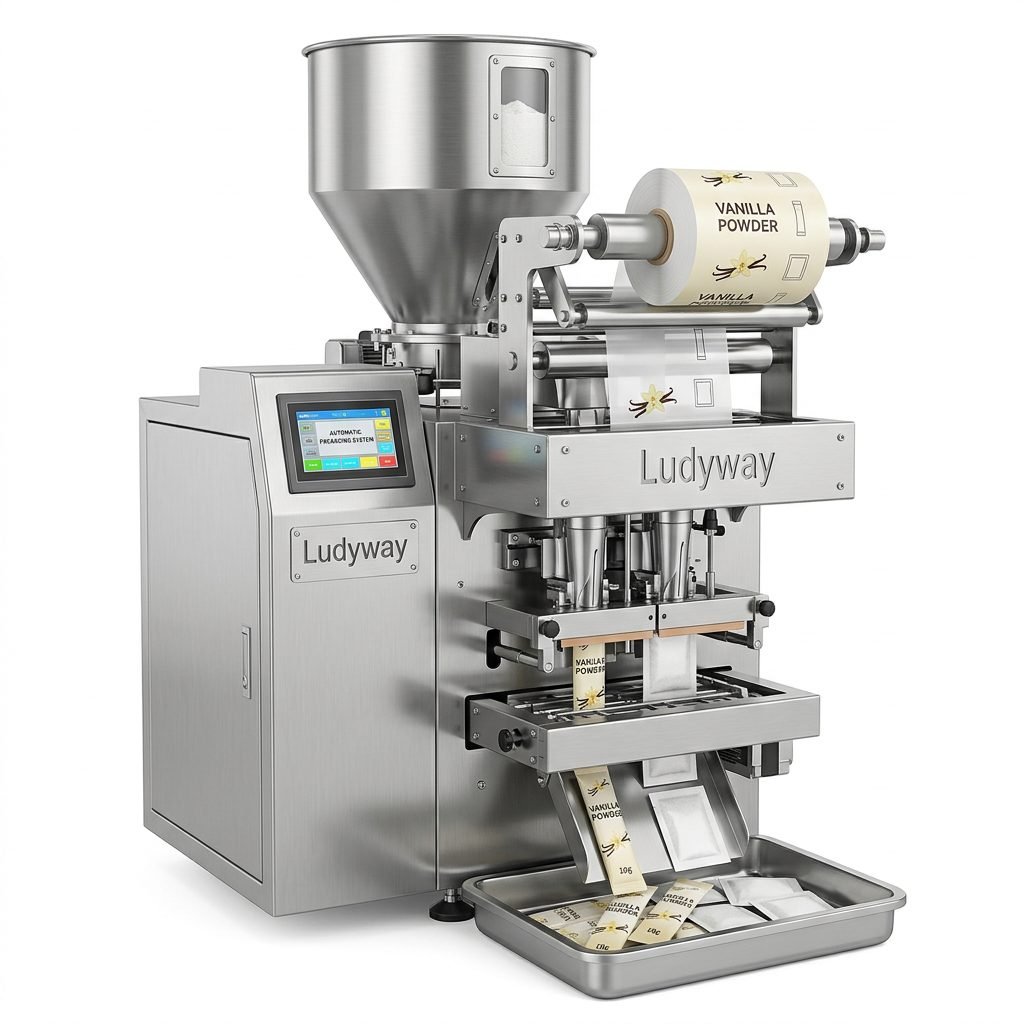
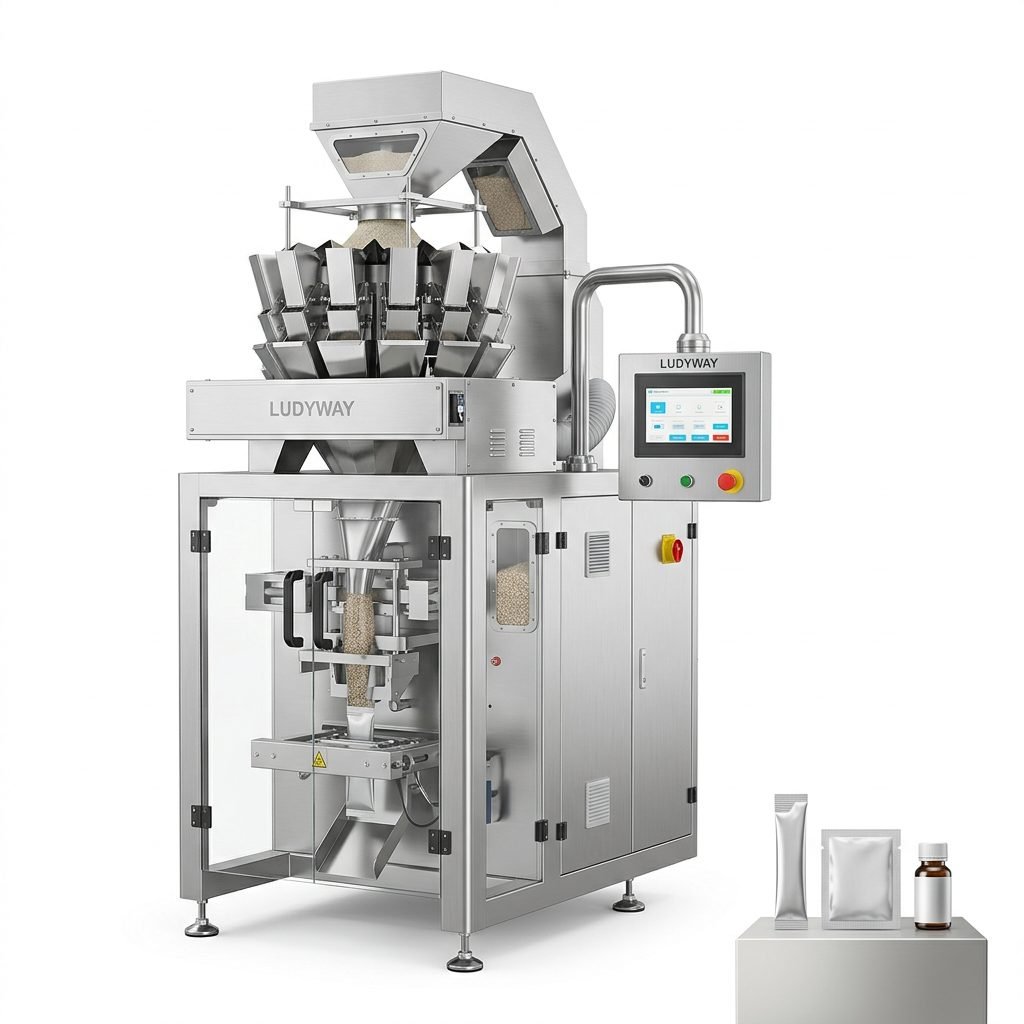
Vertical Form-Fill-Seal (VFFS) Machines
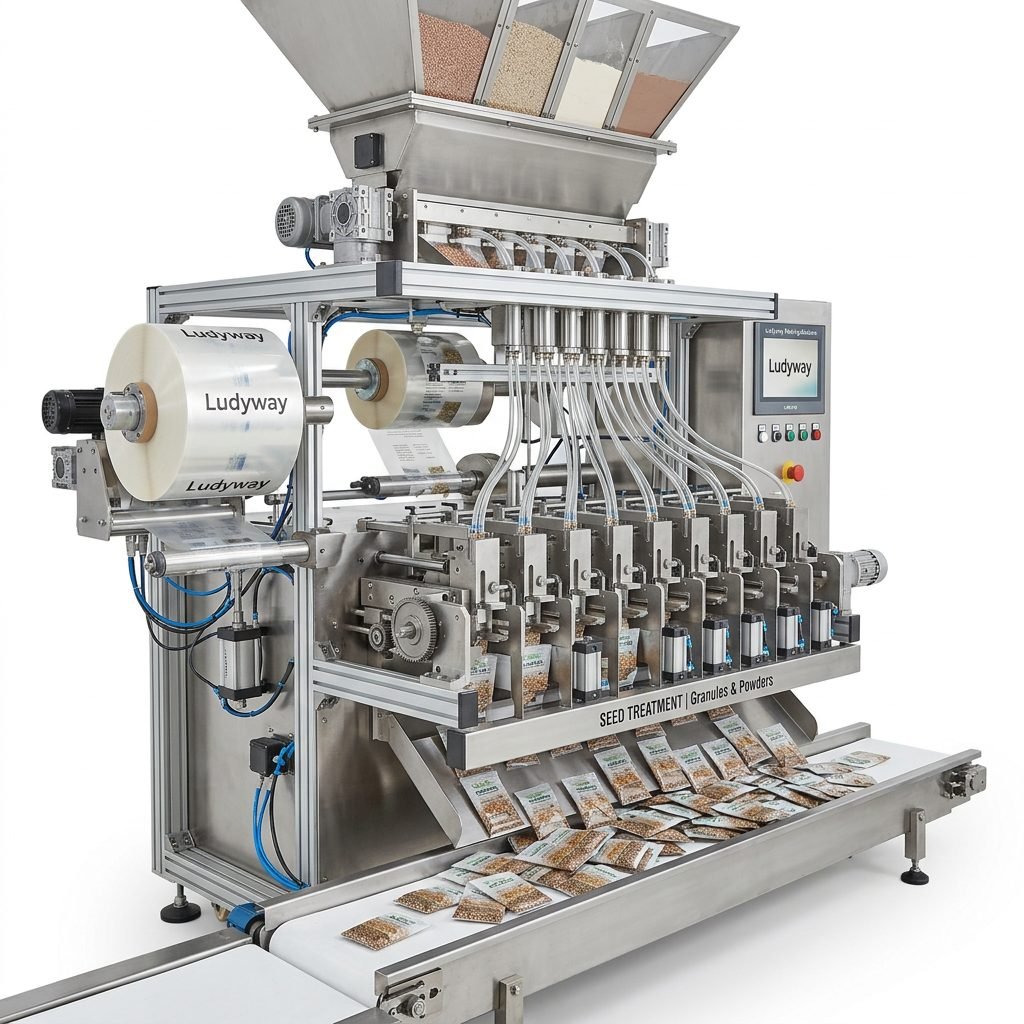
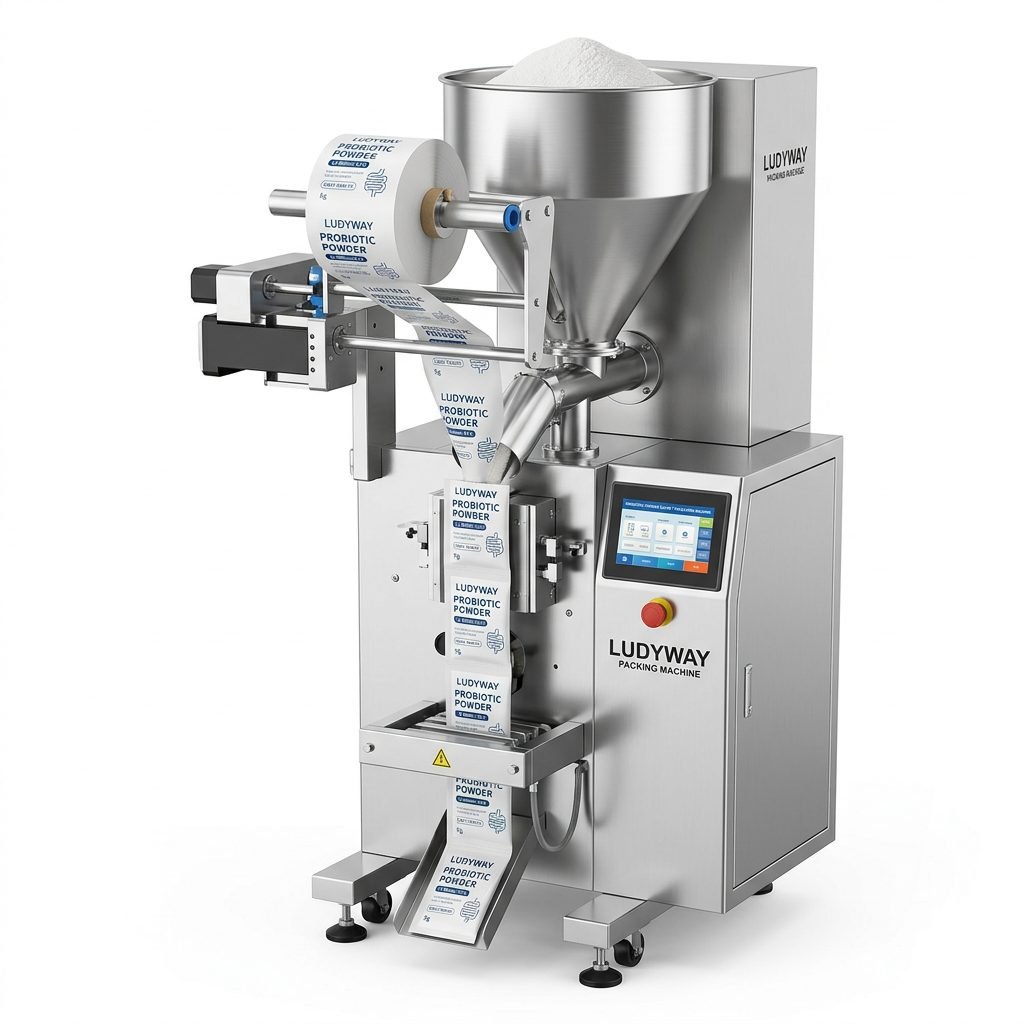
These are among the most common and versatile packaging systems. They use a roll of flat packaging film (like laminated polypropylene or polyethylene) to form a bag vertically. The product is weighed and dropped into the forming tube, and the machine then seals the bag and cuts it from the roll. VFFS machines are ideal for granules, powders, snacks, and liquids that can be free-flowed or pumped.
- Best For: Rice, pasta, coffee beans, pet food, candy, powdered milk, grated cheese.
- Key Advantage: High speed, efficient material use, and ability to create bags of various sizes from a single film roll.
Horizontal Form-Fill-Seal (HFFS) Machines
In HFFS systems, the film is fed horizontally. The product is placed on the lower web of film, and a top web is then sealed over it. This method is perfect for products that are not free-flowing or are delicate and need to be placed in a specific orientation.
- Best For: Cookies, biscuits, bars, sliced meats, cheese portions, medical devices.
- Key Advantage: Excellent product presentation, gentle handling, and ideal for creating pillow packs or flow-wrapped items.
Premade Pouch & Sachet Packaging Machines
These systems use pre-manufactured, finished pouches or sachets. The machine opens the pouch, fills it with the product (liquid, powder, or solid), and then seals it. This is a popular choice for liquids, sauces, and single-serve portions like ketchup, shampoo, or instant coffee.
- Best For: Sauces, condiments, dairy products, liquid supplements, cosmetic samples.
- Key Advantage: Allows for complex, high-quality pouch designs (stand-up, spouted, zippered) that are pre-printed for superior branding.
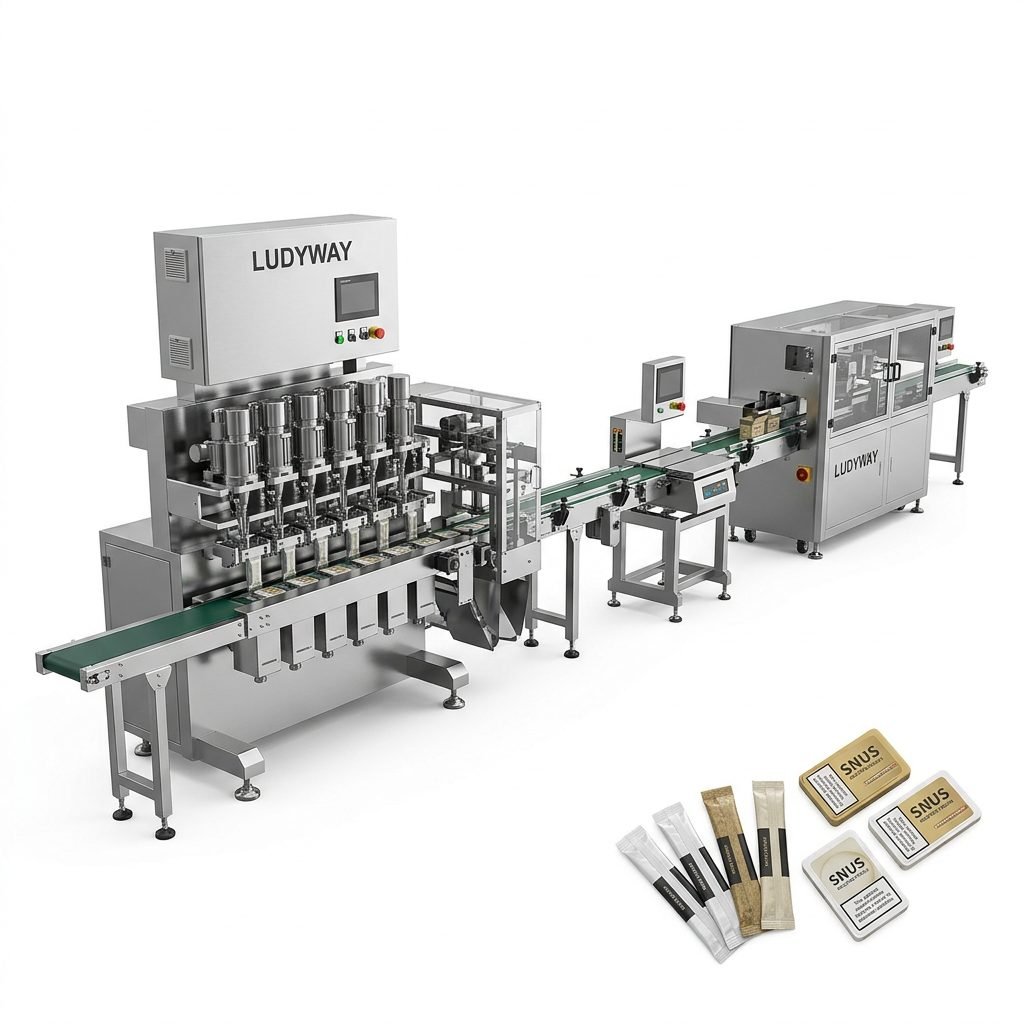
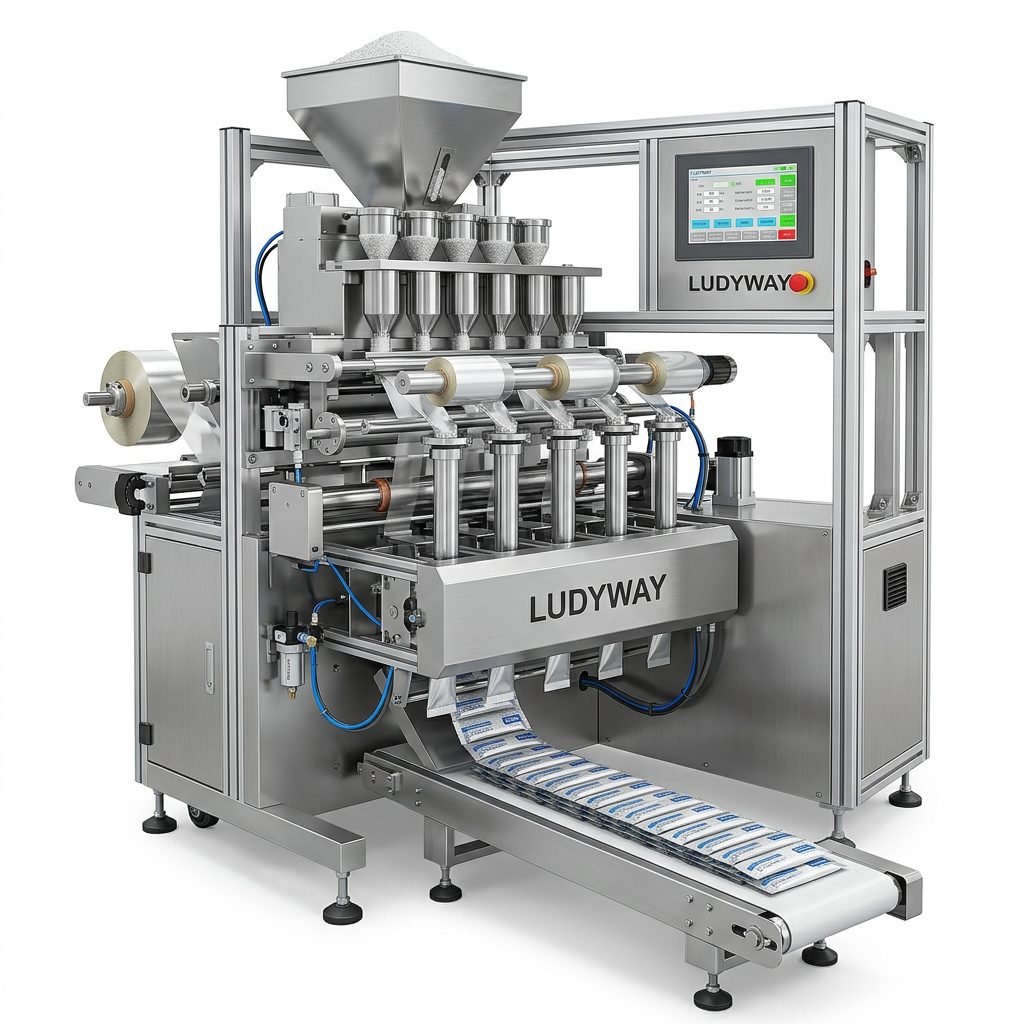
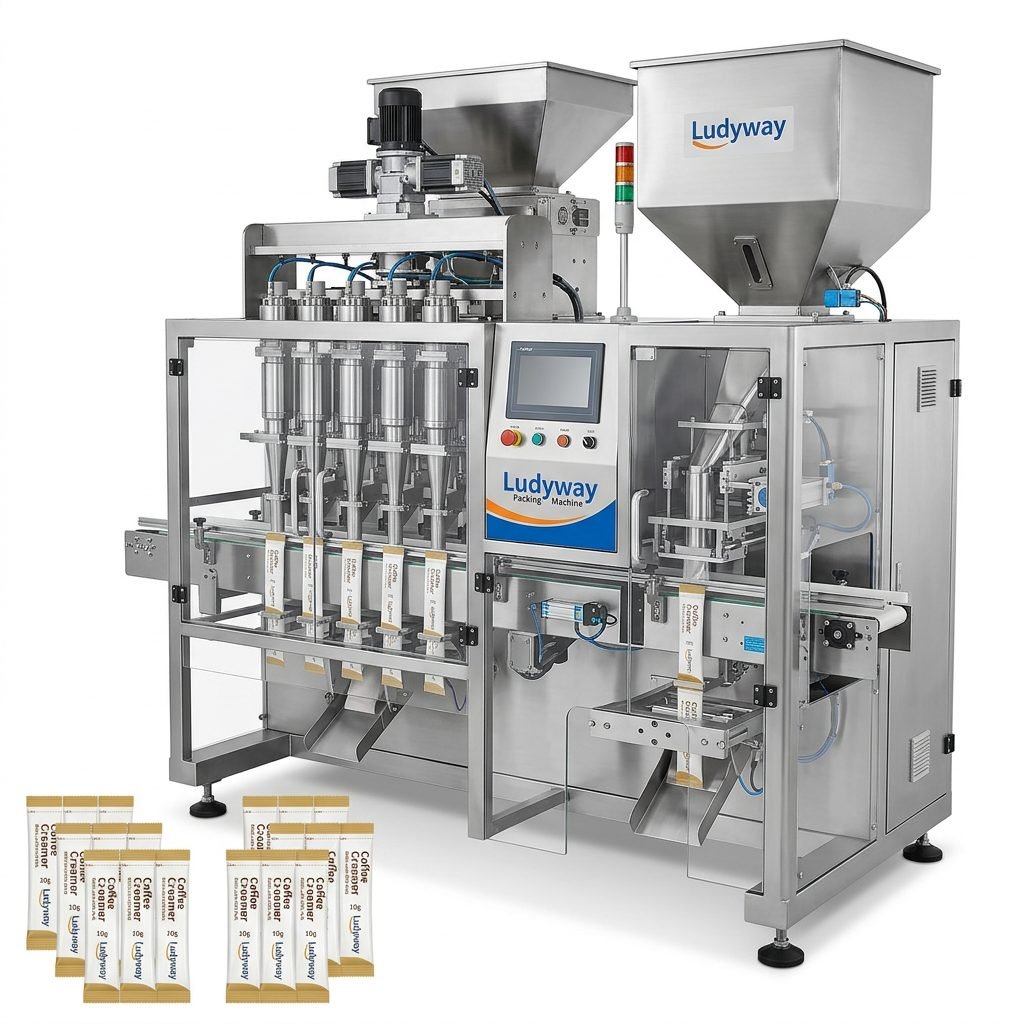
Stick Pack Packaging Machines
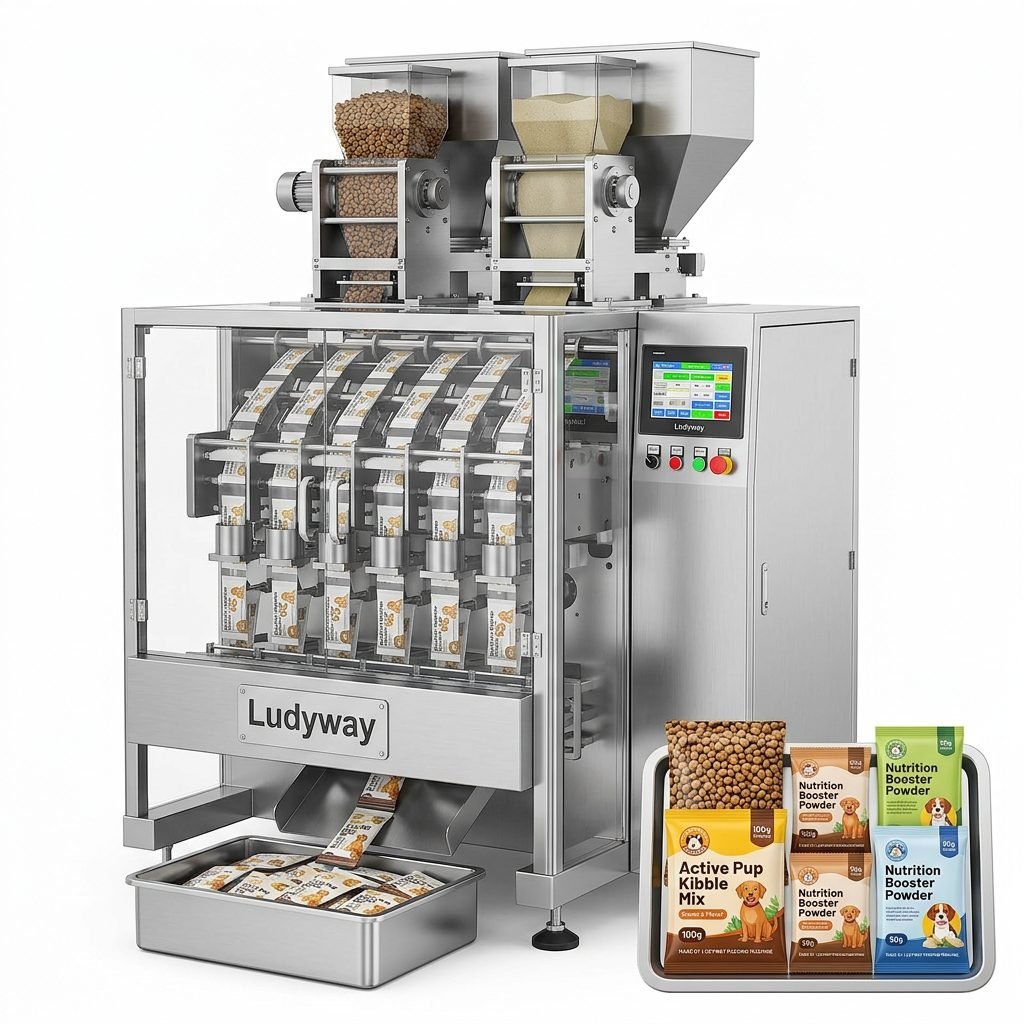
A specialized and growing segment, stick pack machines produce long, slender, single-serve packages. They are a subtype of VFFS technology but are optimized for creating these distinctive packs at very high speeds, often with multiple lanes running simultaneously.
- Best For: Instant drink mixes, protein powders, sugar, sweeteners, pharmaceutical powders, soluble coffee.
- Key Advantage: Extremely compact and portable format, ideal for on-the-go consumption, with low packaging material cost per unit.
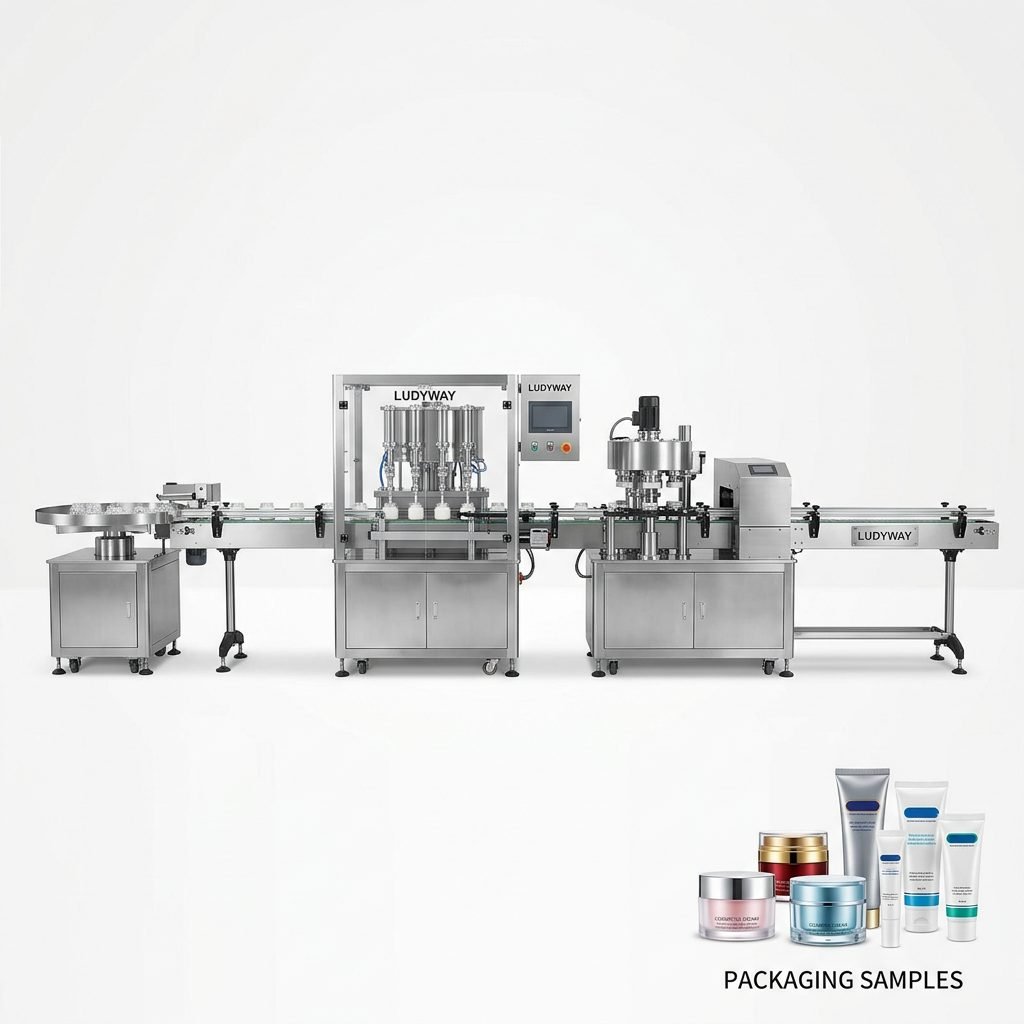
Bottle & Jar Filling and Capping Lines
This involves a series of machines for rigid containers. A typical line includes a bottle unscrambler, a filler (like a piston filler for viscous products or a gravity filler for thin liquids), a capper or sealer, and a labeler.
- Best For: Juices, oils, sauces, honey, jams, spices, supplements in pill form.
- Key Advantage: Professional, shelf-ready presentation suitable for a wide range of retail environments.
Essential Features and Technological Considerations
Beyond the basic type, modern packaging machines come with a host of features that impact performance, flexibility, and ease of use.
Weighing and Dosing Systems
The heart of any filler. Accuracy is paramount to avoid give-away (costing you money) or underfilling (regulatory and customer satisfaction issues).
- Volumetric Cup Fillers: Simple and cost-effective for uniform granules.
- Auger Fillers: Excellent for powders and fine granules, offering good accuracy with screw-based dispensing.
- Net Weigh Scales (Multi-Head Weighers): The gold standard for accuracy, especially for irregular items like snacks or frozen vegetables. They use multiple weigh buckets and computers to achieve a perfect combined weight.
- Piston Fillers: Ideal for viscous liquids, pastes, and products with particulates (like soups or sauces with chunks).
Automation and Control Level
⚙️ Manual/Semi-Automatic: Require an operator to place bags, initiate cycles, or handle product. Lower initial cost, suitable for low-volume or start-up operations.
⚙️ Fully Automatic: Integrated systems that run with minimal human intervention. They include automatic film loading, bag conveying, checkweighers, and date coders. Essential for medium to high-volume production.
Hygienic Design and Construction
For food applications, this is non-negotiable. Look for machines with:
- Stainless steel (grade 304 or 316) contact surfaces.
- Smooth, crevice-free designs that are easy to clean and sanitize.
- IP-rated electrical components for washdown environments (e.g., IP65, IP66).
Software and Connectivity (Industry 4.0)
Modern machines often feature touchscreen HMIs (Human-Machine Interfaces) and PLC (Programmable Logic Controller) controls. Advanced models offer data tracking, recipe storage, remote monitoring, and integration with factory MES/ERP systems for predictive maintenance and production analytics.
How to Choose the Right Packaging System: A Step-by-Step Guide
1. Define Your Product and Packaging Specifications
Start with the basics. What are you packaging? Is it a powder, granule, liquid, or solid? What is its density, flowability, and abrasiveness? Determine your desired package type (bag, pouch, stick pack, bottle), size range, and the required packaging material (film type, thickness, barrier properties).
2. Analyze Your Production Requirements
Be realistic about your needs. Calculate your required output in bags/packs per minute or hour. Consider your current volume and projected growth for the next 3-5 years. Also, factor in available factory space, utilities (power, compressed air), and the skill level of your operators.
3. Evaluate Machine Capabilities and Flexibility
Will you always package the same product in the same size? If you plan to diversify, look for a machine with quick changeover features. How easy is it to adjust bag length, width, and sealing parameters? A flexible machine protects your investment against future product line changes.
4. Prioritize Accuracy, Reliability, and Support
✔️ Accuracy: Insist on a demonstration with your actual product to verify fill weight consistency.
✔️ Reliability: Research the manufacturer’s reputation. Read case studies and, if possible, speak to existing customers. A reliable machine minimizes costly downtime.
✔️ Support: Ensure the supplier offers comprehensive after-sales service, including installation, training, readily available spare parts, and technical support. The quality of support is as important as the machine itself.
5. Consider Total Cost of Ownership (TCO)
Look beyond the initial purchase price. Calculate the TCO, which includes:
- Machine purchase price.
- Cost of packaging materials and their efficiency (minimizing film waste).
- Energy consumption.
- Maintenance costs and spare parts.
- Potential costs of downtime.
A slightly more expensive but robust and efficient machine often has a lower TCO over its lifespan.
6. Request a Live Demonstration or Trial
Never buy a packaging machine sight-unseen. Provide your product and packaging materials to the supplier and request a live performance test. This is the only way to truly assess speed, accuracy, ease of operation, and the quality of the final packaged product. Reputable companies like Ludyway Packing Machine typically offer this service to ensure customer confidence.
Partnering with the Right Supplier
Your machinery supplier should be a long-term partner. A supplier with deep industry experience can provide invaluable guidance, not just on the machine, but on packaging material selection and line optimization. Look for a partner committed to innovation and quality, who views your success as their own and provides reliable technical support throughout the machine’s lifecycle.
Frequently Asked Questions (FAQs)
What is the main difference between VFFS and HFFS machines?
Answer: The primary difference is the orientation of package formation. VFFS (Vertical) machines form bags around a vertical tube, ideal for free-flowing products dropped by gravity. HFFS (Horizontal) machines form packages on a horizontal plane, better suited for placing non-free-flowing or delicate products that need specific positioning.
How do I know if I need a multi-head weigher for my product?
Answer: If your product consists of irregular pieces (like mixed nuts, frozen vegetables, or snack mixes) and you require high-speed, high-accuracy weighing (typically within ±1 gram), a multi-head weigher is almost always necessary. For uniform powders or granules, an auger filler may be sufficient.
What are the key hygiene features to look for in a food packaging machine?
Answer: Prioritize food-grade stainless steel (304 or 316) on all product contact surfaces, a design with minimal seams and crevices to prevent bacterial harborage, and electrical components with a suitable IP rating (e.g., IP65) for protection against water and dust during cleaning.
Can one machine handle different package sizes and products?
Answer: Many machines offer flexibility, but the degree varies. Look for features like “quick changeover” kits, tool-less adjustments for forming tubes and seal jaws, and digital recipe storage. However, switching between vastly different product types (e.g., powder to liquid) usually requires significant reconfiguration or different filling heads.
Why is after-sales service critical when buying packaging machinery?
Answer: Packaging machines are complex and require maintenance. Downtime is extremely costly. A supplier with strong after-sales service ensures you have access to genuine spare parts, expert troubleshooting, and preventive maintenance support, maximizing your machine’s uptime, lifespan, and return on investment.