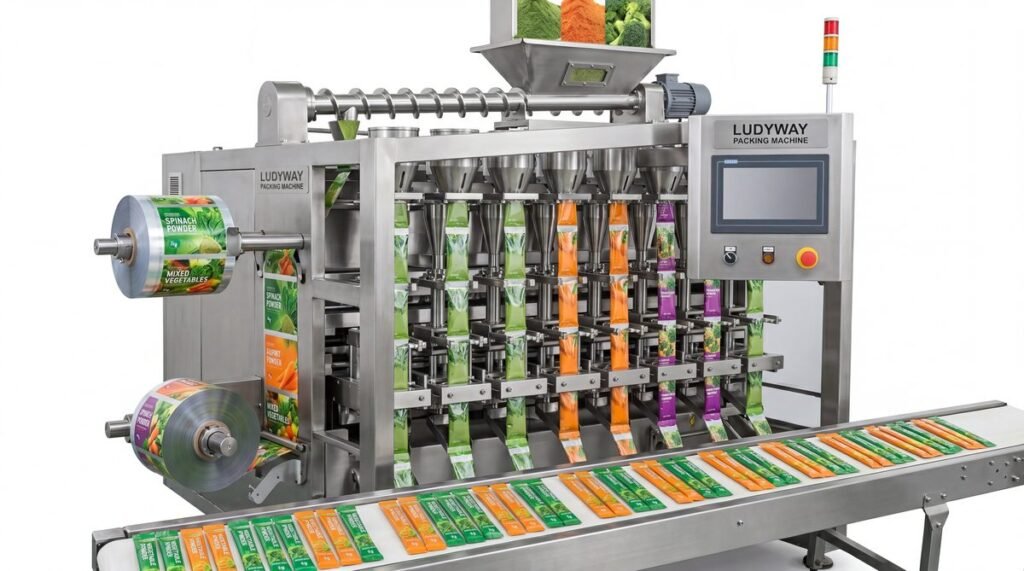
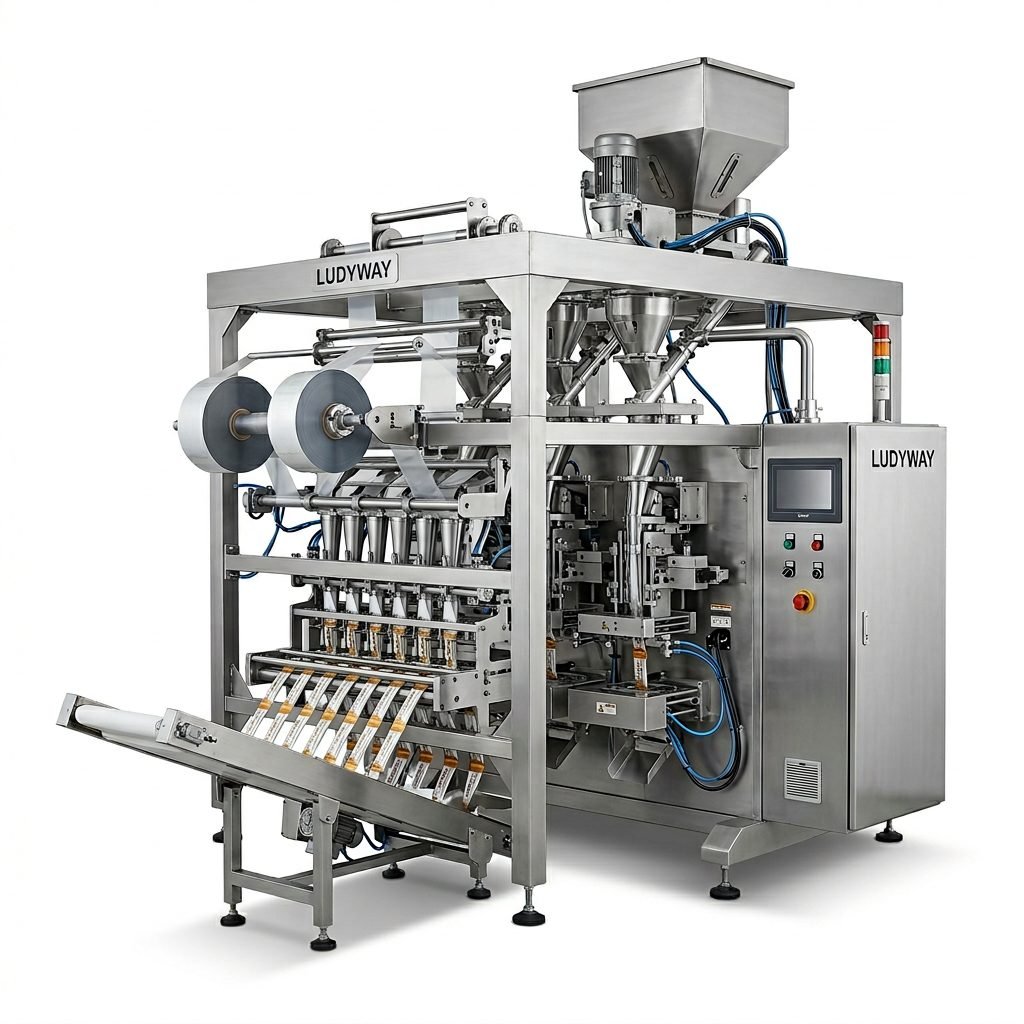
Selecting the right food tray packaging machine is a critical decision for any food production operation. The correct equipment enhances efficiency, ensures product safety and integrity, and can significantly impact your bottom line. This comprehensive guide will explore the various types of food tray sealing machines, their key features, and provide a structured approach to help you choose the perfect solution for your specific needs.
Understanding Food Tray Packaging Machines
At its core, a food tray packaging machine is designed to hermetically seal a lidding film or foil onto a pre-formed tray or container. This process creates a secure, tamper-evident, and often leak-proof package that protects the contents from contamination, extends shelf life, and presents the product attractively for retail. These machines are indispensable in sectors like fresh produce, ready meals, meat, poultry, seafood, and dairy products.
Core Function of Tray Sealers
The primary function is to apply heat and pressure to seal a film web onto the tray flange. Advanced models integrate gas flushing (Modified Atmosphere Packaging – MAP) or vacuum sealing to displace oxygen with a protective gas mix, dramatically slowing oxidation and bacterial growth to preserve freshness, color, and texture.
Primary Types of Food Tray Packaging Machines
The market offers several configurations, each suited to different production scales and requirements. Understanding these types is the first step in narrowing your choice.
1. Manual & Semi-Automatic Tray Sealers
Ideal for low to medium-volume operations, start-ups, or facilities with a wide variety of product shapes. The operator places the filled tray into the sealing station manually. Semi-automatic models may include automated film feed and cutting. They offer lower initial investment and high flexibility for short runs or product changeovers.
2. Automatic Inline Tray Sealers
These are the workhorses of high-volume food production lines. They are integrated directly with upstream equipment like tray denesters, fillers, and checkweighers, and downstream with labelers and case packers. Trays are conveyed automatically through the sealing, gas flushing (if equipped), and cutting stations. They deliver maximum speed and consistent output with minimal manual intervention.
3. Rotary or Carousel Tray Sealers
Featuring a rotating table with multiple sealing stations, these machines provide high throughput in a compact footprint. As the table rotates, trays are sequentially sealed. This design is excellent for gentle handling of delicate products (like bakery items or soft fruits) and allows for longer sealing dwell times without sacrificing speed.
4. Thermoforming Packaging Machines
This advanced, integrated system starts with a roll of flat plastic sheet, thermoforms it into trays, fills the trays, applies a lidding film, seals, and die-cuts the finished packages in one continuous process. It eliminates the need for pre-formed trays, offering superior material efficiency and is perfect for very high-volume, single-product lines.
Key Features and Technologies to Evaluate
Beyond the basic type, several features define a machine’s capability, quality, and suitability for your product.
Sealing Technology
- Impulse Sealing: Heats a nichrome wire for a quick, clean seal. Common for basic applications.
- Constant Heat Sealing: Uses heated sealing bars; excellent for consistent, strong seals on a wide range of films.
- Dual-Seal Systems: Some machines offer a primary seal and a secondary crimp seal for ultimate security, especially for liquid products.
Gas Flushing (MAP) Capability
For fresh food, a built-in MAP system is crucial. Look for machines with precise gas mixers and injectors that ensure accurate oxygen displacement and consistent residual oxygen levels in every package, which is vital for achieving promised shelf life.
Control System and HMI
A modern, user-friendly Human-Machine Interface (HMI) – typically a color touchscreen – is essential. It should allow for easy recipe storage (saving settings for different tray/film combinations), provide clear diagnostics, and offer access to production data and maintenance schedules.
Hygienic Design and Construction
Food-grade stainless steel (304 or 316) on all product contact surfaces is non-negotiable. The design should have rounded corners, minimal crevices, and be easy to access for cleaning and sanitation (CIP/SIP options are a premium feature).
Changeover Flexibility
How quickly and easily can you switch from one tray size or film type to another? Look for machines with tool-less adjustments or quick-change sealing die sets to minimize downtime in multi-product facilities.
How to Choose the Right Solution: A Step-by-Step Guide
Step 1: Analyze Your Product and Packaging
Define your product’s physical state (solid, liquid, particulate), dimensions, and sensitivity. Determine your tray material (APET, CPET, PP, pulp), lidding film type, and required seal integrity (leak-proof, vacuum, MAP).
Step 2: Assess Your Production Requirements
Calculate your required output speed (trays per minute/hour). Consider your current volume and projected growth. Evaluate your available factory floor space and layout for integration into an existing line. For expert guidance on integrating machinery into a complete line, you can explore resources on packaging line automation.
Step 3: Define Your Budget and ROI Goals
Consider the total cost of ownership: not just the purchase price, but installation, maintenance, energy consumption, and operator training. A more efficient, reliable machine may have a higher upfront cost but deliver a faster return on investment through less waste and downtime.
Step 4: Evaluate Supplier Credentials and Support
Choose a supplier with proven experience in your specific food sector. Inquire about their technical support, availability of spare parts, warranty terms, and training programs. A reliable partner like Ludyway Packing Machine, with deep industry experience, can provide invaluable long-term support. Reviewing a supplier’s company history and expertise is a prudent step.
Step 5: Request a Product Test
Never buy a packaging machine sight-unseen. Always insist on a live or recorded product test using your actual trays, film, and product (or a close substitute). This is the only way to verify seal quality, MAP efficiency, and gentle product handling.
Final Checklist Before Purchase
- ✓ Does the machine meet my target speed and output?
- ✓ Has it been successfully tested with MY product and packaging?
- ✓ Is the construction hygienic and easy to clean?
- ✓ Are the controls intuitive for my operators?
- ✓ What is the supplier’s reputation for after-sales service?
- ✓ Does the solution allow for future flexibility or expansion?
Investing in a food tray packaging machine is a strategic decision that affects product quality, operational efficiency, and brand reputation. By thoroughly understanding the different machine types, critically evaluating key features, and following a structured selection process that includes hands-on testing, you can make a confident investment that will support your business growth for years to come. Partnering with an experienced provider ensures you get not just a machine, but a tailored packaging solution.
Frequently Asked Questions (FAQs)
What is the main difference between vacuum sealing and MAP (Modified Atmosphere Packaging)?
Vacuum sealing removes almost all air from the package, which is ideal for preventing freezer burn or compressing products. MAP replaces the air inside the package with a specific mix of gases (like Nitrogen and Carbon Dioxide) designed to inhibit microbial growth and oxidation while maintaining the product’s natural shape and appearance, which is preferred for fresh meats, salads, and ready meals.
How often do sealing dies or elements need to be replaced?
The lifespan of sealing elements varies based on usage, film type, and maintenance. With proper care and cleaning, a sealing die can last for several years. It’s crucial to follow the manufacturer’s maintenance schedule and inspect seals regularly for wear or damage to ensure consistent package integrity.
Can one machine handle many different tray sizes and shapes?
Yes, many modern tray sealers are designed for quick changeover. However, flexibility has limits. Switching between drastically different sizes (e.g., a small round tray to a large rectangular one) may require changing parts like the sealing die, conveyor guides, or cutting tools. Discuss your full range of packaging formats with the supplier to ensure the machine can accommodate them efficiently.
What are the most common causes of a poor seal?
Poor seals often result from incorrect machine settings (temperature, pressure, time), contamination on the tray flange (product residue, moisture, oil), using the wrong type of lidding film for the tray material, or worn/damaged sealing elements. A systematic check of these factors usually identifies the root cause.
Is it necessary to have an integrated checkweigher in the line?
While not always part of the sealer itself, an inline checkweigher placed before the sealer is highly recommended for compliance and cost control. It ensures weight accuracy for regulatory requirements, minimizes giveaway (overfilling), and can automatically reject underweight trays to prevent sealing and selling non-compliant packages.