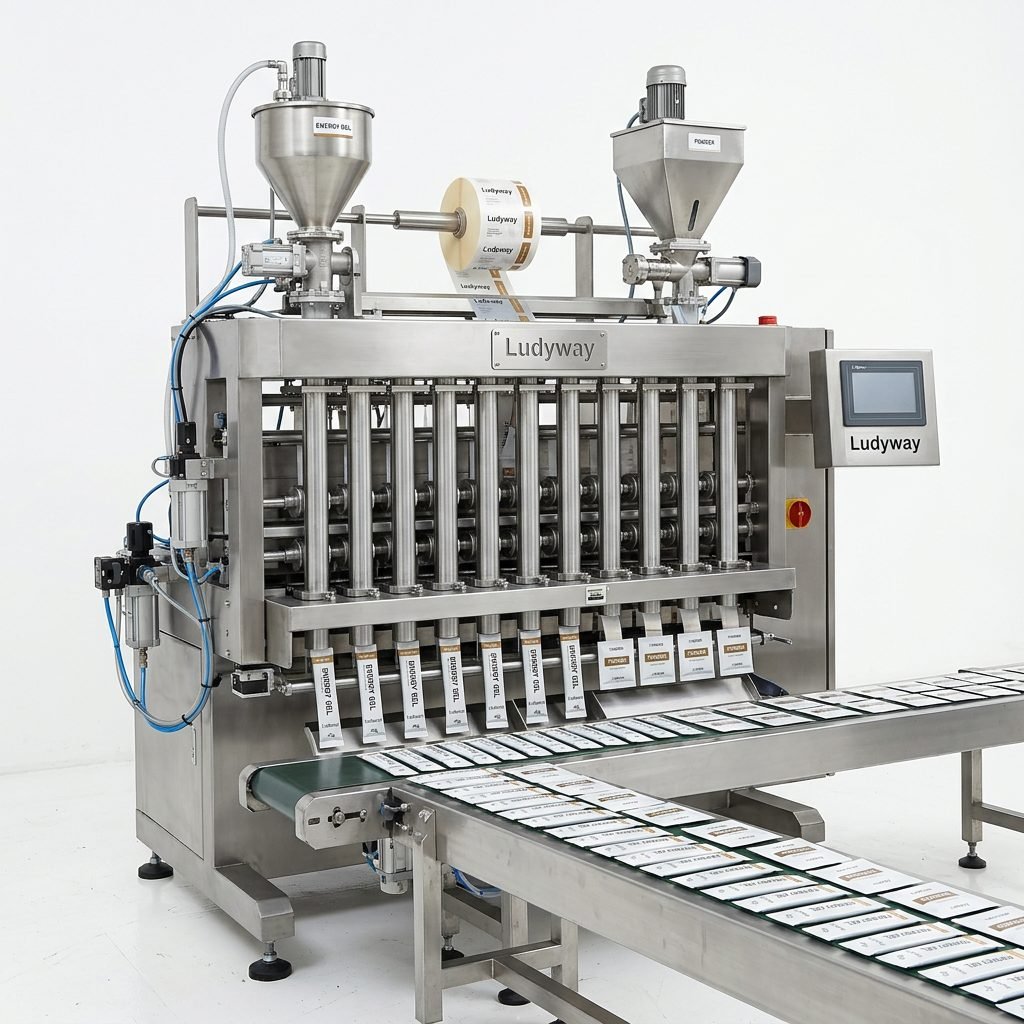
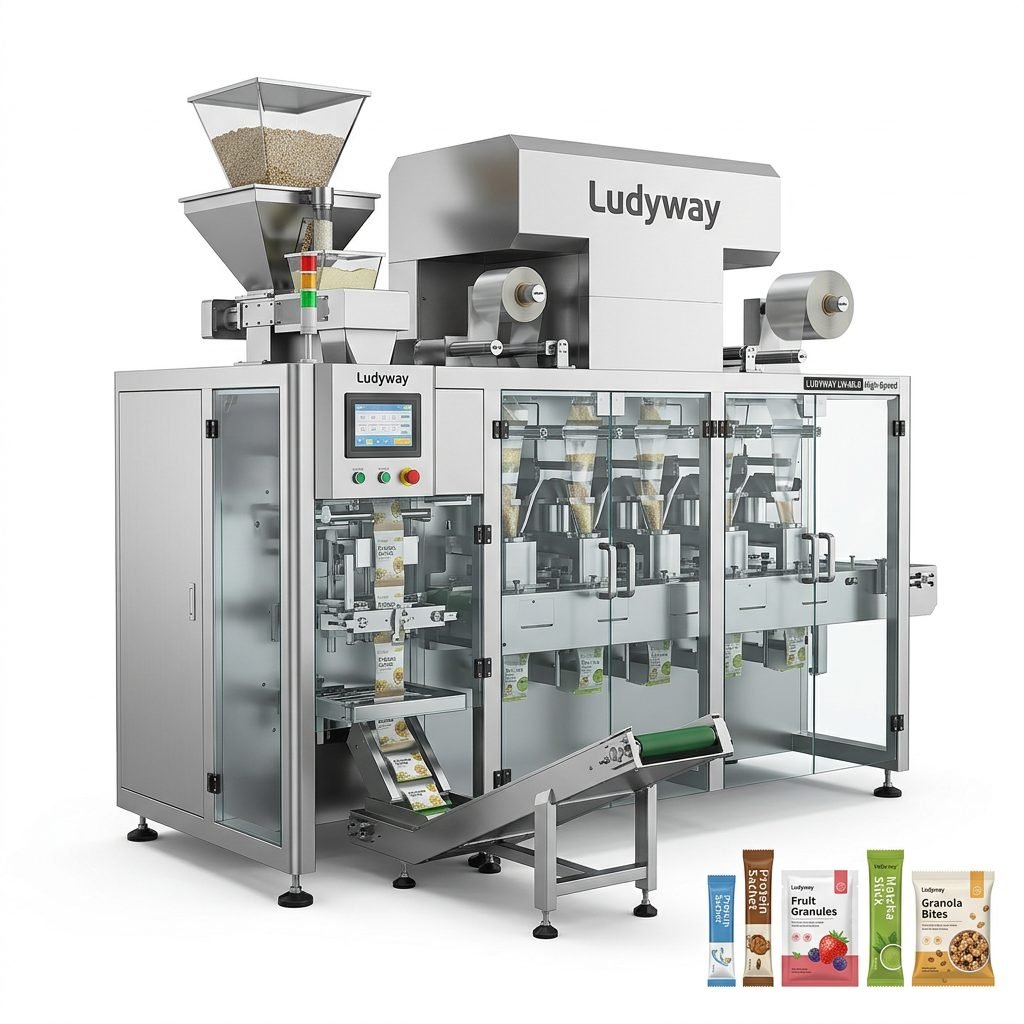
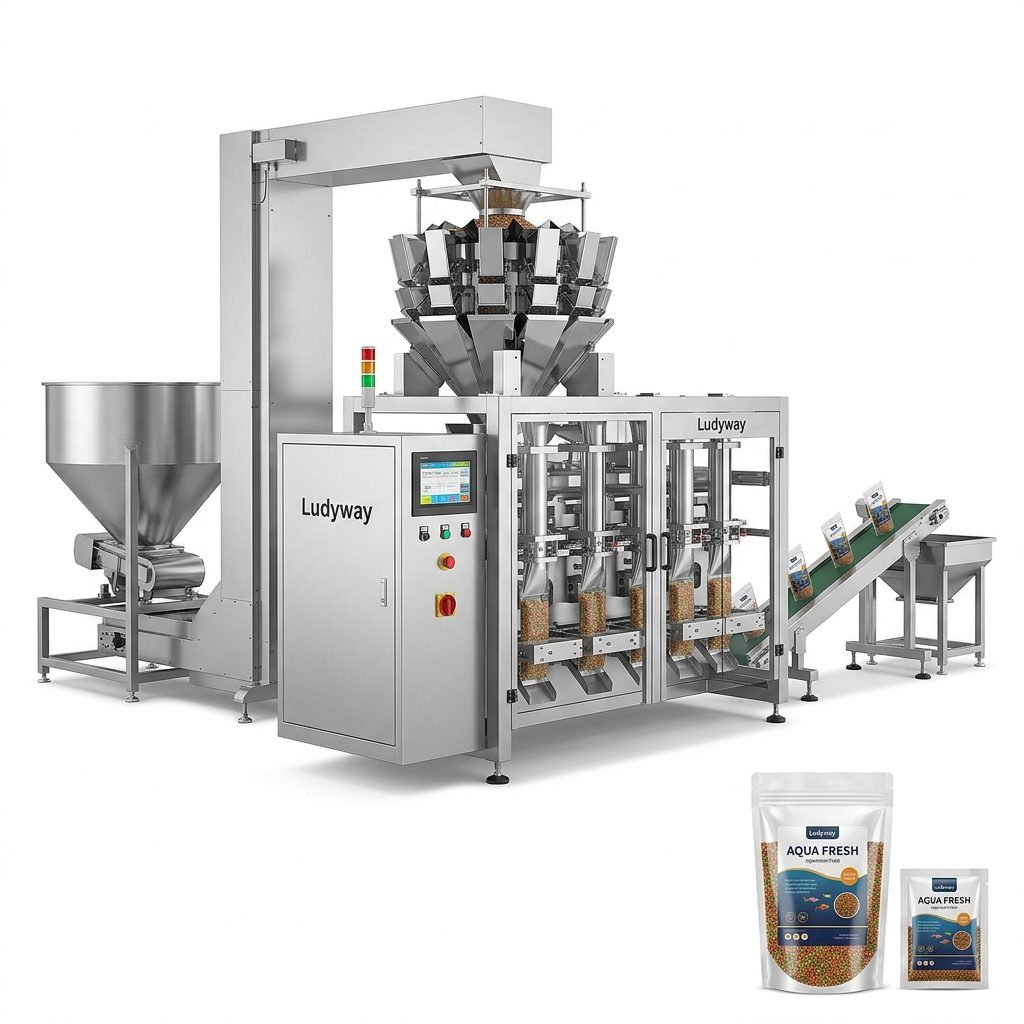
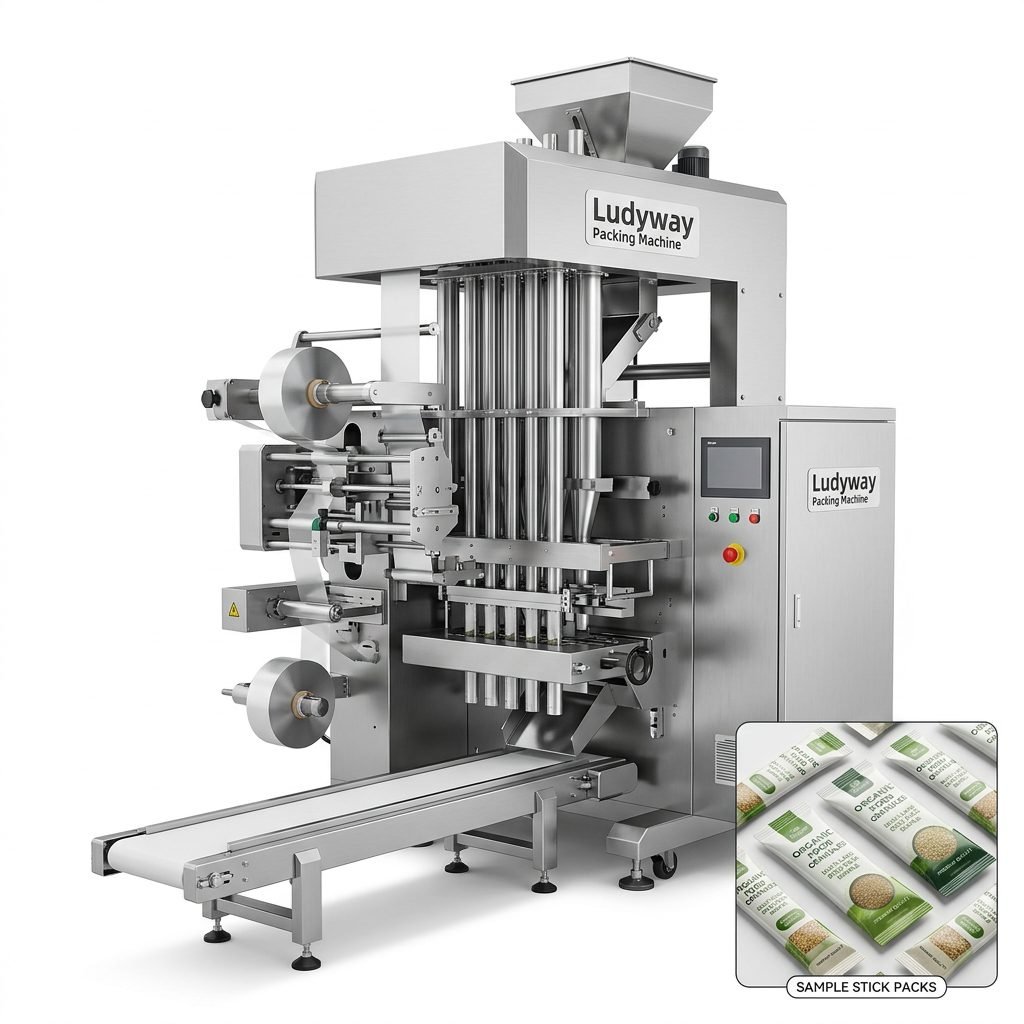
Modified Atmosphere Packaging (MAP) machines are essential for extending the shelf life of perishable goods by replacing the air inside a package with a protective gas mixture. If you’re considering investing in this technology, understanding the pricing landscape is crucial. This comprehensive guide breaks down the key cost factors, explores budget-friendly and high-end options, and provides practical buying tips to help you make an informed decision.
Key Factors Influencing Modified Atmosphere Packaging Machine Prices
The price of a MAP machine is not a single figure; it varies widely based on several interconnected factors. A basic tabletop unit might cost a few thousand dollars, while a fully automated, high-speed production line can reach several hundred thousand. Let’s explore what drives these costs.
Core Machine Specifications
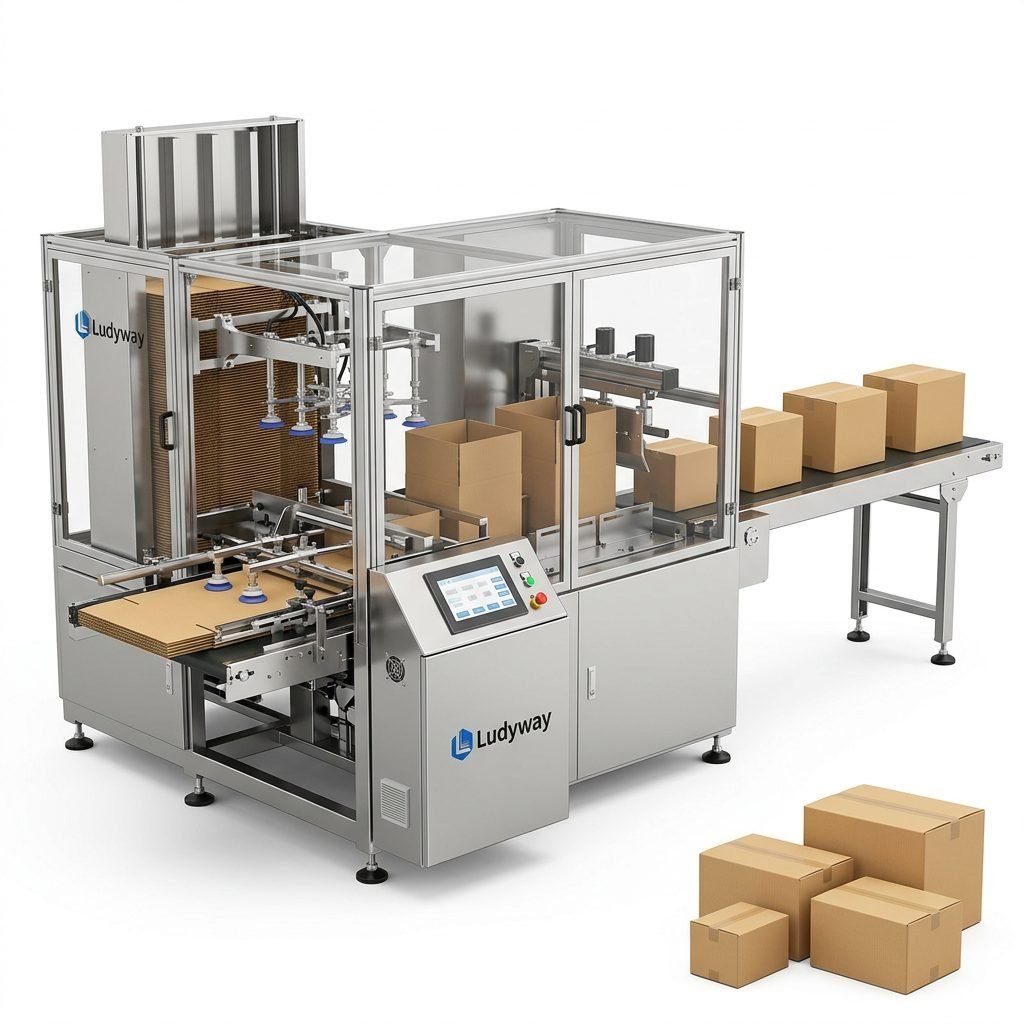
Automation Level: This is the primary price driver. ● Manual or semi-automatic machines require operator involvement for loading and sealing, offering the lowest entry cost. ● Fully automatic machines integrate product feeding, tray placement, gas flushing, and sealing into one continuous process, commanding a significantly higher price but offering superior output and labor savings.
Production Speed & Output: Measured in packages per minute (PPM) or cycles per hour. Higher-speed machines with faster cycle times are built with more robust components (e.g., servo motors, precision actuators) and sophisticated control systems, directly increasing the cost.
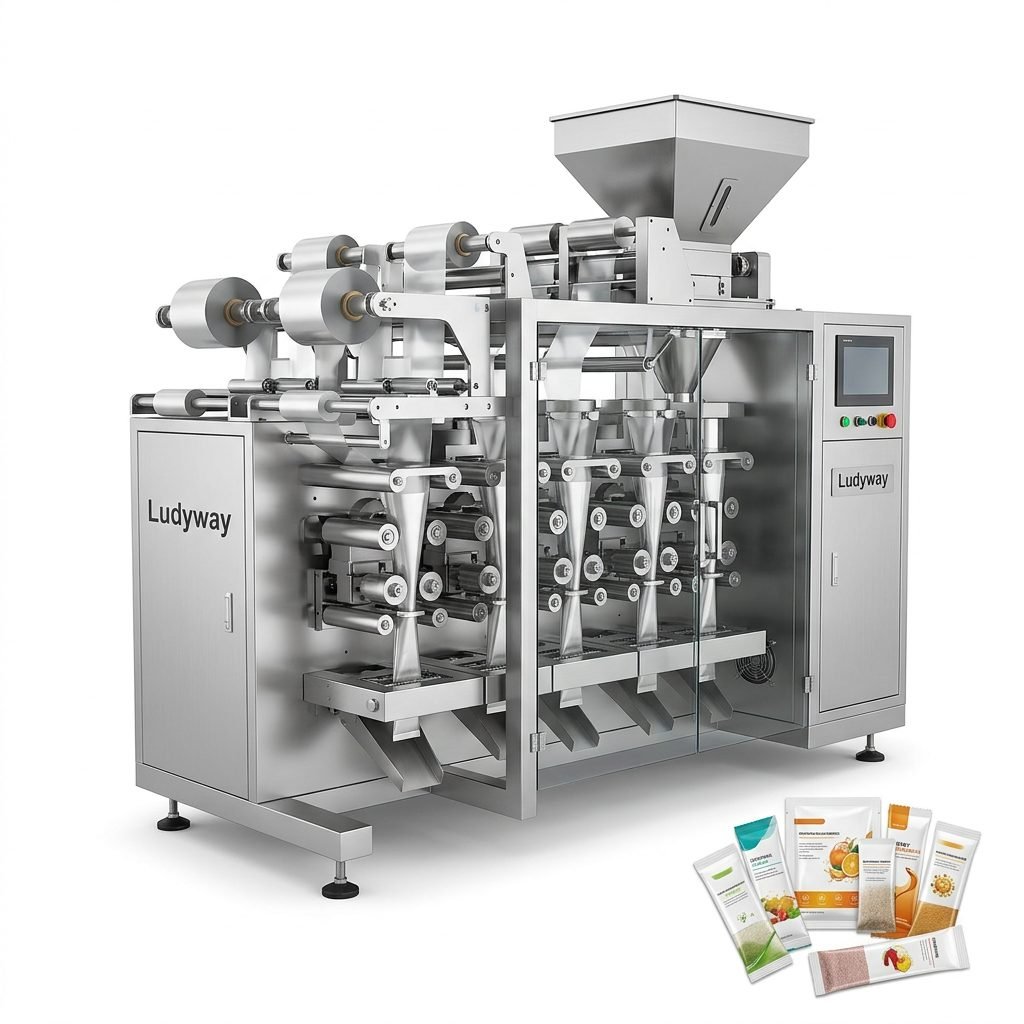
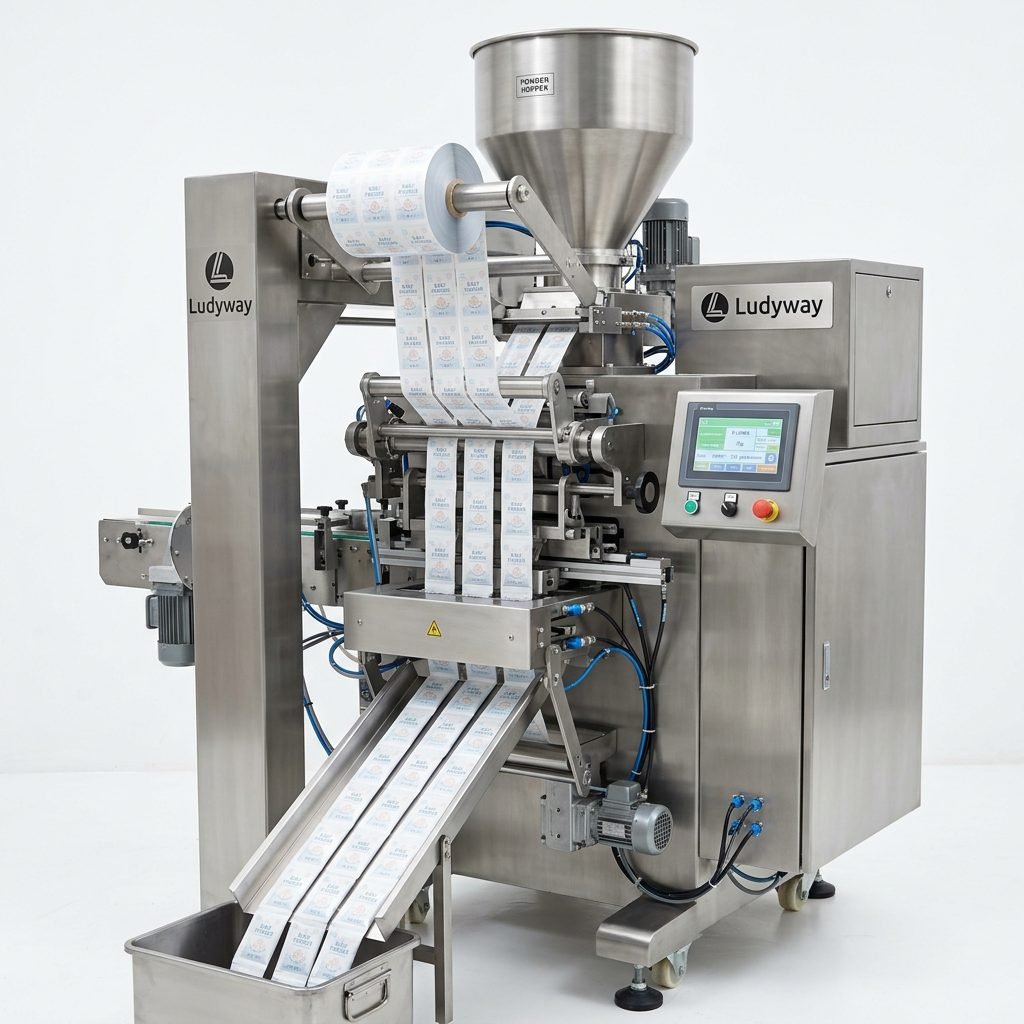
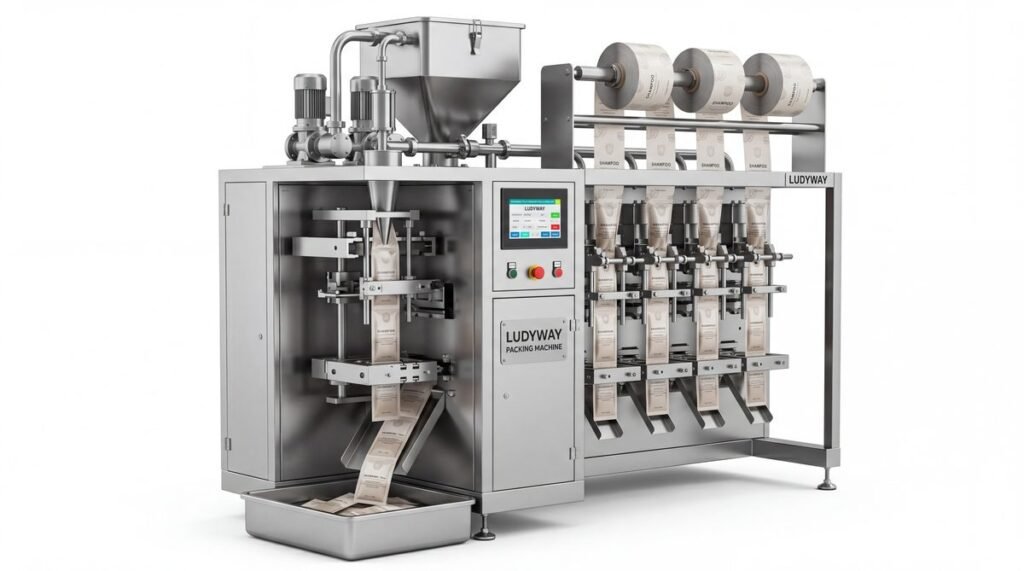
Machine Type & Configuration: Tray Sealing Machines are common for pre-formed trays. Horizontal Form-Fill-Seal (HFFS) machines create the package from a roll of film, flush it with gas, and seal it—a more complex process that increases price. Vertical Form-Fill-Seal (VFFS) machines with MAP capabilities are another higher-end option.
Gas Flushing System & Precision
The heart of MAP is the gas delivery system. Machines with multiple gas inlets and precision gas mixers allow for custom gas blends (e.g., specific ratios of nitrogen, carbon dioxide, and oxygen) tailored to different products like red meat, poultry, or bakery items. This precision engineering adds cost. Simpler systems with a single gas or pre-mixed gas supply are less expensive.
Materials & Build Quality
Machines built with food-grade stainless steel (e.g., 304 or 316) on all contact surfaces are more expensive than those with partial stainless or painted carbon steel. Stainless steel ensures durability, corrosion resistance, and compliance with strict hygiene standards. The quality of components like heating elements, seals, and PLC (Programmable Logic Controller) brands (Siemens, Mitsubishi, etc.) also impacts long-term reliability and price.
Budget Options: Finding Cost-Effective Solutions
For small businesses, startups, or those with lower production volumes, there are viable paths to adopting MAP technology without a massive capital outlay.
1. Semi-Automatic Tray Sealers
These machines require an operator to manually load the filled tray and lidding film before initiating the sealing cycle. They are significantly cheaper than automatic models and are perfect for low to medium-volume production, pilot projects, or product development. They offer excellent flexibility for short runs of diverse products.
2. Refurbished or Used Equipment
The secondary market for packaging machinery can offer substantial savings. Purchasing from a reputable dealer who refurbishes and warranties the equipment is crucial. Ensure the machine’s specifications match your current needs and that spare parts and technical support are available. This option carries more risk but can be a great value.
3. Modular or Entry-Level Automatic Models
Some manufacturers offer basic automatic models with fewer features. You might start with a standard gas system and upgrade later, or choose a machine designed for a single, consistent package size. This approach provides automation benefits at a lower initial cost, with potential for future investment.
Premium & High-Speed Solutions
For large-scale food processors, contract packers, or businesses with rapid growth, investing in a high-end system is often justified by the return on investment (ROI).
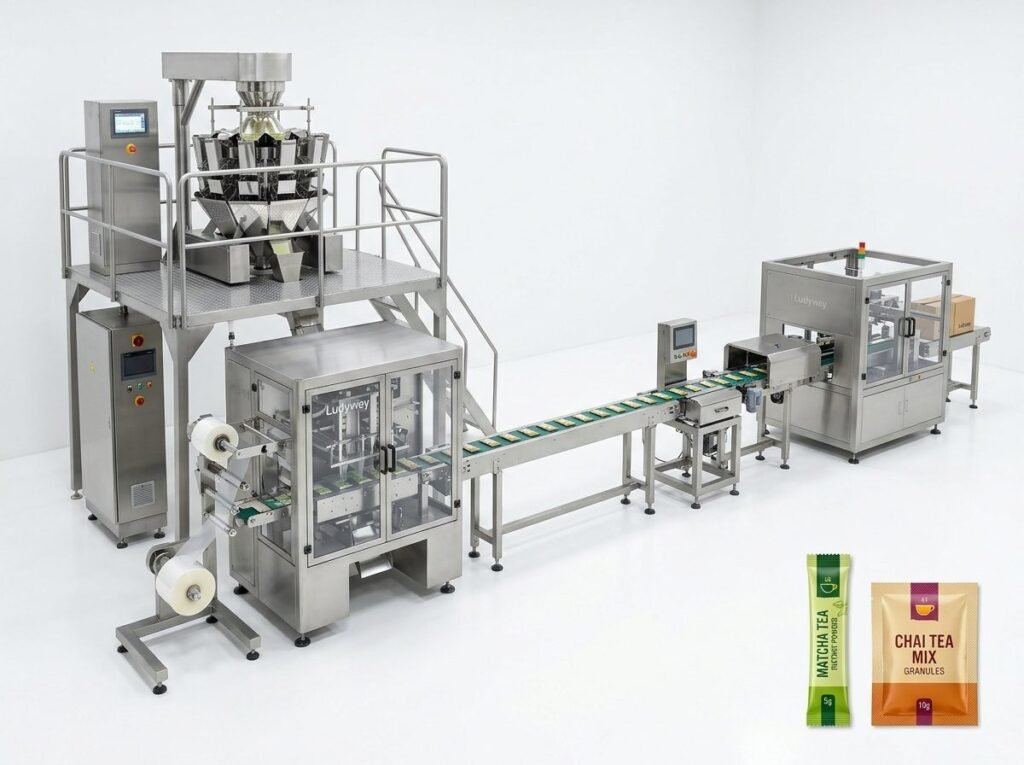
Integrated Production Lines: These are not just a single machine but a synchronized system. They may include automatic tray denesting, robotic product loading, precise multi-head weighing, high-speed MAP sealing, and automated case packing. The integration, engineering, and software controls make this the most expensive option, but it maximizes throughput and minimizes labor.
Advanced Features: Premium machines offer features like 100% gas composition monitoring in each package, automatic film splicing for non-stop operation, advanced traceability software, and quick-changeover systems to switch between different package sizes in minutes, reducing downtime.
Companies like Ludyway Machinery, with decades of industry experience, specialize in providing such turnkey packaging solutions, ensuring all line components work harmoniously.
Essential Buying Tips for Your MAP Machine Investment
Making the right purchase requires careful planning and asking the right questions.
1. Define Your Requirements Precisely
Before contacting suppliers, document your needs: Product type and size range, desired packaging materials (tray & film types), required production speed (PPM), target residual oxygen levels, and available factory space (footprint). This clarity will prevent you from overbuying or underbuying.
2. Total Cost of Ownership (TCO) Over Initial Price
Look beyond the sticker price. Consider:
► Energy Consumption: Efficient machines save on utilities.
► Gas Consumption: A machine with a more efficient gas flushing system reduces ongoing gas costs.
► Maintenance & Spare Parts: Assess availability and cost of wear parts (sealing dies, gaskets).
► Ease of Operation & Training: Complex machines may require specialized operators.
3. Evaluate Supplier Support and Reputation
The machine is only as good as the support behind it. Choose a supplier known for:
● Strong Technical Support: Availability of engineers for installation, training, and troubleshooting.
● Comprehensive Warranty: Clear terms covering parts and labor.
● Local Spare Parts Inventory: Reduces downtime waiting for critical components.
Established suppliers like Ludyway build their reputation on reliable after-sales service and long-term partnership, which is invaluable for maintaining your production.
4. Request a Product Test
Always insist on a live test using your actual product and packaging materials. This is non-negotiable. It verifies the machine’s performance, seals integrity, achieved gas mixture, and speed with your specific setup. It’s the best way to ensure the machine meets your expectations before purchase.
5. Consider Future-Proofing
Think about your business in 3-5 years. Will you add new products? Increase volume? Choose a machine with some flexibility in tray size range or the potential to add options (like a gas analyzer) later. A slightly more adaptable machine can save you from a premature replacement.
Frequently Asked Questions (FAQs)
1. What is the typical price range for a MAP machine?
Prices vary dramatically. Semi-automatic tray sealers can range from $5,000 to $25,000. Entry-level automatic machines often start between $30,000 and $70,000. High-speed, fully automatic lines with integrated peripherals can range from $100,000 to over $500,000. The final cost depends entirely on the specifications outlined above.
2. Can I retrofit my existing vacuum sealer or tray sealer for MAP?
Generally, no. MAP machines are specifically engineered with a gas flushing system, precise sealing chamber, and controls to manage the gas mixture. Retrofitting a standard sealer is usually not feasible or cost-effective. It’s better to invest in a purpose-built MAP machine.
3. How much can I save on labor with an automatic machine?
Savings are significant. A semi-automatic machine may require 1-2 operators constantly. A fully automatic line might only need one operator to monitor the system and handle occasional loading of bulk materials (trays, film). This can reduce direct labor for packaging by 50% to 70%, quickly contributing to the ROI of the more expensive equipment.
4. What are the ongoing costs besides the machine purchase?
Key ongoing costs include: Packaging materials (barrier trays and lidding film), protective gas mixtures, routine maintenance and spare parts, and energy (electricity) for running the machine and any ancillary equipment.
5. How do I ensure the machine will work with my specific food product?
The product test is essential. Provide your supplier with samples of your product and the exact packaging materials you plan to use. A reputable supplier will conduct a test to measure the achieved shelf life, seal quality, and production rate, giving you data-backed confidence in the machine’s suitability.