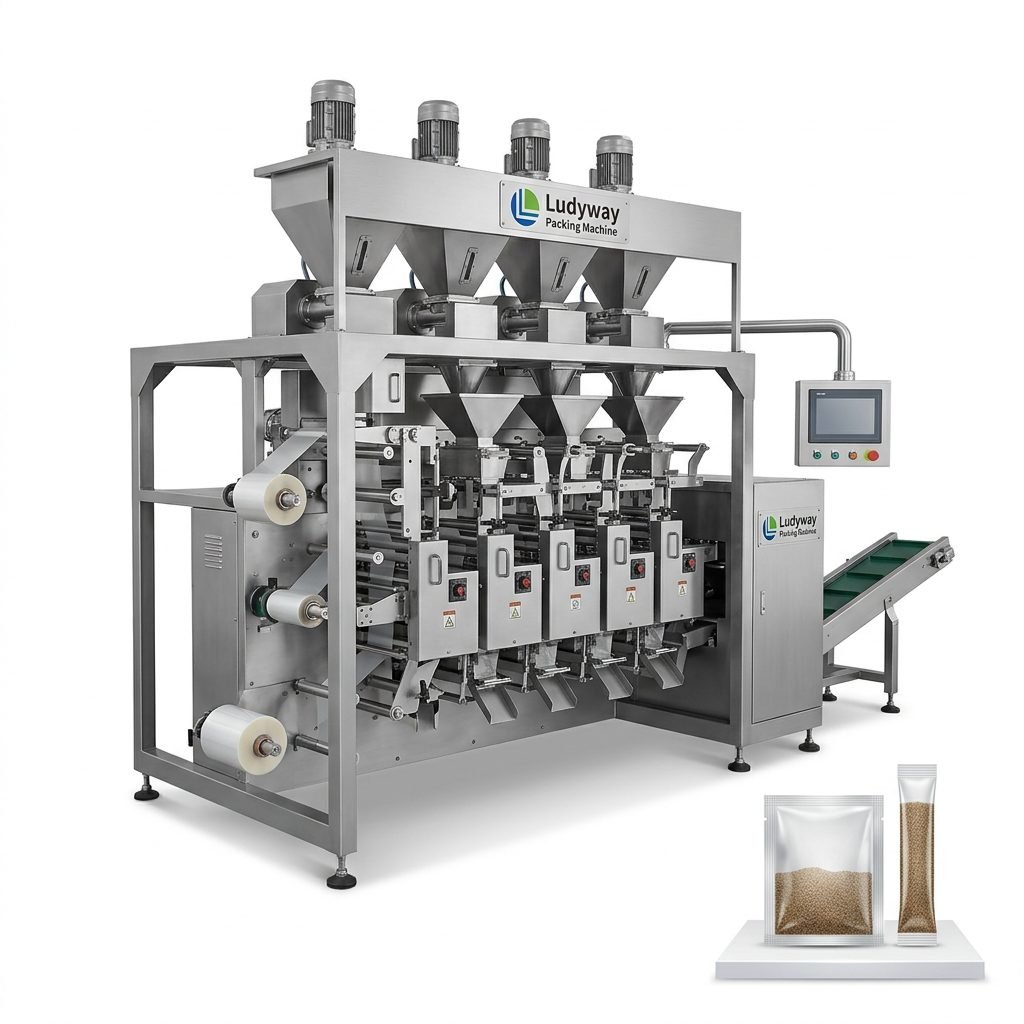
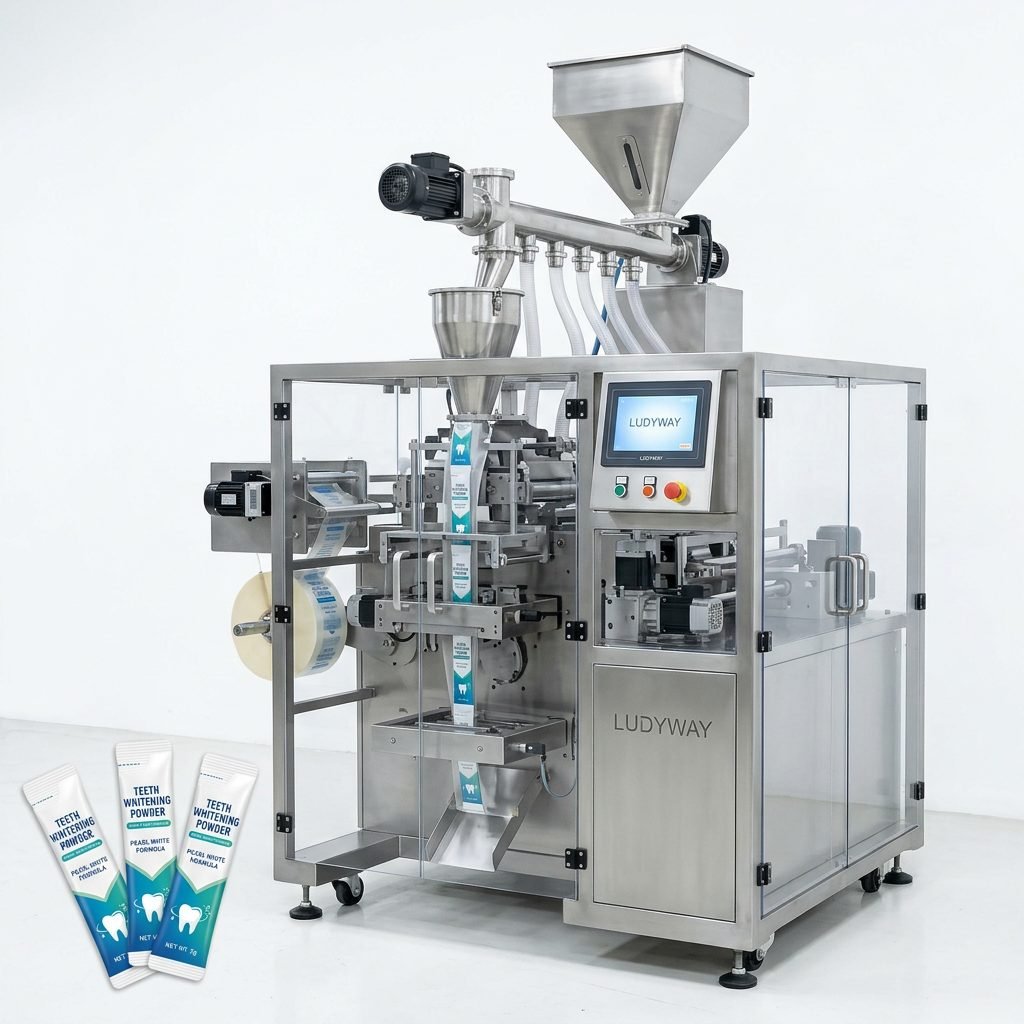
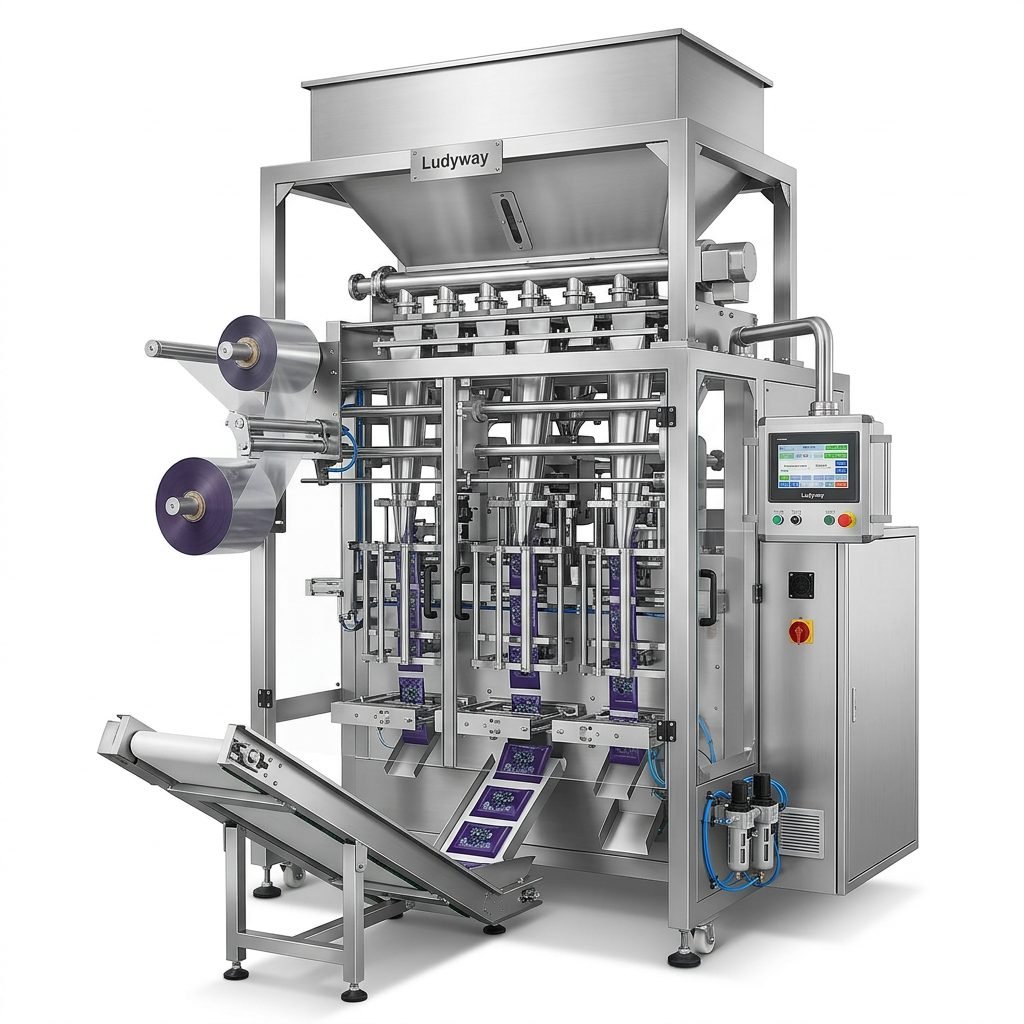
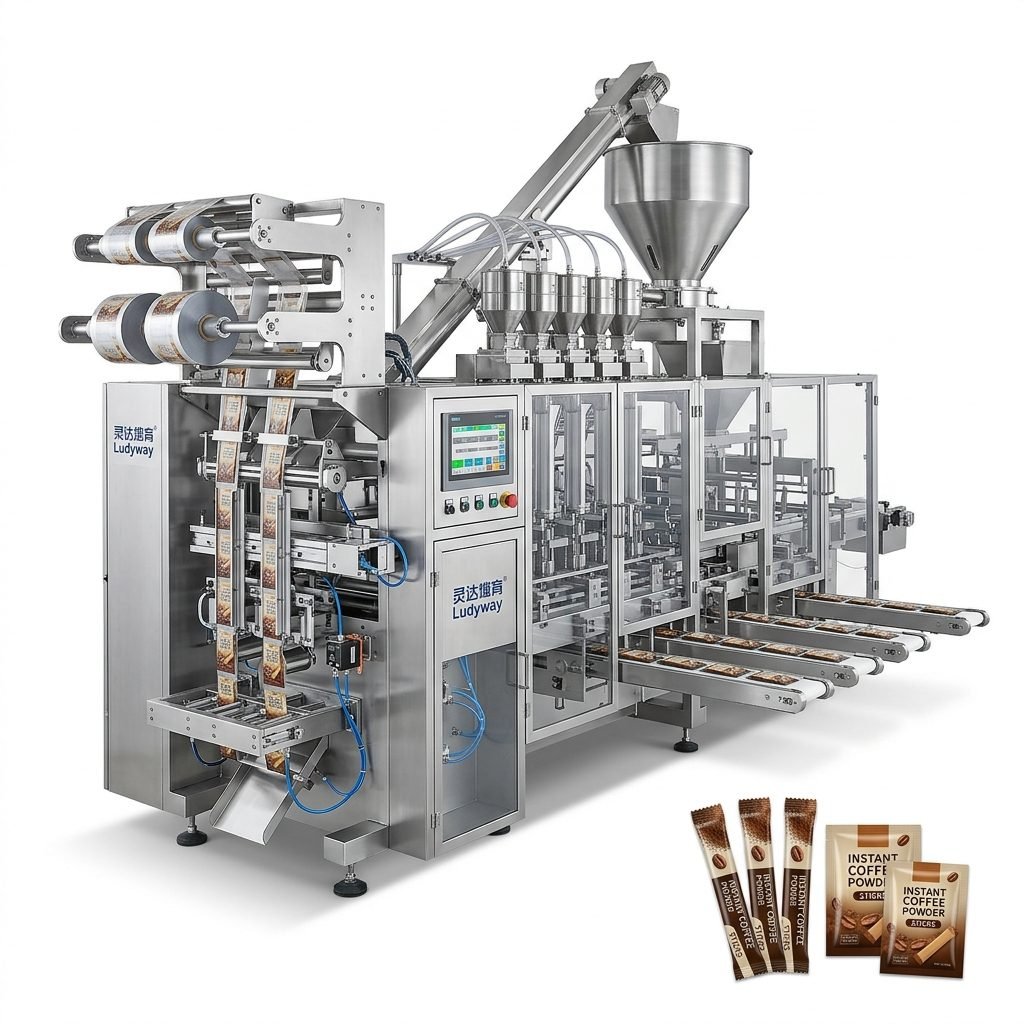
In today’s fast-paced food industry, extending product shelf life while maintaining quality is paramount. Vertical vacuum packaging machines have emerged as a critical tool for achieving this goal. By removing air from the package, these machines significantly slow down oxidation and microbial growth, preserving the freshness, flavor, and nutritional value of a wide range of products. However, with various models and features available, selecting the right machine can be a complex decision that directly impacts your operational efficiency and product quality.
Understanding Vertical Vacuum Packaging Technology
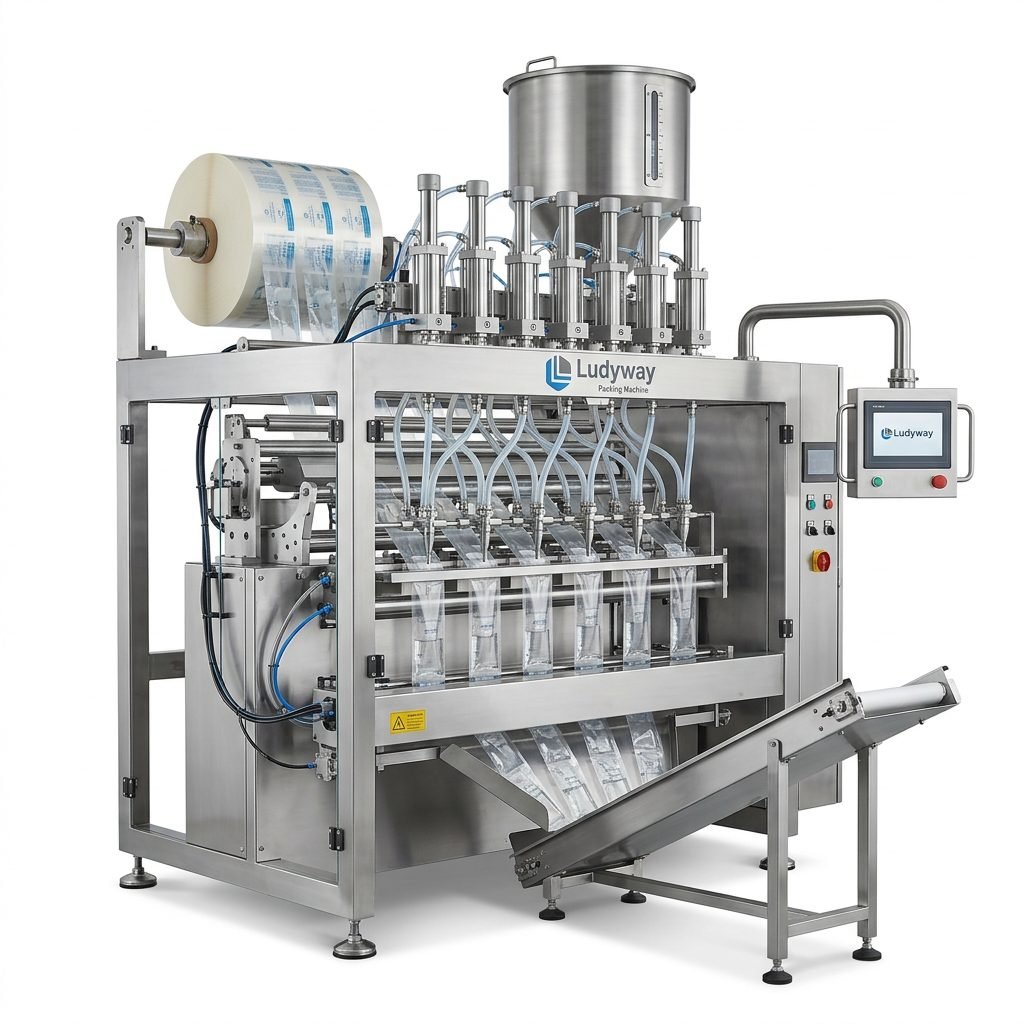
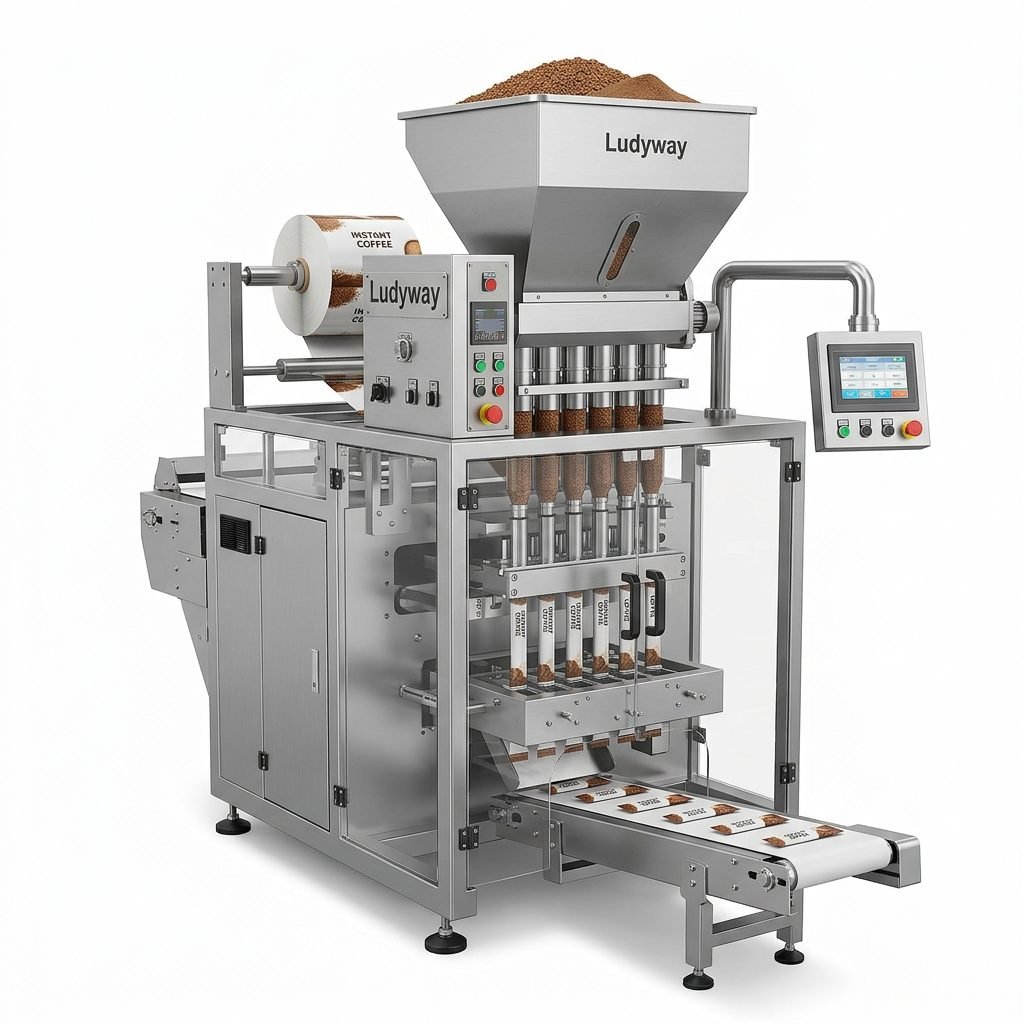
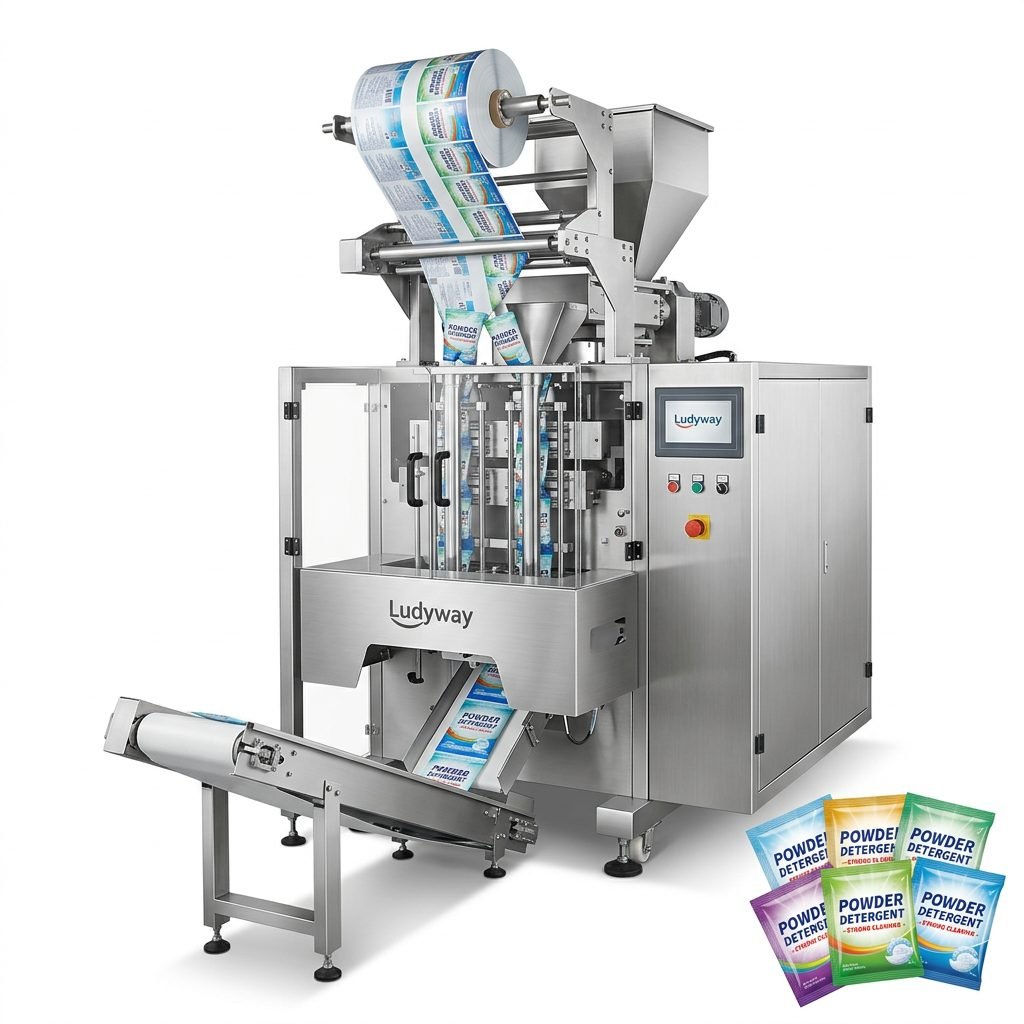
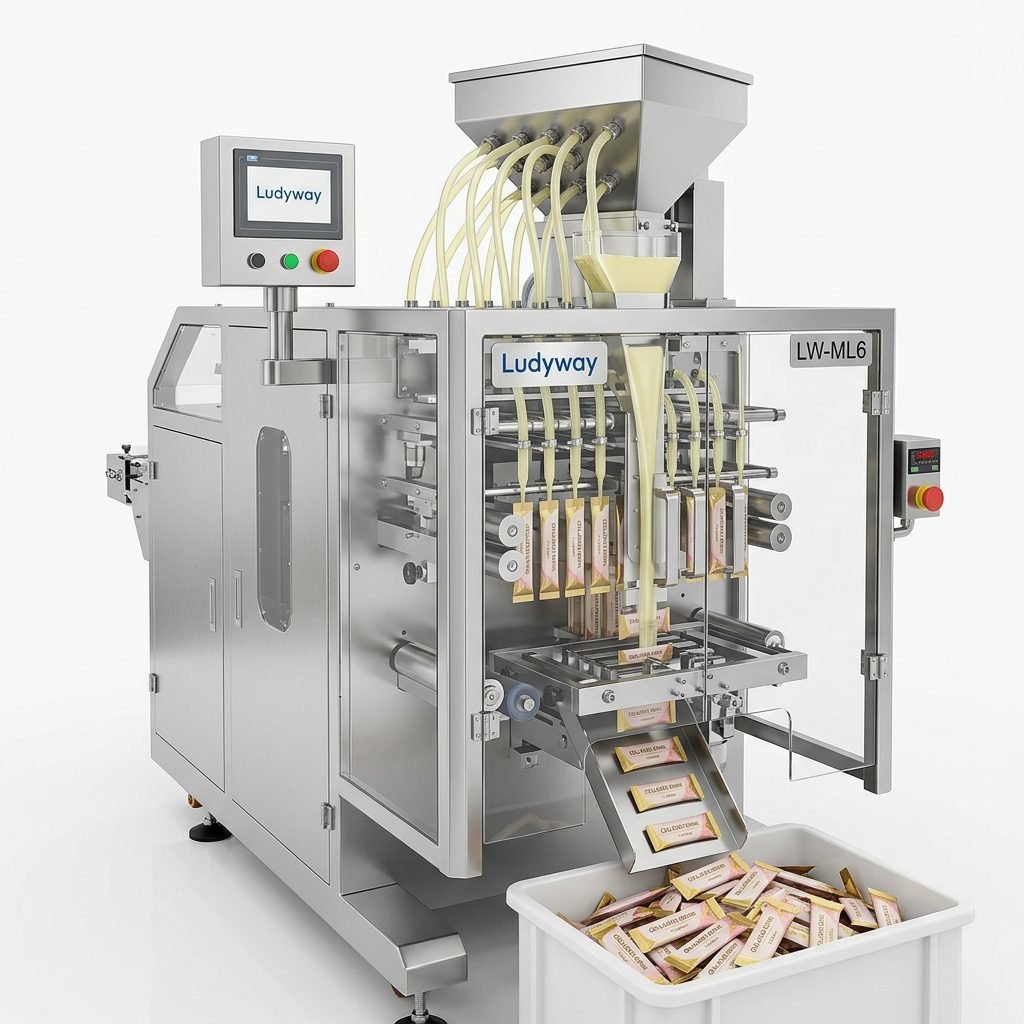
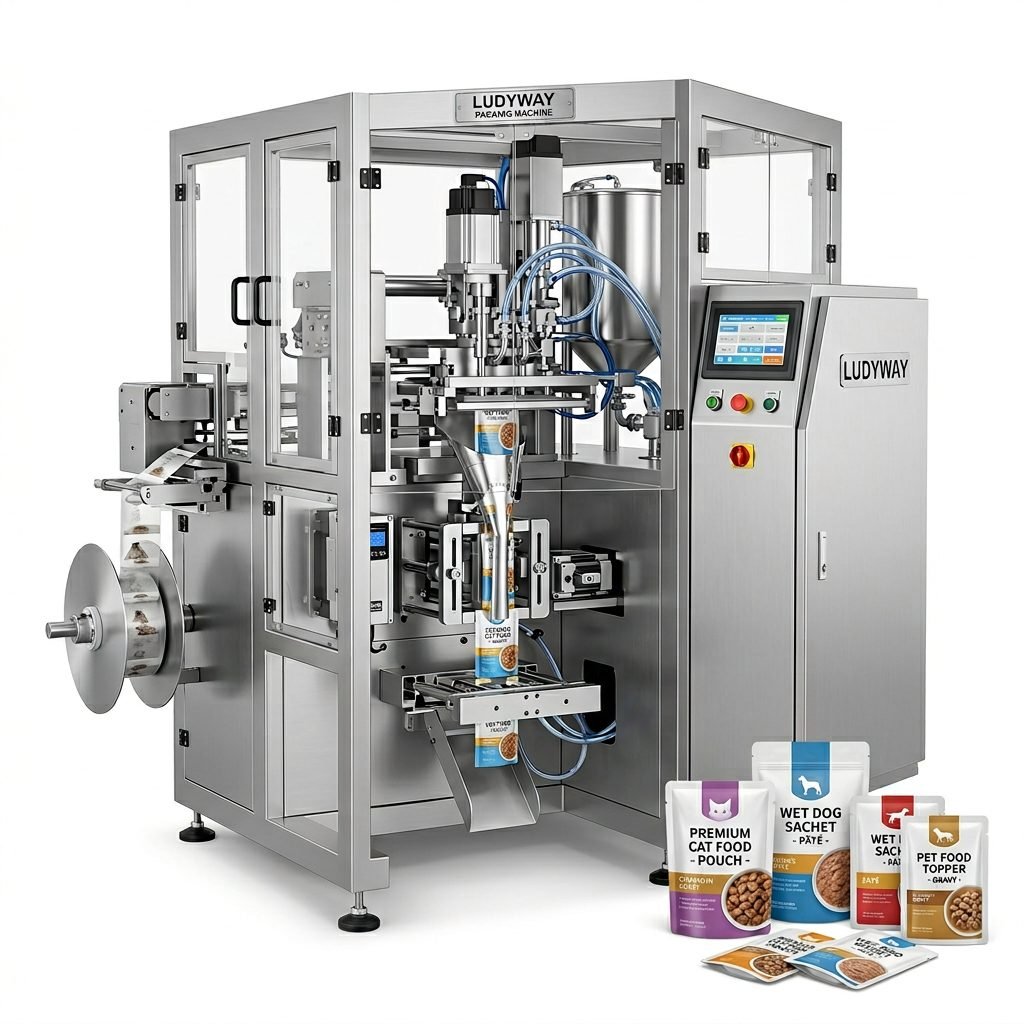
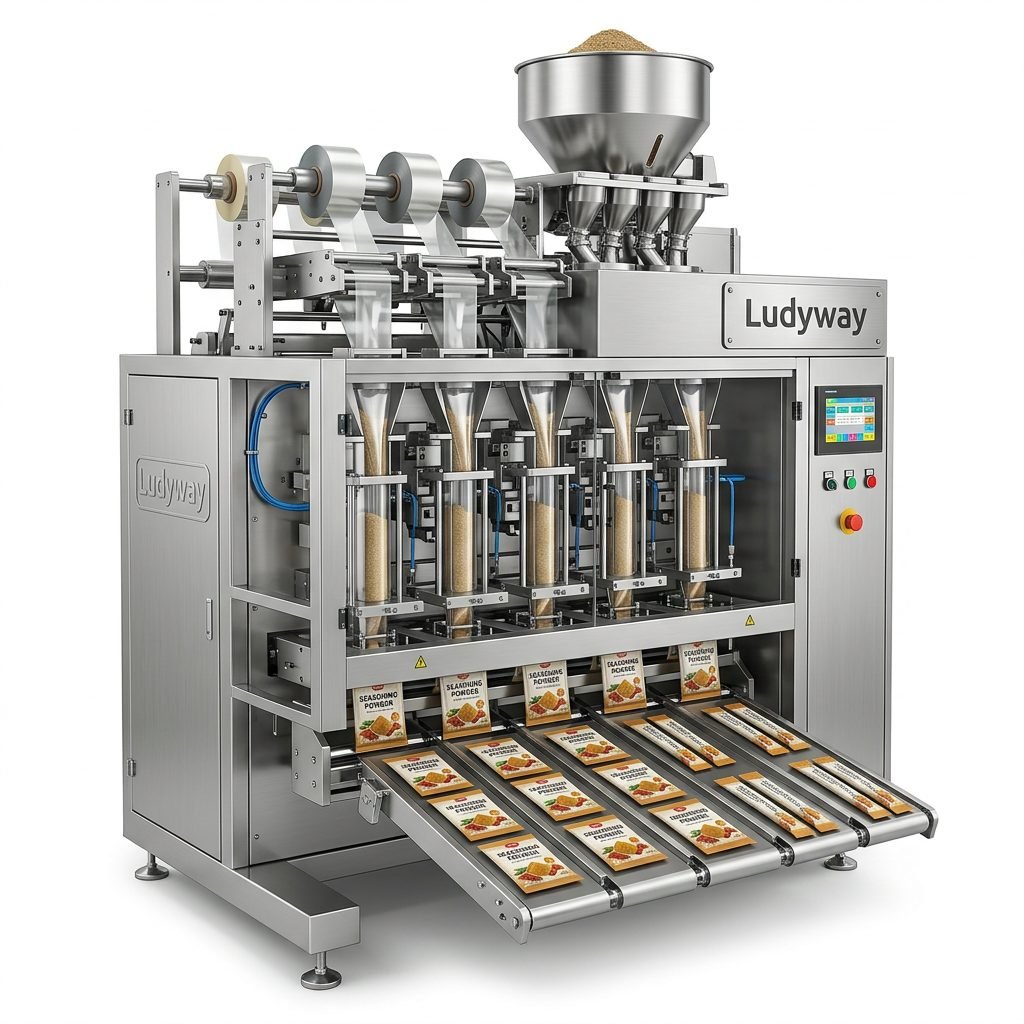
At its core, a vertical vacuum packaging machine operates by forming, filling, and sealing packages from a roll of film in a vertical orientation. The process typically involves dropping the product into a pre-formed bag, evacuating the air, and then sealing the package. This method is highly efficient for packaging free-flowing items like granules, powders, nuts, snacks, and certain liquids. The primary benefit is the creation of a low-oxygen environment, which is hostile to spoilage organisms and prevents oxidative rancidity.
Key Mechanisms at Work
The effectiveness of these machines hinges on several key mechanisms. A powerful vacuum pump removes the air, often achieving vacuum levels measured in millibar or inches of mercury. The heat sealing system then creates a hermetic seal, which is crucial for maintaining the vacuum integrity over time. Advanced models may include gas flushing capabilities, where the evacuated air is replaced with a protective gas mixture like nitrogen or carbon dioxide, further extending shelf life for sensitive products.
How to Choose the Right Model for Your Needs
Selecting the ideal vertical vacuum packaging machine requires a careful assessment of your specific production requirements. A mismatch between the machine’s capabilities and your needs can lead to inefficiencies, increased waste, and compromised product quality.
1. Assess Your Product Characteristics
The nature of your product is the first and most important consideration. Consider the following:
• Physical Form: Is your product a fine powder, a granule, a liquid, or a solid piece? Machines are often designed with specific feeding mechanisms suited to different product types.
• Sensitivity: How fragile is the product? Some machines offer gentler handling or vibration-assisted feeding to prevent damage to delicate items.
• Oil or Moisture Content: Products with high oil or moisture can interfere with the sealing process. Look for models with specially designed sealing jaws or film types that can handle these challenges.
2. Determine Your Production Volume and Speed
Output requirements dictate the necessary machine speed and level of automation. A small-scale operation might be well-served by a semi-automatic machine, while a large production line will require a fully automatic, high-speed model. Calculate your required bags-per-minute (BPM) rate, considering both current needs and future growth. Investing in a slightly more capable machine can provide valuable scalability.
3. Evaluate Packaging Specifications
Your choice of packaging film and final bag dimensions are critical. Check the machine’s compatibility with different film materials (e.g., PET/PE, AL/PE) and its maximum and minimum bag size ranges (length and width). Also, consider the type of seal you need—a simple fin seal or a more complex four-side seal pouch for enhanced presentation and barrier properties.
4. Consider Hygiene and Construction
For food applications, hygiene is non-negotiable. Look for machines constructed with food-grade stainless steel on contact surfaces, which is easy to clean and resistant to corrosion. A design with minimal crevices and easy access for cleaning will help you maintain stringent food safety standards and comply with regulations.
5. Analyze Control Systems and Usability
A user-friendly Human-Machine Interface (HMI) with a touchscreen allows for easy parameter setting, recipe storage, and troubleshooting. Modern machines may offer PLC control for precision and reliability. Consider the learning curve for your operators and the availability of clear technical support from the supplier, such as the expertise provided by Ludyway Machinery’s professional team.
Special Features to Enhance Shelf Life
Beyond basic vacuum sealing, several advanced features can directly contribute to longer shelf life:
• Gas Flushing (Modified Atmosphere Packaging – MAP): Replacing air with an inert gas like nitrogen is one of the most effective ways to preserve freshness, especially for oily snacks, coffee, and dried meats.
• Double Sealing Jaws: Provides a more robust and reliable seal, drastically reducing the risk of seal failure and subsequent spoilage.
• High-Efficiency Vacuum Pumps: A stronger pump achieves a deeper vacuum, removing more oxygen and creating a better preservation environment.
Strategic Practices to Maximize Food Shelf Life
Owning the right machine is only half the battle. Implementing best practices in your packaging process is essential to realize the full shelf-life potential.
Pre-Packaging Product Handling
The condition of the product before it enters the bag is crucial. Ensure products are at the correct temperature and moisture level. For instance, packaging hot products can create condensation inside the bag, promoting microbial growth. Proper handling minimizes initial microbial load and physical damage.
Optimal Film Selection
The barrier properties of your packaging film are as important as the vacuum itself. Work with your supplier to select a film with the appropriate Oxygen Transmission Rate (OTR) and Water Vapor Transmission Rate (WVTR) for your product. High-barrier films, often containing aluminum or special coatings, are necessary for long-shelf-life products.
Precision in Machine Operation
Regularly calibrate and maintain your machine. Consistent seal temperature, pressure, and dwell time are vital for creating perfect seals every time. A weak or inconsistent seal is the most common point of failure in vacuum packaging. Implement a routine maintenance schedule as outlined in your machine’s manual.
Storage and Distribution Conditions
Even perfectly vacuum-sealed products have limits. Clearly communicate optimal storage conditions (e.g., “Store in a cool, dry place”) on your packaging. The shelf life extension gained from vacuum packaging can be quickly undone if products are subjected to high temperatures, humidity, or physical abuse during warehousing and transport. For businesses looking to integrate packaging into a larger automated line, exploring complete turnkey production solutions can ensure consistency from filling to palletizing.
Conclusion: An Investment in Quality and Efficiency
Choosing the right vertical vacuum packaging machine is a strategic investment that pays dividends in extended shelf life, reduced food waste, enhanced product quality, and improved operational efficiency. By thoroughly evaluating your product needs, production goals, and the technical features of available machines, you can select a solution that not only meets today’s demands but also supports future growth. Partnering with an experienced provider who offers robust equipment and reliable support is key to long-term success in the competitive food market. Companies with deep industry experience, like Ludyway Machinery with over a decade of specialization, can guide you through this critical selection and implementation process.
Frequently Asked Questions (FAQs)
Q1: What is the main difference between a vertical and a horizontal vacuum packaging machine?
A: Vertical machines form the bag from a roll of film, fill it, and then vacuum and seal it—all in a vertical cycle. They are ideal for free-flowing products. Horizontal machines typically use pre-made bags or pouches, which are picked, opened, filled, vacuumed, and sealed on a horizontal plane, offering more flexibility for irregularly shaped solid items.
Q2: Can vertical vacuum packagers handle liquids?
A: Yes, but it requires specific models designed for liquid filling. These machines often have special nozzles, drip trays, and sealing systems to handle potential spillage and ensure a clean seal. It’s crucial to choose a machine explicitly rated for liquid packaging.
Q3: How much shelf life extension can I realistically expect?
A: The extension varies greatly by product. Dry products like nuts or crackers may see a shelf life increase from months to over a year. Fresh, moist products like cheese or cooked meats might be extended from days to several weeks. The combination of vacuum, proper film, and gas flushing (if used) determines the final result.
Q4: What routine maintenance does a vertical vacuum machine require?
A: Daily cleaning of product contact zones and the sealing jaw area is essential. Regularly check and clean the vacuum pump oil filter (if oil-lubricated) and replace the oil as recommended. Inspect the sealing jaws for residue or wear, and test seal strength periodically. A full maintenance schedule should be provided by your supplier.
Q5: Are these machines suitable for small businesses or start-ups?
A: Absolutely. The market offers a range of models, from compact, semi-automatic tabletop units perfect for low-volume production or pilot runs, to fully automated high-speed lines. The key is to accurately define your output needs and budget to find a machine that offers the best return on investment for your scale.