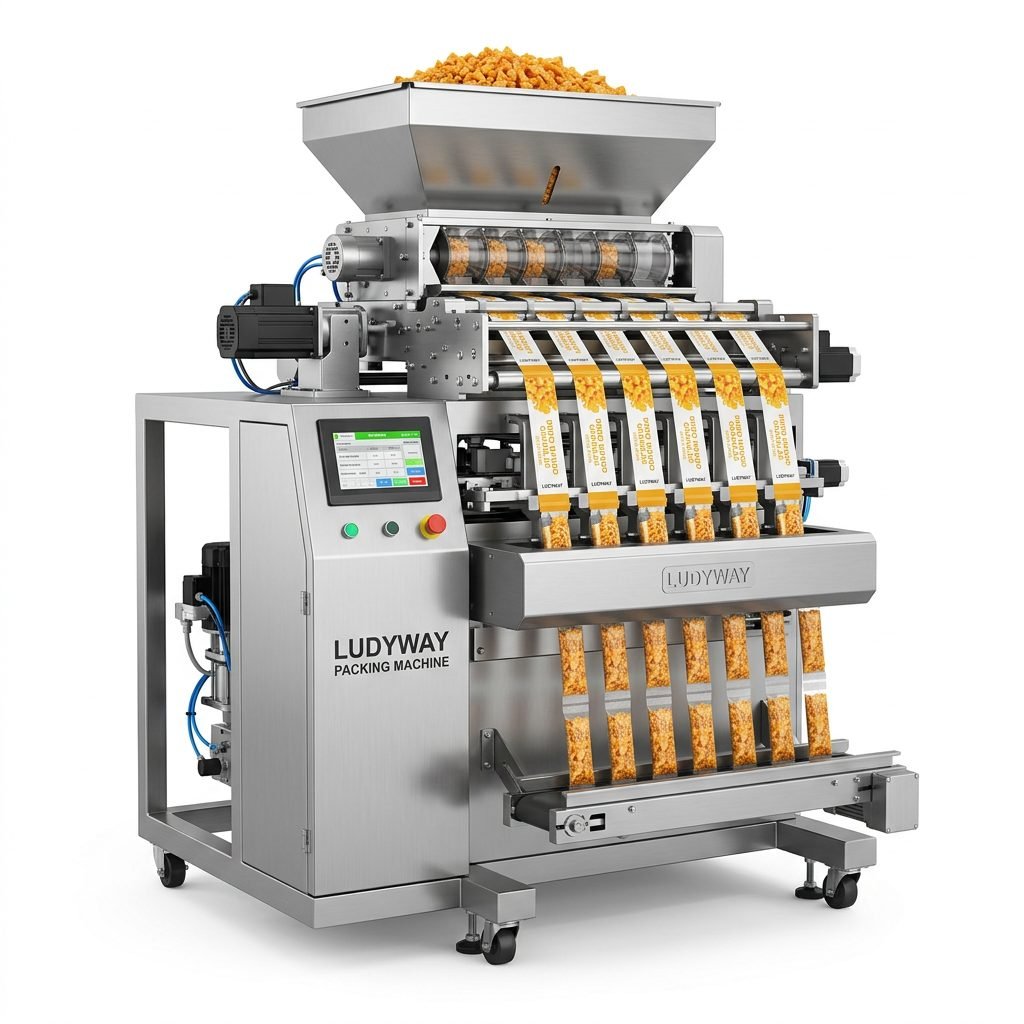
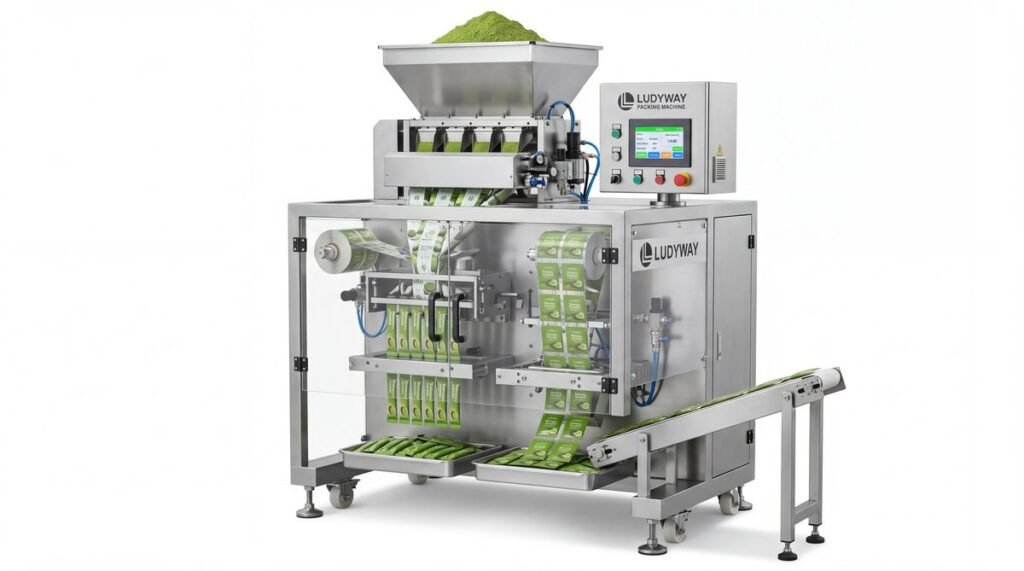
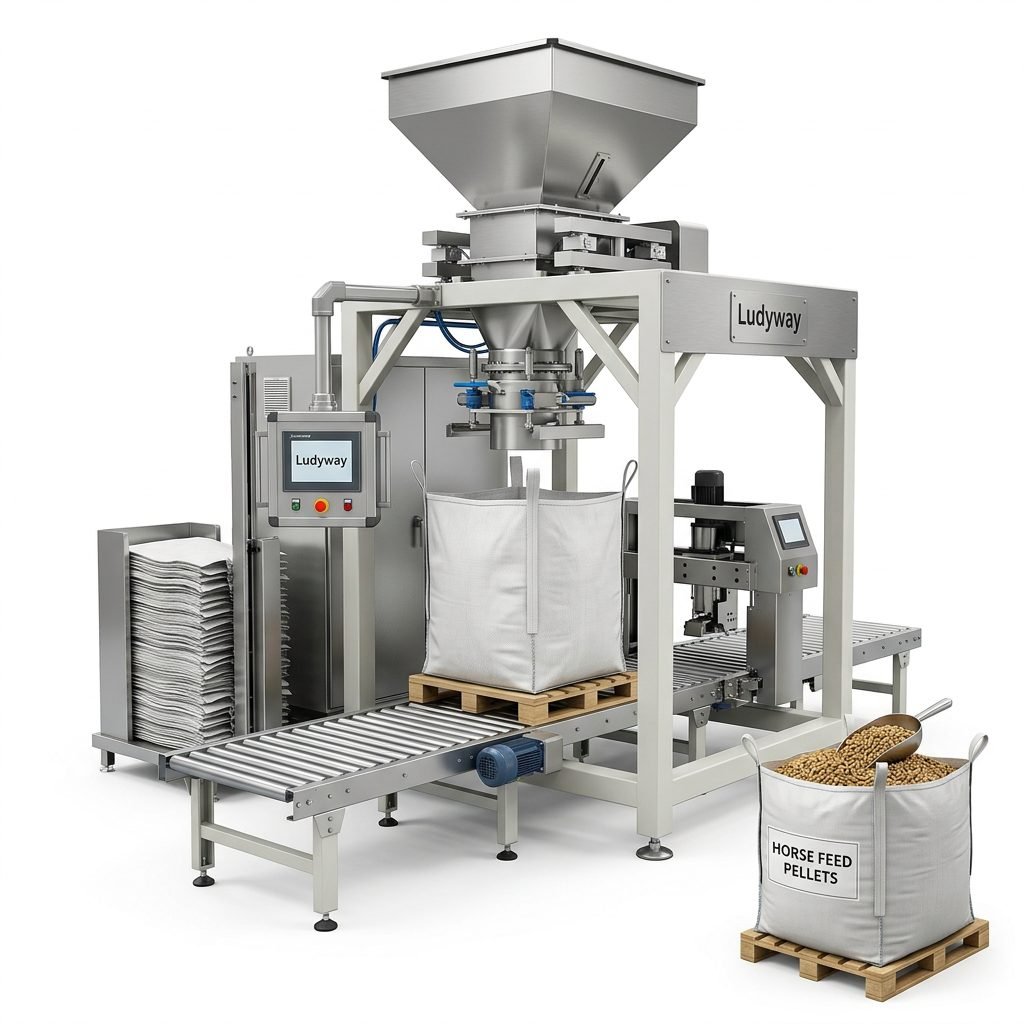
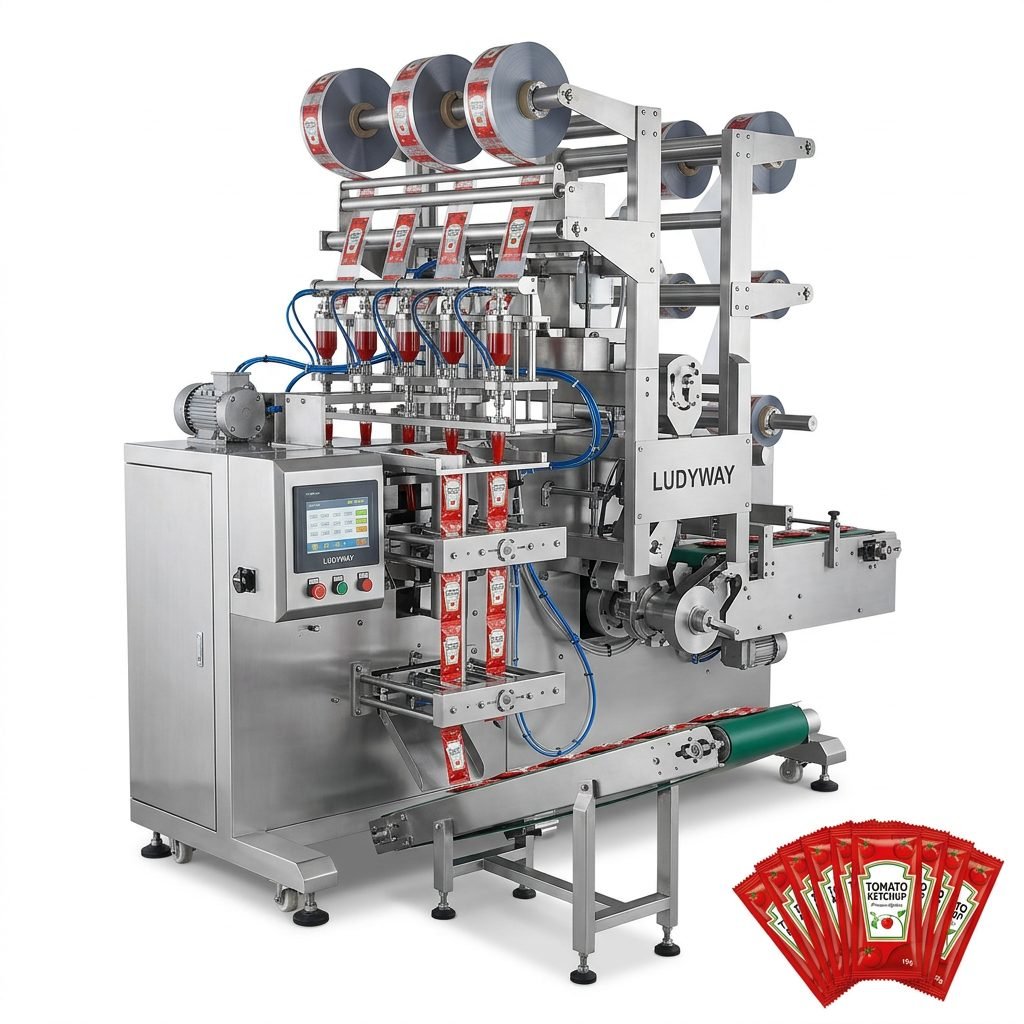
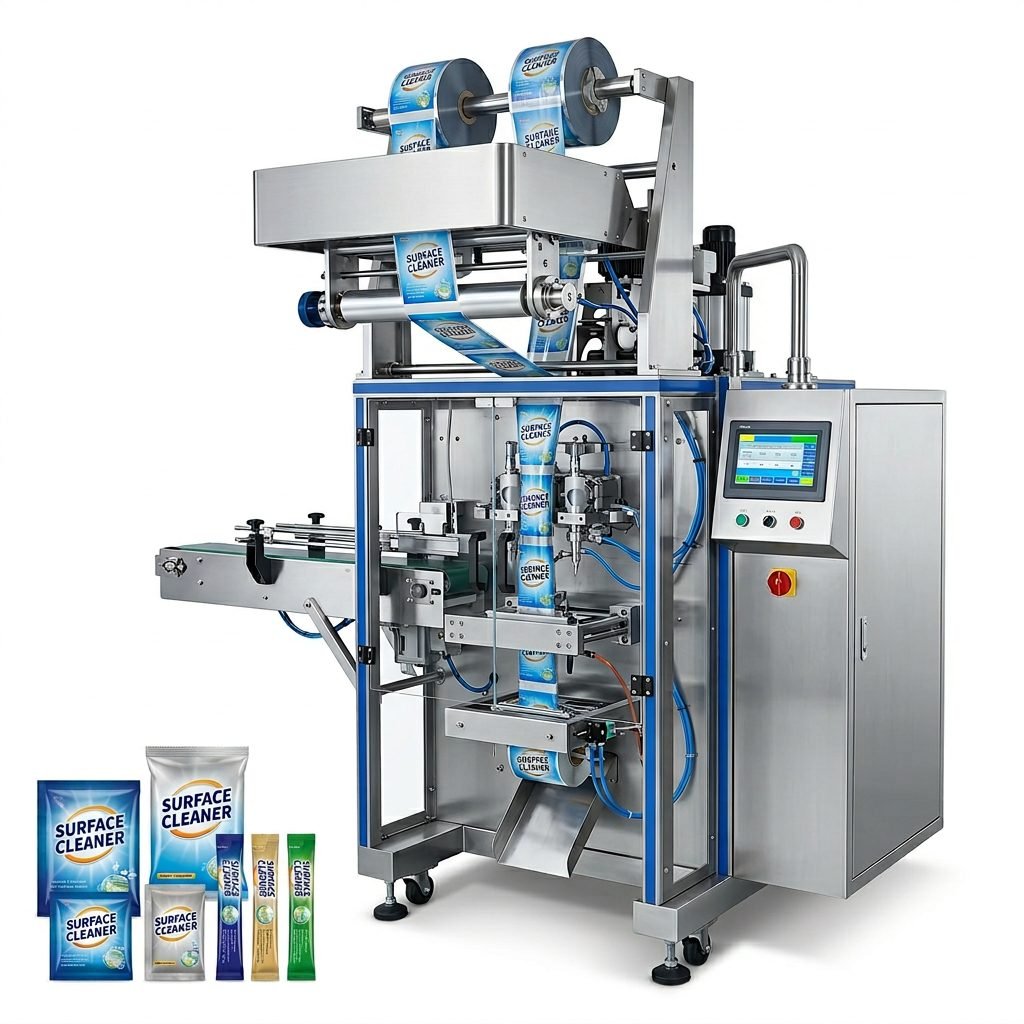
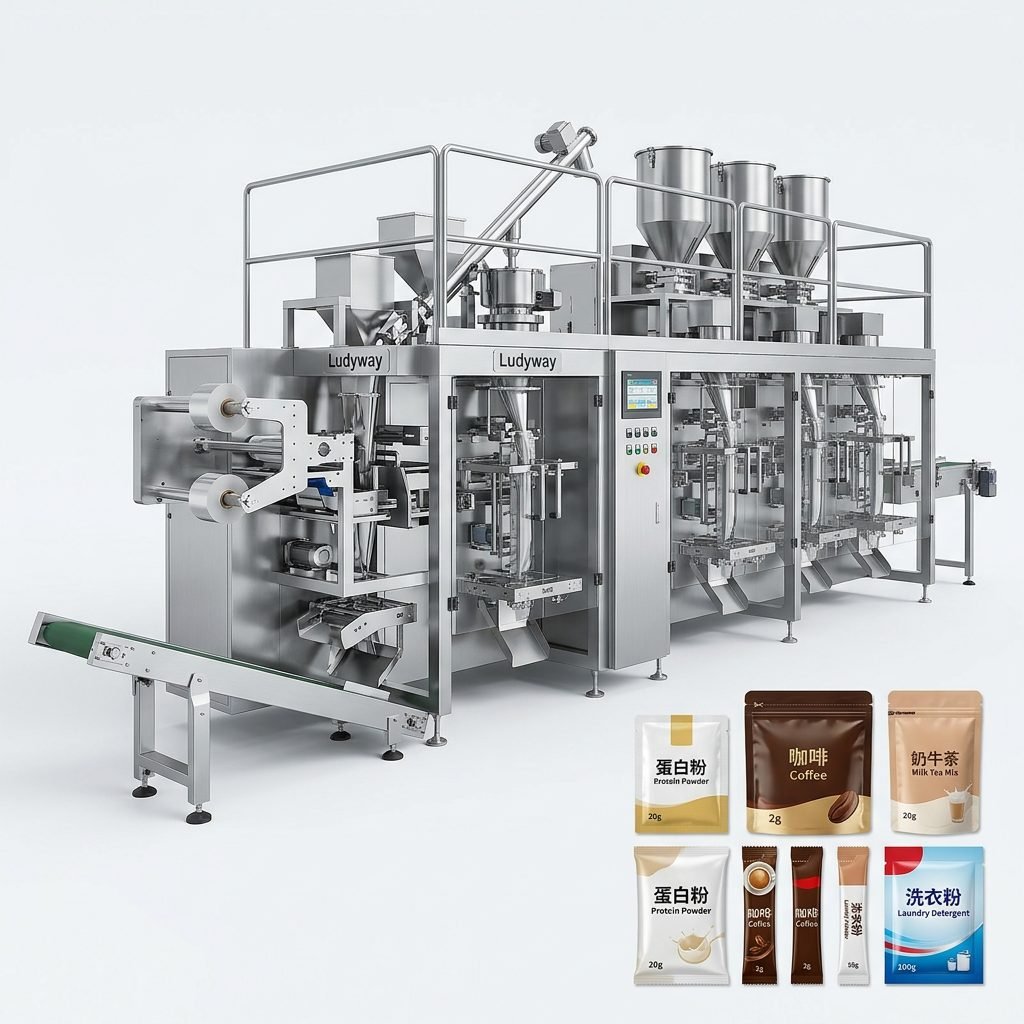
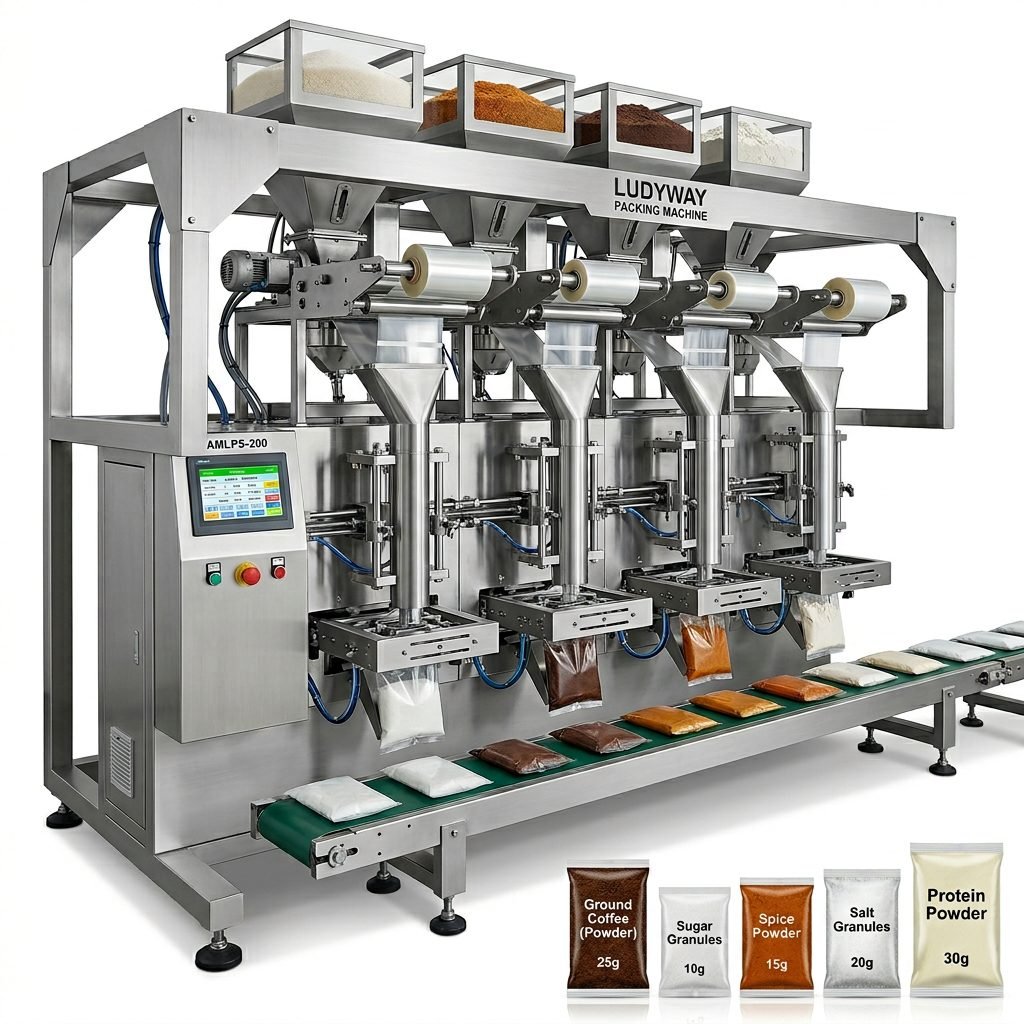
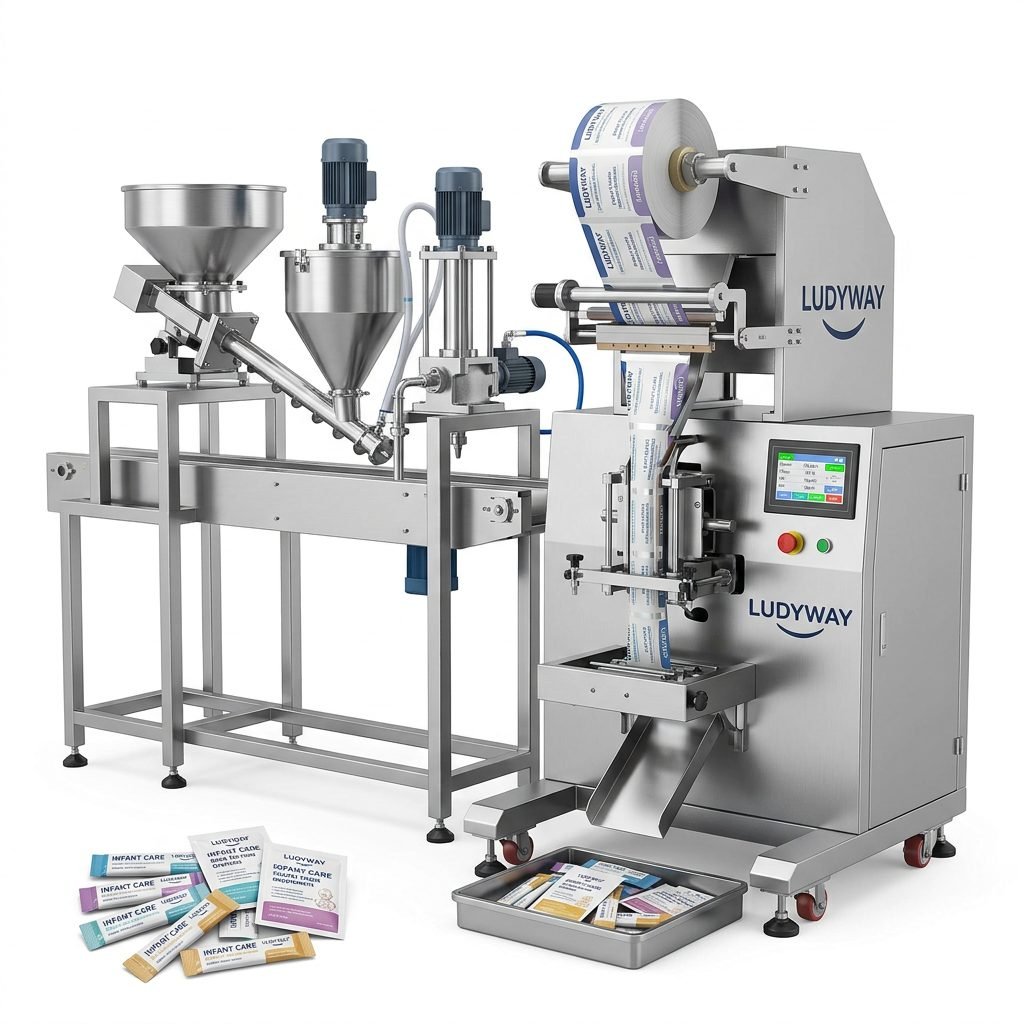
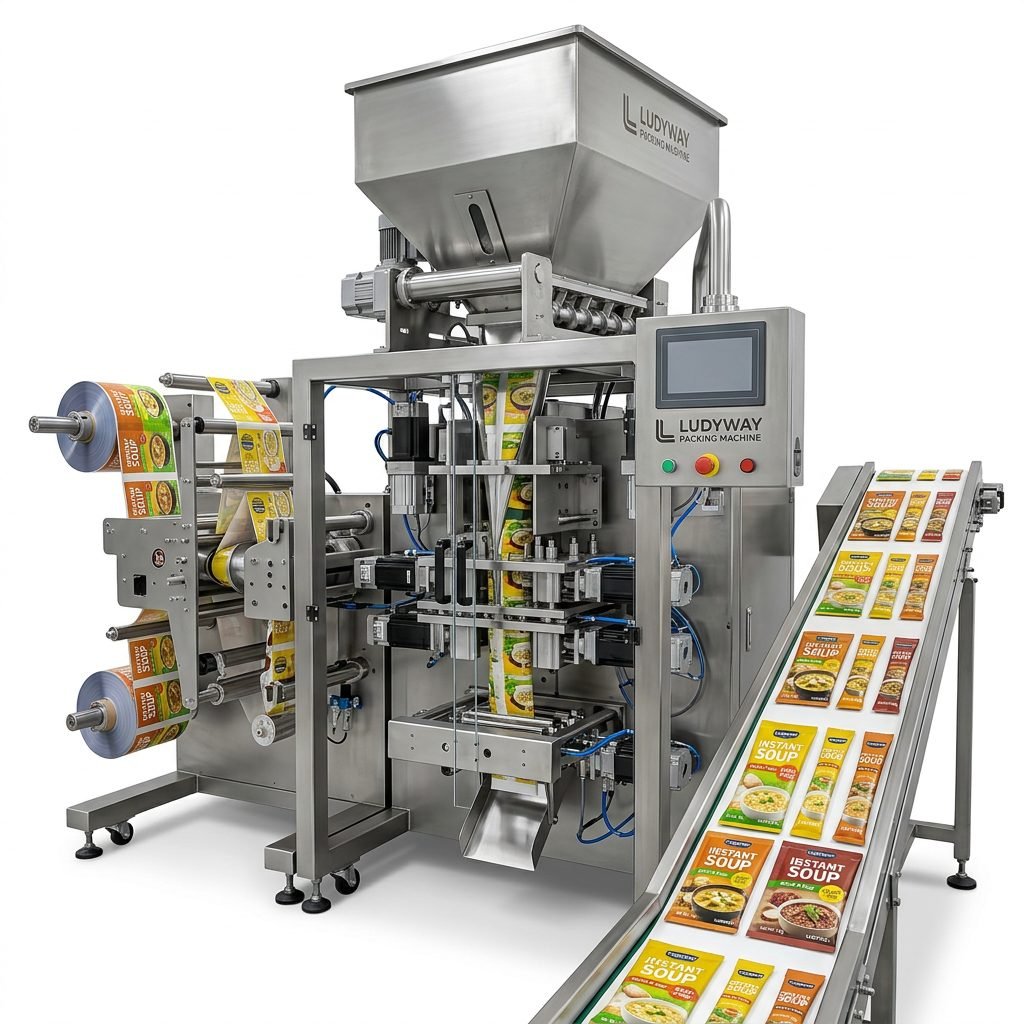
The global push towards sustainability is reshaping industries, and packaging is at the forefront of this transformation. For manufacturers, the challenge is clear: how to maintain or even enhance operational efficiency while drastically reducing environmental impact. The answer lies in the strategic adoption of sustainable packaging machinery. These eco-friendly automated solutions are not just a trend; they represent a fundamental shift towards smarter, more responsible production that directly cuts waste and boosts efficiency across the entire supply chain.
Core Insight: Modern sustainable packaging machinery integrates precision engineering with intelligent material handling. This synergy minimizes raw material usage from the outset, directly attacking the root cause of packaging waste while optimizing production speed and consistency.
The Pillars of Eco-Friendly Automated Packaging
Sustainable packaging systems are built on several interconnected principles that work together to create a closed-loop, efficient process.
1. Material Reduction & Precision
Advanced machines utilize high-precision servo motors and cutting systems to ensure the exact amount of film or material is used for each pack. This eliminates overuse and the associated scrap. Technologies like real-time monitoring and feedback loops constantly adjust parameters, guaranteeing that material consumption is kept at the theoretical minimum without compromising seal integrity or product protection.
2. Energy-Efficient Operation
Next-generation packaging machinery is designed with energy conservation as a core feature. This includes:
- ● High-efficiency servo drives that consume power only during movement cycles, unlike traditional constant-run motors.
- ● Smart standby and sleep modes that automatically reduce energy use during production pauses.
- ● Optimized thermal management for sealing systems, reducing the energy required to maintain precise temperatures.
3. Compatibility with Sustainable Substrates
True sustainability requires machinery capable of handling new, eco-friendly materials. Modern solutions are engineered to run efficiently with:
- Monolayer and recyclable films.
- Compostable and bio-based packaging materials.
- Paper-based laminates and lighter-weight materials.
This adaptability future-proofs your investment and allows for a seamless transition as packaging material science evolves. For businesses looking to implement such adaptable systems, exploring solutions from experienced providers can be a critical first step.
How Automation Drives Waste Reduction and Efficiency
The automation inherent in these systems is the engine for both environmental and economic gains. It transforms manual, variable processes into streamlined, predictable ones.
Direct Waste-Cutting Mechanisms:
- Minimized Changeover Waste: Automated, recipe-driven changeovers with servo adjustments drastically reduce the film and product wasted when switching between SKUs.
- Zero Defect Packaging: Integrated vision inspection systems and weight checkers automatically reject under/over-filled or poorly sealed packs, preventing faulty products from reaching consumers and becoming immediate waste.
- Optimized Material Logistics: Automated systems can be integrated with warehouse management to use materials in perfect sequence, reducing the risk of film degradation or obsolescence.
Boosting Operational Efficiency
Efficiency gains are multifaceted. Automated sustainable packaging lines operate at higher speeds with consistent output, reducing the cost per unit. They require less manual intervention, lowering labor costs and human error. Furthermore, their reliability and data output enable predictive maintenance, minimizing unplanned downtime—a major source of inefficiency and rushed, wasteful production runs. The journey towards such integrated automation often begins with understanding the expertise behind the machinery.
Implementing a Sustainable Packaging Line: Key Considerations
Transitioning to eco-friendly automation requires careful planning. Success depends on more than just purchasing new equipment.
Assessment and Integration
Begin with a thorough audit of current packaging processes to identify the largest sources of waste and inefficiency. The chosen machinery must integrate seamlessly with existing upstream (filling, processing) and downstream (cartoning, palletizing) equipment. Modular designs are highly valuable, allowing for phased implementation and future upgrades.
Lifecycle Cost Analysis
Evaluate the total cost of ownership, not just the purchase price. Factor in the savings from reduced material usage, lower energy bills, decreased waste disposal costs, and higher throughput. This analysis almost always reveals a compelling financial argument for sustainable automation over the long term.
Partnering with a provider that offers comprehensive support, from initial design to ongoing technical service, is crucial for realizing these long-term savings and maintaining optimal machine performance.
The Future is Circular: Beyond the Machine
The ultimate goal is contributing to a circular economy. Sustainable packaging machinery is the critical enabler, but it’s part of a larger system. This involves designing packaging for recyclability from the start, using machines that handle recycled content reliably, and collaborating with material suppliers and waste management partners. The data collected by intelligent machines can also provide invaluable insights for further optimizing the entire product lifecycle for sustainability.
Conclusion
Investing in sustainable packaging machinery is a decisive step towards future-proofing your manufacturing operations. These eco-friendly automated solutions deliver a powerful dual benefit: a significant reduction in environmental footprint through precise material use and energy savings, coupled with a substantial boost in operational efficiency, consistency, and cost-effectiveness. As consumer and regulatory pressures for sustainability grow, adopting this technology transitions from a competitive advantage to a business imperative. It represents a commitment to innovation, responsibility, and long-term operational excellence.
Frequently Asked Questions (FAQs)
Q1: Is sustainable packaging machinery only suitable for large corporations?
No. The market now offers scalable and modular solutions. Many manufacturers provide compact, affordable automated machines designed for small to medium-sized enterprises (SMEs) that offer the same precision, material savings, and efficiency benefits, allowing businesses of all sizes to participate in sustainable practices.
Q2: Can these machines handle traditional plastic films, or are they only for new eco-materials?
They are highly versatile. While engineered to run challenging sustainable substrates like compostable films, they are equally proficient with conventional materials. The key advantage is that they use any material more efficiently, reducing waste immediately, and are ready for when you transition your material choices.
Q3: What is the typical return on investment (ROI) period for such equipment?
ROI periods vary based on scale, application, and current waste levels. However, by combining direct savings (material, energy, labor) with indirect benefits (brand value, compliance, fewer rejects), many businesses see a payback period of 1-3 years. A detailed lifecycle cost analysis with your supplier will provide a precise forecast.
Q4: How complex is the maintenance for these advanced automated systems?
Modern machines are designed for ease of maintenance with modular components and user-friendly HMIs (Human-Machine Interfaces) that provide diagnostic information. While they are sophisticated, proper training and support from the supplier ensure that routine maintenance is straightforward. Their reliability and predictive maintenance features often lead to less frequent, unplanned downtime compared to older equipment.
Q5: Do sustainable packaging solutions compromise on packaging speed or product protection?
Absolutely not. In fact, one of the primary goals of this automation is to enhance speed and consistency. Precision engineering ensures robust seals and accurate filling, often improving product protection by eliminating human error. High-speed servo technology allows these machines to match or exceed the output rates of traditional, less efficient packaging lines.