Selecting the right shrink packaging equipment is a critical decision for any business looking to enhance its packaging line. The right machine can improve efficiency, reduce material waste, and present your products more professionally on the shelf. With numerous suppliers in the market, from global leaders to specialized regional providers, the choice can seem overwhelming. This guide will walk you through the key factors to consider when choosing the best shrink packaging equipment for your specific operational needs and business goals.
Understanding Your Packaging Requirements
Before you even begin evaluating suppliers, you must have a clear understanding of your own requirements. This foundational step will guide every subsequent decision.
Product Dimensions and Throughput
What are the dimensions of your products? How many units do you need to package per hour or per shift? A machine’s speed (packages per minute) and the size range of its sealing chamber are non-negotiable starting points. Underestimating your speed requirements can create a bottleneck, while over-specifying can lead to unnecessary capital expenditure.
Key Consideration: Don’t just consider your current product line. Think about future diversification. Can the machine handle a range of sizes with simple adjustments, or would it require a costly changeover?
Film Type and Sealing Method
Shrink packaging uses various films like PVC, POF, and PE. The equipment must be compatible with your chosen film. Furthermore, understand the sealing method: L-sealers are common for bundling multiple items, while sleeve wrappers are ideal for single products, and tunnel systems are used for applying shrink labels. The wrong combination will lead to poor seals, film waste, and inconsistent results.
Evaluating Equipment Suppliers
Once you know what you need, it’s time to assess who can provide it. The supplier’s reputation and support are as important as the machine itself.
Technical Expertise and Customization
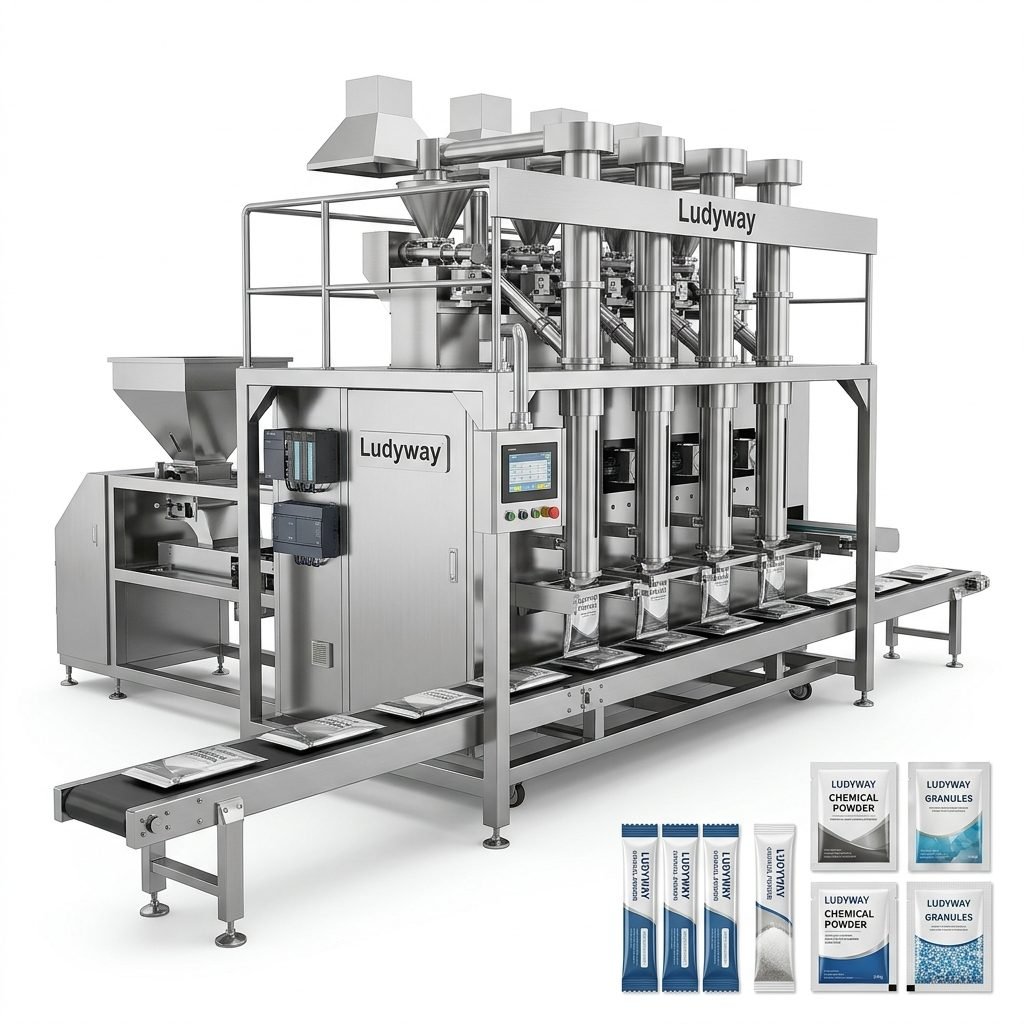
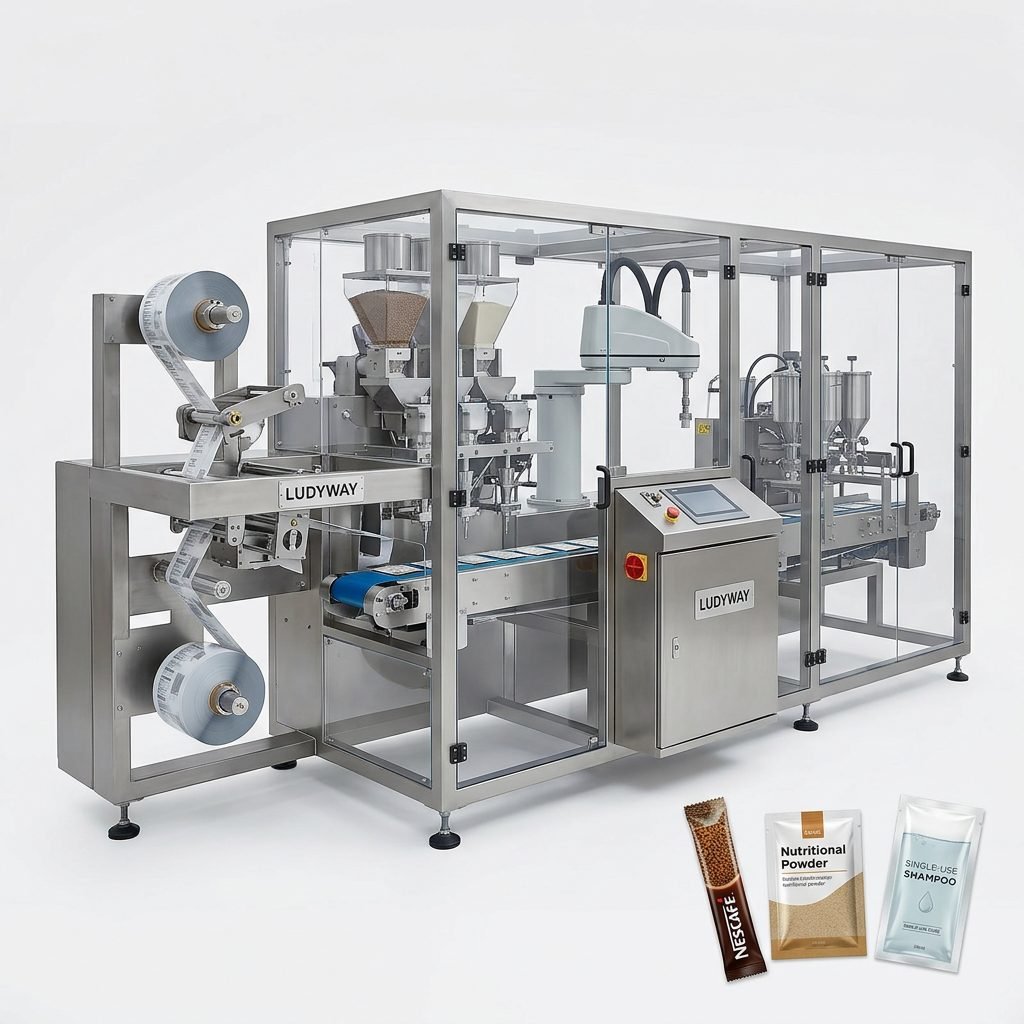
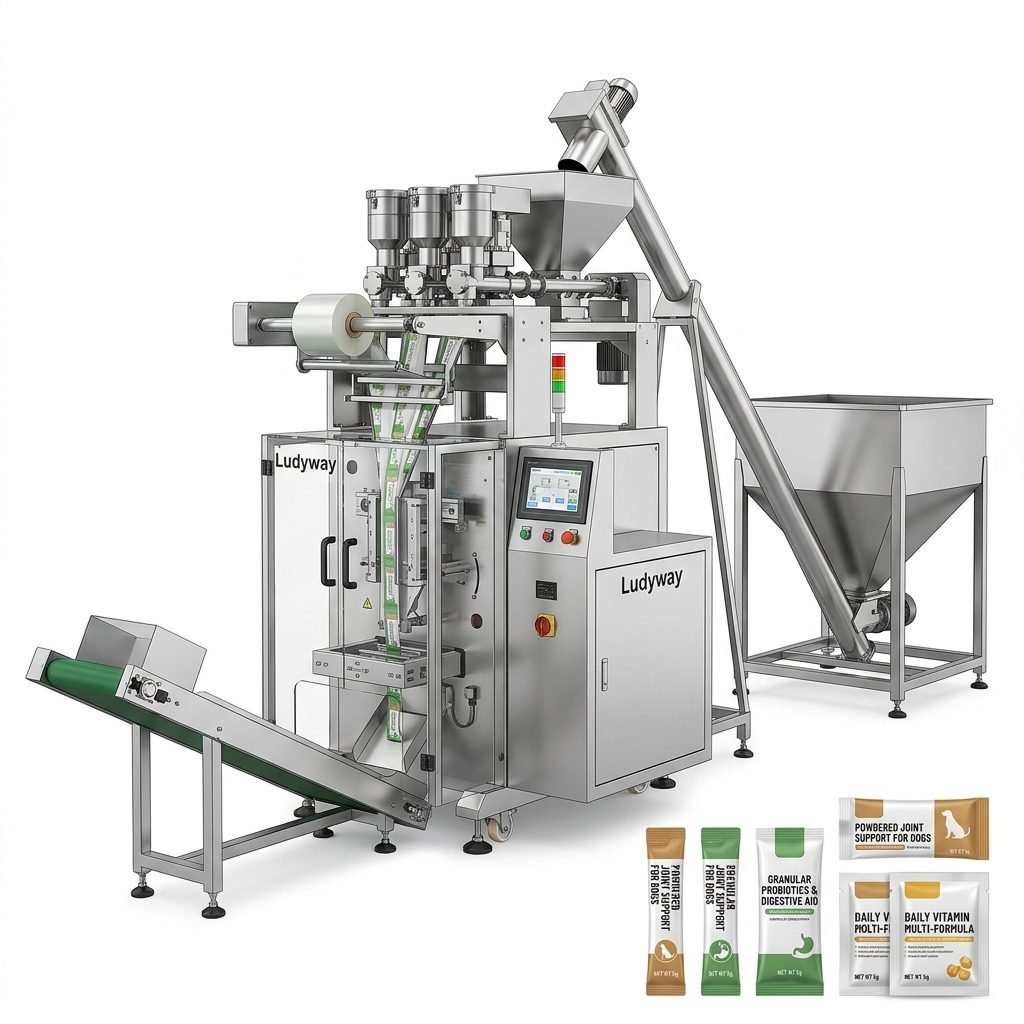
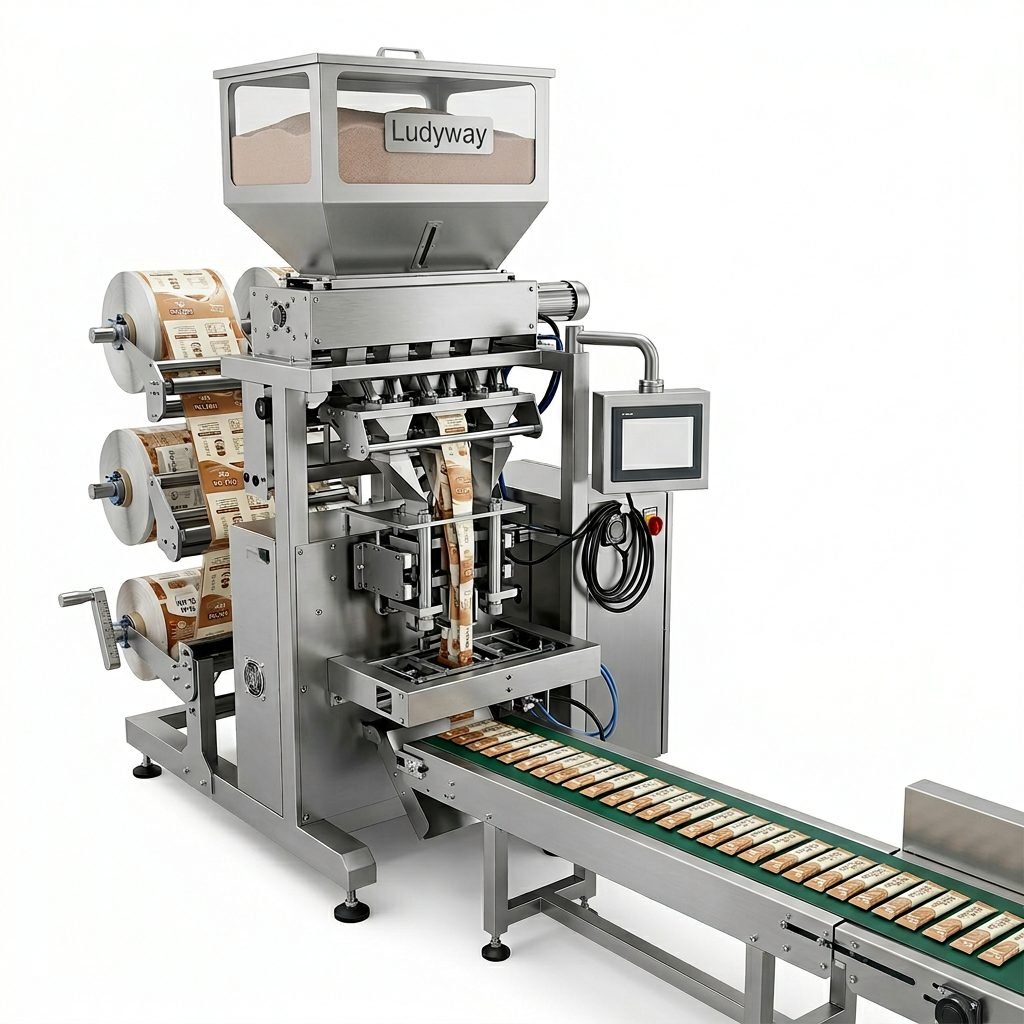
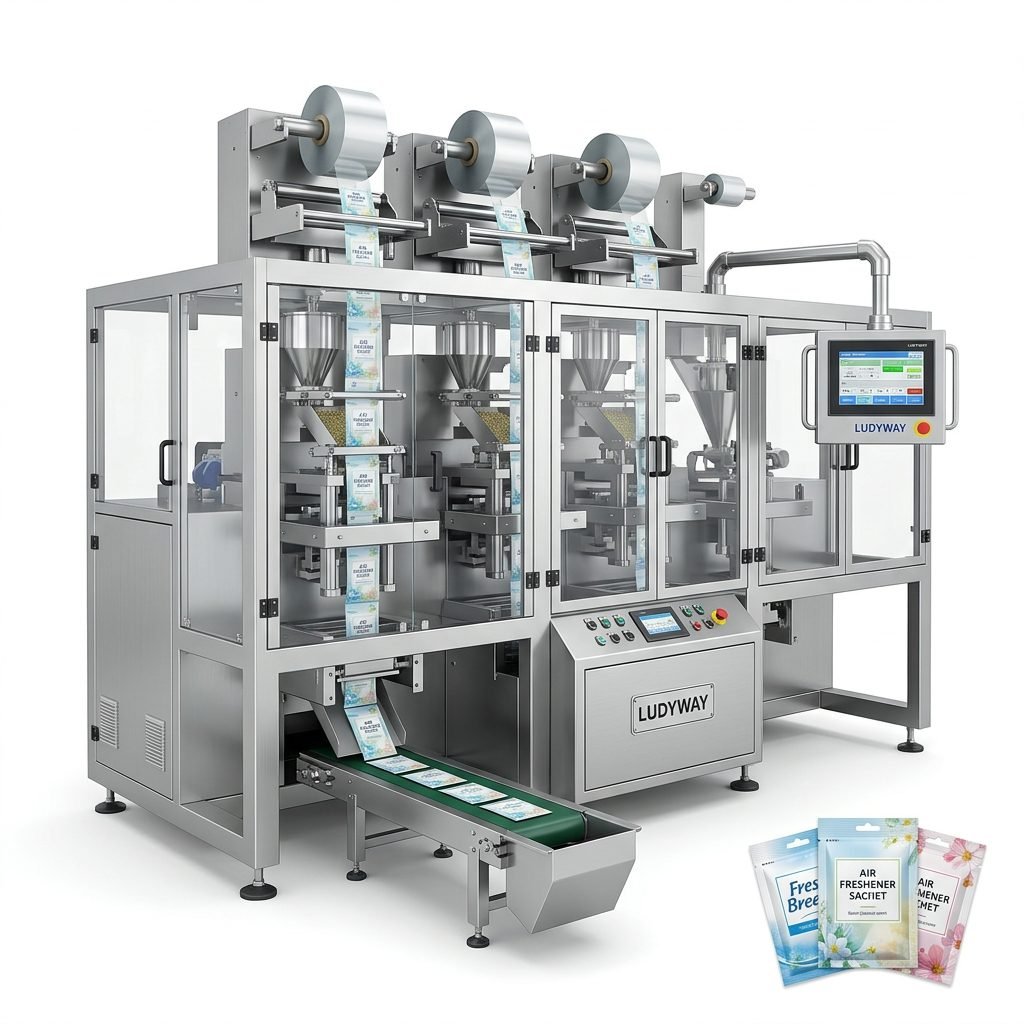
The best suppliers don’t just sell machines; they provide solutions. Look for a partner with deep technical expertise who can offer customization. Can they modify a standard machine to fit your unique product shape or production line layout? A supplier like Ludyway Packaging Machinery, with decades of engineering experience, often excels in developing tailored solutions that integrate seamlessly into existing operations.
Quality of Construction and Components
A packaging machine is a long-term investment. Inspect the build quality. Are frames sturdy? Are critical components like seals, cutters, and heating elements from reputable brands? High-quality construction minimizes downtime and extends the machine’s operational life, providing a better return on investment.
Supplier Checklist:
- Proven Track Record: How long have they been in business? Ask for case studies or references in your industry.
- After-Sales Support: What is their warranty policy? Is local technical support or remote diagnostics available?
- Spare Parts Availability: How quickly can you get critical spare parts? Delays can halt production for days.
- Training and Documentation: Do they provide comprehensive operator training and clear manuals in your language?
Global Reach with Local Understanding
For businesses operating in or exporting to specific regions, a supplier’s local knowledge is invaluable. They understand regional market preferences, regulatory standards for packaging materials, and can provide faster, more relevant service. A supplier with a global network, such as those serving diverse international markets, can offer insights that a purely local provider may not.
Key Features of Modern Shrink Packaging Machines
Today’s equipment goes beyond basic sealing and shrinking. Look for features that enhance automation, control, and efficiency.
Automation and Integration Capabilities
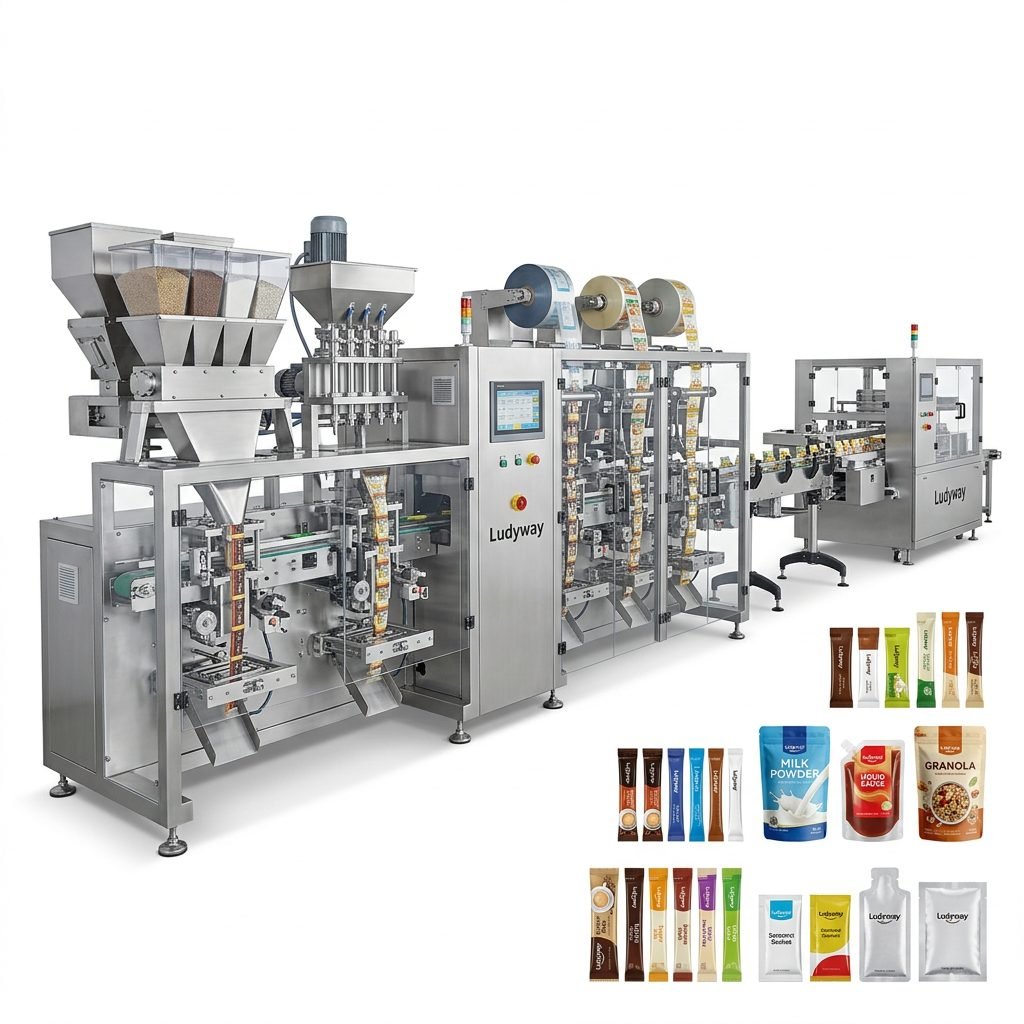
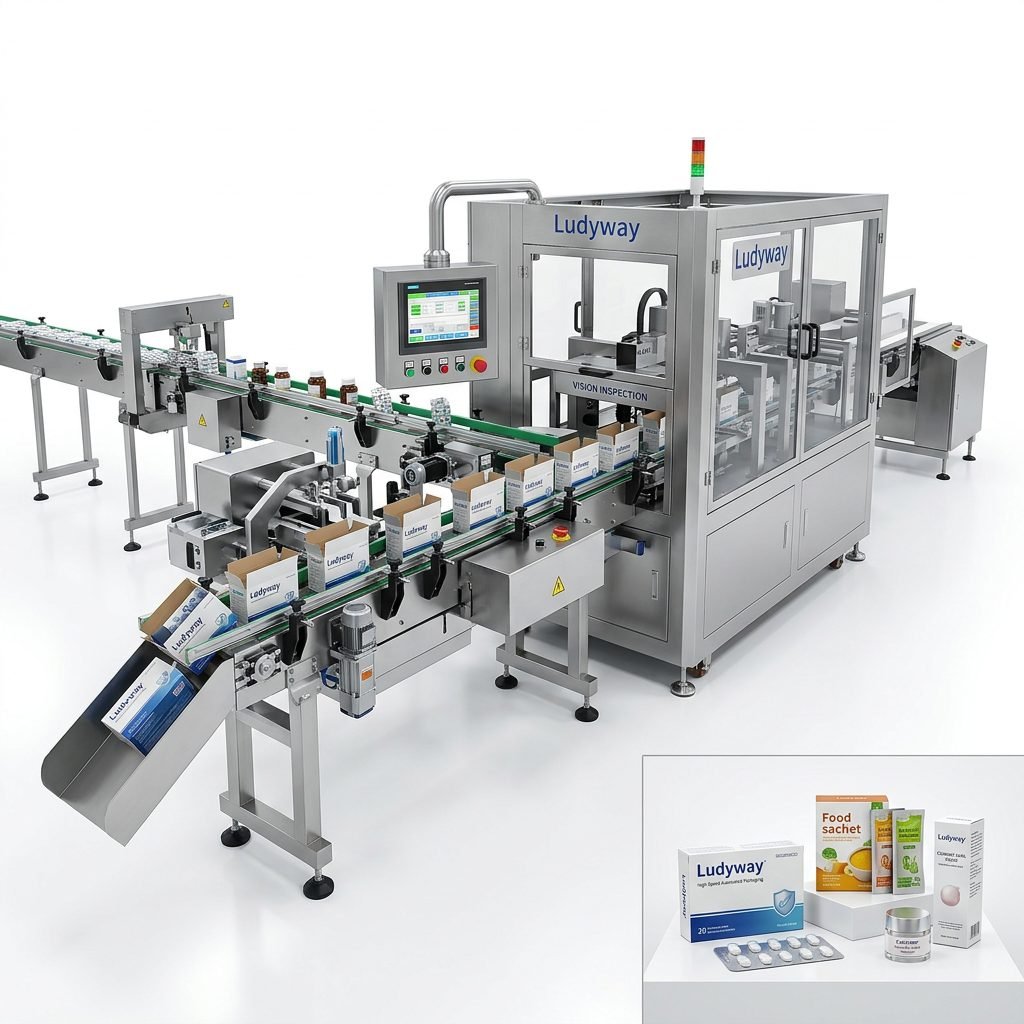
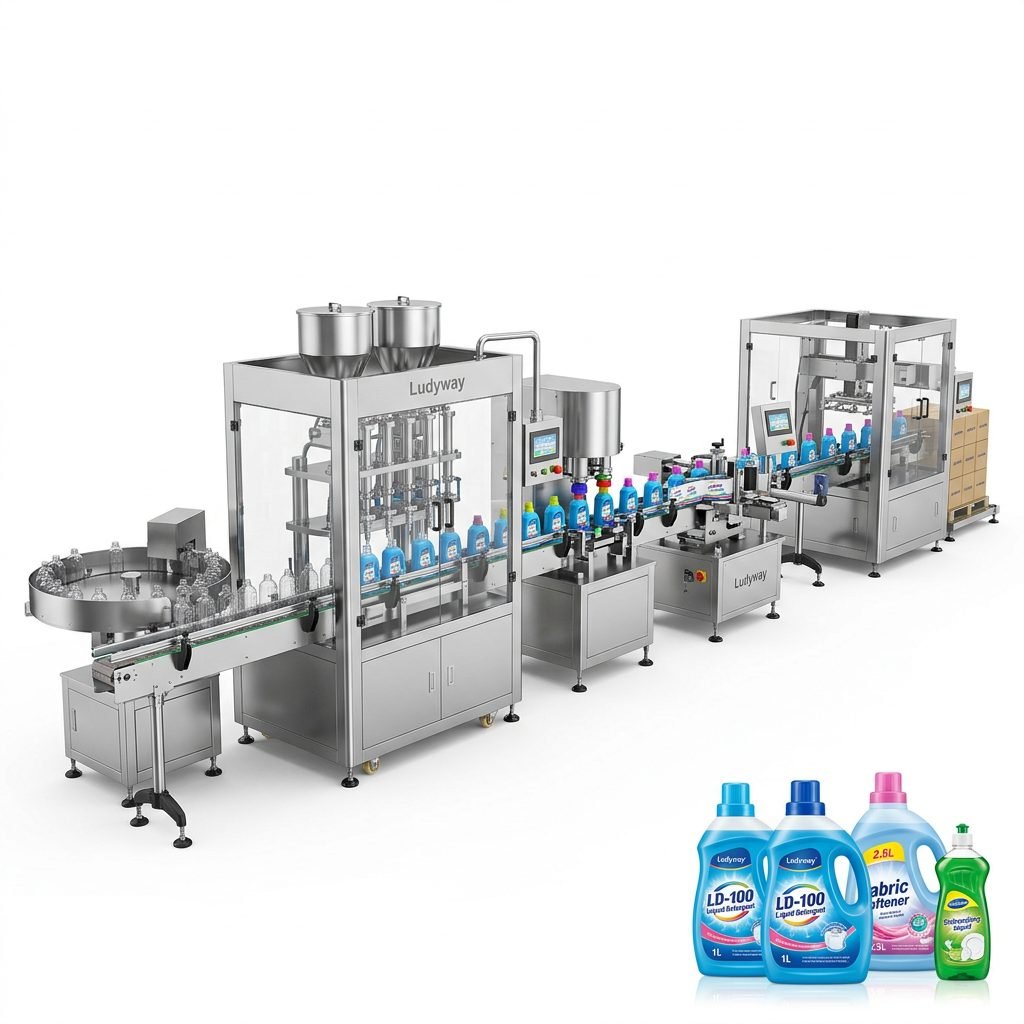
Can the machine be integrated with upstream fillers and downstream conveyors or labelers? Features like automatic film feeding, product detection sensors, and PLC (Programmable Logic Controller) systems allow for semi or fully automated operation, reducing labor costs and human error.
Energy Efficiency and Sustainability
Modern shrink tunnels are designed to heat up quickly and maintain temperature with minimal energy loss. Efficient machines not only lower your utility bills but also align with corporate sustainability goals. Some advanced systems even allow for the use of thinner, recyclable films without compromising seal integrity.
User-Friendly Controls and Data Tracking
A clear, intuitive HMI (Human-Machine Interface) allows operators to change settings, monitor performance, and troubleshoot with ease. Some systems offer data tracking capabilities, logging production counts, downtime events, and maintenance schedules, which is crucial for lean manufacturing and continuous improvement initiatives.
Making the Final Decision: TCO vs. Initial Price
The cheapest machine is rarely the most cost-effective. A more reliable, efficient machine from a reputable supplier like Ludyway may have a higher upfront cost but leads to far lower Total Cost of Ownership (TCO).
Calculate TCO by considering:
- Purchase Price: The initial investment.
- Operating Costs: Energy consumption, film usage efficiency, and required labor.
- Maintenance & Repair Costs: Cost and frequency of spare parts and service.
- Downtime Cost: The value of production lost during machine failures.
Investing in quality equipment from a trusted partner minimizes the latter three costs, proving its worth over time. Explore the range of intelligent packaging solutions available to find a perfect match for your throughput and automation needs.
Frequently Asked Questions (FAQs)
1. What is the main difference between an L-sealer and a sleeve wrapper?
An L-sealer creates a pouch around a product or bundle by forming the film into an “L” shape before sealing the final side. It’s ideal for multi-packs or irregular bundles. A sleeve wrapper forms a tube of film around a single product and seals the ends, providing a tighter, more professional fit for individual items like bottles or boxes.
2. How do I know which shrink film is best for my product?
The choice depends on your product’s needs and your priorities. PVC is cost-effective and offers high clarity. POF (Polyolefin) is stronger, more durable, and produces less smoke when heated. PE (Polyethylene) is very tough and puncture-resistant. Consult with your equipment supplier and film vendor; they can often provide samples for testing on your specific machine and product.
3. Can one machine handle products of very different sizes?
Many machines are designed with adjustable sealing bars, conveyors, and tunnel dimensions to accommodate a range of sizes. However, there are practical limits. A significant size change might require manual adjustment of several components, leading to changeover downtime. For highly variable production, discuss this need explicitly with your supplier to find a model with quick-change features or consider a modular system.
4. How important is after-sales service when choosing a supplier?
Extremely important. Packaging equipment is mechanical and will require maintenance and occasional repairs. A supplier with a responsive, knowledgeable service team and readily available spare parts is crucial for minimizing production downtime. Always inquire about service contracts, response times, and the availability of technical support before purchasing.
5. What are the benefits of a fully automated shrink packaging line?
Full automation, where the machine is integrated with product infeed and outfeed systems, maximizes efficiency and consistency. It significantly reduces manual labor, increases output speed, minimizes product handling (improving hygiene and reducing damage), and allows for continuous operation. It is a key investment for businesses looking to scale production and implement Industry 4.0 practices.