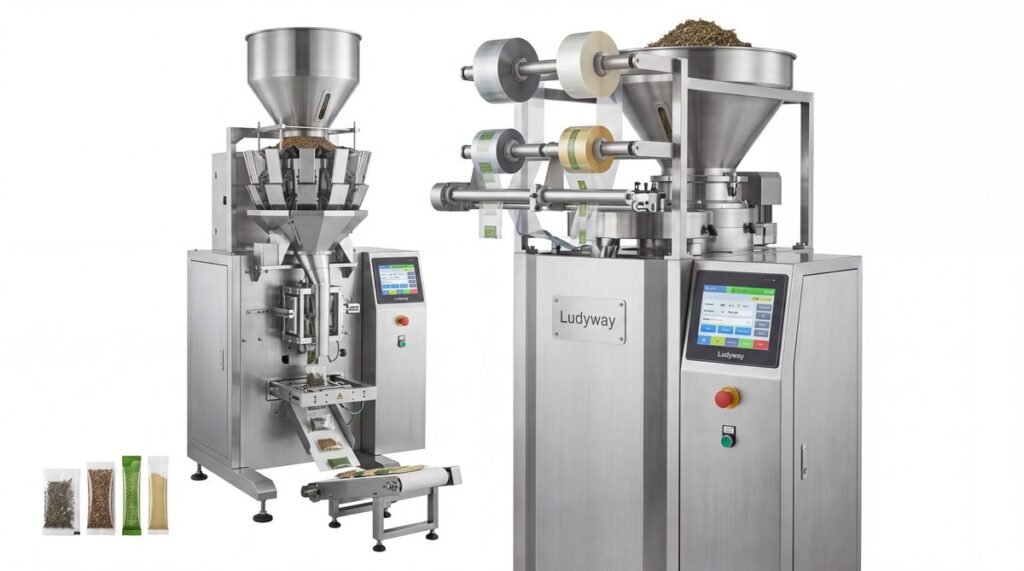
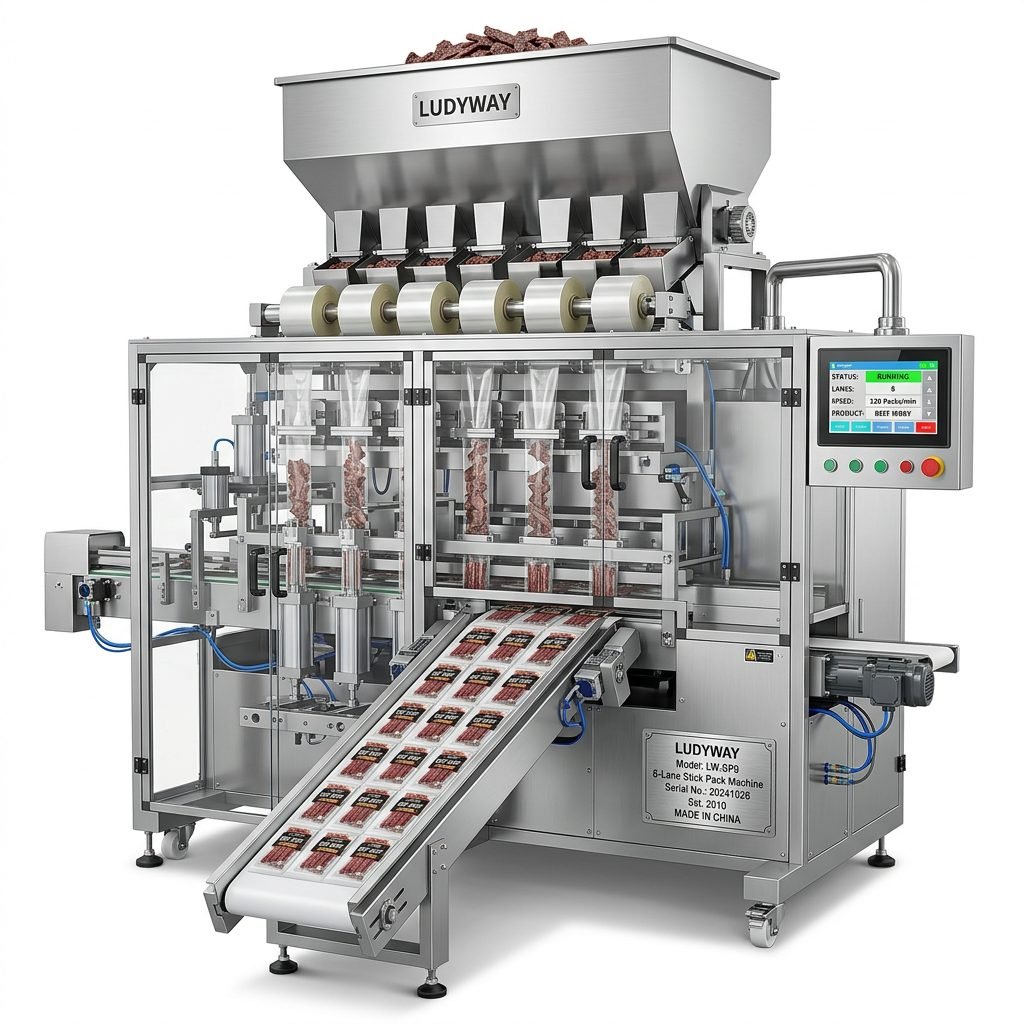
Selecting the right vertical packaging equipment is a critical decision that directly impacts your production efficiency, product quality, and overall operational costs. With numerous machine types, configurations, and features available, navigating the market can be challenging. This comprehensive sales guide is designed to help you understand the key factors involved in choosing the perfect vertical packaging machine for your specific production needs.
Understanding Vertical Packaging Machines
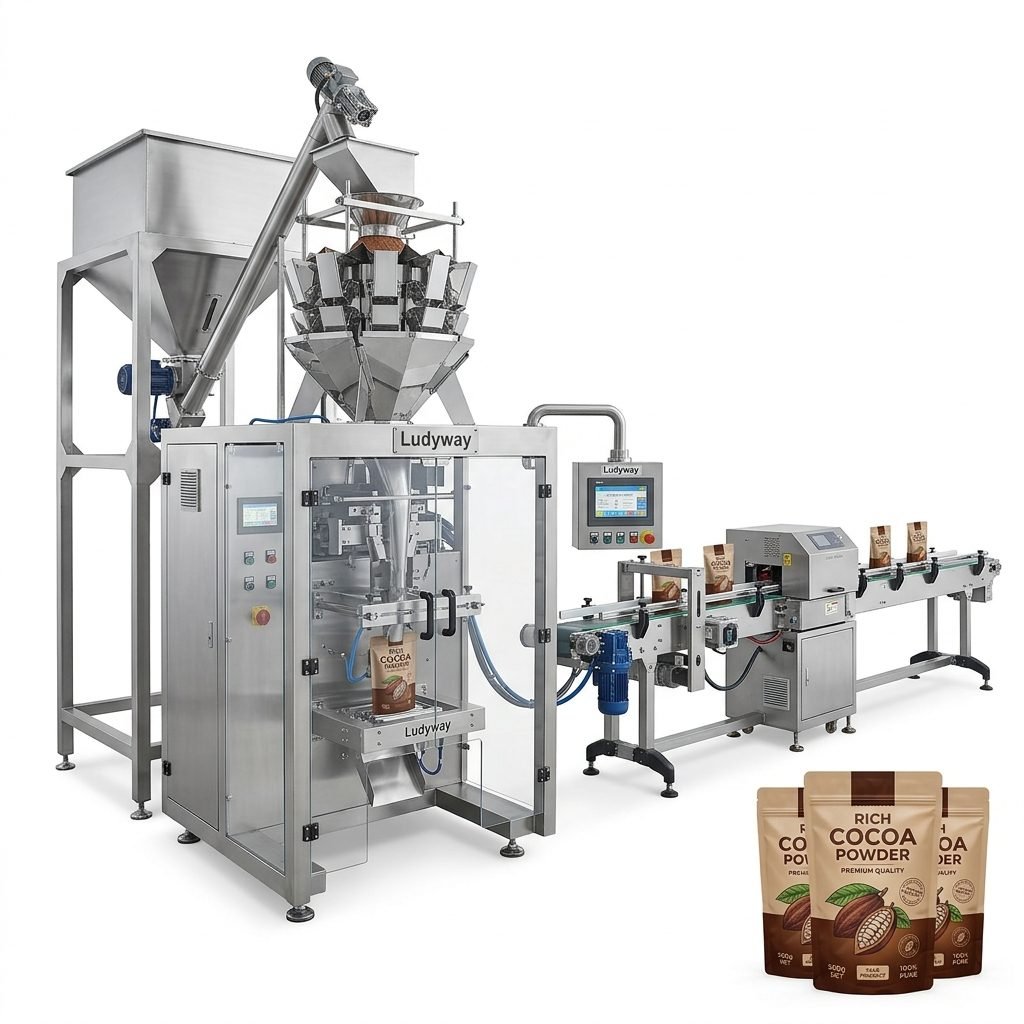
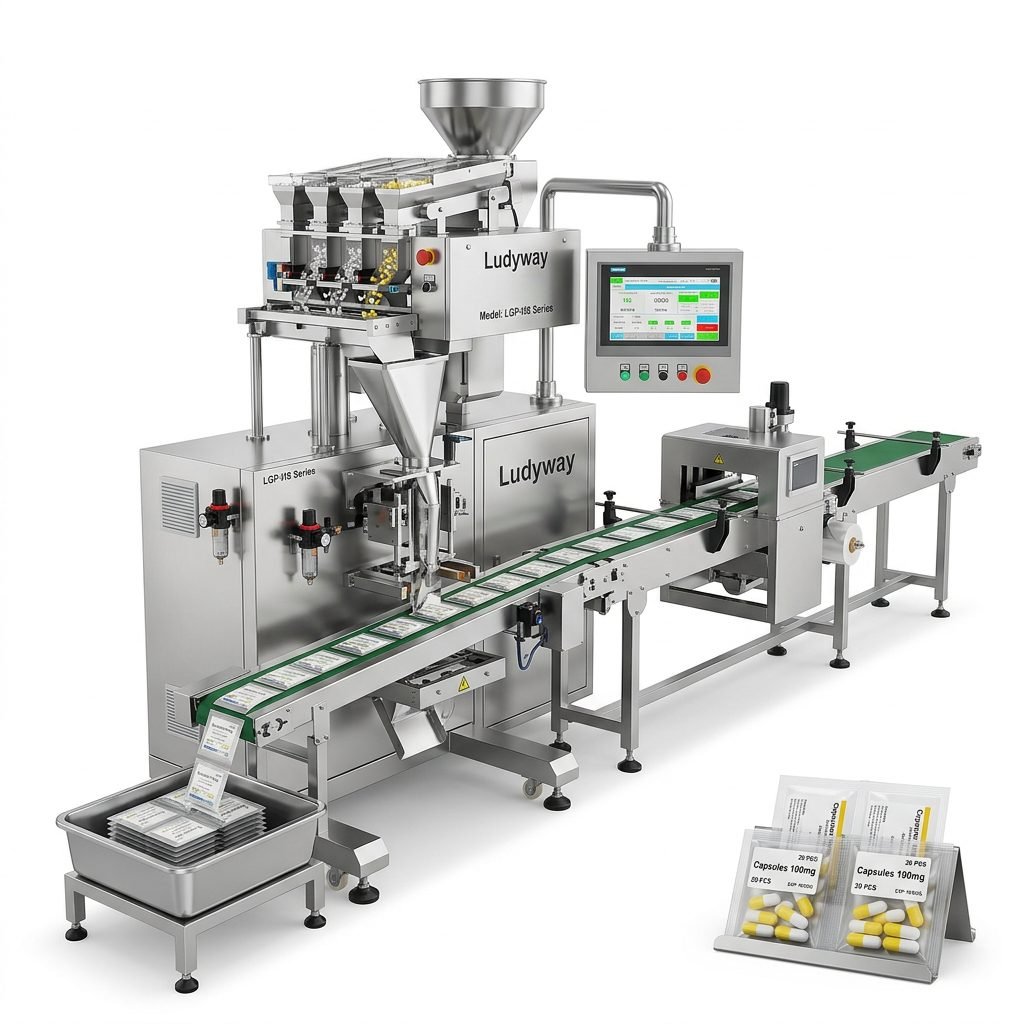
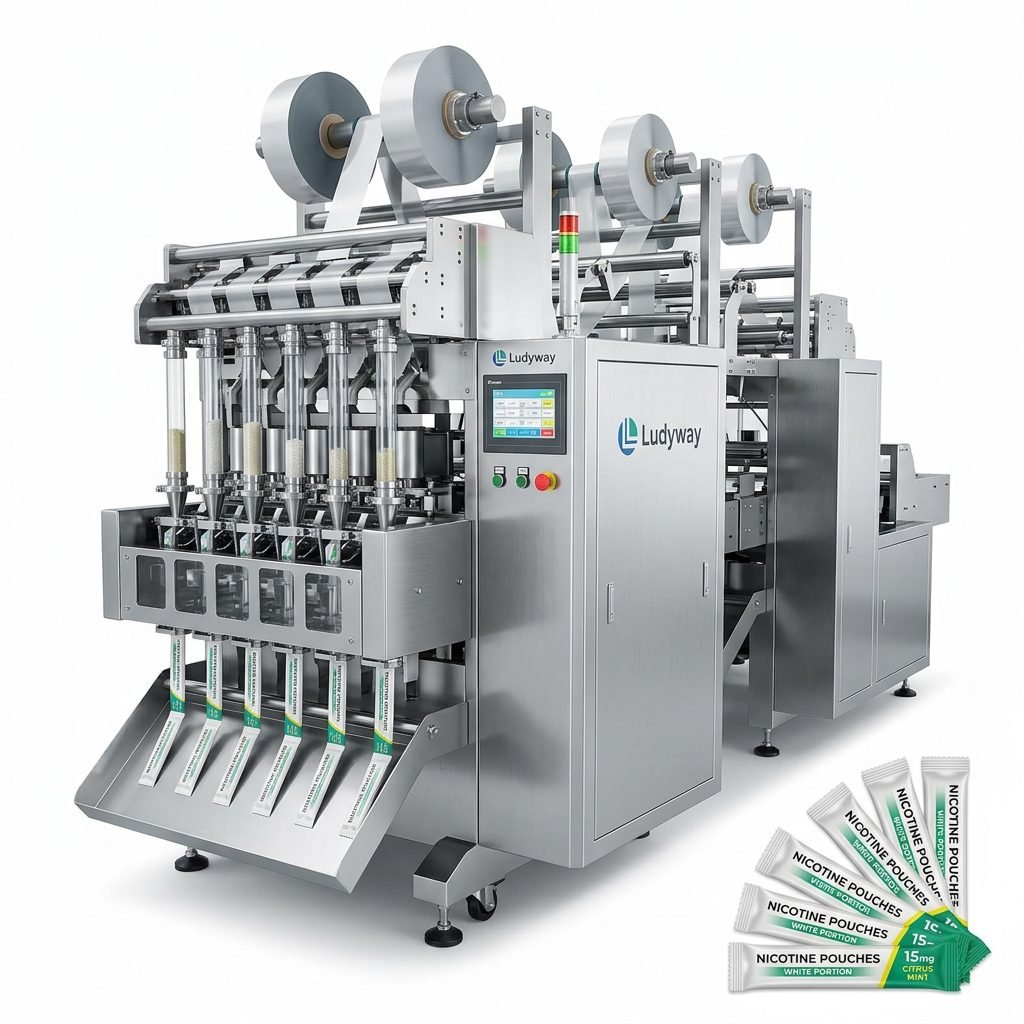
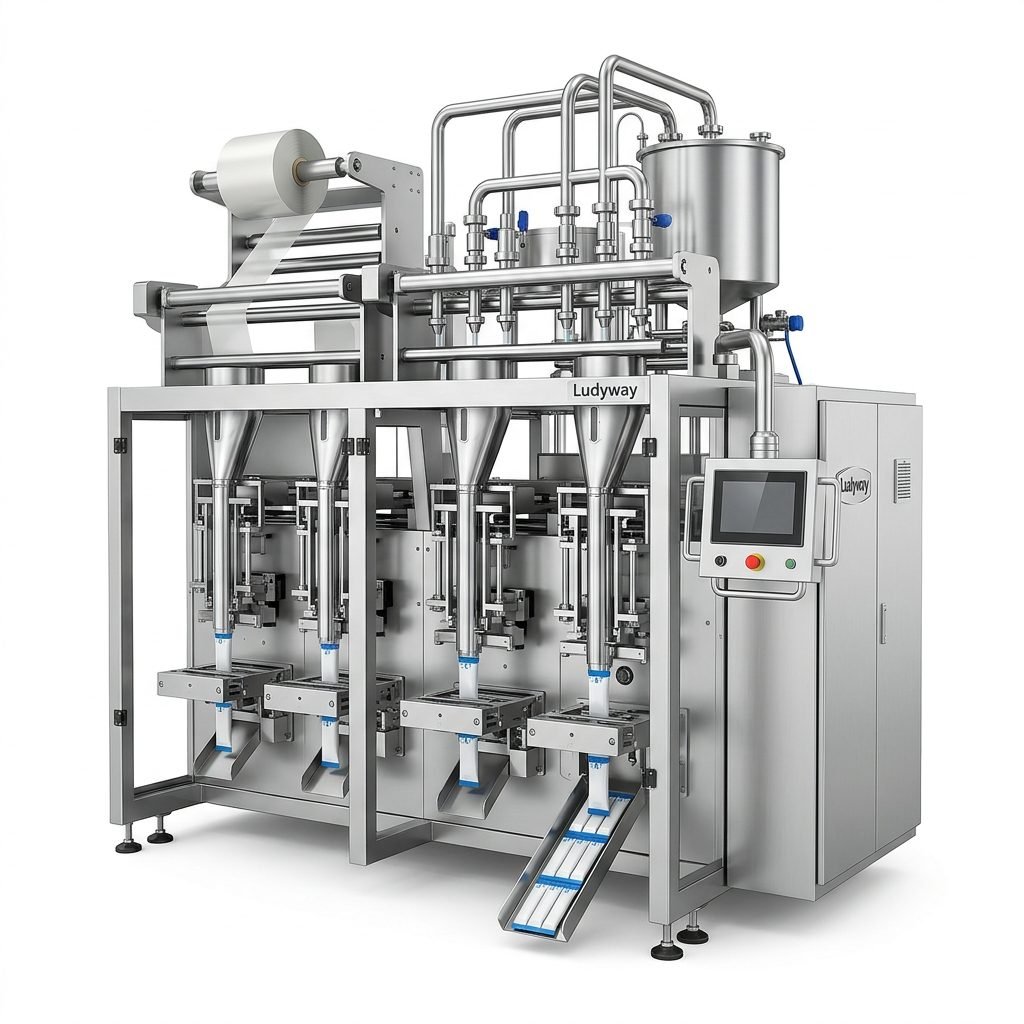
Vertical form-fill-seal (VFFS) machines are automated systems that form packaging from a roll of film, fill it with product, and seal it—all in a continuous vertical process. They are highly versatile and commonly used for packaging granules, powders, liquids, solids, and irregular items. The primary advantage of vertical packaging is its space efficiency and high-speed operation, making it ideal for a wide range of industries from food and snacks to pharmaceuticals and chemicals.
Core Components of a VFFS Machine
A standard vertical packaging system consists of several key components:
✅ Film Unwind & Guide System: Controls the feeding of packaging material from the roll.
✅ Forming Tube & Collar: Shapes the flat film into a tube around the product feed.
✅ Vertical Sealing Jaw: Creates the back seal of the package.
✅ Product Feed System: Can be volumetric cup, auger filler, pump, or scale depending on the product.
✅ Horizontal Sealing & Cutting Jaw: Creates the top and bottom seals and cuts individual packages.
✅ Control System (PLC/HMI): The brain of the machine, managing all parameters and operations.
Key Factors for Choosing the Right Machine
Your choice must align with your product characteristics, production goals, and operational environment. Here are the essential criteria to evaluate.
1. Product Characteristics
The nature of your product dictates the machine’s filling and handling systems.
- Type: Is it a free-flowing granule, fine powder, viscous liquid, or solid piece?
- Properties: Consider abrasiveness, hygroscopicity, fragility, and particle size.
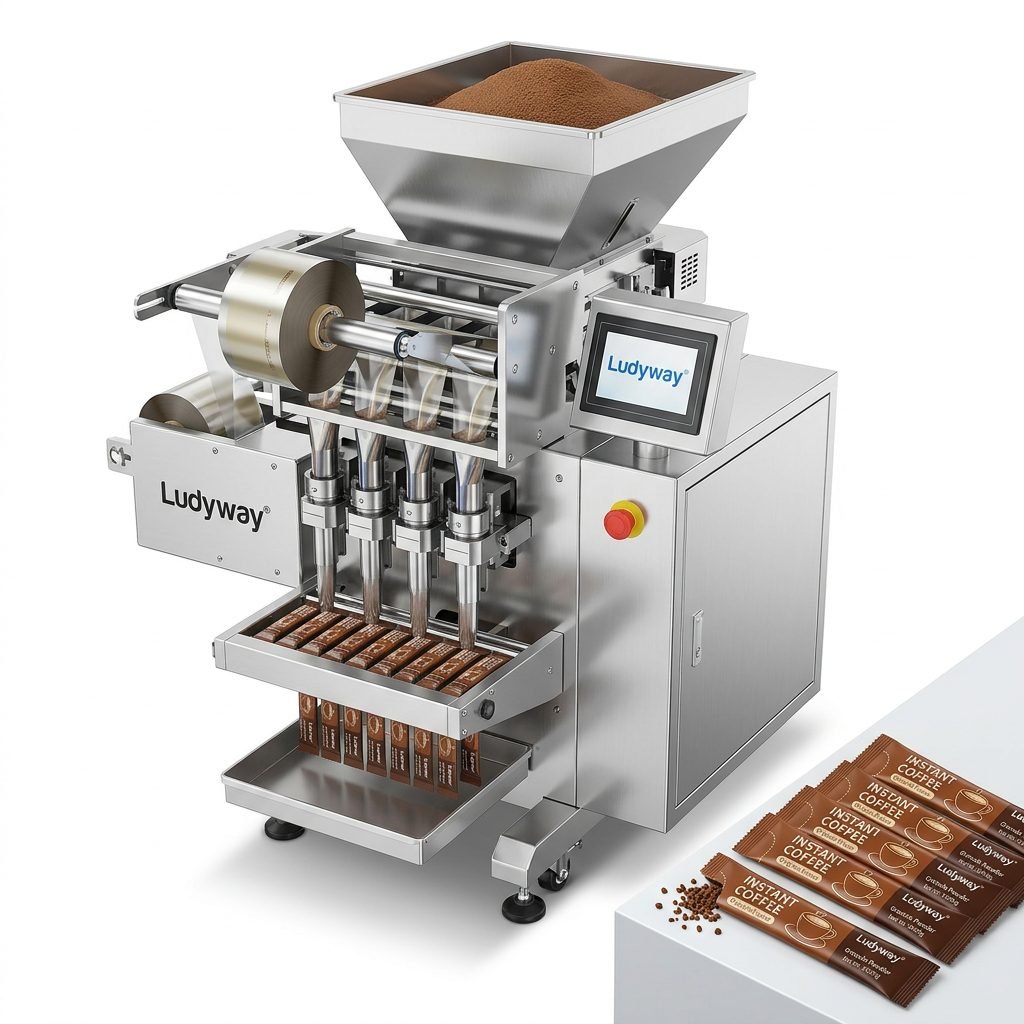
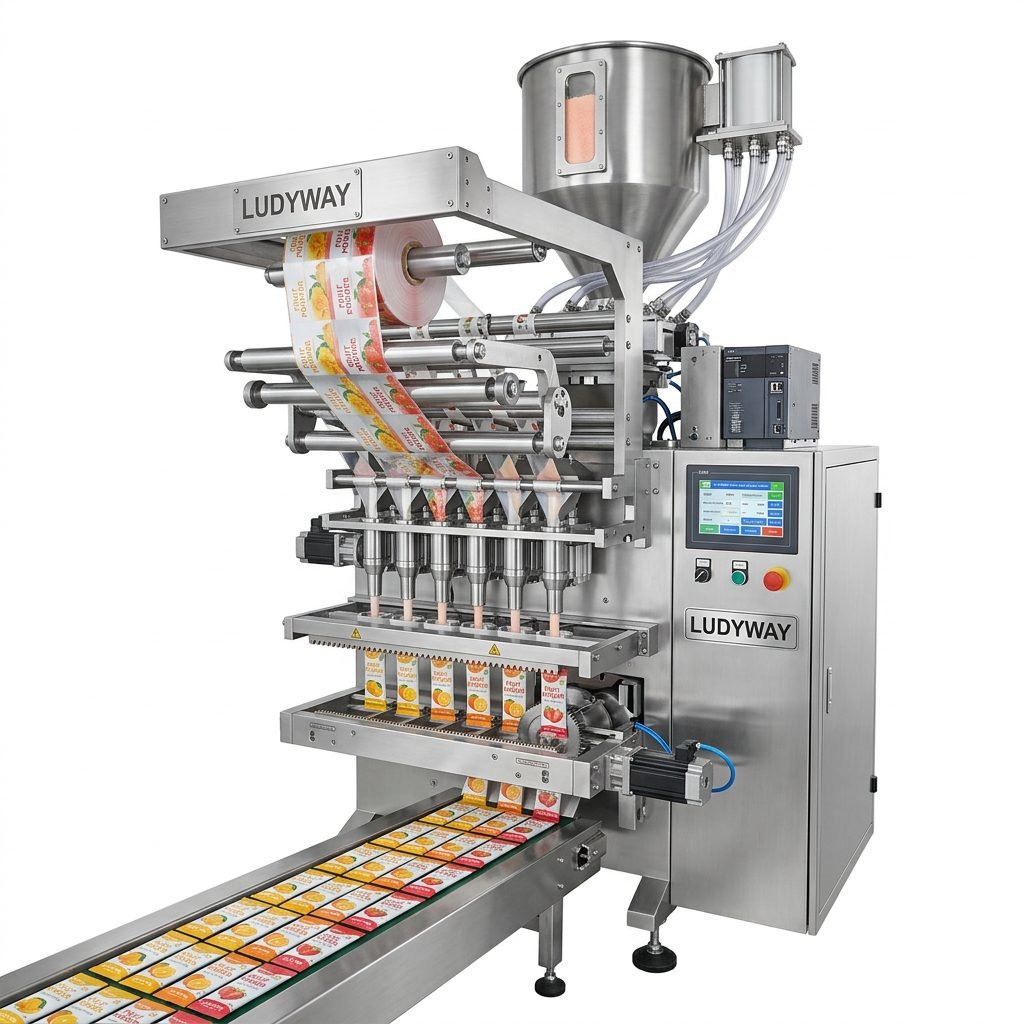
- Packaging Format: Do you need pillow bags, gusseted bags, stand-up pouches, or stick packs?
2. Production Requirements
Quantify your output needs to select a machine with appropriate speed and durability.
Speed & Capacity Analysis
Calculate your required bags-per-minute (BPM). A machine that is under-powered creates bottlenecks, while an overly complex high-speed machine may be an unnecessary capital expenditure. Consider future growth and potential for line expansion.
3. Filling System Selection
This is the heart of accuracy and is chosen based on your product.
Auger Fillers: Best for powders, granules, and pastes. Accuracy depends on auger design and tooling.
Volumetric Cup Fillers: Ideal for uniform granules, beans, or seeds. Simple and cost-effective.
Liquid Pumps: For water, oils, sauces, or shampoos. Choose from piston, gear, or peristaltic pumps.
Combination Weighers/Multi-head Scales: Provide the highest accuracy for valuable products or mixed-weight items like snacks.
4. Packaging Materials
Your machine must be compatible with your film structure (e.g., PET/PE, OPP/CPP, aluminum foil laminates). Consider the seal bar temperature control and film handling system. If you plan to use recyclable or compostable films, ensure the machine’s sealing technology can accommodate them.
Advanced Features & Customization
Modern vertical packagers offer features that enhance efficiency, safety, and data management.
Essential Modern Features
🔹 Touchscreen HMI with Recipe Memory: Allows quick changeovers between products.
🔹 Servo Motor Drives: Offer superior precision, quieter operation, and energy savings compared to traditional mechanical drives.
🔹 Integrated Checkweigher or Metal Detector: For in-line quality control.
🔹 Gas Flushing (Nitrogen) System: For modified atmosphere packaging (MAP) to extend shelf life.
🔹 Data Logging & Industry 4.0 Connectivity: Enables OEE tracking, predictive maintenance, and integration with factory MES/ERP systems.
Customization for Your Line
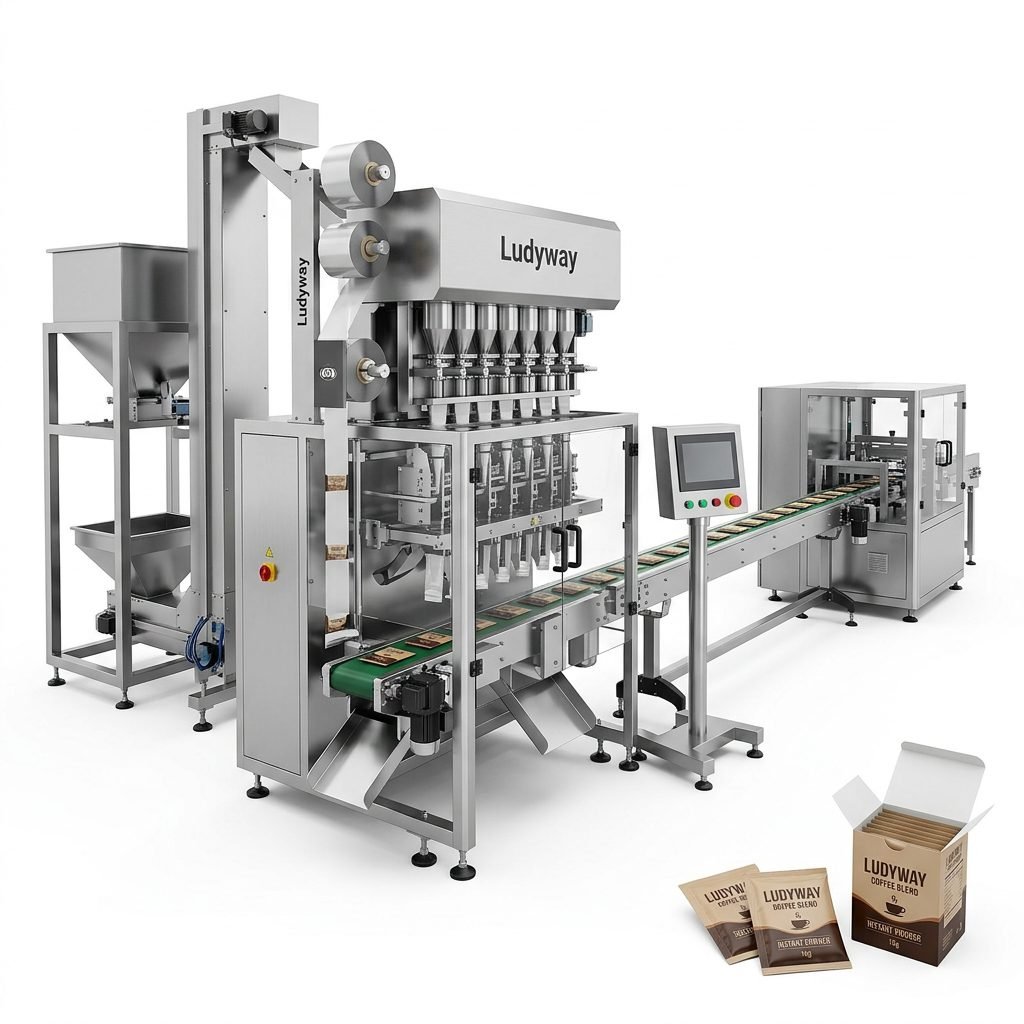
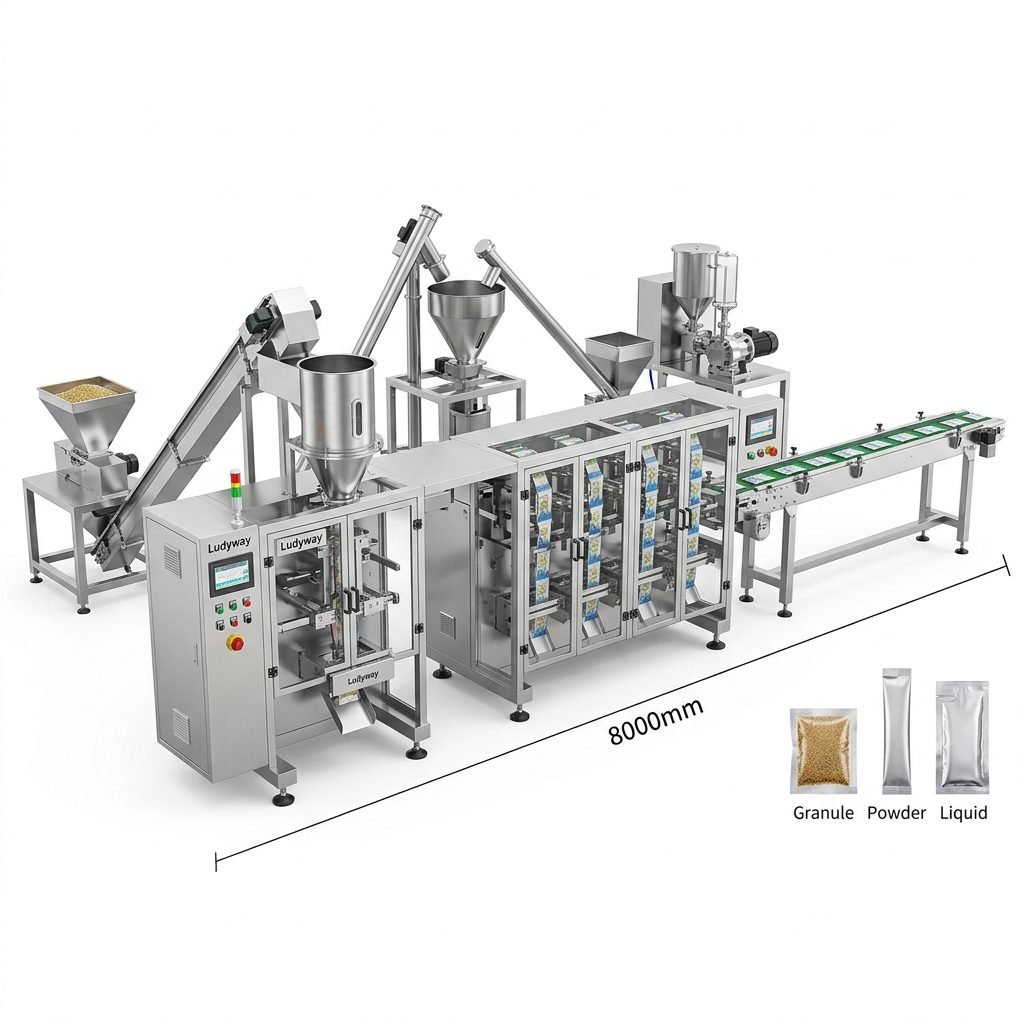
Off-the-shelf machines may not suit complex needs. Reputable suppliers like Ludyway Packing Machine offer customization. This can include specialized feed systems for delicate products, unique bag shapes, integration with upstream equipment (like mixers or depositors), or downstream systems (like cartoners or case packers). A turnkey production solution ensures all components work harmoniously.
Supplier Evaluation & Support
The machine manufacturer or supplier is as important as the equipment itself.
Experience & Reputation: Look for a supplier with a proven track record in your specific industry. Ludyway Machinery, for instance, brings over 30 years of focused experience in packaging solutions for food, pharmaceutical, and health industries.
Technical Support & Spare Parts: Ensure they offer comprehensive after-sales service, training, and readily available spare parts. Global support is crucial if your operations are international.
Testing & Validation: Always insist on a production test with your actual product and film before purchase. This verifies performance, accuracy, and seal integrity.
Total Cost of Ownership (TCO)
Look beyond the initial purchase price. TCO includes:
- Energy consumption (servo machines are more efficient).
- Maintenance costs and part longevity.
- Film waste due to machine accuracy and changeover efficiency.
- Downtime costs from unreliable equipment.
A slightly higher investment in a robust, efficient, and supported machine often yields a lower TCO and higher ROI over its lifespan.
Frequently Asked Questions (FAQs)
What is the typical lead time for a vertical packaging machine?
Lead times vary based on complexity and customization. Standard models may ship in 8-12 weeks, while fully customized or high-speed turnkey lines can take 16-24 weeks. Always confirm timelines with your supplier during the quotation process.
How difficult is it to change over to a different product or bag size?
Modern machines with servo drives and digital HMIs simplify changeovers. With recipe memory, operators can recall settings, and mechanical adjustments are minimized. Changeover time can range from 15 minutes for simple adjustments to an hour for major format changes, depending on the machine’s design.
Can one machine handle multiple types of products, like powders and granules?
Potentially, yes, but it requires careful planning. The machine would need interchangeable filling systems (e.g., a quick-change auger assembly) and thorough cleaning protocols to prevent cross-contamination. This is common in contract packaging environments. Discuss your multi-product needs explicitly with the supplier.
What kind of maintenance does a vertical packaging machine require?
Daily cleaning and visual inspection are essential. Regular maintenance includes lubricating moving parts, checking seal jaw integrity, calibrating scales, and inspecting electrical components. A reliable supplier will provide a detailed maintenance schedule and training for your technicians.
How do I ensure the machine meets food safety or pharmaceutical standards?
Specify the required standards (e.g., FDA, USDA, cGMP, EHEDG) upfront. The machine should be constructed with appropriate materials (e.g., 304 or 316 stainless steel), have smooth, cleanable surfaces, and design that prevents contamination. Documentation of materials and design compliance is critical for audit purposes.