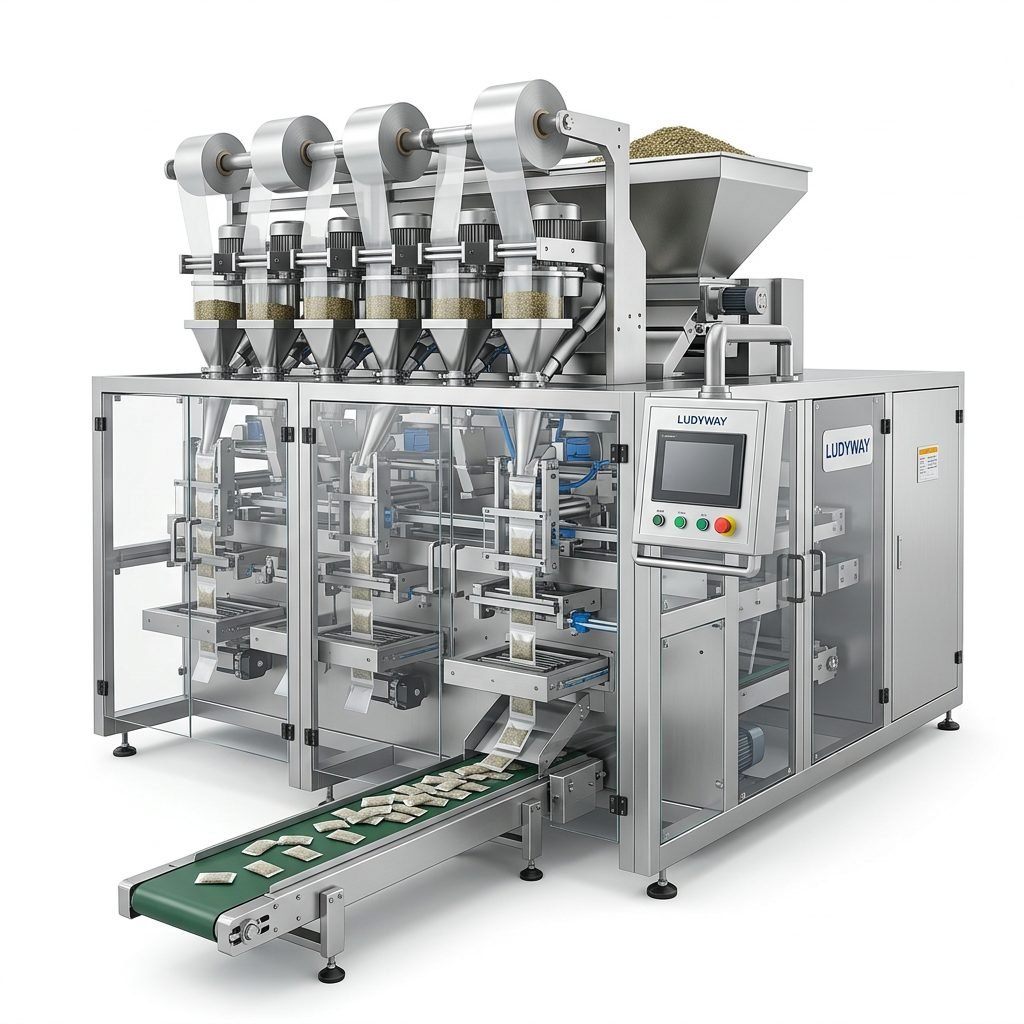
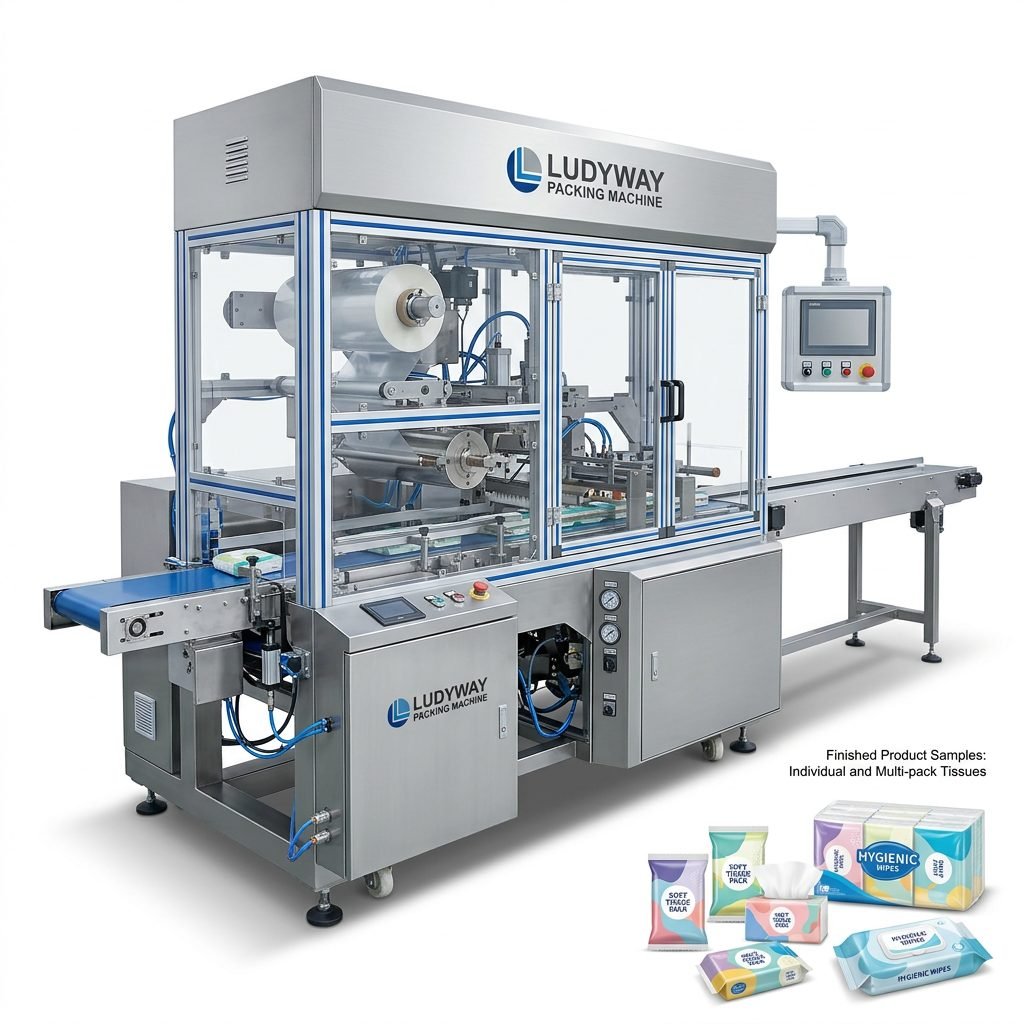
In today’s fast-paced manufacturing environment, selecting the right packaging equipment is crucial for efficiency, product integrity, and brand consistency. An air packaging machine, specifically, plays a vital role in creating protective, sealed packages by utilizing air displacement or vacuum technology. This guide delves into the various types of air packaging machines, their significant benefits, and provides a clear framework for choosing the perfect solution for your production line.
Understanding Air Packaging Machines
At its core, an air packaging machine uses controlled air flow—either to remove air (vacuum sealing) or to inject a protective gas (modified atmosphere packaging, or MAP)—to create a secure package. The primary goal is to extend shelf life, prevent spoilage, and protect products from physical damage during transit and storage. These machines are indispensable in industries where product freshness and safety are non-negotiable, such as food processing, pharmaceuticals, and sensitive electronic components.
Core Principle:
The fundamental operation involves placing the product in a bag or pouch, which is then sealed after the internal air is either evacuated or replaced. This process drastically reduces oxidation and inhibits the growth of aerobic bacteria and fungi.
Key Industries That Rely on This Technology
The application of air packaging is widespread. In the food industry, it is used for meats, cheeses, snacks, and coffee to lock in freshness. Pharmaceutical companies use it to ensure the sterility and extended potency of medical devices and drugs. Even the electronics sector employs vacuum packaging to shield sensitive components from moisture and corrosion.
Main Types of Air Packaging Machines
Choosing the right machine starts with understanding the different technologies available. The main categories are defined by their method of air management.
1. Vacuum Packaging Machines
These machines remove air from the package before sealing it, creating a tight, conforming wrap around the product. They are ideal for products that are solid or semi-solid.
- → Chamber Vacuum Machines: The product and bag are placed inside a sealed chamber. Air is removed from the entire chamber, and the bag is sealed. Excellent for liquids, powders, and fragile items as the process is gentle and uniform.
- → External (Nozzle) Vacuum Machines: A suction nozzle is inserted into the bag to extract air before sealing. More common for pre-made bags and is generally faster for dry products.
- → Skin Packaging Machines: A specialized type where a heated film is draped over a product on a card, and vacuum suction pulls the film tightly around it, creating a “second skin.”
2. Modified Atmosphere Packaging (MAP) Machines
Instead of removing air, MAP machines replace the air inside a package with a specific mixture of gases (like nitrogen, carbon dioxide, and oxygen). This is preferred for fresh produce, baked goods, and ready-to-eat meals where maintaining a specific atmospheric composition is key to preserving color, texture, and taste.
3. Combination Systems
Many modern production lines utilize machines that can perform both vacuum and gas flushing functions, offering maximum flexibility for producers with diverse product lines.
Tangible Benefits for Your Business
Investing in an air packaging system delivers a strong return on investment through multiple operational and commercial advantages.
Extended Product Shelf Life
By removing oxygen or controlling the package atmosphere, the growth of spoilage microorganisms is significantly slowed. This reduces food waste, allows for wider distribution, and minimizes returns, directly impacting your bottom line.
Enhanced Product Presentation & Protection
Vacuum packaging shrinks the film tightly around the product, creating a neat, professional appearance. It also provides a robust barrier against moisture, dust, and odors during shipping and on retail shelves, ensuring the product reaches the consumer in perfect condition.
Improved Operational Efficiency
Automated air packaging systems integrate seamlessly into high-speed production lines. They reduce manual labor, increase output consistency, and lower packaging material costs by optimizing bag size and seal integrity.
Furthermore, this technology supports brand sustainability goals by reducing material usage and preventing product loss, which appeals to environmentally conscious consumers.
How to Choose the Right Air Packaging Solution
Selecting a machine is a strategic decision. A systematic evaluation of your specific needs will guide you to the optimal investment.
Step 1: Analyze Your Product Characteristics
This is the most critical factor. Consider the product’s physical state (liquid, powder, granular, solid), its sensitivity to pressure, and its shelf-life requirements. For instance, delicate bakery items require gentle MAP, while durable hardware parts can use standard vacuum sealing.
Step 2: Determine Your Production Volume & Speed
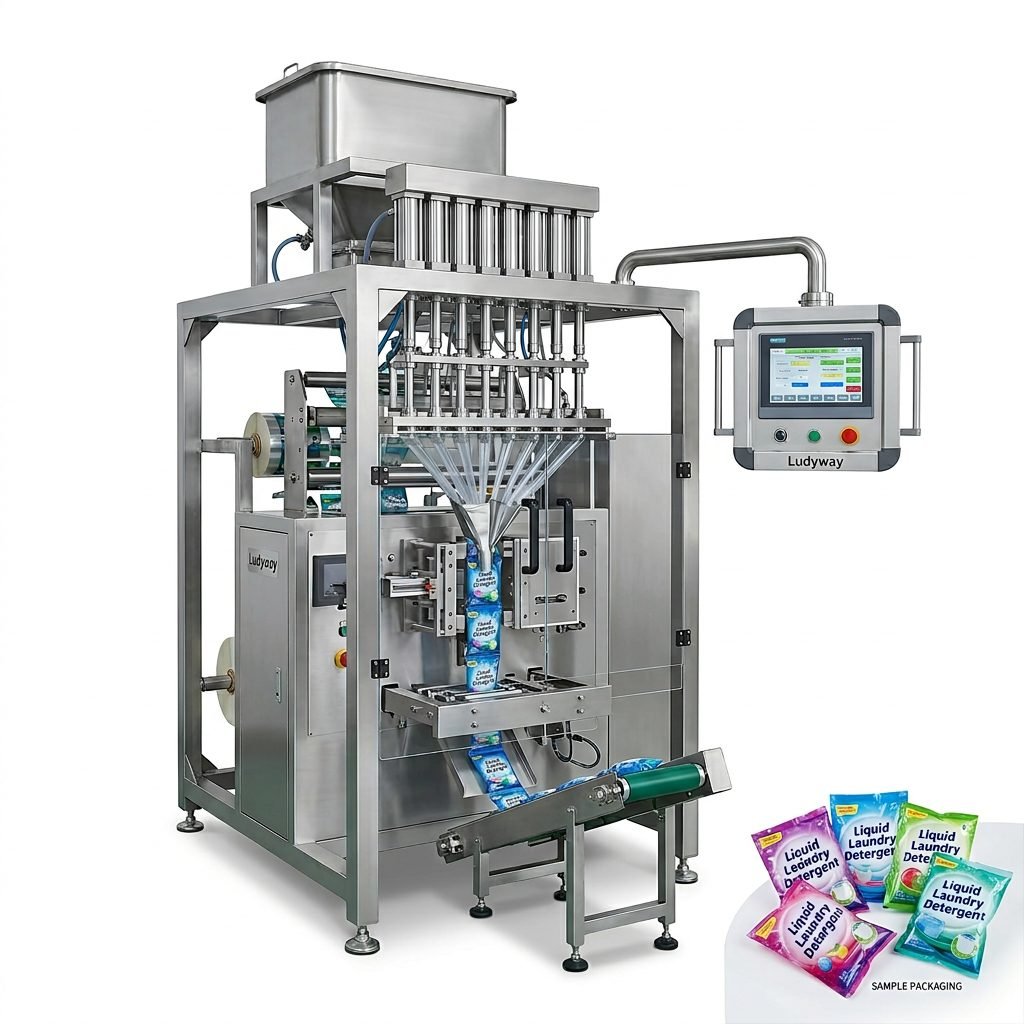
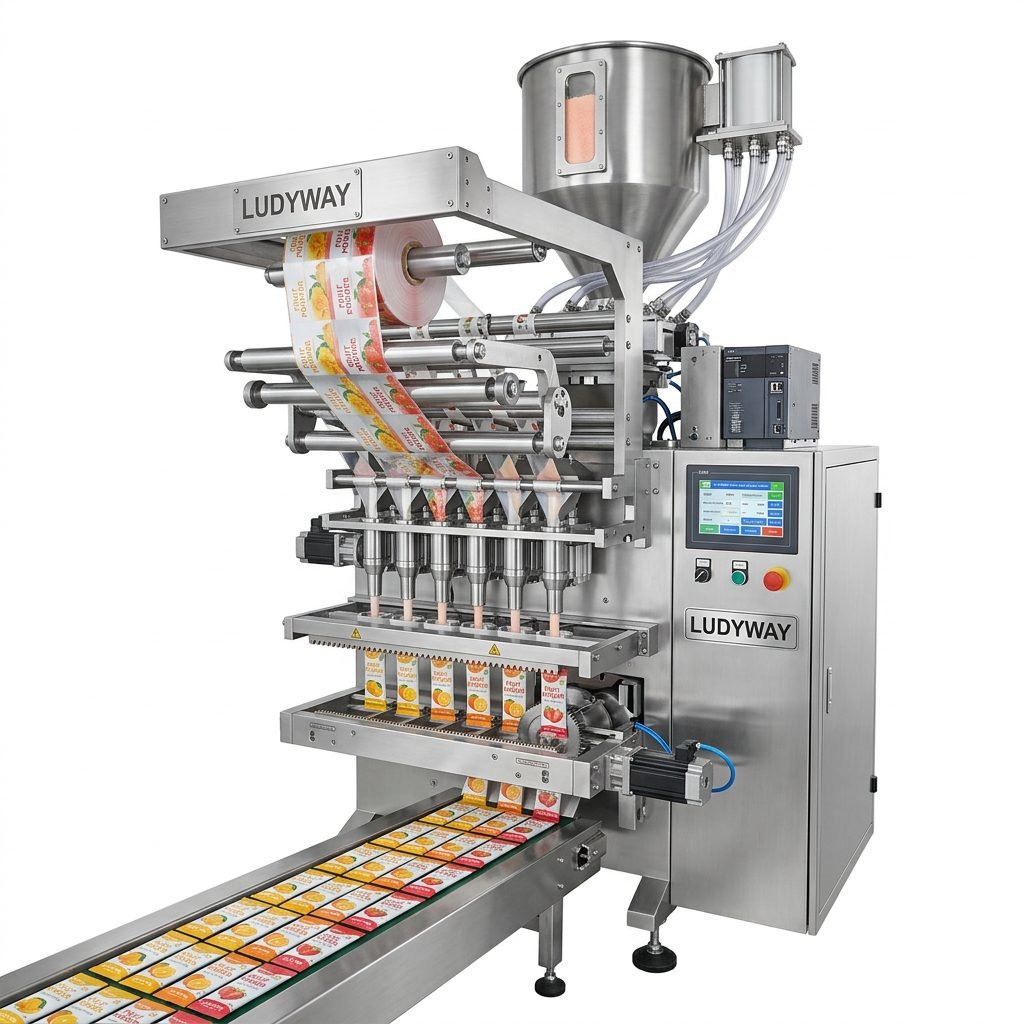
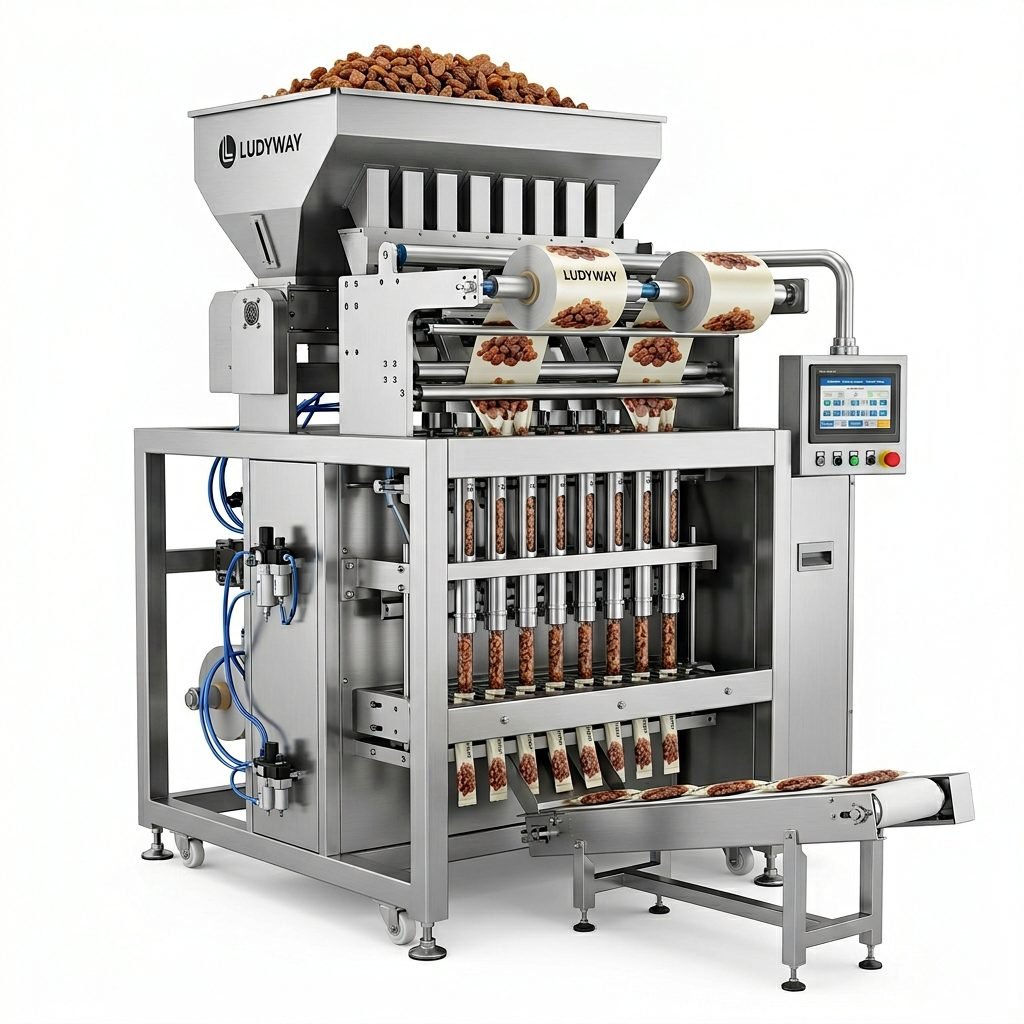
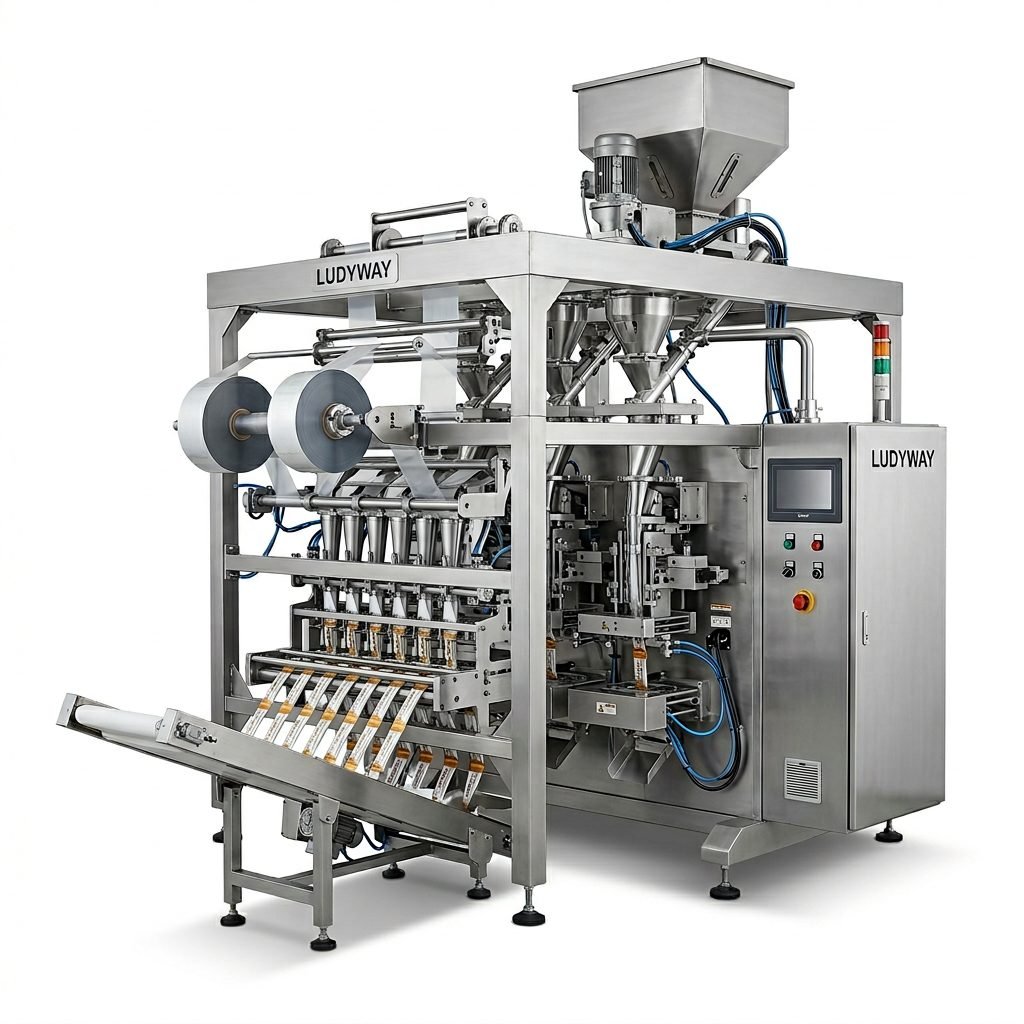
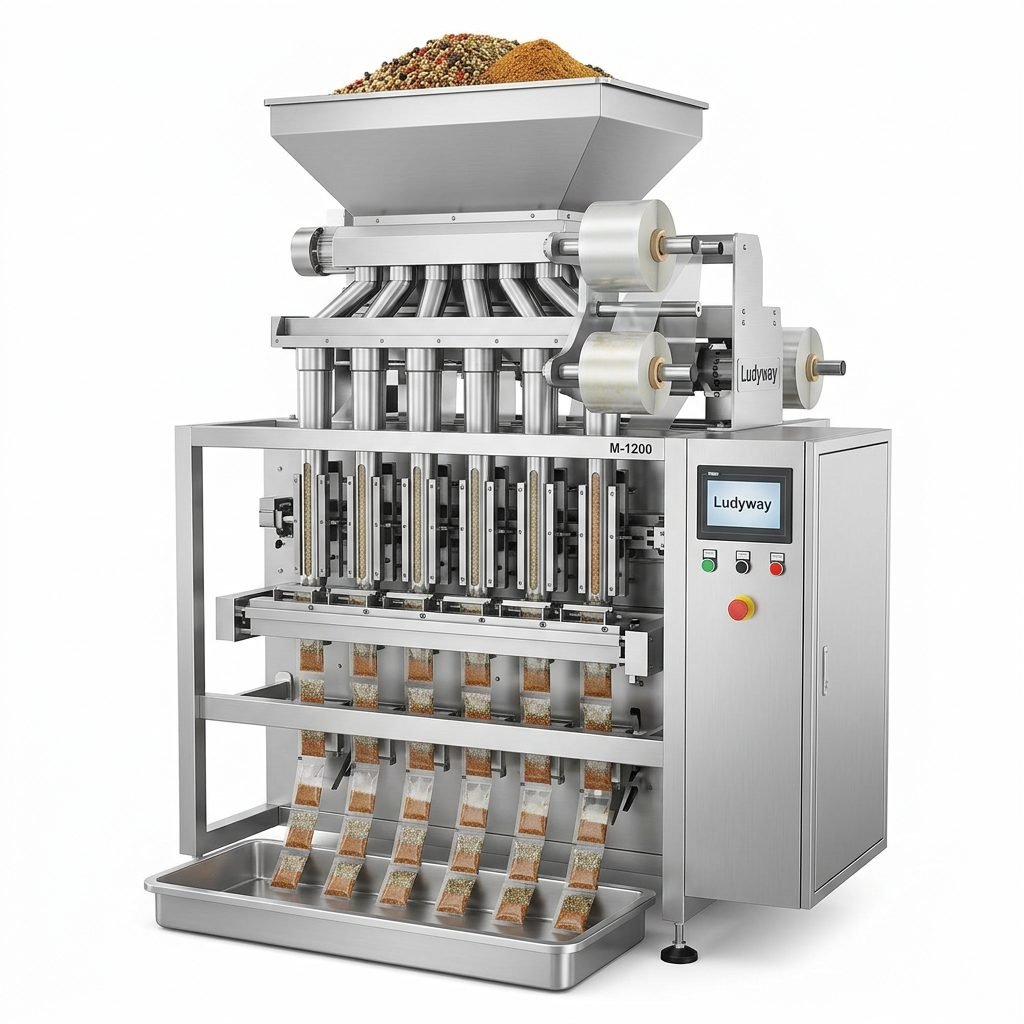
Match the machine’s cycle speed (packages per minute) to your current and projected output. Small businesses may opt for single-chamber semi-automatic machines, while large-scale producers need fully automatic, continuous-motion systems with multiple lanes. For insights into high-volume solutions, exploring multi-lane stick pack and sachet packaging systems can be highly beneficial.
Step 3: Evaluate Packaging Materials and Formats
The machine must be compatible with your desired film type (barrier properties, thickness) and package format (stand-up pouch, flat bag, pillow pack). Ensure the sealing technology (heat, impulse, vacuum seal) is appropriate for your material.
Step 4: Assess Integration and Automation Needs
Consider how the machine will fit into your existing line. Does it require upstream feeders or downstream labelers? Look for machines with programmable logic controllers (PLCs) and user-friendly HMIs for easy operation and quick changeovers between products.
Step 5: Prioritize Supplier Reliability and Support
The machine is a long-term asset. Partner with a supplier known for robust engineering and proven industry experience. A reliable partner offers more than just a machine; they provide comprehensive after-sales service, readily available spare parts, and expert technical support to ensure minimal downtime. Choosing a provider with a track record of delivering innovative, efficient, and high-quality automated packaging solutions tailored to global needs is paramount for long-term success.
Finally, consider the total cost of ownership, which includes not just the purchase price, but also installation, maintenance, energy consumption, and operator training costs.
Conclusion
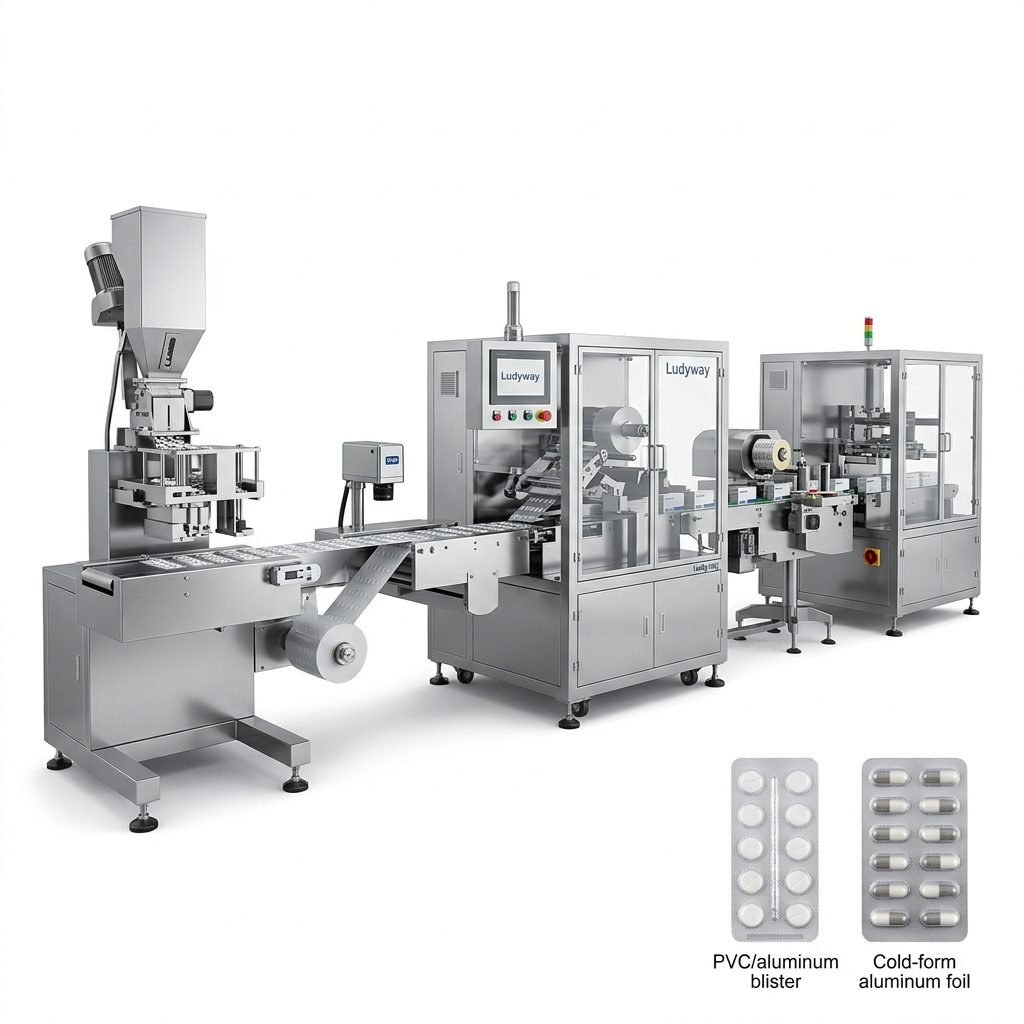
An air packaging machine is a strategic investment that enhances product quality, extends market reach, and optimizes production efficiency. By thoroughly understanding the different types—from vacuum sealers to MAP systems—and carefully evaluating your product needs, production scale, and supplier capabilities, you can select a solution that delivers lasting value. The right machine will become a cornerstone of your packaging process, safeguarding your products and strengthening your brand in the marketplace. For businesses looking to scale, investing in complete turnkey production line solutions can streamline this integration further.
Frequently Asked Questions (FAQs)
What is the main difference between vacuum packaging and MAP?
Vacuum packaging removes almost all air from the package, while Modified Atmosphere Packaging (MAP) replaces the air with a controlled gas mixture. Vacuum is best for preventing oxidation and compressing the package, whereas MAP is ideal for preserving the shape, color, and texture of delicate items like salads or baked goods.
Can one machine handle both liquids and powders?
Yes, but specific features are required. Chamber vacuum machines are typically best for both, especially those with specially designed sealing bars and programs to prevent liquid or fine powder from interfering with the seal. Always confirm the machine’s specifications for your product type.
How important is the barrier property of the packaging film?
Extremely important. The film is a critical component of the system. It must have the appropriate oxygen and moisture transmission rates to maintain the internal atmosphere created by the machine. Using a film with poor barrier properties will negate the benefits of the air packaging process.
What maintenance does an air packaging machine require?
Regular maintenance includes daily cleaning of the sealing area and vacuum channel, weekly checks of gaskets and seals for wear, and periodic lubrication of moving parts as per the manufacturer’s manual. Consistent maintenance is key to consistent seal quality and machine longevity.
Is it difficult to switch production between different products?
With modern machines, changeover complexity varies. Machines with digital controls and memory functions can store settings for different products, making switchovers relatively quick. The physical change of film rolls and adjustment of feeding systems usually takes the most time.