Choosing the right bagel packaging machine is a critical decision for any bakery or food production facility aiming to scale operations, maintain product freshness, and ensure efficient output. An automatic bagel packing solution goes beyond simply wrapping a product—it integrates seamlessly into your production flow, preserves the unique texture and quality of your bagels, and presents them attractively to consumers. This guide will walk you through the key factors to consider when selecting the best automatic bagel packaging machine for your needs.
Understanding Your Bagel Packaging Requirements
Before diving into machine specifications, it’s essential to clearly define your operational requirements. The ideal packaging solution for a high-volume wholesale bakery will differ significantly from that of a boutique artisanal bagel shop.
Key Questions to Ask:
• Production Volume: How many bagels do you need to pack per hour, per shift, or per day?
• Bagel Types & Sizes: Do you produce standard-sized bagels, mini bagels, or a variety of sizes? Are they pre-sliced?
• Packaging Materials: What type of film or material do you plan to use (e.g., polypropylene, polyethylene, biodegradable films)?
• Desired Package Style: Are you looking for flow-wrap packs, pillow bags, or clamshell-style packaging?
Core Features of a High-Performance Bagel Packaging Machine
A top-tier automatic bagel packaging system should offer a blend of speed, precision, gentleness, and flexibility. Here are the non-negotiable features to look for.
1. Gentle Product Handling Mechanism
Bagels are delicate baked goods that can easily be crushed or deformed. The machine must have a gentle infeed and conveying system, often utilizing soft belts or custom-designed pockets that cradle each bagel without damaging its structure or removing toppings like seeds.
2. Advanced Sealing Technology
The sealing system is the heart of the packaging process. Look for machines with consistent, reliable heat sealing jaws that can create strong, airtight seals even through potential flour dust or seed residue. This is crucial for extending shelf life and preventing staleness.
3. User-Friendly HMI (Human-Machine Interface)
Operators should be able to change settings, monitor production, and troubleshoot with ease. A clear, intuitive touchscreen interface minimizes downtime for changeovers between different bagel types or package sizes.
4. Quick Changeover Capability
Flexibility is key for bakeries running multiple product lines. The best machines allow for rapid tooling or format changeovers—often in under 15-20 minutes—enabling you to switch from packing plain bagels to everything bagels or from a 4-pack to a 6-pack configuration efficiently.
Evaluating Machine Types: Vertical vs. Horizontal Flow Wrappers
Two primary automatic packaging machine types are commonly used for bagels: vertical form-fill-seal (VFFS) and horizontal flow wrappers. Your choice depends on your desired package presentation and production layout.
Vertical Form-Fill-Seal (VFFS) Machines
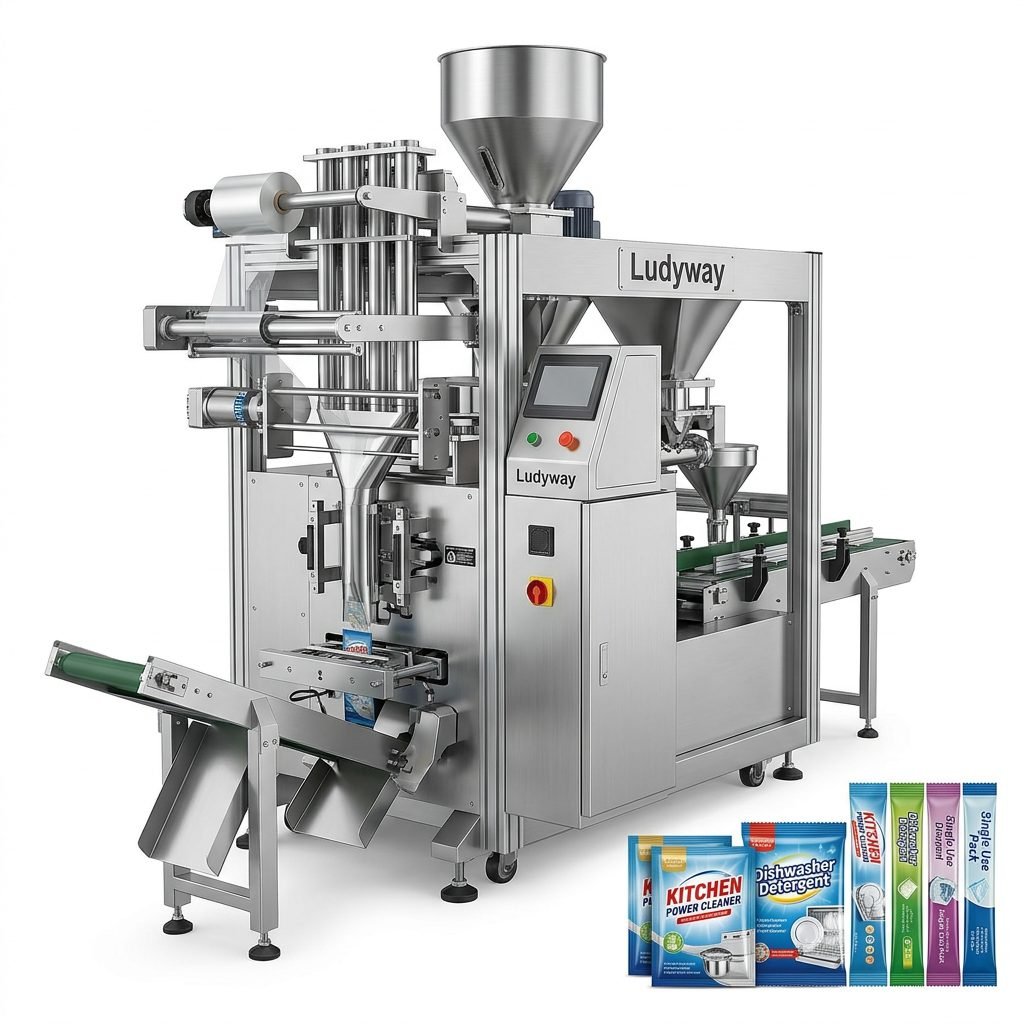
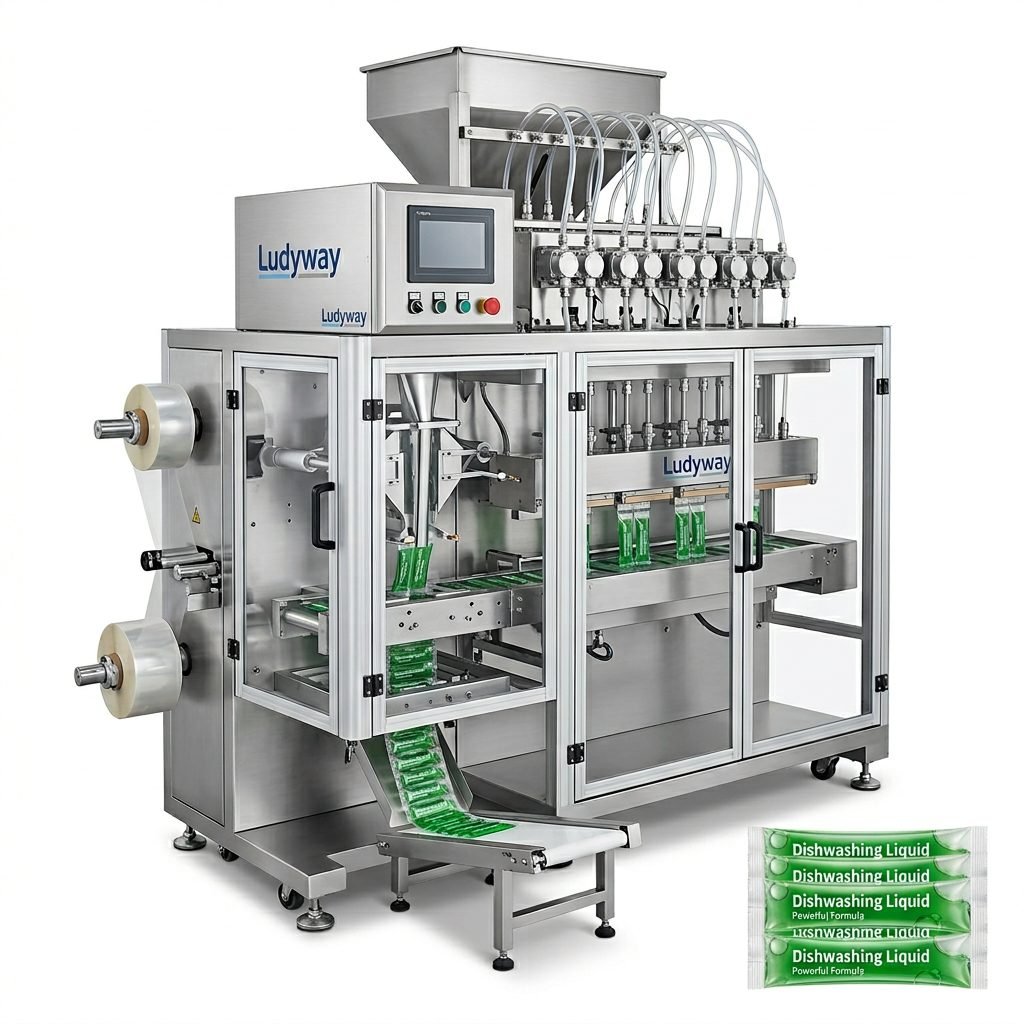
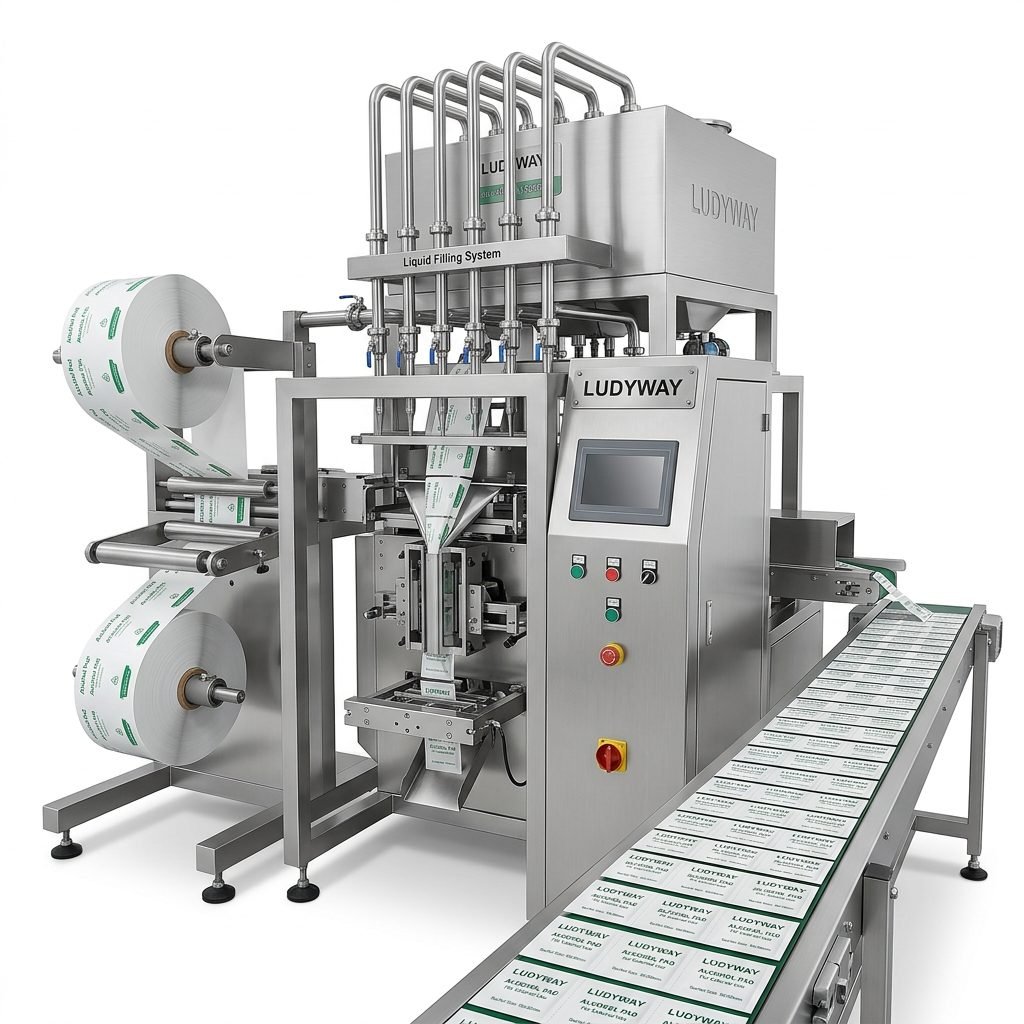
VFFS machines are excellent for creating pillow bags or stand-up pouches. They form the bag from a roll of film around a vertical tube, drop the product in, and then seal it. They are often more space-efficient and ideal for packing bagels in single packs or multi-packs into a bag.
✓ Best for: High-speed packing of individual or grouped bagels into flexible pouches. Excellent for wholesale and retail bagging.
Horizontal Flow Wrappers
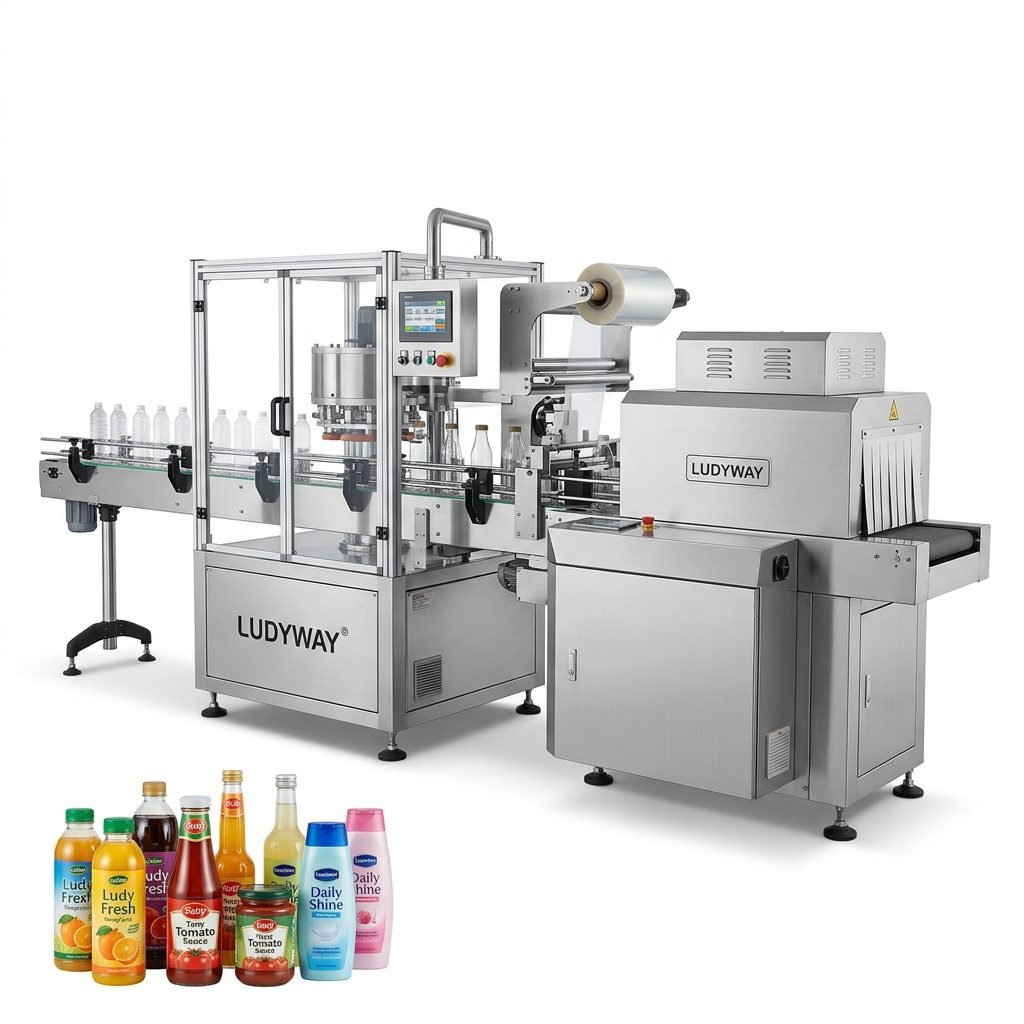
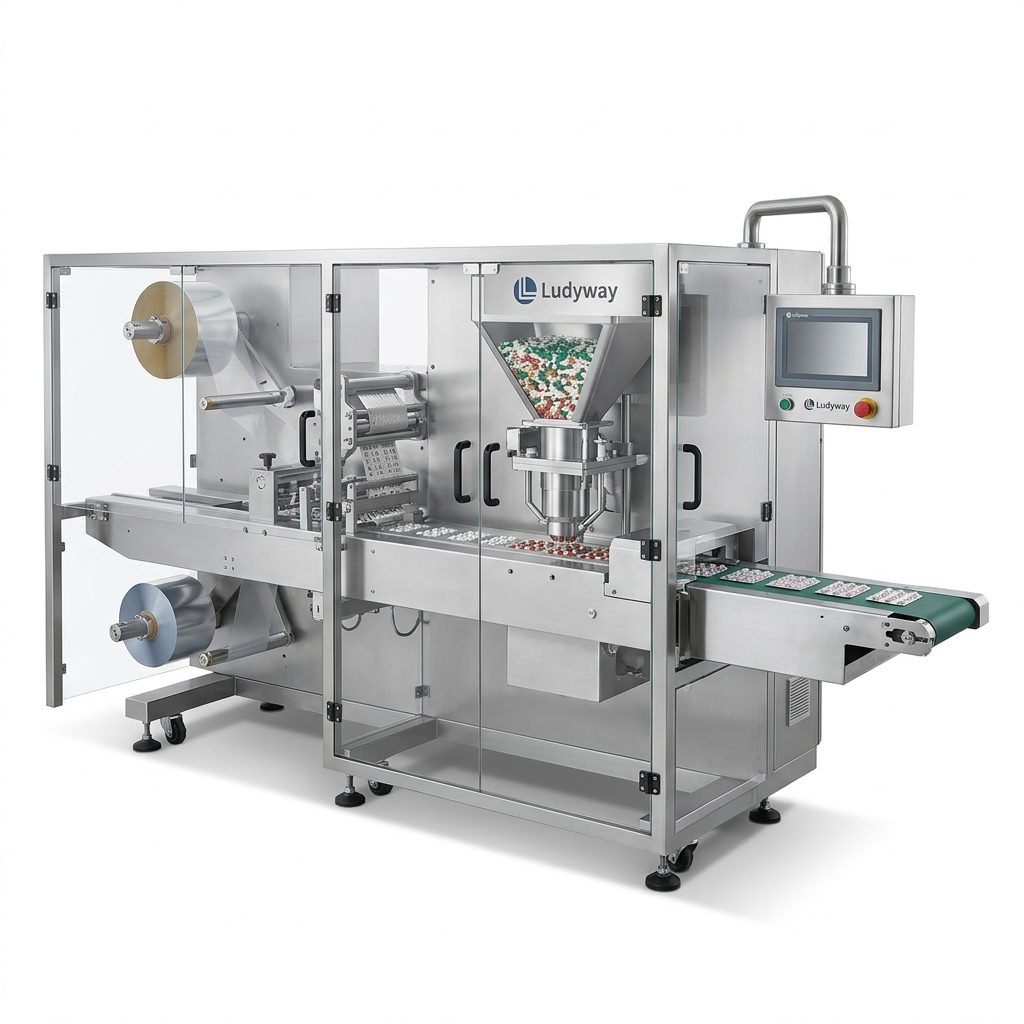
Horizontal machines wrap the product in a film that is folded around it, creating a neat, snug “flow-wrap” commonly seen for baked goods. This style offers a classic, attractive presentation that showcases the bagel and often includes a clear window.
✓ Best for: Retail-ready packaging where product visibility and a tight, secure wrap are priorities. Perfect for pre-sliced bagel packs.
The Importance of Freshness Preservation
The primary role of packaging is to protect the product. For bagels, this means locking in freshness and moisture to prevent them from becoming hard and stale too quickly.
Modern bagel packaging machines can integrate with modified atmosphere packaging (MAP) systems. MAP flushes the air inside the package and replaces it with a gas mixture (like nitrogen or carbon dioxide), dramatically slowing down mold growth and oxidation. If extended shelf life is a major goal, ensure your chosen machine is compatible with MAP technology.
Integration with Upstream and Downstream Equipment
Your packaging machine shouldn’t be an island. Consider how it will connect with your existing or planned production line.
- Upstream: Can it be fed directly from a cooling conveyor or an automated bagel loader? Smooth integration here prevents bottlenecks.
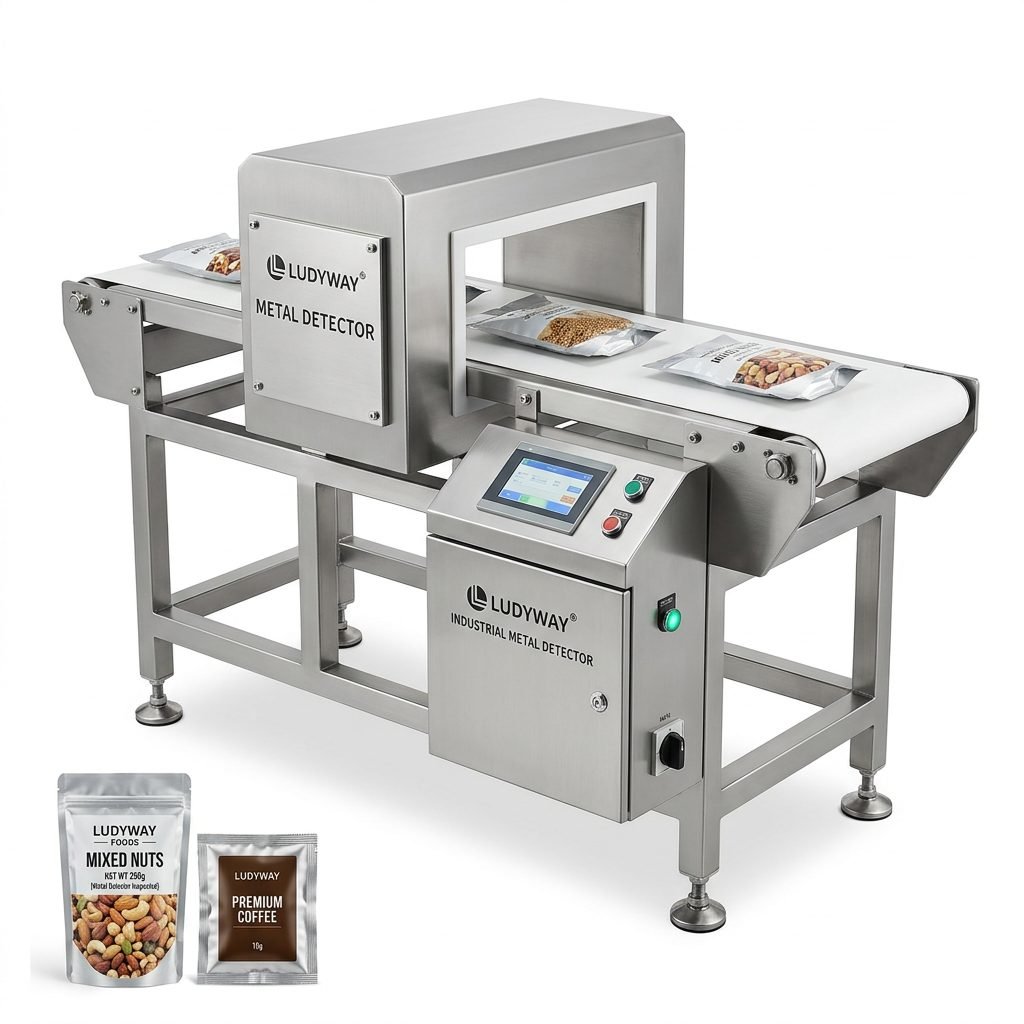
- Downstream: Does it include or connect to a checkweigher, metal detector, or labeling system? This creates a complete, automated packaging line.
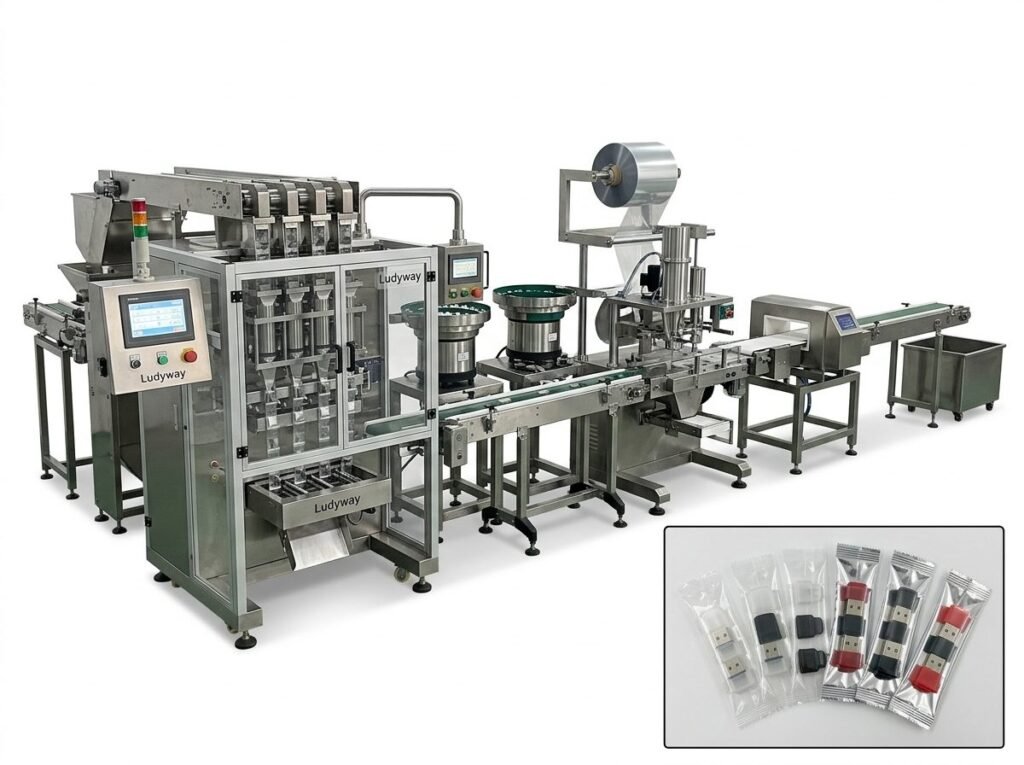
Partnering with a supplier who understands turnkey production line solutions is invaluable for seamless integration.
Selecting a Reliable Supplier: Beyond the Machine
The machine manufacturer or supplier is as important as the equipment itself. Look for a partner with proven expertise in food packaging, particularly with bakery products.
Critical Supplier Qualifications:
🔧 Industry Experience: Choose a supplier with a track record in the food and bakery sector. Their engineers will better understand the unique challenges of packaging bagels.
🌐 Global Support & Service: Ensure they offer comprehensive after-sales support, including training, spare parts availability, and technical assistance. A global service network is crucial for uninterrupted operation.
⚙️ Customization Ability: Your operation is unique. The best suppliers, like Ludyway Packing Machine, can offer customized automation solutions tailored to your specific bagel size, throughput, and packaging style needs.
Total Cost of Ownership (TCO) Analysis
When budgeting, look beyond the initial purchase price. Consider the Total Cost of Ownership, which includes:
- Energy Efficiency: A machine with servo-driven motors can significantly reduce power consumption.
- Film Waste & Yield: Precision cutting and sealing minimize film waste, saving on material costs over time.
- Maintenance & Downtime: Robustly built machines with easy access for cleaning and maintenance reduce long-term service costs and production losses.
Frequently Asked Questions (FAQs)
1. What is the typical speed range for an automatic bagel packaging machine?
Speeds vary widely based on machine type and package complexity. Standard horizontal flow wrappers for bagels can range from 60 to 150 packs per minute, while vertical baggers can often reach higher speeds. The right speed for you depends entirely on your production volume requirements.
2. Can one machine handle different sizes of bagels, like mini and regular?
Yes, most modern automatic machines are designed for quick changeover. However, this usually requires changing the forming tools, buckets, or guides. When discussing with a supplier, be clear about the range of product sizes you need to pack and ensure the machine is configured for efficient changeovers between them.
3. How does the machine handle bagels with loose toppings (e.g., everything bagels)?
This is a critical consideration. Reputable suppliers will design the product handling areas—especially the infeed and the area where the bagel drops into the film—to be as gentle as possible. Look for features like soft-touch belts, minimal drop heights, and enclosed forming areas to minimize seed loss during the packaging process.
4. What packaging films work best for bagels?
Polypropylene (OPP or BOPP) and polyethylene films are common choices due to their clarity, strength, and good moisture barrier properties. For a higher barrier to extend shelf life, consider multi-layer films or those compatible with MAP. Your machine supplier should be able to recommend film specifications that work reliably with their sealing system.
5. Is operator training provided with the machine?
A professional supplier will always include comprehensive operator and maintenance training as part of the installation and commissioning process. This should cover machine operation, daily cleaning, routine maintenance, basic troubleshooting, and safety procedures to ensure your team can run the machine effectively and safely from day one.