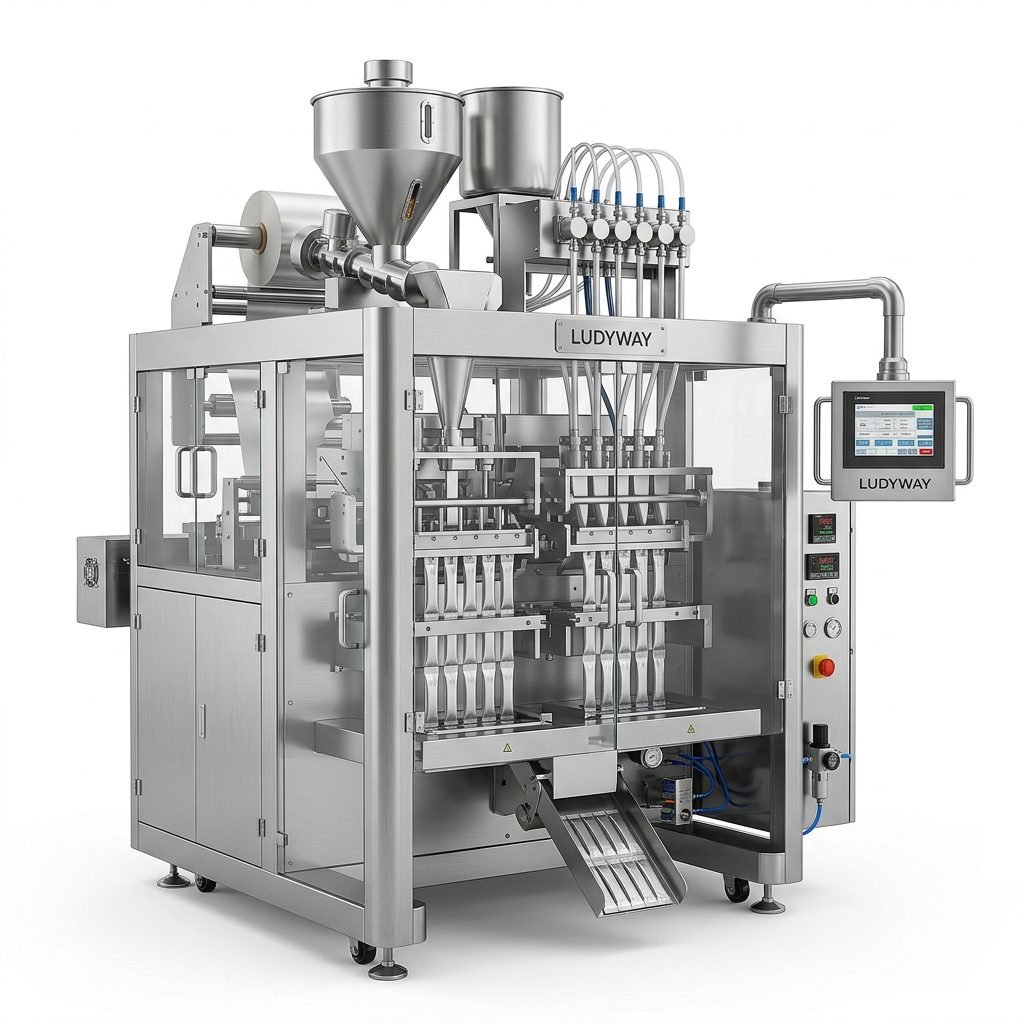
In today’s fast-paced manufacturing world, selecting the right card packaging machine is a critical decision that impacts efficiency, product presentation, and your bottom line. This guide delves into the various types of card packaging machines, explains their core working principles, and provides a clear framework to help you choose the perfect solution for your specific needs.
Understanding Card Packaging Machines
Card packaging, often referred to as blister card or skin packaging, involves sealing a product between a pre-formed plastic blister and a printed cardboard backing. The machine automates this process, ensuring consistency, speed, and hygiene. This method is ubiquitous for retail items like pharmaceuticals, electronics, hardware, and consumer goods, offering excellent product visibility and protection.
Key Advantage: Card packaging provides a tamper-evident seal, enhances shelf appeal, and allows for hanging displays, making it a versatile choice for both security and marketing.
Primary Types of Card Packaging Machines
The market offers several configurations, each suited to different production scales and product types.
Manual & Semi-Automatic Machines
Ideal for low-volume production, pilot runs, or businesses with highly variable product sizes. The operator typically places the product and card manually, and the machine handles the sealing. They offer low initial investment and high flexibility.
- Best for: Startups, small businesses, custom or seasonal products.
Fully Automatic Inline Machines
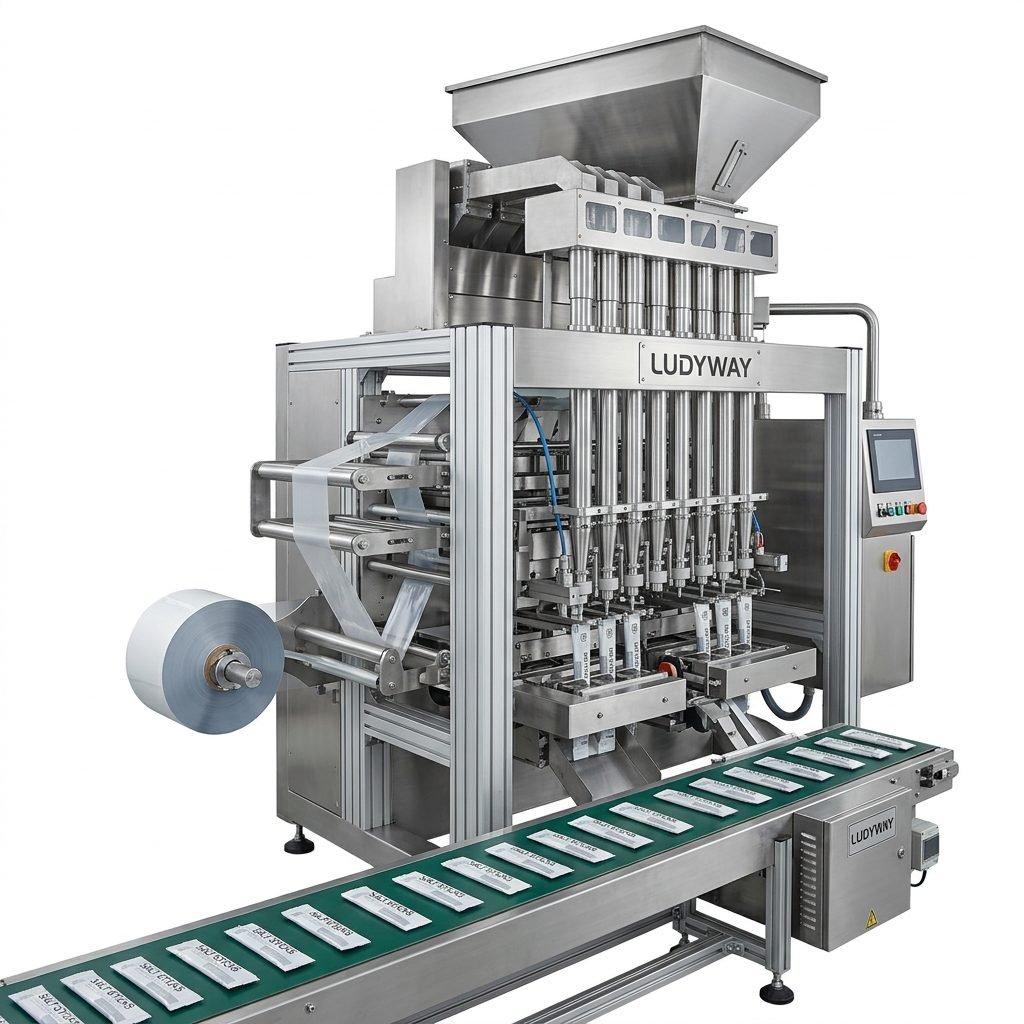
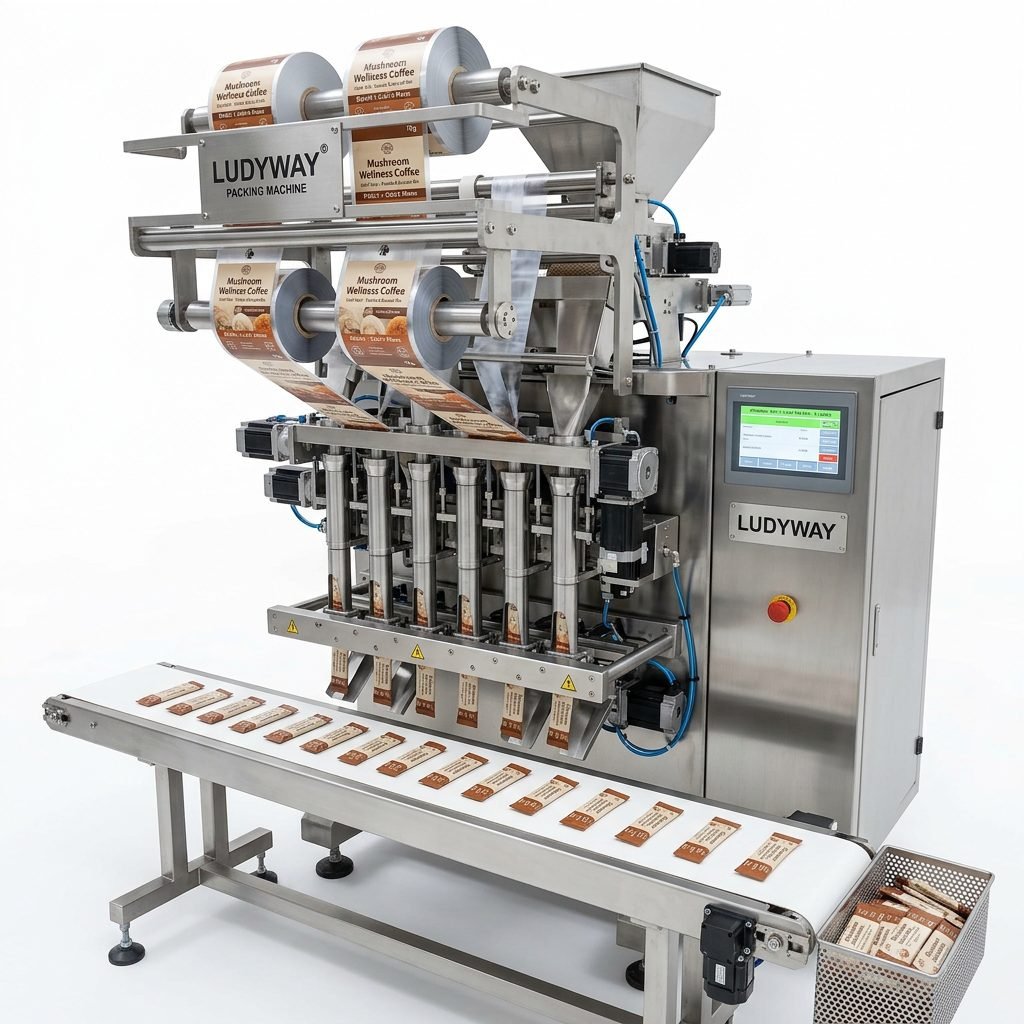
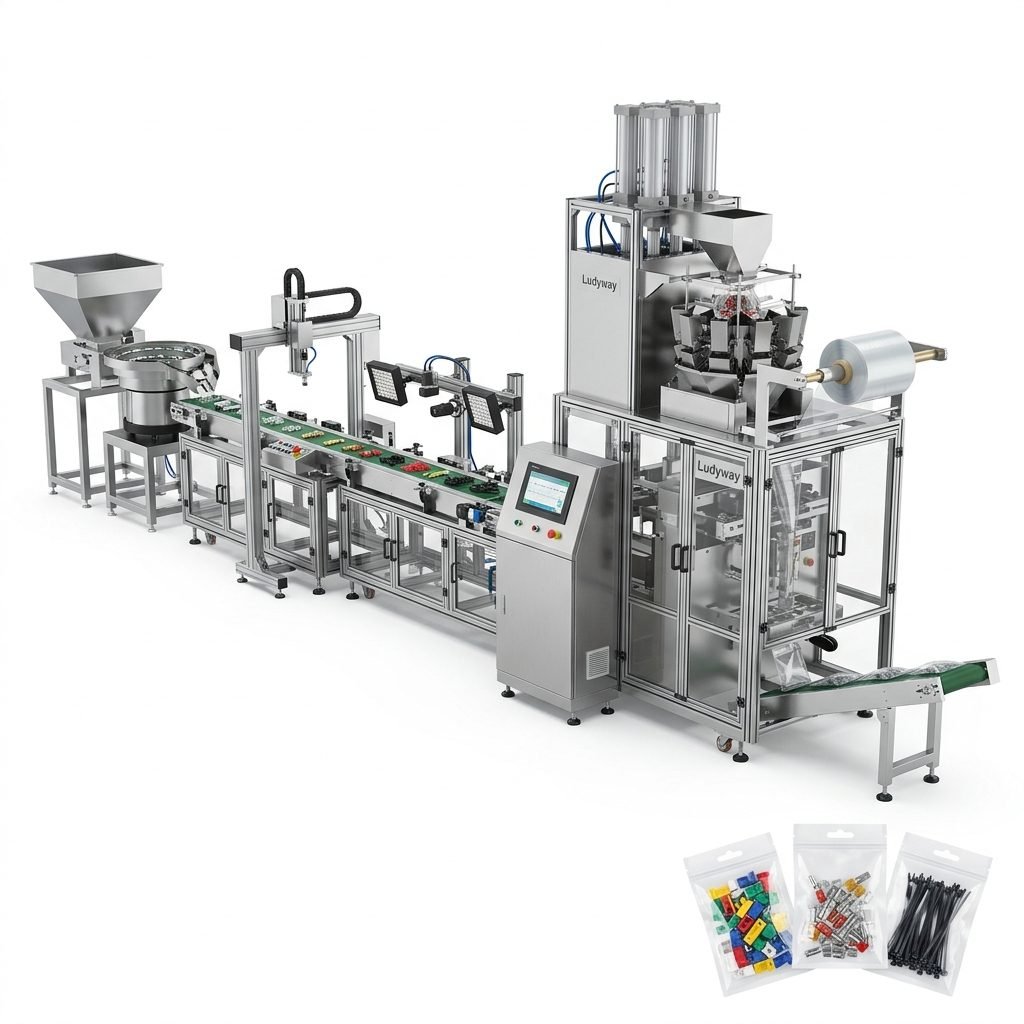
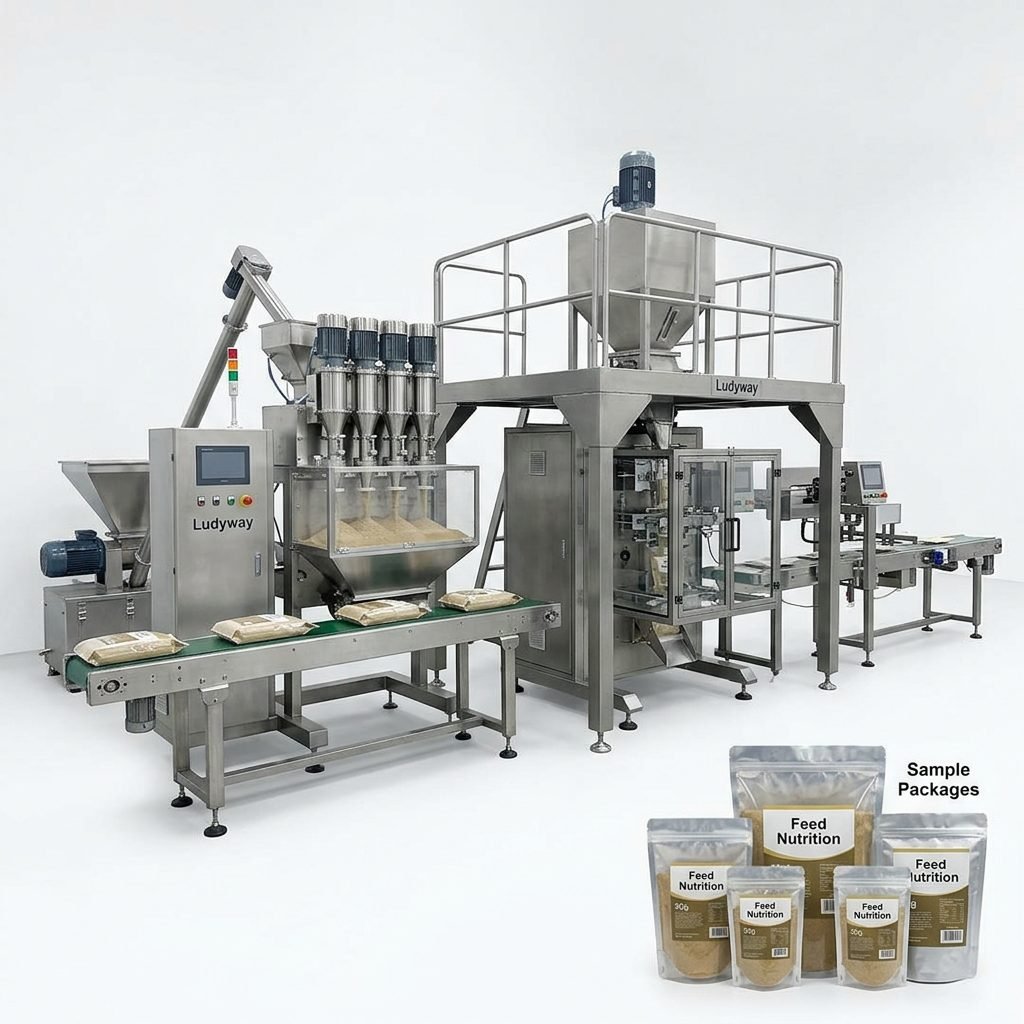
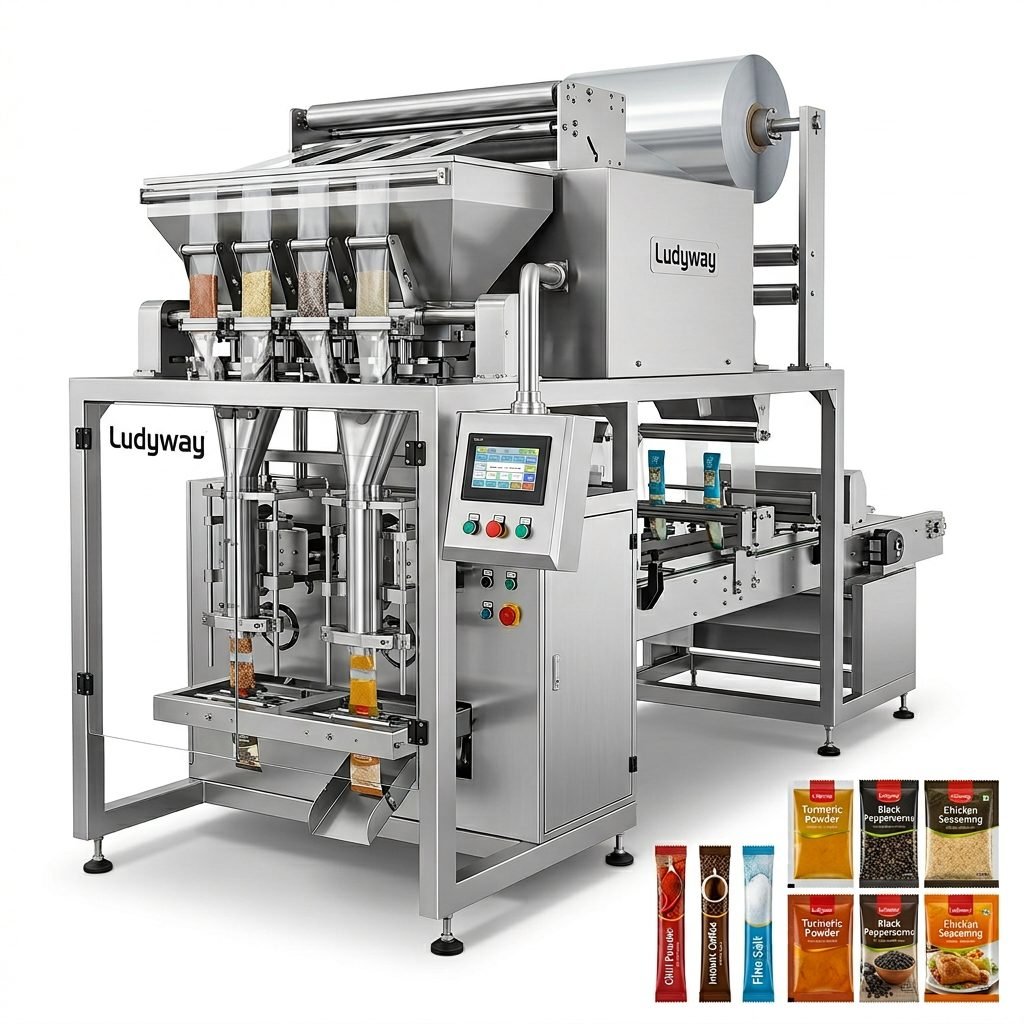
These are the workhorses of high-volume production. They integrate seamlessly into a production line, automatically feeding products, cards, and blister film, then performing forming, sealing, and die-cutting in one continuous process. Companies like Ludyway Machinery specialize in such automated turnkey solutions.
- Best for: Large-scale manufacturers in pharmaceuticals, food, and FMCG sectors requiring speeds of dozens to hundreds of packs per minute.
Rotary Thermoforming Machines
These machines use a rotary system where the plastic film is heated and formed into blisters over a mold wheel, then sealed to the card. They are known for high speed and efficiency in producing uniform blisters for large batches of identical items.
Skin Packaging Machines
A close relative where a heated plastic film is draped over a product placed on a card, creating a tight “second skin.” This is excellent for irregularly shaped items and provides a very secure, form-fitting package.
Comparison at a Glance
Manual/Semi-Auto: Low speed, high flexibility, low cost.
Fully Automatic: High speed, low labor, high output consistency.
Rotary Thermoforming: Very high speed for uniform products.
Skin Packaging: Superior for odd shapes, excellent product security.
Core Working Principles
While designs vary, most automatic card packaging machines follow a similar sequence of operations:
- Film Feeding & Heating: A roll of thermoplastic film (like PVC, PET, or APET) is fed into the machine and heated to a pliable state.
- Blister Forming: The softened film is drawn by vacuum or pushed by compressed air into a mold cavity, taking the shape of the product blister.
- Product Loading: Products are automatically or manually placed into the formed blisters.
- Card Feeding & Sealing: The pre-printed card backing is fed and aligned. The blister plate and card are brought together under heat and pressure, activating the heat-seal coating on the card to create a bond.
- Cooling & Die-Cutting: The sealed package is cooled to set the seal. Finally, a die-cutter trims the individual packages from the web, and the finished packs are discharged.
Critical Subsystems
Understanding these components helps in evaluating machine quality:
- Thermoforming System: Determines blister quality and forming speed. Look for precise temperature control.
- Sealing Station: Must provide even heat and pressure for a consistent, leak-proof seal.
- PLC Control: The machine’s brain. A user-friendly interface with recipe memory saves changeover time.
- Feeding Mechanisms: Vibratory bowls, pick-and-place robots, or conveyor systems for reliable product handling.
How to Choose the Right Solution: A Step-by-Step Guide
Selecting a machine is a strategic investment. Follow this framework to make an informed decision.
1. Analyze Your Product & Materials
Start with the fundamentals. What are you packaging? Define the product’s dimensions, shape, and fragility. Determine the required blister film material (for barrier properties, clarity) and card stock (caliper, coating type). The machine must be compatible with your chosen materials.
2. Define Your Production Requirements
Be realistic about your output needs.
- Output Speed (Packs/Minute): Calculate based on your annual demand, shifts, and desired machine uptime.
- Batch Sizes & Changeover Frequency: Frequent product changes favor machines with quick-change tooling and easy-to-use PLCs.
- Future Growth: Consider a machine with 20-30% extra capacity to accommodate future demand without immediate reinvestment.
3. Evaluate Automation Level & Integration
Match the automation to your labor availability and cost. A fully automatic line from a provider like Ludyway may have a higher upfront cost but drastically reduces labor and increases consistency for high-volume runs. Consider how it will integrate with your upstream (production) and downstream (cartoning, case packing) equipment.
4. Assess Machine Quality & Support
Look beyond the brochure.
- Construction & Durability: Robust frame, quality actuators, and branded electrical components (e.g., Siemens, Mitsubishi PLCs) indicate longevity.
- Supplier Expertise & Service: Choose a supplier with proven experience, like those with 30+ years in the industry. Ensure they offer comprehensive after-sales support, spare parts availability, and training. A strong service network is crucial for minimizing downtime.
- Customization Capability: Can the supplier tailor the machine to your unique product or layout? This is a sign of engineering depth.
5. Consider Total Cost of Ownership (TCO)
The purchase price is just the beginning. Factor in:
- Energy consumption
- Maintenance costs and schedules
- Cost and lead time for spare parts
- Potential for future upgrades
A slightly more expensive, reliable machine from a reputable supplier often has a lower TCO than a cheaper, less supported alternative.
Pro Tip: Request a Live Test
Always insist on a factory acceptance test (FAT) using your actual product and materials. This is the only way to verify the machine’s performance, speed, and pack quality before it ships. Reputable suppliers will encourage this.
Partnering with the Right Supplier
Your machine supplier should be a long-term partner. Look for a company that acts as a solution provider, not just an equipment vendor. They should take the time to understand your entire process and challenges. A partner with a global service footprint and a commitment to innovation will help you adapt to future market changes. Exploring the company history and expertise of potential suppliers can give you confidence in their ability to support your growth.
Choosing the right card packaging machine is a balance of technical specifications, production realities, and strategic partnership. By thoroughly understanding your needs, the technology available, and the credibility of the supplier, you can invest in a solution that drives efficiency, quality, and profitability for years to come.
Frequently Asked Questions (FAQs)
What is the typical lead time for a new automatic card packaging machine?
Lead times can vary significantly based on complexity and customization. For a standard automatic machine, expect 12 to 20 weeks from order to delivery. Always confirm this timeline with your supplier during the quotation process.
Can one machine handle different product sizes and card shapes?
Yes, most machines are designed for changeover. However, the ease and speed depend on the machine design. Look for features like quick-change forming molds, adjustable sealing platen heights, and PLC programs that store settings for different products to minimize downtime.
How important is after-sales service when selecting a supplier?
It is critically important. Machine downtime is production downtime. A supplier with a responsive, knowledgeable service team and readily available spare parts is essential for maintaining your operational efficiency and protecting your investment.
What are the most common causes of sealing failures in card packaging?
Sealing failures often stem from incorrect temperature/pressure settings, uneven heating platens, using card stock with an incompatible or low-quality heat-seal coating, or contamination (dust, grease) on the sealing surfaces. Proper machine setup and material specification are key.
Is card packaging considered sustainable?
The sustainability profile is mixed. The cardboard backing is often recyclable, but the plastic blister can be problematic. The industry is moving towards more sustainable options, such as using recycled PET (rPET) or PET films, mono-material structures, and cards made from recycled content. Discuss material choices with your supplier to improve your package’s environmental footprint.