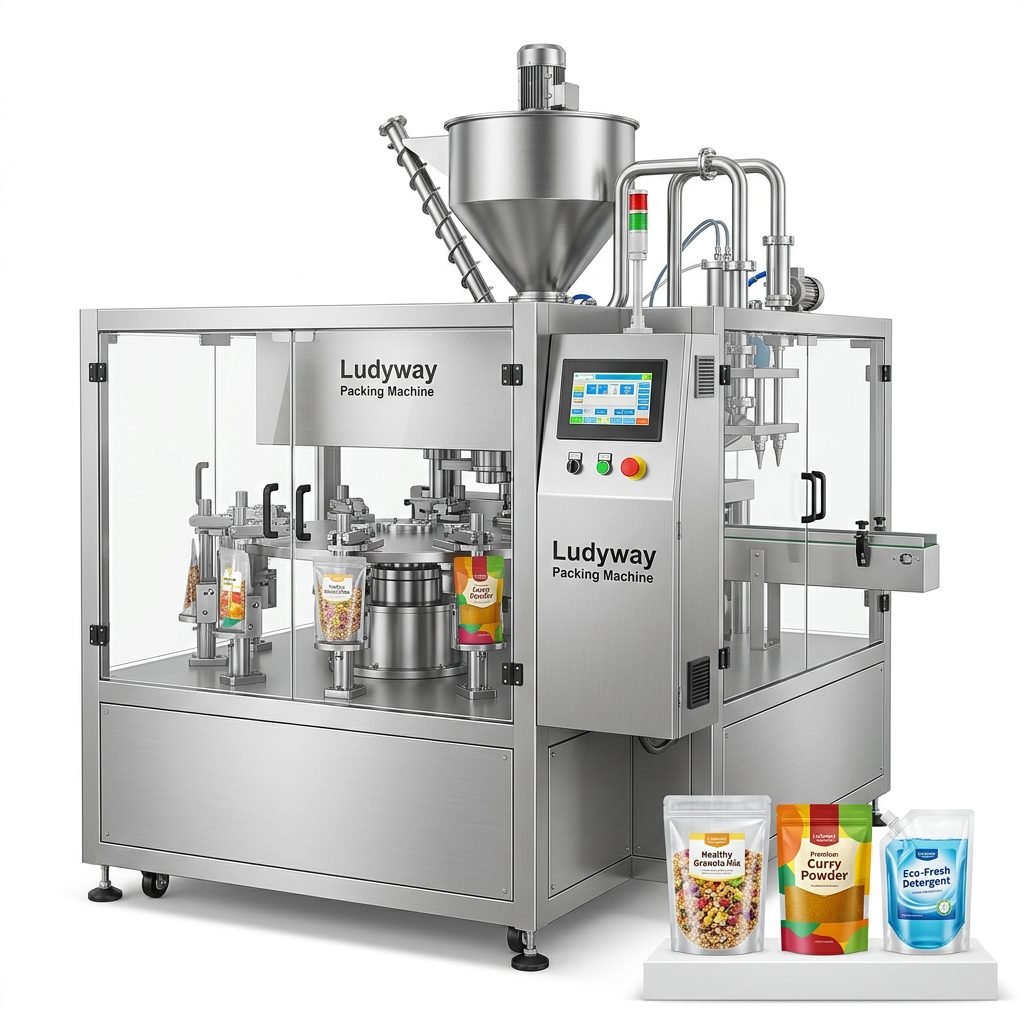
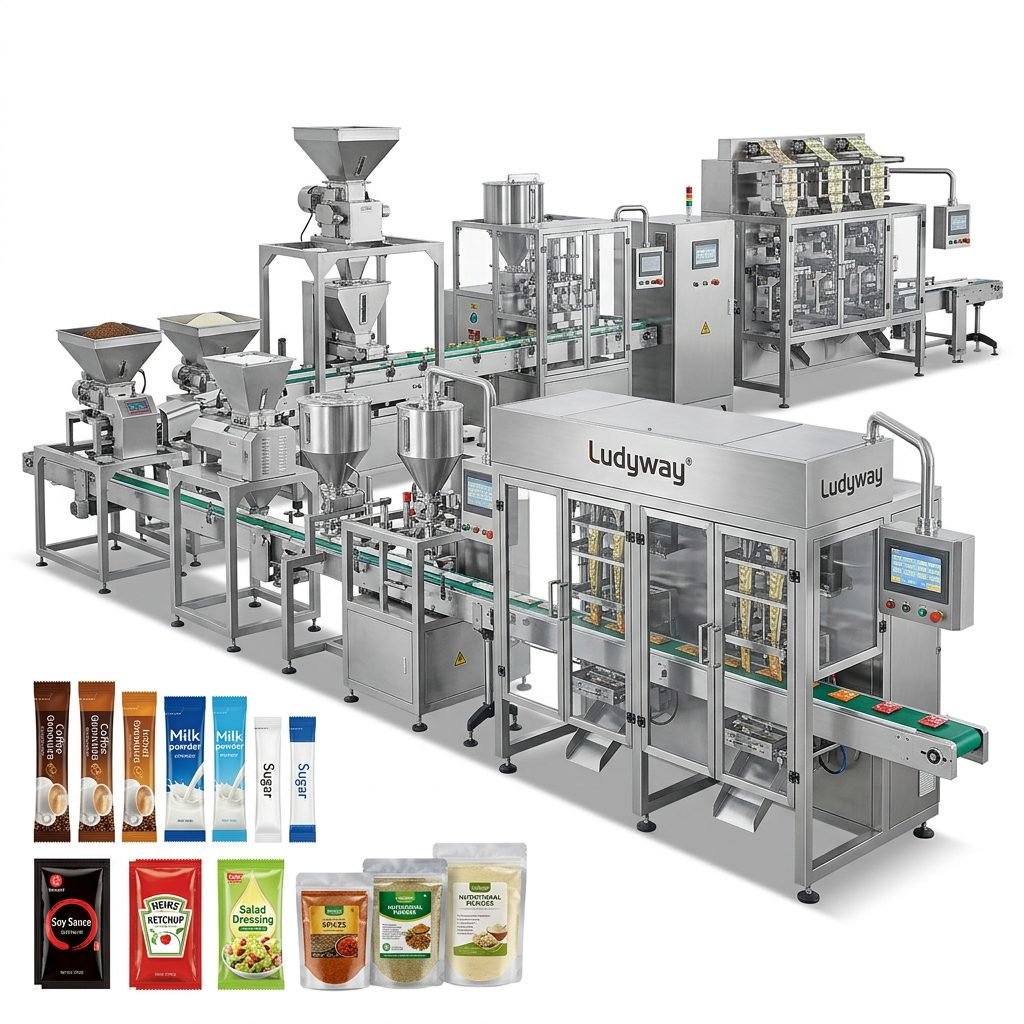
In today’s fast-paced manufacturing world, efficiency and precision are paramount. For industries handling powders, granules, liquids, and other small-dose products, choosing the right packaging machine is a critical business decision. CMC (Carboxymethyl Cellulose) packaging, while a specific application, shares core principles with a wide range of vertical form-fill-seal (VFFS) packaging solutions. This guide delves into the world of high-performance packaging machines suitable for CMC and similar products, exploring their types, how they work, and key factors to consider for your investment.
Understanding Packaging Machine Core Types
The landscape of packaging machinery is diverse, but for free-flowing and semi-free-flowing products like CMC powder, certain types dominate. Selecting the correct machine type is the first step toward automated efficiency.
Vertical Form-Fill-Seal (VFFS) Machines
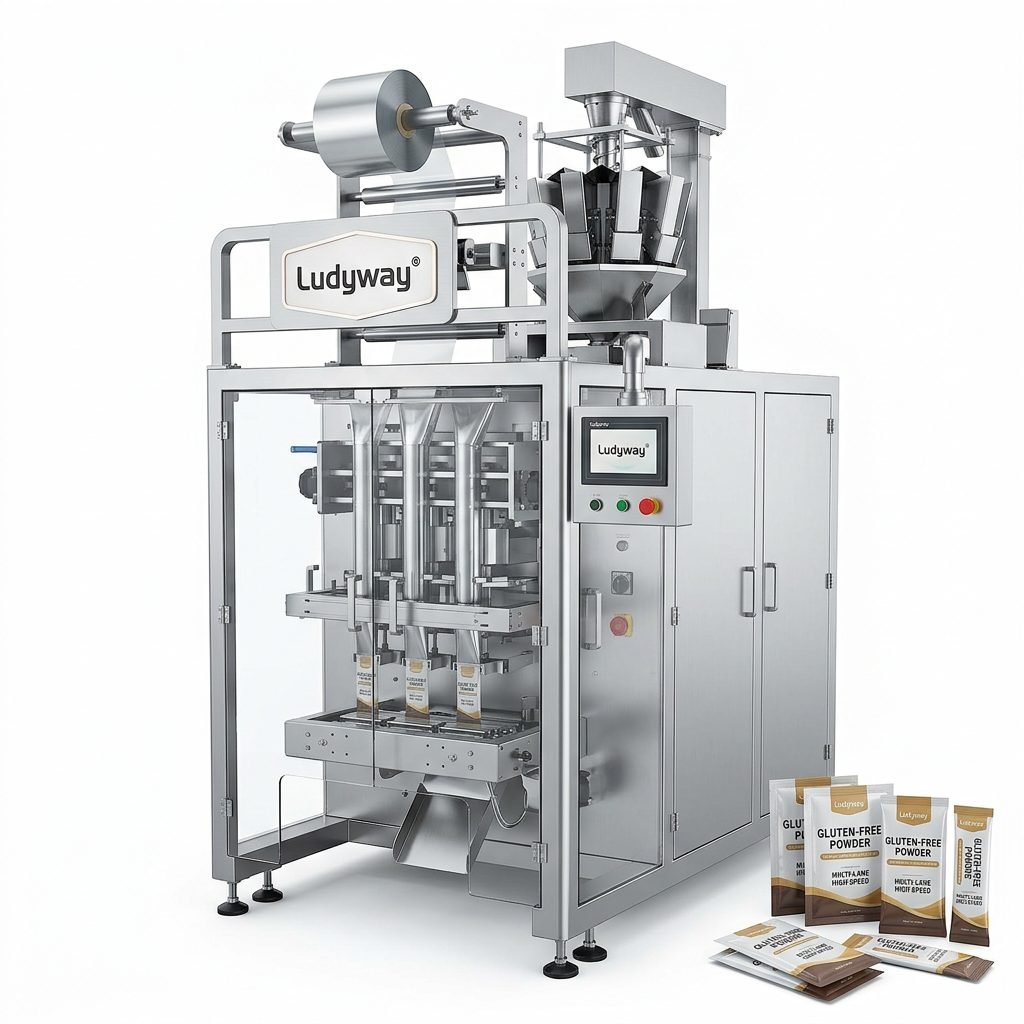
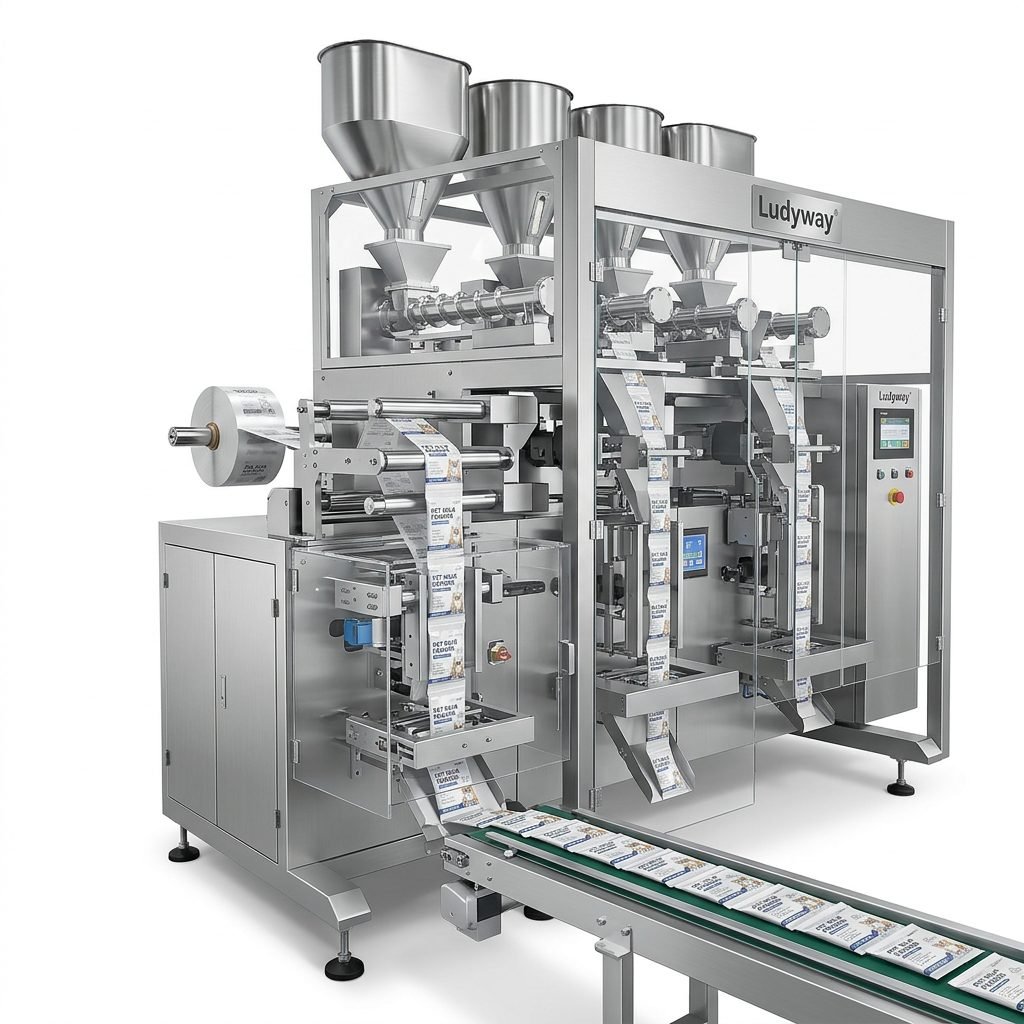
The workhorse of the industry, VFFS machines are ideal for creating bags from a roll of flat packaging film. The film is formed into a tube around a filling tube, sealed vertically, filled with product, and then sealed horizontally to create individual pouches. They are incredibly versatile for producing sachets, stick packs, and pillow bags.
Key Advantage: High speed, compact footprint, and easy changeover between bag sizes. Perfect for large-volume production runs of products like single-dose CMC supplements or food additives.
Horizontal Form-Fill-Seal (HFFS) Machines
These machines use pre-formed pouches or form trays from a roll of film in a horizontal plane. They are often used for more complex packaging, products that are not free-flowing, or when a specific rigid structure is needed (like blister packs).
Stick Pack Machines
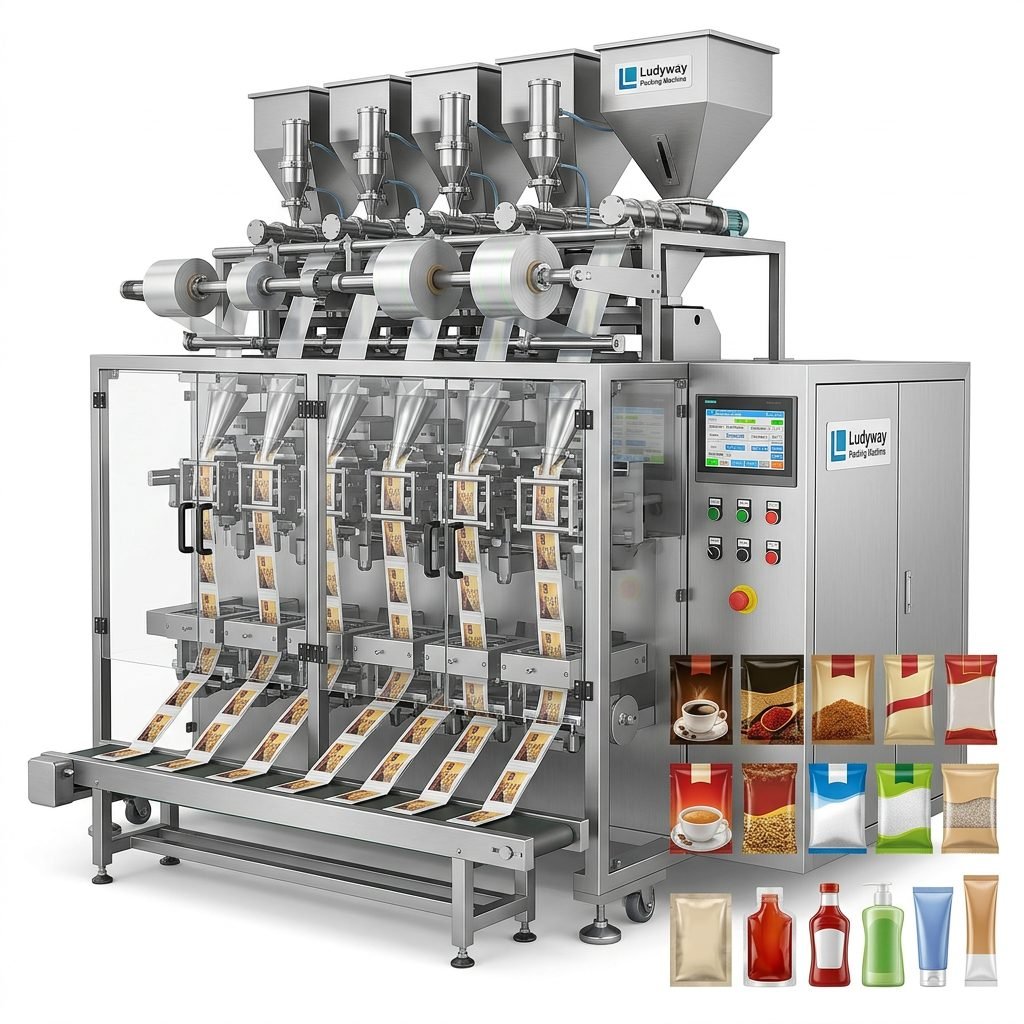
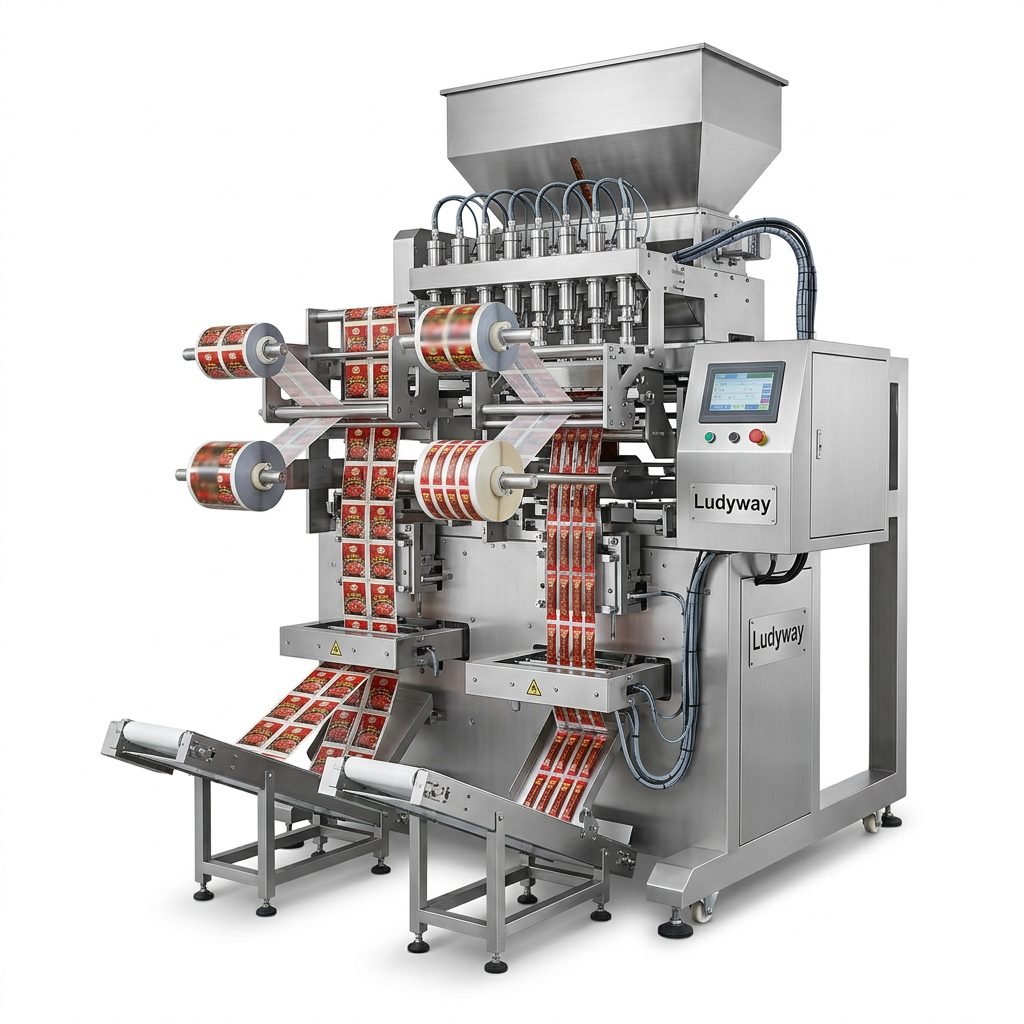
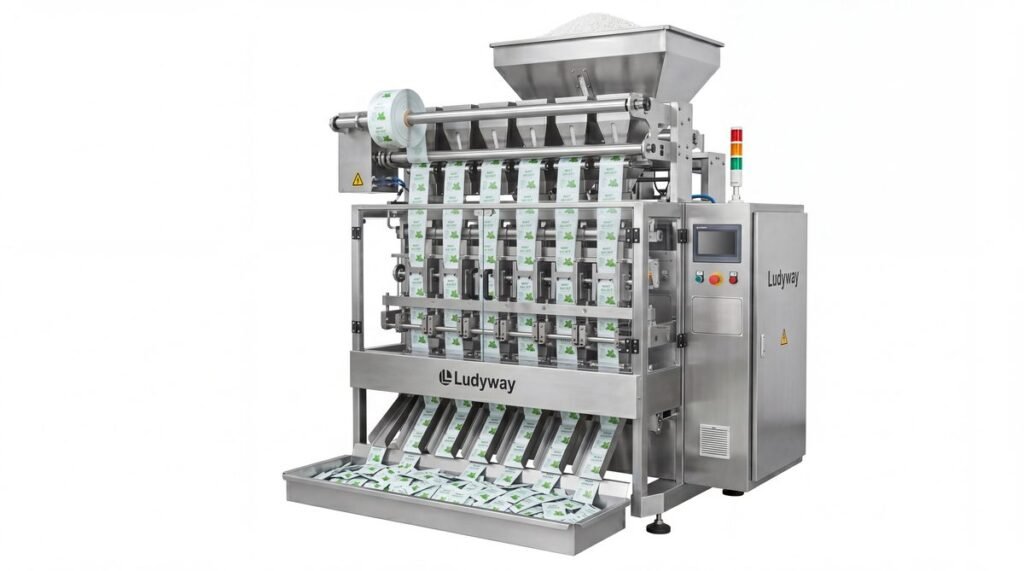
A specialized subset of VFFS technology, stick pack machines are designed exclusively to produce long, slender, single-serve pouches. They are extremely popular in the food, beverage, and pharmaceutical industries for products like instant drink mixes, which is analogous to how CMC might be packaged for consumer use.
Note: Multi-lane stick pack machines can produce several sticks simultaneously, dramatically increasing output. This technology is a hallmark of advanced manufacturers like Ludyway Machinery, which offers such high-efficiency solutions.
Granule & Powder Specific Packers
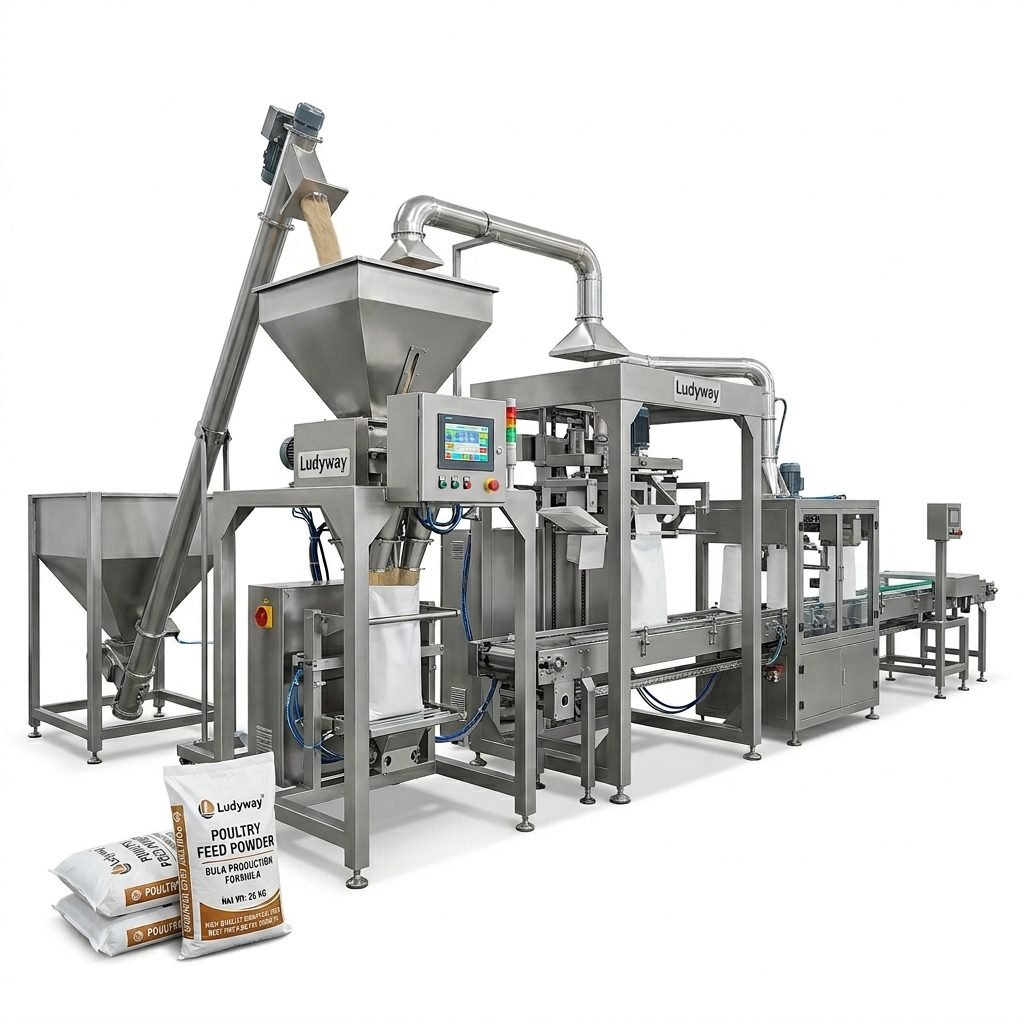
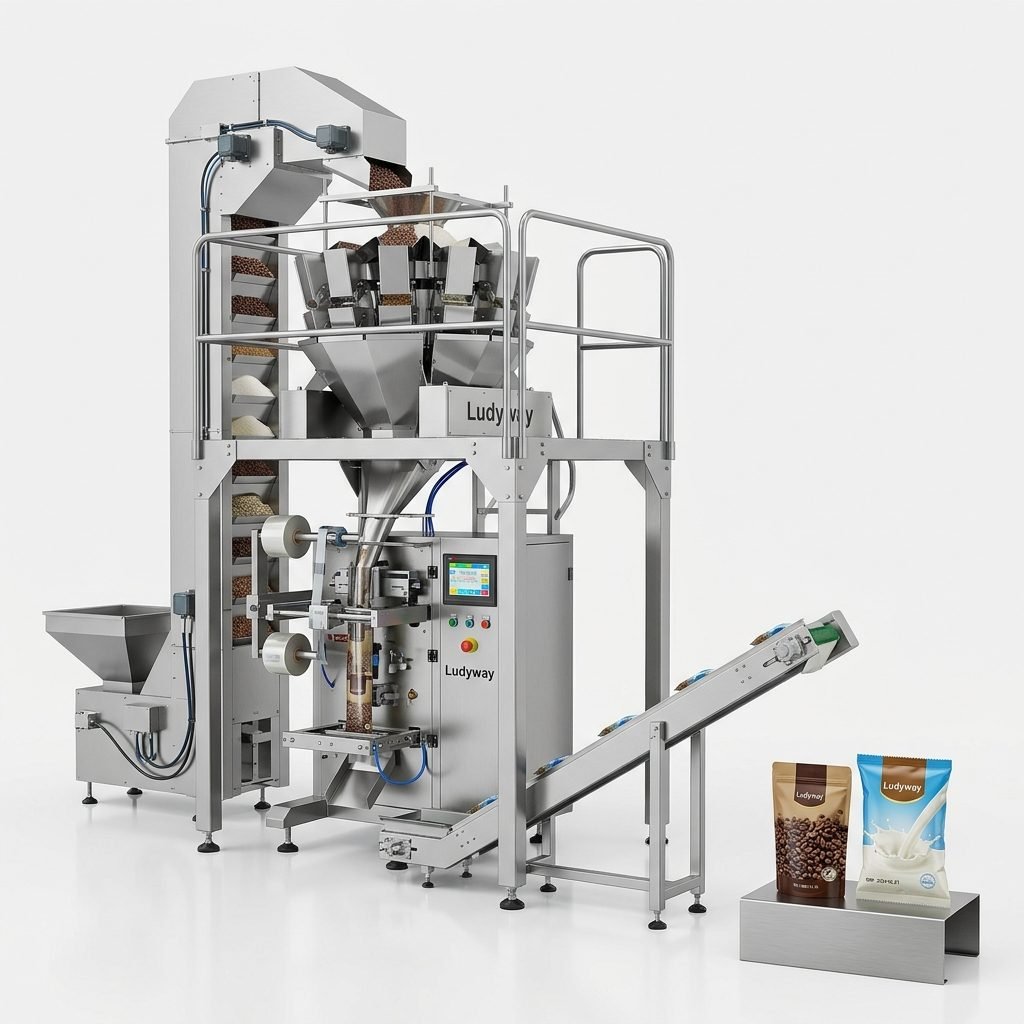
These machines are engineered with auger fillers, vibratory trays, or cup fillers designed to handle the specific flow characteristics and potential dusting of granular and powdered materials like CMC. Precision weighing systems are often integrated to ensure accurate dosing.
Deconstructing the Working Principle
While machine types vary, the fundamental process of automatic pouch packaging follows a logical sequence. Understanding this demystifies the automation.
Step 1: Film Feeding & Forming
A roll of packaging material (laminate, film, or foil) is mounted. The film is drawn through a series of guides and formed into a specific shape—a tube for VFFS or a tray for HFFS—around a custom-designed forming collar.
Step 2: Vertical Sealing
In VFFS machines, the overlapped edges of the film tube are sealed together with a continuous vertical seal, creating a back fin seal or lap seal.
Step 3: Horizontal Sealing & Cutting
A pair of heated sealing jaws close to create the bottom seal of the first pouch and the top seal of the previous pouch simultaneously. A cutting mechanism separates the individual pouch from the tube.
Step 4: Product Filling
The now-open pouch is positioned under the filler. For powders like CMC, a computer-controlled auger filler is most common, rotating a precise number of times to dispense the exact weight or volume. Advanced machines use weigh-cell technology for unparalleled accuracy.
Step 5: Top Sealing & Discharge
After filling, the pouch moves to the top sealing station where the final horizontal seal is made. The finished pouch is then discharged onto a conveyor or collection tray.
This entire cycle, from film to finished pack, happens in a fraction of a second and is repeated continuously. Modern machines from experienced suppliers integrate PLC controls and touchscreen HMIs for precise management of every parameter, from seal temperature to fill weight.
Key Buying Tips for Your Investment
Selecting a packaging machine is a significant capital expenditure. Asking the right questions ensures you get a solution that boosts productivity, not headaches.
1. Precisely Define Your Product & Packaging Needs
Beyond just “CMC powder,” consider: What is the bulk density? Is it dusty or cohesive? What is your target bag size, shape (sachet, stick pack, pillow bag), and material? What is your required output speed (bags per minute)? Clear specifications prevent costly mismatches.
2. Prioritize Filling Accuracy & Consistency
For costly ingredients or regulated products, filling accuracy is non-negotiable. Discuss the filler type (auger, cup, pump) and the weighing technology (volumetric vs. net weight scale) with your supplier. Request a live product test to see the machine’s performance with your actual material.
3. Evaluate Machine Construction & Ease of Use
Look for robust, food-grade or pharmaceutical-grade construction (e.g., 304 stainless steel contact parts). The control system should be intuitive. Features like recipe storage for quick changeovers and easy-access maintenance points drastically reduce downtime. Companies with deep industry experience often design these practical features into their machines.
4. Consider Scalability and Support
Will your needs grow? Can the machine handle a range of bag sizes or be upgraded? More critically, assess the supplier’s after-sales support. Availability of spare parts, technical training, and responsive service are as important as the machine itself. A partner with a global service network, like Ludyway, provides long-term security.
5. Look Beyond the Initial Price Tag
Total Cost of Ownership (TCO) includes energy consumption, maintenance costs, changeover speed (which affects material waste), and expected machine lifespan. A slightly higher investment in a reliable, efficient machine often yields a far better return than a cheaper, less capable alternative.
Pro Tip: Always ask for references or case studies from clients with similar products. Seeing a machine operate successfully in a real-world application similar to yours is one of the strongest validations.
Conclusion
Investing in a CMC or general powder packaging machine is a strategic move to enhance production efficiency, ensure product consistency, and meet market demands. By understanding the different machine types, their working principles, and critically evaluating your needs against a supplier’s capabilities, you can make an informed decision. The goal is to find a reliable automation partner that provides not just a machine, but a complete, supported solution for sustainable growth.
Frequently Asked Questions (FAQs)
What is the typical speed range for a powder stick pack machine?
Speeds vary by model and configuration. Single-lane stick pack machines may range from 60 to 120 sticks per minute, while advanced multi-lane machines can achieve outputs of 400 to over 1000 sticks per minute, depending on the product and bag size.
How do I ensure my powdered CMC doesn’t create dust during the filling process?
Good machine design is key. Look for features like dust extraction ports on the filler, sealed auger systems, and smooth product flow paths. The forming tube design can also minimize air turbulence that causes dusting. A supplier with expertise in powder handling can recommend the best configuration.
Can one machine package different types of products, like powder and granules?
Many VFFS machines are versatile, but the filling system is product-specific. Often, you would need to change the filler assembly (e.g., swap an auger for a cup filler). Discuss your multi-product needs with the supplier to plan for changeover kits or modular designs.
What is the most important maintenance routine for a VFFS machine?
Daily and weekly cleaning to prevent product buildup, especially on sealing jaws and fillers, is crucial. Regularly checking and replacing worn sealing jaws, cutter blades, and film guides as per the maintenance schedule prevents unexpected failures and ensures consistent seal quality.
How long does it take to train an operator on a new packaging machine?
With modern touchscreen controls, basic operation can often be learned in a few days. Comprehensive training covering changeovers, troubleshooting, and routine maintenance typically takes one to two weeks of hands-on instruction, which reputable suppliers include as part of the purchase.