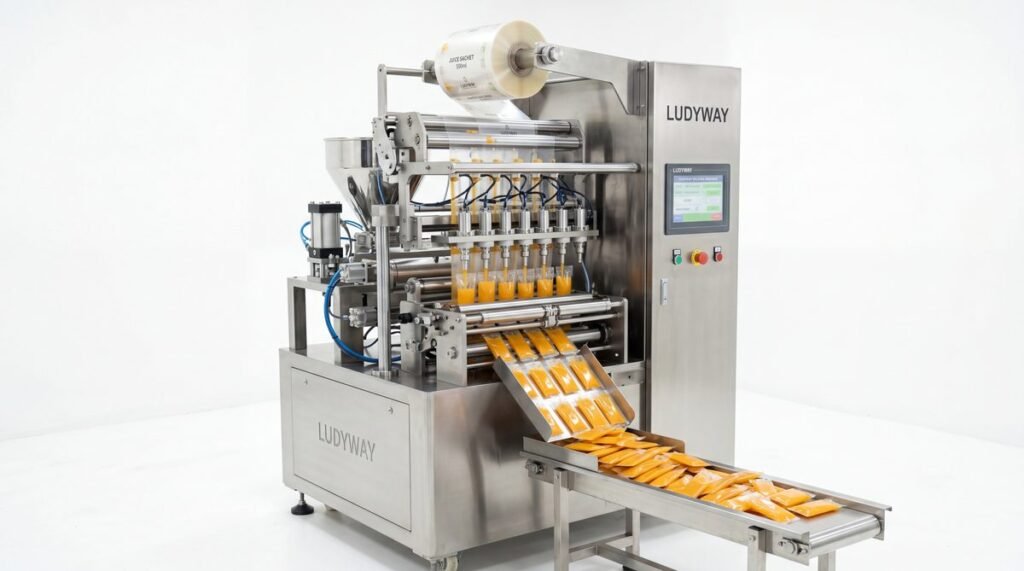
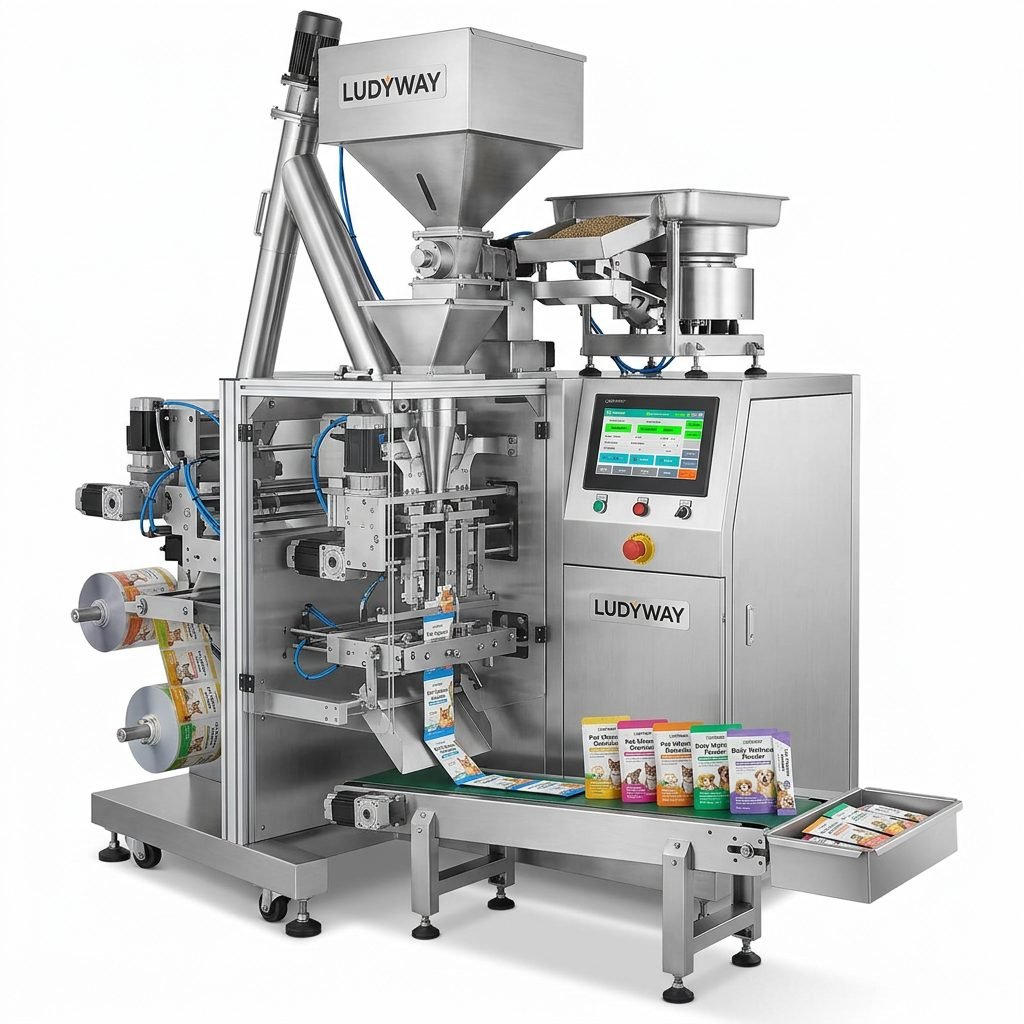
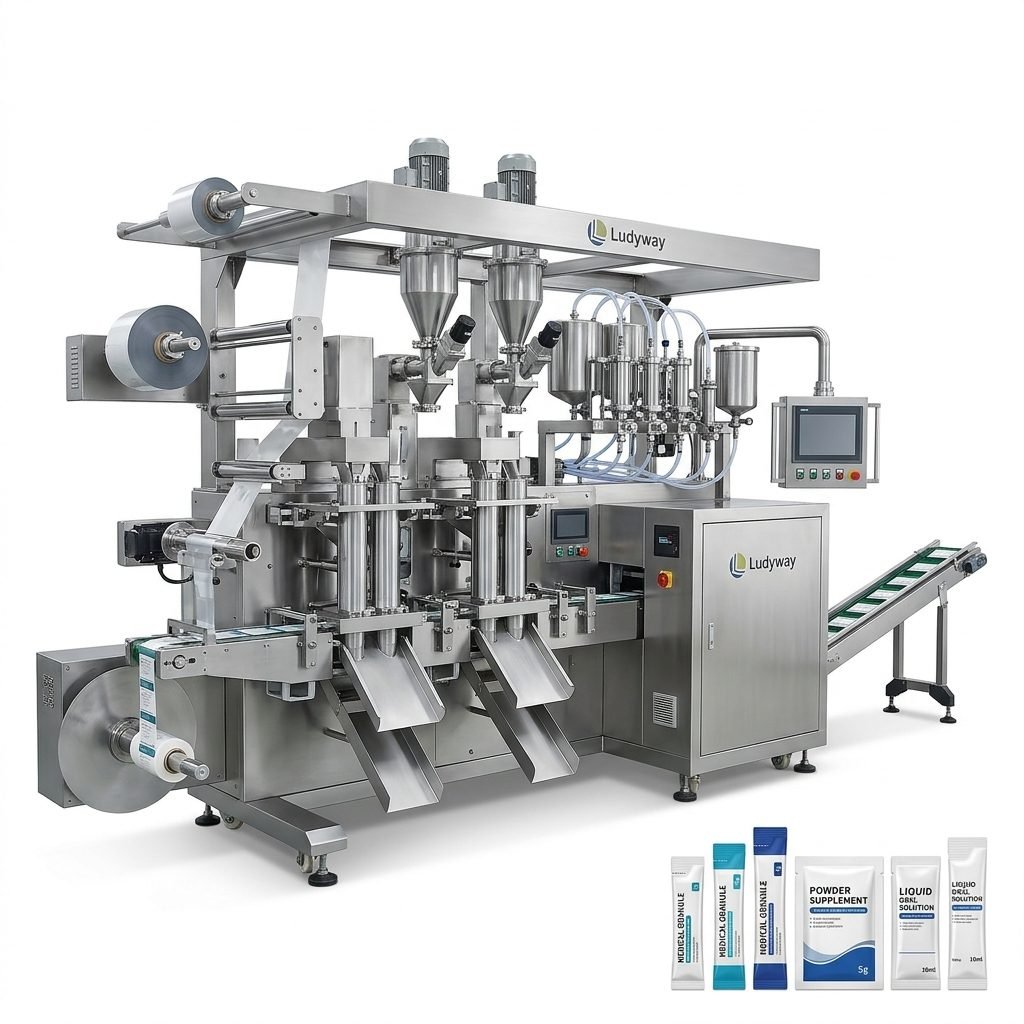
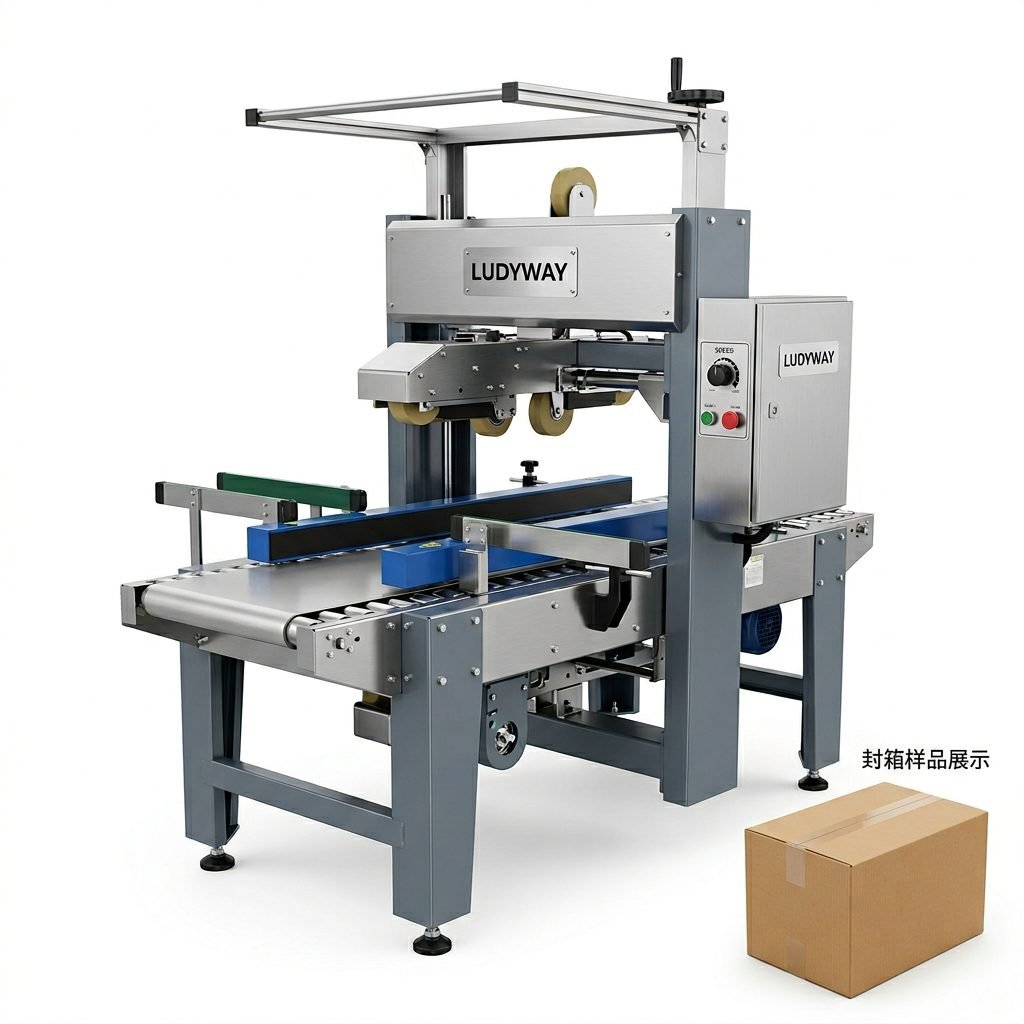
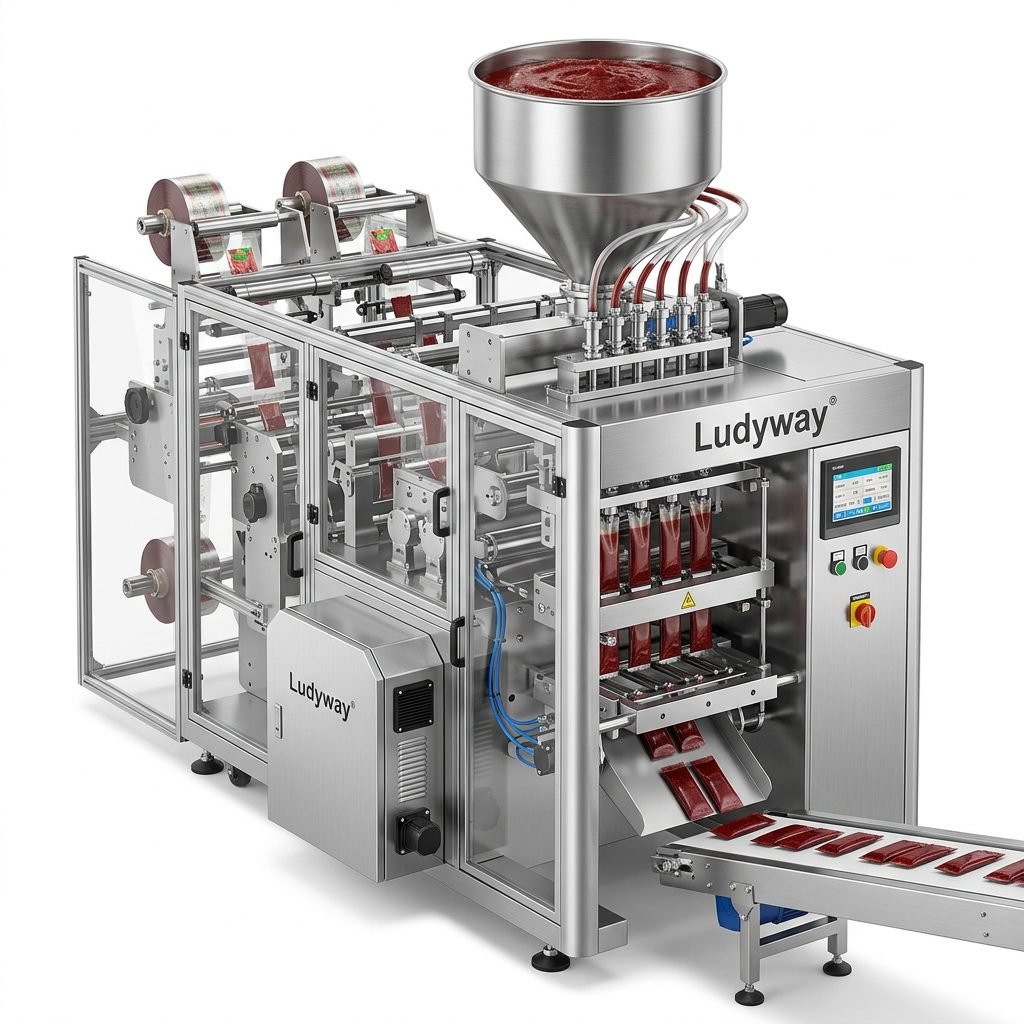
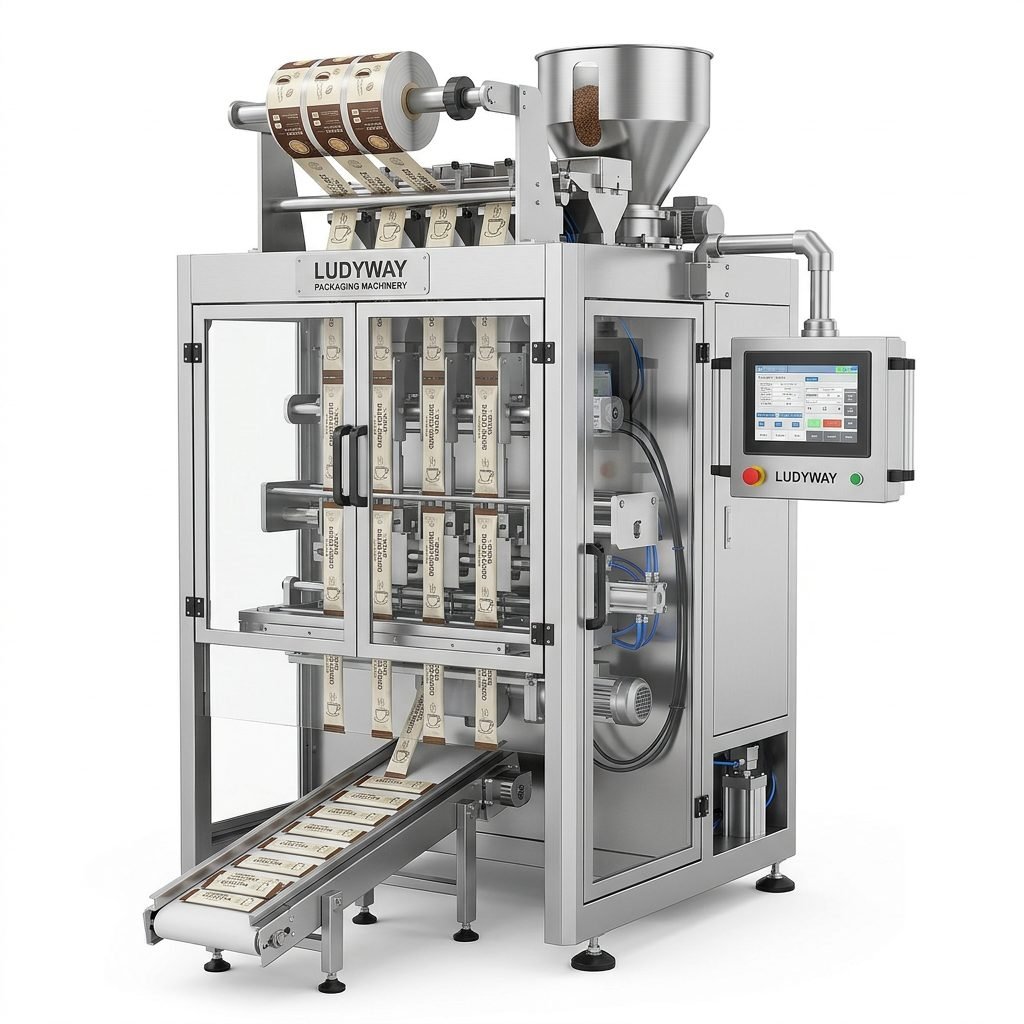
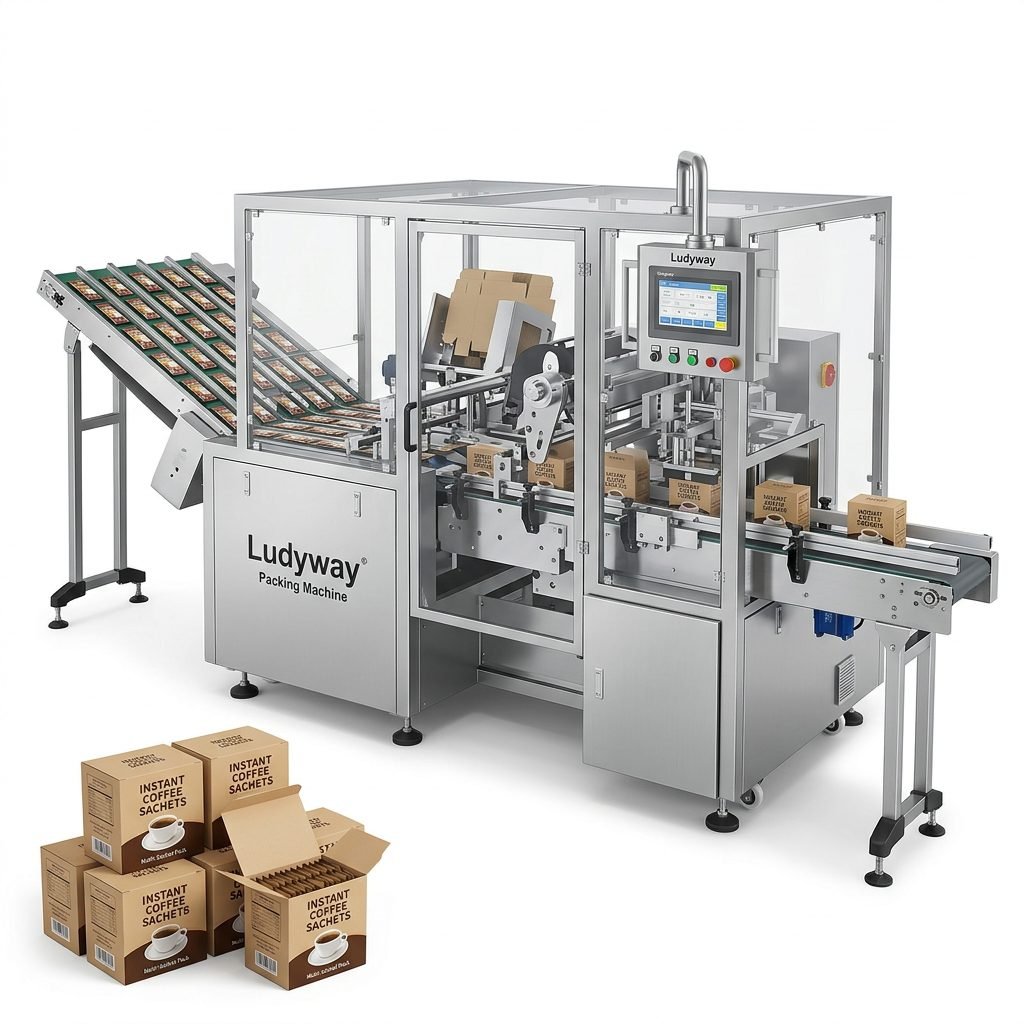
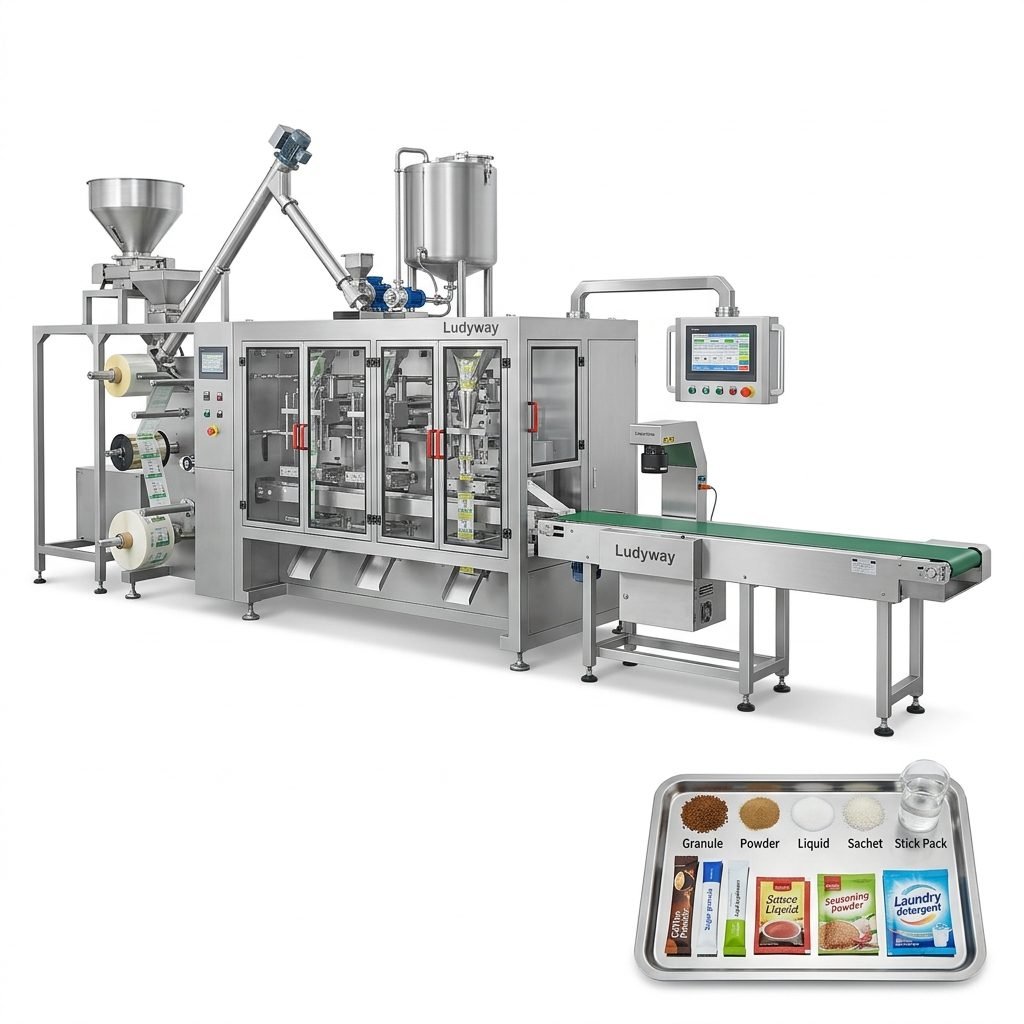
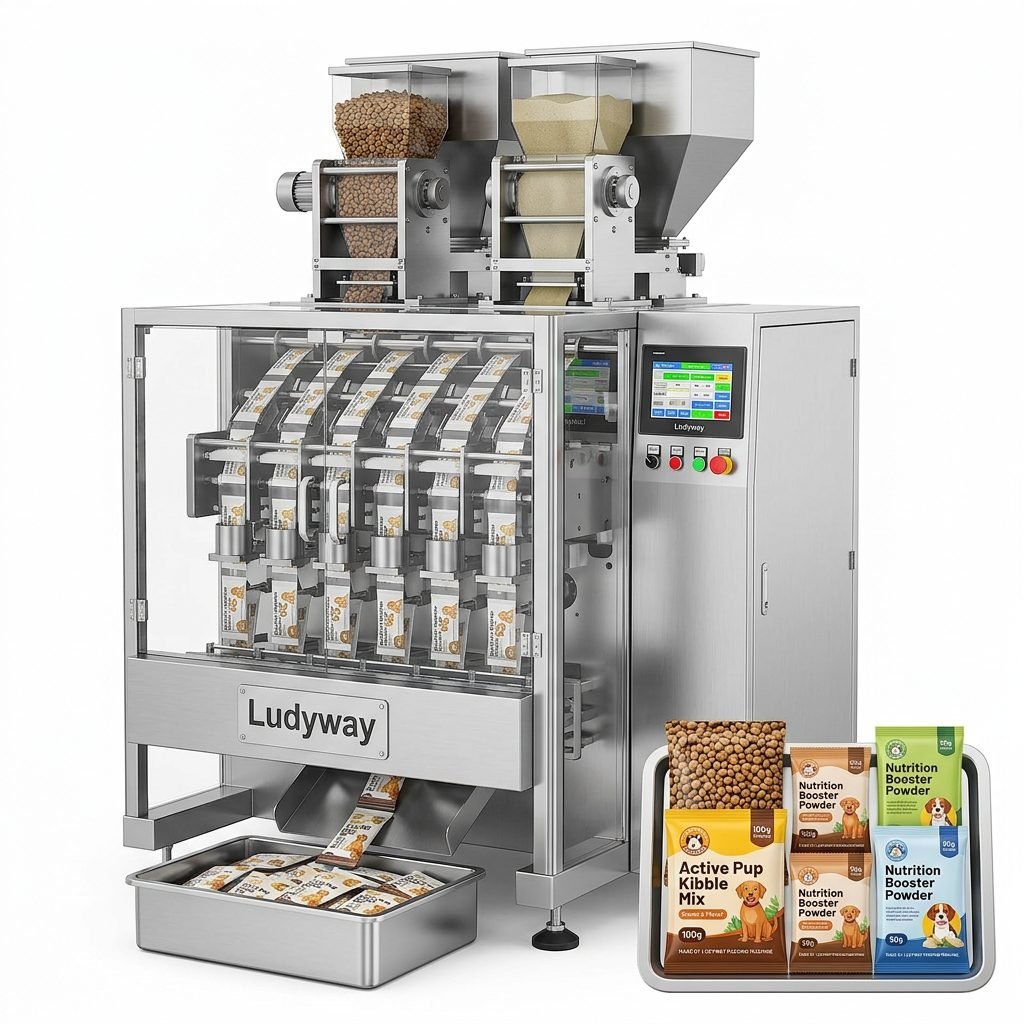
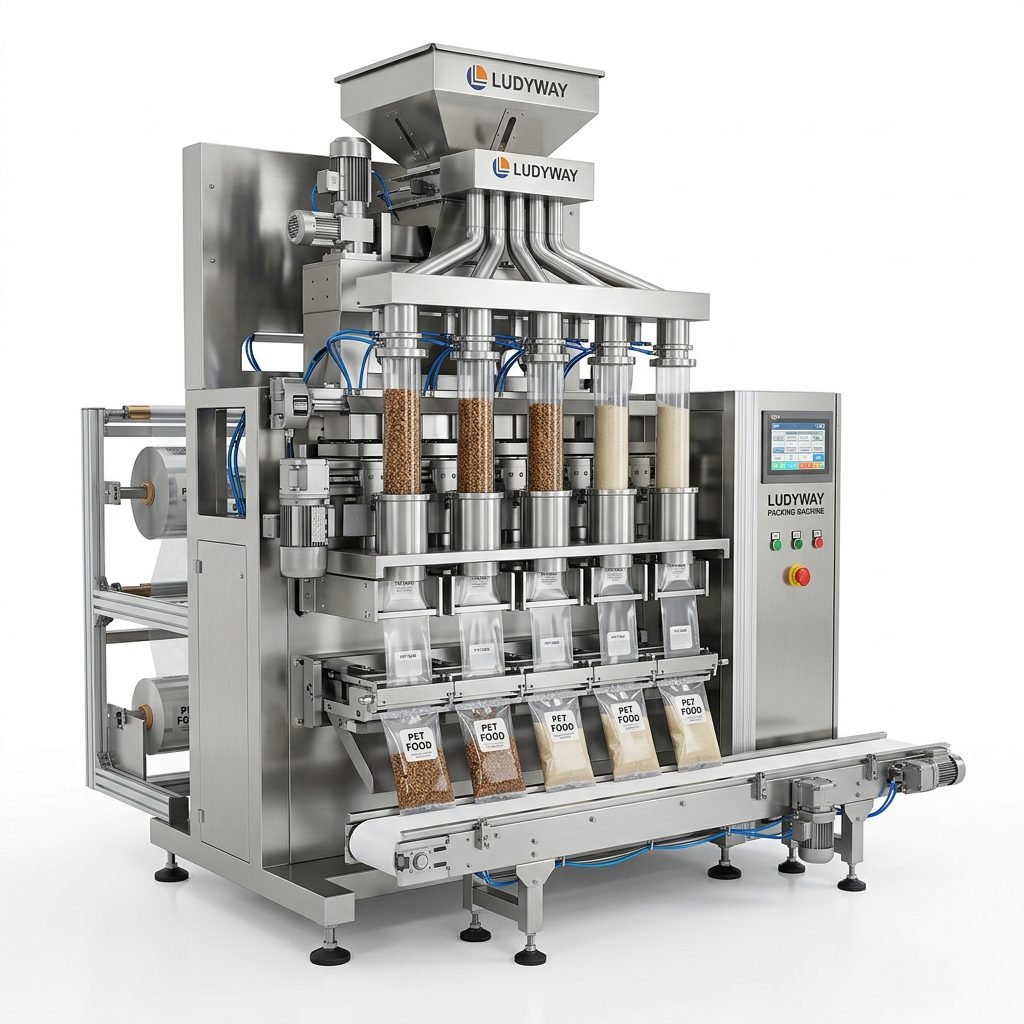
In the pharmaceutical industry, precision, safety, and regulatory adherence are paramount. Every step in the manufacturing and distribution chain must meet stringent standards to ensure product integrity and patient safety. One critical component in this chain is the compliance packaging machine. These specialized machines are designed not just to package medications efficiently but to do so in a manner that strictly complies with relevant pharmaceutical regulations, guidelines, and quality standards.
What is a Compliance Packaging Machine?
A compliance packaging machine is an automated system engineered specifically for the pharmaceutical sector to handle, fill, seal, and label medications while ensuring all processes align with regulatory requirements such as those from the FDA (Food and Drug Administration), EMA (European Medicines Agency), or other regional bodies. Unlike general packaging equipment, these machines incorporate features that address key pharmaceutical concerns:
- Traceability and Documentation: They often integrate with systems to generate audit trails, batch records, and electronic documentation compliant with regulations like 21 CFR Part 11.
- Contamination Control: Designs minimize particulate generation and incorporate cleanable surfaces, often suitable for use in controlled environments.
- Accuracy and Validation: Precision in dose counting, filling, and labeling is critical. Machines are built to be easily validated to ensure consistent performance within specified tolerances.
- Material Compatibility: They handle pharmaceutical-grade materials (blisters, vials, sachets) without compromising the product’s stability.
- Safety Features: Includes mechanisms to prevent mix-ups, ensure correct labeling, and protect operators.
The primary goal is to create a sealed, labeled, and documented package that is ready for distribution while providing undeniable proof that the packaging process itself adhered to all necessary compliance protocols.
Key Functions in Pharmacy Operations
Within a pharmacy setting—whether a large-scale manufacturer, a compounding pharmacy, or a hospital dispensary—compliance packaging machines serve several vital functions:
➤ Dose Accuracy & Patient Safety: For unit-dose packaging or multi-dose bottles, the machine ensures each container receives the exact count or volume, eliminating manual counting errors.
➤ Labeling Integrity: Automatically applies labels with correct drug name, strength, lot number, expiration date, and barcodes in a standardized, legible format.
> Batch Segregation & Control: Helps manage different batches separately, preventing cross-contamination and ensuring proper batch-specific documentation.
➤ Efficiency in Regulatory Audits: By automating and recording the packaging process, they provide clear, organized data that simplifies regulatory inspections and audits.
How to Choose the Right Compliance Packaging Machine for Your Pharmacy
Selecting the appropriate machine is a significant investment decision. The right choice enhances productivity, ensures compliance, and protects your reputation. The wrong choice can lead to regulatory pitfalls, inefficiencies, and costly recalls. Consider the following factors:
1. Assess Your Specific Packaging Needs
- Product Types: Do you package solid oral doses (tablets, capsules), liquids, powders, injectables, or blister packs? Machine capabilities vary greatly.
- Output Volume: Estimate your daily/weekly output. Choose a machine with a speed and capacity that matches your throughput without over-investing.
- Packaging Format: Determine the final package form: bottles, vials, sachets, stick packs, blister cards, or unit-dose pouches.
2. Verify Regulatory Compatibility
This is the core of “compliance.” The machine must be designed and built to help you meet the regulations applicable to your region and operation type.
For US Pharmacies (FDA): Look for machines that support features for cGMP (current Good Manufacturing Practice) compliance, data integrity (21 CFR Part 11), and validation protocols. Suppliers should provide a Validation Master Plan (VMP) framework.
For EU Pharmacies (EMA/GMP): Equipment should meet EU GMP Annex 11 requirements for computerized systems and Annex 15 for qualification and validation. Consider machines with CE marking and documentation in line with European standards.
General International Standards: ISO standards (e.g., ISO 15378 for primary packaging materials for medicines) are often referenced. Ensure the machine manufacturer understands these global benchmarks.
3. Evaluate Technical & Support Features
- Integration Capability: Can it integrate with your existing Pharmacy Management System (PMS), ERP, or labeling software for seamless data flow?
- Changeover Flexibility: How quickly and easily can it switch between different product sizes or package types? Flexibility is key for pharmacies with diverse product lines.
- Technical Support & Service: Choose a supplier with a strong reputation for after-sales support, training, and readily available spare parts. Compliance depends on the machine functioning correctly.
- Machine Qualification Documentation: The supplier should provide comprehensive documentation (DQ, IQ, OQ, PQ protocols) to assist in your validation process.
4. Consider Operational Environment & Budget
Analyze the physical space in your pharmacy. Is there a dedicated clean room or a standard dispensing area? Machine size and environmental requirements (dust control, noise) must fit. Finally, perform a thorough cost-benefit analysis. Consider not only the purchase price but also long-term costs for maintenance, consumables, and potential downtime.
Implementing Your New Machine
Once selected, successful implementation is crucial. Plan a phased approach: installation, operator training, process validation (IQ/OQ/PQ), and a pilot run before full-scale production. Engage all relevant staff—from pharmacists to technicians to quality control personnel—in the training and validation process to ensure smooth adoption and ongoing compliant use.
Conclusion
A compliance packaging machine is more than just a piece of equipment; it is a foundational tool for maintaining the integrity, safety, and legality of your pharmaceutical packaging operations. By carefully defining your needs, rigorously checking regulatory alignment, and choosing a machine with the right technical and support features, you can make an investment that not only boosts efficiency but also solidifies your pharmacy’s commitment to quality and compliance. In an industry where trust is built on precision and adherence to standards, the right packaging machine becomes a silent guardian of your reputation and patient well-being.
Frequently Asked Questions (FAQs)
Q1: Can a compliance packaging machine be used for both over-the-counter (OTC) and prescription drugs?
Yes, provided the machine’s processes and validation cover the specific regulatory requirements for both product types. The machine’s settings and documentation must be adaptable to the different standards applicable to each category.
Q2: How often does a compliance packaging machine need to be re-validated?
Re-validation is typically required after any significant change to the machine (major repair, upgrade, relocation) or as per a predefined schedule in your quality system (e.g., annually). It also follows changes in the product or packaging process.
Q3: Are there compliance packaging machines suitable for small, independent pharmacies?
Absolutely. Many manufacturers offer compact, semi-automatic, or tabletop models designed for lower-volume outputs that still incorporate essential compliance features like accurate counting, secure labeling, and basic documentation support.
Q4: What is the most common compliance failure related to packaging machines?
Inadequate or missing process validation is a common failure. Using a machine without proper Installation Qualification (IQ), Operational Qualification (OQ), and Performance Qualification (PQ) documentation leaves the process vulnerable to regulatory citations.
Q5: Does automation with a compliance machine reduce the need for pharmacist oversight?
No. Automation aids the process, but pharmacist or qualified personnel oversight remains critical. The machine is a tool; the ultimate responsibility for the accuracy and compliance of the packaged medication rests with the pharmacy’s licensed professionals.