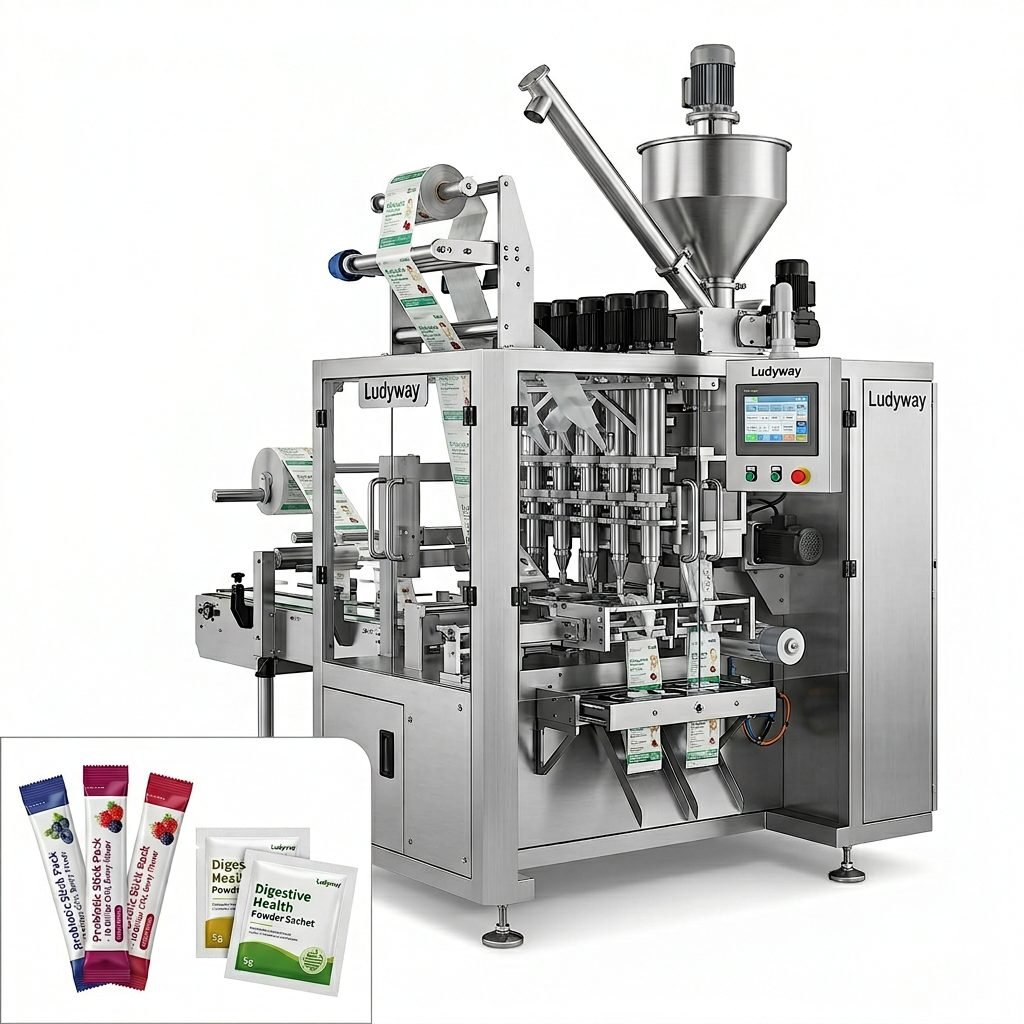
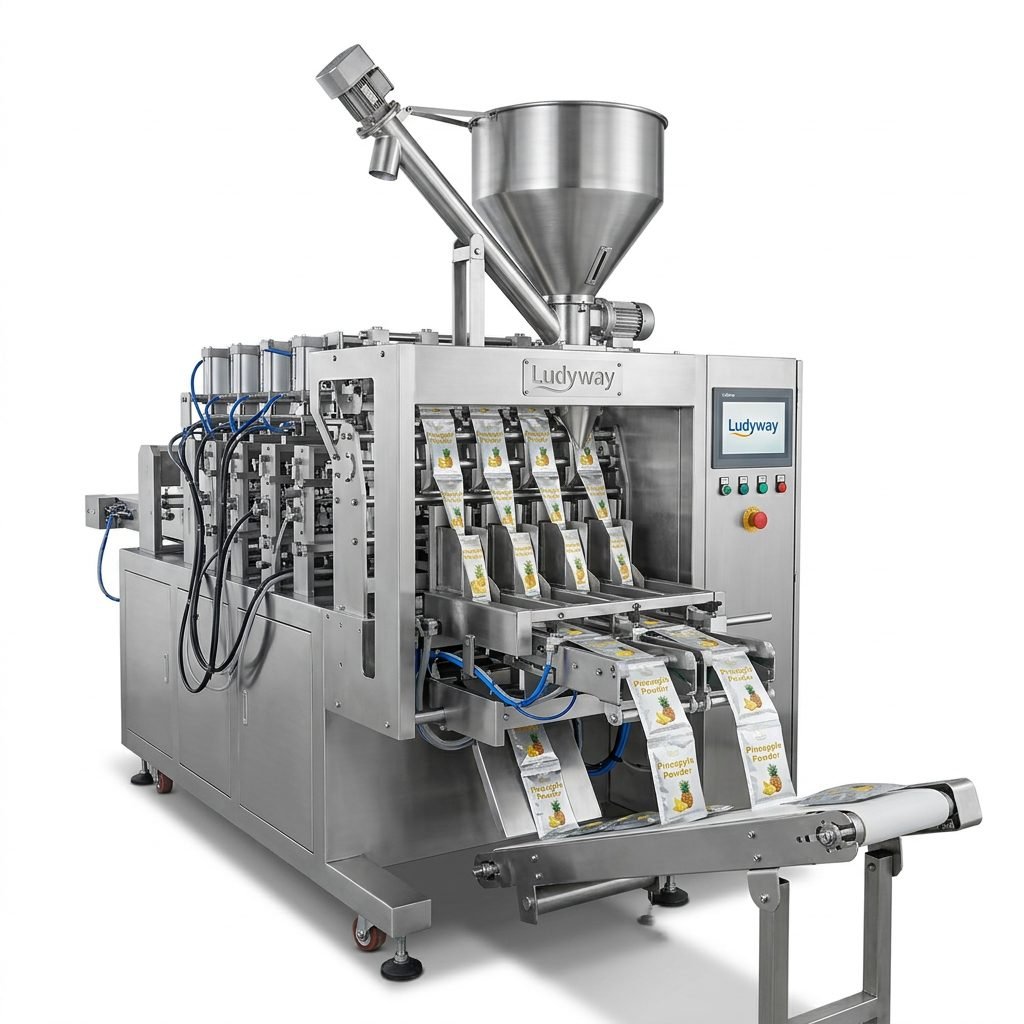
In the fast-paced world of manufacturing, efficiency and accuracy are paramount. For industries handling small, discrete items—from pharmaceutical pills and capsules to hardware components, confectionery, and electronic parts—an automatic counting packaging machine is a critical investment. This guide will walk you through the essential factors for selecting the right automatic counter for your production line, ensuring you achieve optimal speed, precision, and return on investment.
Understanding Automatic Counting Machines
An automatic counting machine, or counter, is designed to accurately count a predetermined quantity of items and deposit them into containers, bags, or blister packs. These systems eliminate human error, increase throughput, and ensure consistent count accuracy, which is crucial for regulatory compliance in industries like pharmaceuticals and for cost control in all sectors.
Key Takeaway:
The core function of these machines is to replace manual counting with high-speed, reliable automation, directly impacting your production line’s output quality and profitability.
Primary Counting Technologies
Different products require different counting methods. The main technologies available are:
1. Vibratory Feed & Photo-Electric Counting
This is one of the most common and versatile methods. Parts are fed via a vibrating bowl or linear track past a sensor (usually optical or laser). Each item breaking the sensor beam is counted. This method is excellent for a wide range of small, solid items like tablets, capsules, nuts, and screws.
2. Weight-Based Counting (Multihead Weighers)
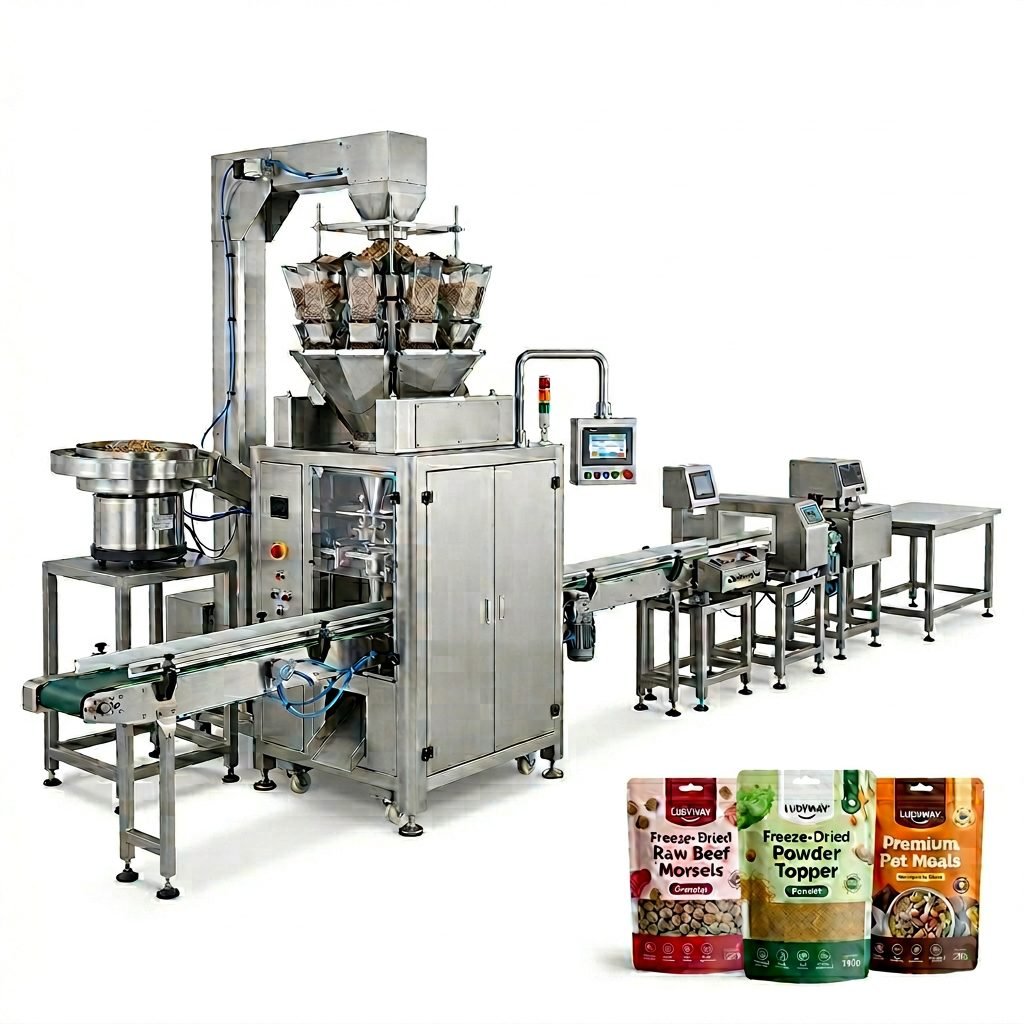
Ideal for non-uniform or difficult-to-count items like snacks, small hardware, or irregular granules. The system weighs batches and uses sophisticated software to calculate the count based on an average piece weight. It offers high speed and is less sensitive to item orientation.
3. Cascade or Slide Counting
Often used for tablets and capsules. Items cascade down a sloped plate with precisely machined pockets. Each pocket holds one item, and when the target count is reached, the items are released into the packaging. Known for its gentle handling and high accuracy.
4. Image-Based (Vision) Counting
Advanced systems use cameras and image processing software to count items on a conveyor or in a tray. This is suitable for complex items, quality inspection (counting broken pieces), or when other methods are not feasible.
How to Choose the Right Machine for Your Line
Selecting the perfect counter involves a detailed analysis of your product, production goals, and operational environment.
1. Analyze Your Product Characteristics
The physical properties of your item dictate the suitable technology.
- Size & Shape: Is it round, oblong, flat, or irregular? Smooth or textured?
- Fragility: Does it chip, break, or deform easily? (e.g., coated tablets, delicate snacks).
- Surface Properties: Is it sticky, oily, dusty, or electrostatic? This affects feeding.
- Uniformity: Are the items consistent in size and weight? This determines if weight-based counting is viable.
2. Define Your Output Requirements
Your production targets are non-negotiable.
- Speed (Units per Minute): Match the counter’s speed with your upstream and downstream equipment (like fillers and sealers). Don’t create a bottleneck.
- Accuracy Tolerance: What is the acceptable error margin? Pharmaceutical counting often requires 100% accuracy, while hardware may allow a slight variance.
- Batch Size & Changeover: How often do you change products? Look for machines with quick-change parts and easy-to-program settings.
Pro Tip: Consider Future-Proofing
Invest in a machine with some flexibility. A system that can handle a family of similar-sized products or can be upgraded with different feed bowls or software will protect your investment as your product line evolves.
3. Evaluate Integration and Support
The machine doesn’t operate in a vacuum.
Line Integration: Will it connect seamlessly to your existing baggers, cappers, blister machines, or conveyors? Check interface compatibility (mechanical and electrical).
Supplier Expertise: Choose a partner with proven experience. For instance, Ludyway Packing Machine brings over a decade of specialization in packaging automation, offering tailored solutions and reliable support. A supplier with a strong track record, like those with extensive industry experience, can provide invaluable guidance and long-term technical support.
Hygiene & Compliance: For food, pharma, or chemical products, ensure the machine meets relevant standards (e.g., FDA, GMP, CE) with easy-clean surfaces and appropriate construction materials.
Common Applications Across Industries
Automatic counters are versatile tools found in numerous sectors:
- Pharmaceutical: Counting tablets, capsules, softgels into bottles or blisters.
- Food & Beverage: Packaging tea bags, coffee sticks, candy, snacks, and powdered drink sticks.
- Hardware & Electrical: Sorting and packing screws, nuts, bolts, washers, and small components.
- Agriculture: Counting seeds, fertilizers, and small agricultural products.
- Cosmetics & Chemicals: Packaging bath salts, beads, and other granular personal care items.
Frequently Asked Questions (FAQs)
What is the typical accuracy rate of an automatic counting machine?
High-quality machines can achieve accuracy rates of 99.9% to 100% for uniform products. Weight-based systems are exceptionally accurate for free-flowing items, while vision systems provide high accuracy for complex counts. The specific rate depends heavily on product characteristics and machine calibration.
Can one machine handle multiple, very different product shapes?
While some machines offer flexibility, a single unit is often optimized for a specific “family” of products (e.g., round tablets of similar size). Switching between vastly different shapes (e.g., from tiny screws to large capsules) usually requires changing critical components like the vibratory bowl, tracks, or software parameters. Discuss your full product range with your supplier for the best configuration.
How important is after-sales service and parts availability?
It is critically important. Downtime is costly. Choose a supplier known for reliable technical support, readily available spare parts, and comprehensive training. A partner with a strong service network can minimize production interruptions.
What is the difference between a semi-automatic and a fully automatic counting system?
A semi-automatic counter typically requires an operator to place empty containers and initiate each cycle. A fully automatic system is integrated into a production line, receiving containers from an upstream conveyor, counting and filling, then discharging them to the next machine (like a sealer or capper) without manual intervention, enabling much higher throughput.
Are there “all-in-one” machines that count and package?
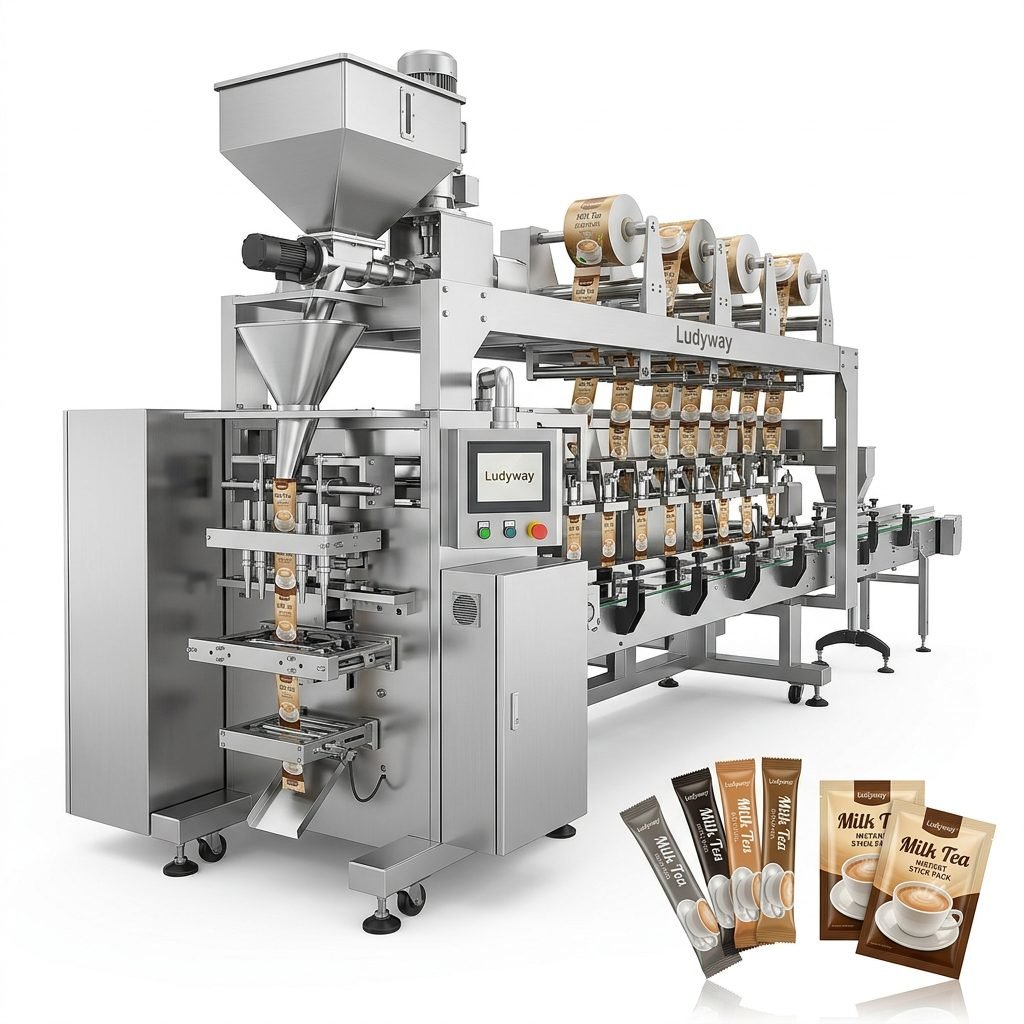
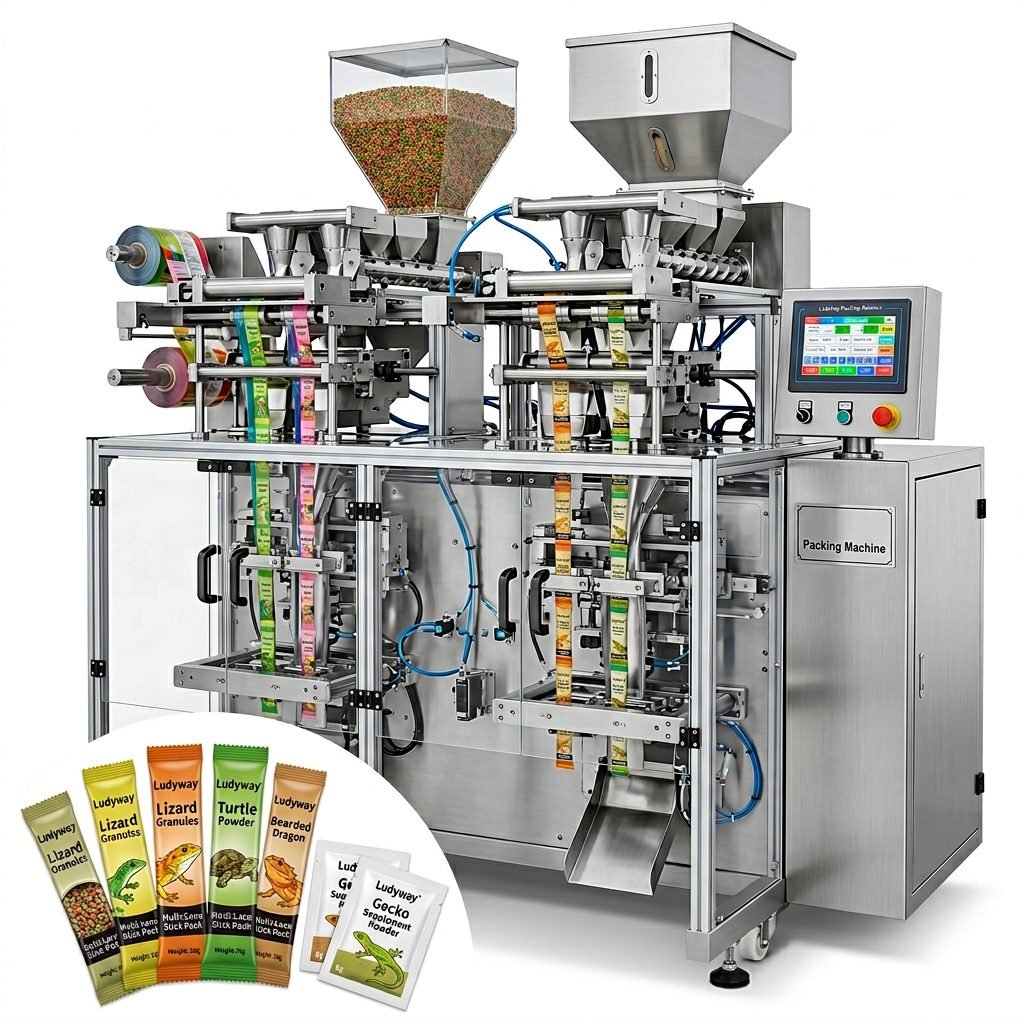
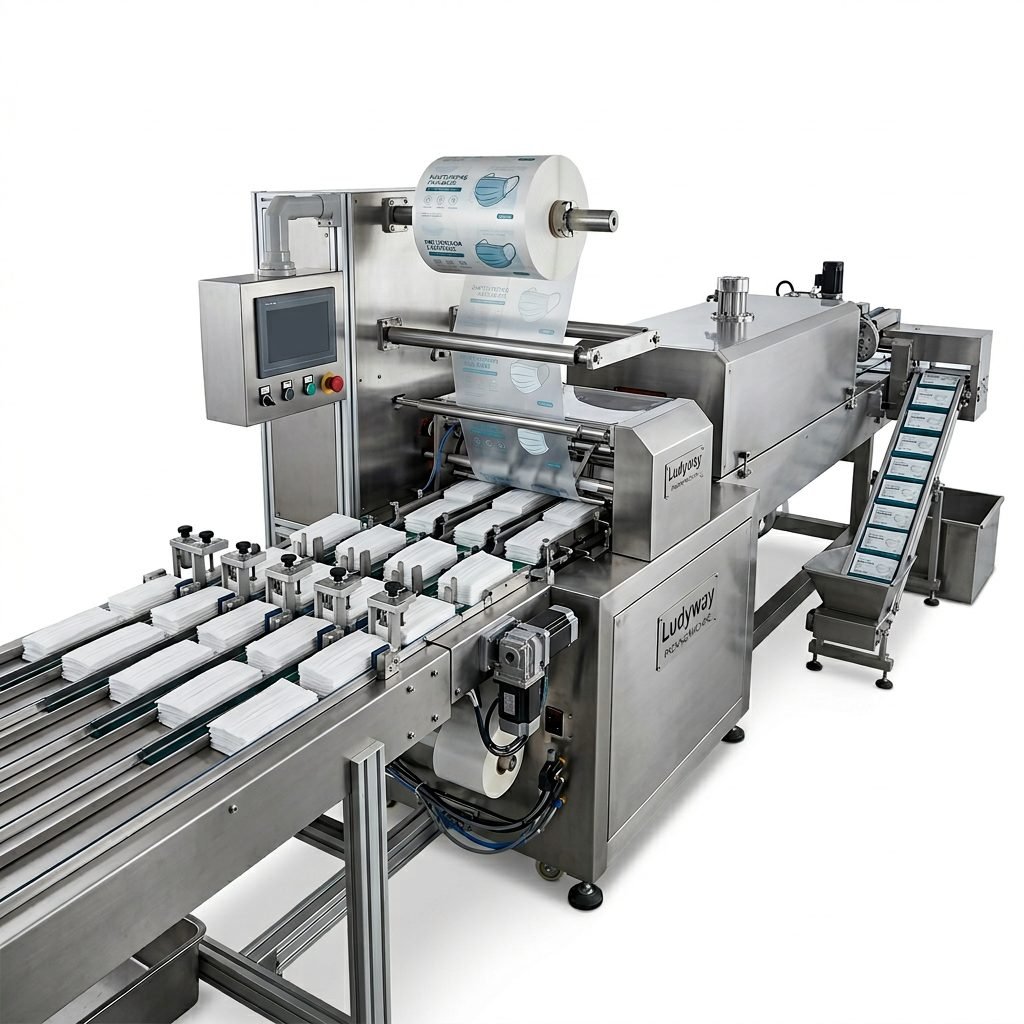
Yes. These are often called counting and packaging machines or form-fill-seal (FFS) systems with integrated counters. They count the product and then form the bag (from film roll), fill it, and seal it in one continuous operation. This is an excellent space-saving and efficient solution for high-volume production of stick packs, sachets, or pouches.