In the fast-paced environment of a restaurant, efficiency and presentation are paramount. The right food packaging machine can be a game-changer, streamlining operations, ensuring consistency, and enhancing the customer experience for takeout and delivery orders. Choosing the best equipment, however, requires careful consideration of your specific menu, volume, and operational goals.
Understanding Your Restaurant’s Packaging Needs
Before diving into machine specifications, it’s crucial to assess your unique requirements. A high-volume pizza chain has vastly different needs from a boutique salad bar or a food truck specializing in tacos.
Key Factors to Evaluate:
- Menu Items: Are you packaging solids (burgers, pastries), liquids (soups, sauces), powders (spices, drink mixes), or granules (rice, beans)?
- Daily Volume: How many packaged items do you produce during peak hours? This determines the required speed (packages per minute).
- Packaging Type: Do you use pouches, sachets, stick packs, clamshells, or trays? The machine must be compatible.
- Available Space: Kitchen real estate is precious. Consider the machine’s footprint.
- Staff Skill Level: How automated or manual should the operation be? Look for user-friendly interfaces.
Types of Food Packaging Machines for Restaurants
Several machine types cater to different food formats. Understanding these will help you narrow down your search.
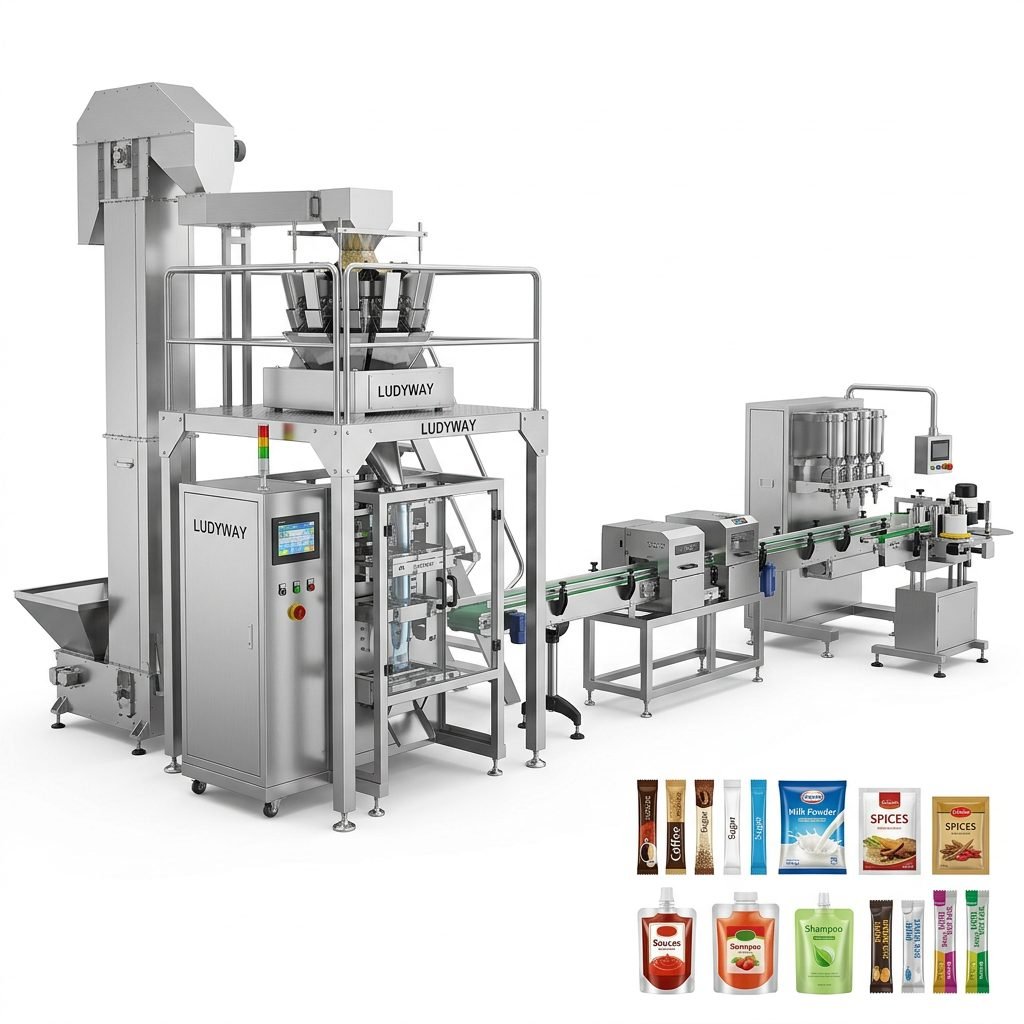
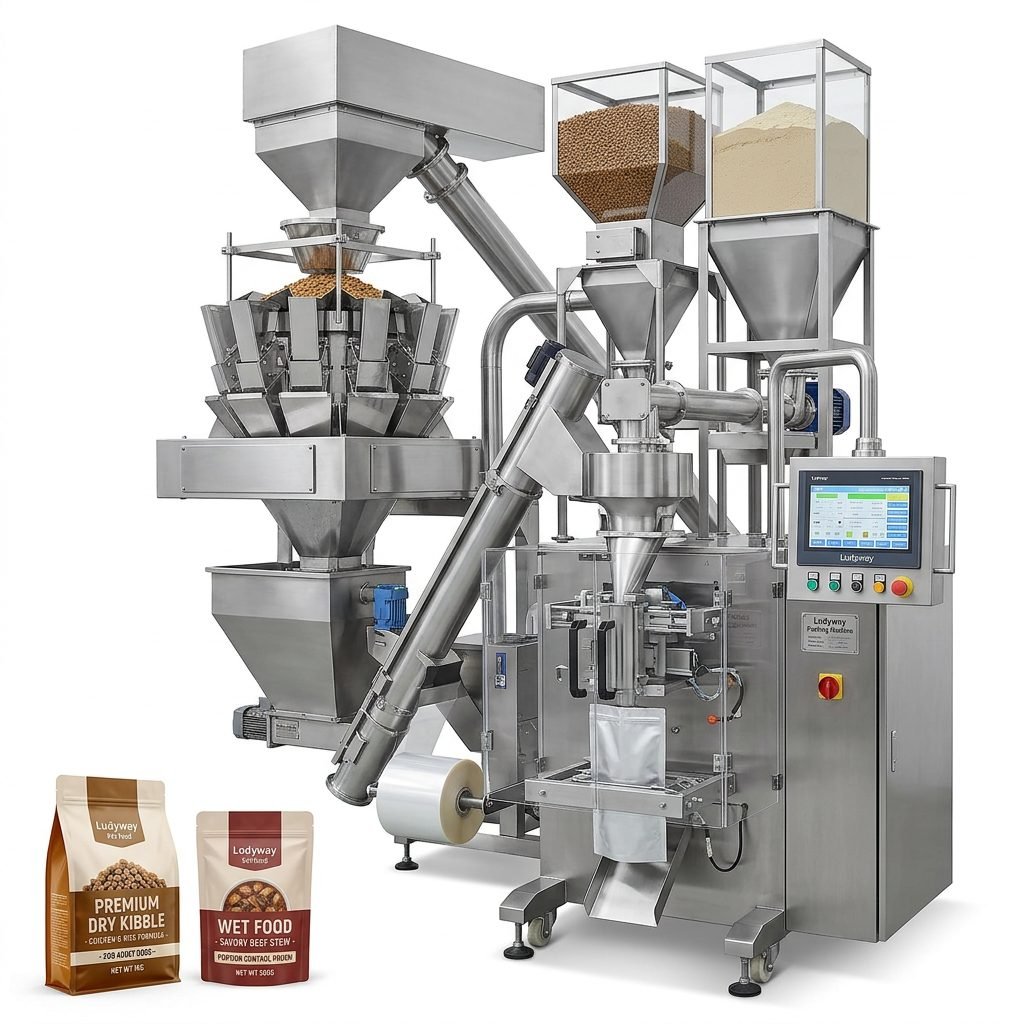
Vertical Form-Fill-Seal (VFFS) Machines
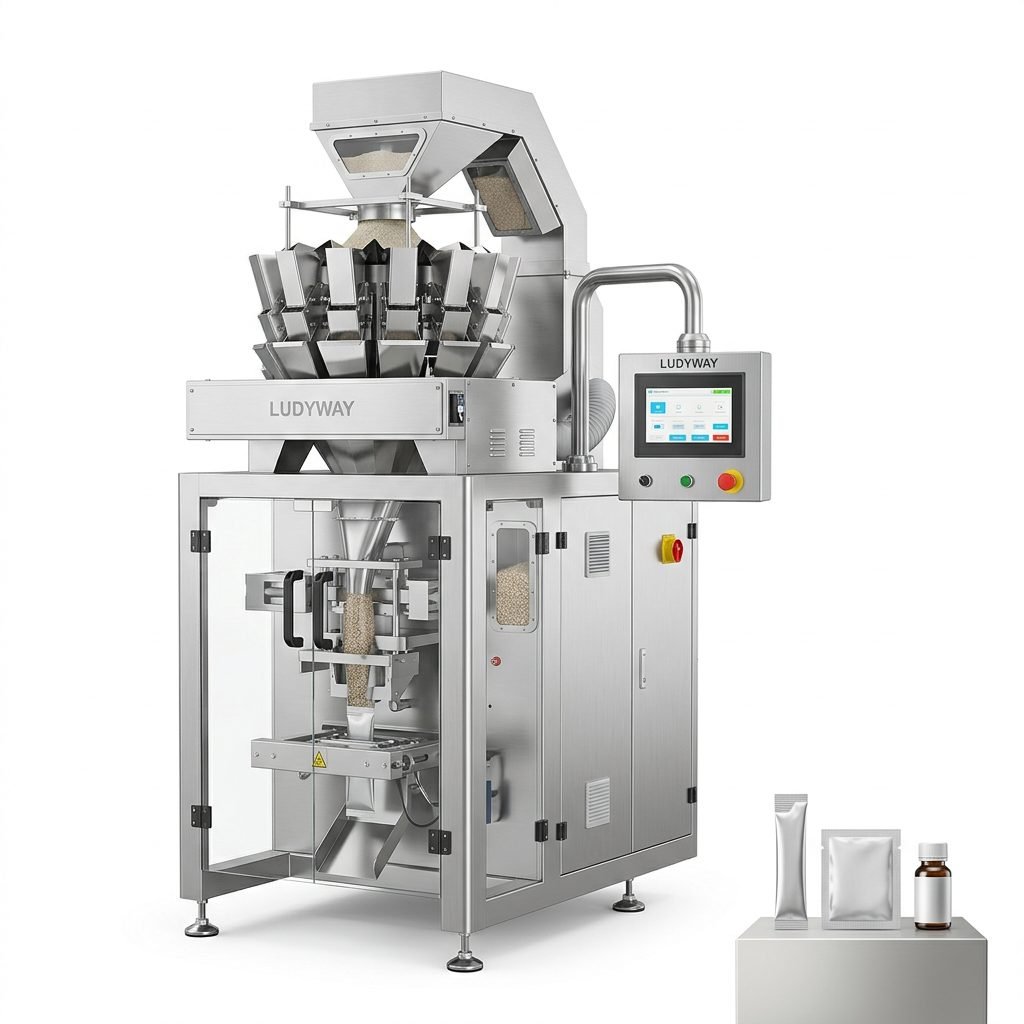
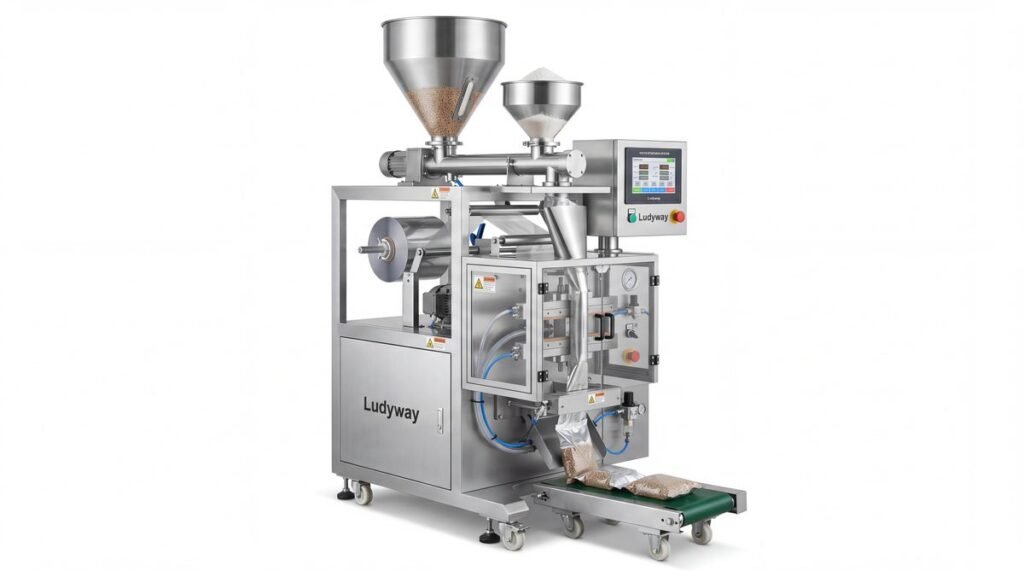
Ideal for packaging free-flowing products like fries, nuts, salad toppings, or pre-portioned ingredients. They form a bag from a roll of film, fill it with product, and seal it—all in one continuous motion. They are highly efficient for consistent, dry products.
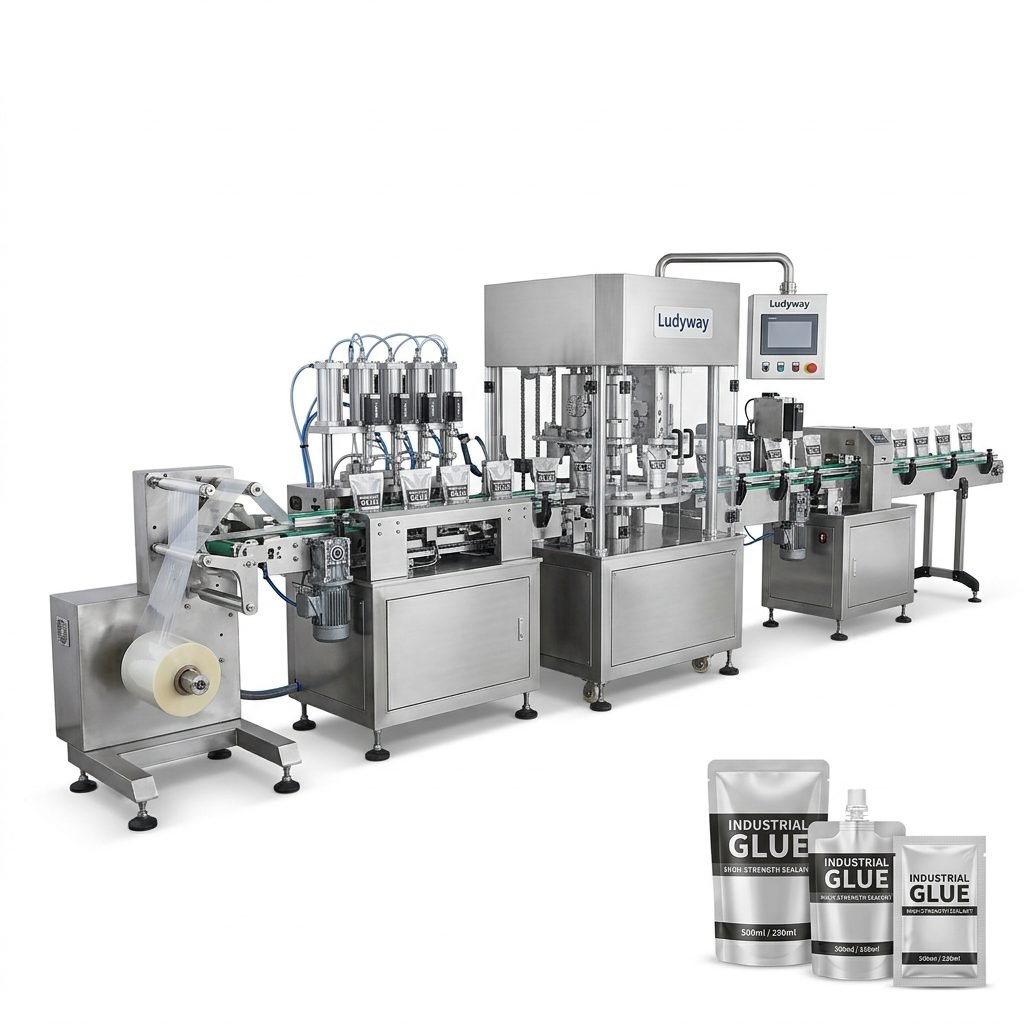
Liquid & Pouch Filling Machines
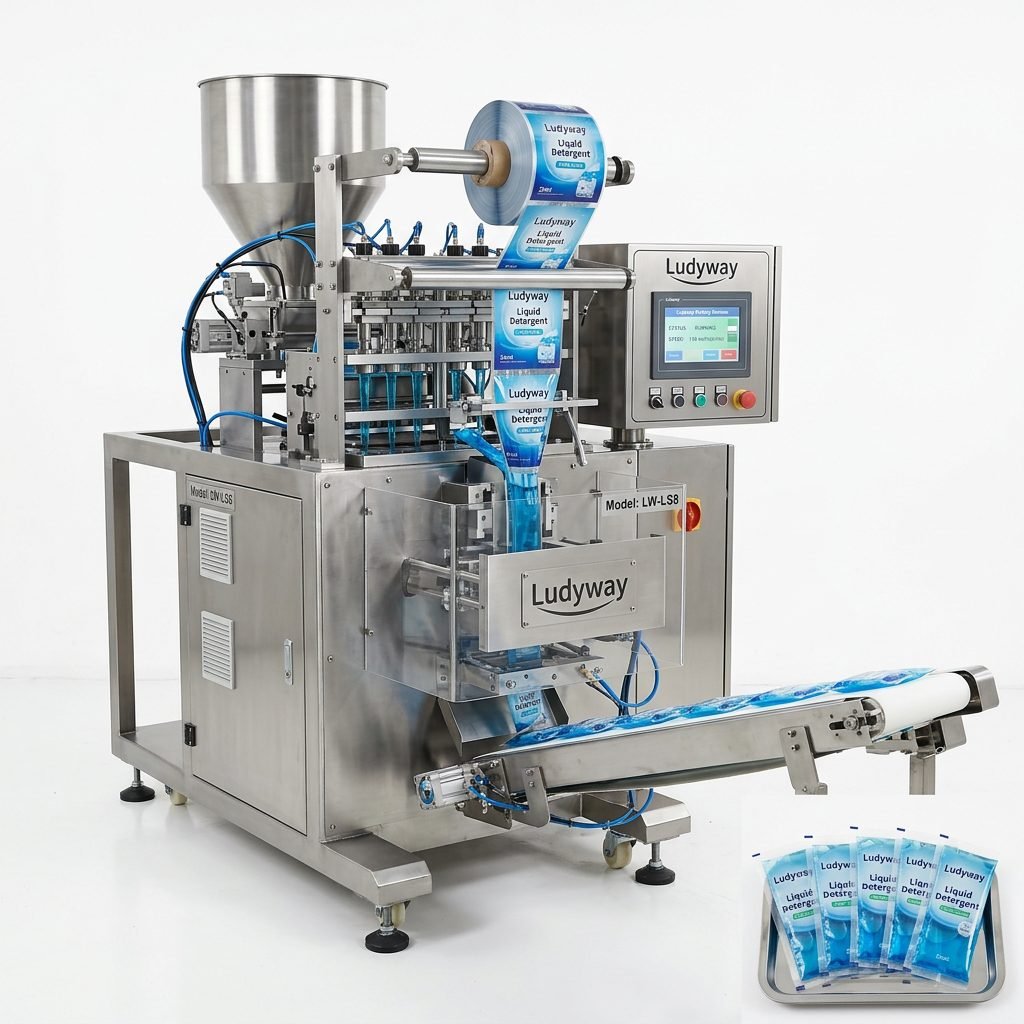
Essential for restaurants offering soups, sauces, dressings, or beverages to-go. These machines accurately fill pre-made pouches or bottles. Look for models with no-drip nozzles and easy cleaning systems to maintain hygiene and prevent cross-contamination.
Multi-Lane Stick Pack & Sachet Machines
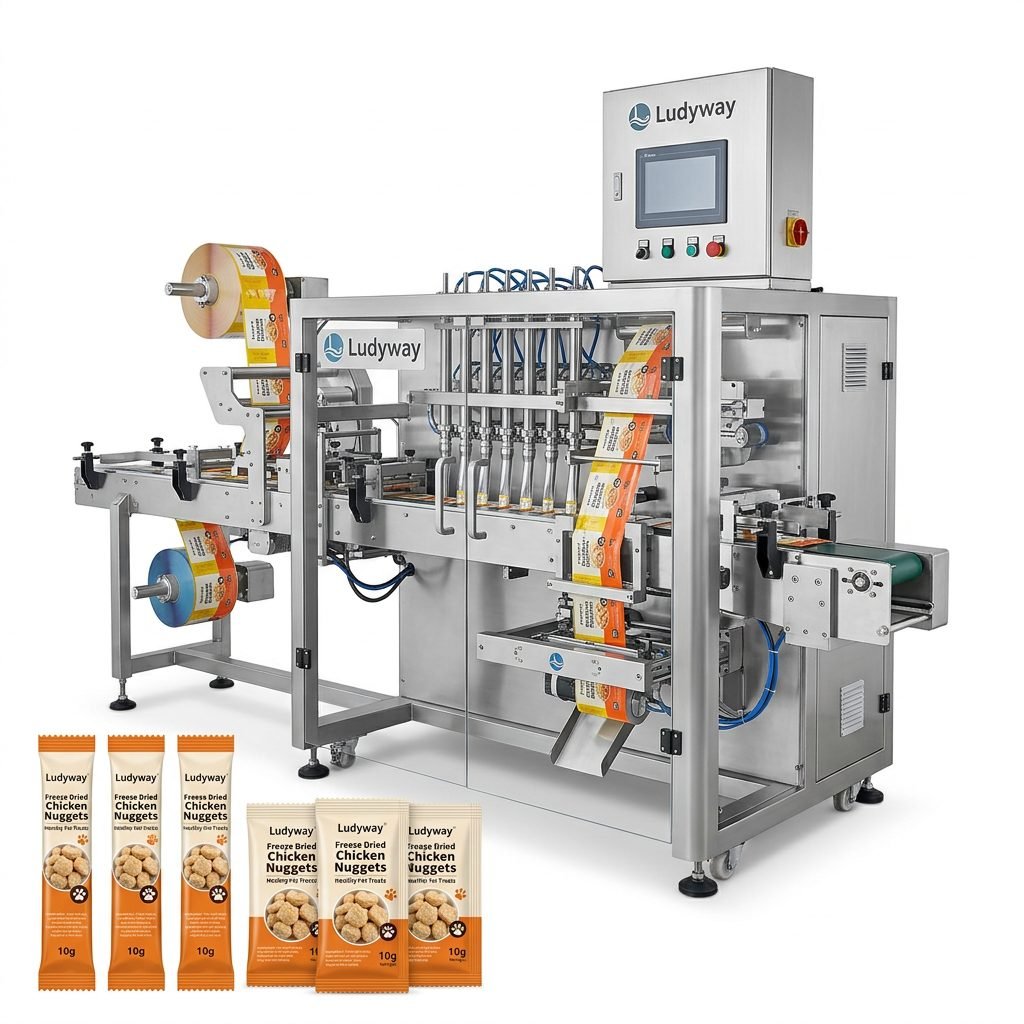
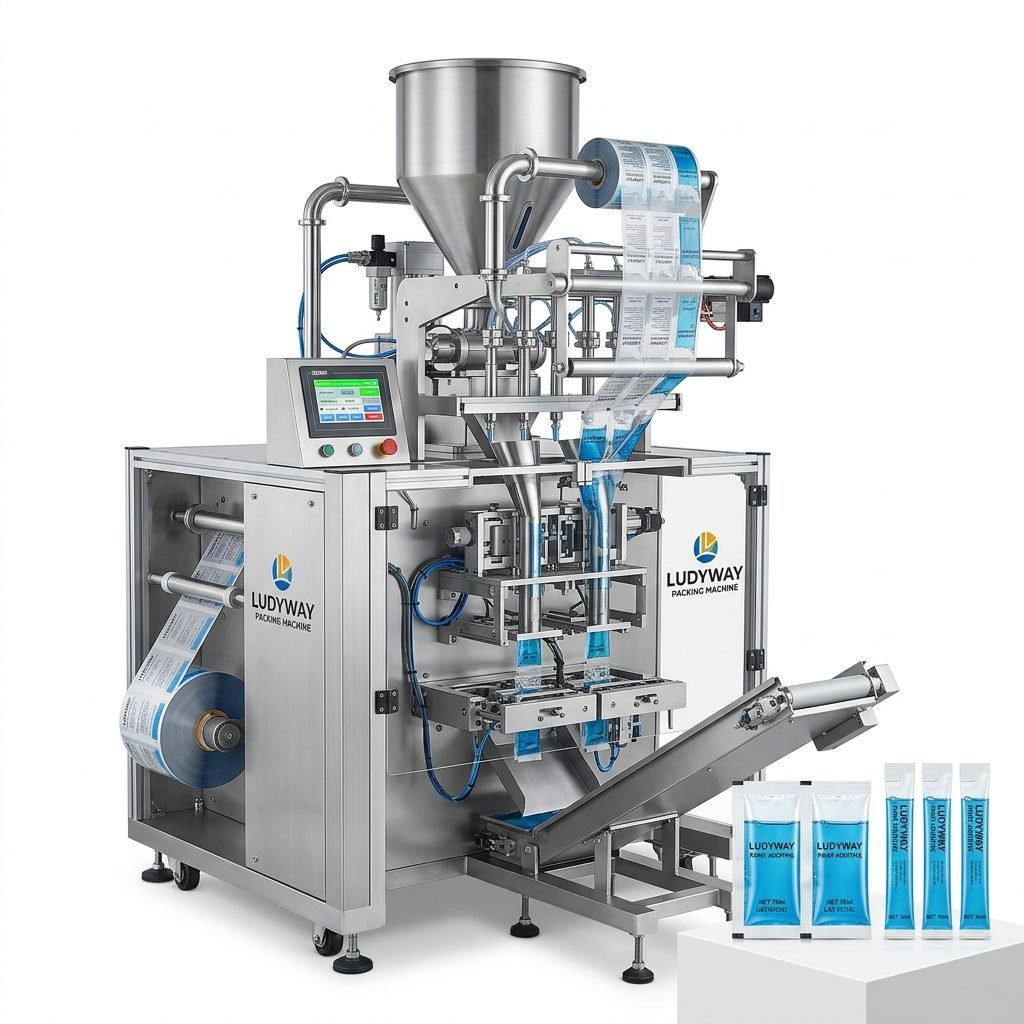
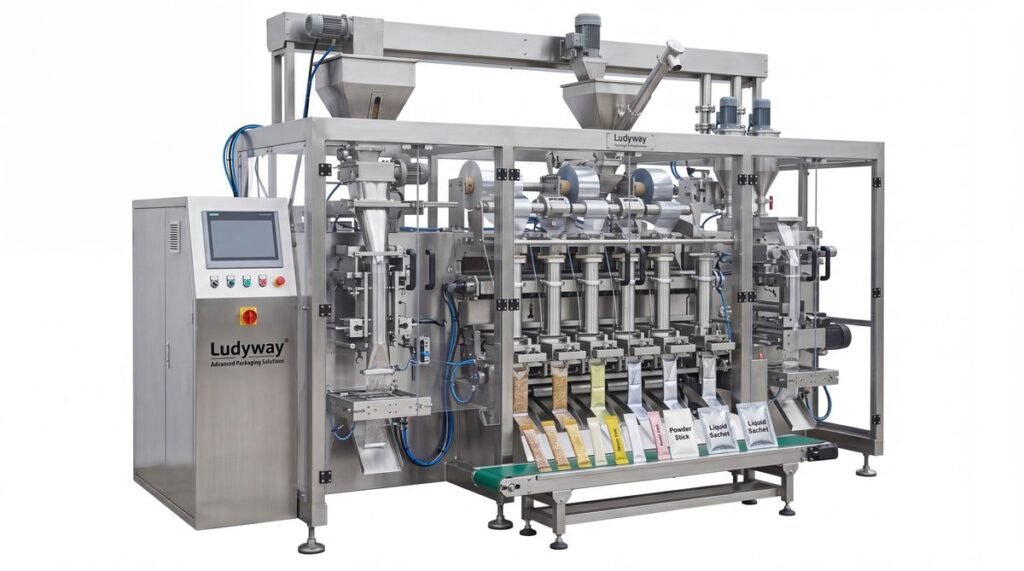
Perfect for portion-controlled condiments, spices, drink mixes, or dessert toppings. They can produce multiple small packets simultaneously, dramatically speeding up service during rush hours. This technology is a cornerstone of efficient portion control packaging solutions.
Tray Sealing & Clamshell Machines
Used for presenting meals like combo deals, salads, or gourmet entrees. They apply a clear film lid to a plastic or compostable tray, keeping food fresh and visually appealing. This enhances presentation, a critical factor in customer satisfaction.
How to Choose the Right Equipment for Faster Service
Selecting a machine isn’t just about buying the fastest one. It’s about integrating smart technology that complements your workflow.
⚙️ Focus on Operational Speed & Changeover Time
Machine speed (packages/minute) must match your peak output. More importantly, consider changeover time—how long it takes to switch from packaging fries to packaging onion rings. Machines with quick-adjust mechanisms and digital memory for different settings minimize downtime and keep your line moving.
🛠️ Prioritize Durability and Ease of Maintenance
A restaurant kitchen is a demanding environment. Choose machines built with food-grade stainless steel and robust components. Easy access for cleaning and routine maintenance is non-negotiable for food safety and machine longevity. Partnering with a provider known for reliable packaging solutions ensures you get equipment designed for daily use.
📊 Evaluate Total Cost of Ownership
Look beyond the initial purchase price. Consider costs for compatible packaging materials, energy consumption, spare parts, and potential maintenance contracts. A slightly more expensive but more efficient and reliable machine often has a lower total cost over its lifespan.
🤝 Seek Expert Guidance and Support
Work with suppliers who offer comprehensive support. This includes proper installation, operator training, and readily available technical assistance. A supplier with deep industry experience can provide invaluable insights into configuring a system that truly accelerates your service.
Benefits Beyond Speed: Quality and Branding
While faster service is the primary goal, the right packaging machine delivers additional competitive advantages.
Consistent Portion Control: Automated machines dispense the exact same amount every time, reducing waste and ensuring every customer gets the same value, which directly protects your profit margins.
Enhanced Food Safety & Freshness: Precise sealing protects food from air, moisture, and contaminants, extending shelf life and ensuring safe delivery to the customer.
Professional Brand Presentation: Neat, uniform packages with clear seals look more professional than hand-filled containers, strengthening your brand image in the competitive delivery market.
Implementing Your New System
Successful implementation involves planning. Schedule training for your staff during off-peak hours. Start with a trial run for one menu item before full-scale deployment. Monitor the process closely during the first few days to iron out any workflow kinks and maximize the return on your investment.
Conclusion
Investing in the best food packaging machine is an investment in your restaurant’s operational efficiency, product quality, and customer satisfaction. By thoroughly analyzing your needs, understanding the different machine types, and prioritizing factors like speed, durability, and support, you can select equipment that not only speeds up service but also becomes a reliable pillar of your kitchen’s daily operations. The right machine turns packaging from a bottleneck into a seamless, branded conclusion to the dining experience.
Frequently Asked Questions (FAQs)
What type of packaging machine is best for a small cafe or food truck?
For small operations, compact tabletop machines like single-lane sachet sealers or manual tray sealers are ideal. They offer the benefits of professional packaging without a large investment or space requirement. Focus on versatility and ease of use.
How can I ensure the packaging machine is hygienic and easy to clean?
Choose machines with a primary structure made of food-grade 304 or 316 stainless steel, which is corrosion-resistant and easy to wipe down. Designs with minimal crevices, removable parts, and CIP (Clean-in-Place) capabilities for liquid fillers are best for maintaining strict hygiene standards.
Can one machine handle different types of food, like both powders and granules?
Many vertical form-fill-seal (VFFS) machines are versatile and can handle a range of free-flowing dry products with a simple change of the product funnel or auger. However, switching between vastly different formats (e.g., dry granules to liquid sauce) typically requires a different type of filling system.
What is the typical lead time for receiving and installing a new packaging machine?
Lead times vary based on machine complexity and customization. For standard models from a supplier with ready inventory, it could be 4-8 weeks. For fully custom turnkey production solutions, the timeline extends for engineering, manufacturing, and testing. Always confirm timelines with your supplier.
Where can I find a reliable supplier for restaurant packaging equipment?
Look for established suppliers with proven industry experience, positive customer testimonials, and strong after-sales support. Companies that offer a range of intelligent packaging machine models and customization options are often better equipped to provide a solution tailored to your specific restaurant’s needs.