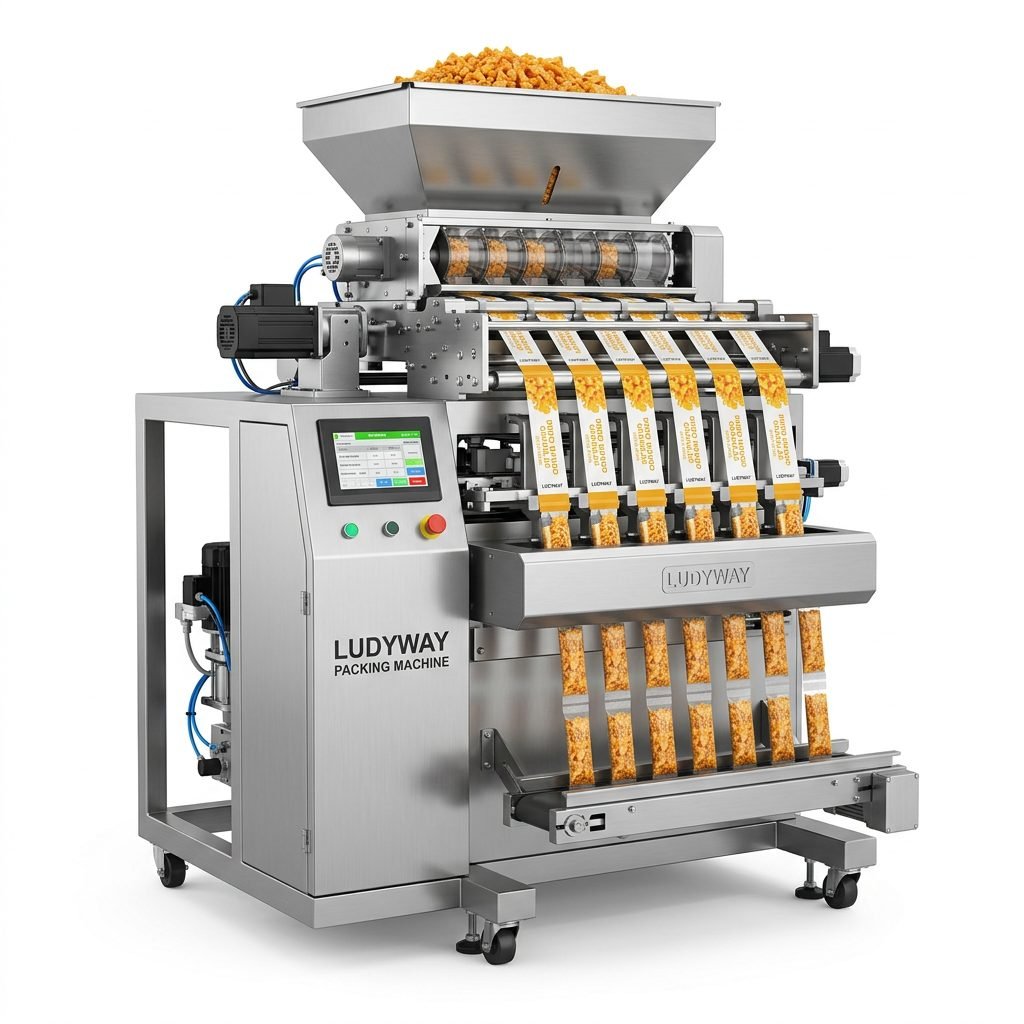
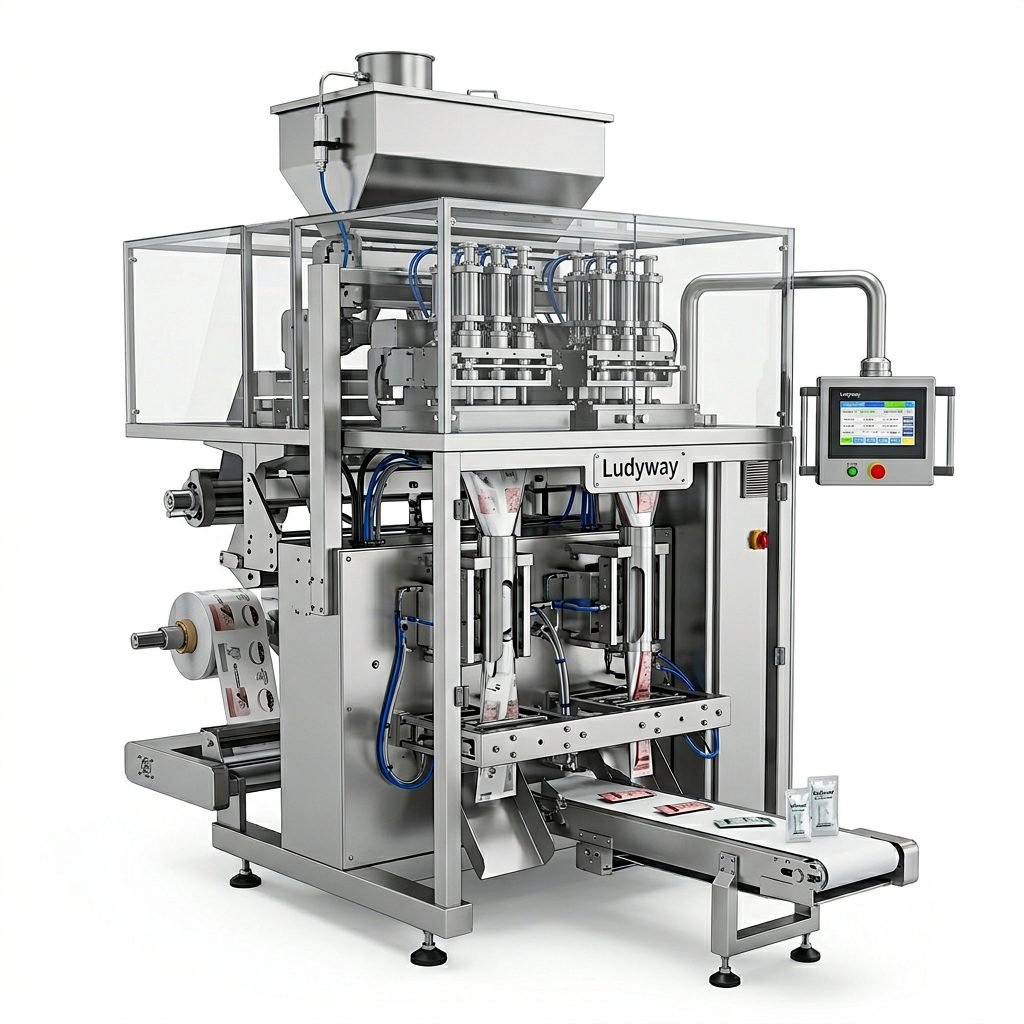
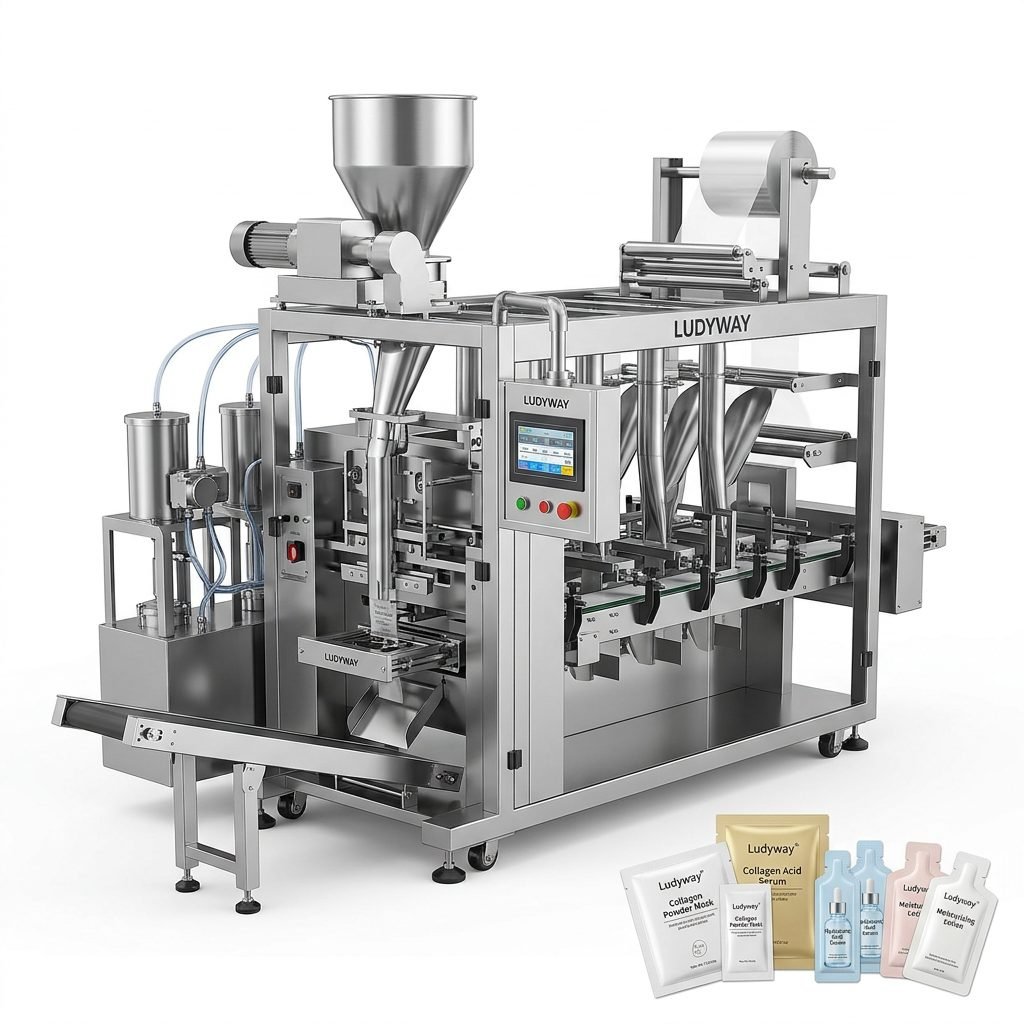
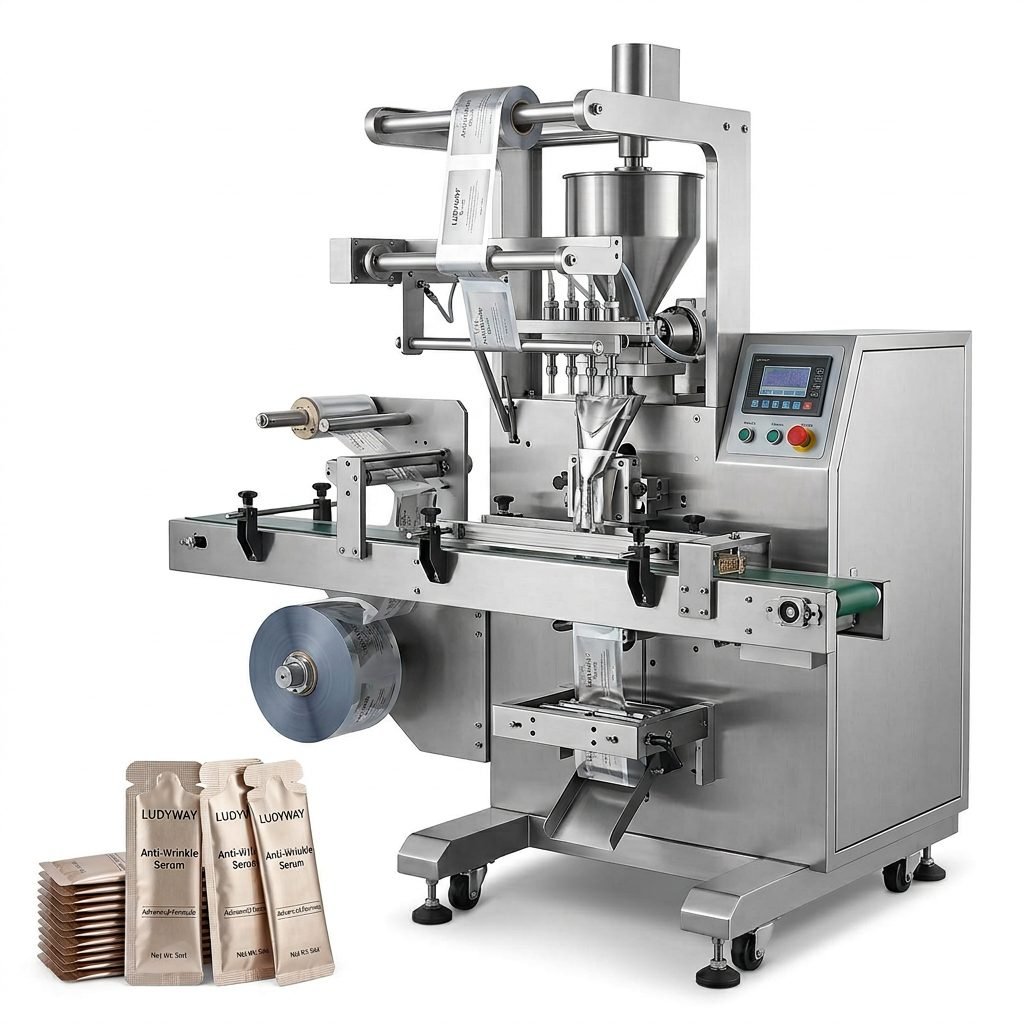
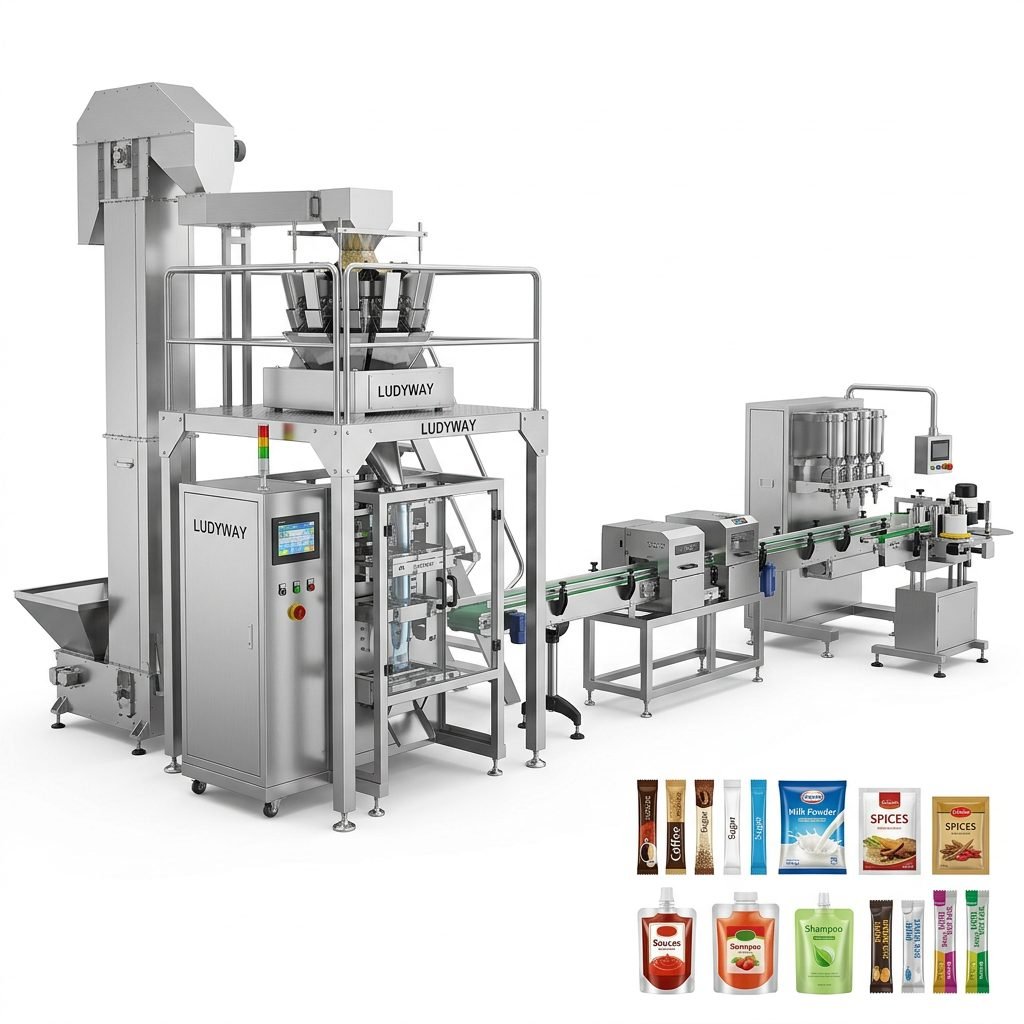
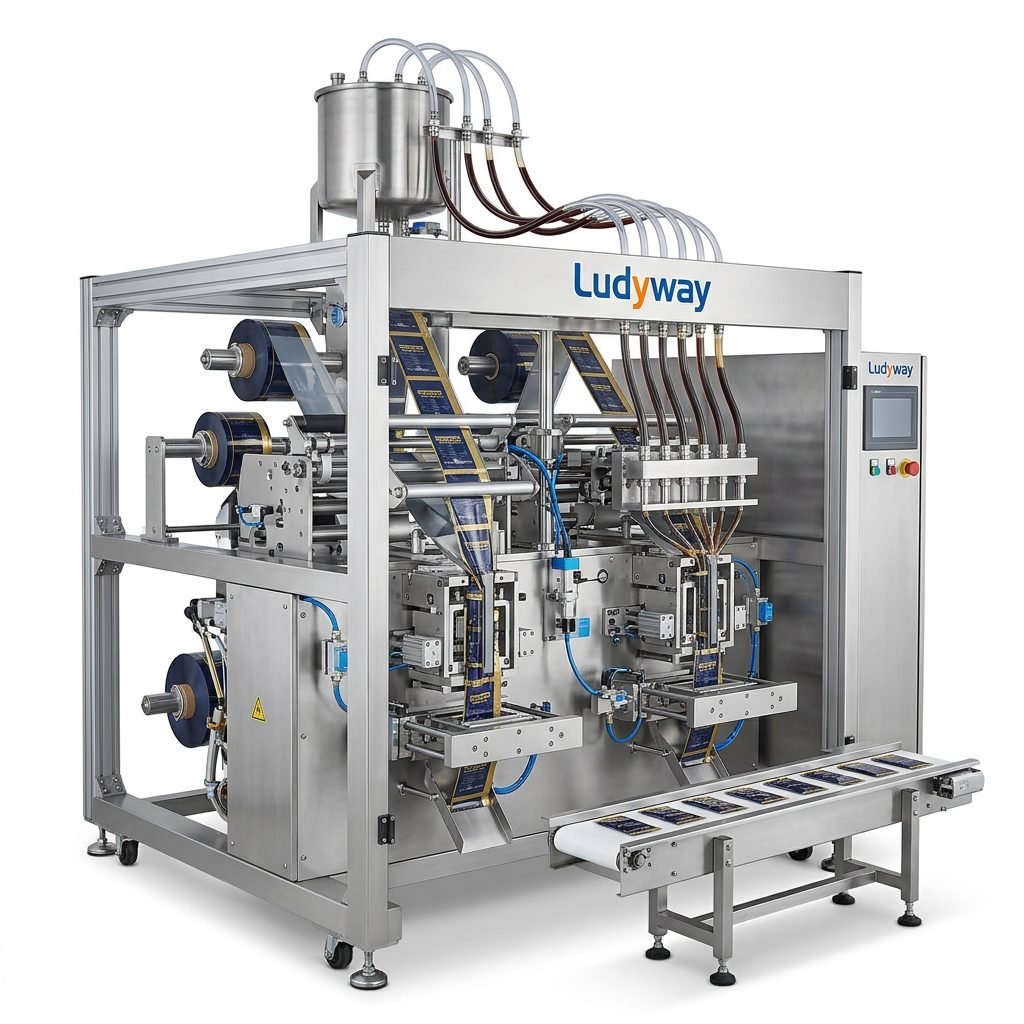
Selecting the right automatic popsicle packaging machine is a critical investment for any ice pop manufacturer. The right equipment can dramatically boost your production efficiency, ensure product integrity, reduce labor costs, and enhance the overall appeal of your final product on the shelf. This comprehensive guide will walk you through the key factors to consider when choosing the best ice pop packaging machine for your specific operation.
Understanding Your Production Requirements
Before diving into machine specifications, a thorough assessment of your own production needs is essential. This foundational step ensures the equipment you select aligns perfectly with your business goals.
Key Questions to Ask:
→ What is your current and projected production volume? Machines are rated by packs per minute (PPM). A clear output target is the first step.
→ What are your primary packaging formats? Common formats include flow-wrap packs, shrink-wrapped bundles, or box-ready trays.
→ What is the size and shape range of your ice pops? Consider length, width, stick type, and any potential for irregular shapes.
→ What packaging materials do you plan to use? This includes film type (e.g., OPP, BOPP, polyethylene), thickness, and whether it needs special barrier properties.
Pro Tip:
Always plan for future growth. Choosing a machine with 20-30% more capacity than your current needs can accommodate business expansion without requiring another major capital investment in the near term.
Core Machine Features and Technologies
Modern automatic popsicle packing equipment incorporates various technologies. Understanding these features will help you differentiate between basic and advanced models.
1. Feeding and Alignment Systems
The efficiency of your entire line often starts here. Look for systems that can gently handle your product without damage.
- Vibratory Feeders: Gentle and effective for aligning popsicles in single file.
- Belt Conveyor Systems: Provide a steady, controlled feed into the packaging zone.
- Multi-Lane Capability: Higher-speed machines often use multiple lanes feeding into a single wrapping head to maximize output.
2. Wrapping and Sealing Mechanisms
This is the heart of the packaging machine, where the film is formed around the product and sealed.
- Vertical Form-Fill-Seal (VFFS): Film is formed into a tube around the product, with seals made longitudinally and at the ends. Highly versatile for different sizes.
- Horizontal Wrapping: Often used for flow-wrapping individual popsicles. The product is placed on the film, which is then folded around it and sealed.
- Seal Quality: Check for consistent temperature control and pressure on the sealing jaws. Strong, hermetic seals are crucial for product freshness and preventing freezer burn.
3. Control System and User Interface
The brain of the operation. A user-friendly, capable control system minimizes downtime and operator error.
→ PLC (Programmable Logic Controller) vs. Microprocessor: PLC-based systems are generally more robust, programmable, and suitable for complex automation and integration.
→ HMI (Human-Machine Interface): Look for a color touchscreen with intuitive menus. The ability to store multiple product recipes for quick changeover is a major time-saver.
4. Changeover Flexibility
If you produce multiple SKUs (different flavors, sizes, or pack counts), quick and tool-less changeover is a critical feature.
Evaluate how easily and quickly components like forming tubes, feed chains, and sealing jaws can be adjusted or swapped. Machines designed with quick-release mechanisms and clear scale markings can reduce changeover time from hours to minutes.
Material Compatibility and Sustainability
Packaging trends are shifting rapidly. Your machine should be adaptable to current and future material needs.
Material Considerations:
- Recyclable Films: Ensure the machine’s sealing parameters can effectively handle mono-material films like polyethylene, which are easier to recycle.
- Biodegradable/Compostable Materials: These materials often have different thermal and tensile properties. Discuss material compatibility with the machine supplier.
- Pre-Printed Film Registration: If using pre-printed film with graphics, an automatic photoelectric registration system is necessary to ensure print alignment on every pack.
Reliability, Support, and Supplier Selection
The machine’s performance is only as good as the company behind it. This is where partnering with an experienced supplier like Ludyway Machinery becomes invaluable.
Evaluating a Machinery Supplier
Look beyond the initial price. Consider the total cost of ownership, which includes maintenance, parts availability, and support.
- Industry Experience: Suppliers with deep experience in food and frozen confection packaging understand the unique challenges, such as cold, wet environments and sticky products.
- Technical Support & Spare Parts: Ask about warranty terms, availability of spare parts, and the responsiveness of their technical support team. Global suppliers should offer local or regional support.
- Training and Documentation: Comprehensive operator and maintenance manuals, along with hands-on training, are essential for smooth operation.
With over 30 years of industry experience, Ludyway has built a reputation for providing reliable, intelligent packaging solutions. Our expertise ensures we can guide you to the machine that fits your exact production line requirements and budget.
Integration into Your Production Line
The packaging machine does not operate in isolation. It must work seamlessly with your upstream and downstream equipment.
Upstream: How will ice pops be delivered from the freezing tunnel or hardening room? Consider integration with conveyors or automatic unloading systems.
Downstream: How will finished packs be handled? Plan for connection to cartoning machines, case packers, or palletizing systems. Discuss communication protocols (e.g., sensors, PLC-to-PLC communication) with your supplier to ensure smooth line integration.
Frequently Asked Questions (FAQs)
1. What is the typical output speed of an automatic popsicle packer?
Speeds vary widely based on machine type and configuration. Single-lane flow wrappers may range from 60 to 150 packs per minute (PPM). High-speed, multi-lane systems can achieve speeds of 300 PPM or more. The right speed for you depends entirely on your production volume targets.
2. Can one machine handle different pop sizes and multipacks?
Yes, many modern machines are designed for flexibility. The key is quick changeover capability. Look for machines with tool-less adjustments for length, width, and product count. The ability to save these settings as digital recipes allows for switching between products in minutes.
3. How important is stainless steel construction?
Extremely important for food applications, especially in wet and cold environments. Stainless steel (particularly grades like 304 or 316) resists corrosion, is easy to clean and sanitize, and meets stringent food safety and hygiene standards. Always prioritize machines built with food-grade materials in contact areas.
4. What kind of maintenance does this equipment require?
Regular preventive maintenance is crucial for longevity and avoiding unplanned downtime. This typically includes daily cleaning, lubrication of moving parts as per the manual, periodic inspection of seals and cutting blades, and checking for wear on mechanical components. A reliable supplier will provide a clear maintenance schedule.
5. Can the machine handle eco-friendly packaging materials?
This is a critical question today. Many machines can be adapted or are already compatible with newer, sustainable films. However, it’s essential to test your specific material on the machine. Sealing temperature, dwell time, and jaw pressure may need adjustment for bio-based or compostable films to ensure a strong, consistent seal.