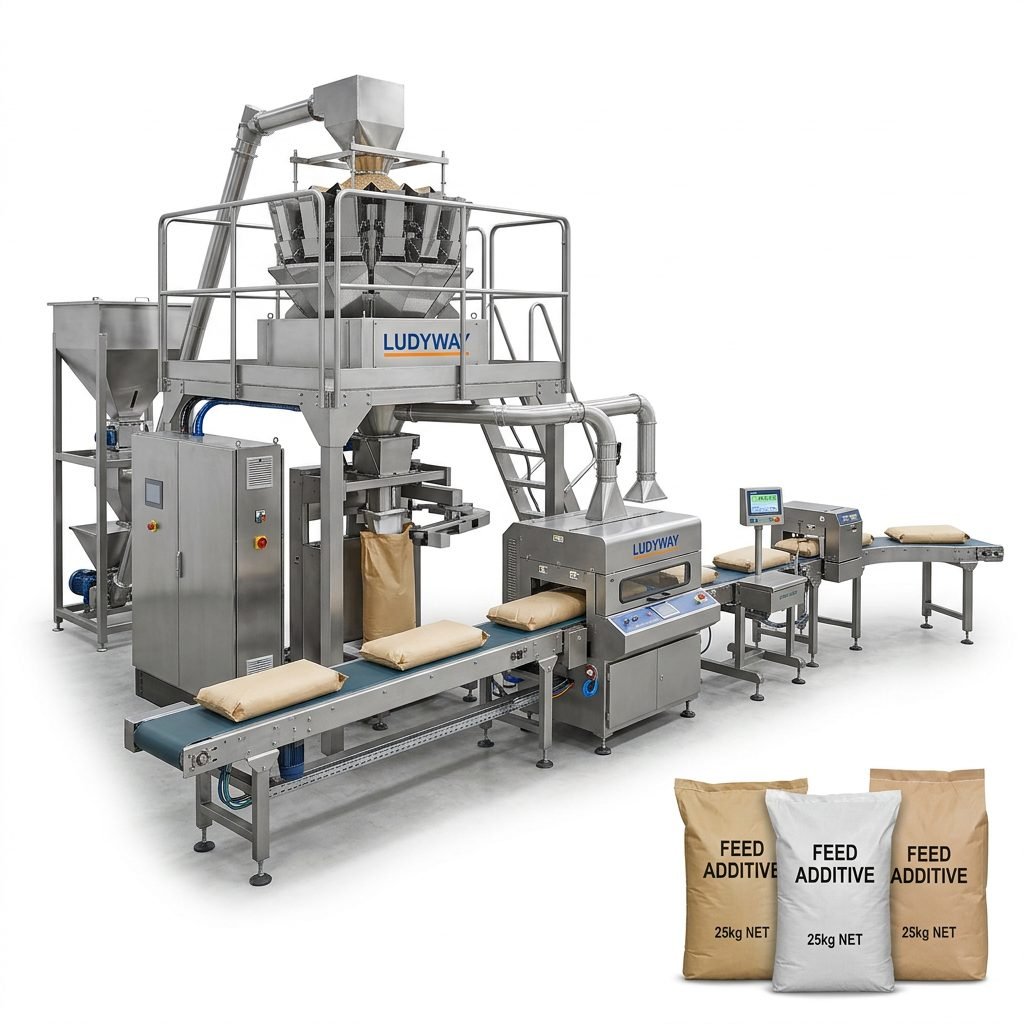
Choosing the right lotion packaging machine is a critical decision for any cosmetic, pharmaceutical, or personal care manufacturer. The efficiency, reliability, and output quality of your production line hinge on this single piece of equipment. This comprehensive guide will walk you through the different types of lotion packaging machines, their key features, and a step-by-step process to help you select the best one for your specific needs and budget.
Understanding Lotion Packaging Machines
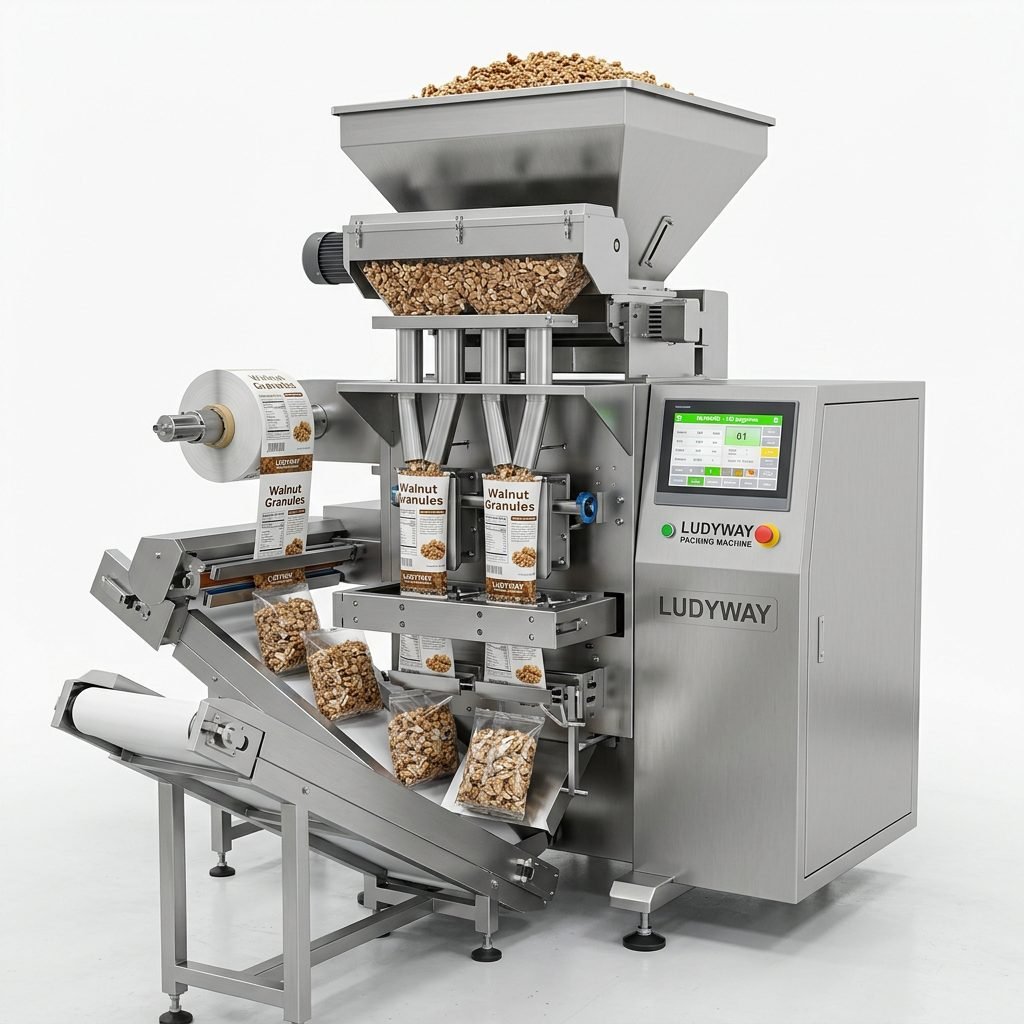
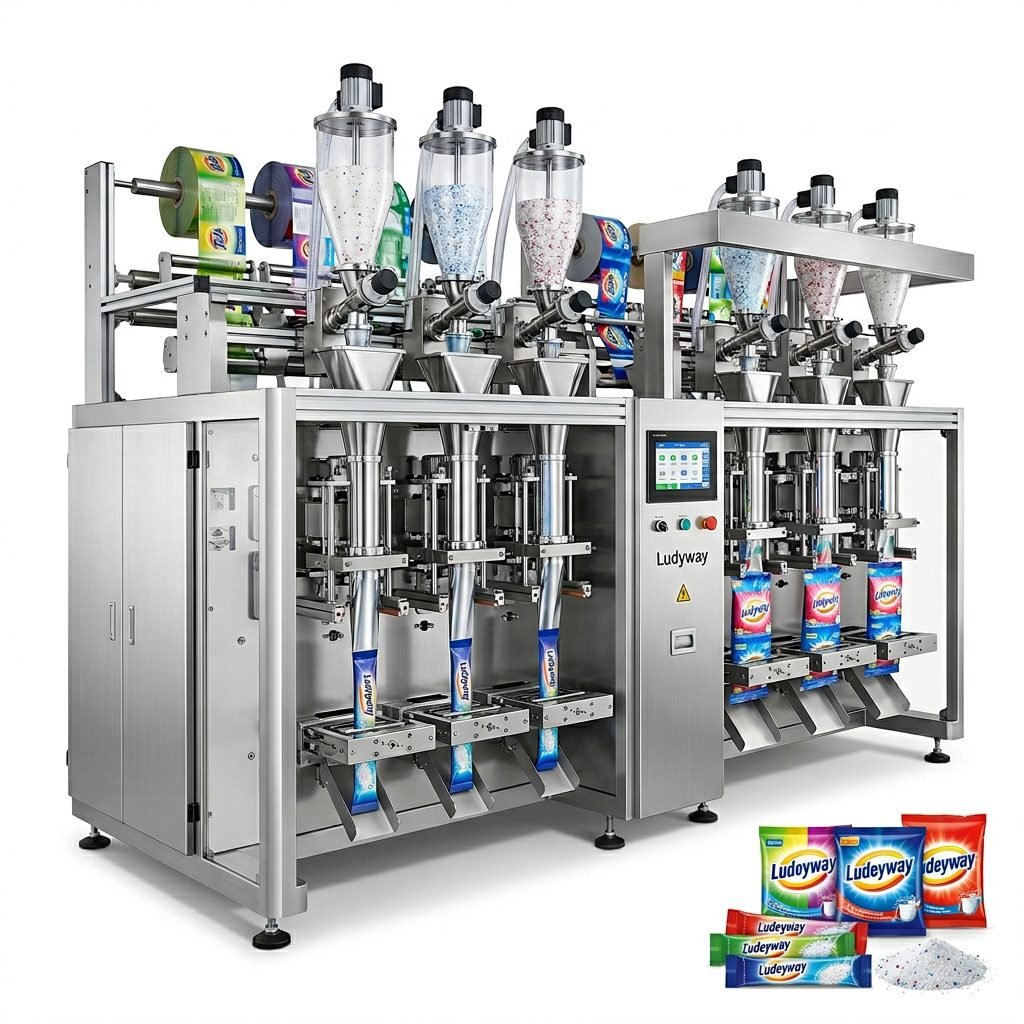
At its core, a lotion packaging machine is designed to accurately fill viscous liquid products like creams, gels, ointments, and lotions into containers such as bottles, jars, tubes, or sachets. These machines automate the processes of container feeding, precise filling, capping, sealing, and labeling, transforming a manual, labor-intensive operation into a streamlined, high-speed production line. Investing in the right equipment from a reputable supplier like Ludyway Machinery can significantly boost your productivity, ensure consistent product quality, and enhance your brand’s market presence.
Key Advantages of Automation
Automating your lotion packaging offers undeniable benefits:
→ Increased Production Speed: Machines can fill hundreds, even thousands, of containers per hour, far surpassing manual capabilities.
→ Unmatched Consistency & Accuracy: Automated systems deliver the exact same fill volume every time, reducing product giveaway and ensuring compliance with net content regulations.
→ Enhanced Hygiene & Safety: Closed systems minimize product exposure to air and human contact, crucial for maintaining purity and extending shelf life.
→ Significant Labor Cost Reduction: Automation allows you to reallocate human resources to more value-added tasks like quality control and supervision.
Main Types of Lotion Packaging Machines
The market offers various machine configurations, each suited to different production scales, container types, and viscosities.
1. By Automation Level
Semi-Automatic Machines: Ideal for small businesses, startups, or low-volume production. These require an operator to manually place containers under the filling nozzle. They are cost-effective, easy to operate, and offer great flexibility for short runs with frequent changeovers.
Fully Automatic Machines: The backbone of medium to high-volume production lines. They integrate container feeding, filling, capping, and labeling into one seamless, computer-controlled process. While requiring a higher initial investment, they deliver maximum efficiency and the lowest cost per unit for large-scale operations.
2. By Filling Principle
Piston Fillers: The most common and versatile type for lotions. A piston draws a precise volume of product from a hopper and dispenses it into the container. Excellent for handling a wide range of viscosities and providing highly accurate fills. They are often the core of liquid packaging solutions.
Peristaltic Pump Fillers: Use rotating rollers to squeeze product through a flexible tube. This creates a completely sealed path from the product reservoir to the container, making it perfect for sterile applications, sensitive formulas, or products that cannot be exposed to air.
Gravity Fillers: Suitable for very free-flowing, low-viscosity liquids. Product flows from a tank into containers by gravity once a valve is opened. Less common for thick lotions but may be used for certain runny serums or toners.
3. By Container Type
Machines are often specialized for the specific packaging format you use:
Bottle & Jar Fillers: Designed for rigid plastic, glass, or composite containers. They often include screw capping or snap-capping stations.
Tube Fillers: Specialized machines that handle plastic, laminate, or metal tubes. They typically include functions for tube feeding, bottom sealing (for laminate tubes), filling, and cap sealing.
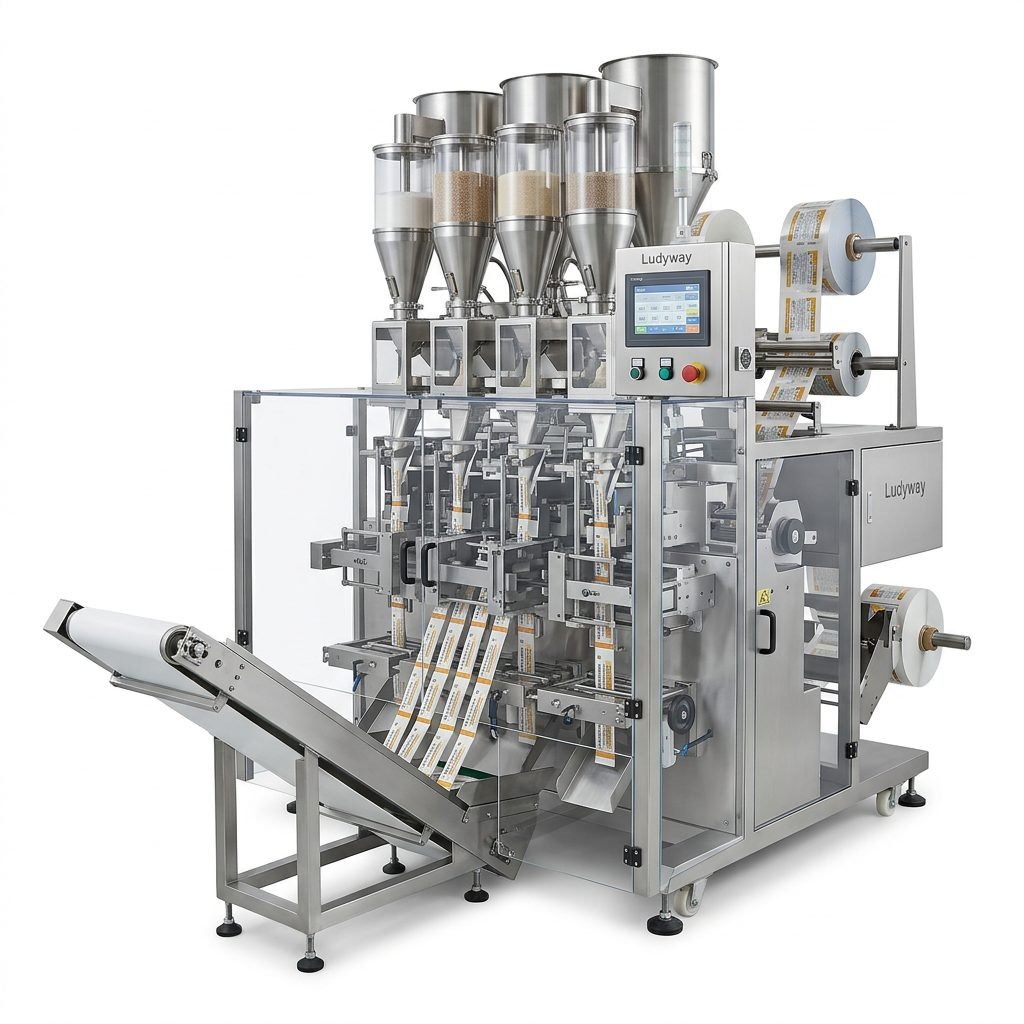
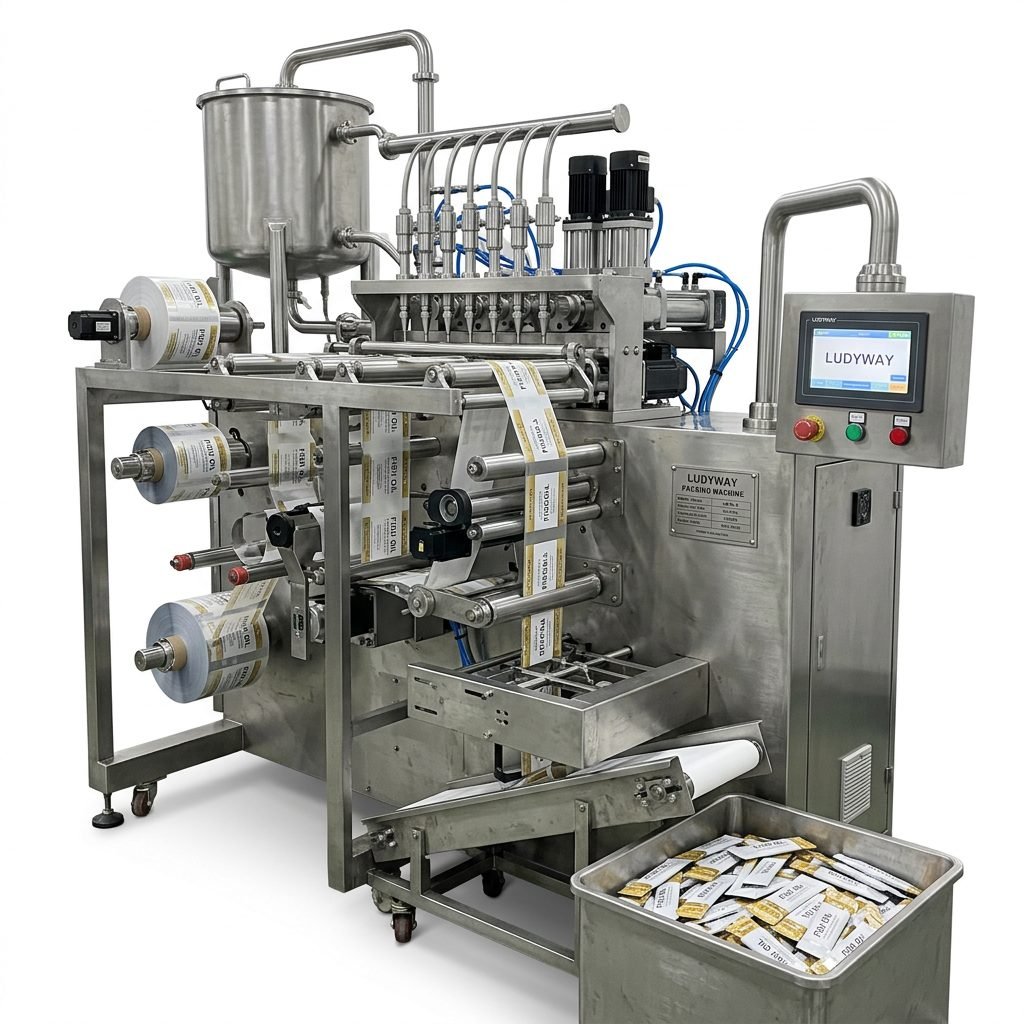
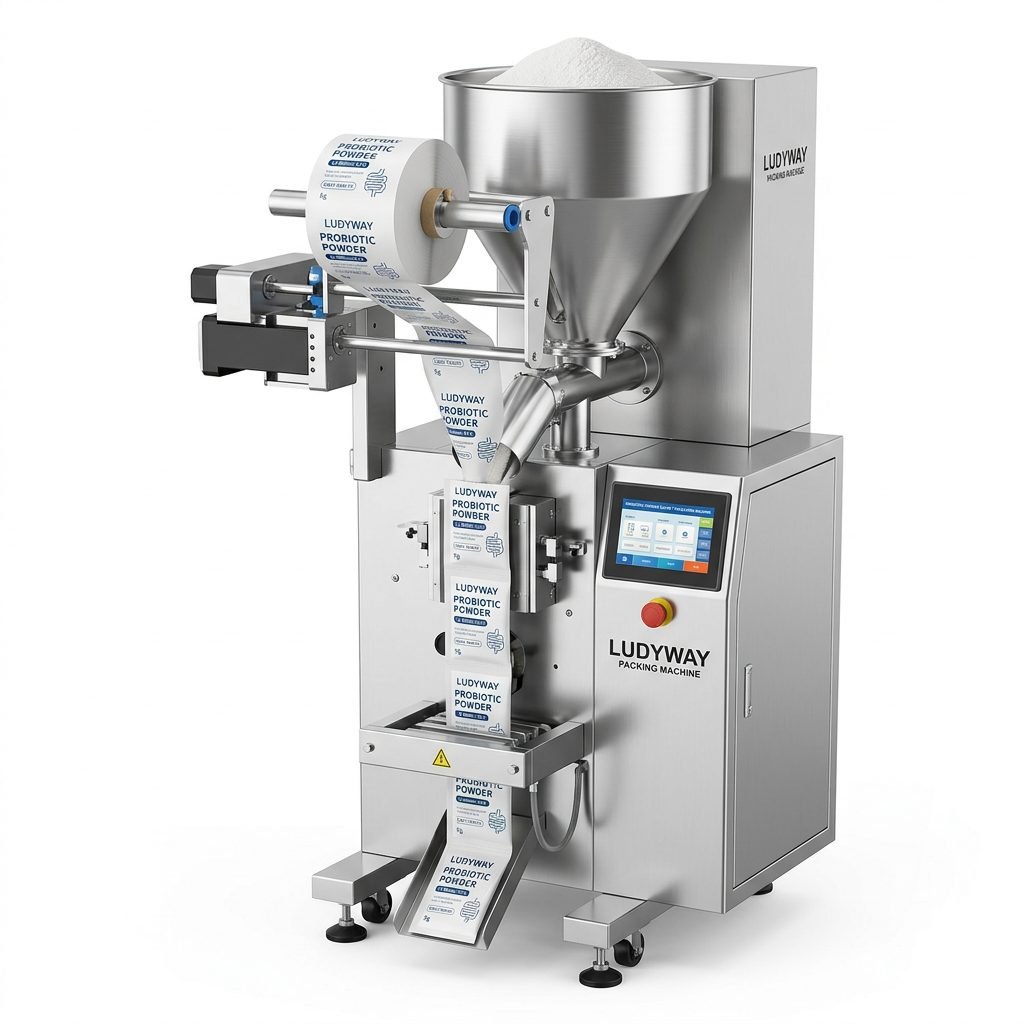
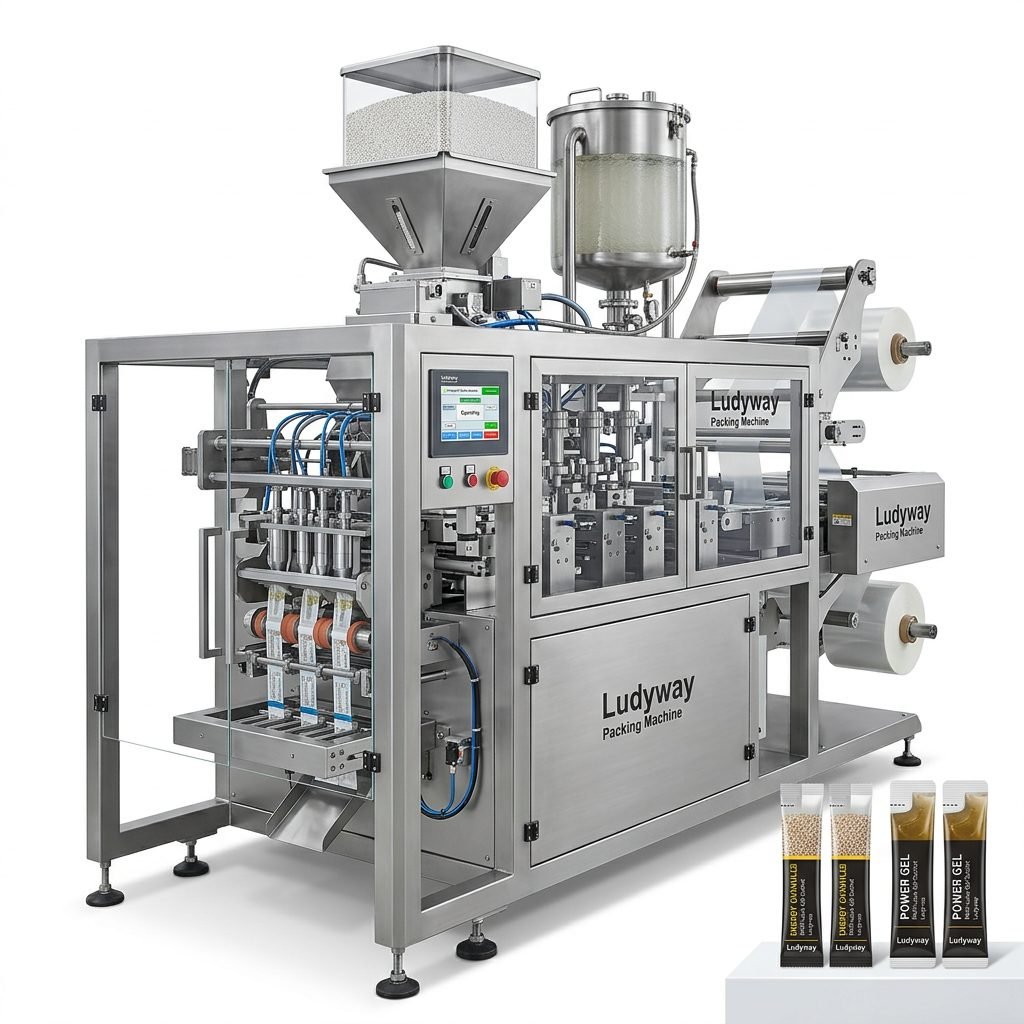
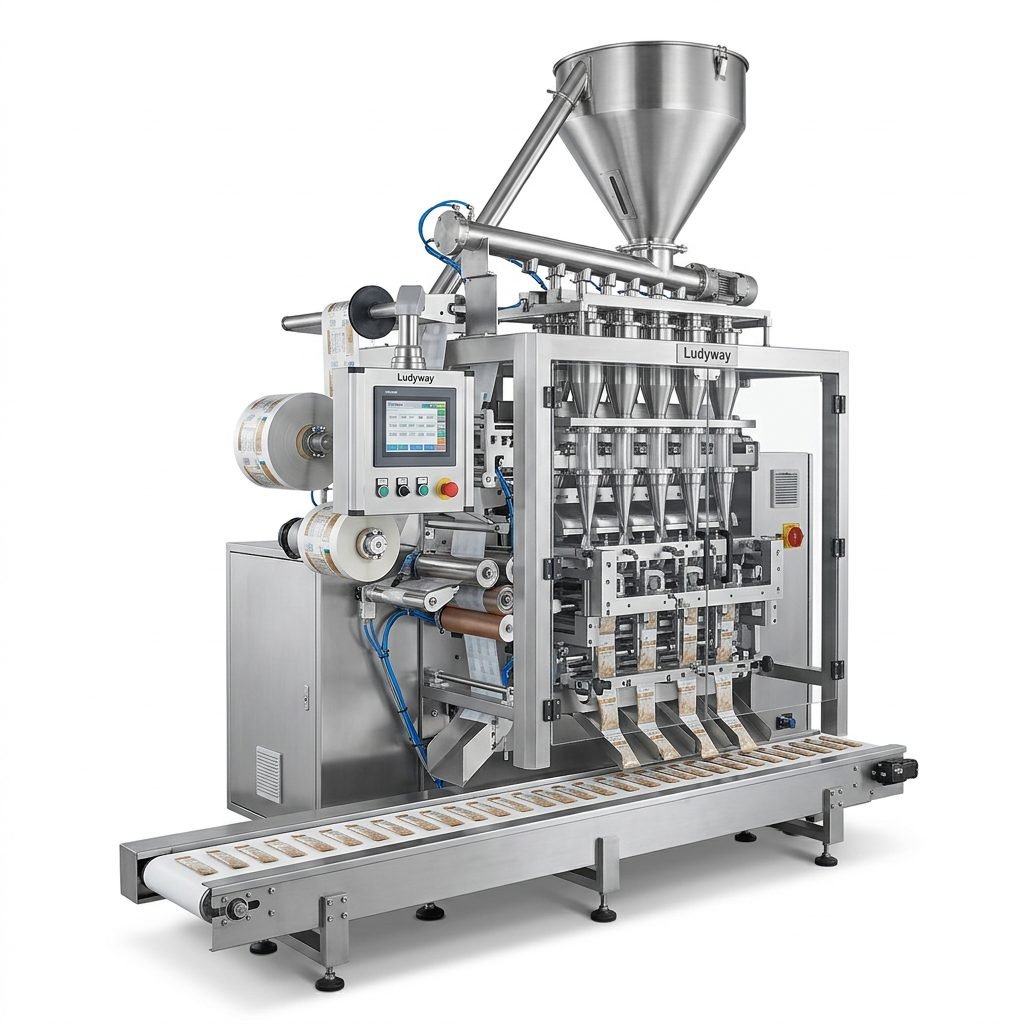
Sachet & Pouch Fillers: For single-use packets. These machines form the pouch from roll stock, fill it with a precise dose of lotion, and then seal it. Ideal for samples, hotel amenities, or medical applications.
Essential Features to Consider
Beyond the basic type, several features critically impact performance and suitability.
Accuracy & Precision
Look for machines with high-resolution servo motors for piston or pump drives. Digital touchscreen controls that allow fine-tuning of fill volume, speed, and acceleration are essential for minimizing product waste and ensuring every container meets label claims.
Hygienic Design & Material Contact
For cosmetics and pharmaceuticals, all parts in contact with the product (like pistons, cylinders, valves, and tubing) should be made from FDA-compliant, corrosion-resistant materials such as 316L stainless steel or food-grade plastics. The design should allow for easy disassembly and cleaning (CIP/SIP capabilities are a major plus).
Changeover Flexibility
If you run multiple products or container sizes, quick changeover is vital. Features like tool-less adjustment of filling heads, easy-to-switch parts kits, and programmable recipes that save all settings for different products can drastically reduce downtime.
Integration & Connectivity
Modern machines should offer PLC control with user-friendly HMI (Human-Machine Interface) panels. Connectivity options for data logging, production reporting, and integration into broader factory monitoring systems (Industry 4.0) are increasingly important for operational intelligence.
How to Choose the Best Lotion Packaging Machine: A Step-by-Step Guide
Step 1: Analyze Your Product & Production Needs
Start by defining your parameters: Product viscosity (this dictates the filling principle), container type and size, required production speed (containers per minute/hour), and desired accuracy level. Also, consider future growth—will the machine need to handle new products or higher volumes?
Step 2: Set a Realistic Budget
Budget for the total cost of ownership, not just the purchase price. Factor in installation, training, spare parts, potential future upgrades, and long-term maintenance costs. A slightly more expensive, robust machine from an experienced provider like Ludyway often proves more economical over its lifespan due to higher reliability and better support.
Step 3: Research and Shortlist Reputable Suppliers
Look for manufacturers or suppliers with a proven track record in your industry. Examine their company history, client portfolio, and technical expertise. A supplier with over 30 years of industry experience brings invaluable knowledge of application challenges and solutions.
Step 4: Request Demos and Product Samples
Always insist on a live demonstration using a product similar to yours. A “factory acceptance test” where you witness the machine running with your actual lotion and containers is the best way to verify performance claims for fill accuracy, speed, and ease of use.
Step 5: Evaluate After-Sales Support and Service
The relationship begins after purchase. Ensure the supplier offers comprehensive technical support, readily available spare parts, operator training, and reliable service agreements. Global manufacturers with a strong service network can provide crucial peace of mind.
Common Questions (FAQs)
What is the typical price range for a lotion packaging machine?
Prices vary widely based on automation level and features. Semi-automatic piston fillers can start from a few thousand dollars, while fully integrated, high-speed automatic lines can cost hundreds of thousands. It’s best to get a detailed quote based on your specific requirements.
Can one machine handle different viscosities and container sizes?
Many machines are designed for flexibility. With adjustable pistons, interchangeable nozzles, and quick-change parts, a single machine can often handle a range of products from light gels to thick creams, and various container sizes, though changeover time should be considered.
How important is the machine’s material of construction?
Extremely important. For consumer safety and product integrity, all wetted parts must be made from non-reactive, sanitary, and easy-to-clean materials. Stainless steel is the standard for durability and compliance in food, cosmetic, and pharmaceutical applications.
What kind of maintenance do these machines require?
Regular maintenance includes daily cleaning, lubrication of moving parts as per the manual, and periodic inspection of seals, gaskets, and wear parts. A good supplier will provide a clear maintenance schedule and training for your staff.
How do I ensure the machine meets industry regulations?
Work with a reputable supplier who understands the regulatory landscape (e.g., FDA, CE, GMP). They should be able to provide documentation on material certifications, machine safety standards, and design features that support compliance for your target markets.