In the dynamic world of manufacturing and product distribution, packaging plays a pivotal role. For businesses handling granular, powdered, or liquid products, manual packaging machines offer a crucial entry point into automation. This guide delves into the types, benefits, and essential selection criteria for these machines, empowering you to make an informed decision for your production needs.
Understanding Manual Packaging Machines
Manual packaging machines, as the name implies, require an operator to initiate and oversee the packaging cycle. They bridge the gap between fully hand-packaged operations and high-speed automated lines. These machines are designed for low to medium-volume production, startups, pilot projects, or businesses with diverse, frequently changing product lines. The core function involves the operator placing the product (into a bag, pouch, or container), and the machine then performs the sealing, cutting, or capping process with precision and consistency.
Key Characteristics:
Operator-Dependent: The pace of output is directly linked to the operator’s speed.
Cost-Effective Entry: Significantly lower initial investment compared to fully automatic systems.
Flexibility: Easy changeover between different products or packaging materials.
Footprint: Compact design, requiring minimal factory floor space.
Common Types of Manual Packaging Machines
The specific design of a manual packager varies greatly depending on the product form and packaging style. Here are the primary categories:
1. Manual Granule & Powder Packing Machines
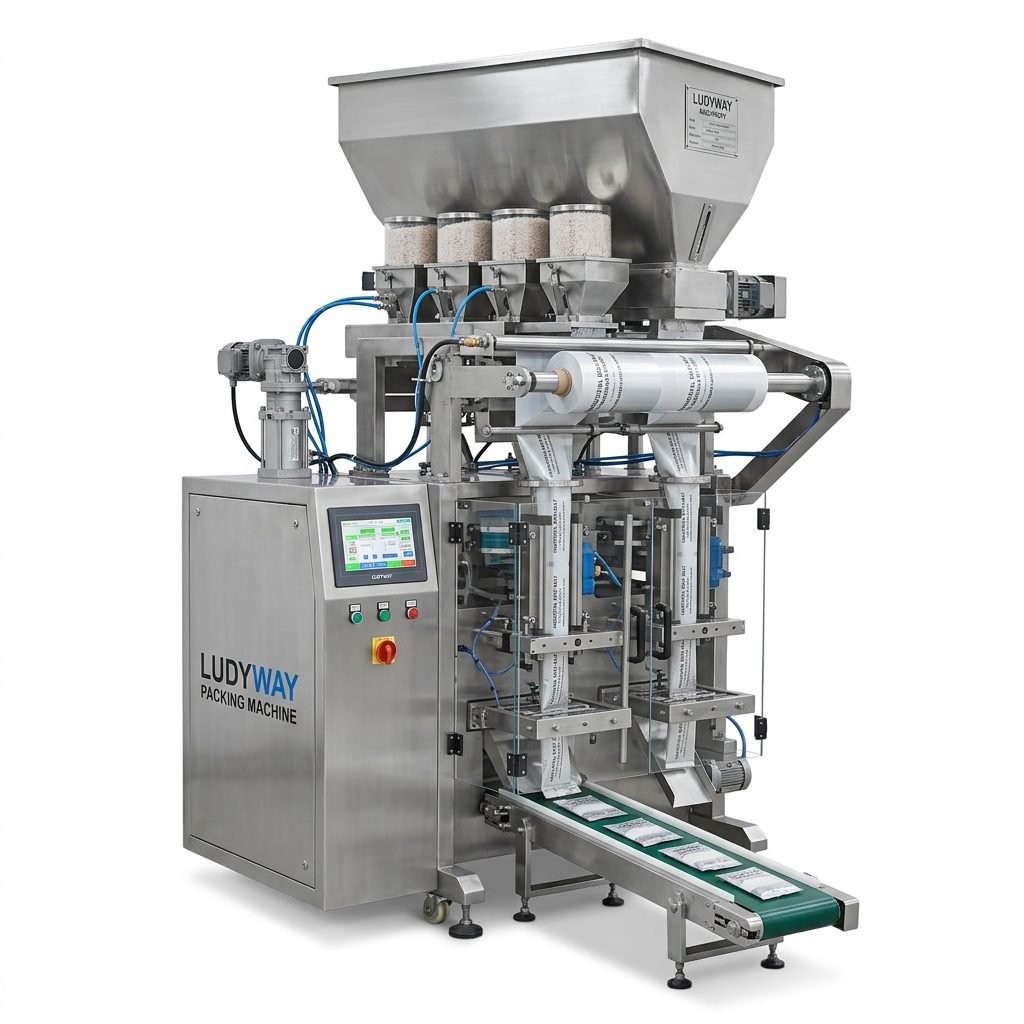
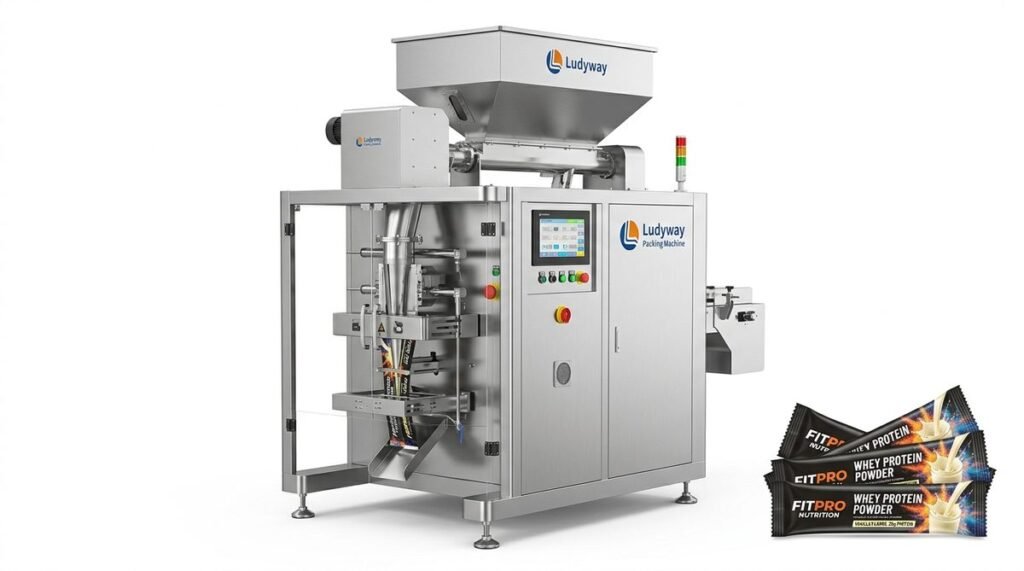
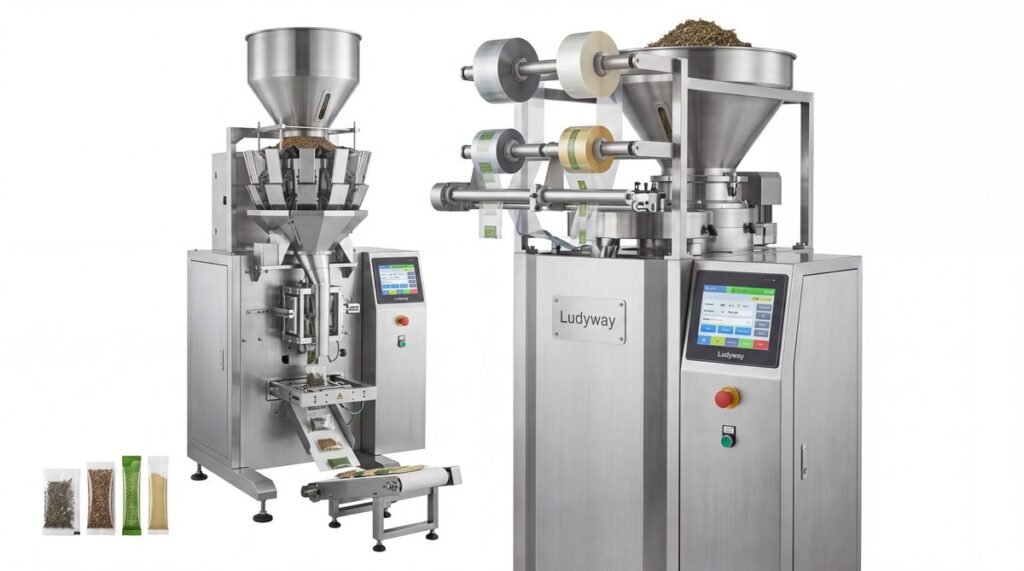
These are ideal for products like coffee, spices, seeds, protein powder, or detergent. They typically use pre-made pouches or roll film. The operator fills a measured amount of product into a funnel or chamber, and the machine forms, fills, and seals the pouch. Some advanced models may include a semi-automatic auger filler for improved accuracy.
2. Manual Liquid & Paste Filling Machines
Used for oils, sauces, honey, creams, and gels. They often employ piston or peristaltic pump fillers. The operator places the bottle under the filling nozzle, triggers the cycle, and the machine dispenses a precise volume before the operator moves it to a capping station. This ensures hygienic and consistent fills, reducing waste.
3. Manual Stick Pack Machines
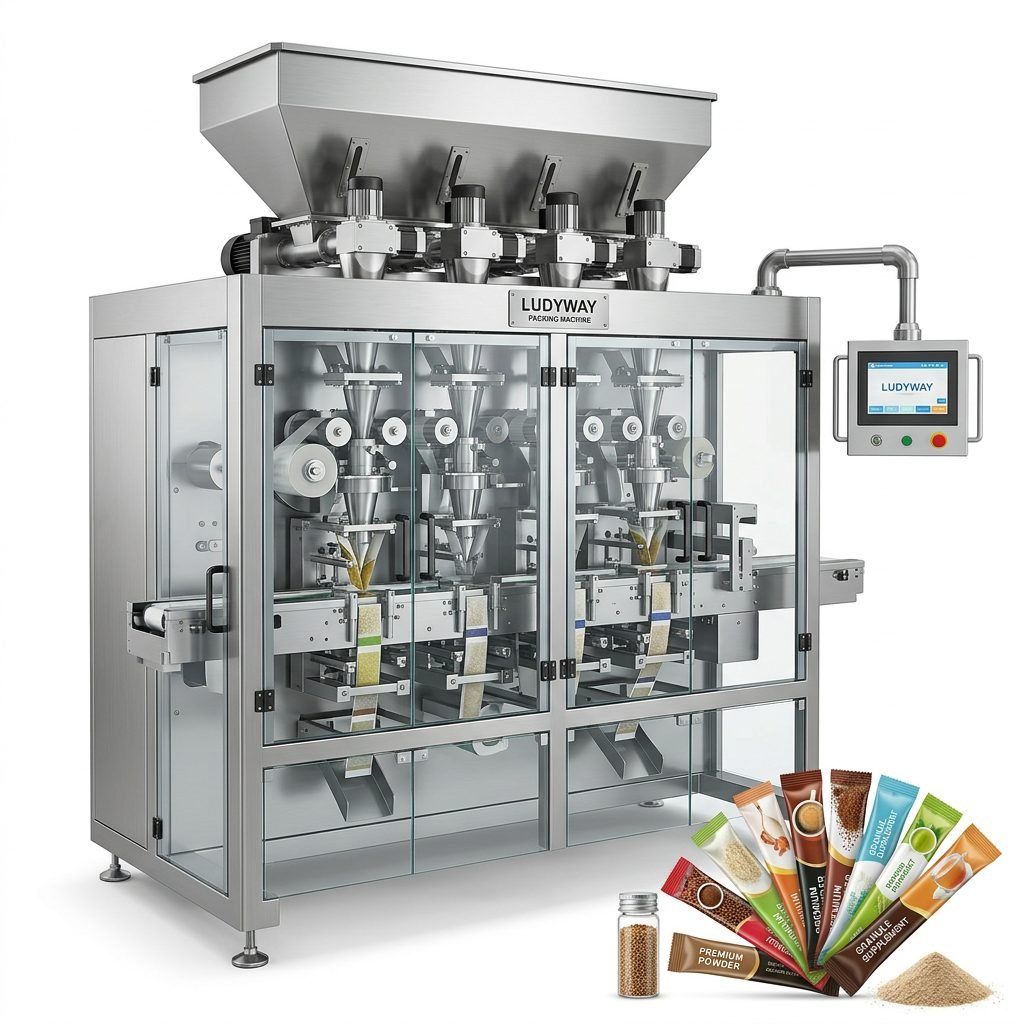
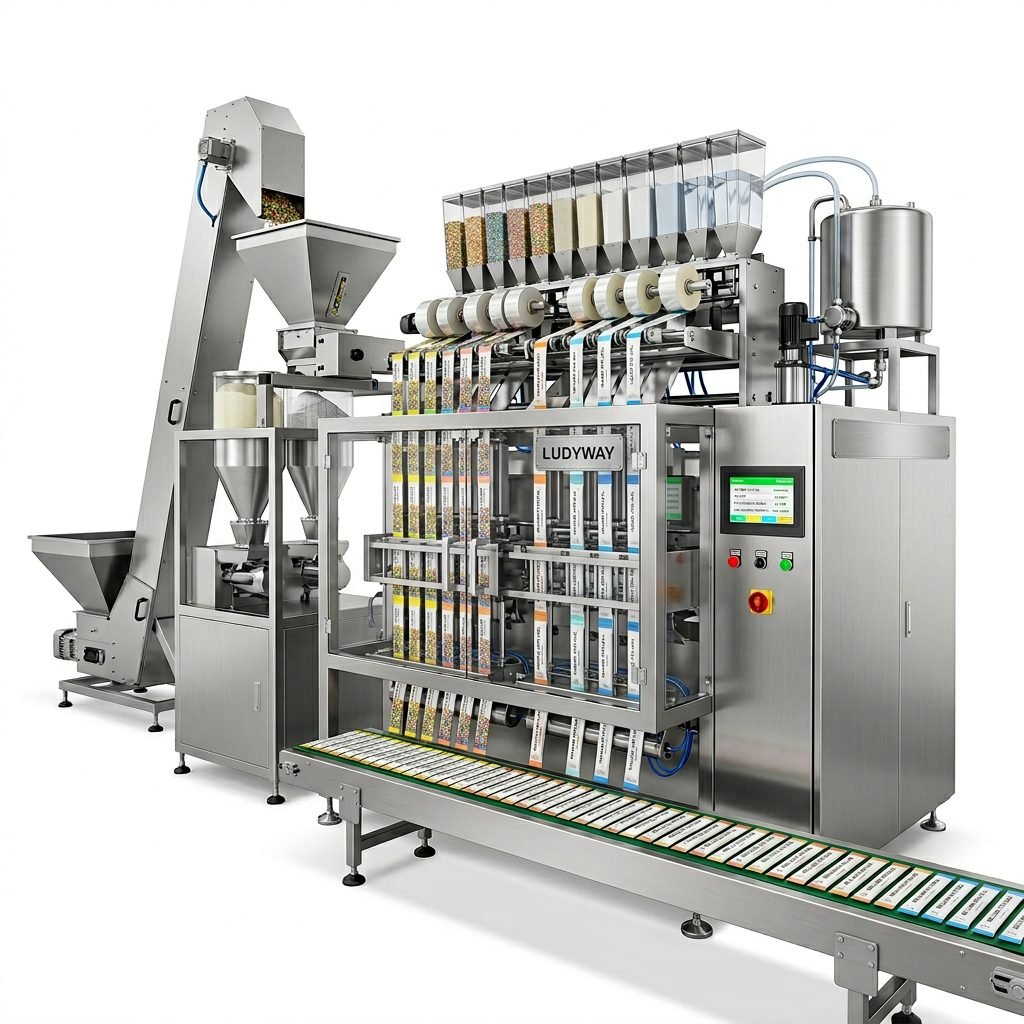
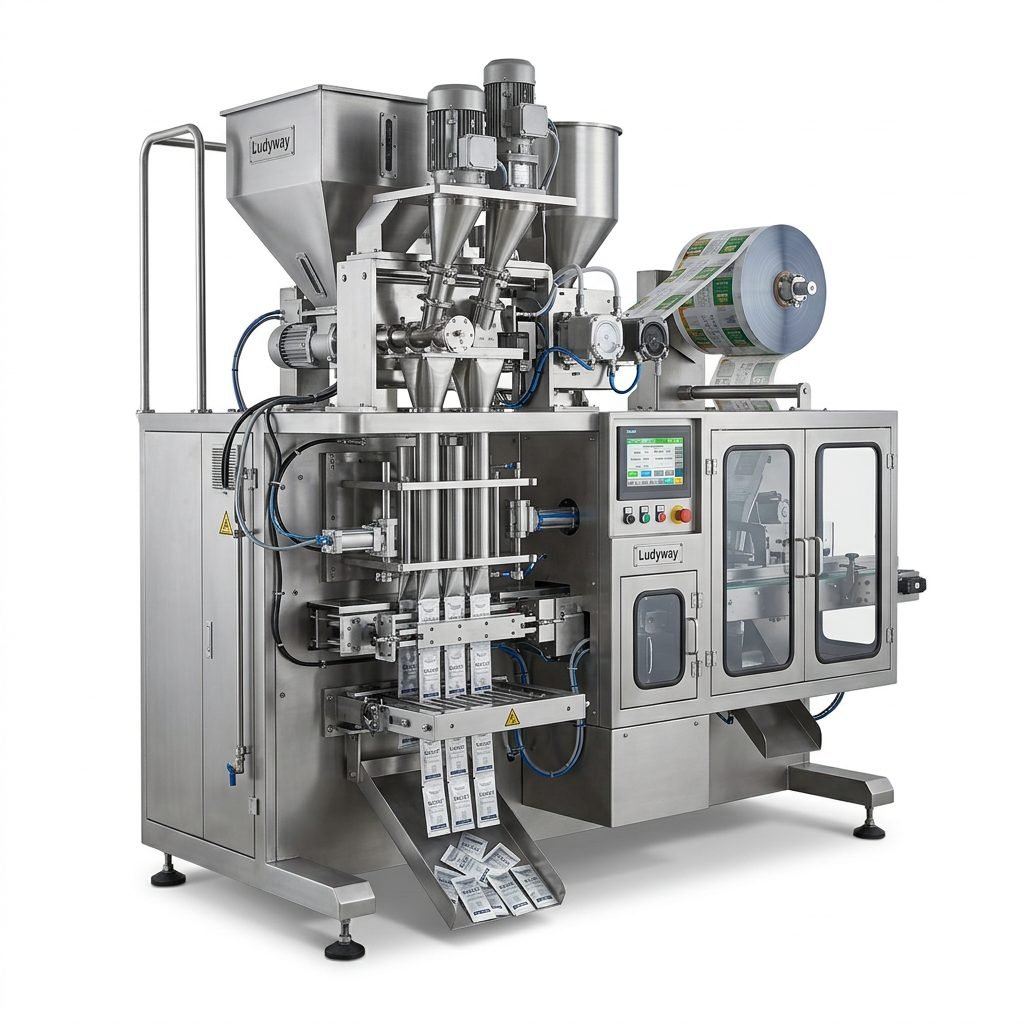
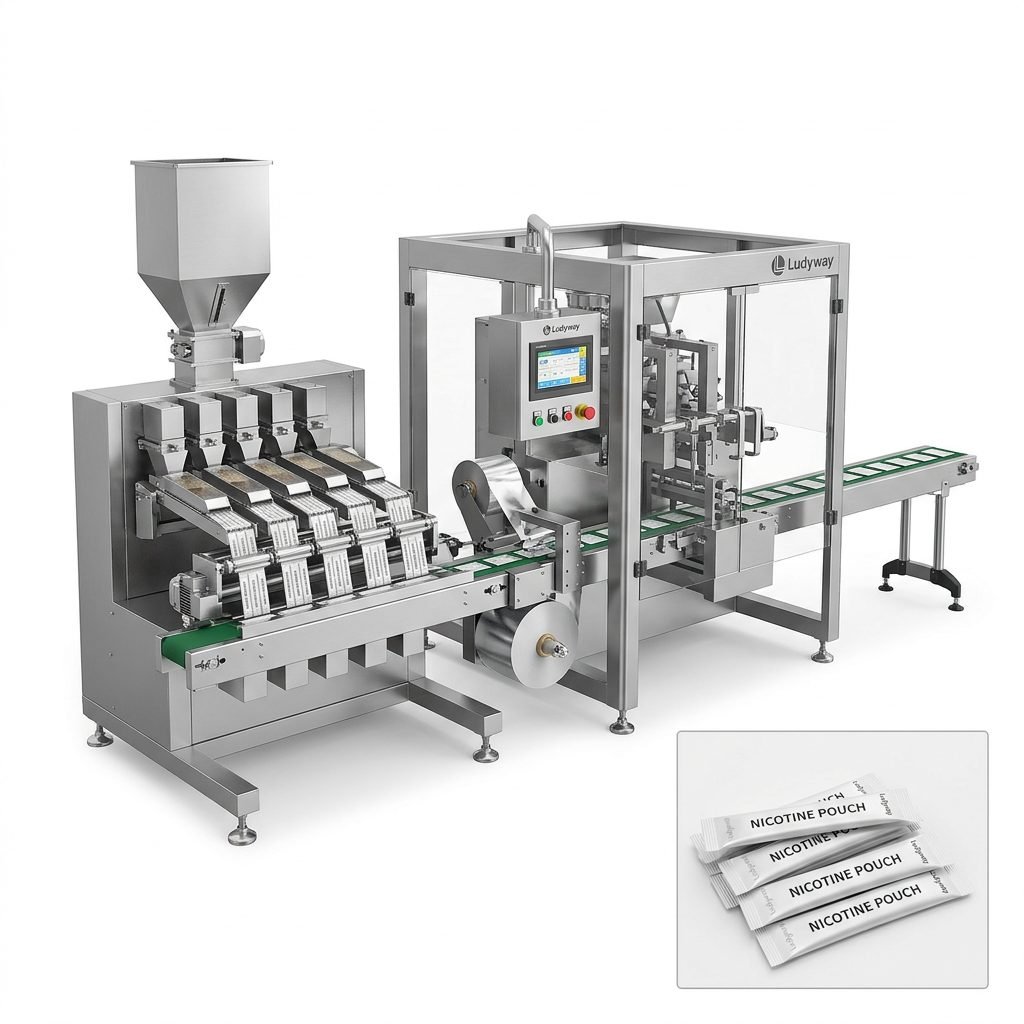
Specialized for creating slim, single-serve sticks for products like drink mixes, supplements, or condiments. The operator loads the roll film, and the machine forms the tube, fills it via a manual or semi-auto filler, and seals it into individual sticks. Perfect for high-value samples or portion-controlled products.
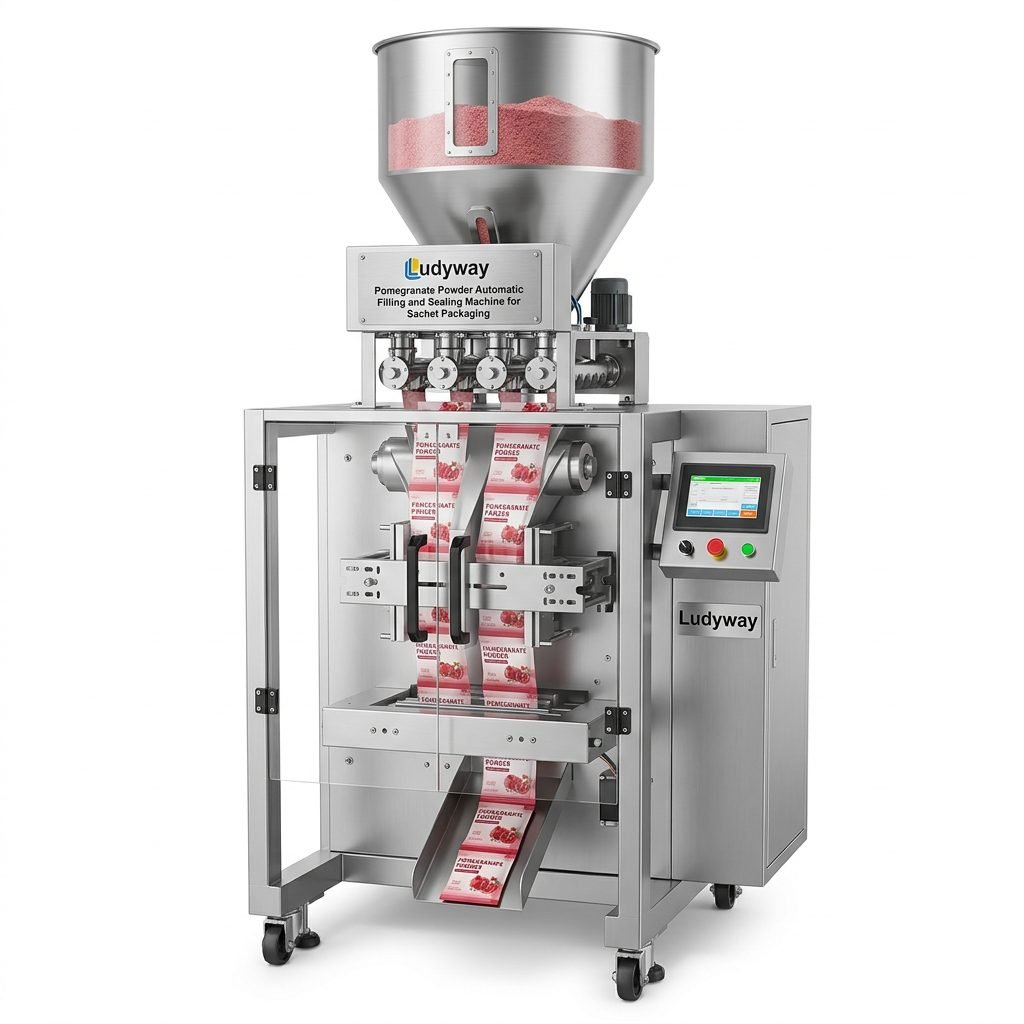
4. Manual Sachet Packaging Machines
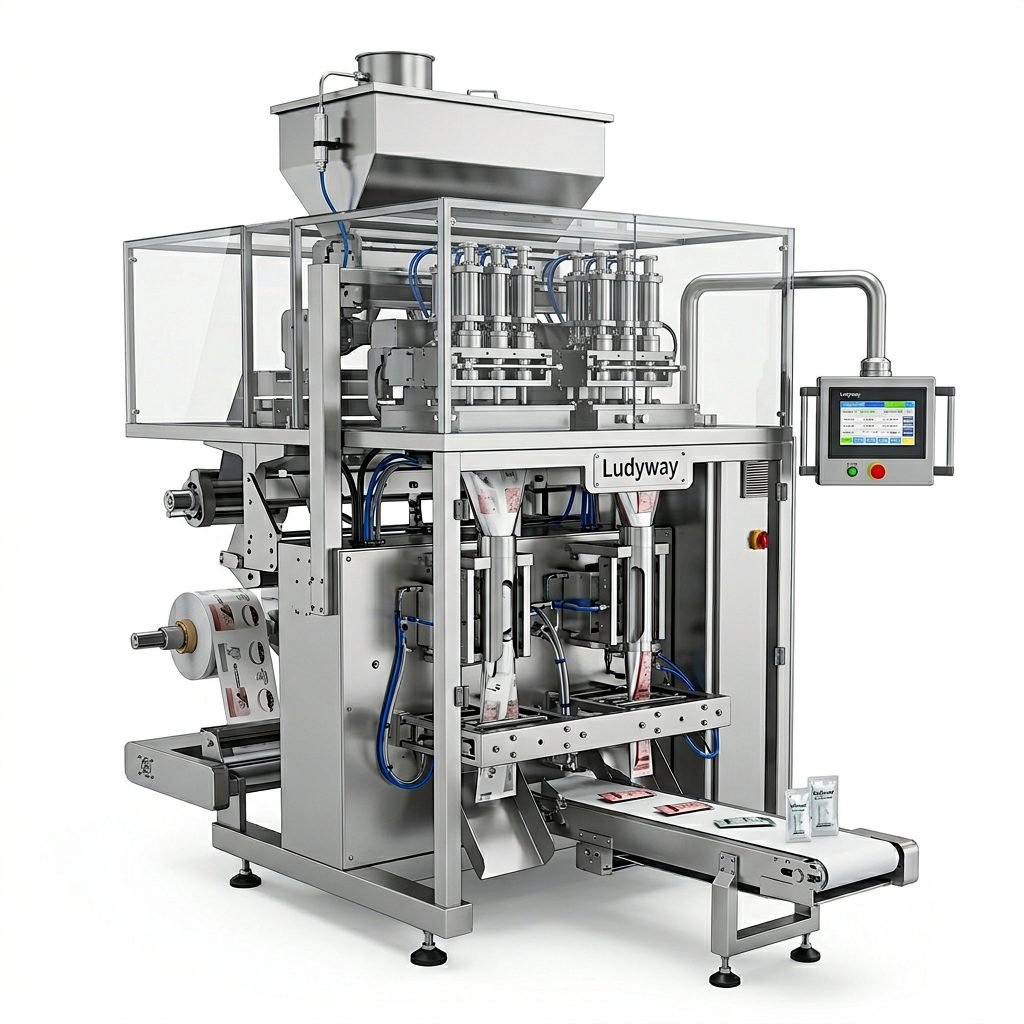
Similar to stick packs but often for slightly larger volumes or different aspect ratios (e.g., ketchup sachets, shampoo packets). They offer excellent flexibility for short runs of various sachet sizes.
5. Manual Vacuum Sealing Machines
Essential for food products requiring extended shelf life. The operator places the product and bag into the chamber, and the machine removes air and seals the bag. Crucial for preserving freshness and flavor in meats, cheeses, and dried goods.
The Tangible Benefits of Implementing Manual Systems
Investing in a manual packaging machine brings a host of advantages that directly impact your bottom line and operational efficiency.
Increased Productivity & Consistency
While not fully automatic, these machines drastically speed up packaging compared to purely manual methods. They also eliminate human error in sealing, ensuring every package is uniformly professional and secure, which enhances brand perception.
Reduced Labor Costs & Material Waste
They optimize the labor you already have. One operator with a machine can outpace several doing purely manual work. Precise filling mechanisms also minimize product giveaway and reduce spillage, leading to direct cost savings.
Enhanced Hygiene & Safety
For food and pharmaceuticals, manual machines with enclosed sealing areas improve hygiene. They also reduce workers’ direct contact with products and hot sealing elements, creating a safer work environment.
Superior Flexibility for Niche Markets
For businesses producing small batches, artisanal goods, or frequently launching new products, the quick changeover capability of manual machines is invaluable. It allows you to respond rapidly to market trends without retooling a complex automated line.
How to Choose the Right Manual Packaging Machine: A Step-by-Step Guide
Selecting the ideal machine requires a careful analysis of your specific needs. Follow this framework to guide your decision.
Step 1: Define Your Product & Packaging Specifications
This is the foundation. Precisely detail your product’s physical state (granule size, powder flowability, liquid viscosity), and your desired packaging (material type like PET/PE, bag size, seal type). Have samples ready for potential suppliers to test.
Step 2: Assess Your Production Volume & Growth Plan
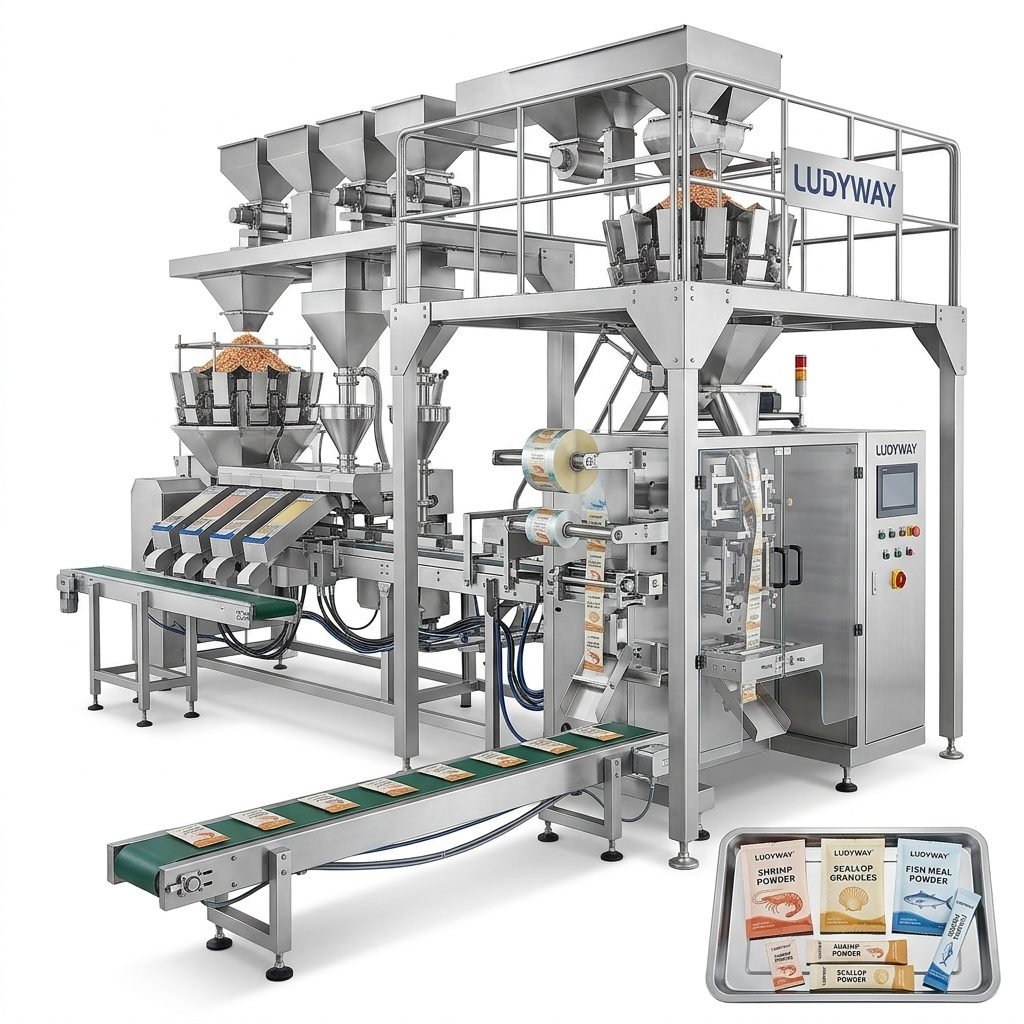
Calculate your current daily/weekly output needs. Be realistic about future growth. A manual machine is a stepping stone; choose a model from a supplier like Ludyway Packaging Machinery that offers upgrade paths to semi or fully automatic systems as your business scales.
Step 3: Prioritize Key Machine Features
- Filling Accuracy: Look for adjustable weighing or volumetric filling systems.
- Sealing Quality: Check for temperature-controlled sealing jaws for strong, consistent seals.
- Ease of Cleaning & Changeover: Sanitary design with tool-less parts removal is crucial for food and pharma.
- Durability & Construction: Stainless steel contact parts and robust frames ensure longevity.
Step 4: Evaluate the Supplier Thoroughly
The machine is only as good as the support behind it. Research the supplier’s reputation, industry experience, and after-sales service. A provider with deep expertise, such as one with over 30 years in packaging solutions, will offer better guidance, reliable spare parts, and technical support. Review their company profile and history to gauge their stability and commitment.
Step 5: Request a Live Demonstration
Never buy based on specifications alone. Insist on a live demo using your actual product and packaging materials. This is the only way to verify speed, accuracy, and ease of operation. It also reveals the supplier’s professional expertise and willingness to solve your specific challenges.
Frequently Asked Questions (FAQs)
Q1: What is the typical output speed of a manual packaging machine?
Speeds vary by machine type and operator skill, but common ranges are 15-40 bags or pouches per minute for granule/powder machines, and 10-30 bottles per minute for liquid fillers. The key advantage is consistency, not pure speed.
Q2: Can a manual machine be upgraded to automatic later?
Many reputable suppliers design modular systems. It’s often possible to upgrade a manual filler by adding automatic feeding systems, conveyors, or cappers. Discuss your long-term automation roadmap with your supplier during the initial selection phase.
Q3: How do I ensure the machine meets food safety standards?
Choose machines constructed with food-grade stainless steel (e.g., 304 or 316) for all product contact parts. The design should allow for easy, complete cleaning without hidden areas. Suppliers serving the global food industry will be familiar with relevant standards.
Q4: What is the most common maintenance required?
Regular cleaning is paramount. Other common tasks include inspecting and occasionally replacing sealing jaw Teflon covers, cleaning filters on pneumatic systems, and lubricating moving parts as per the manufacturer’s manual. A good supplier provides clear maintenance guidelines.
Q5: Are manual machines suitable for all packaging materials?
Most are designed for common laminates (e.g., PET/PE, MET-PET/PE). However, sealing different materials (like aluminum foil laminates) may require specific jaw temperatures or profiles. Always test your exact material with the machine during the demo to ensure perfect seal integrity.