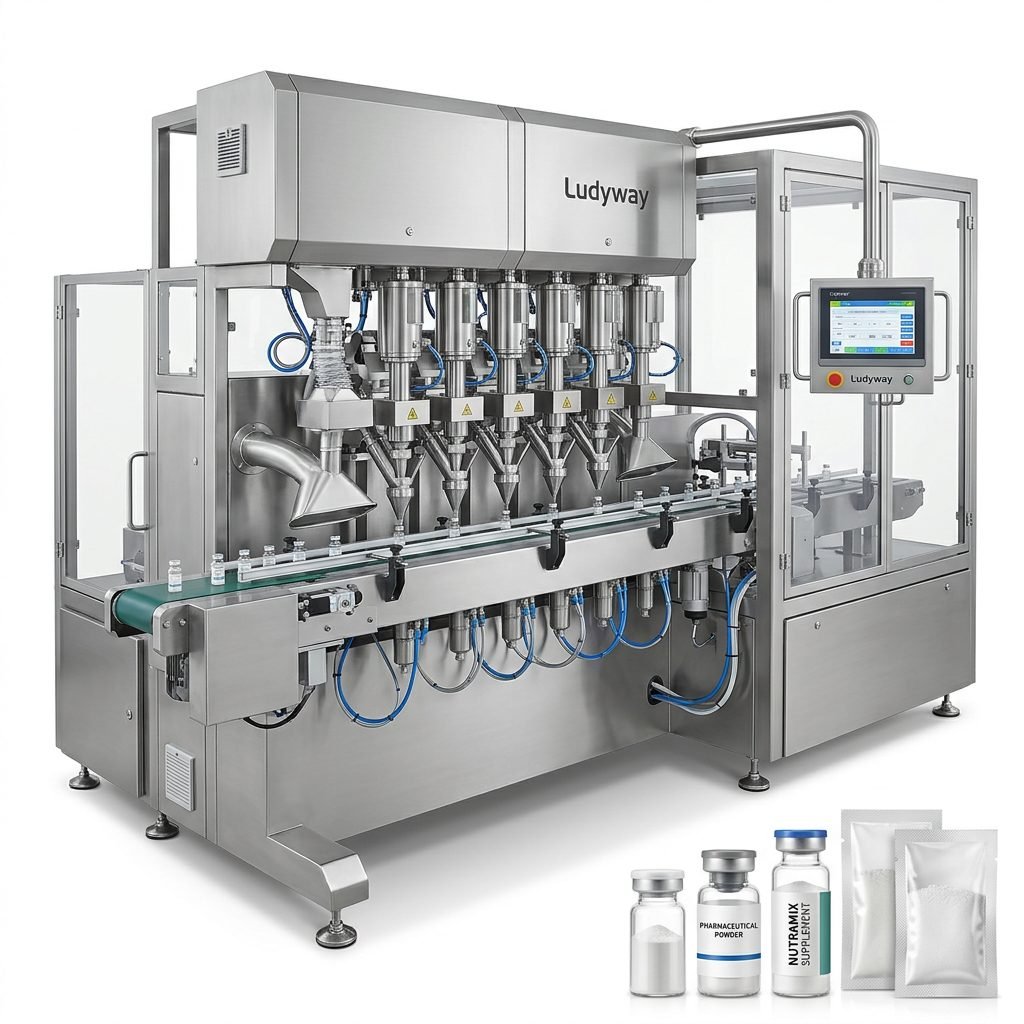
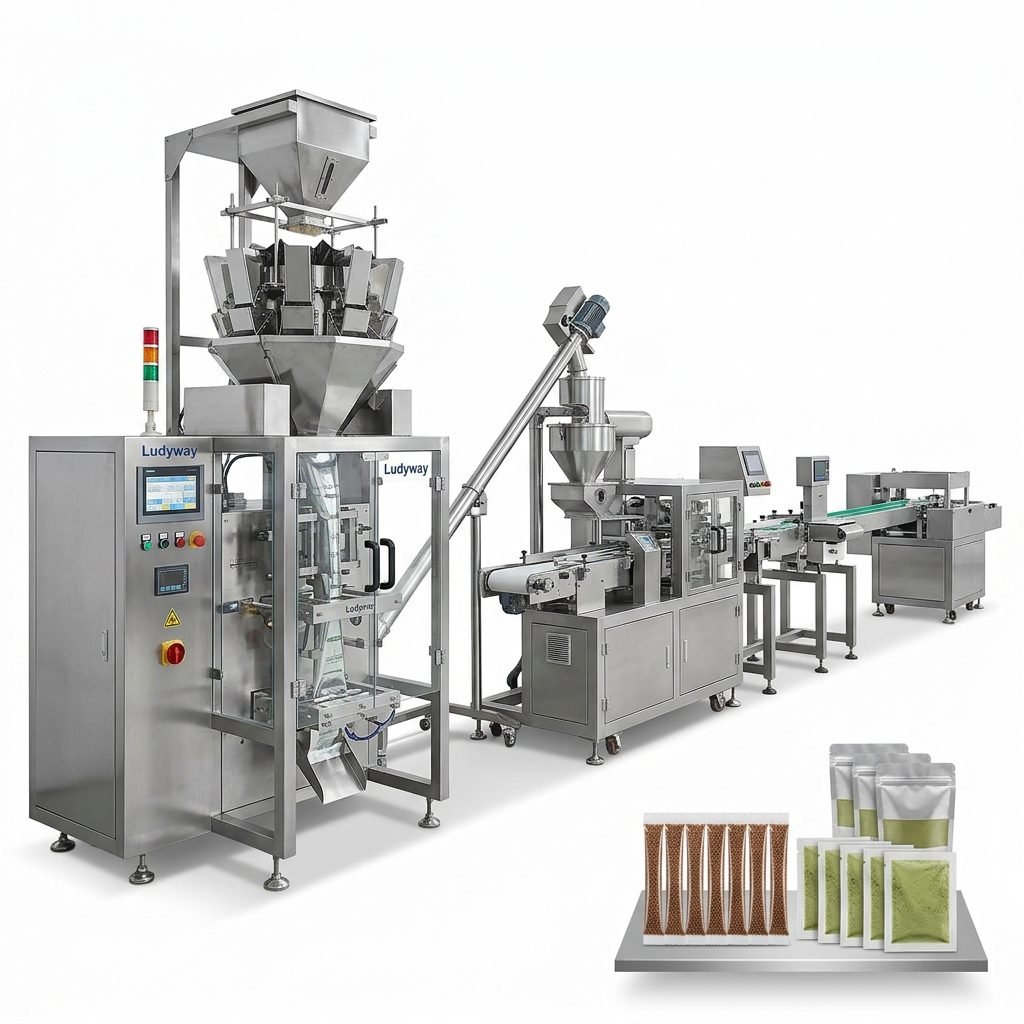
Choosing the right olive oil packaging machine is a critical decision for producers aiming to preserve quality, enhance shelf appeal, and optimize production efficiency. This comprehensive guide explores the different types of machines available, their key features, and provides a detailed framework to help you select the best solution for your specific needs.
Understanding the Core Types of Olive Oil Packaging Machines
Olive oil can be packaged in various formats, each requiring specialized machinery. The primary types include:
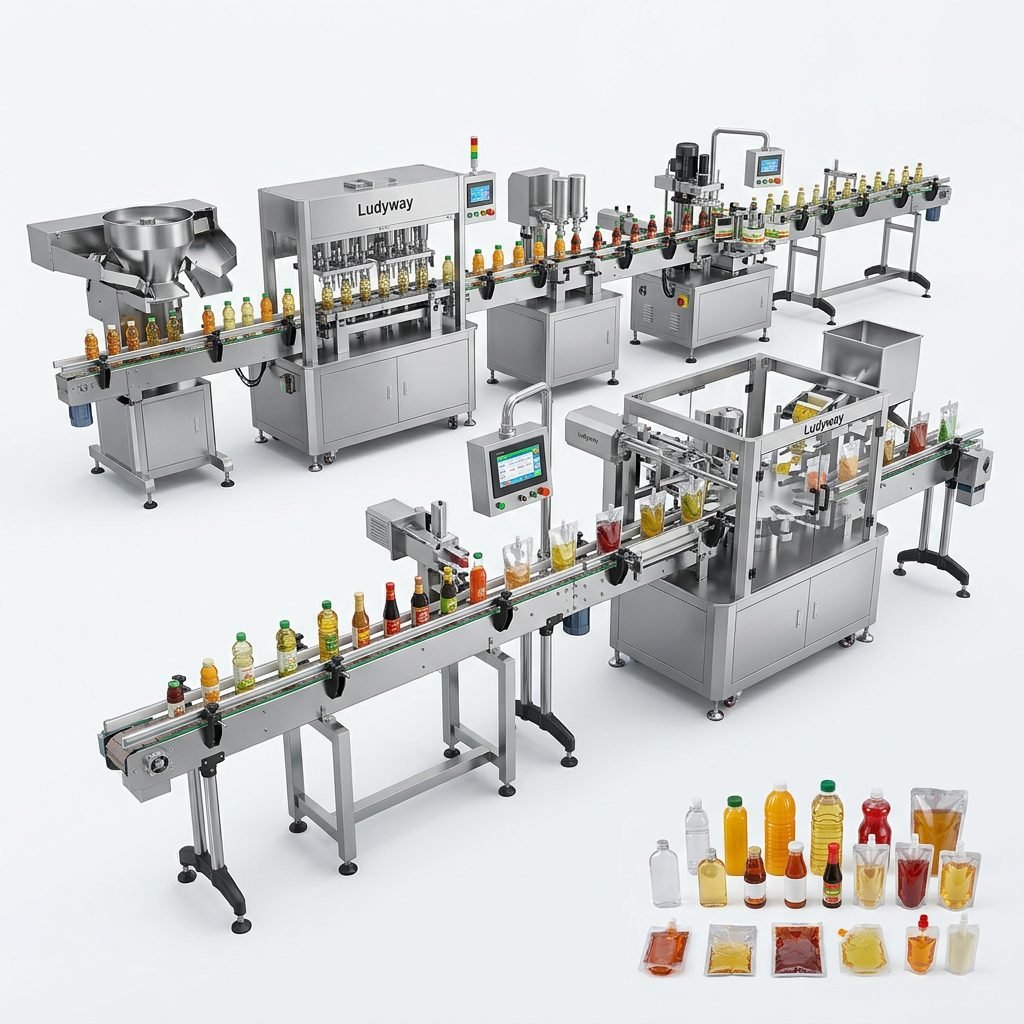
1. Bottle Filling and Capping Machines
These are the most common systems for packaging olive oil in glass or PET bottles. They typically integrate several functions into a single line:
Key Process: Bottle unscrambling → Filling → Cappling/corking → Labeling. Systems range from semi-automatic monoblocks for low-volume producers to fully automatic rotary fillers for high-speed operations.
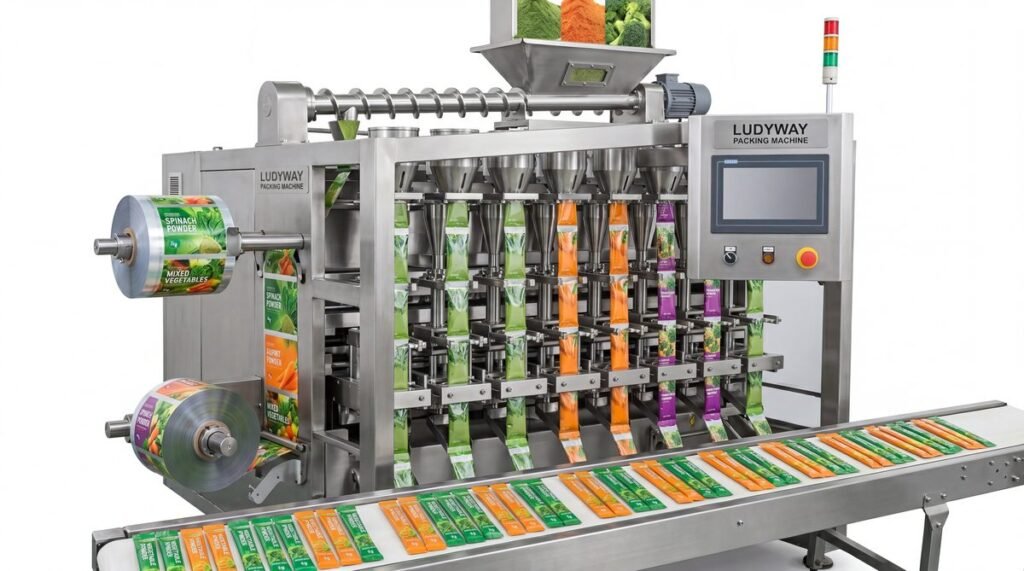
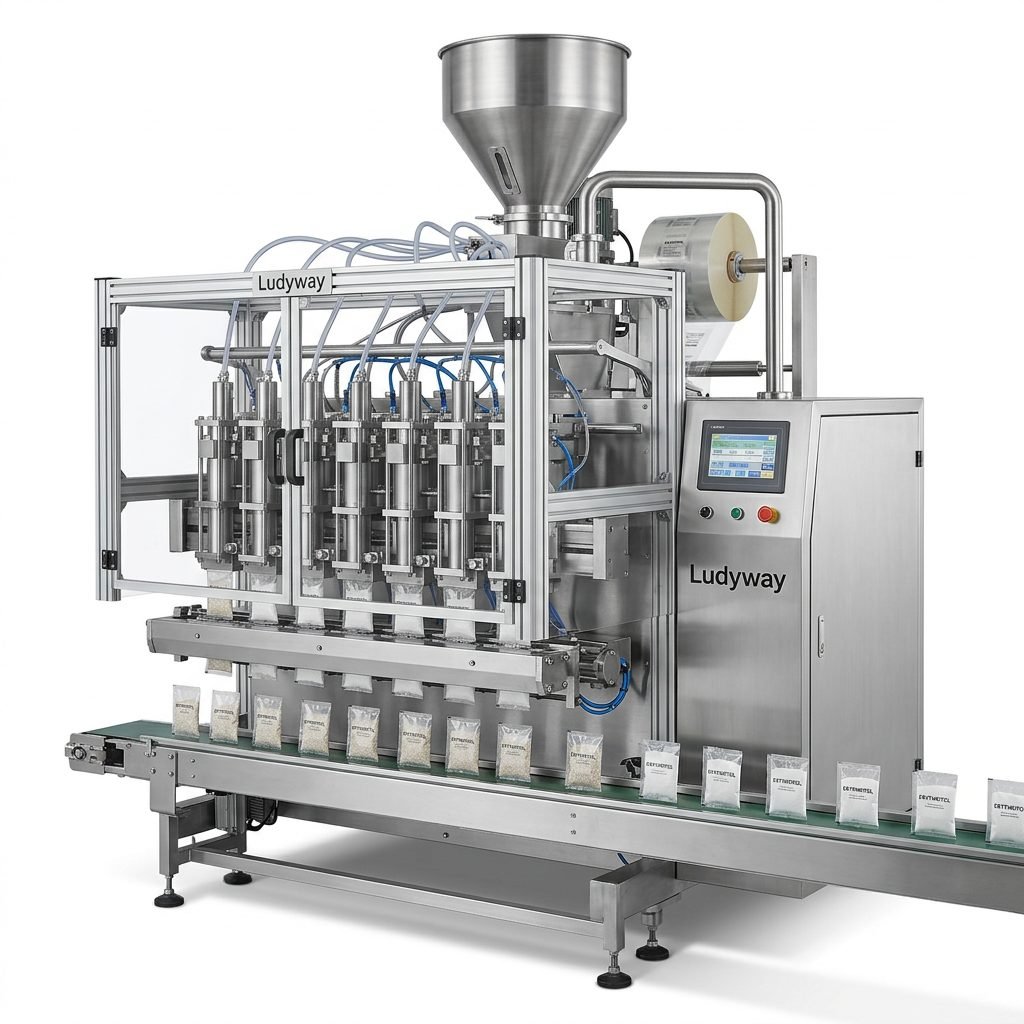
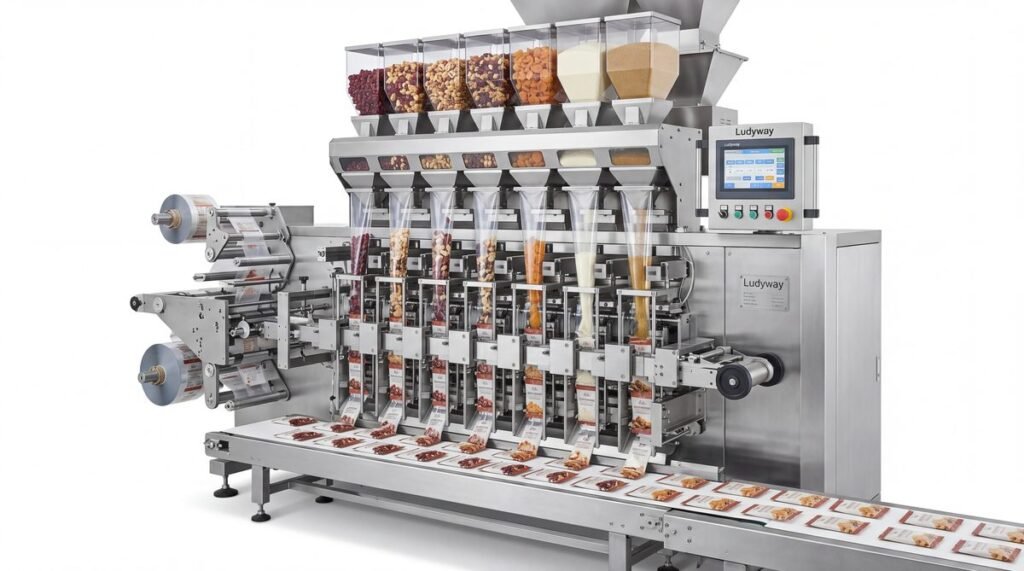
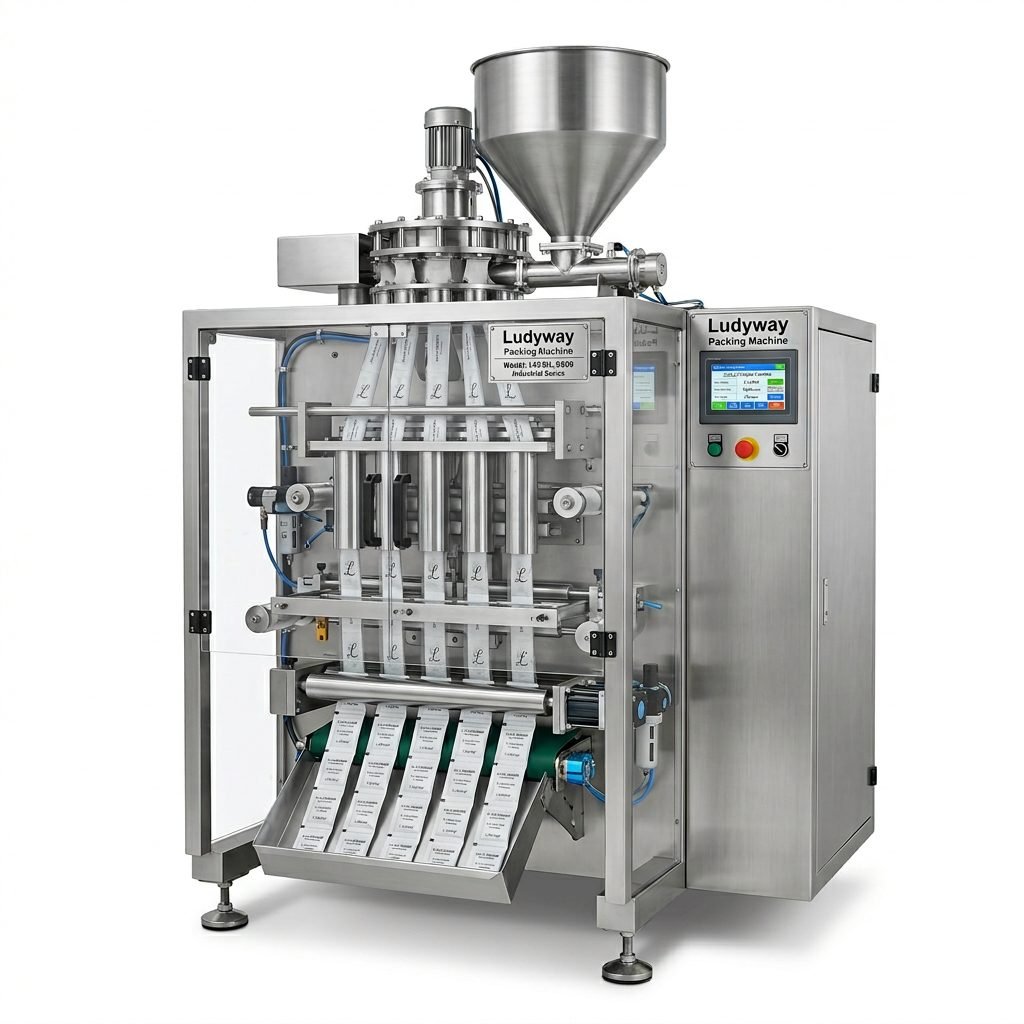
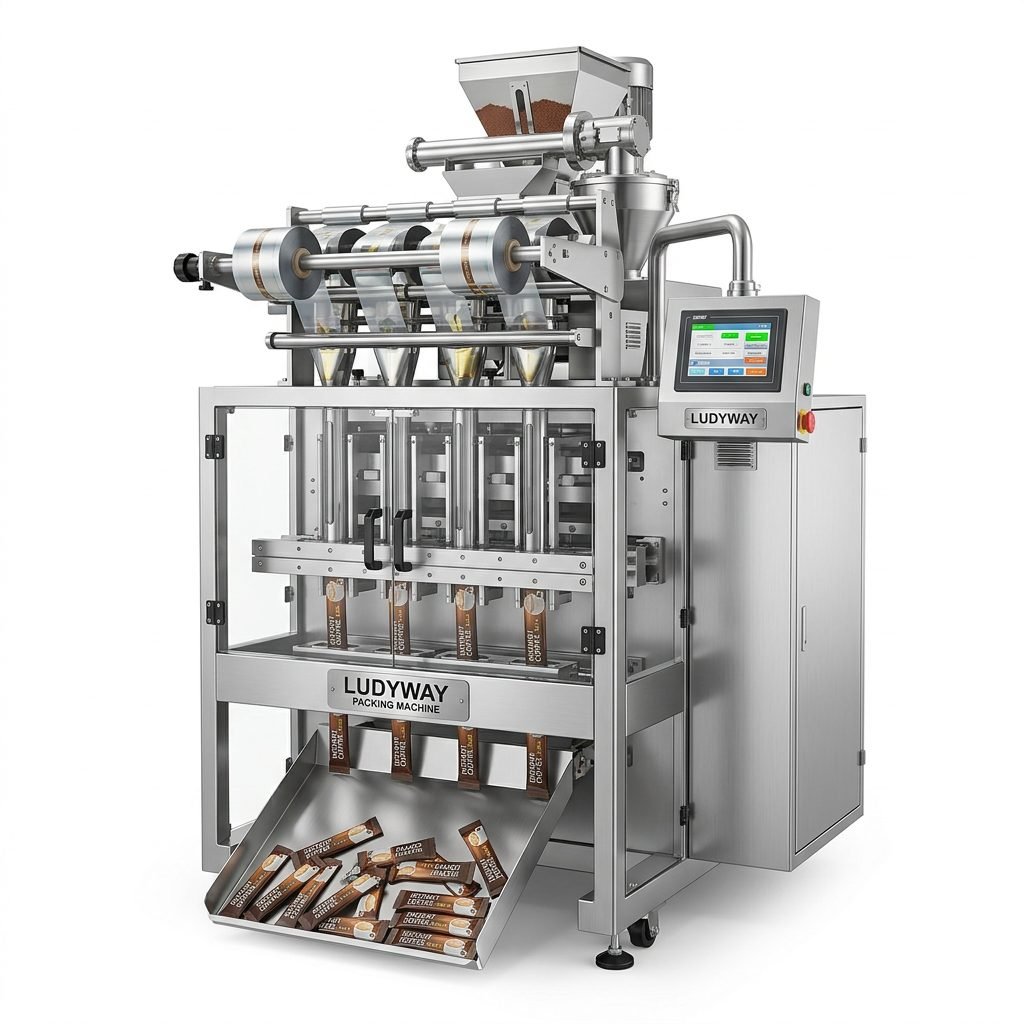
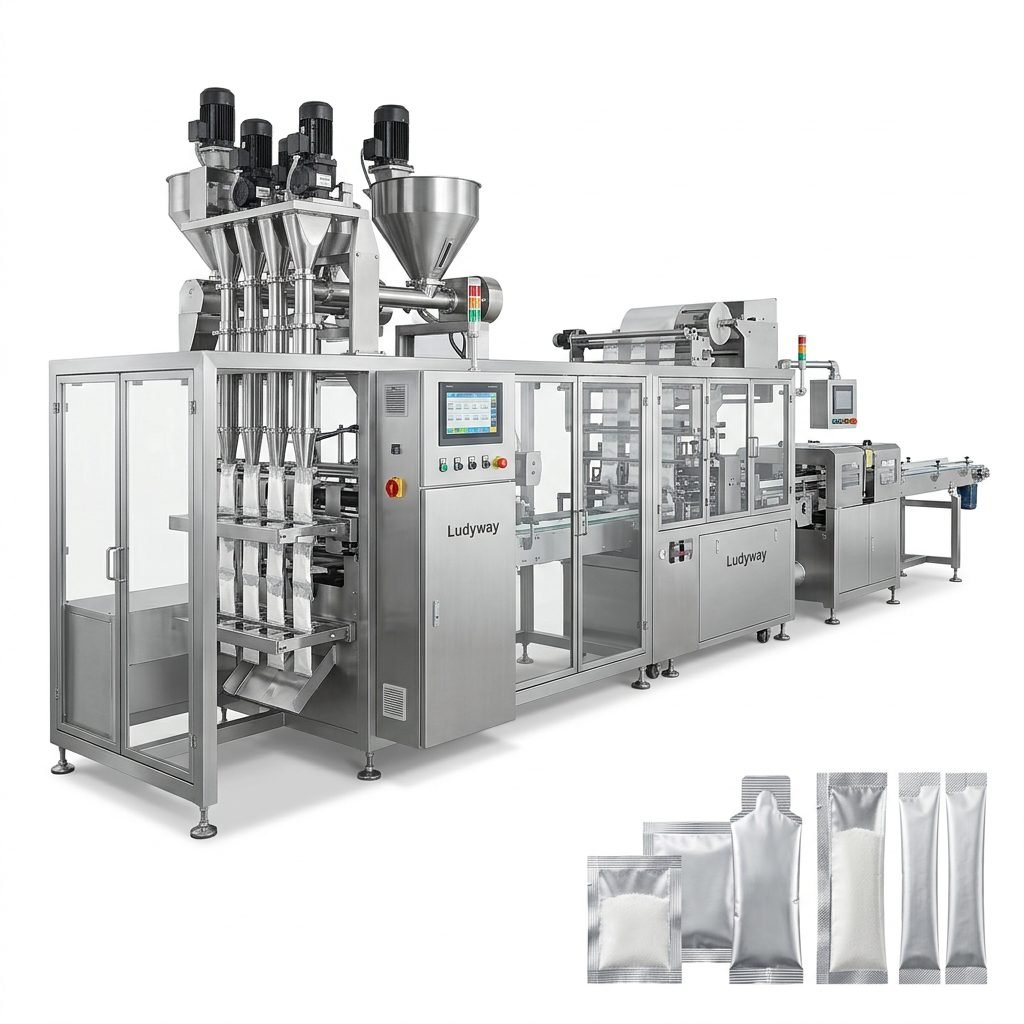
2. Pouch or Sachet Packaging Machines
Increasingly popular for single-serve portions, cooking oil samples, or premium gourmet lines. These machines form, fill, and seal pouches from a roll of laminated film.
→ Vertical Form-Fill-Seal (VFFS): Ideal for free-flowing liquids like oil. The pouch is formed vertically, filled by a precision pump, and then sealed.
→ Pre-made Pouch Fillers: Used for filling stand-up pouches or doypack-style bags, which offer great graphic appeal.
3. Tin or Can Seaming Machines
Traditionally used for larger volumes or products destined for long shelf-life and specific markets. These machines fill oil into metal containers and hermetically seal them with a lid.
4. Bulk Container Filling Systems
Designed for filling large formats like bag-in-box, flexitanks, or drums for food service or industrial use.
Essential Features to Evaluate in a Packaging Machine
Beyond the machine type, several critical features determine performance, hygiene, and longevity.
Filling Accuracy and Technology
Precise fill volume is non-negotiable to avoid give-away and ensure compliance. Look for:
- Piston Fillers: Excellent for high-viscosity oils and high accuracy. Easy to clean and maintain.
- Gravity/Pressure Gravity Fillers: Suitable for thin oils. Simple and fast.
- Volumetric Pump Fillers: Consistent for a wide range of viscosities. Modern pumps offer easy volume adjustment.
- Net Weight Fillers: The most accurate method, using a scale for each fill. Ideal for premium, high-value oil.
Construction Materials and Hygiene Design
Food-grade contact parts are mandatory. Machines should feature:
Stainless Steel (AISI 304 or 316): Used for frames, product contact surfaces, and covers. It is corrosion-resistant, durable, and easy to sanitize. Sanitary fittings and minimal dead spaces in the product path prevent contamination and facilitate cleaning.
Automation Level and Control System
From manual to fully automatic, the choice impacts labor costs and output.
• Semi-Automatic: Operator loads bottle, machine fills. Low output, low investment.
• Fully Automatic: Integrated line handles all steps. High output, consistent quality.
A user-friendly PLC (Programmable Logic Controller) with HMI (Human-Machine Interface) touchscreen allows for easy recipe changes, production monitoring, and diagnostics.
Changeover Flexibility
If you package multiple bottle sizes or oil types, quick changeover is vital. Look for machines with tool-less adjustments or quick-change parts to minimize downtime.
Nitrogen Flushing or Vacuum Capability
To extend shelf life and prevent oxidation, many premium producers use nitrogen flushing (displacing air in the headspace) or vacuum sealing before capping. Ensure the machine can integrate this feature.
How to Choose the Best Olive Oil Packaging Solution: A Step-by-Step Guide
Step 1: Define Your Product and Packaging Format
Start with the end in mind. Determine your container (glass bottle, PET, tin, pouch), size(s), closure (screw cap, cork, dropper), and any special requirements like UV-protective glass.
Step 2: Analyze Your Production Requirements
Calculate your needed output in bottles/pouches per hour or shift. Consider both current needs and future growth. A reputable supplier like Ludyway Machinery can help model this.
Step 3: Evaluate Your Facility and Budget
Assess available floor space, power supply, and compressed air. Establish a total investment budget, considering not just the machine price but also installation, training, and potential spare parts.
Step 4: Prioritize Key Machine Features
Based on your oil type (extra virgin, infused, etc.), decide on the essential features from the list above. For extra virgin olive oil, preserving aroma and preventing oxidation is paramount, making filling accuracy and inert gas flushing top priorities.
Step 5: Research and Select a Reliable Supplier
Look for a supplier with proven experience in food-grade liquid packaging, particularly with oils. Key supplier qualities include:
- Strong after-sales service and technical support.
- Availability of spare parts.
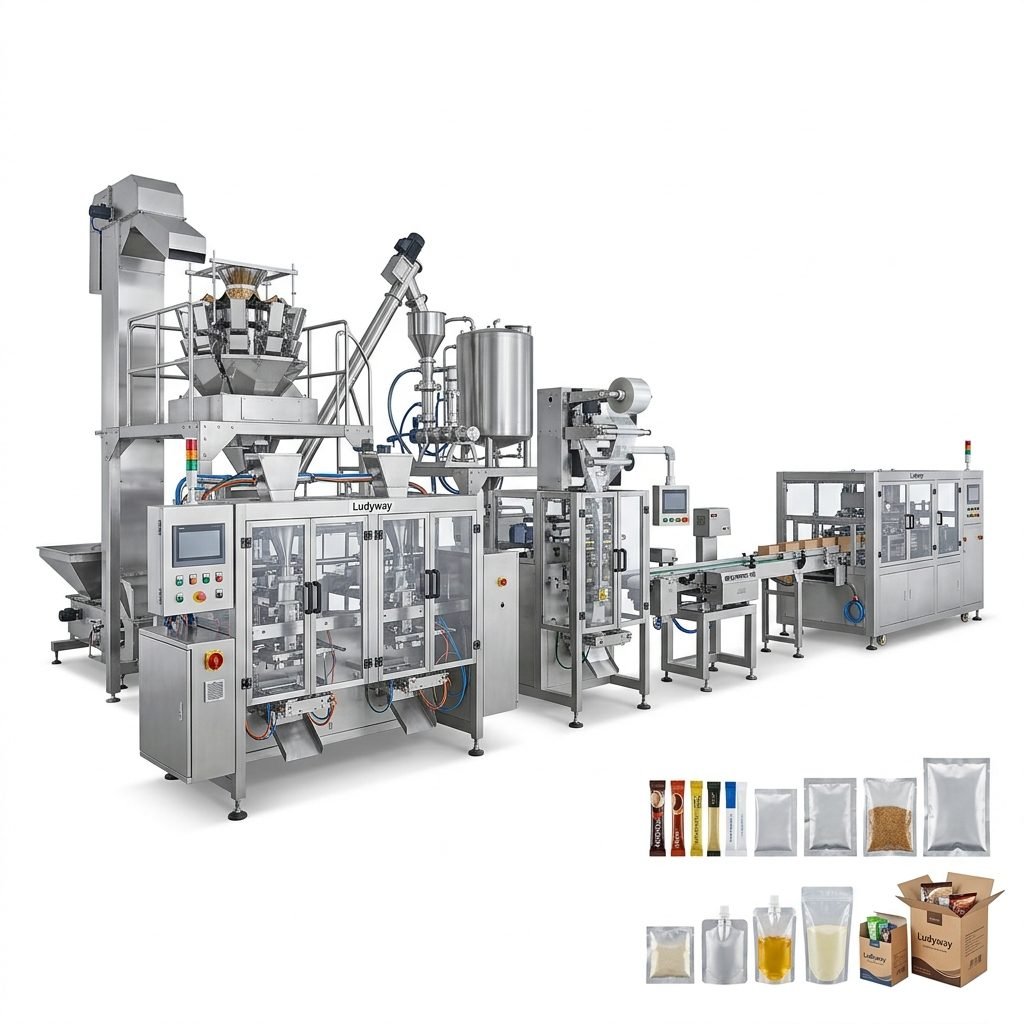
- Ability to provide a complete, integrated line (filler, capper, labeler).
- Willingness to conduct factory acceptance tests or provide video tests of their machine running with a product similar to yours.
Step 6: Request and Compare Proposals
Get detailed quotations from 2-3 shortlisted suppliers. Compare not only price but also machine specifications, warranty, delivery time, and the comprehensiveness of their offer.
Common Questions (FAQs) About Olive Oil Packaging Machines
What is the typical output speed for an automatic olive oil bottling line?
Speeds vary widely based on bottle size and machine configuration. A standard 4-head piston filler can handle 30-60 bottles per minute (500ml size), while high-speed rotary fillers can exceed 200 bottles per minute.
Can one machine handle different bottle shapes and sizes?
Yes, most modern machines are designed for changeover. However, the ease and time required vary. “Tool-less” changeover machines are fastest but may command a higher price. Always discuss your specific range of containers with the supplier.
How important is nitrogen flushing for packaging extra virgin olive oil?
Highly recommended. Nitrogen flushing displaces oxygen in the bottle’s headspace, significantly slowing down oxidation and preserving the oil’s fresh flavor, aroma, and nutritional properties. It is a critical feature for quality-conscious producers.
What are the main maintenance requirements for these machines?
Regular daily cleaning is essential. Maintenance typically involves lubricating moving parts (with food-grade lubricant), checking seals and gaskets for wear, and calibrating the filling system periodically to ensure accuracy. A good supplier will provide a detailed maintenance schedule.
Should I buy a standalone filler or a complete turnkey line?
For new operations or significant upgrades, a turnkey line from a single supplier is often best. It ensures all components (unscrambler, filler, capper, labeler, conveyor) are compatible and properly synchronized, reducing integration headaches and providing a single point of support.