Investing in a packaging machine is a significant decision for any manufacturer. The price can vary dramatically, from a few thousand dollars for a basic unit to several hundred thousand for a fully automated, high-speed line. Understanding the key factors that influence packaging machine costs, the different types available, and the selection criteria is crucial for making an informed purchase that balances budget with operational needs and long-term value.
Key Factors Influencing Packaging Machine Prices
The final price tag on a packaging machine is rarely a simple figure. It’s the sum of various interconnected factors that reflect the machine’s capabilities, complexity, and quality.
1. Machine Type and Automation Level
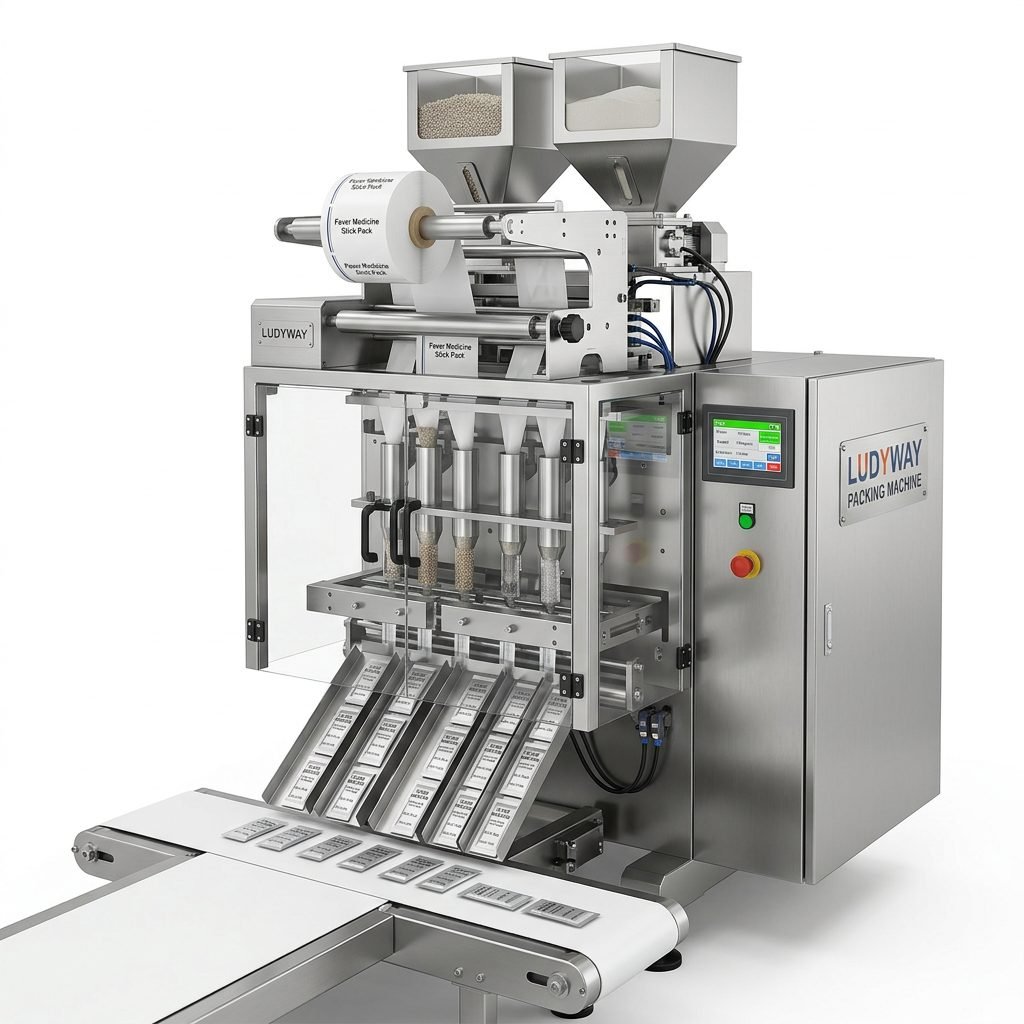
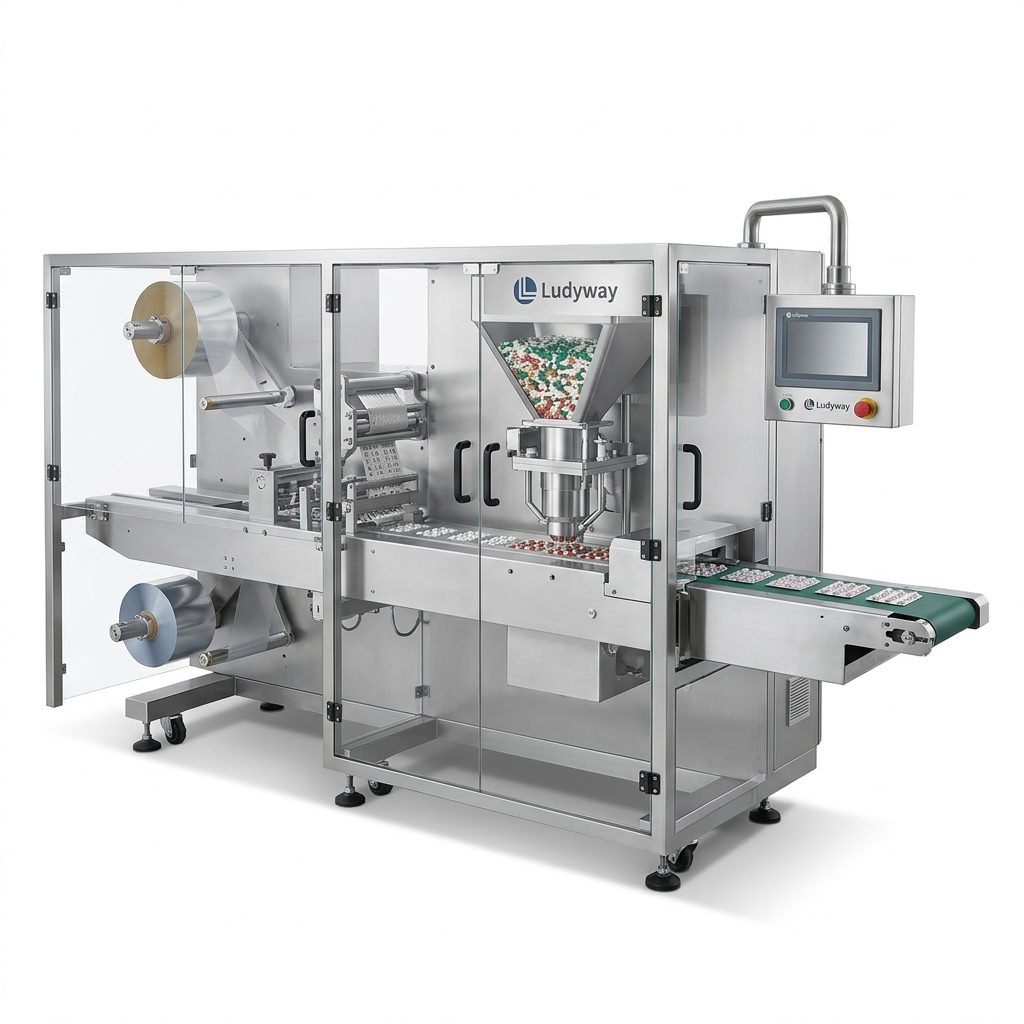
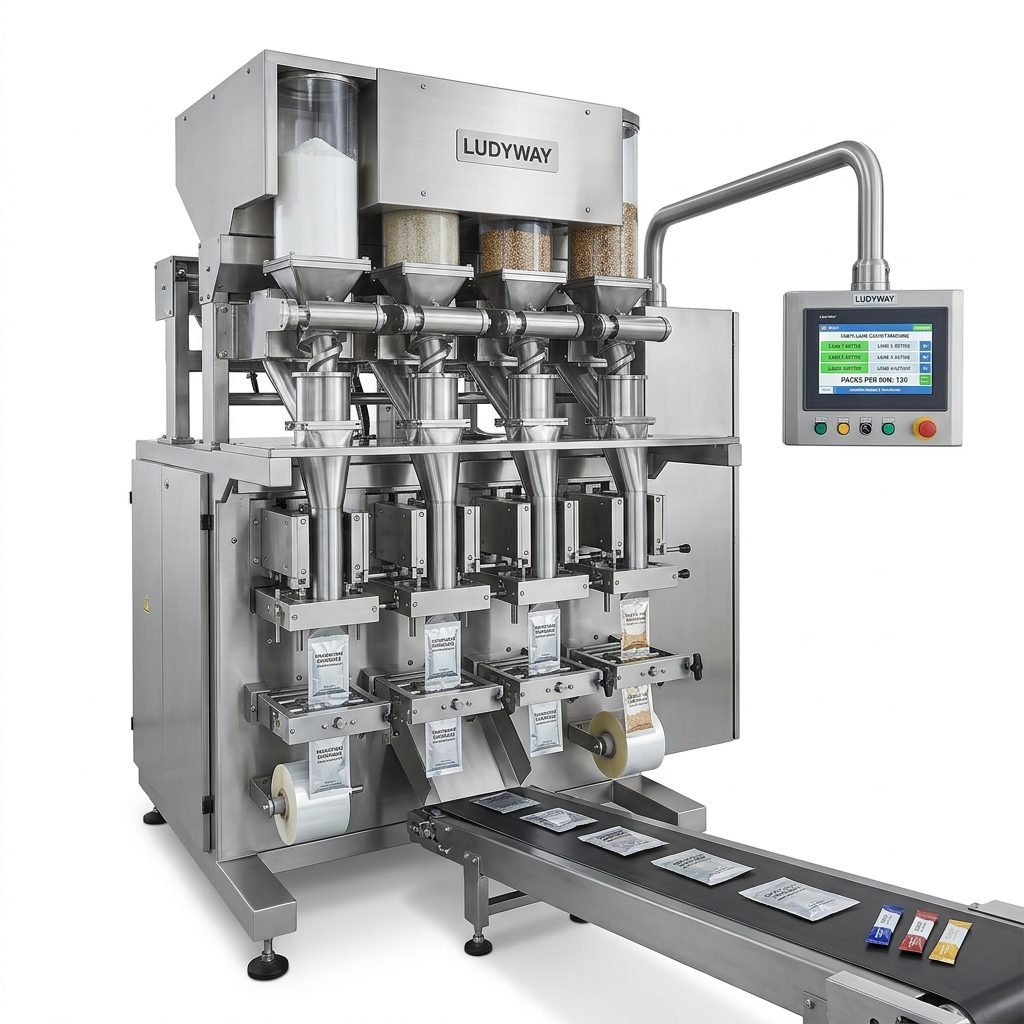
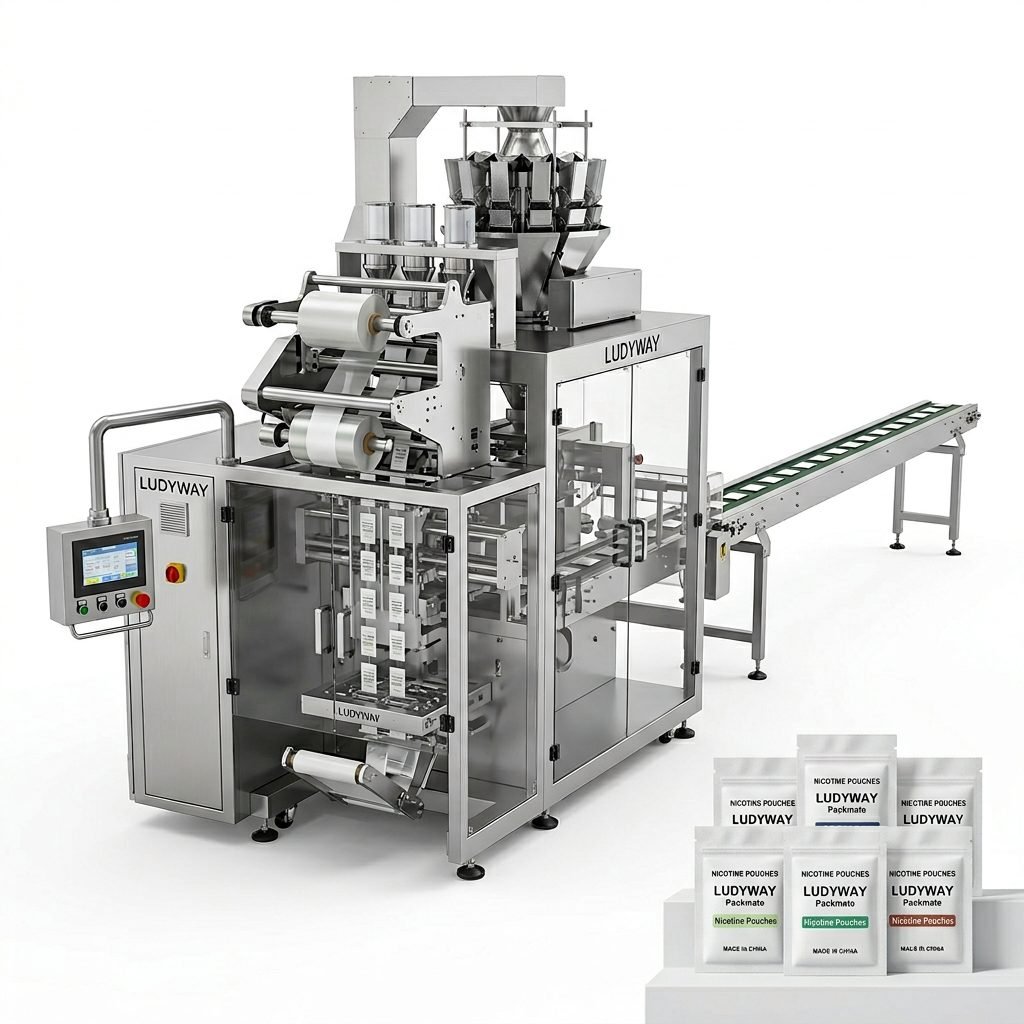
This is the most fundamental cost driver. Machines range from semi-automatic models requiring manual product feeding to fully automatic, integrated lines with robotic arms and conveyor systems. A basic vertical form-fill-seal (VFFS) machine will cost significantly less than a multi-lane stick pack machine designed for high-volume pharmaceutical products.
Pro Tip: Don’t just look at the initial machine cost. Calculate the Total Cost of Ownership (TCO), which includes energy consumption, maintenance, spare parts, and labor savings from automation.
2. Production Speed and Output Capacity
Speed directly correlates with price. Machines are rated in packages per minute (PPM). A machine capable of 60 PPM will be priced lower than one engineered for 200 PPM. Higher speeds require more robust motors, precision engineering, and advanced control systems to maintain accuracy and reliability, all of which increase cost.
3. Material Compatibility and Flexibility
Can the machine handle only one type of film, or is it compatible with a range of materials like laminates, metallized films, or biodegradable options? Machines with quick-change features for different bag sizes or product types offer greater flexibility but come at a premium. Specialized machines for challenging products (e.g., oily snacks, fine powders, viscous liquids) also command higher prices due to custom engineering.
4. Construction Quality and Brand Reputation
A machine built with industrial-grade stainless steel components, servo motors, and branded PLCs (Programmable Logic Controllers) from manufacturers like Siemens or Mitsubishi will have a higher upfront cost than one using aluminum frames and stepper motors. Established brands with proven track records, like Ludyway Packaging Machinery, often price their machines to reflect decades of engineering experience, reliability, and comprehensive after-sales support.
5. Additional Features and Integration
Add-ons significantly impact price. Common features that increase cost include:
- Checkweighers and metal detectors for quality control.
- Date coders and vision inspection systems.
- Nitrogen flushing systems for product preservation.
- Integration capabilities with upstream feeders and downstream cartoning machines.
Overview of Common Packaging Machine Types and Price Ranges
Here’s a breakdown of popular machine categories to help frame your budget expectations. Note: Prices are approximate and can vary based on the specific factors listed above.
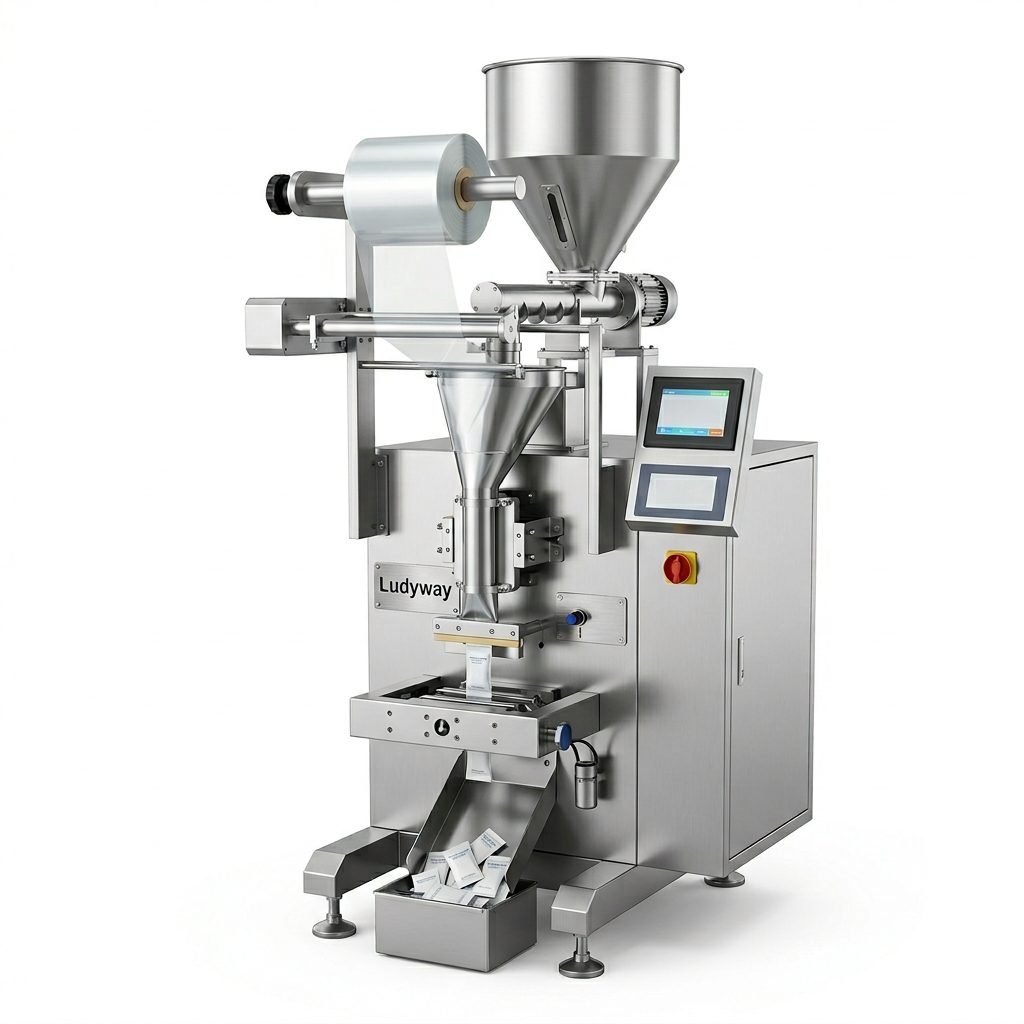
Vertical Form-Fill-Seal (VFFS) Machines
Typical Use: Granules, powders, snacks, hardware items.
Price Range: $15,000 – $80,000+
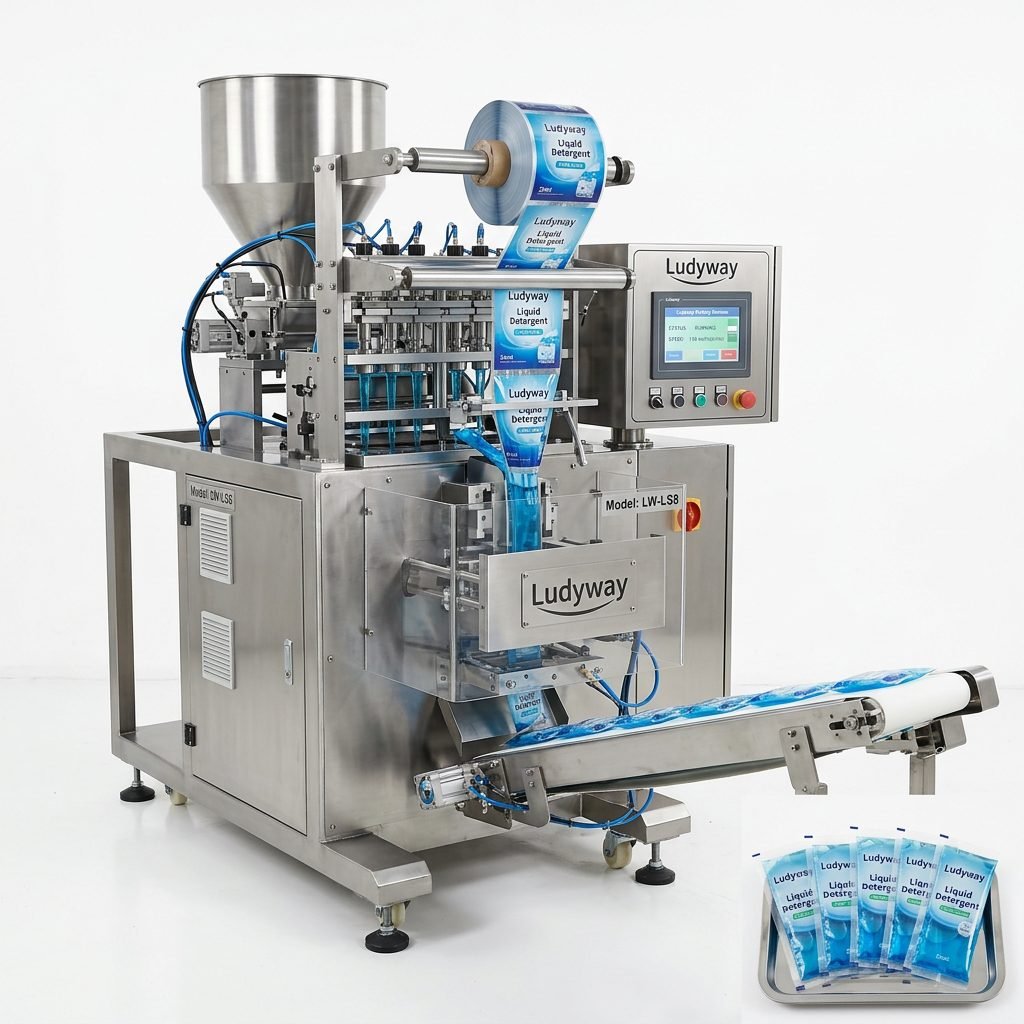
The most versatile and common type. Film is formed into a bag around a product tube, filled, and sealed. Price scales with speed, precision, and optional features like multi-head weighers.
Horizontal Form-Fill-Seal (HFFS) / Flow Wrap Machines
Typical Use: Candy bars, biscuits, grouped products.
Price Range: $30,000 – $150,000+
Product is placed on a flat web of film, which is then wrapped around it and sealed. Ideal for attractive retail presentation. Costs rise with complexity for handling fragile items.
Liquid & Paste Filling Machines
Typical Use: Sauces, oils, cosmetics, pharmaceuticals.
Price Range: $20,000 – $200,000+
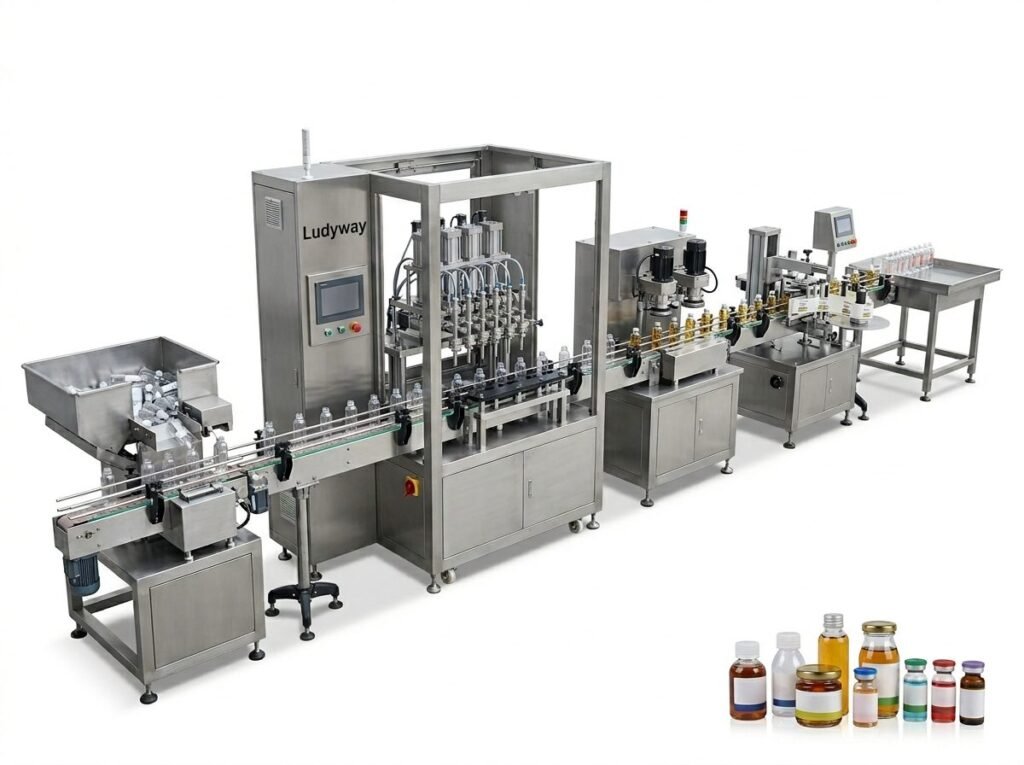
A broad category including piston fillers, volumetric fillers, and gravity fillers. Price is heavily influenced by filling accuracy, viscosity handling, and whether it’s a standalone filler or part of a complete liquid packaging line with capping and labeling.
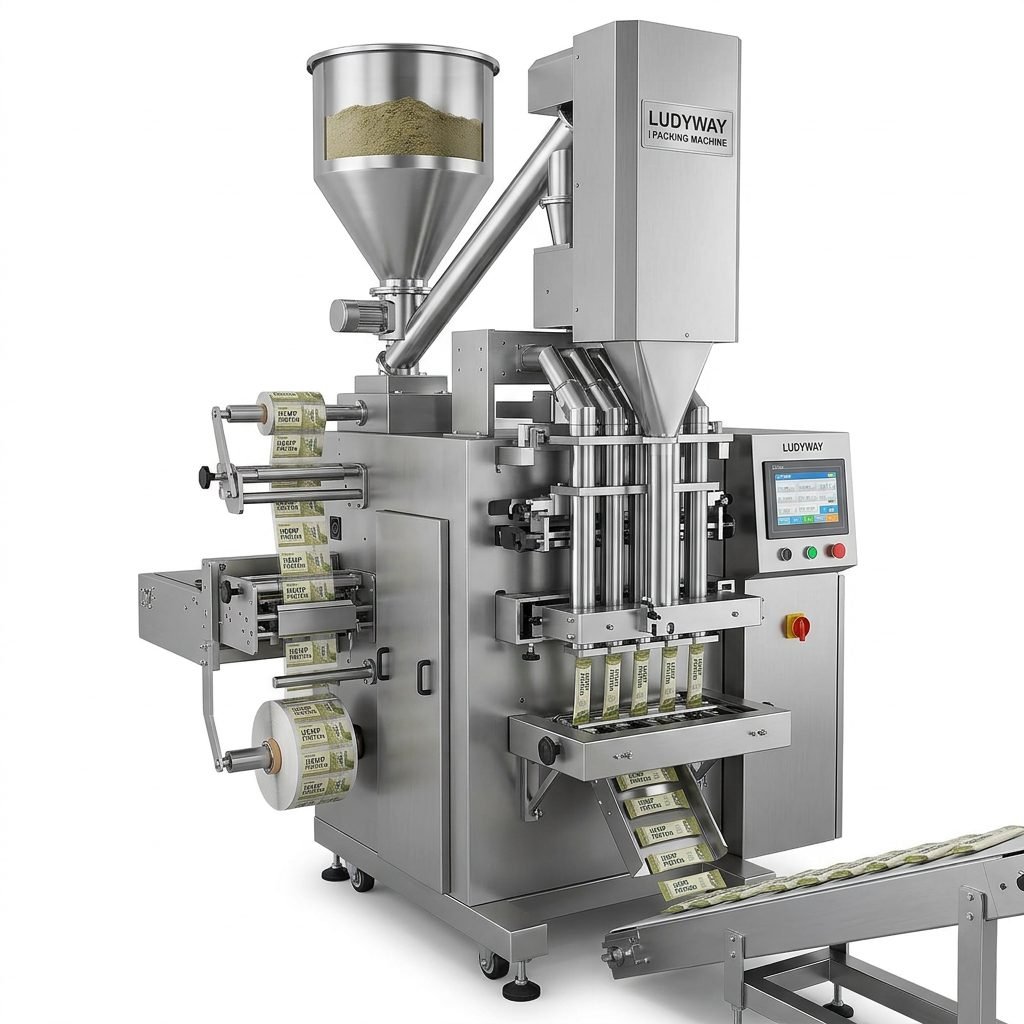
Stick Pack & Sachet Packaging Machines
Typical Use: Single-serve powders (coffee, supplements), condiments, pharmaceuticals.
Price Range: $40,000 – $250,000+
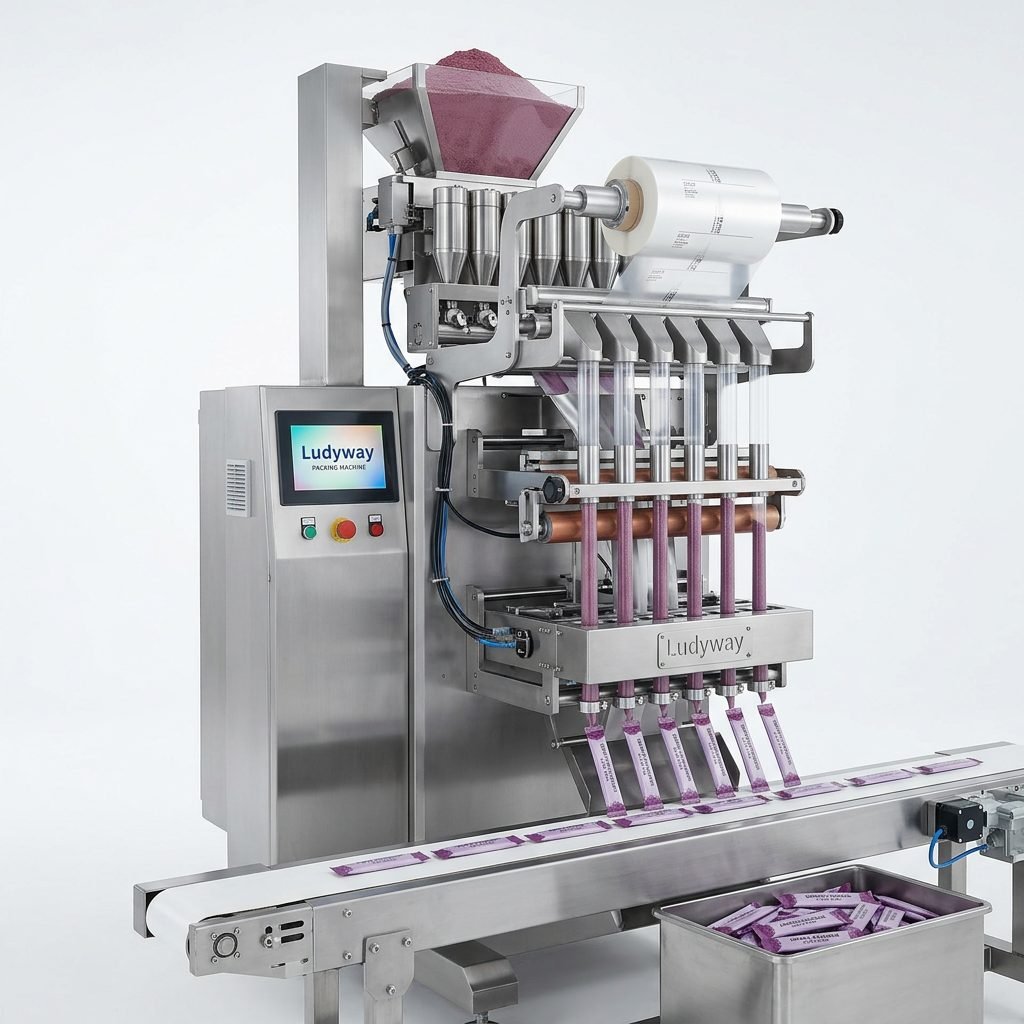
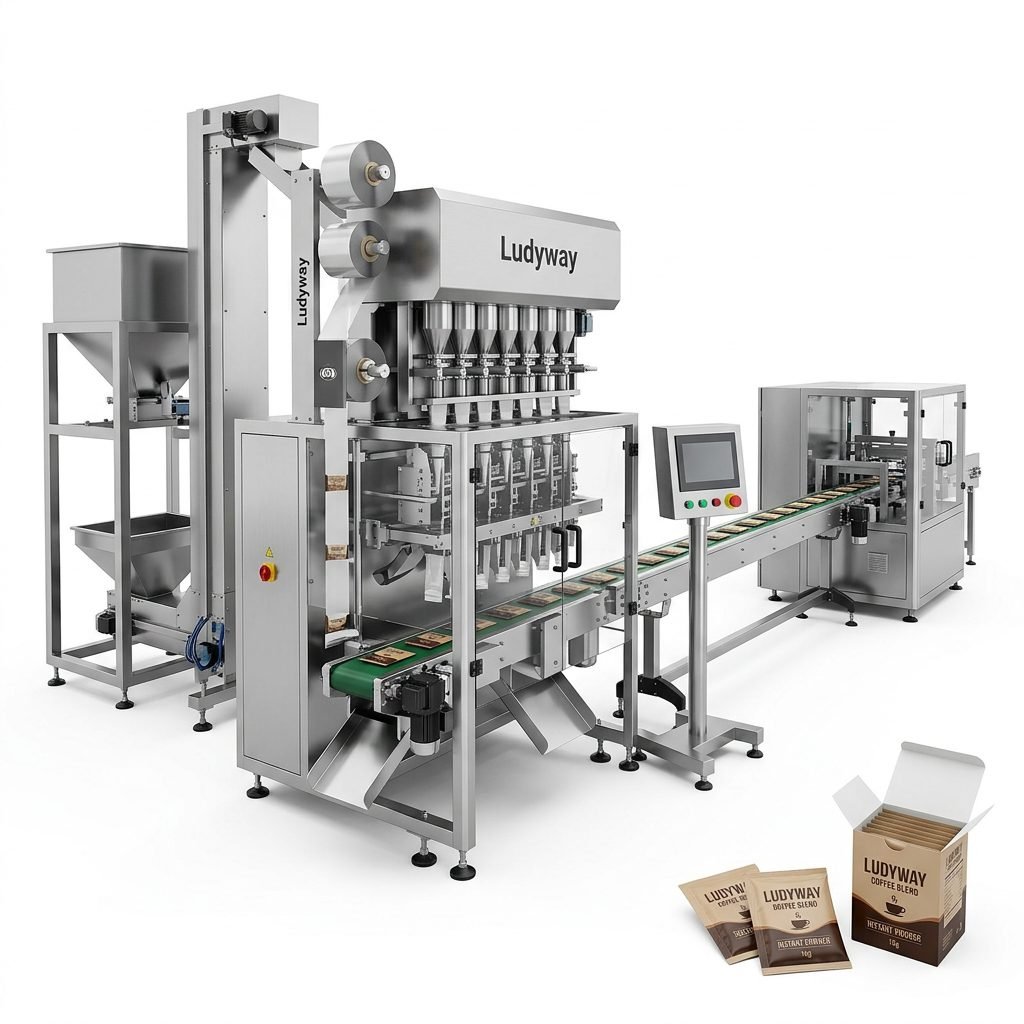
These machines create small, sealed pouches from roll stock. Multi-lane machines that produce 10+ sticks simultaneously offer very high output. Premium models from experienced suppliers ensure perfect seals and minimal material waste, justifying the investment for high-volume producers.
How to Choose the Right Machine: A Step-by-Step Guide
Selecting the optimal machine is a strategic process. Follow these steps to align your choice with both current and future business goals.
Step 1: Define Your Product and Packaging Specifications
Start with the basics. What are you packaging? Document the product’s physical state (solid, powder, liquid), its characteristics (abrasive, oily, fragile), and your desired package type, size, and material. This is the non-negotiable foundation for all further decisions.
Step 2: Analyze Your Production Requirements
Be realistic about your output needs. Calculate your required average and peak production speeds. Consider your operational hours: will you run one 8-hour shift or 24/7? A machine running continuously needs higher durability. Also, plan for future growth—buying a machine that can be upgraded or run slightly faster than your current needs can be a wise long-term strategy.
Step 3: Evaluate Machine Capabilities and Supplier Credentials
Once you have a shortlist, dig deeper. Request a live or recorded product test using your actual materials. Scrutinize the machine’s construction, ease of cleaning (especially for food/pharma), and user-friendliness of the HMI (Human-Machine Interface). Critically assess the supplier. A company with over 30 years of industry experience like Ludyway brings invaluable expertise in solving real-world packaging challenges and ensuring machine longevity.
⚠️ Critical Question to Ask Suppliers:
“What is included in the quoted price?” Ensure you understand the cost of installation, training, initial spare parts kit, and warranty terms. Clarify lead times for technical support and spare parts delivery.
Step 4: Consider Total Cost of Ownership and ROI
Look beyond the invoice. A cheaper machine may have higher energy consumption, require frequent maintenance, or cause more material waste (film, product). Calculate the potential labor savings from automation and the value of reduced downtime. A slightly more expensive, reliable machine often pays for itself through consistent, efficient operation and lower lifetime costs.
Step 5: Plan for Support and Future Needs
Your relationship with the supplier begins after purchase. Ensure they offer comprehensive training, clear documentation, and responsive technical support. Discuss their policy on software updates and potential future upgrades. Choosing a partner committed to long-term cooperation and innovation protects your investment as your business evolves.
Frequently Asked Questions (FAQs)
What is the most important factor when choosing a packaging machine?
While budget is always a constraint, reliability and suitability for your specific product are paramount. A machine that frequently jams, breaks down, or wastes product will erase any initial savings. Always prioritize a machine proven to handle your product type effectively and a supplier with a strong reputation for support.
Can I get a good quality machine at a lower price point?
Yes, by clearly defining your essential needs versus desirable features. A semi-automatic machine or a basic automatic model from a reputable supplier can be an excellent, cost-effective solution for small to medium-scale production. Avoid the temptation of unknown brands offering unrealistically low prices, as they often compromise on critical components and service.
How much should I budget for installation and maintenance?
As a general rule, budget an additional 10-20% of the machine’s cost for installation, training, and initial spare parts. Annual maintenance costs typically range from 2-5% of the original machine price, depending on usage. A service contract from your supplier can help predict and manage these costs.
Is it better to buy a new or used packaging machine?
Used machines can offer significant savings but come with risks like unknown maintenance history, obsolete parts, and lack of warranty. They are a viable option for simple, robust machines or if you have in-house technical expertise. For complex, high-speed, or hygienic-critical applications, a new machine from a trusted supplier is almost always the safer, more efficient long-term choice.
What packaging trends might affect my machine choice in the coming years?
Investing in a machine with some flexibility is wise. Key trends include sustainable packaging materials (compostable or recyclable films), which may require different sealing parameters, and the demand for smaller batch sizes and customization, favoring machines with quick changeover capabilities. Choosing a forward-thinking supplier ensures your equipment can adapt to market shifts.