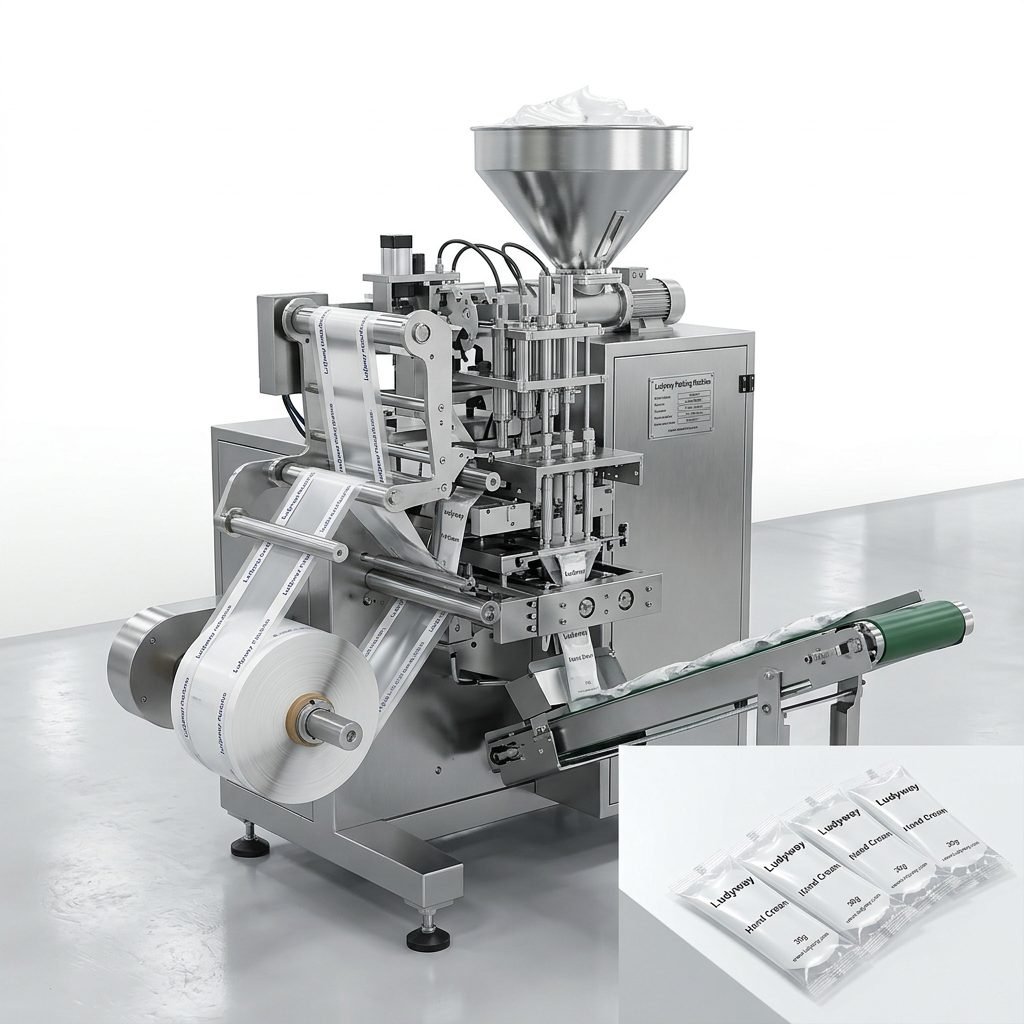
The global demand for efficient, reliable, and visually appealing packaging is continuously rising, particularly in sectors like food, pharmaceuticals, and consumer goods. Skin packaging, a process where a product is placed on a backing card and a thin film of plastic is heated and shrunk around it, offers exceptional product presentation and protection. Choosing the right skin packaging machine and its manufacturer is a critical business decision that impacts production efficiency, product quality, and overall operational costs.
Understanding Skin Packaging Technology
Skin packaging machines utilize a combination of heat, vacuum, and a specialized film to create a tight, transparent package that secures the product to a printed or plain backing board. This method is highly favored for its ability to enhance product visibility, provide a tamper-evident seal, and reduce material usage compared to traditional clamshell packaging. The core components of a typical system include a heating element, a vacuum chamber, a film feed mechanism, and a precision sealing area.
Key Advantages of Skin Packaging
Enhanced Product Display: The clear film allows for full product visibility, crucial for retail sales.
Improved Security: The tight seal acts as a tamper-evident barrier.
Material Efficiency: Often uses less plastic than alternative blister or clamshell packs.
Versatility: Can package a wide range of product sizes and shapes.
Top Manufacturers in the Skin Packaging Machine Industry
The market features several established and innovative manufacturers. Selecting among them requires looking beyond basic specifications to their engineering prowess, industry experience, and after-sales support.
Ludyway Machinery
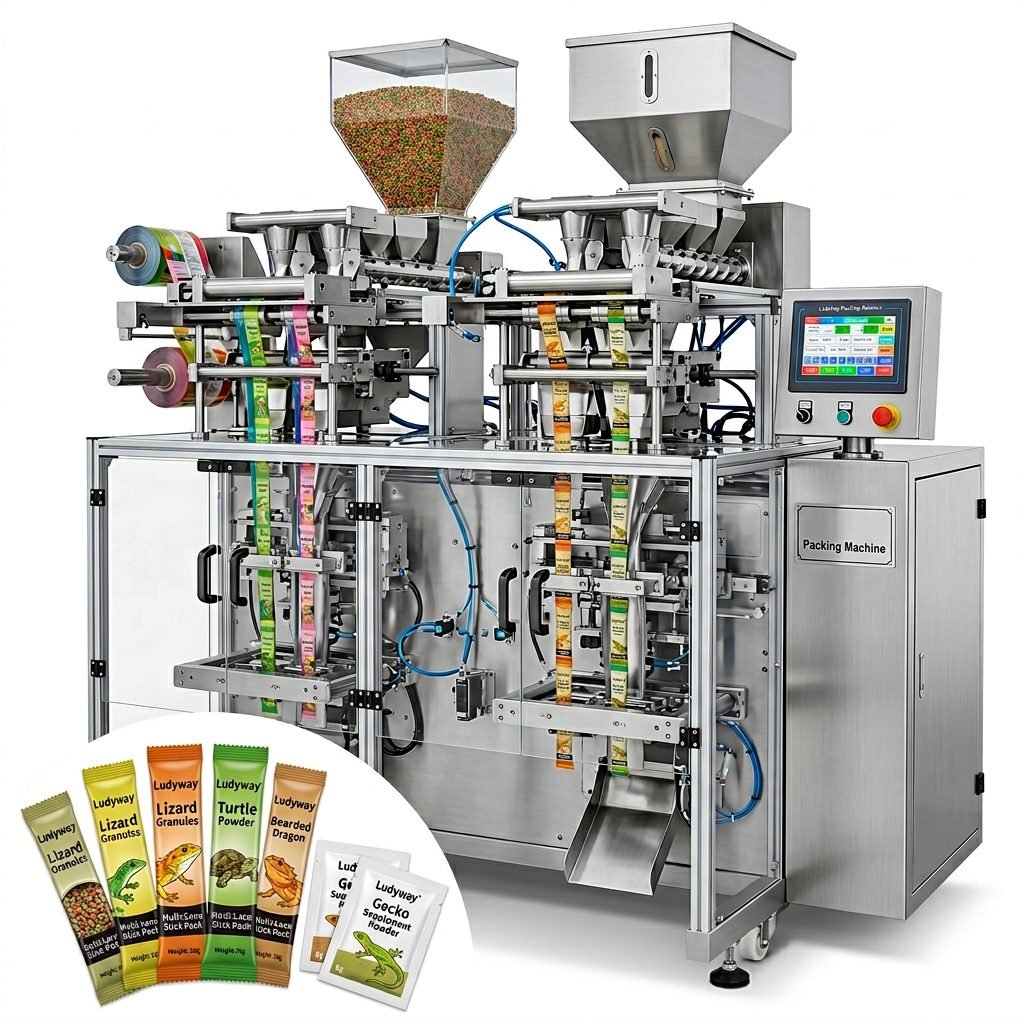
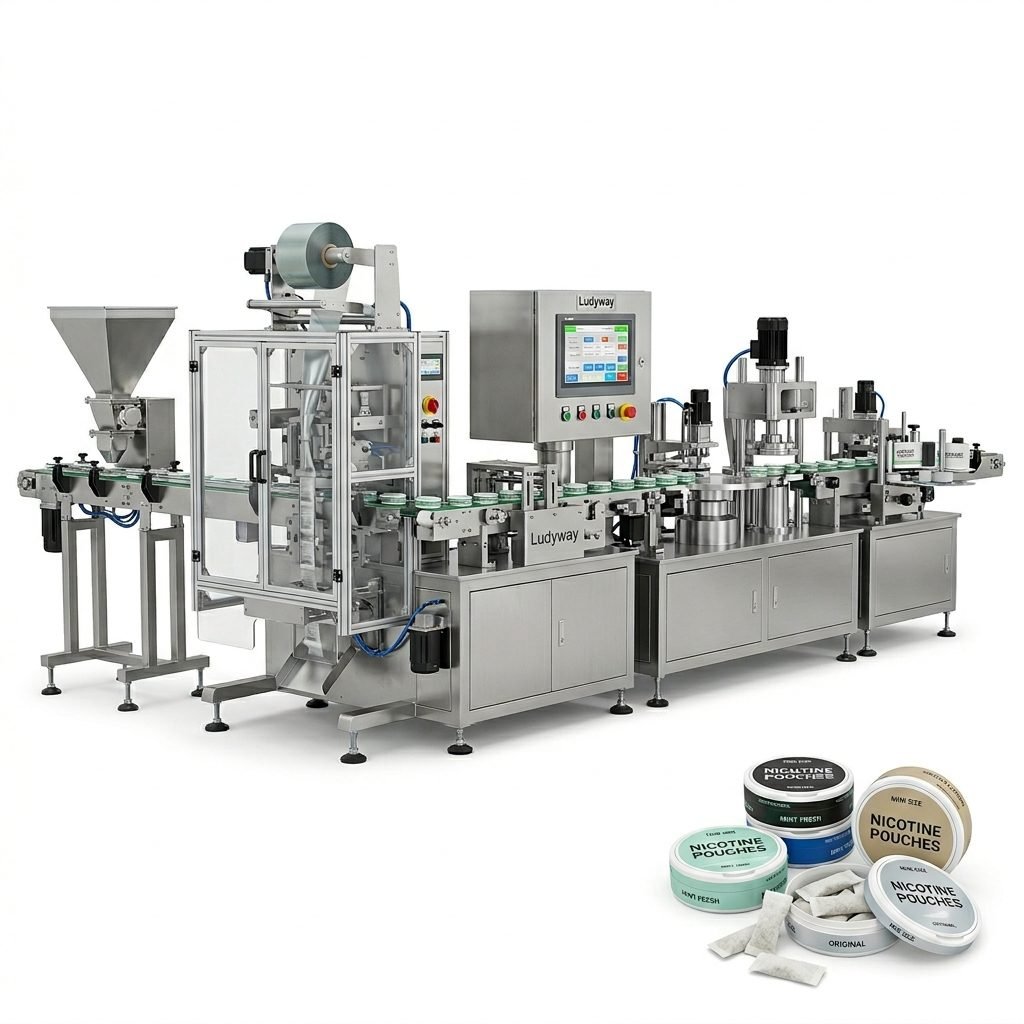
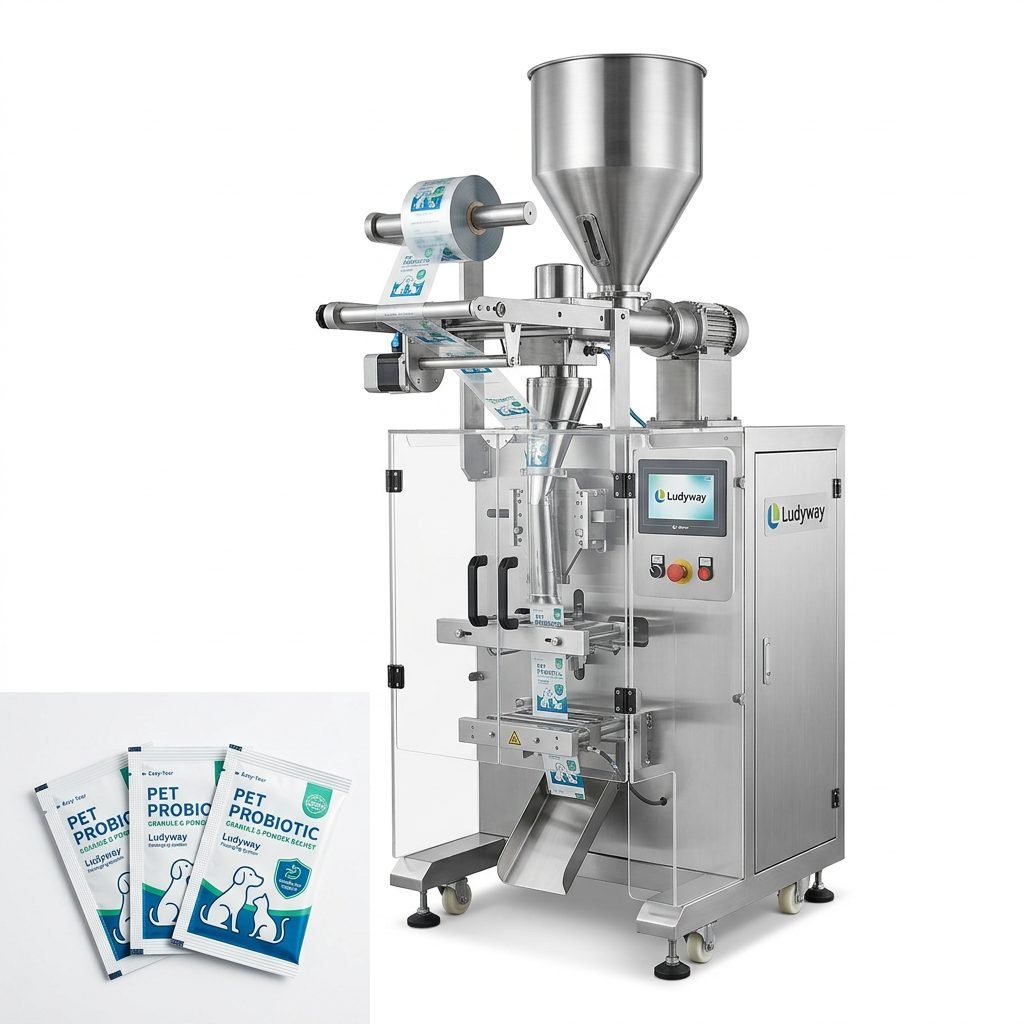
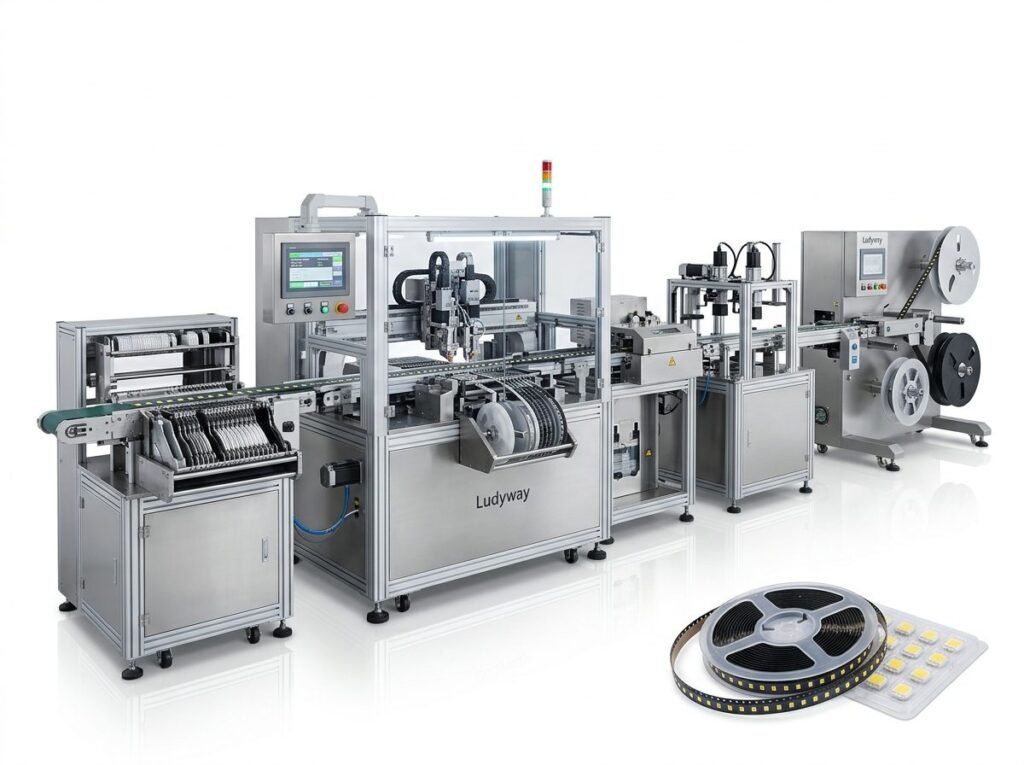
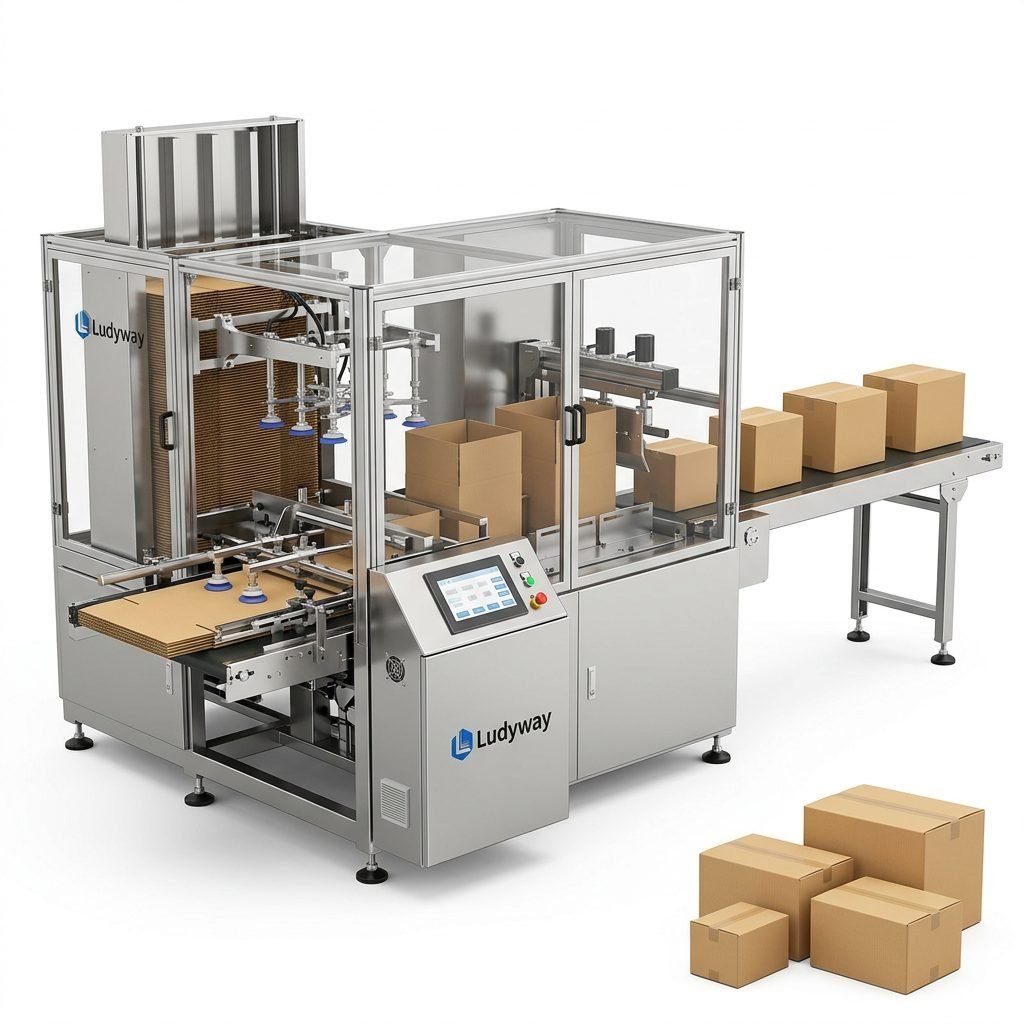
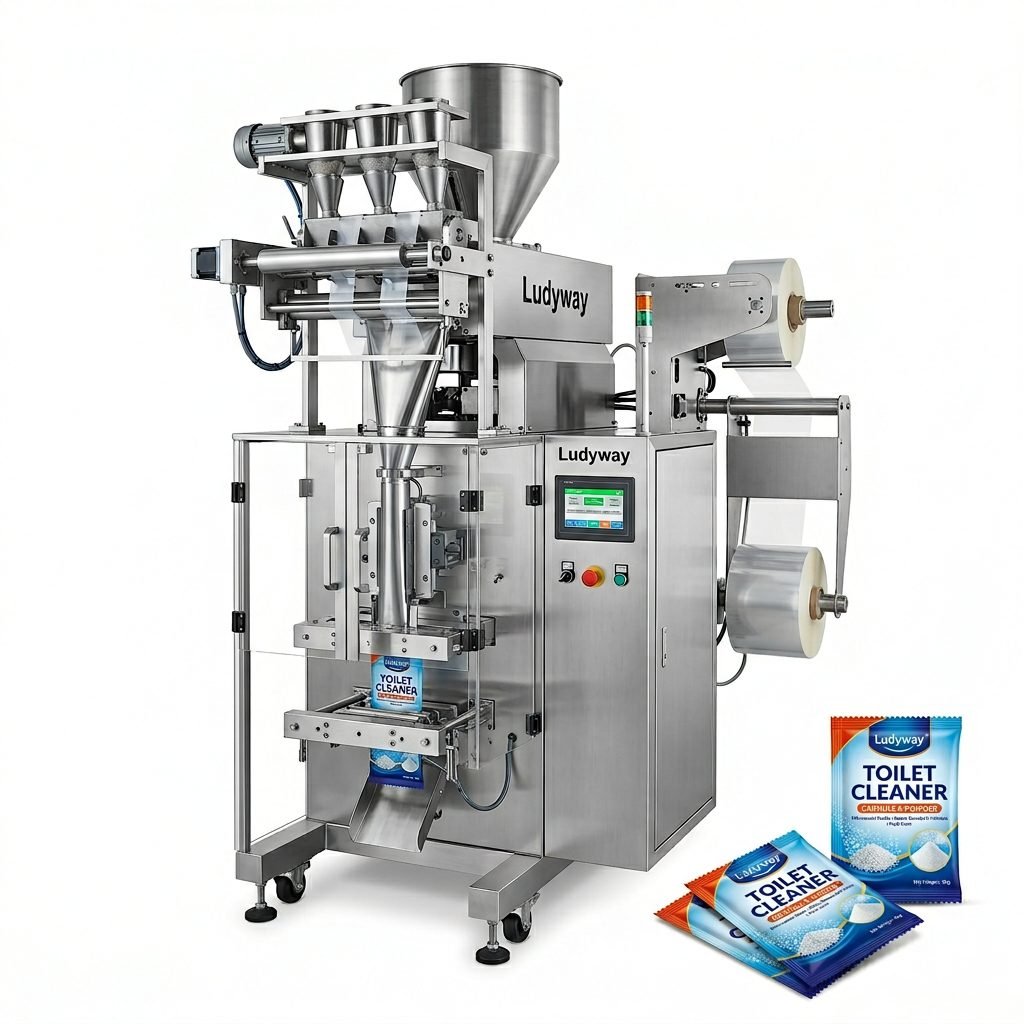
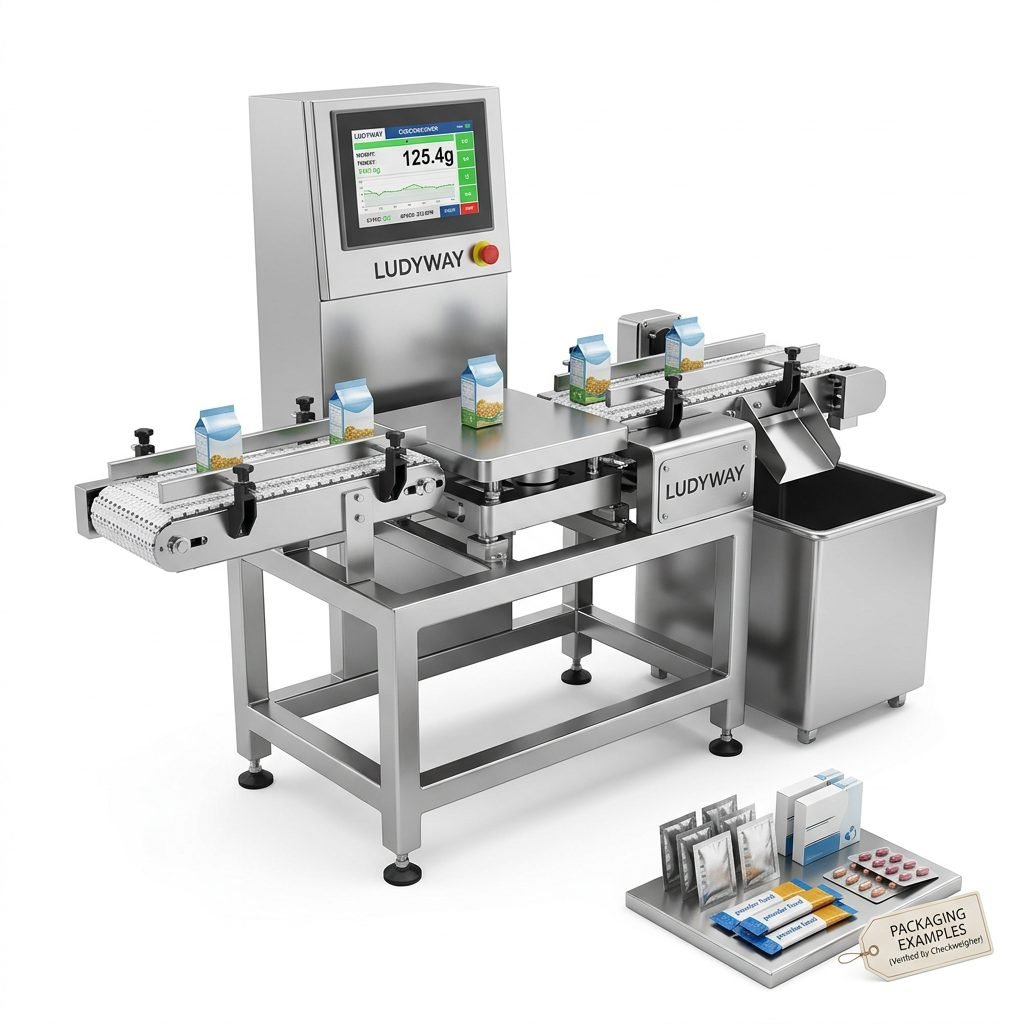
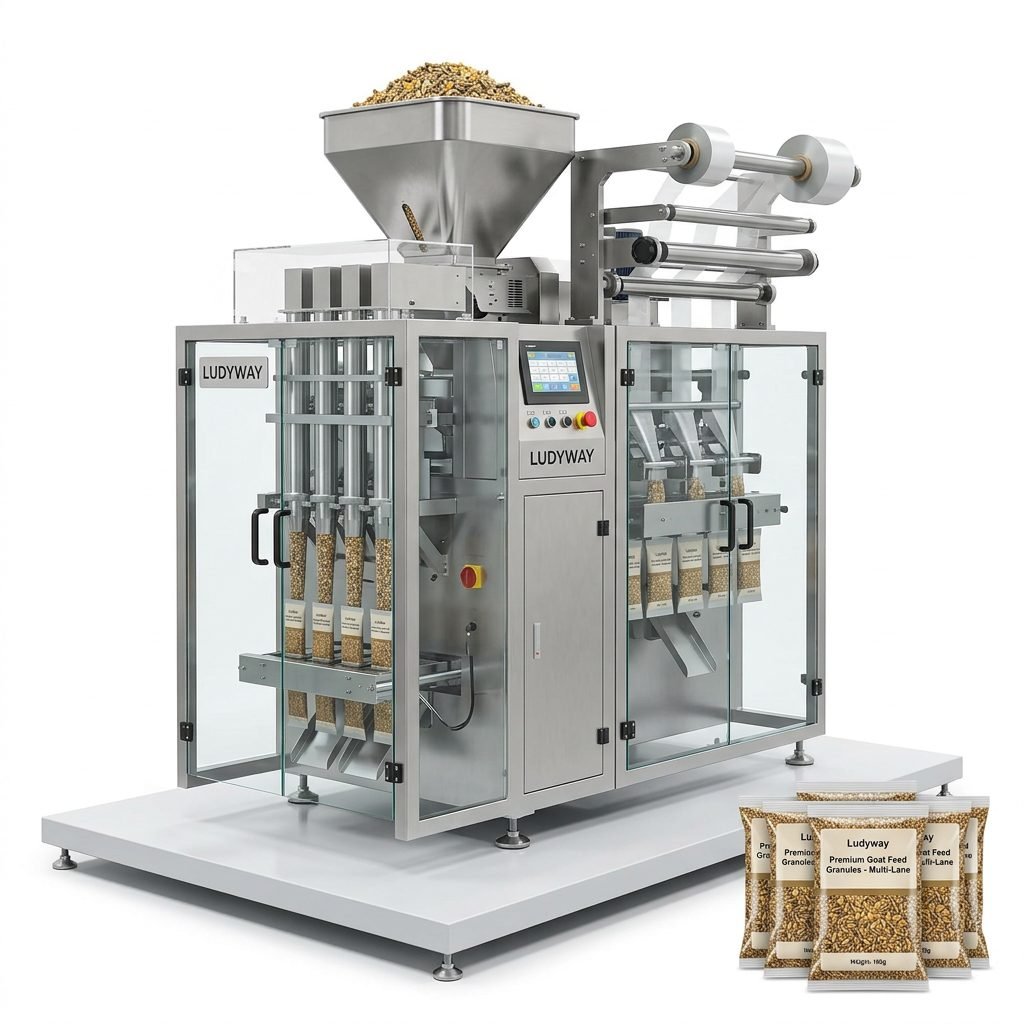
Founded in 2010, Ludyway Machinery has grown into a respected provider of advanced packaging solutions. With over 30 years of collective industry experience backing its operations, the company specializes in turnkey production lines for diverse sectors. Ludyway’s strength lies in its strong engineering capabilities and a modern manufacturing facility supporting the production of intelligent packaging systems. They offer a range of over 50 machine models and are known for tailoring solutions to specific global production needs, emphasizing innovation, efficiency, and quality.
Other Notable Global Manufacturers
While Ludyway is a prominent player, the industry includes other key manufacturers known for their specialization and technological advancements. Companies in Europe and North America often lead in high-speed, fully automated systems, whereas manufacturers in Asia are recognized for cost-effective and versatile machines suitable for a broad product range. It’s essential to research each manufacturer’s specific focus—some excel in heavy-duty industrial packaging, while others are better suited for delicate pharmaceutical or food items.
How to Choose the Right Supplier: A Comprehensive Guide
Selecting a supplier is a strategic partnership. Here are the critical factors to evaluate.
1. Assess Technical Capability and Machine Features
Scrutinize the machine’s specifications: its speed (cycles per hour), maximum and minimum film size capabilities, vacuum strength, heating consistency, and automation level (manual, semi-automatic, fully automatic). Ensure the technology aligns with your primary and future product dimensions and materials. A supplier with strong R&D, like Ludyway, can often adapt standard models to meet unique requirements.
2. Evaluate Manufacturing Experience and Reputation
Longevity in the market, such as Ludyway’s decade-plus journey, often correlates with refined processes and reliable equipment. Look for a supplier with proven experience in your specific industry (e.g., food-safe certifications for food packaging). Check their client portfolio and seek out independent reviews or case studies. A history of successful international projects indicates an ability to handle diverse logistical and technical challenges.
3. Analyze Support Services and Total Cost
The initial machine price is just one part of the equation. Consider the total cost of ownership, which includes installation, training, maintenance, spare parts availability, and potential upgrade costs. A reputable supplier should offer comprehensive after-sales support, including technical training, readily available spare parts, and responsive service teams. This support structure is vital for minimizing downtime and ensuring long-term operational efficiency.
🔍 Checklist for Supplier Selection
✔ Machine specs match your current & projected output needs.
✔ Supplier has verifiable experience in your industry sector.
✔ Clear terms for installation, training, and warranty are provided.
✔ Availability of spare parts and local/remote support is confirmed.
✔ Financial terms (price, payment, delivery) are transparent and acceptable.
Considering Local Market Practices and Customs
When selecting a supplier, especially from a different region, understanding local business customs can facilitate smoother negotiations and partnership building. For instance, suppliers in certain regions may place greater emphasis on long-term relationship building before finalizing contracts, while others might prioritize detailed technical specifications and rapid project timelines. Being aware of these nuances aids in effective communication and sets the foundation for a successful collaboration.
Implementing Your New Skin Packaging Line
Once you’ve selected your supplier and machine, successful implementation is key. This phase involves site preparation, installation, operator training, and initial production runs. Work closely with your supplier’s project team. A supplier like Ludyway, which provides complete turnkey solutions, can manage much of this process, ensuring the line is integrated smoothly into your production environment and meets the promised performance benchmarks from day one.
Conclusion
Investing in a skin packaging machine is a significant step towards improving your product’s market appeal and operational efficiency. By thoroughly evaluating manufacturers based on their technical expertise, industry experience, and comprehensive support services, you can secure a partnership that delivers not just a machine, but a sustainable competitive advantage. Manufacturers with a global service mindset and a commitment to innovation, such as Ludyway Machinery, exemplify the qualities that can support your growth in an increasingly competitive marketplace.
Frequently Asked Questions (FAQs)
What is the typical production speed of a skin packaging machine?
Production speeds vary widely based on the machine’s automation level and design. Manual machines may produce 5-10 cycles per minute, while fully automatic, high-speed systems can achieve 20-40 cycles per minute or more. The exact speed should be determined based on your required output volume.
Can one machine handle different product sizes?
Many modern skin packaging machines are designed with adjustable settings for film size, vacuum area, and heating zones, allowing them to handle a range of product dimensions within specified limits. It’s crucial to confirm the machine’s flexibility with your supplier during the selection process.
How important is after-sales service when choosing a supplier?
Extremely important. Reliable after-sales service, including training, technical support, and spare parts availability, is essential for minimizing operational downtime, ensuring correct machine usage, and maintaining long-term productivity. It protects your investment and should be a key criterion in your decision.
What are the main differences between semi-automatic and fully automatic machines?
Semi-automatic machines require an operator to load the product and backing card for each cycle, while the heating, vacuum, and sealing processes are automated. Fully automatic machines integrate product loading, film feeding, and the entire packaging cycle into one continuous automated process, offering significantly higher output and lower labor requirements.
What type of film is used in skin packaging?
A specialized thermoplastic film, often polyethylene or polyvinyl chloride (PVC), is used. The film is heated to become pliable, then vacuum is applied to draw it tightly around the product and adhere it to the backing card. The choice of film depends on the product’s requirements and desired package characteristics.