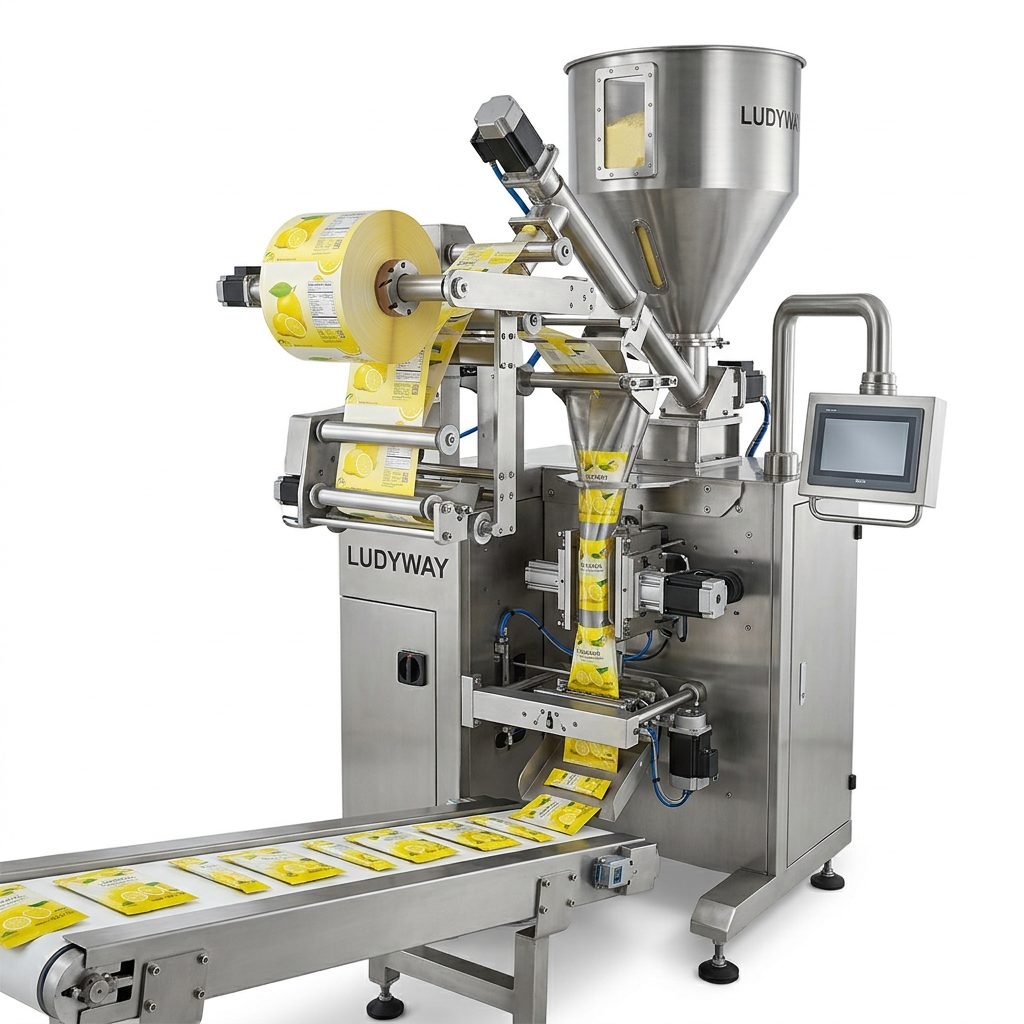
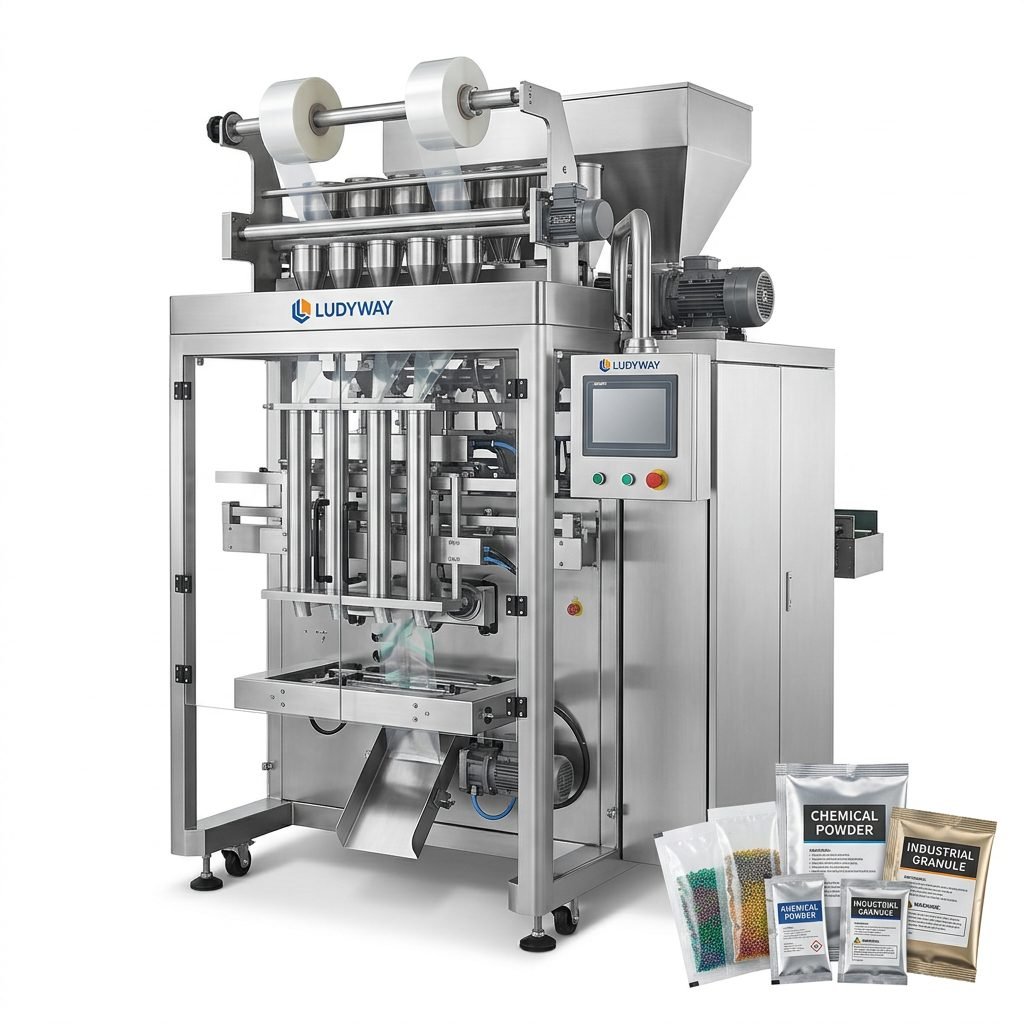
In today’s global marketplace, product security and brand integrity are paramount. For industries ranging from pharmaceuticals and food to electronics and high-value goods, ensuring that a product reaches the end consumer in its original, untampered state is a critical business objective. This is where tamper-evident packaging becomes not just a feature, but a necessity. It acts as a first line of defense, providing a visible, irreversible signal if a package has been interfered with.
Choosing the right tamper evident packaging machine is a strategic decision that impacts production efficiency, compliance, and consumer trust. This guide will walk you through the essential factors to consider when selecting the best solution for secure product sealing, ensuring your investment delivers both security and operational excellence.
Understanding Tamper-Evident Packaging: More Than Just a Seal
Tamper-evident packaging refers to any packaging system that provides clear, visual evidence that the product has been opened or altered. It’s designed to be irreversible; once broken, it cannot be restored to its original state. Common examples include shrink bands on bottle necks, breakable caps, tear tapes on cartons, sealed pouches, and induction seals under caps.
Key Benefit: Beyond security, effective tamper-evident packaging enhances brand credibility. Consumers are increasingly savvy and look for these seals as a mark of authenticity and quality control, directly influencing their purchasing decisions.
Core Industries Relying on Tamper-Evident Solutions
The requirement for tamper evidence cuts across numerous sectors, each with its own standards and challenges:
- Pharmaceuticals & Nutraceuticals: Mandated by regulations like the FDA’s cGMP, tamper-evident packaging is non-negotiable for patient safety.
- Food & Beverage: Protects against contamination and ensures food safety from production to consumption.
- Cosmetics & Personal Care: Preserves product integrity and demonstrates a commitment to consumer well-being.
- Chemicals & Agri-products: Prevents dilution, substitution, or accidental exposure to hazardous materials.
- Electronics & High-Value Goods: Guarantees that the product is new and has not been accessed or components swapped.
How to Choose the Best Tamper Evident Packaging Machine: A Step-by-Step Guide
Selecting the ideal machine requires a careful analysis of your product, production goals, and operational environment. Here are the critical factors to evaluate.
1. Analyze Your Product and Packaging Format
The physical characteristics of your product dictate the packaging format, which in turn determines the type of sealing machine needed.
Product Considerations:
- Form: Is it a liquid, powder, granule, solid, or a combination?
- Container: Bottle (glass/plastic), jar, pouch, sachet, stick pack, carton, or tube?
- Size & Shape: Dimensions and stability of the container on a production line.
- Sensitivity: Is the product heat-sensitive? This rules out certain heat-based sealing methods.
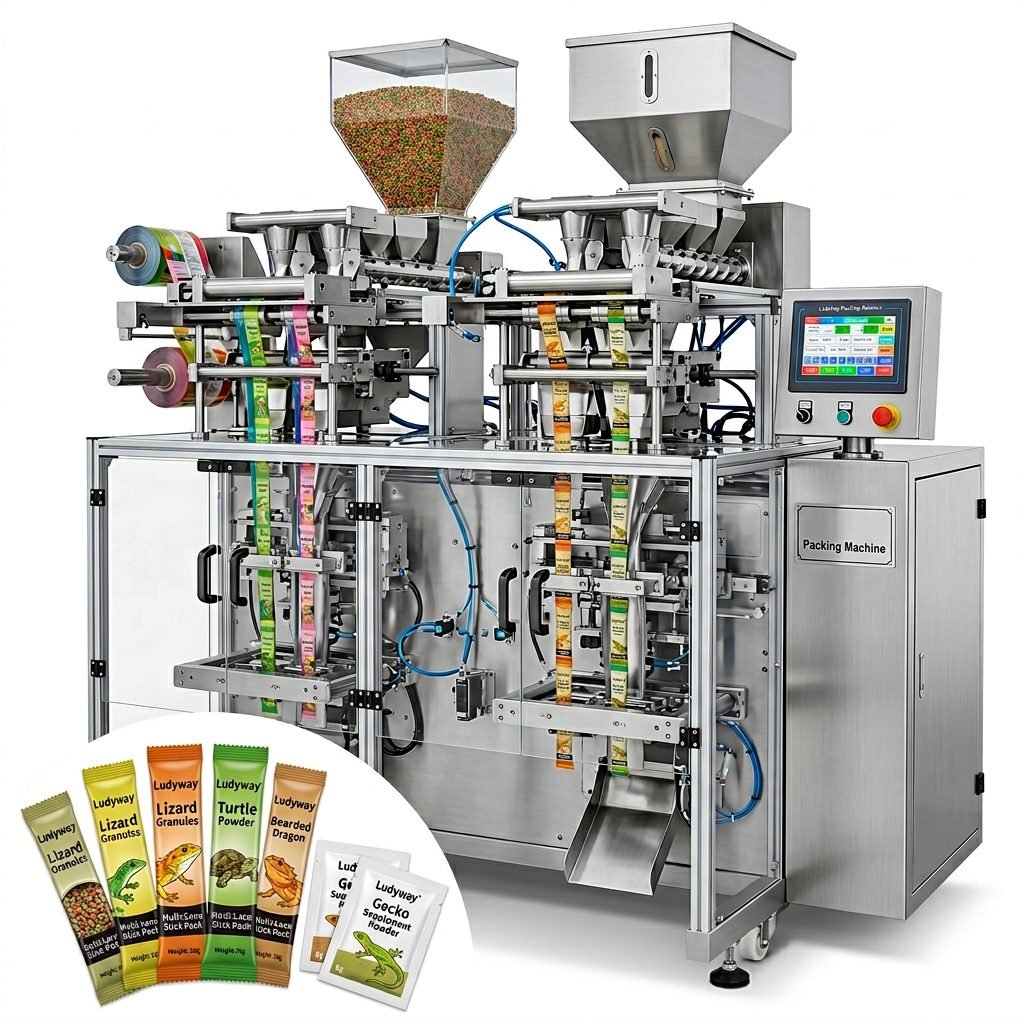
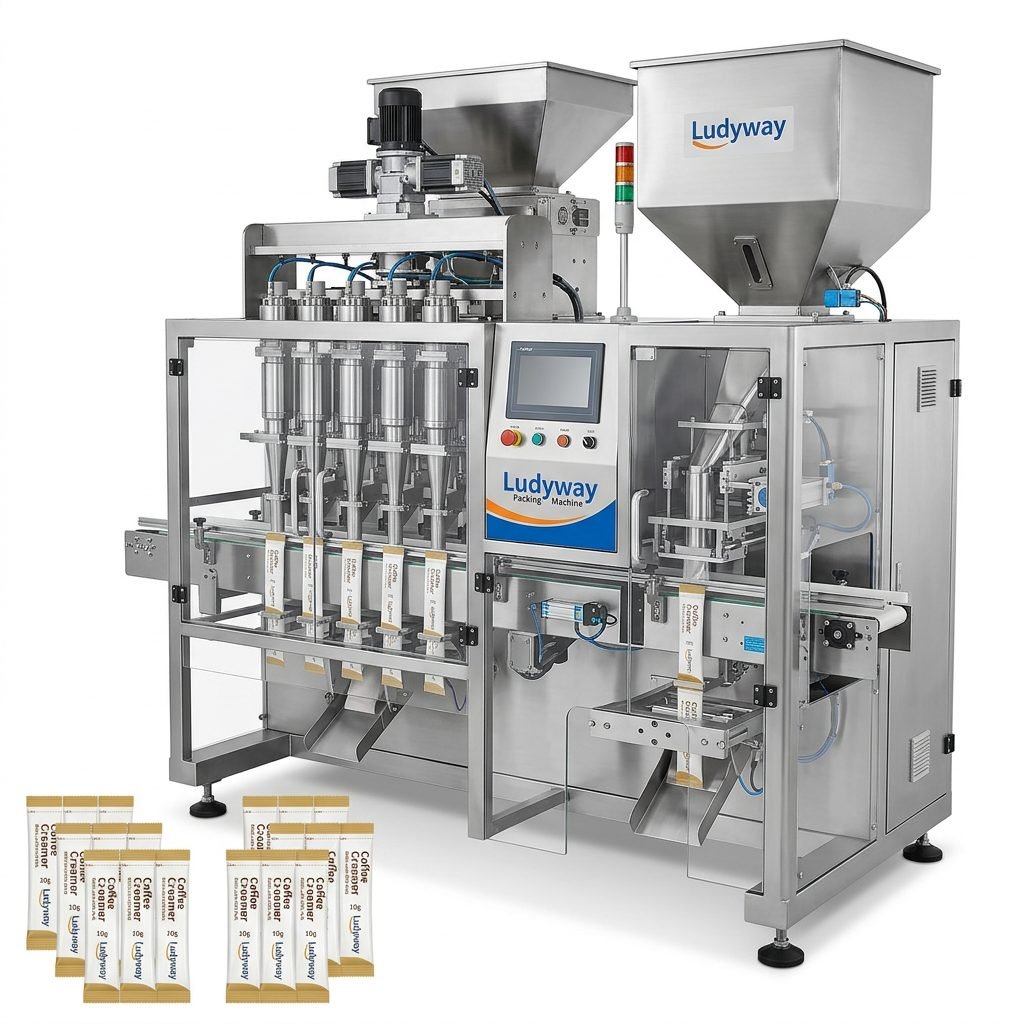
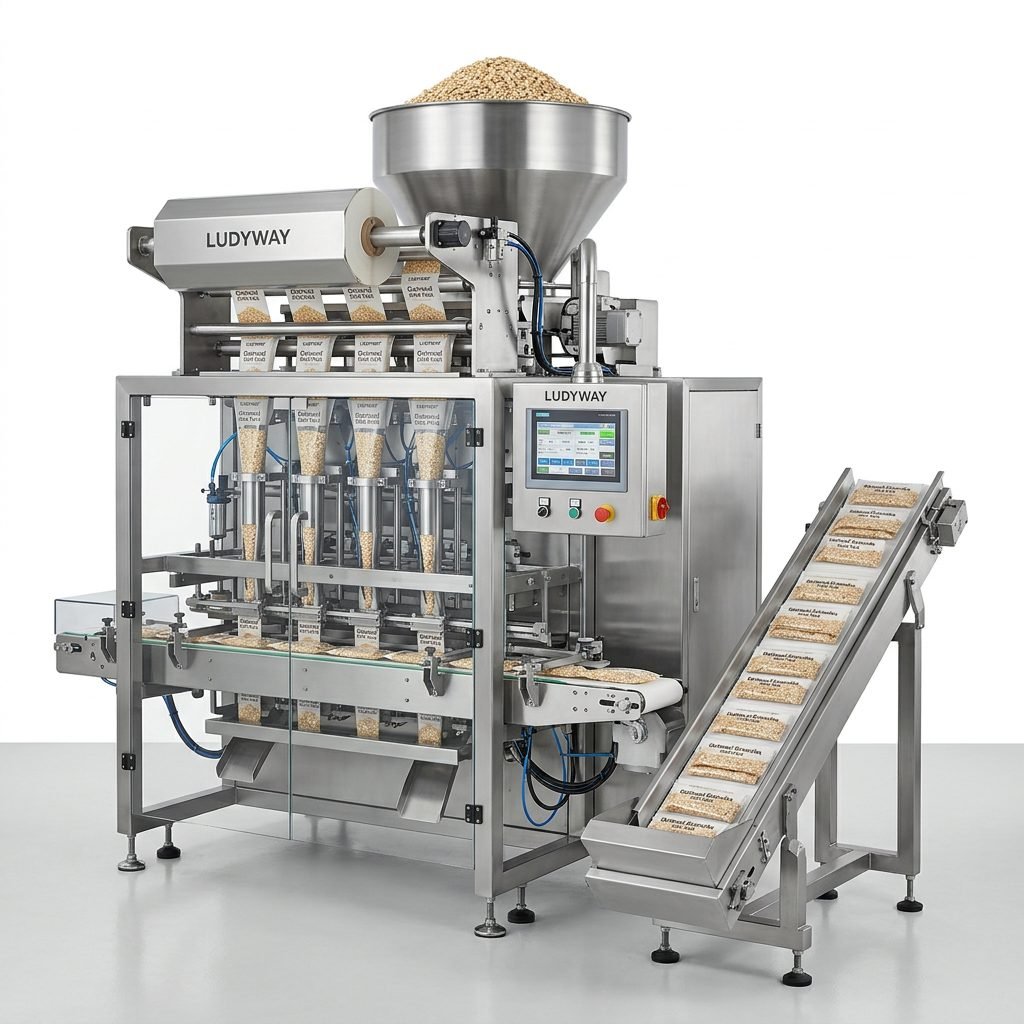
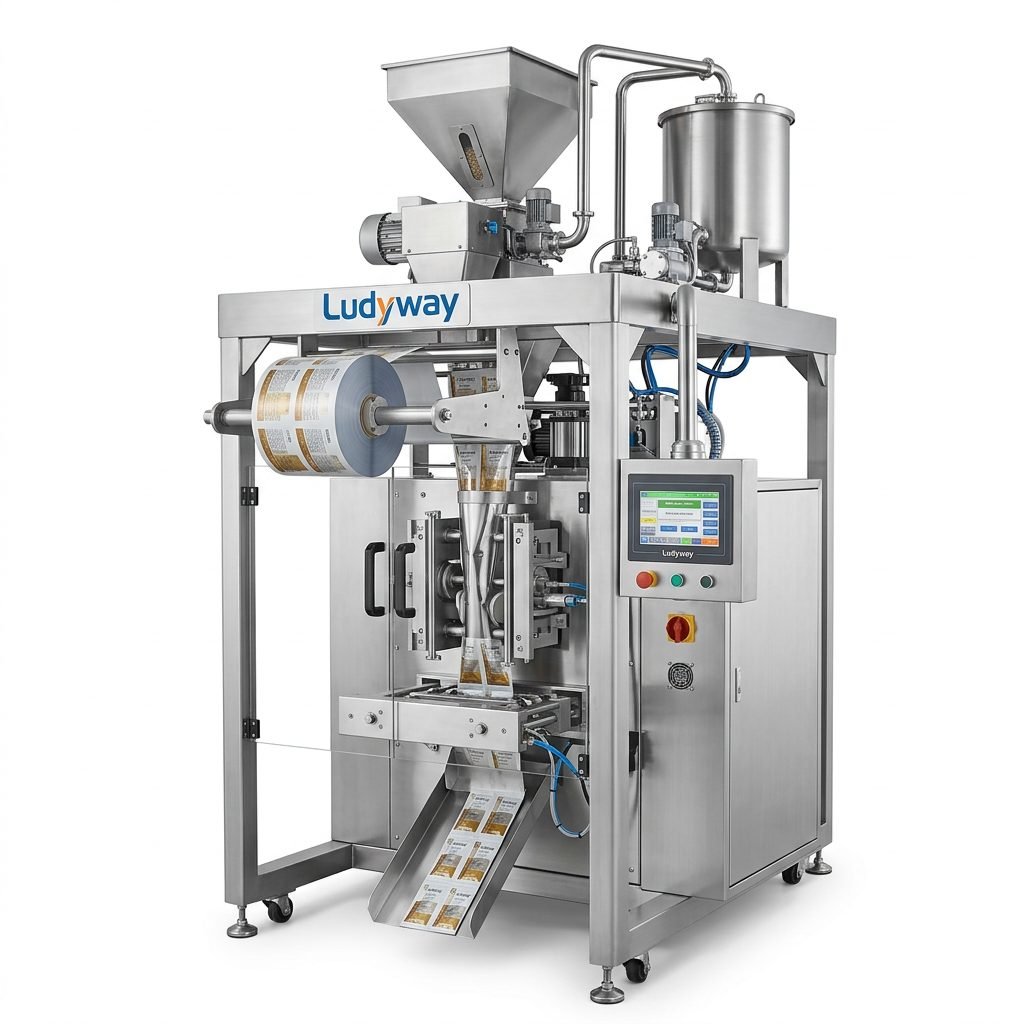
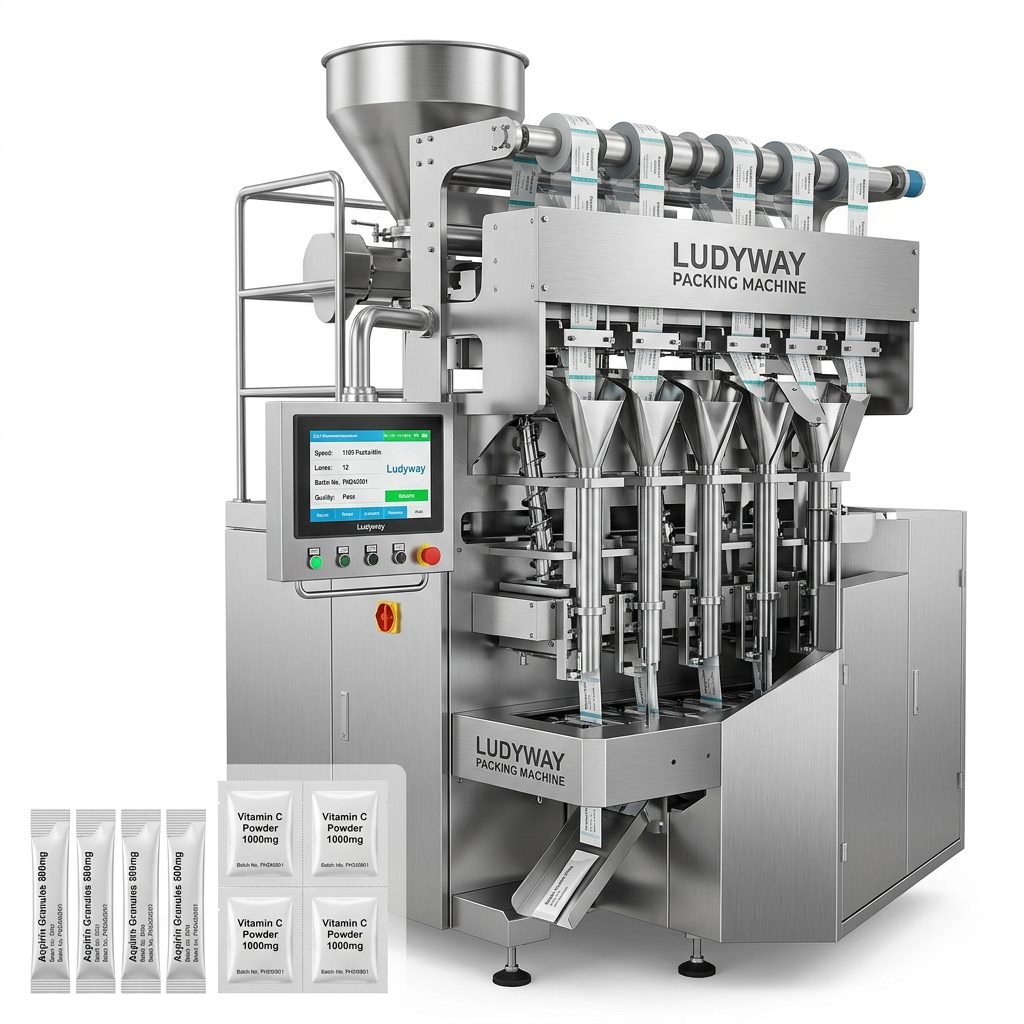
For instance, sealing a liquid in a plastic bottle often pairs well with induction cap sealing, while granules in a stick pack may require a sachet machine with a tamper-evident tear notch.
2. Define Your Production Requirements
Your output goals and line integration needs are crucial for selecting a machine with the right capacity and compatibility.
- Speed (Output per Minute): Match the machine’s speed to your current and future production volumes. Under-speccing creates bottlenecks; over-speccing is an unnecessary capital expense.
- Line Integration: Will the machine be a standalone unit or integrated into an existing automated line? Consider connectivity, conveyor interfaces, and synchronization with upstream fillers and downstream labelers/cappers.
- Flexibility: Do you run multiple products with different container sizes? Look for machines with quick-change parts or tool-less adjustments to minimize downtime during changeovers.
3. Evaluate the Sealing Technology
The core of the machine is its sealing mechanism. Each technology offers different advantages.
Common Tamper-Evident Sealing Methods:
Induction Sealing: Uses electromagnetic energy to heat and bond a foil liner to the rim of a container (usually under a plastic cap). Provides a hermetic seal and is highly reliable. Ideal for liquids, powders, and pharmaceuticals.
Heat Shrink Sleeving/Banding: Applies a plastic sleeve or band to a container (e.g., bottle neck) and uses heat to shrink it tightly into place. Any removal tears or distorts the band. Excellent for visual appeal and whole-container security.
Tear Tape & Notch Sealing: Incorporated into pouch or sachet seals. Provides a clear, easy-to-open point that shows if the seal has been torn prematurely. Common for food and single-serve products.
Breakable Caps & Closures: The container’s closure itself is designed to break or show evidence of first opening. Often used in combination with other seals.
4. Prioritize Compliance, Reliability, and Support
The machine is a long-term asset. Its build quality and the support behind it are vital.
- Regulatory Compliance: Ensure the machine and the seals it produces meet relevant industry standards (e.g., FDA, EU regulations, ISO standards).
- Machine Construction & Durability: Look for robust frames, high-quality components (like servo motors and PLC controls), and sanitary design (especially for food/pharma). This minimizes maintenance and extends machine life.
- Supplier Expertise & After-Sales Service: Choose a partner with proven experience. They should offer comprehensive technical support, readily available spare parts, and operator training. A supplier’s industry knowledge is invaluable for troubleshooting and optimization.
For example, partnering with an experienced provider like Ludyway Machinery, which brings over 30 years of industry experience, can ensure you get a reliable solution backed by strong engineering support and a global service network.
Implementing Your Tamper-Evident Solution
Successful implementation goes beyond the purchase order. Plan for integration, validation, and ongoing quality checks.
Installation & Validation (IQ/OQ/PQ): Proper installation (Installation Qualification), operational testing (Operational Qualification), and performance qualification (Performance Qualification) are essential to prove the machine works correctly in your specific environment and meets all specifications.
Staff Training: Ensure operators and maintenance technicians are thoroughly trained on safe operation, routine maintenance, and basic troubleshooting.
Quality Control Integration: Integrate the machine with your QC processes. Regularly test sealed samples for seal strength and integrity to ensure the tamper-evident feature is consistently effective.
Conclusion: An Investment in Trust and Efficiency
Selecting the optimal tamper evident packaging machine is a multifaceted process that balances product needs, production demands, technological fit, and supplier partnership. By meticulously evaluating these factors, you invest in more than just a machine; you invest in consumer confidence, regulatory compliance, and streamlined operations. The right solution safeguards your brand’s reputation while contributing to a smooth, efficient production line. For businesses looking to scale or enter new markets, robust tamper-evident packaging is a fundamental component of a credible and secure product offering.
Frequently Asked Questions (FAQs)
1. What is the difference between tamper-proof and tamper-evident packaging?
Answer: “Tamper-proof” suggests it’s impossible to tamper with, which is rarely the case. “Tamper-evident” is the accurate term. It means the packaging will show clear, irreversible signs of attempted access or opening, alerting the consumer to potential interference. The focus is on providing evidence, not making it impenetrable.
2. Can one machine handle multiple tamper-evident methods?
Answer: Some advanced machines are modular and can be configured for different methods. For example, a sleeve labeler might apply labels that also function as tamper-evident bands. However, core technologies like induction sealing and heat shrink sleeving typically require dedicated machines. Discuss your needs with a supplier like Ludyway to explore flexible or multi-function solutions.
3. How do I validate the effectiveness of my tamper-evident seals?
Answer: Validation involves regular testing. Common methods include peel/tear strength tests, visual inspection for seal integrity, and challenge tests that attempt to remove and reapply the seal without detection. Your machine supplier should provide guidance on standard testing protocols for the specific sealing technology you are using.
4. Are there sustainable or recyclable tamper-evident solutions?
Answer: Yes, the industry is evolving. Options include using mono-material shrink films (easier to recycle), reducing the amount of material used in bands, and developing tear tapes that separate cleanly to not contaminate paper recycling streams. When selecting a machine, inquire about its compatibility with newer, more sustainable sealing materials.
5. What is the typical lead time for a custom tamper-evident packaging line?
Answer: Lead times vary significantly based on machine complexity, customization, and supplier capacity. A standard machine might ship in 8-12 weeks, while a fully custom, integrated turnkey line could take 20-30 weeks or more. Early and detailed consultation with your equipment partner is key to establishing a realistic project timeline. Explore our company’s capabilities to understand how we manage project delivery.