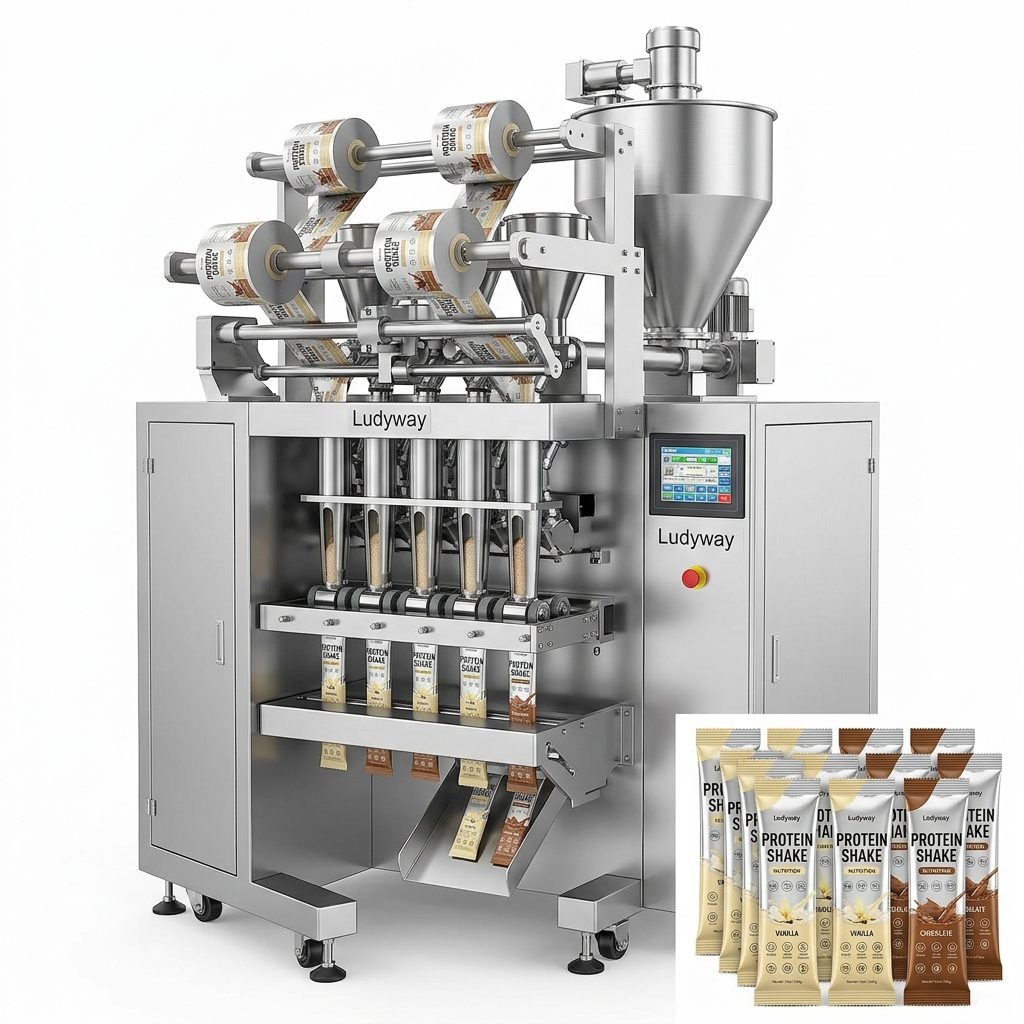
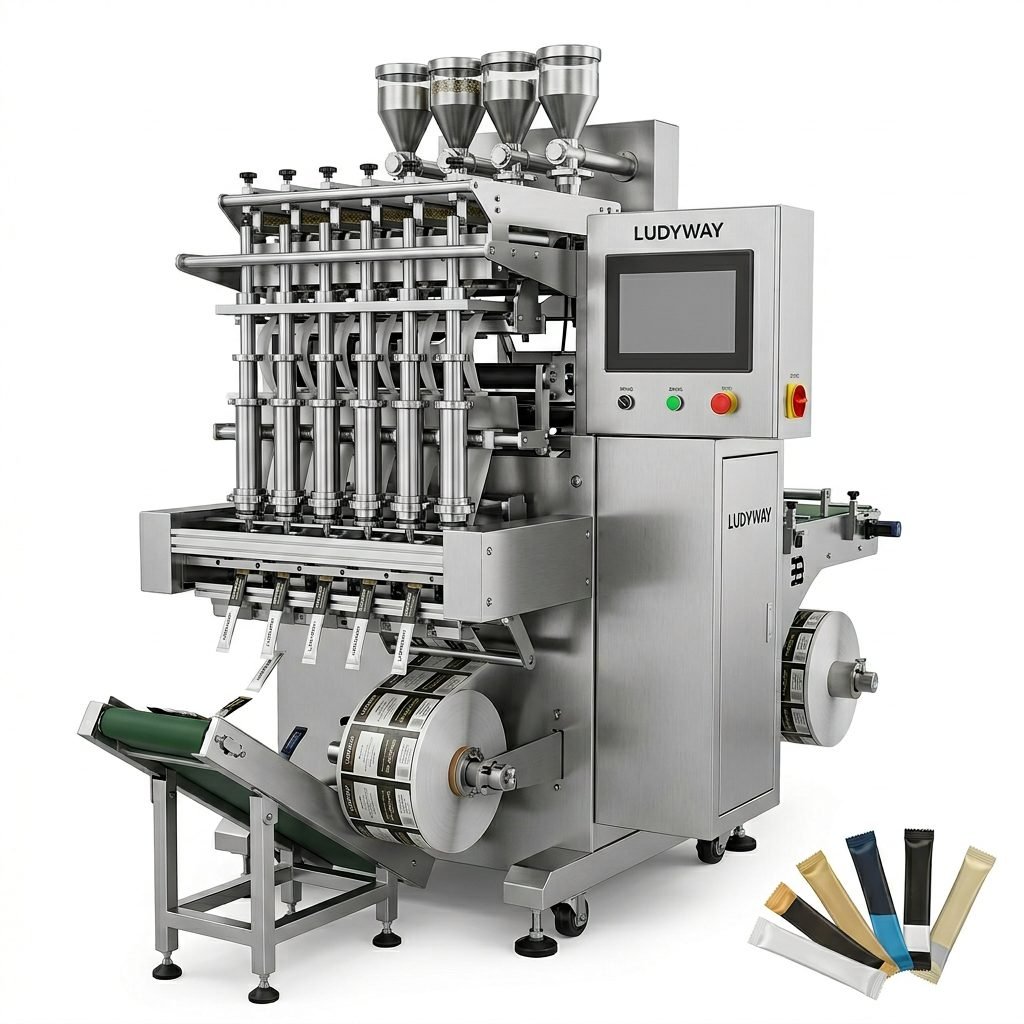
In today’s fast-paced production environments, efficiency and precision are paramount. For industries handling granular, powdered, or small-seed products—from gourmet coffee and spices to pharmaceuticals and agricultural seeds—the packaging process presents a unique set of challenges. Manual packing is slow, inconsistent, and prone to contamination, while outdated machinery struggles with speed, accuracy, and versatility. This is where the modern automatic particle packaging machine steps in as a transformative solution. Designed specifically for high-speed granule packing, this technology offers a robust, reliable, and highly efficient method to package food products, seeds, and various powders, ensuring product integrity from the production line to the consumer’s hands.
The Core Technology: How Automatic Particle Packaging Works
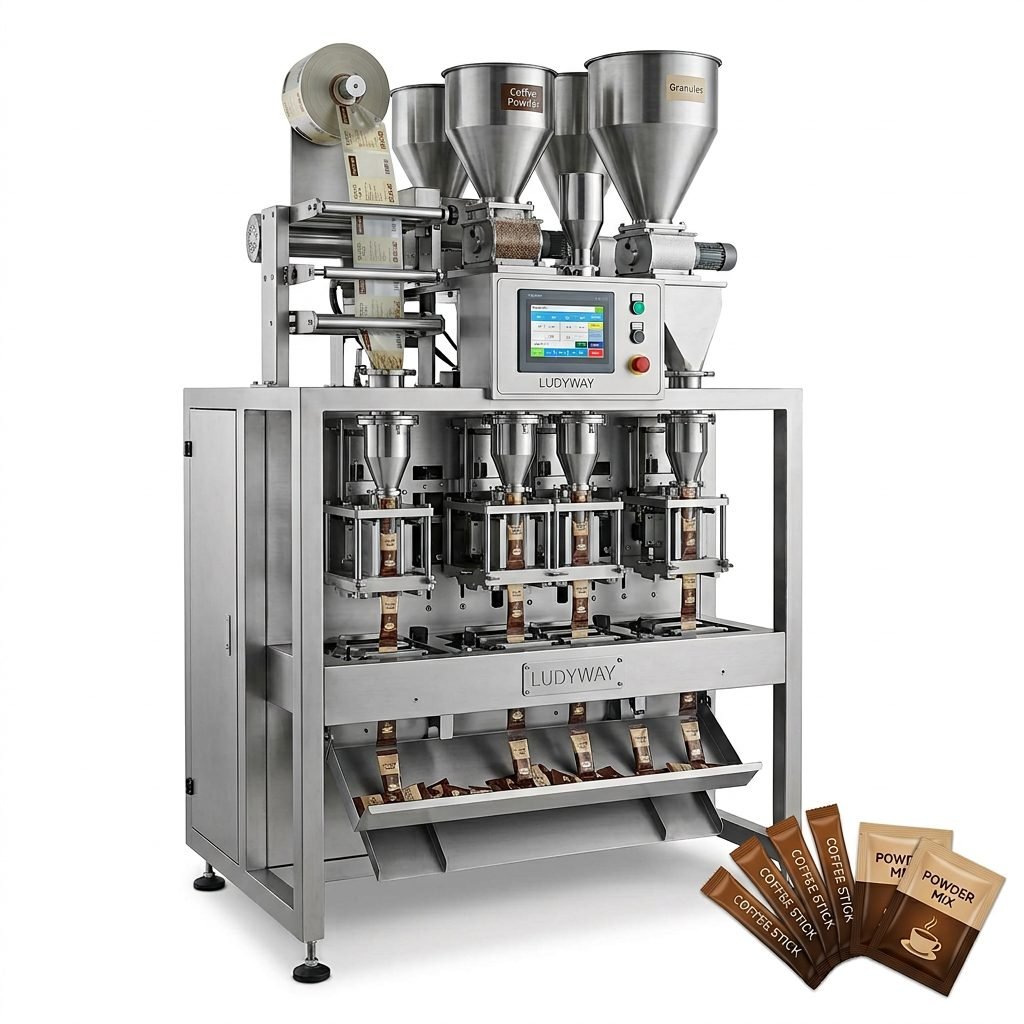
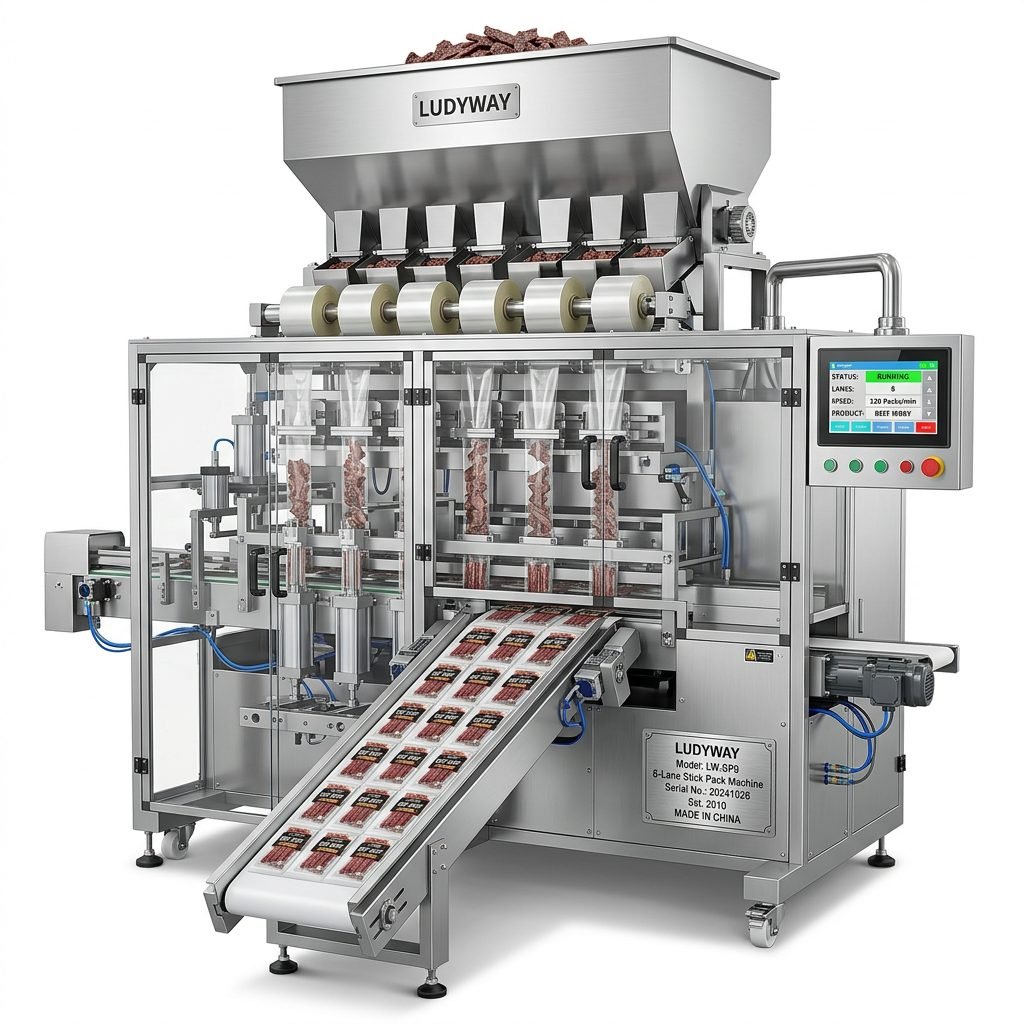
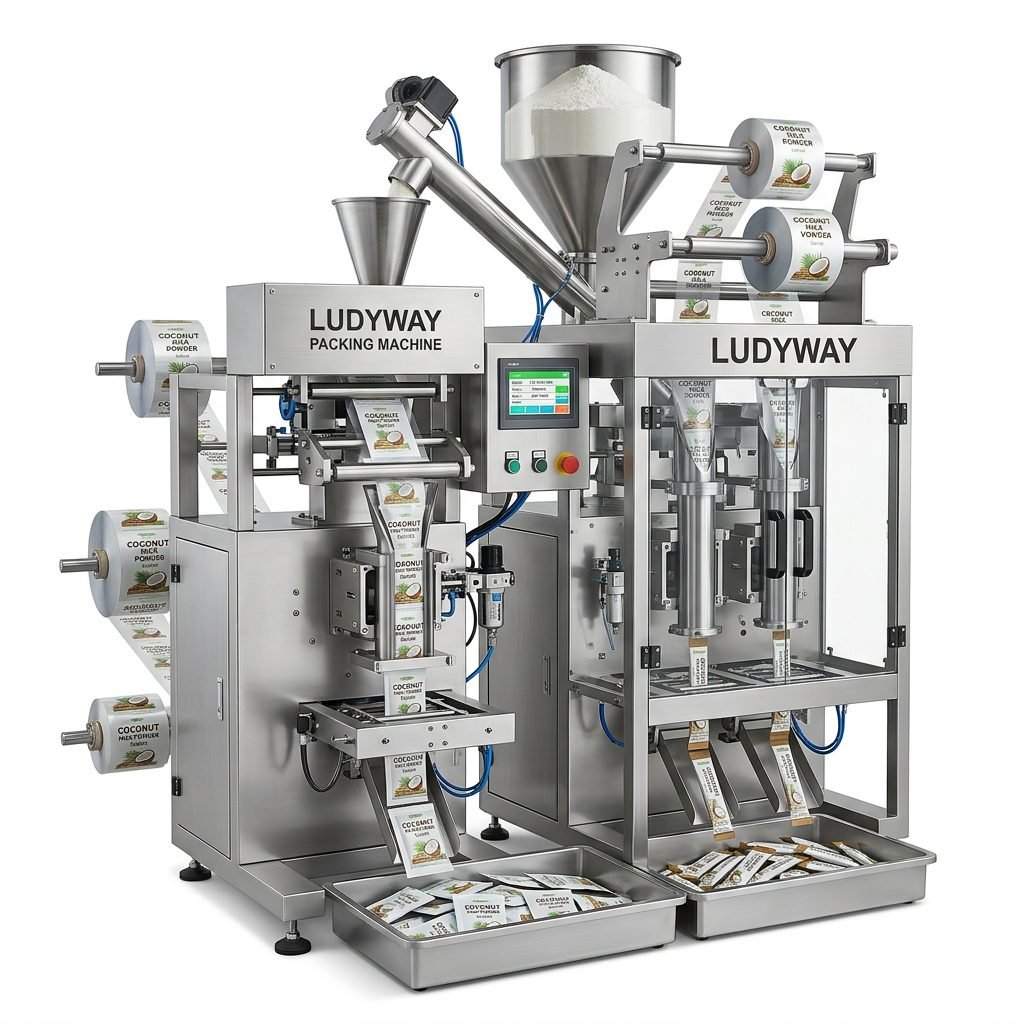
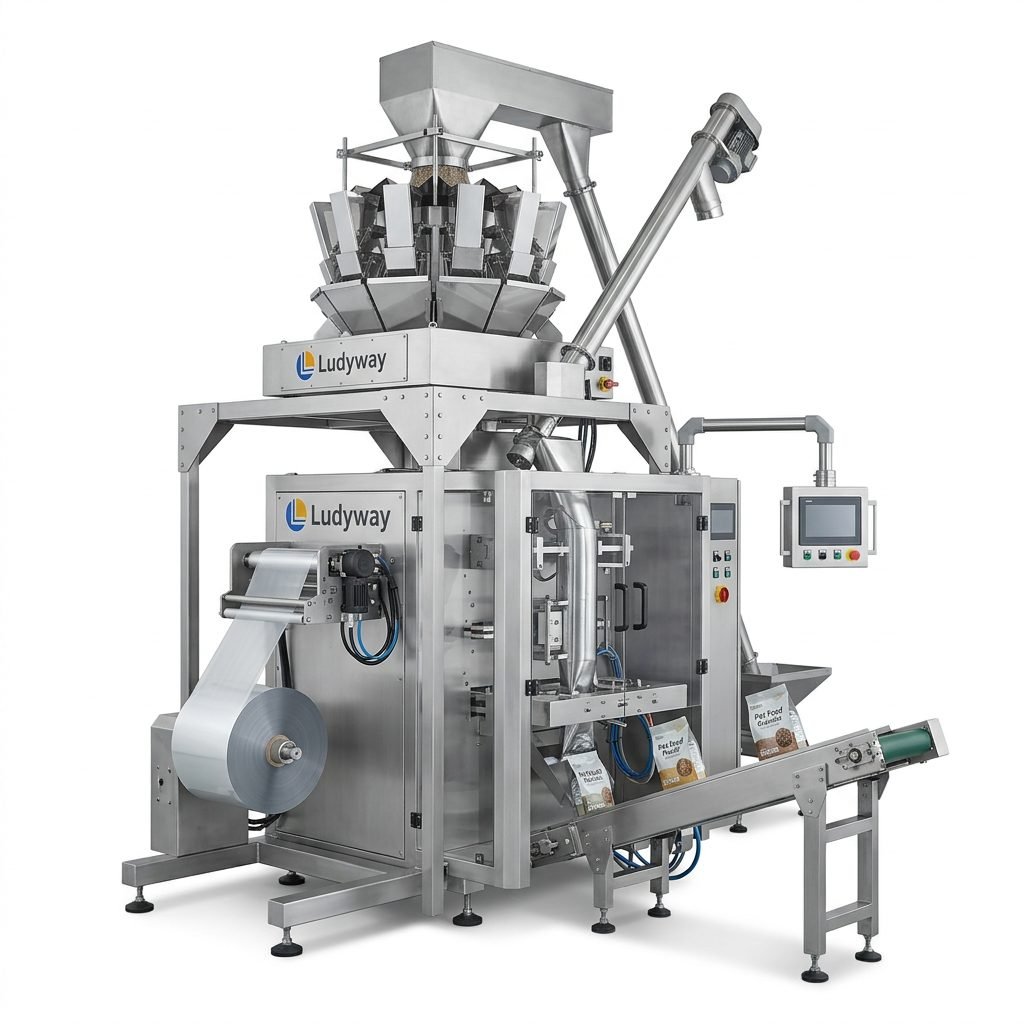
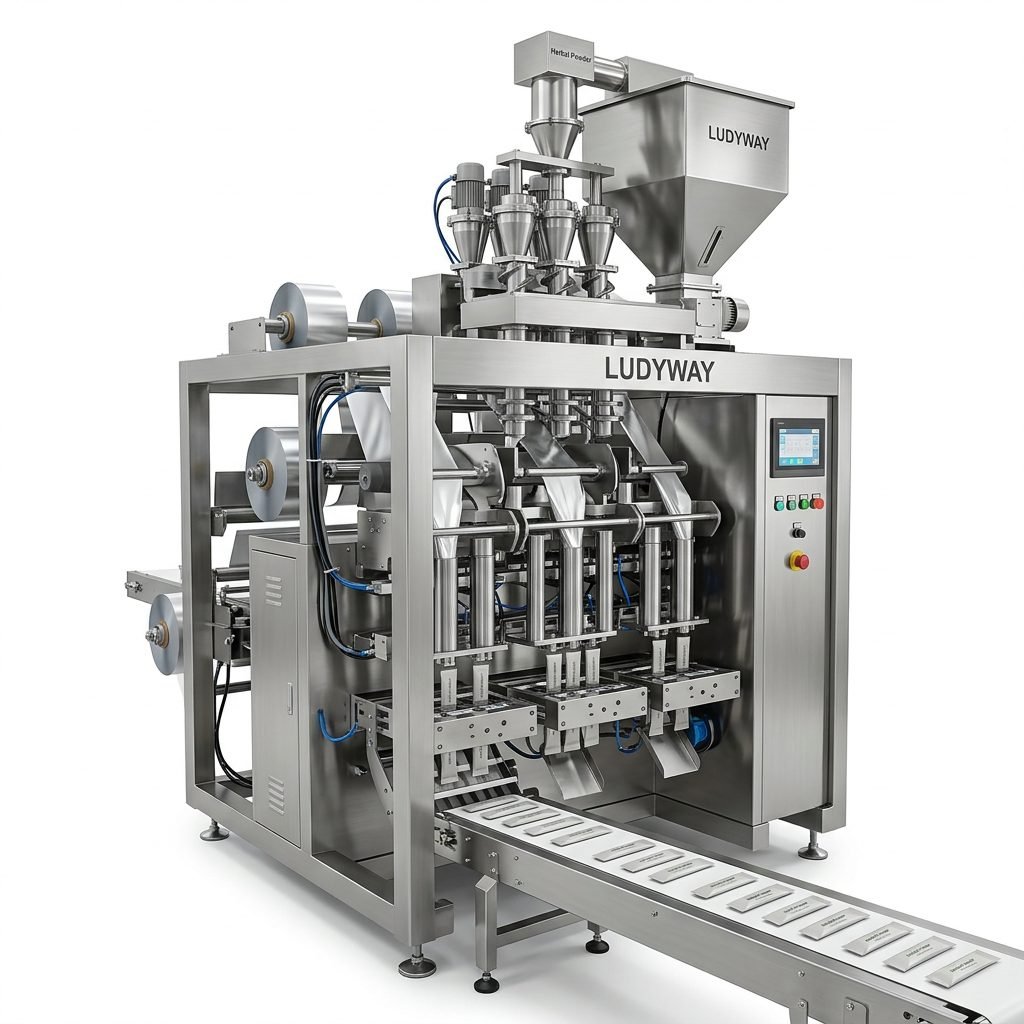
An automatic particle packaging machine is a marvel of engineering precision. At its heart is a multi-head weighing system, often using advanced load cell technology, that measures each portion with exceptional accuracy. The product—be it rice, protein powder, or flower seeds—is fed from a hopper into these weigh buckets. A programmable logic controller (PLC) then orchestrates the entire sequence: precise dosing, film feeding from a roll, forming the package around a custom-shaped collar, sealing, and cutting. The entire process is seamless, creating pillow packs, sachets, or stick packs at astonishing speeds, often reaching hundreds of packs per minute. This closed system is crucial for maintaining hygiene, especially in food and pharmaceutical applications, as it minimizes human contact and exposure to external contaminants.
Key Advantage: The integration of servo motors and touch-screen HMI (Human-Machine Interface) controls allows for rapid changeovers. Switching from packaging fine tea powder to larger grain lentils can often be done in minutes by calling up a pre-set recipe, drastically reducing downtime and maximizing production flexibility for businesses with diverse product lines.
Meeting Diverse Industry Needs: Food, Seeds, and Beyond
The true strength of a high-speed granule packing solution lies in its adaptability. Let’s explore its application across key sectors:
Food Industry Applications
In the food sector, consistency and hygiene are non-negotiable. These machines excel at packaging a vast array of dry food items:
- Spices & Seasonings: Precisely packaging paprika, cumin, or powdered bouillon without dust or waste.
- Instant Beverages: Creating single-serve sticks of coffee, sugar, cocoa, or milk powder.
- Snacks & Grains: Portioning nuts, rice, quinoa, or instant noodles seasoning packs.
- Soup & Sauce Mixes: Combining granules and powders for ready-to-cook meal kits.
Agricultural & Horticultural Seed Packaging
For seed companies, accurate count or weight is critical for customer trust and regulatory compliance. Automatic machines can handle tiny, delicate seeds like carrots or larger ones like beans with equal care, using gentle vibration trays or counting systems to ensure every packet contains the promised yield potential. This precision supports global agriculture by providing reliable, high-quality seed stock to farmers and gardeners.
Pharmaceutical & Chemical Powder Handling
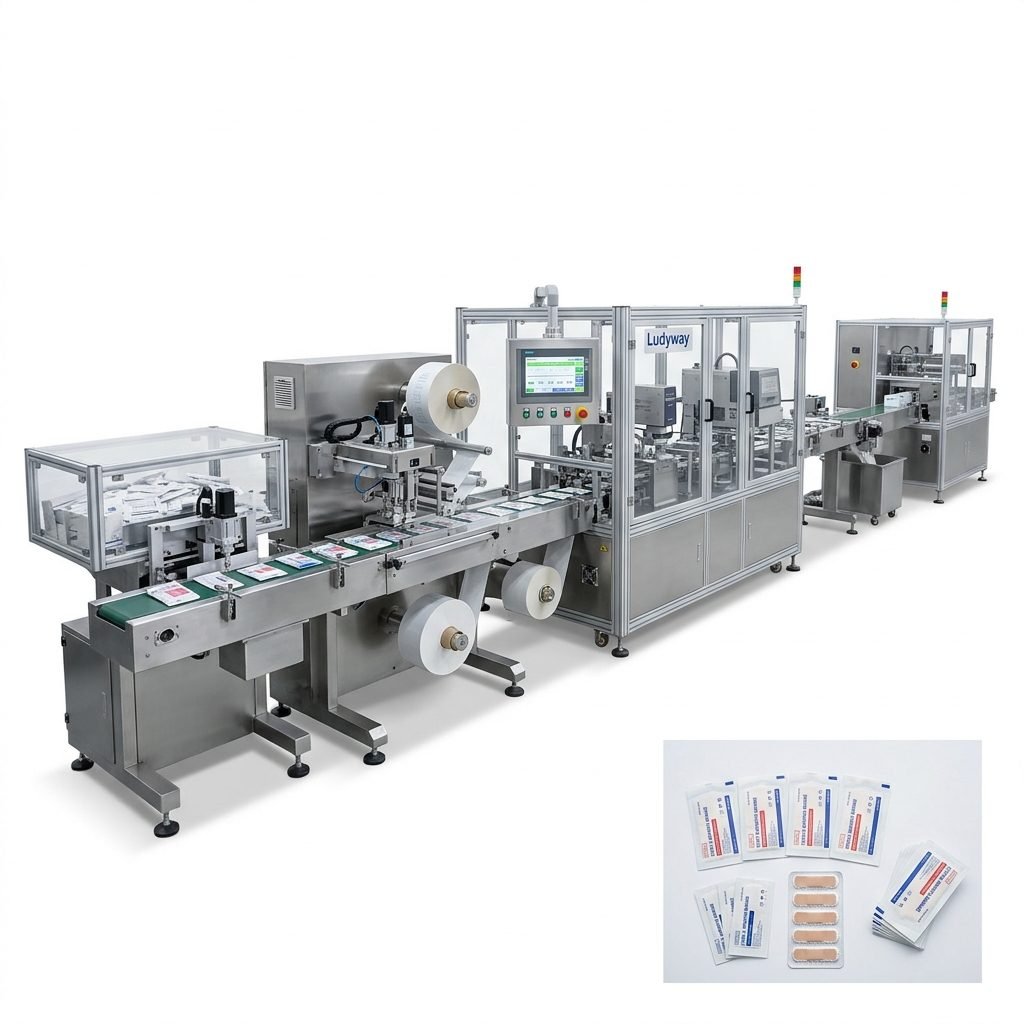
When packaging active pharmaceutical ingredients (APIs), detergents, or other fine powders, containment and accuracy are vital. These machines can be constructed with stainless steel contact parts and feature dust extraction ports to protect operators and the environment. The ability to create airtight seals preserves product efficacy and shelf life, making them indispensable in sensitive industries.
Why Choose a High-Speed Granule Packing Solution?
Investing in an automated system delivers a compelling return on investment through multiple channels:
Tangible Benefits for Your Business
➤ Unmatched Speed & Output: Dramatically increase your packaging line’s capacity, enabling you to meet large orders and scale production effortlessly.
➤ Precision & Reduced Waste: Eliminate giveaway and underfill. Accurate weighing saves raw material costs and ensures consistent product quality.
➤ Enhanced Hygiene & Safety: A closed automated system minimizes contamination risks, crucial for food safety standards and pharmaceutical GMP.
➤ Labor Savings & Consistency: Reduce reliance on manual labor for repetitive tasks, reallocating staff to higher-value roles while guaranteeing uniform pack quality 24/7.
➤ Brand Image & Versatility: Produce professional, sleek packages with clear printing. Quick changeovers allow you to offer a wider product range without major capital expenditure on additional machines.
Selecting the Right Machine Partner
Choosing a supplier is as important as choosing the machine. Look for a partner with deep industry experience, proven reliability, and a commitment to innovation. Ludyway Machinery, with over a decade of specialization, exemplifies this approach. They focus on providing intelligent, turnkey packaging solutions backed by strong engineering support. A partner like this doesn’t just sell a machine; they provide a production solution, offering customization to fit your specific product characteristics and factory layout, ensuring a smooth integration into your existing operations. Their global service network is also a key consideration for maintaining uptime.
The evolution of packaging from a manual bottleneck to a strategic, automated asset is complete with the advent of the automatic particle packaging machine. For businesses dealing in food, seeds, powders, and similar products, it represents a direct path to greater profitability, enhanced quality control, and market competitiveness. By embracing this high-speed granule packing solution, companies can secure their production future, ensuring they can meet the demands of tomorrow’s market with agility and confidence. It’s an investment that packages not just product, but also peace of mind and potential for growth.
Frequently Asked Questions (FAQs)
1. What types of materials can an automatic particle packaging machine handle?
These machines are highly versatile and can handle a wide range of free-flowing and semi-free-flowing dry materials. This includes fine powders (like flour or spices), granules (like sugar or salt), small seeds, granular chemicals, and even small pieces like lentils or certain types of pasta. The key is proper machine configuration with the appropriate feeding system (e.g., auger, vibratory tray, multi-head weigher).
2. How fast are these machines, and what pack styles can they produce?
Speeds vary by model and configuration but typically range from 60 to over 400 packs per minute. They are primarily designed to produce pillow bags (stand-up or flat), sachets, and stick packs, which are ideal for single-serve portions. The pack style is determined by the forming collar and sealing jaws used.
3. Is it difficult to switch the machine between different products?
Modern machines are designed for quick changeover. With servo-driven components and recipe storage on the HMI, operators can often switch between different products (e.g., from coarse salt to fine tea) in under 15-30 minutes by changing the auger or bucket size and loading a new recipe, which adjusts all parameters automatically.
4. What are the key maintenance requirements?
Regular maintenance is straightforward and crucial for longevity. Daily cleaning of product contact parts, periodic lubrication of moving parts as per the manual, and checking seals and cutting blades for wear are standard. Reputable suppliers like Ludyway provide comprehensive manuals and training to ensure your team can perform routine upkeep efficiently.
5. How do I ensure the machine meets my country’s specific safety and regulatory standards?
It is essential to discuss this with your supplier during the selection process. Professional manufacturers design machines to meet international standards (e.g., CE for Europe). Be sure to specify your market’s requirements for electrical safety, material certifications (e.g., food-grade stainless steel), and any specific industry regulations you must comply with.