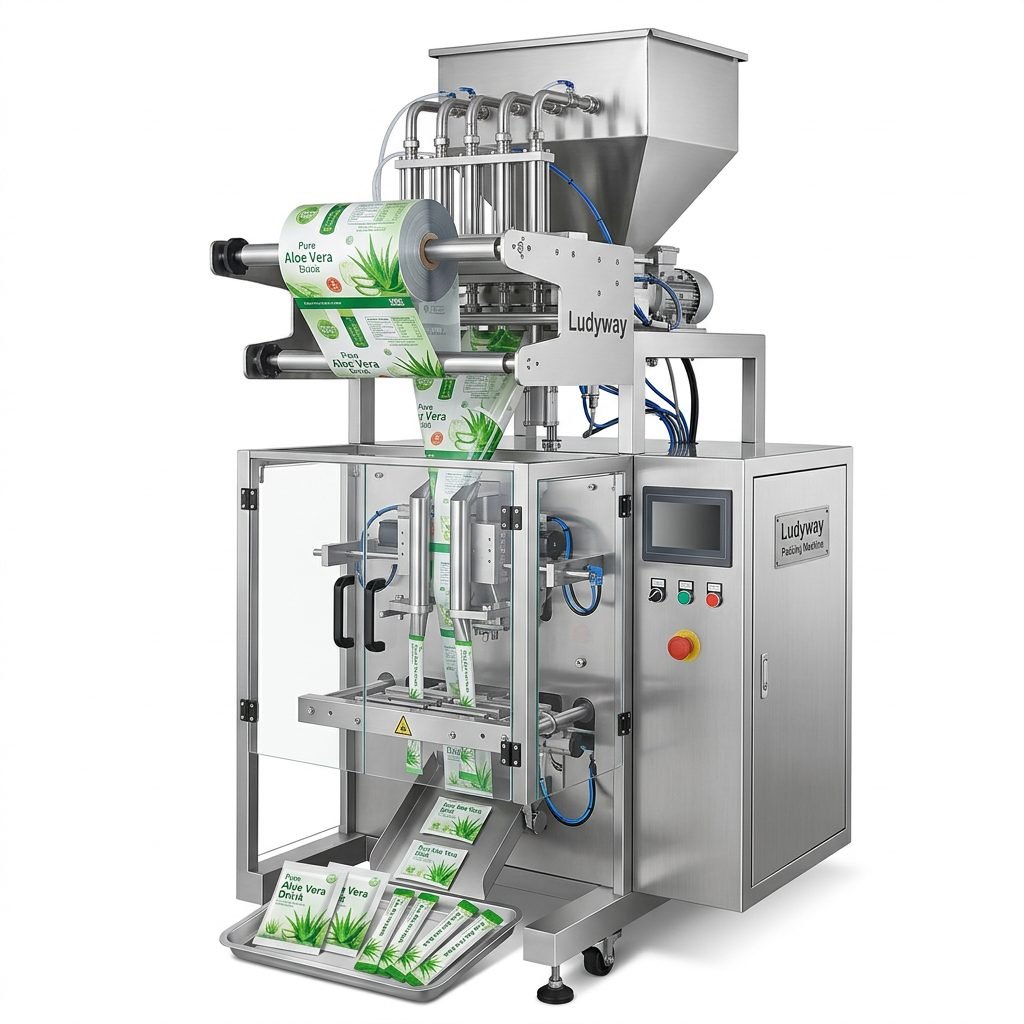
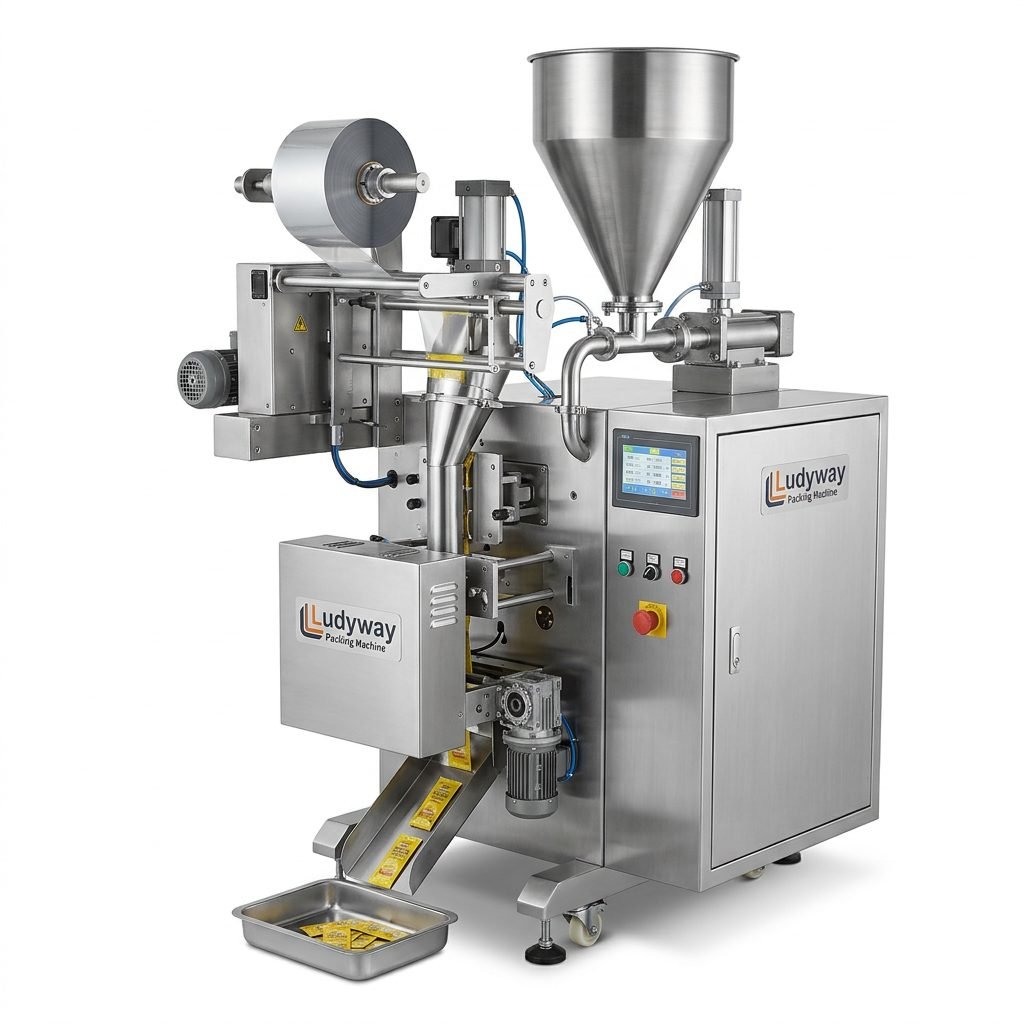
Selecting the right wood packaging machine is a critical investment for any wood products manufacturer, pallet producer, or crating operation. The correct equipment can dramatically increase output, improve product consistency, and reduce material waste and labor costs. This comprehensive guide will walk you through the different types of wood packaging machines, their key features, and a step-by-step process to help you choose the perfect one for your specific needs.
Understanding the Core Types of Wood Packaging Machines
The wood packaging machinery market offers a variety of specialized equipment. Understanding the primary categories is the first step toward making an informed decision.
Pallet Nailing & Assembly Machines
These are the workhorses of the industry, automating the construction of wooden pallets. They range from semi-automatic nailing stations to fully automated, high-speed pallet assembly lines that can produce hundreds of pallets per hour.
Key Application: Mass production of new wooden pallets for logistics, shipping, and storage. They are essential for businesses supplying pallets to large distribution centers and manufacturing plants.
Strapping & Banding Machines
Once a wooden crate or pallet is loaded, it needs to be securely fastened. Strapping machines apply plastic or steel bands around the package to stabilize the load for transport. They can be manual, semi-automatic, or fully automatic.
Wooden Crate & Box Assembly Machines
For heavier or more delicate items, wooden crates are often required. These machines automate the cutting, nailing, and assembly of wooden panels into sturdy boxes and crates of various sizes.
Specialized Notching & Component Machines
This category includes machines that prepare individual wood components. Examples include notching machines for creating interlocking pallet deckboards and stringers, and block cutting machines for producing pallet blocks.
Essential Features to Evaluate in a Wood Packaging Machine
Beyond the machine type, several critical features determine performance, reliability, and long-term value.
Automation Level & Production Speed
The spectrum ranges from manual assist tools to fully robotic cells. Your required output (pallets/hour) will directly dictate the necessary automation level and investment.
Versatility & Changeover Capability
Can the machine handle different wood types (hardwood, softwood, plywood)? How quickly and easily can it be adjusted for different pallet or crate sizes? Quick changeover is vital for shops running multiple SKUs.
Fastener System & Compatibility
Examine the nail or staple gun system. Is it durable? What size and type of fasteners does it use? Ensure a reliable local supply of compatible fasteners to avoid downtime.
Safety Systems & Ease of Operation
Look for machines with comprehensive safety guarding, emergency stops, and user-friendly control panels. Operator training time and safety are paramount.
Pro Tip: Don’t overlook dust collection. Wood packaging generates significant sawdust. Machines with integrated dust ports or recommendations for compatible extraction systems will maintain a cleaner, safer, and more efficient workshop.
A Step-by-Step Guide to Choosing the Right Machine
Follow this structured process to align your purchase with your business objectives.
Step 1: Conduct a Thorough Needs Analysis
Start by quantifying your current and future needs. Key questions include: What is your average and peak daily production volume? What are the exact dimensions and specifications of the pallets or crates you produce? What is your primary wood material? A clear analysis prevents you from buying an underpowered or overly complex machine.
Step 2: Define Your Budget & ROI Expectations
Establish a total budget, including the machine price, shipping, installation, and any necessary facility upgrades (like electrical or compressed air). Calculate a target Return on Investment (ROI) period by estimating labor savings, waste reduction, and increased capacity.
Step 3: Research & Shortlist Reputable Suppliers
Seek out manufacturers and suppliers with a proven track record in wood packaging machinery. Look for companies with strong after-sales support, readily available spare parts, and positive customer testimonials. For instance, experienced brands like Ludyway Machinery bring decades of engineering expertise to the packaging sector, ensuring reliable and innovative solutions.
Step 4: Request Demos & Evaluate Performance
Never buy based on specifications alone. Request a live or recorded video demonstration using materials similar to yours. Observe the machine’s speed, noise level, ease of operation, and the quality of the finished product.
Step 5: Scrutinize Warranty & After-Sales Support
The warranty terms reveal the manufacturer’s confidence in their product. More importantly, investigate the supplier’s technical support network. Can they provide timely remote assistance or on-site service? A machine is a long-term partnership; ensure your supplier is a reliable partner. Companies that offer comprehensive technical support are crucial for minimizing operational disruptions.
Maximizing the Value of Your Investment
Once you’ve selected your machine, proper implementation is key.
Proper Installation & Operator Training: Follow the manufacturer’s installation guidelines. Invest in thorough training for all operators and maintenance staff to ensure safety and optimal performance from day one.
Implement a Preventive Maintenance Schedule: Adhere strictly to the recommended maintenance checklist. Regular lubrication, cleaning, and inspection of wear parts (like nail guns and guides) prevent catastrophic failures and extend machine life.
Source Quality Input Materials: The machine’s performance is only as good as the wood you feed it. Consistent lumber dimensions and moisture content lead to smoother operation, fewer jams, and higher quality finished packages. Partnering with a supplier that understands turnkey production solutions can help streamline your entire material and process flow.
Frequently Asked Questions (FAQs)
What is the typical payback period for a semi-automatic pallet nailing machine?
The payback period can vary widely but often ranges from 12 to 24 months. It depends on the machine’s cost, the labor costs it replaces, and the increase in production output. A detailed ROI analysis based on your specific numbers is essential.
Can one machine handle multiple pallet sizes?
Many modern machines are designed for quick changeover. Look for models with adjustable guides, programmable settings for different sizes, and tool-less adjustments. This flexibility is a key feature for operations with diverse product lines.
How important is after-sales service when purchasing?
It is critically important. Even the most reliable machine may require service or spare parts. A supplier with a responsive, knowledgeable support team and a good inventory of spare parts is invaluable for minimizing costly downtime.
What safety certifications should I look for?
Look for machines that comply with international safety standards relevant to your region, such as CE (Europe) or UL/CSA (North America). These certifications indicate that the machine has been designed and built with essential safety protocols in mind.
Is it better to buy a new or used wood packaging machine?
This depends on your budget and risk tolerance. A new machine comes with a full warranty, the latest technology, and reliability. A quality used machine from a reputable dealer can offer significant upfront savings but may carry higher maintenance costs and limited warranty. A thorough inspection is mandatory for used equipment.