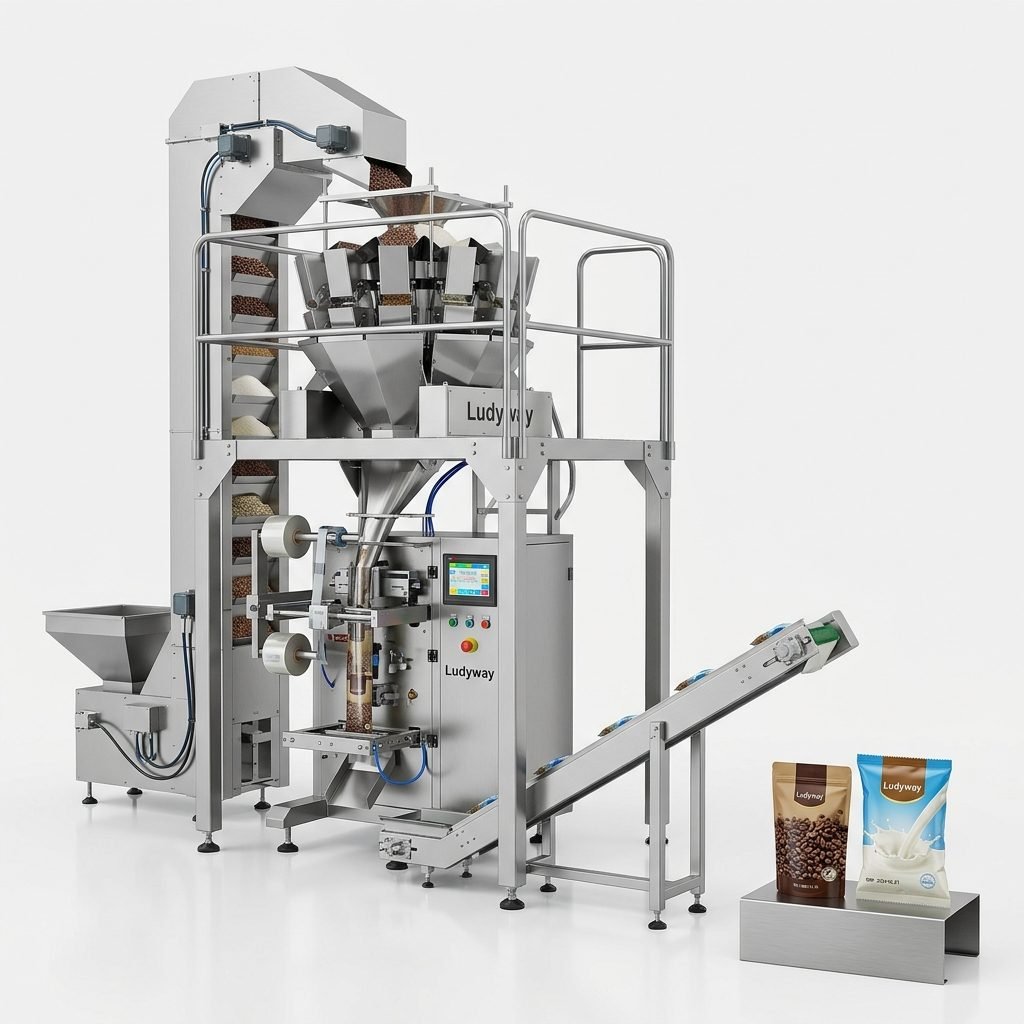
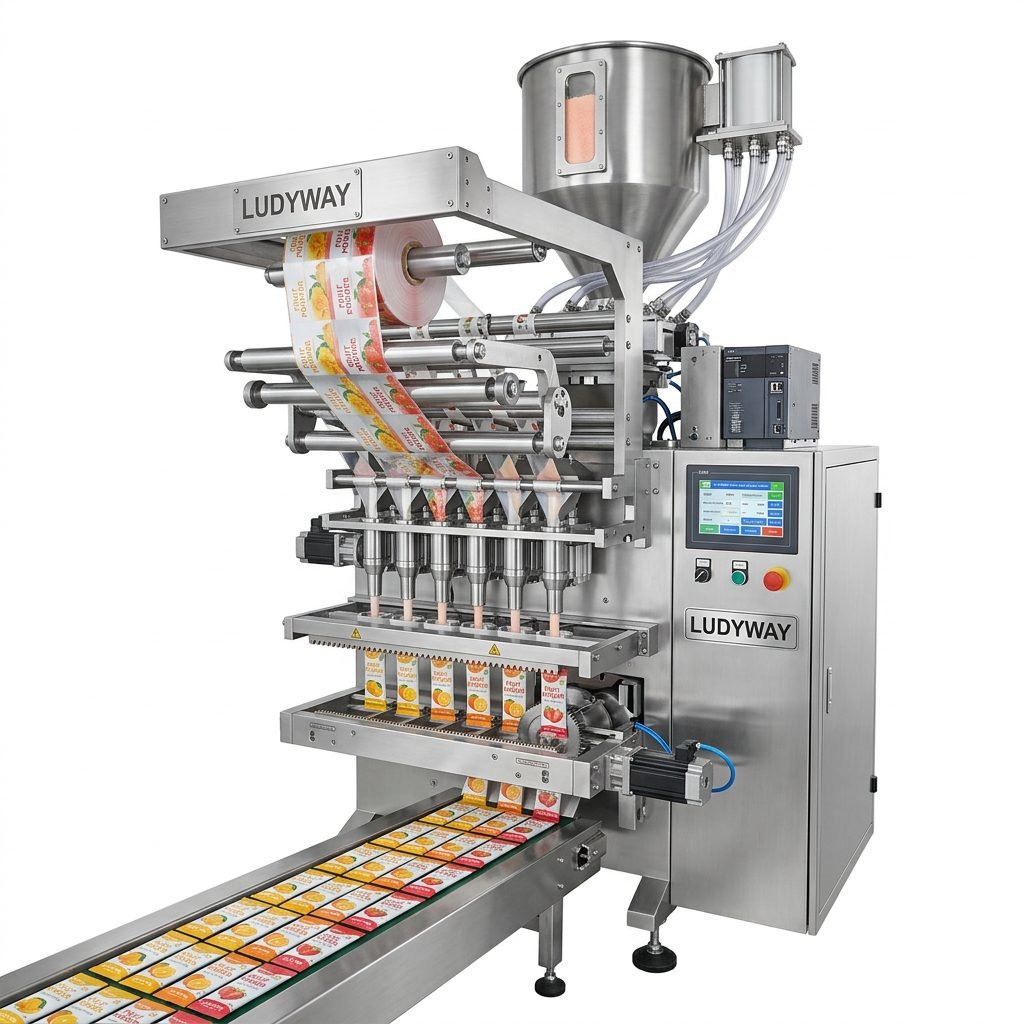
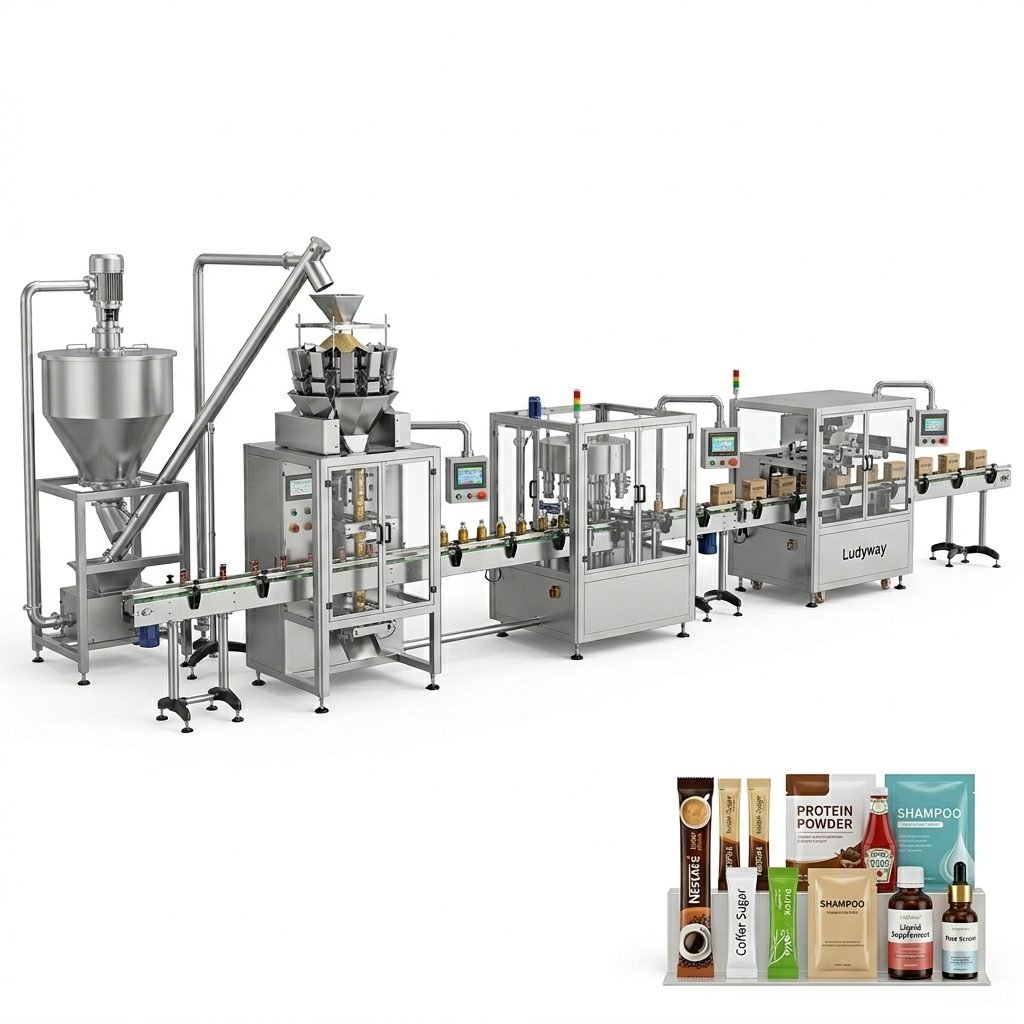
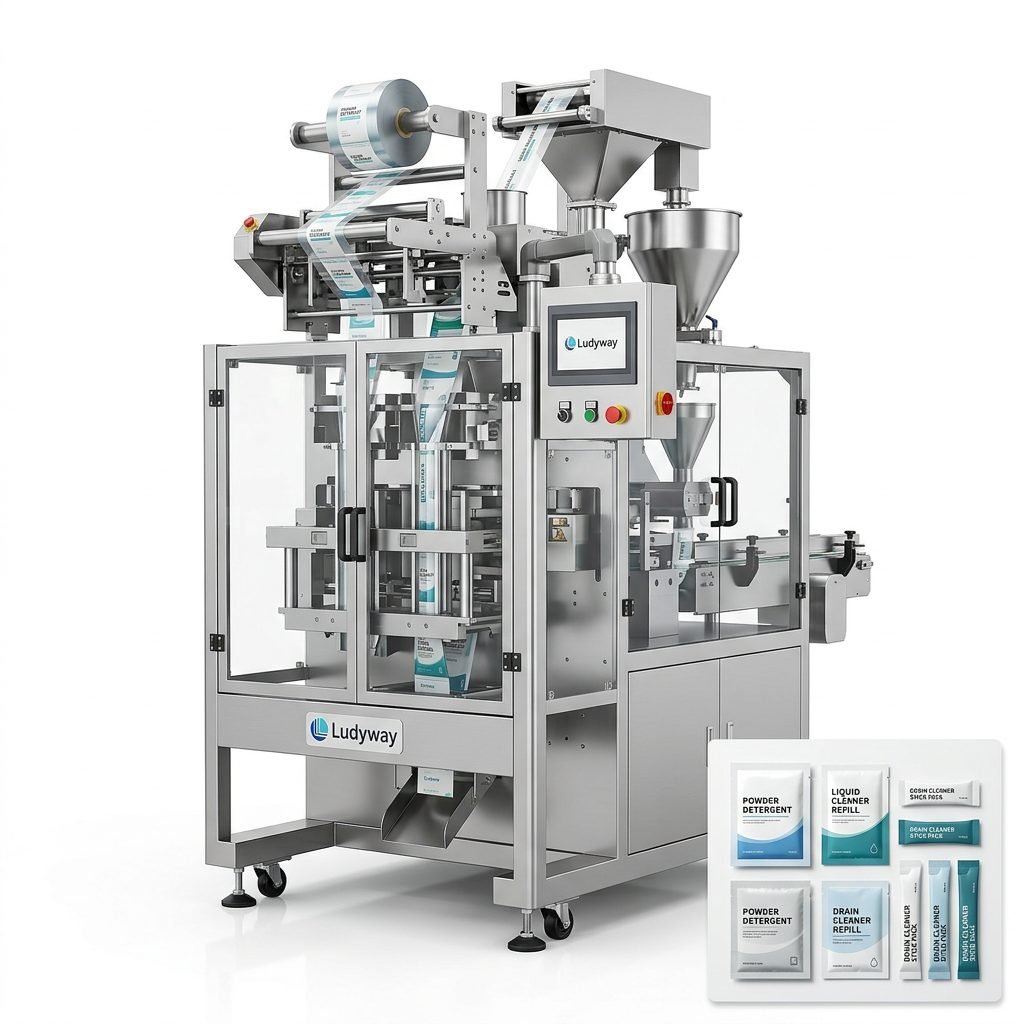
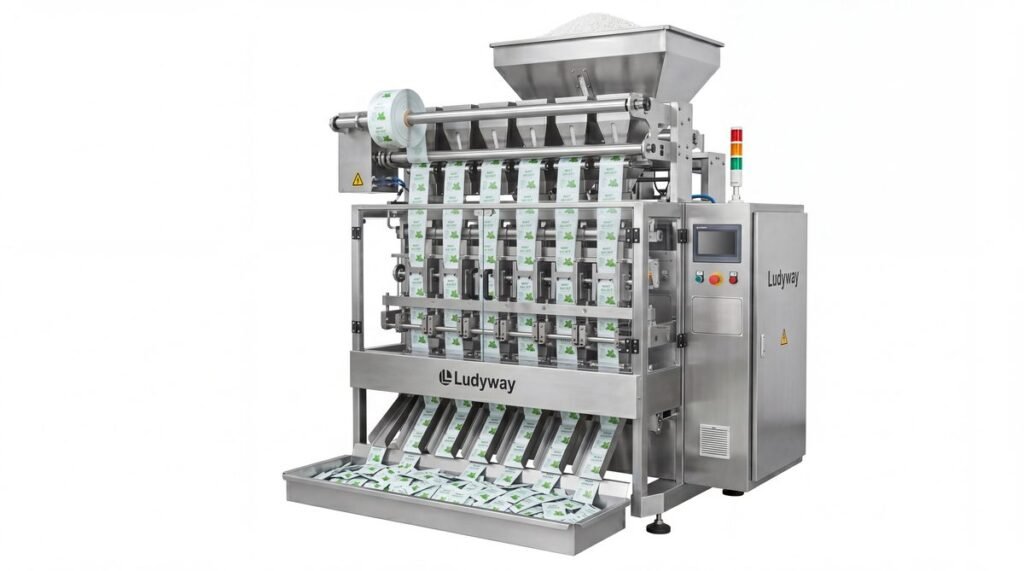
In today’s competitive manufacturing landscape, achieving peak efficiency while controlling costs is paramount. For businesses in sectors like food, pharmaceuticals, and health products, the packaging line is often the final, critical stage where productivity gains and savings are realized—or lost. Investing in high-performance packaging machinery is no longer a luxury but a strategic necessity for companies aiming to scale, ensure product integrity, and maintain a competitive edge.
The Core Advantages of Modern Packaging Automation
Transitioning to or upgrading automated packaging systems delivers a multifaceted return on investment. The primary benefits extend far beyond simple speed.
1. Unmatched Production Efficiency & Speed
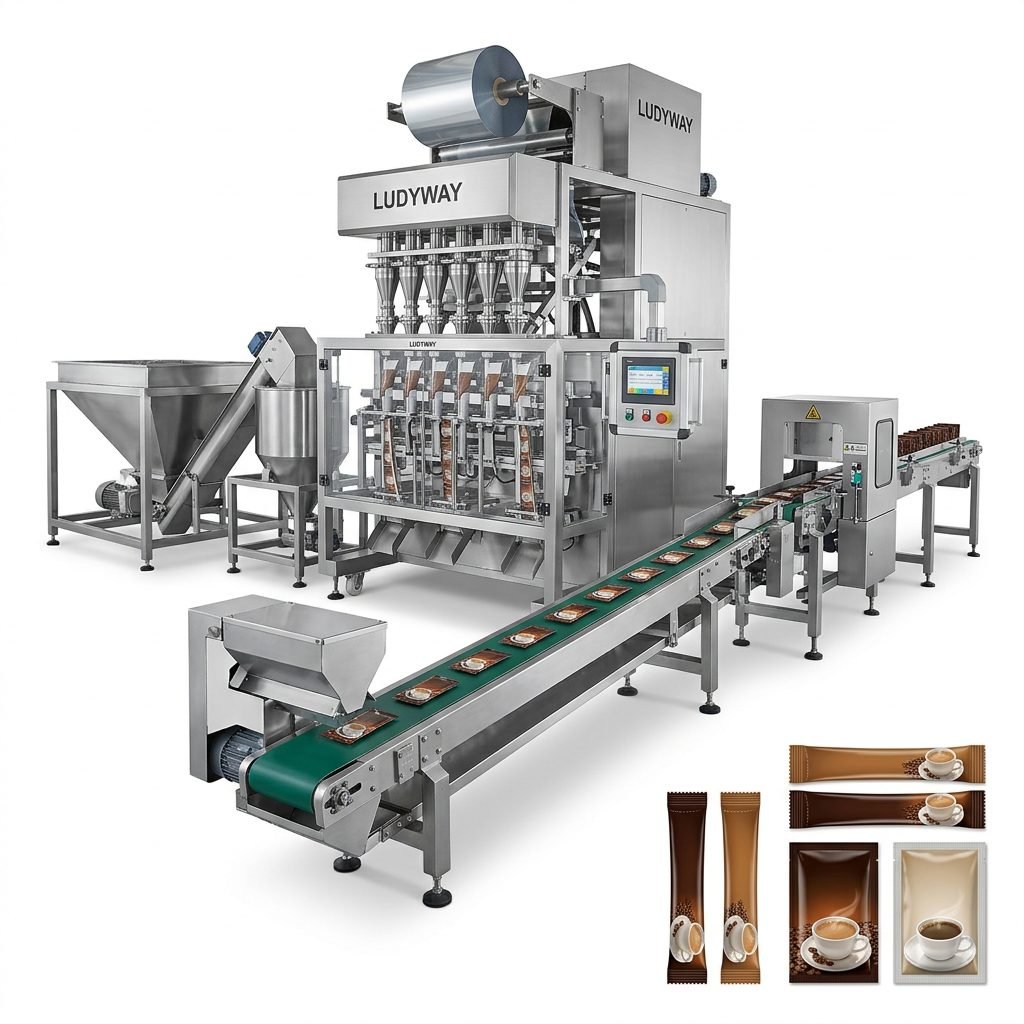
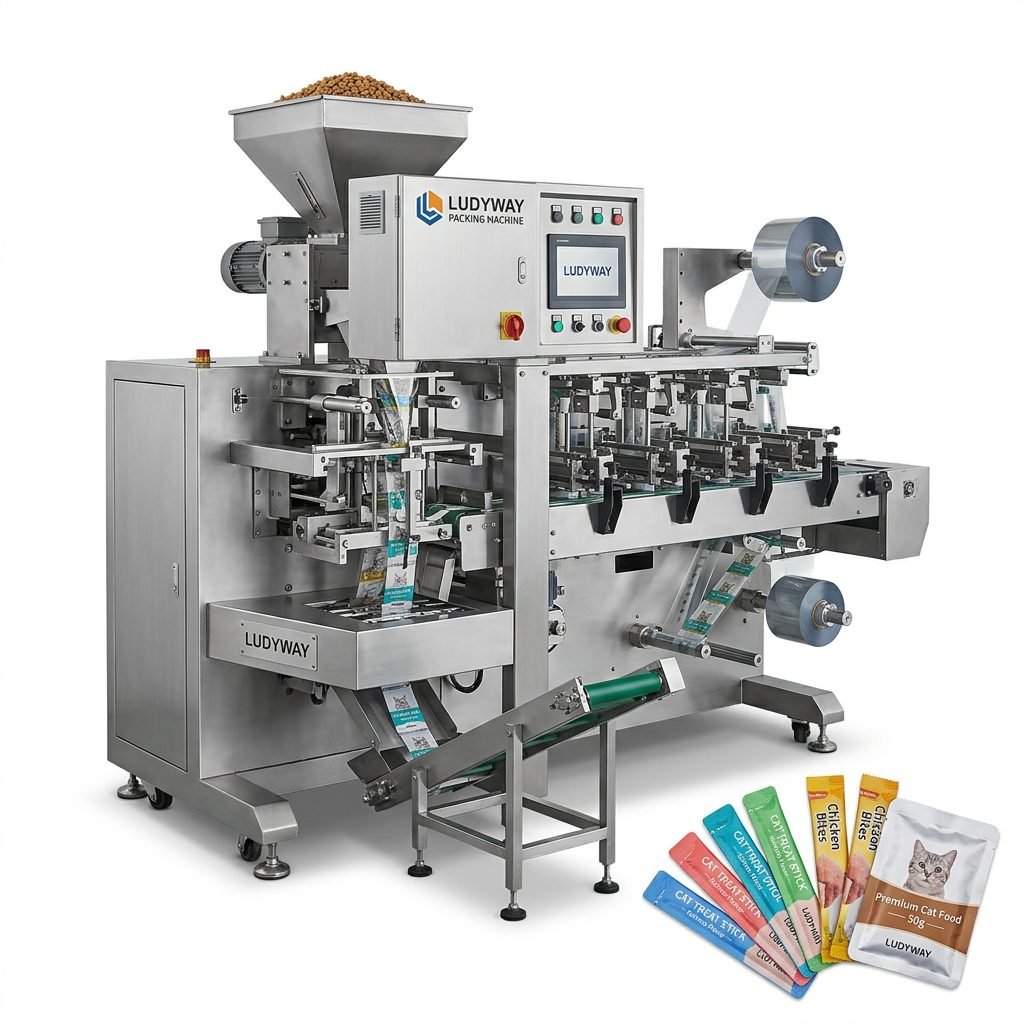
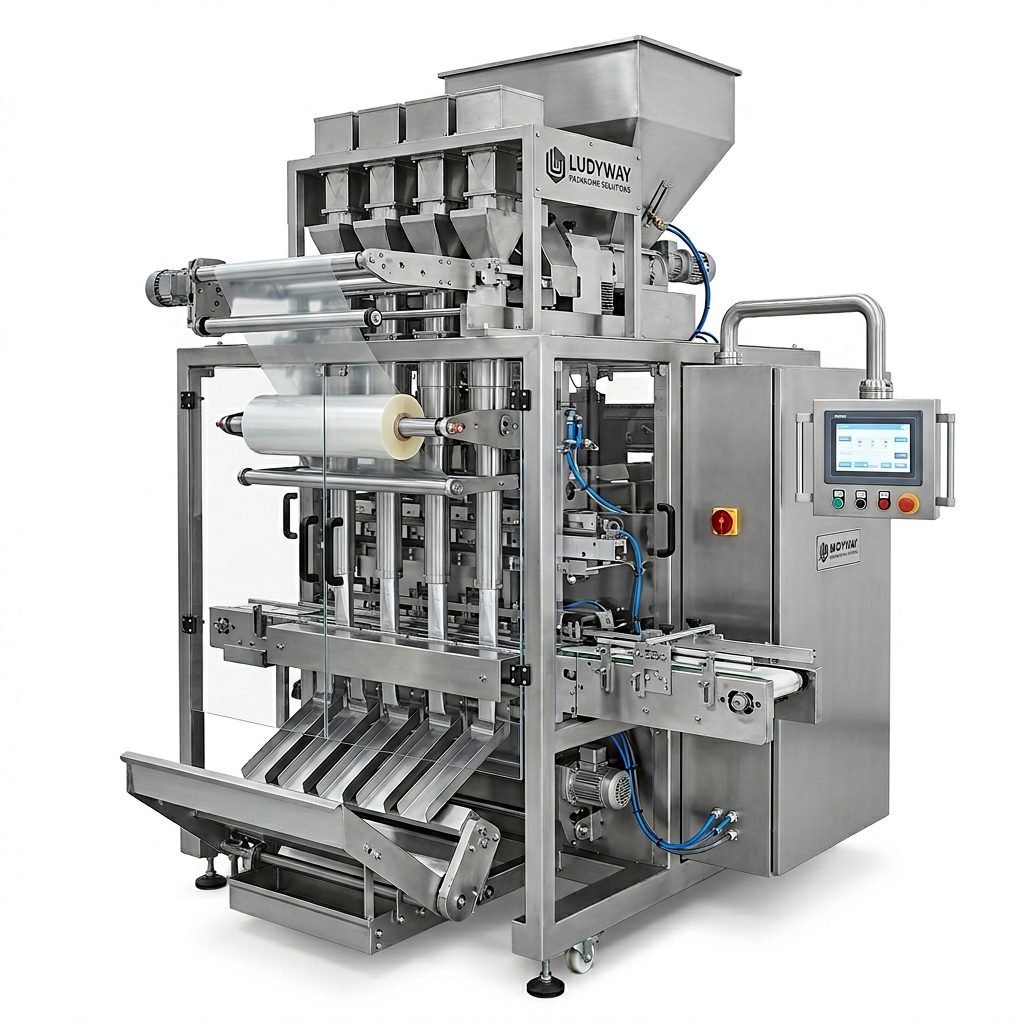
Modern high-speed packaging machines are engineered to handle vast volumes with consistent precision. Multi-lane stick pack and sachet packaging systems, for example, can run multiple packaging lines simultaneously from a single infeed, dramatically increasing output. This eliminates bottlenecks, maximizes throughput, and ensures your production capacity keeps pace with market demand.
2. Significant Operational Cost Reduction
While the initial investment is considered, the long-term savings are substantial. Automated systems minimize material waste through precise dosing and sealing, directly reducing packaging material costs. They also lower labor costs by reducing the number of operators required for manual tasks and decreasing reliance on seasonal labor, which can be unpredictable and costly.
3. Enhanced Product Quality & Consistency
Human error in manual packaging leads to inconsistencies in fill weight, seal integrity, and overall presentation. High-performance machinery ensures every single package meets exact specifications. This consistency is crucial for brand reputation, consumer trust, and compliance with stringent industry regulations, especially in pharmaceutical and food sectors where precision is non-negotiable.
4. Improved Flexibility & Quick Changeover
Contemporary markets require agility. Advanced packaging equipment is designed for quick changeovers between different product formats, package sizes, and materials. This flexibility allows manufacturers to run smaller, more customized batches efficiently, respond swiftly to new product launches, and cater to niche markets without prolonged downtime.
5. Data-Driven Insights for Continuous Improvement
Intelligent packaging systems are equipped with sensors and IoT connectivity for real-time monitoring. They track key performance indicators (KPIs) like output rates, downtime causes, and maintenance alerts. This data empowers managers to make informed decisions, optimize line performance proactively, and implement predictive maintenance strategies, preventing costly unplanned stoppages.
Selecting the Right Machinery for Your Application
Choosing the optimal packaging solution requires a careful analysis of your specific needs. The right machine is one that aligns perfectly with your product characteristics and production goals.
Key Selection Criteria:
- Product Type: Is your product a granule, fine powder, viscous liquid, or solid? Each requires specific dosing technology (e.g., auger filler for powders, piston filler for liquids).
- Packaging Format: Determine the end package: stick packs, sachets, pouches, bottles, or blister packs. Machines are often specialized for these formats.
- Production Volume & Speed: Calculate your required output (packages per minute/hour) to select a machine with appropriate capacity and speed ratings.
- Material Compatibility: Ensure the machine can handle your chosen packaging film or material (laminate, foil, recyclable plastic) and create a hermetic seal if required.
- Level of Automation: Decide between a standalone machine, an integrated line with auto cartoning, or a complete turnkey solution.
Partnering with an experienced provider like Ludyway Machinery is invaluable here. With over 30 years of industry experience and a portfolio of 50+ intelligent packaging machine models, they can guide you through this selection process, ensuring the solution fits your operational and budgetary framework perfectly.
Beyond the Machine: The Value of Integrated Solutions & Support
The true power of high-performance packaging is unlocked when the machinery is part of a holistic solution. Leading providers don’t just sell equipment; they deliver production-ready systems.
Turnkey Production Line Solutions
For new facilities or major expansions, a turnkey project managed by experts is the most efficient path. This includes machinery supply, installation, commissioning, operator training, and ongoing support. It transfers the technical complexity to the vendor, ensuring a smooth ramp-up to full production.
Comprehensive After-Sales Service
Reliable technical support, readily available spare parts, and preventative maintenance programs are critical for maximizing machine uptime and lifespan. A provider with a global service network ensures you have assistance when you need it, minimizing disruption to your operations.
Ludyway’s approach embodies this philosophy. Backed by strong engineering capabilities and a 20,000㎡ modern production facility, they support customers worldwide with customized automation solutions and a commitment to long-term partnership. Exploring their range of packaging systems can be the first step toward transforming your production floor.
Real-World Impact: Driving Sustainable Growth
Implementing advanced packaging technology directly contributes to sustainable business growth. It enhances your ability to fulfill larger orders reliably, enter new markets with confidence, and protect your product quality throughout the supply chain. The cost savings generated can be reinvested into R&D, marketing, or further process improvements, creating a positive cycle of innovation and growth.
In essence, high-performance packaging machinery is a cornerstone of modern, efficient, and profitable manufacturing. It is an investment that pays dividends in output, quality, savings, and scalability.
Frequently Asked Questions (FAQs)
1. What is the typical ROI period for investing in automated packaging machinery?
The return on investment period varies based on production volume, labor costs, and material savings. For many medium to high-volume operations, ROI can be achieved within 12 to 24 months through increased output, reduced waste, and lower labor expenses.
2. Can one machine handle different types of products, like powders and granules?
Some versatile machines can handle similar product types with quick changeover of dosing parts (e.g., different augers). However, for vastly different products like powders and liquids, specialized machines are typically required for optimal accuracy and hygiene. A professional consultation can determine the best setup for your product mix.
3. How important is after-sales support when purchasing packaging equipment?
Extremely important. Reliable technical support, training, and access to genuine spare parts are crucial for minimizing downtime and ensuring long-term machine reliability. Always choose a supplier with a proven track record of strong after-sales service. Learn more about the support structure from providers like Ludyway Machinery.
4. Are modern packaging machines difficult for operators to learn and use?
Modern machines feature user-friendly HMI (Human-Machine Interface) touchscreens with intuitive controls. Comprehensive training is always provided by reputable suppliers. The learning curve is manageable, and the automation actually reduces the skill level required for manual tasks, making operations more consistent.
5. What are the key trends in packaging machinery technology?
Key trends include greater integration of IoT and Industry 4.0 for data analytics, increased use of servo motors for precision and energy efficiency, development of machines capable of handling sustainable and recyclable materials, and enhanced designs for easier cleaning and maintenance (hygienic design).