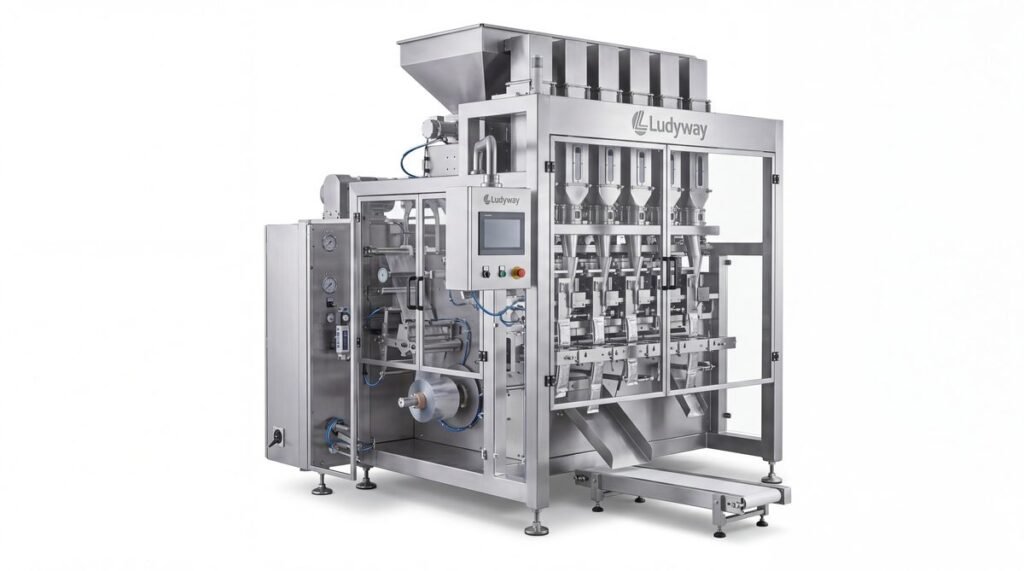
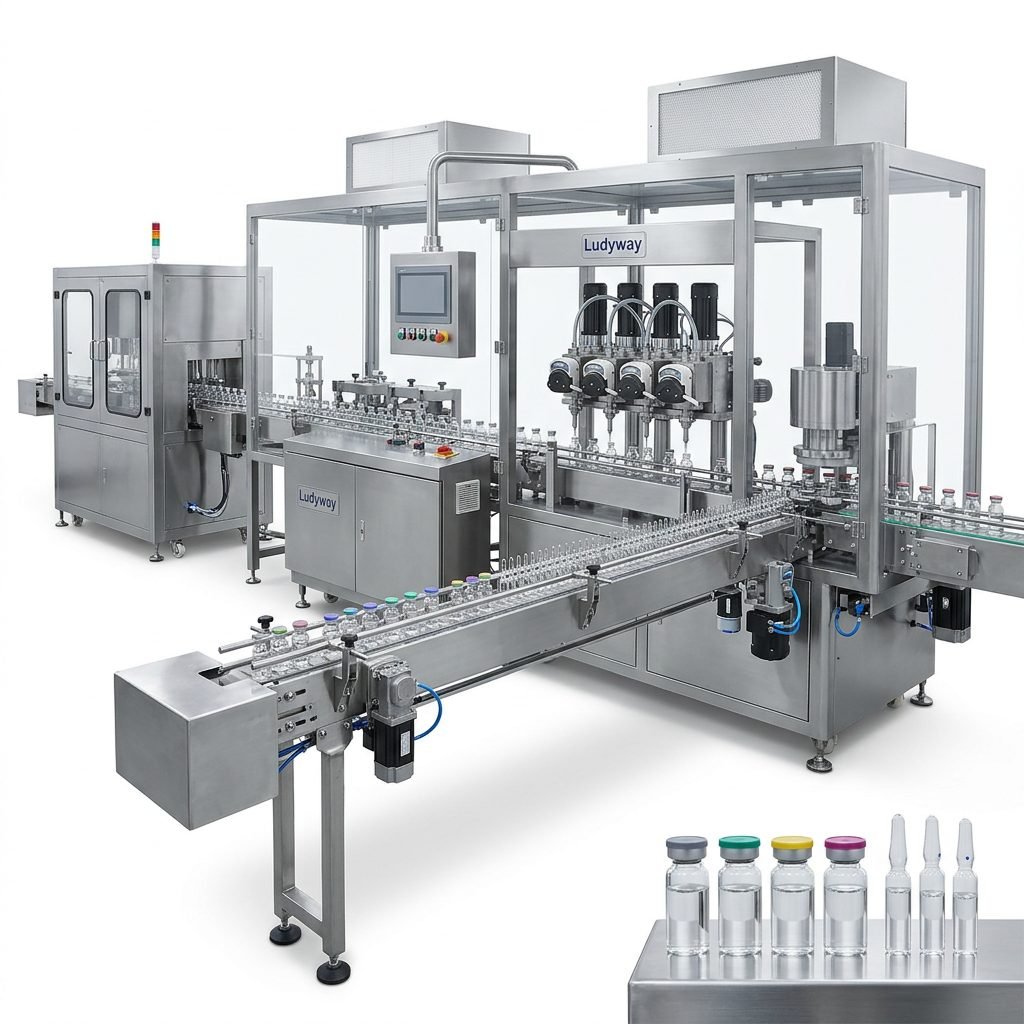
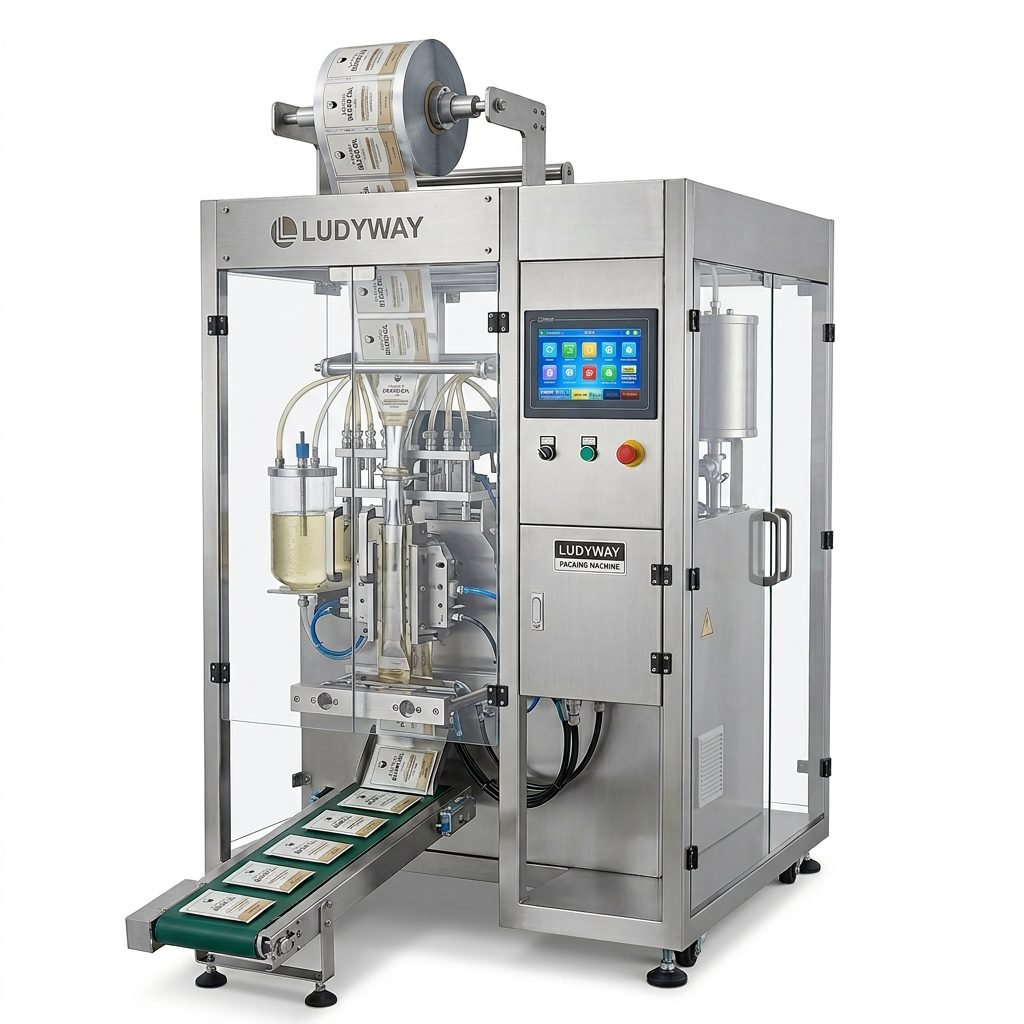
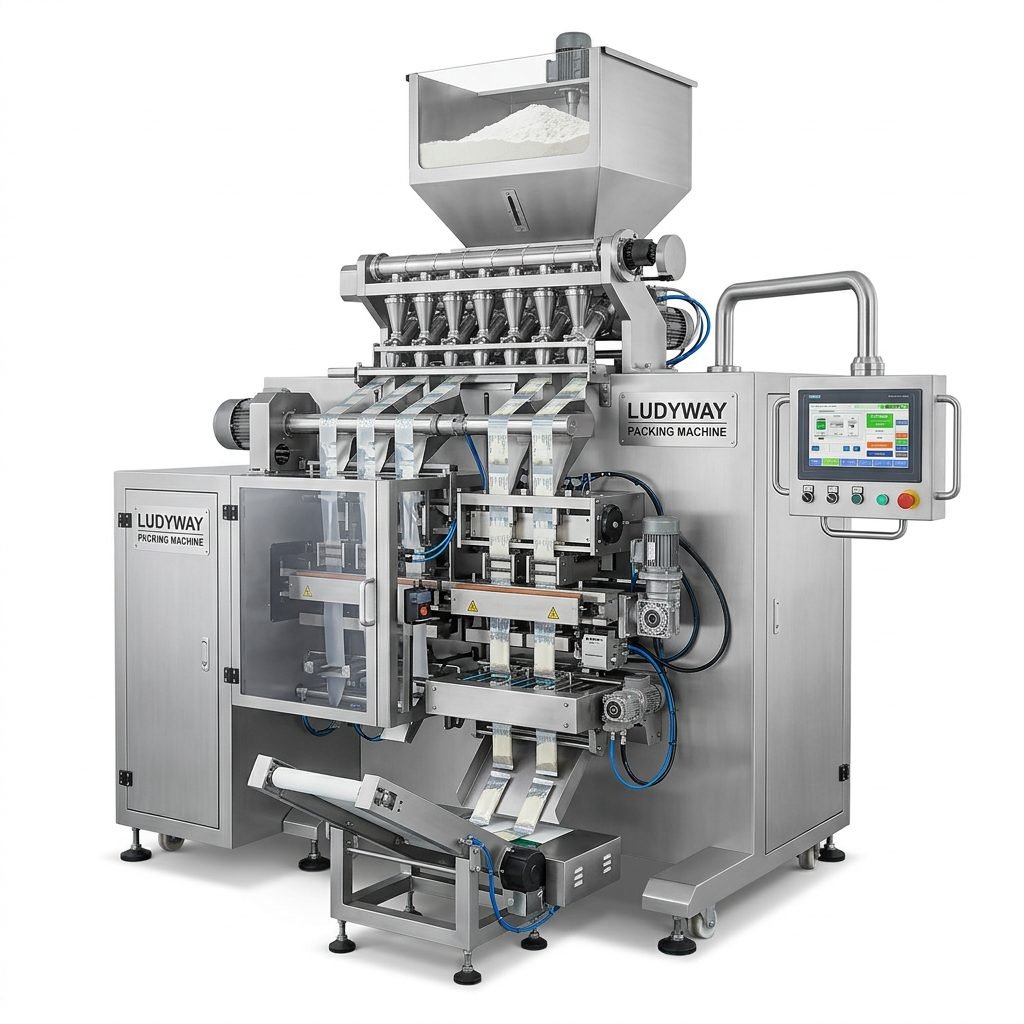
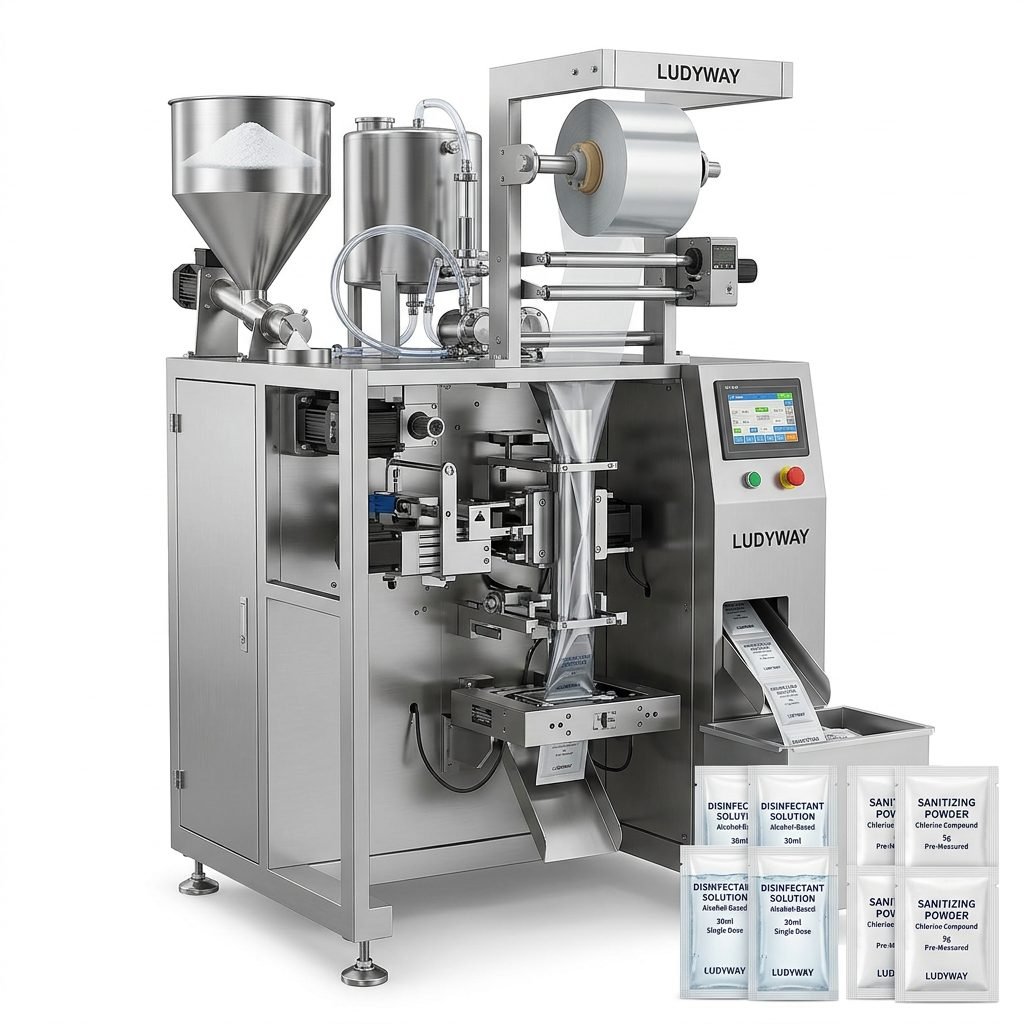
Selecting the right industrial packaging machinery supplier is a critical strategic decision that directly impacts your production efficiency, product quality, and long-term operational costs. The global market offers a vast array of providers, making the choice complex. This guide provides a structured framework to help you identify and partner with the best supplier for your specific production line needs.
Key Factors to Evaluate When Choosing a Supplier
Before initiating contact with potential suppliers, it’s essential to define your own requirements clearly. Consider your product type (granules, powder, liquid), required output speed, packaging materials, and future scalability needs.
Core Evaluation Criteria
→ Industry Experience & Specialization: A supplier with deep experience in your specific sector (e.g., food, pharmaceutical, health products) will understand regulatory standards and unique challenges. Look for a proven track record.
→ Technical Capability & Innovation: Assess the supplier’s engineering strength and their commitment to R&D. Can they offer intelligent packaging systems and customized solutions rather than just standard machines?
→ Manufacturing & Quality Control: Investigate the scale and modernity of their production facilities. A robust manufacturing base ensures better quality control and reliable delivery timelines.
→ Comprehensive Service & Support: The relationship begins after purchase. Evaluate their installation, training, maintenance, and spare parts supply network. Global clients should prioritize suppliers with strong international support.
The Supplier Selection Process: A Step-by-Step Approach
A methodical approach prevents costly mistakes. Follow these steps to narrow down your options and make an informed decision.
Step 1: Initial Research & Longlisting
Utilize industry directories, trade shows, and professional referrals to create a longlist of potential suppliers. Examine their online presence, client lists, and case studies to gauge their relevance.
Step 2: Deep Dive into Capabilities
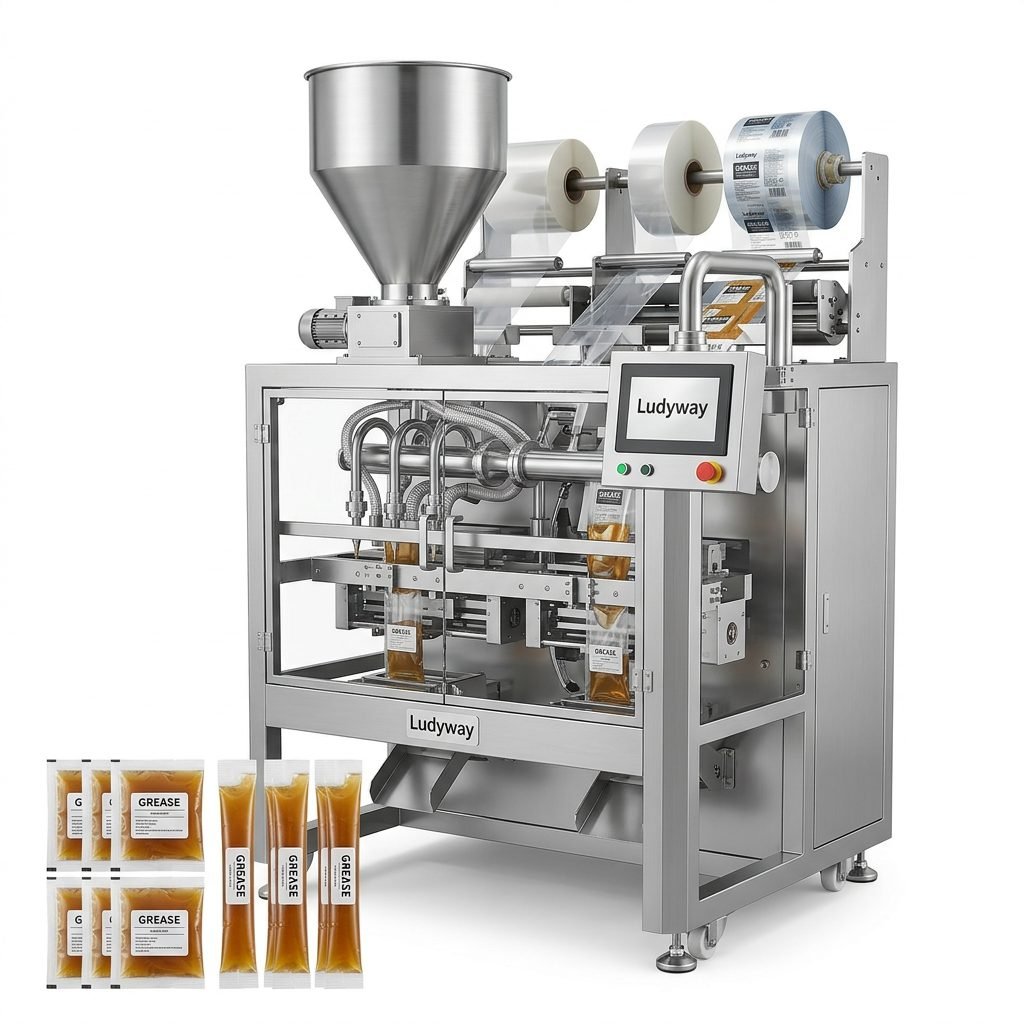
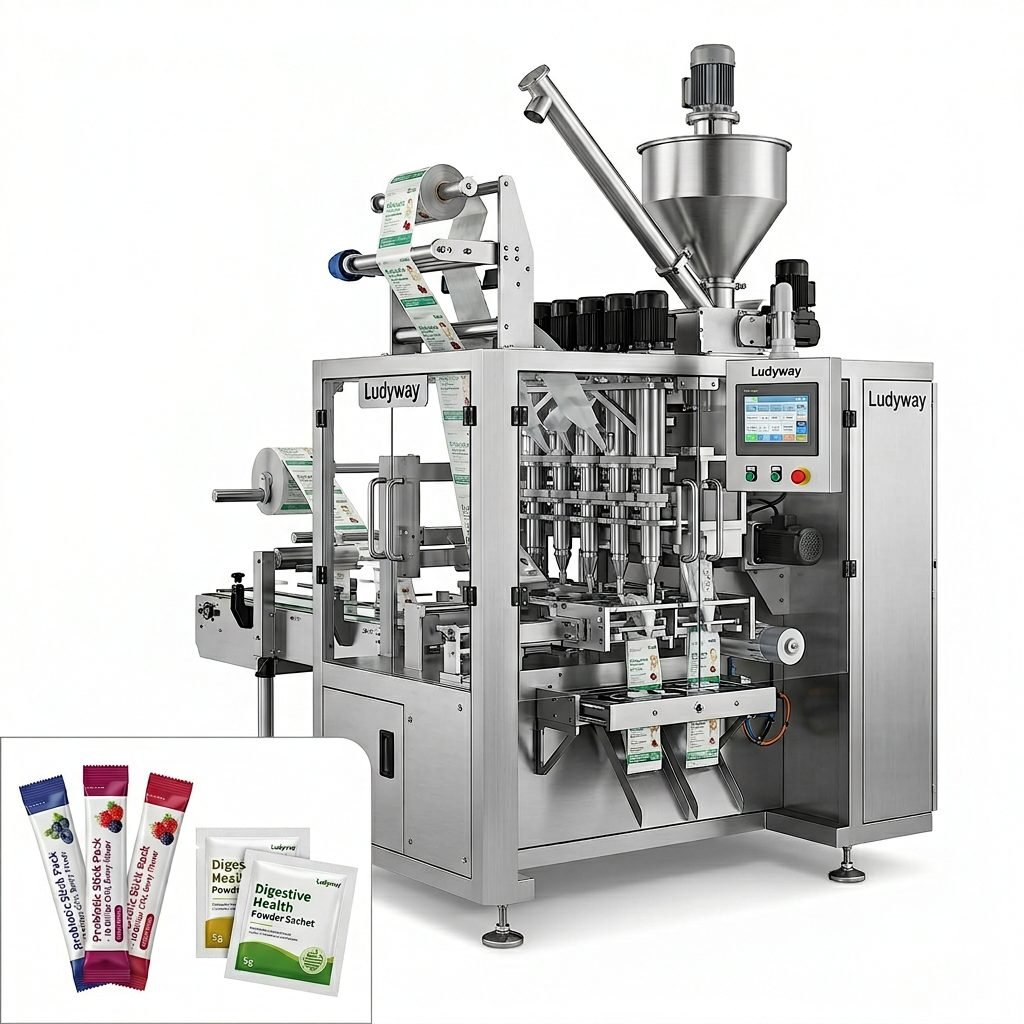
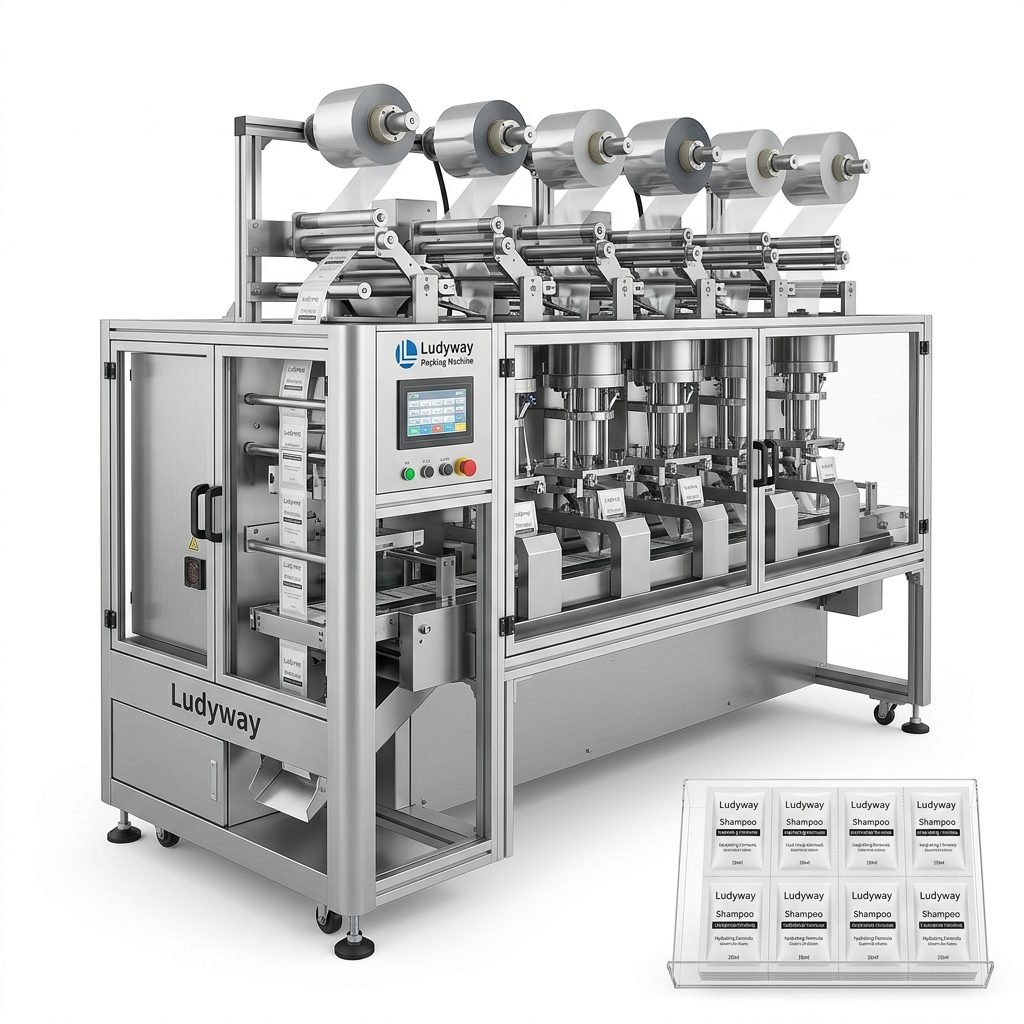
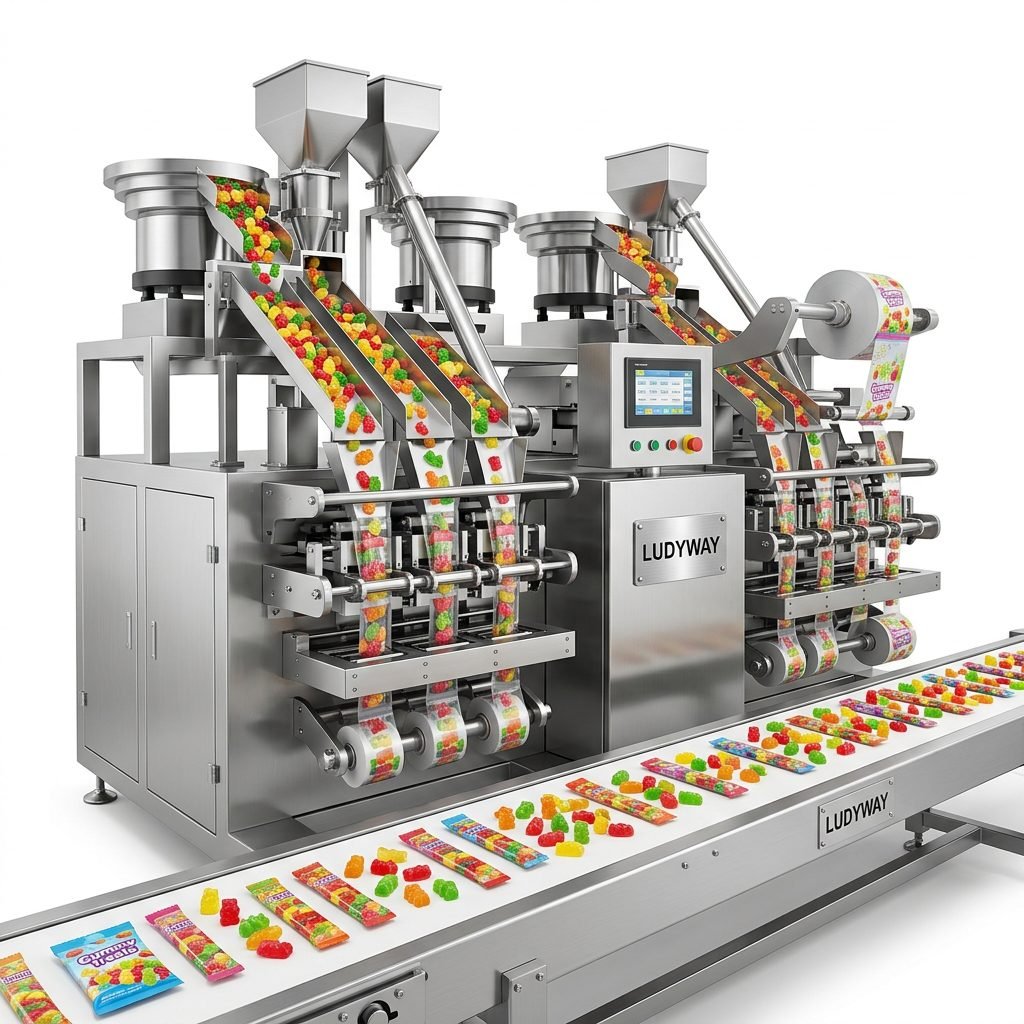
Request detailed documentation. A credible supplier should readily provide technical specifications, compliance certificates, and company profiles. For instance, a supplier like Ludyway Machinery, founded in 2010, demonstrates growth by expanding from a core engineering team to offering over 50 machine models, showcasing evolution and capability.
Step 3: Request for Proposal (RFP) & Quotation
Submit a detailed RFP outlining your exact needs. Compare not only prices but the total value proposition, including warranty terms, energy efficiency, and proposed turnkey production solutions.
Pro Tip: The Site Visit
Whenever feasible, visit the supplier’s manufacturing facility. Observing their production floor, quality checks, and team expertise firsthand is invaluable. It builds trust and confirms their claimed capabilities.
Step 4: Final Evaluation & Partnership Decision
Analyze all collected data. Consider creating a weighted scorecard based on your key priorities (e.g., technology 30%, service 25%, cost 25%, experience 20%). Choose a partner aligned with your long-term business vision.
Red Flags and Warning Signs to Avoid
Being aware of potential pitfalls can save significant time and resources. Exercise caution if you encounter the following:
• Vague or Incomplete Technical Data: Reliable suppliers provide clear, detailed specifications.
• Lack of Verifiable References: Hesitancy to share client contacts for testimonials is a concern.
• One-Size-Fits-All Approach: Your production line is unique. Avoid suppliers unwilling to discuss customization.
• Unrealistically Low Pricing: Extremely low bids often compromise on quality, durability, or service.
Building a Successful Long-Term Partnership
The goal is to move beyond a simple buyer-vendor relationship. A true partner contributes to your continuous improvement and growth.
Clear Communication: Establish direct channels with both sales and technical teams. Discuss not just immediate needs but also your 3-5 year roadmap.
Collaborative Problem-Solving: The best suppliers act as an extension of your team, offering insights to optimize your packaging process and suggesting upgrades.
Suppliers with a strong company story, such as those built on a foundation of engineering and gradual expansion through innovation, often possess the stability and customer-centric focus necessary for lasting partnerships. Their commitment to long-term cooperation is as important as the machinery they sell.
Frequently Asked Questions (FAQs)
Q1: How important is the supplier’s industry-specific experience?
It is crucial. A supplier familiar with your industry will understand hygiene protocols (e.g., for food or pharmaceuticals), material compatibility, and necessary production standards, ensuring a smoother integration and compliance.
Q2: Should I prioritize the latest technology or proven, reliable machines?
Balance is key. Proven reliability ensures uptime and product quality. However, innovative technology (like smart controls or higher efficiency) can offer a competitive edge. Choose a supplier that offers a blend of both and can justify the benefits of new features.
Q3: What is the typical lead time for a custom packaging line?
Lead times vary widely based on complexity and customization, ranging from a few weeks for standard machines to several months for fully customized turnkey lines. A supplier with a large modern production facility can often provide more accurate and reliable timelines.
Q4: How can I verify the supplier’s after-sales service quality before purchasing?
Ask for specific details: the location and size of their service team, average response time, spare parts inventory, and availability of remote support. Speaking directly to their existing international clients is the most effective verification method.
Q5: What are the hidden costs I should ask about?
Always clarify costs for installation, commissioning, operator training, import duties (for international purchases), first-year maintenance, and the pricing structure for critical spare parts. A transparent supplier will outline these upfront.