The packaging machinery industry is a dynamic and essential sector within the global manufacturing landscape. As automation and efficiency become paramount, the demand for skilled professionals in packaging machinery sales is on a significant rise. This field offers a unique blend of technical knowledge, commercial acumen, and relationship management, leading to rewarding and high-paying career opportunities. Whether you are an engineer looking to transition into a customer-facing role or a seasoned sales professional seeking a niche in industrial equipment, understanding the career paths, required skills, and strategies for success is crucial.
Exploring Career Paths in Packaging Machinery Sales
The journey in packaging machinery sales is not linear and offers various avenues for specialization and growth. Professionals can carve out successful careers by focusing on different aspects of the business.
1. Technical Sales Engineer
This role sits at the intersection of engineering and sales. Technical Sales Engineers are the primary link between complex machinery and the client’s production needs. They conduct in-depth consultations, analyze production line requirements, and propose tailored solutions. Success in this role requires the ability to translate technical specifications into tangible business benefits for the client.
2. Regional Sales Manager
Responsible for driving revenue in a specific geographic territory, a Regional Sales Manager oversees the entire sales cycle, from lead generation to after-sales support. They build and manage a network of distributors or direct clients, develop market strategies, and are accountable for hitting sales targets. This path often leads to senior management positions.
3. Key Account Manager
Focusing on large, strategic clients, Key Account Managers nurture long-term partnerships. They understand the client’s long-term business goals and work to provide continuous value through equipment upgrades, service contracts, and integrating new solutions. This role is less about one-time transactions and more about becoming a trusted advisor.
4. After-Sales & Service Sales Specialist
A critical and often lucrative path involves sales related to the machine’s lifecycle after the initial purchase. This includes selling spare parts, preventive maintenance contracts, retrofit upgrades, and training services. Professionals in this area have deep product knowledge and excel at building lasting client relationships based on trust and reliability.
Essential Skills to Succeed in This Field
Landing and excelling in a high-paying packaging machinery sales role requires a specific skill set that combines hard technical knowledge with soft interpersonal abilities.
Core Technical & Industry Knowledge
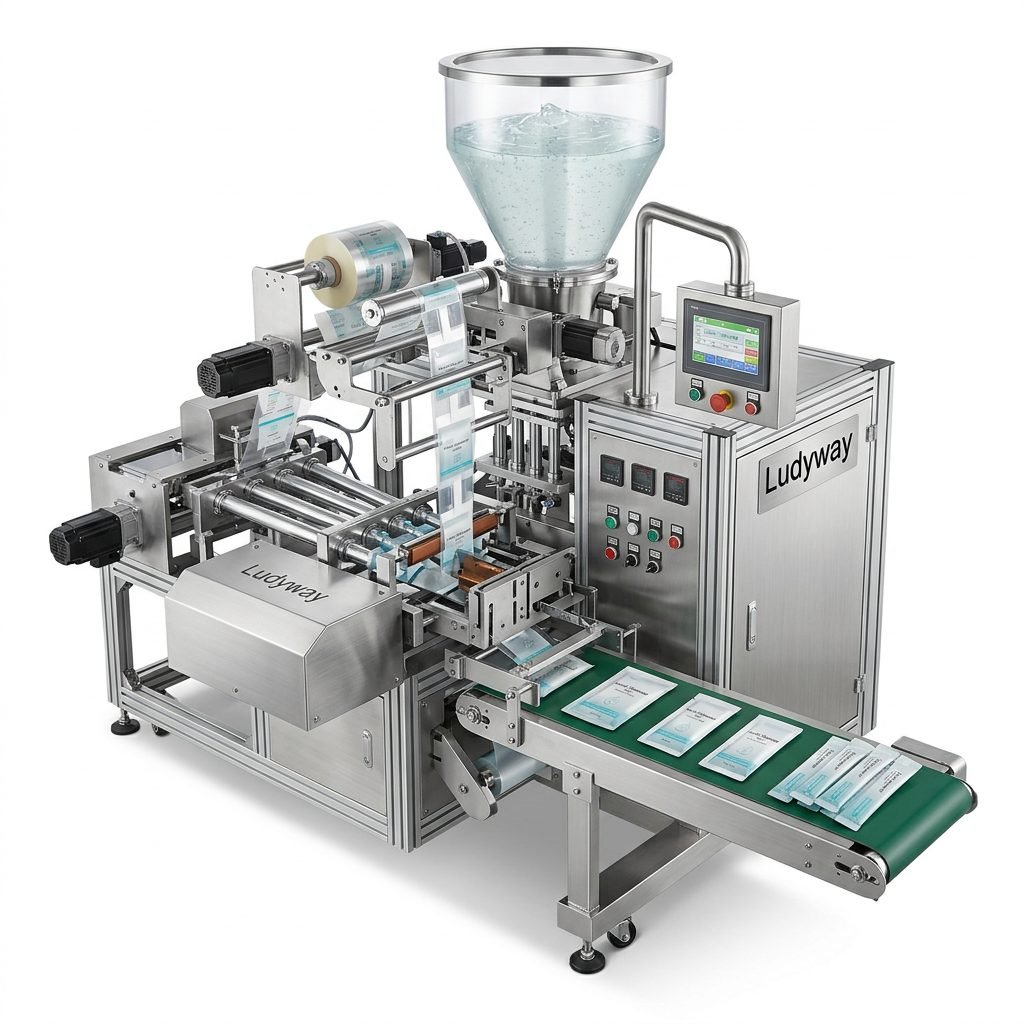
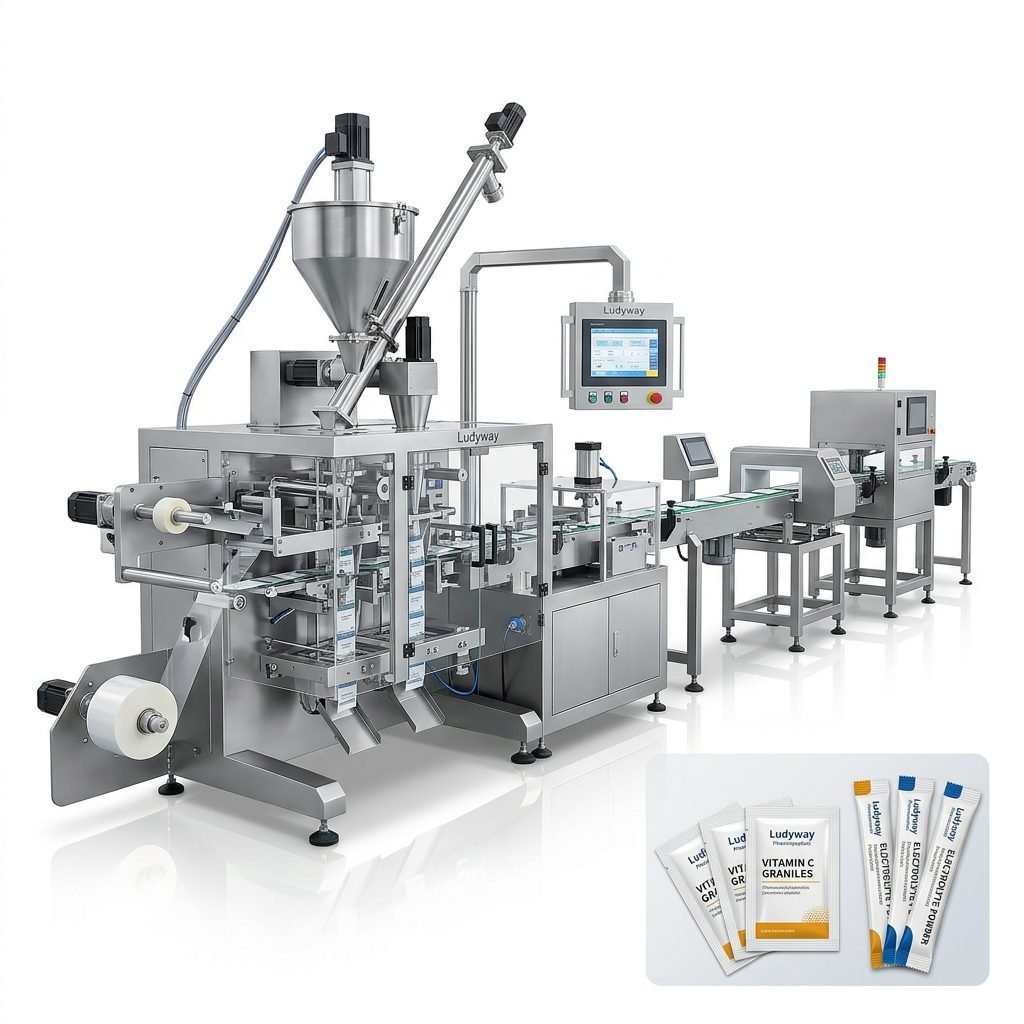
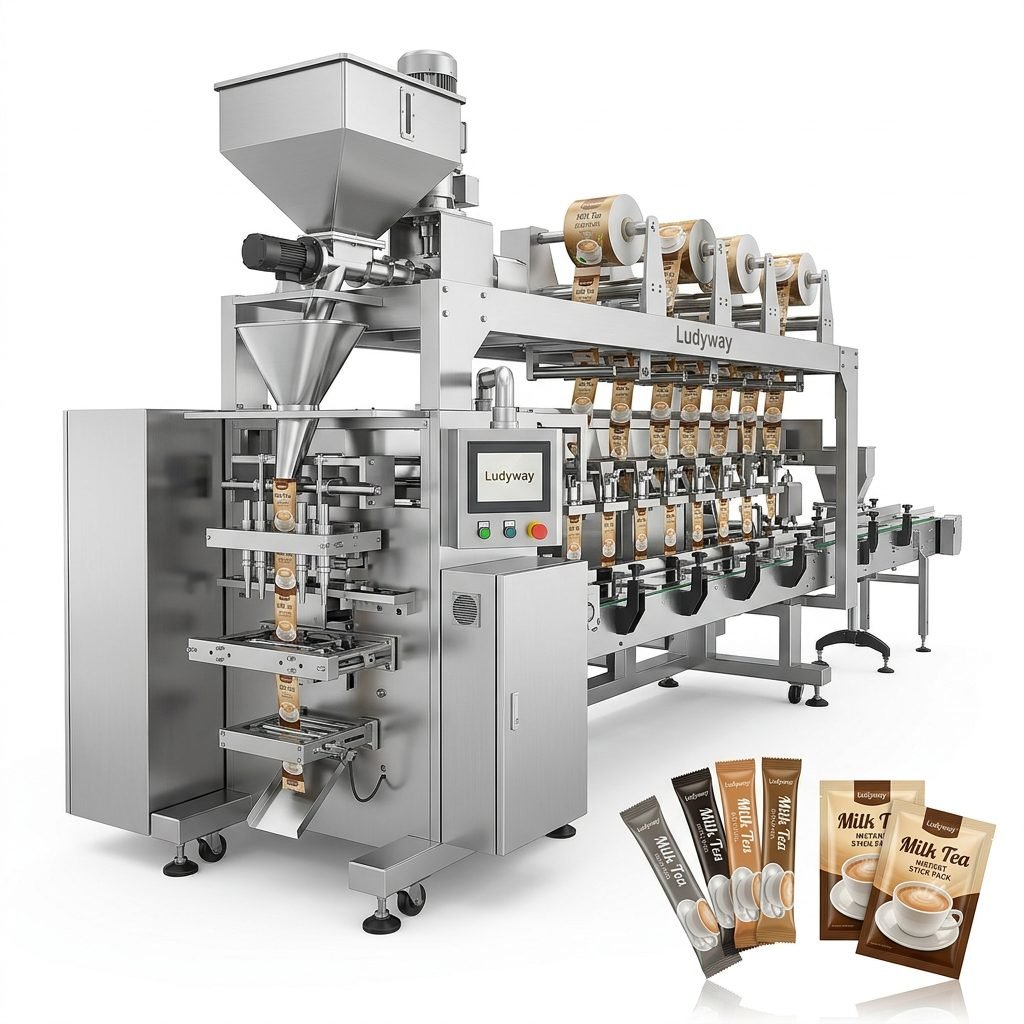
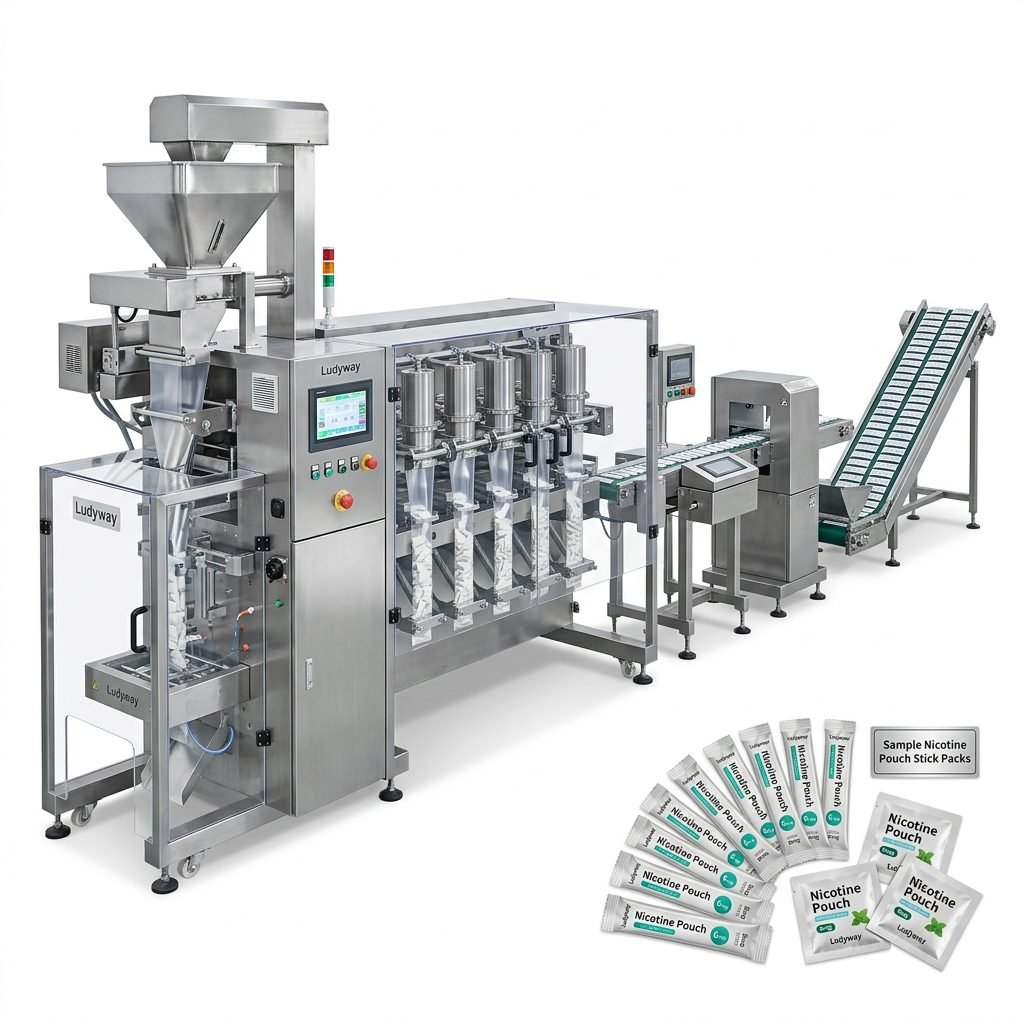
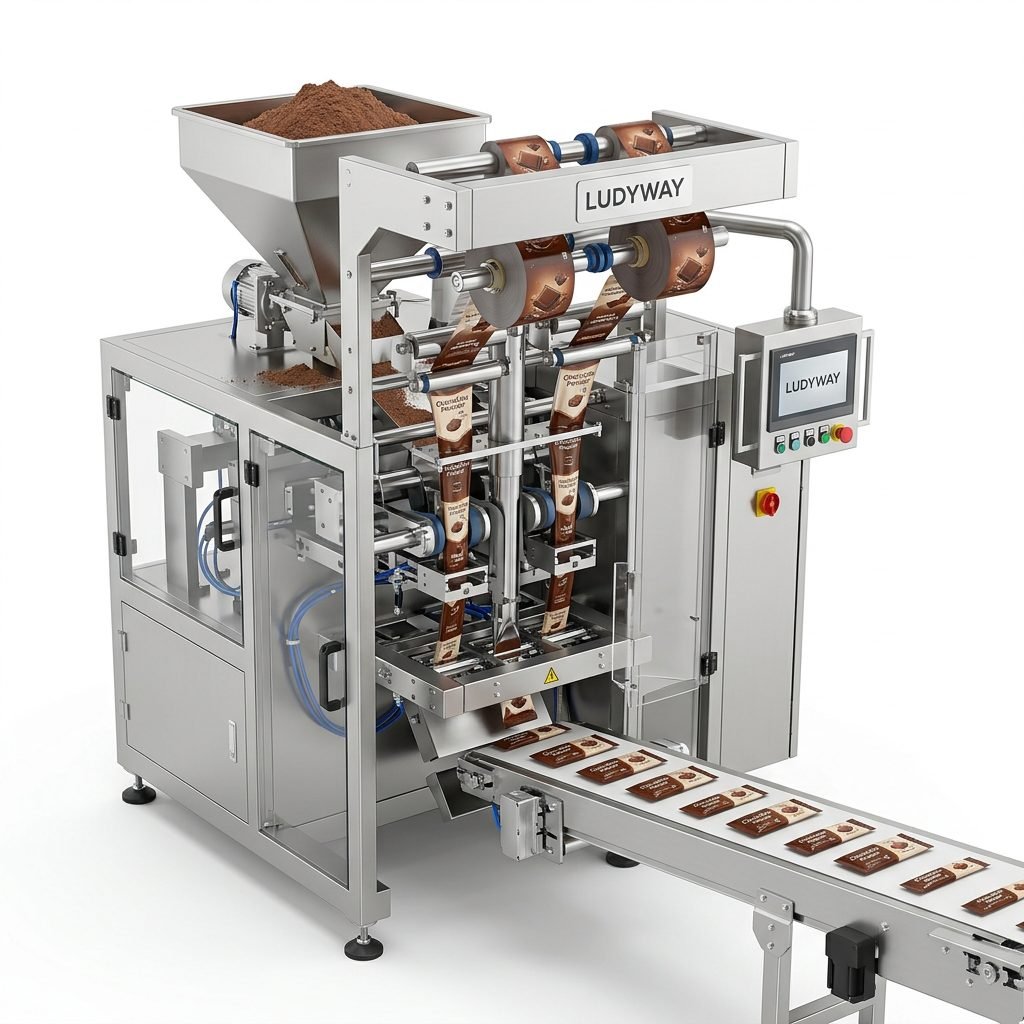
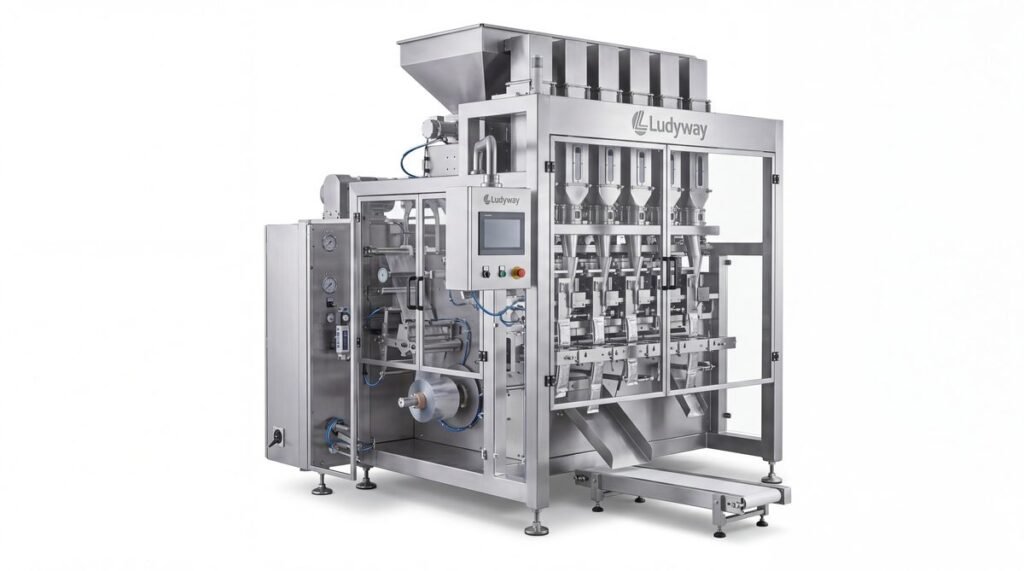
→ Machine Proficiency: Understanding the mechanics, capabilities, and limitations of different packaging machines (e.g., stick pack, sachet, liquid fillers) is non-negotiable.
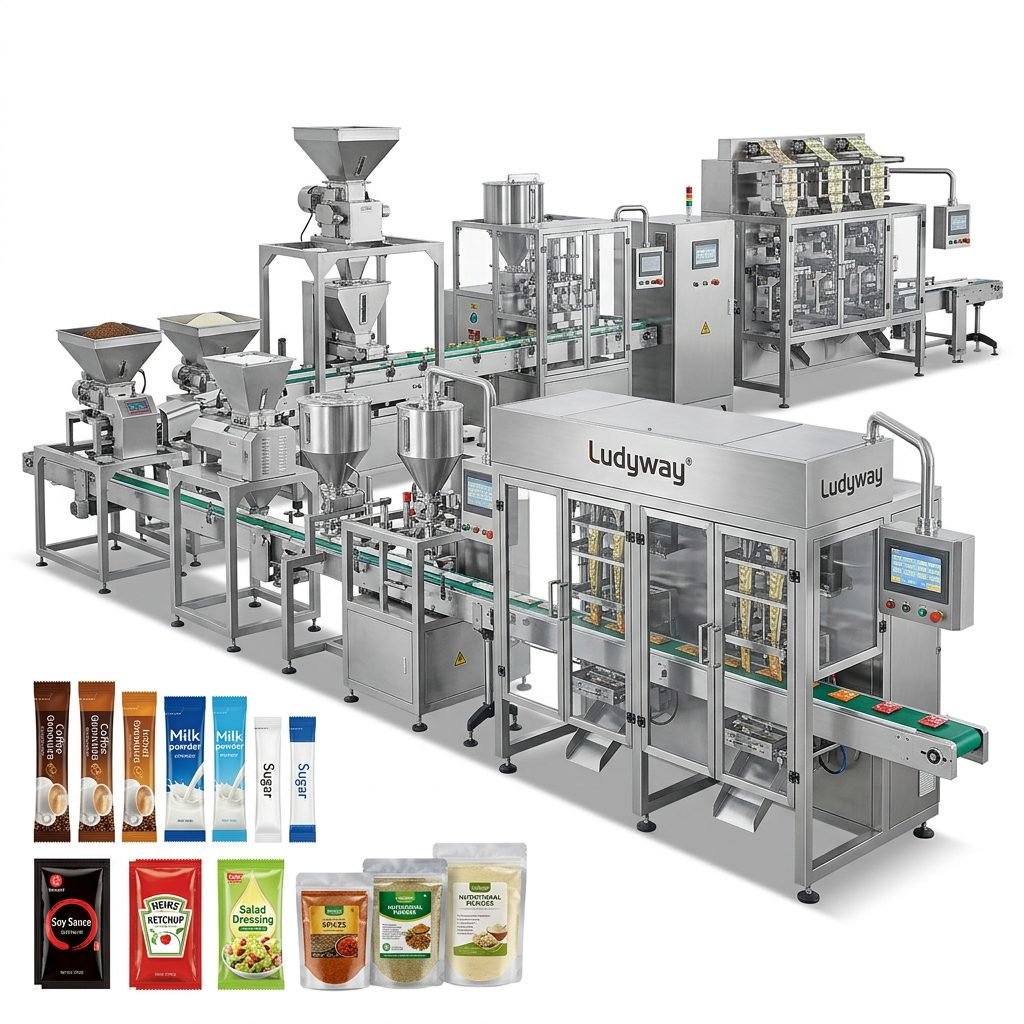
→ Production Process Awareness: Knowledge of end-of-line processes, hygiene standards (especially for food and pharma), and how packaging integrates into a complete production line.
→ Materials Science Basics: Familiarity with different packaging films, laminates, and their properties helps in recommending the right solution.
Critical Sales & Business Acumen
Solution Selling: The ability to move beyond selling a “machine” to selling a “solution” that increases efficiency, reduces waste, or solves a specific production bottleneck.
Financial Understanding: Crafting compelling ROI (Return on Investment) calculations and understanding client budgeting cycles are key to closing high-value deals.
Negotiation & Closing: Mastering the art of negotiation on price, terms, and delivery while maintaining a profitable deal and a positive relationship.
Furthermore, exceptional communication skills, resilience to handle long sales cycles, and cultural sensitivity for international sales are indispensable traits for top performers.
How to Land a High-Paying Role in Packaging Machinery Sales
Breaking into this specialized field or advancing to a higher-paying position requires a targeted approach.
1. Build a Strong Educational and Experiential Foundation
A background in mechanical engineering, mechatronics, or industrial automation is highly valued. Complement this with hands-on experience, even in a technical support, service, or application engineering role within a packaging or related manufacturing company. This practical knowledge is your biggest credibility asset.
2. Develop a Specialized Network
Attend industry trade shows like PACK EXPO or Interpack. Engage on professional platforms like LinkedIn with industry groups. Connect with recruiters who specialize in industrial capital equipment. Your network is often the source of unadvertised, high-potential opportunities.
3. Tailor Your Resume and Master the Interview
Your resume should highlight quantifiable achievements: “Increased regional sales by 20%,” “Sold 5 turnkey lines to pharmaceutical clients.” In interviews, be prepared to discuss specific machine types, walk through a complex sales cycle you managed, and demonstrate your problem-solving approach with real-world scenarios.
4. Target the Right Companies
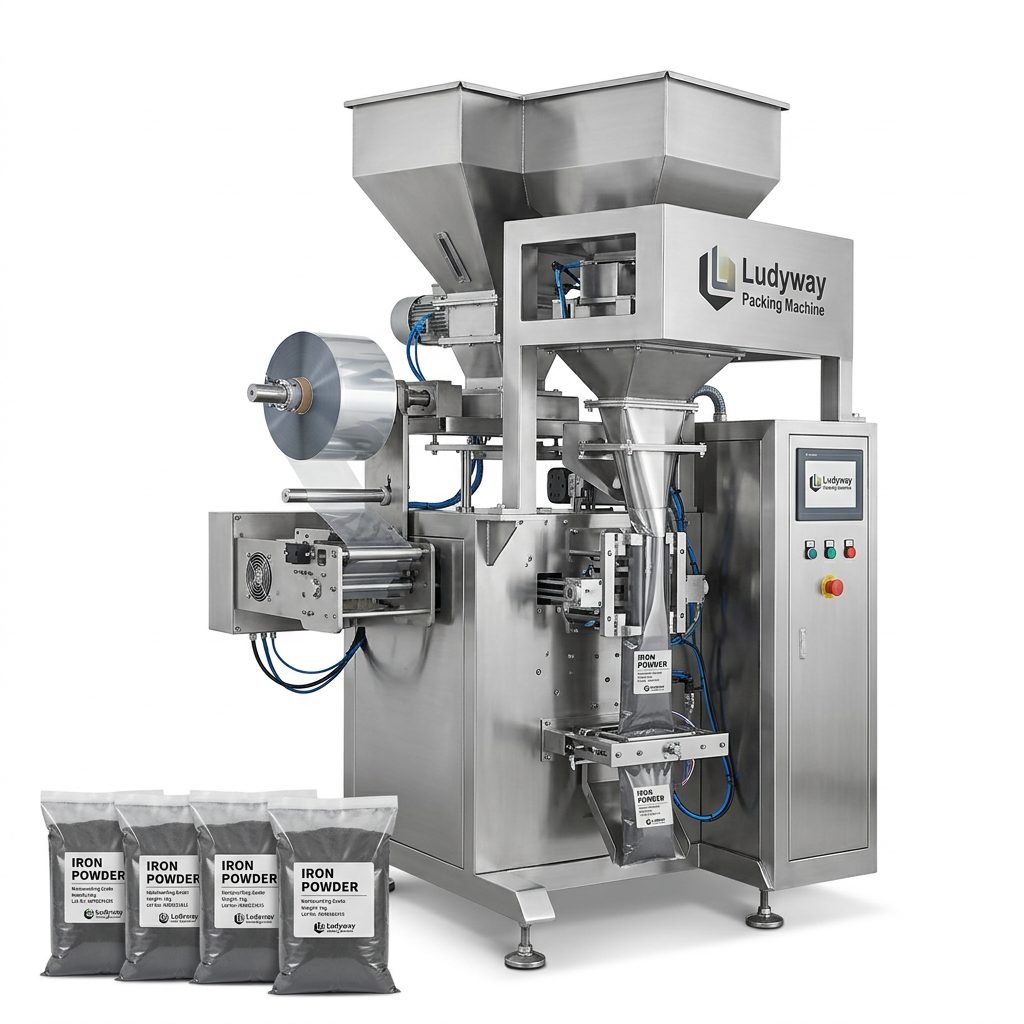
Research and target established players known for quality and innovation. For instance, companies like Ludyway Machinery, with decades of industry experience and a wide range of intelligent packaging solutions, often seek sales professionals who can represent their technical expertise and commitment to long-term client partnerships in global markets.
5. Demonstrate Business Impact
Throughout your career, focus on and document how you’ve directly contributed to profitability, cost-saving for clients, or market expansion. High-paying roles are given to those who prove they can drive business growth, not just take orders.
Conclusion
A career in packaging machinery sales is challenging yet immensely rewarding, offering the chance to work at the forefront of manufacturing technology while building meaningful business relationships. By understanding the diverse career paths, diligently developing the necessary technical and commercial skills, and strategically positioning yourself in the market, you can successfully land and thrive in a high-paying role. The future of packaging is automated, intelligent, and efficient, and skilled sales professionals are the critical link bringing these advanced solutions to industries worldwide.
Frequently Asked Questions (FAQs)
1. Do I need an engineering degree to succeed in packaging machinery sales?
While not always an absolute requirement, an engineering degree (mechanical, industrial, electrical) is a significant advantage. It provides the foundational technical credibility needed to understand client processes and discuss machine specifications confidently. Strong technical aptitude gained through other hands-on experience can also be a pathway.
2. What is the typical sales cycle length for packaging machinery?
The sales cycle for capital equipment like packaging machinery is typically long, often ranging from 6 to 18 months. It involves multiple stages: initial inquiry, technical consultation, proposal, factory acceptance tests, negotiation, and finally, purchase order. Patience and persistent follow-up are key.
3. Are there international opportunities in this field?
Yes, absolutely. The demand for automated packaging solutions is global. Many manufacturers, including companies like Ludyway Machinery, serve international markets. Roles often involve travel, and proficiency in additional languages or understanding of regional business customs can be a major asset for landing high-paying international account positions.
4. How important is after-sales service knowledge for a sales role?
Extremely important. Understanding common service issues, maintenance schedules, and parts logistics allows a salesperson to build greater trust. It enables them to sell a complete package of machine and support, which is crucial for client satisfaction, repeat business, and generating revenue from service contracts.
5. What industries offer the highest earning potential for packaging sales professionals?
The pharmaceutical and nutraceutical industries often involve the most stringent requirements and high-value equipment, leading to potentially higher commissions. The food and beverage sector is also highly lucrative due to its large volume and continuous innovation in packaging formats.