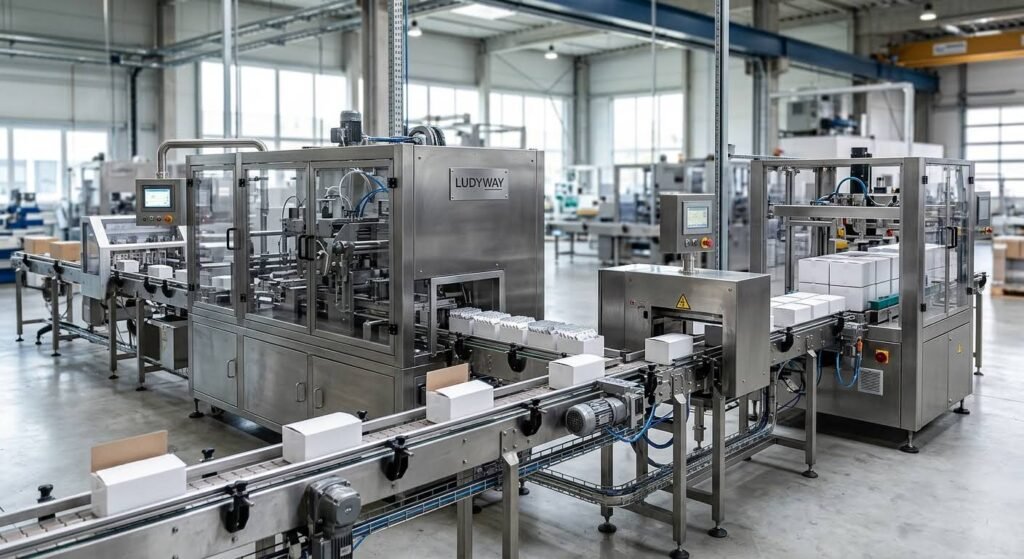
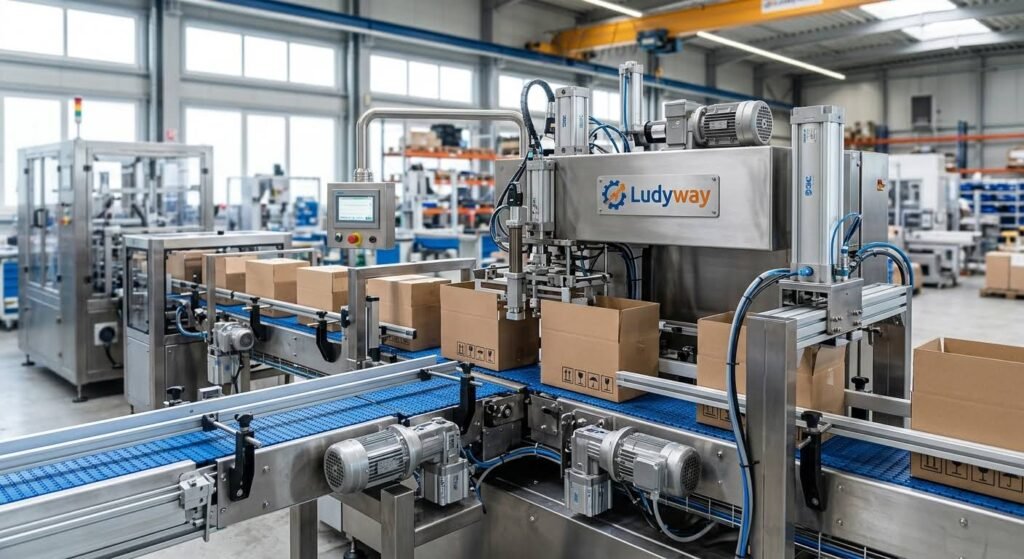
Selecting the right packaging machinery for your factory in Southeast Asia is a critical decision that impacts efficiency, product quality, and overall operational success. The region’s diverse manufacturing landscape, from bustling food processing hubs in Thailand and Vietnam to growing pharmaceutical sectors in Malaysia and Indonesia, demands equipment that is not only technologically advanced but also adaptable to local production nuances and humid climates.
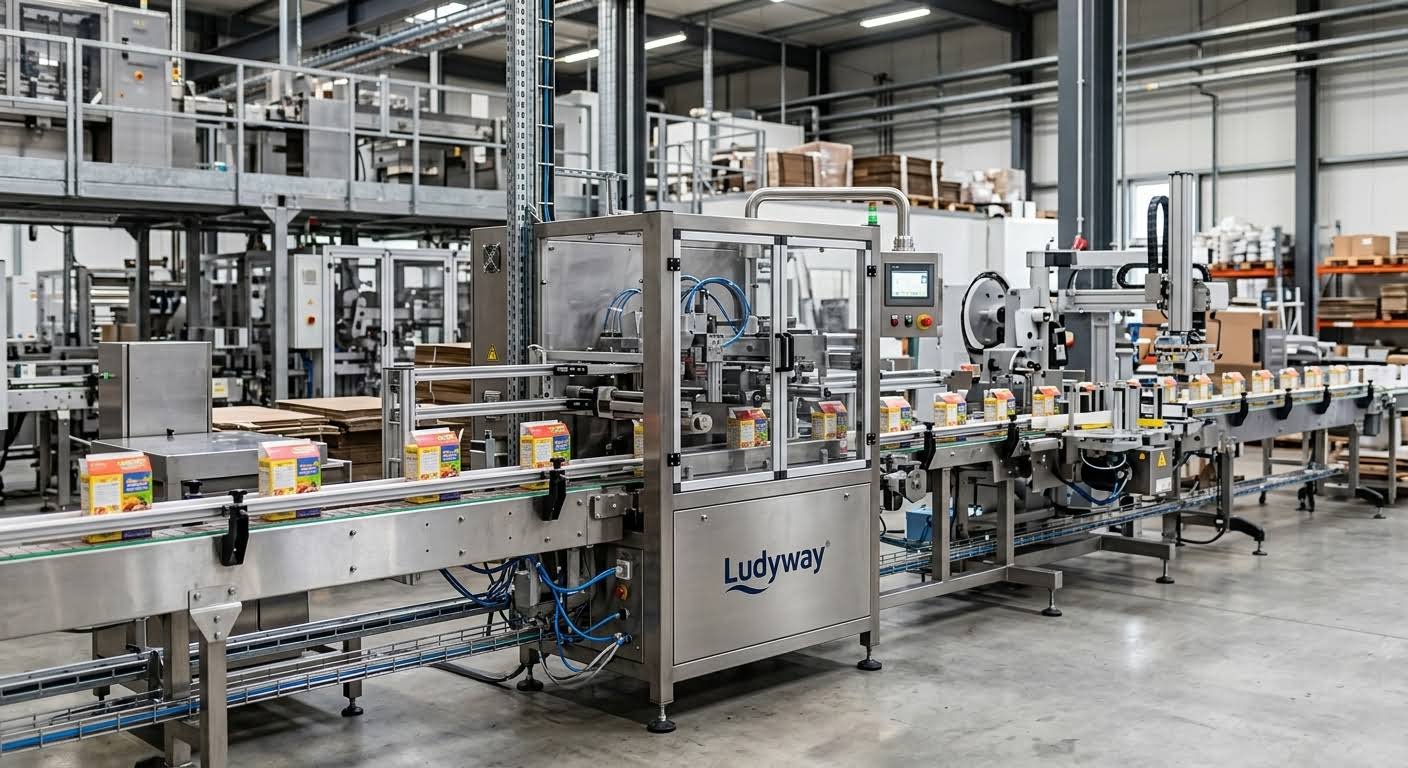
Understanding the Main Types of Packaging Machinery
The packaging machinery market offers a variety of solutions, each designed for specific applications. Understanding these types is the first step toward making an informed choice.
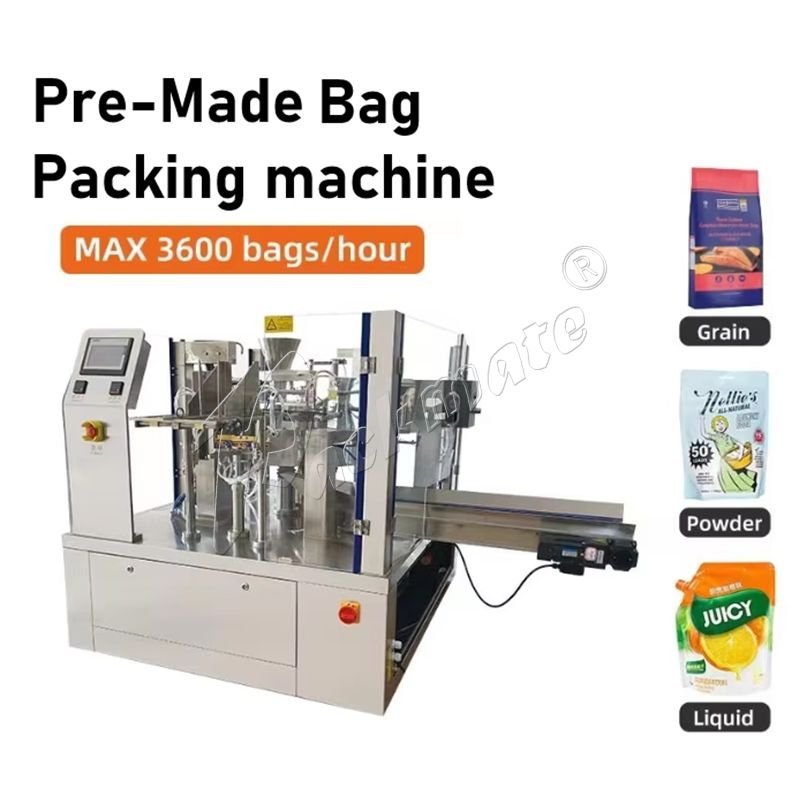
1. Filling and Sealing Machines
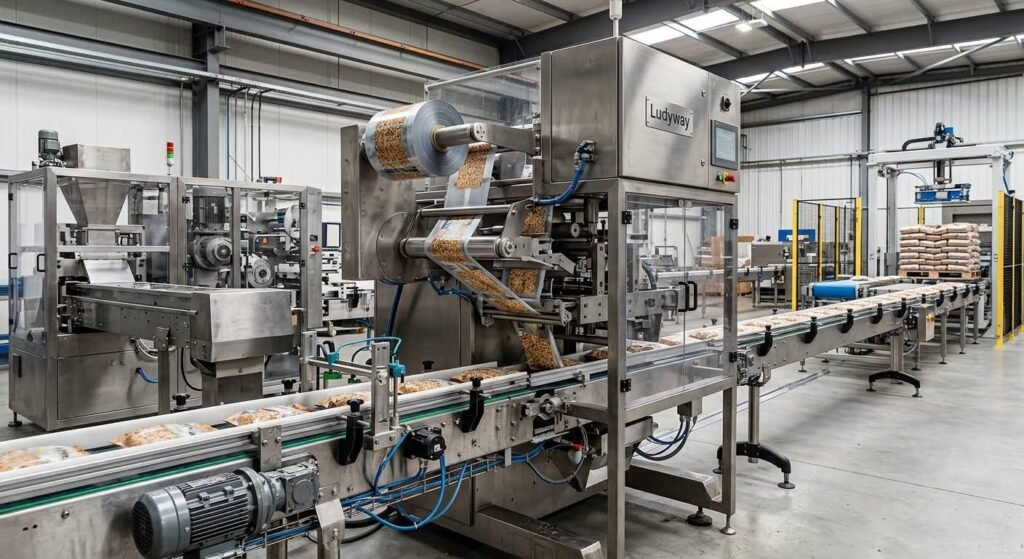
These are the workhorses of packaging lines, responsible for accurately dispensing product into pouches or sachets and hermetically sealing them. They are ideal for granules, powders, and liquids—common formats for instant coffee, spices, shampoo sachets, and pharmaceutical powders prevalent across Southeast Asia.
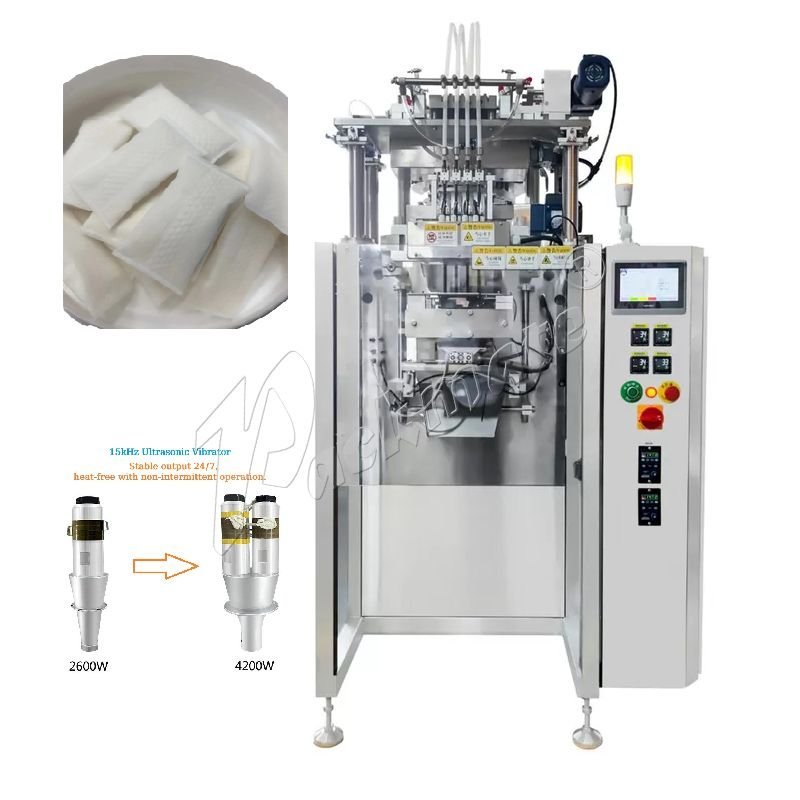
2. Stick Pack Machines
Extremely popular for single-serve portions, stick packs are a familiar sight for products like instant drink mixes, sugar, and condiments. Machines that produce stick packs are valued for their high-speed output and compact packaging format, which resonates with the on-the-go consumption habits in urban centers.
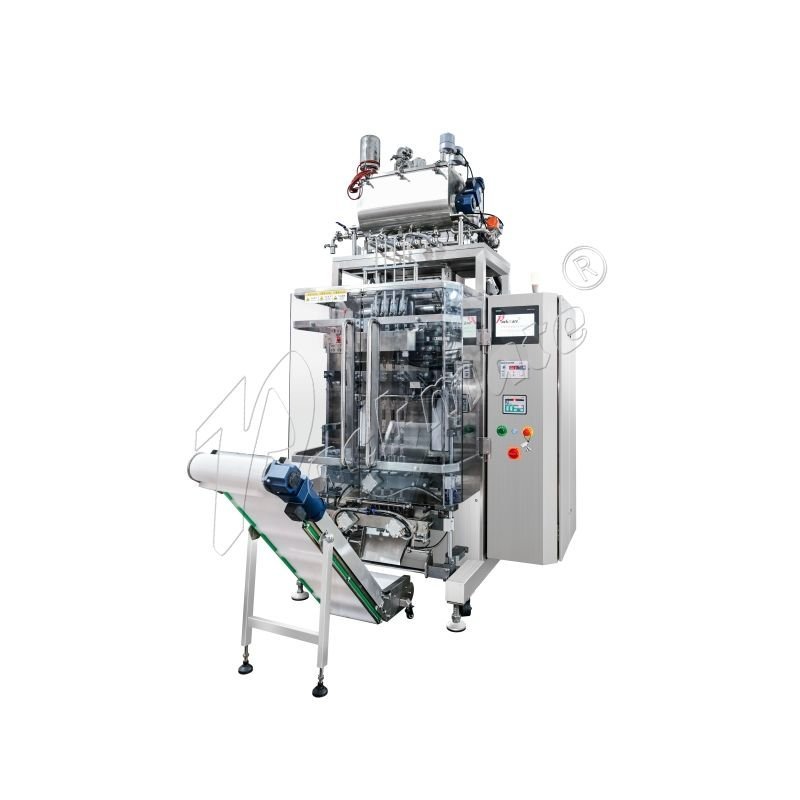
3. Multi-Lane and High-Speed Systems
For large-scale production, multi-lane machines dramatically increase output by packaging multiple units simultaneously. This efficiency is crucial for factories supplying major regional supermarkets or export markets.
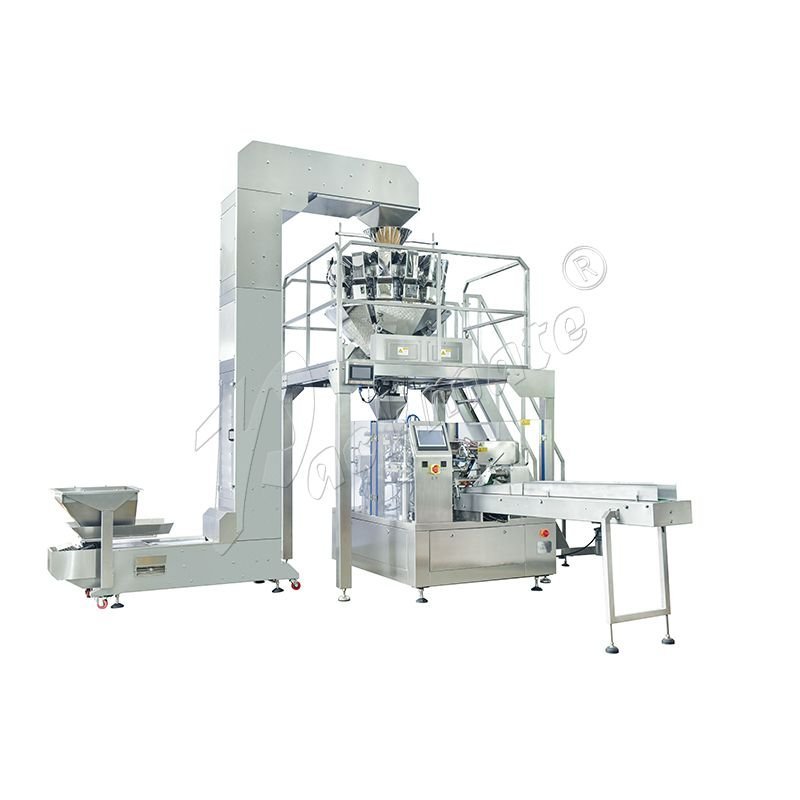
4. Turnkey Production Lines
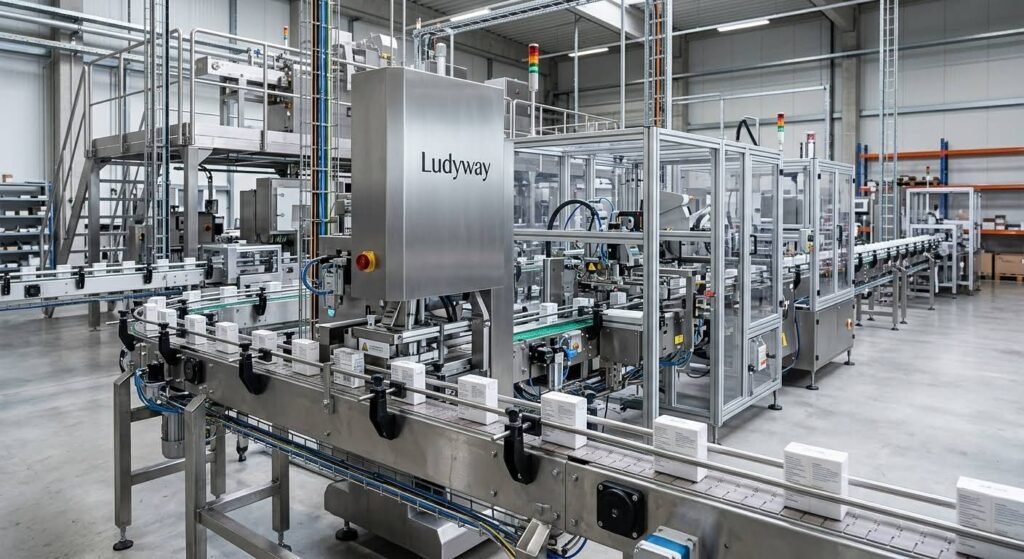
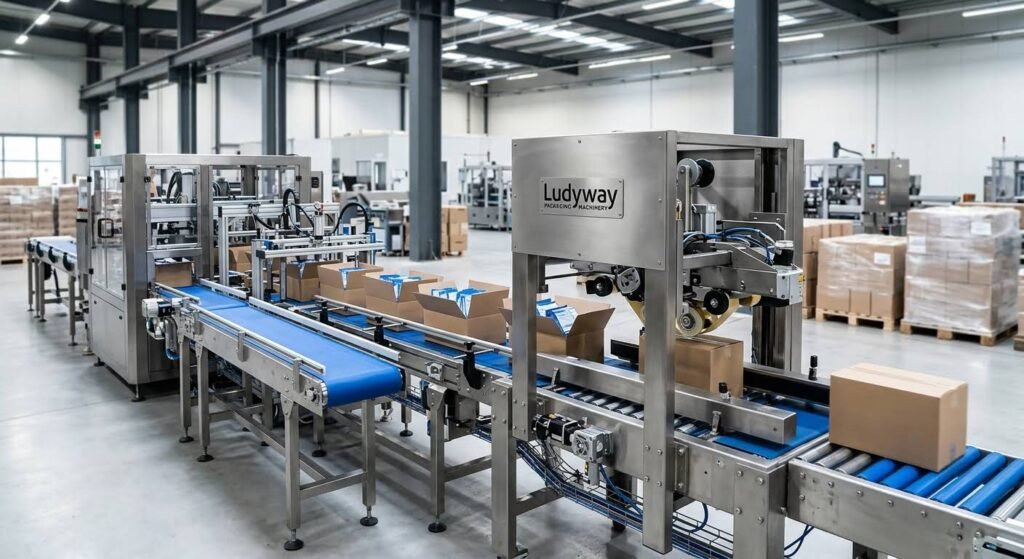
Beyond a single machine, a complete line integrates filling, sealing, conveying, cartoning, and case packing. This holistic approach is perfect for new factory setups or major upgrades, ensuring all components work in seamless harmony.
Key Features to Evaluate in Packaging Equipment
When comparing machines, look beyond the basic function. These features separate adequate equipment from exceptional investments.
Precision and Accuracy
Consistent fill weight is non-negotiable. It ensures product giveaway is minimized and compliance with regional trade regulations is maintained. Look for machines with high-precision servo motors and loss-in-weight systems.
Speed and Output Capacity
Match the machine’s speed (packs per minute) to your current and projected production volumes. Underestimating future growth is a common pitfall in the fast-developing Southeast Asian market.
Flexibility and Changeover Ease
The ability to quickly switch between different package sizes or product types is invaluable. This reduces downtime and allows you to cater to diverse customer requests common in the region’s varied markets.
Durability and Climate Adaptation
Machines must be built to withstand high humidity and temperatures. Stainless steel construction, proper sealing of electrical components, and corrosion-resistant parts are essential for longevity in tropical environments.
Hygiene and Cleanability
Especially for food and pharmaceuticals, equipment should have smooth surfaces, minimal crevices, and allow for easy disassembly for cleaning, adhering to both local and international hygiene standards.
How to Choose the Best Equipment for Your Factory
A strategic, step-by-step approach will guide you to the optimal machinery solution.
Step 1: Conduct a Thorough Needs Analysis
Define your core requirements: product type (powder, liquid, granule), target packaging format (sachet, stick pack, pouch), required output speed, and available factory floor space. Consider local power supply stability and voltage standards.
Step 2: Research and Shortlist Reputable Suppliers
Seek suppliers with a proven track record in Southeast Asia. A brand like Ludyway Packaging Machinery, with decades of industry experience, demonstrates an understanding of regional challenges. Evaluate their service network and availability of spare parts locally.
Step 3: Prioritize Total Cost of Ownership (TCO)
Look beyond the initial purchase price. Calculate energy consumption, maintenance costs, potential downtime, and the cost of consumables like sealing jaws or film. A slightly higher upfront investment in a robust machine often leads to lower TCO.
Step 4: Request Product Samples and Demos
Always test your actual product on the machine. A live demonstration or factory visit is the best way to verify performance, ease of operation, and final package quality. Pay attention to noise levels and operator safety features.
Step 5: Evaluate After-Sales Support and Training
Comprehensive support is critical. Ensure the supplier offers installation, thorough operator and maintenance training in the local language, and reliable technical support. Quick access to genuine spare parts prevents prolonged production halts.
Step 6: Consider Future-Proofing and Scalability
Choose equipment that can integrate with additional automation (like checkweighers or labelers) and can be upgraded. Planning for scalability protects your investment as your business grows with the regional economy.
Partnering for Success in Southeast Asia
The right machinery partner does more than sell equipment; they become a strategic ally. A partner with local insight can help navigate supply chain considerations, recommend packaging materials suitable for the climate, and provide training that respects local workplace practices. Investing time in selecting both the right machine and the right supplier lays a solid foundation for manufacturing efficiency, product consistency, and long-term growth in the dynamic Southeast Asian market. For insights into building a reliable partnership, explore the journey of established providers in the region.
Frequently Asked Questions (FAQs)
What is the most important factor when choosing packaging machinery for a humid climate like Southeast Asia?
The machine’s construction and component protection are paramount. Prioritize equipment with high-grade stainless steel frames, IP-rated electrical panels to prevent moisture ingress, and corrosion-resistant critical parts to ensure durability and reduce maintenance issues.
How can I ensure the machine will work with my specific local packaging film materials?
Always conduct trials with your exact film material. Reputable suppliers should offer this service. The trial tests the machine’s sealing parameters (temperature, pressure, time) on your film to guarantee strong, consistent seals that survive logistics in tropical heat.
Is it better to buy a single machine or a complete turnkey production line?
It depends on your scale and operational maturity. A single machine suits expansion or replacement. A turnkey line is best for new factories or major overhauls, as the supplier handles integration, ensuring all modules (filling, sealing, cartoning) work harmoniously, saving significant time and engineering resources.
What kind of after-sales support should I expect from a reliable supplier?
Expect comprehensive support: professional installation, detailed training for your operators and technicians, a clear warranty, readily available spare parts inventory (ideally within the region), and access to responsive remote and on-site technical support to minimize downtime.
How do I calculate the realistic Return on Investment (ROI) for a new packaging machine?
ROI calculation should factor in increased output speed, reduced labor costs via automation, lower material waste from improved accuracy, decreased downtime from higher reliability, and potential gains in product quality and market competitiveness. Your supplier should help model this based on your production data.