In today’s fast-paced global manufacturing landscape, the demand for high-efficiency packaging solutions is paramount. For businesses in the Southern United States and other regions with robust food and industrial production sectors, finding reliable machinery that boosts output while maintaining quality is a key operational goal. This article explores advanced packaging machinery solutions designed to meet these specific, high-demand production environments.
Understanding the Needs of Southern Production Hubs
Regions known for concentrated food and industrial manufacturing, such as the American South, present unique challenges. High humidity, large-scale batch processing, and the need for versatile equipment to handle diverse products—from spices and granules to powders and liquids—are common factors. Efficiency, durability, and adaptability are not just desirable features; they are essential for maintaining competitive advantage and meeting tight production schedules.
Key Challenges in Food & Industrial Packaging
Operators often face issues like product waste, line downtime, inconsistent sealing, and difficulty switching between product types. These challenges can significantly impact profitability and scalability.
Core Machinery Solutions for Enhanced Efficiency
A comprehensive packaging line is built on core machines that automate and streamline the process. The right equipment selection directly correlates to higher throughput and lower operational costs.
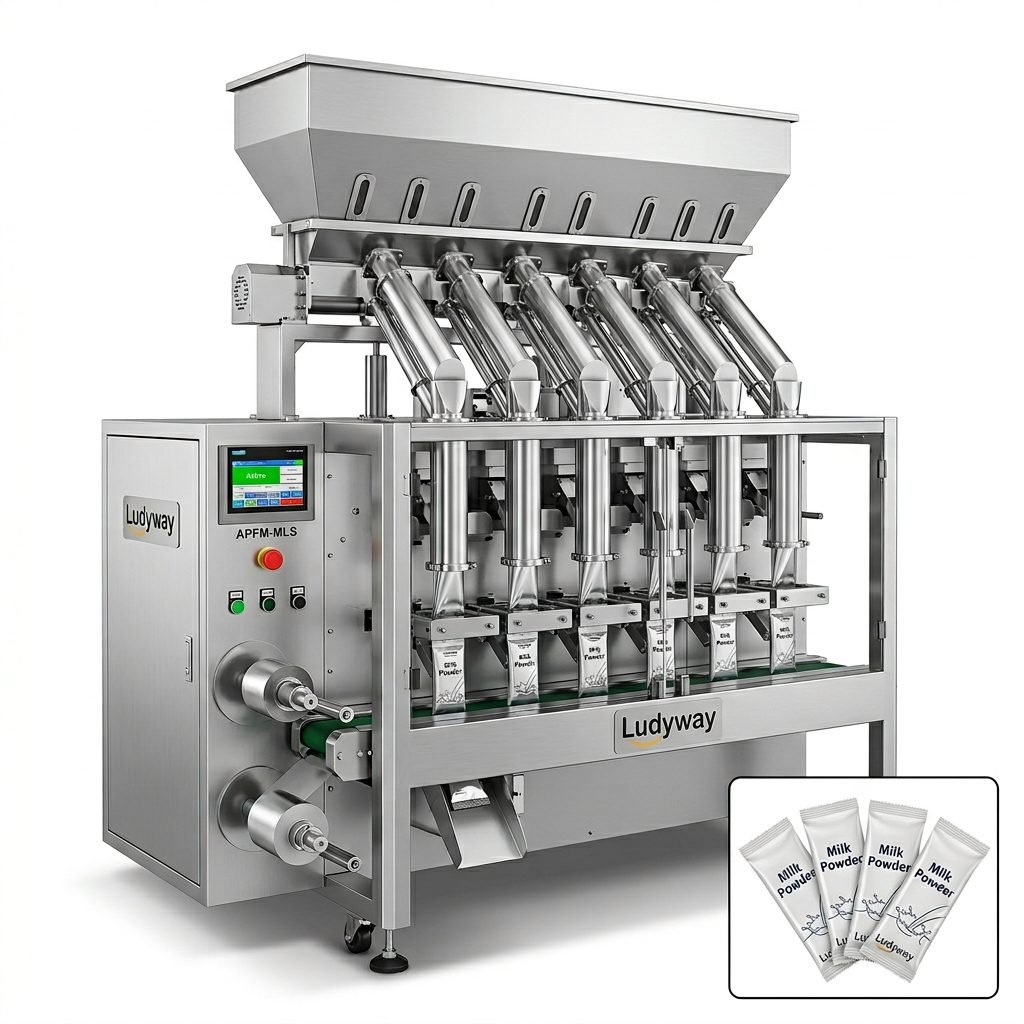
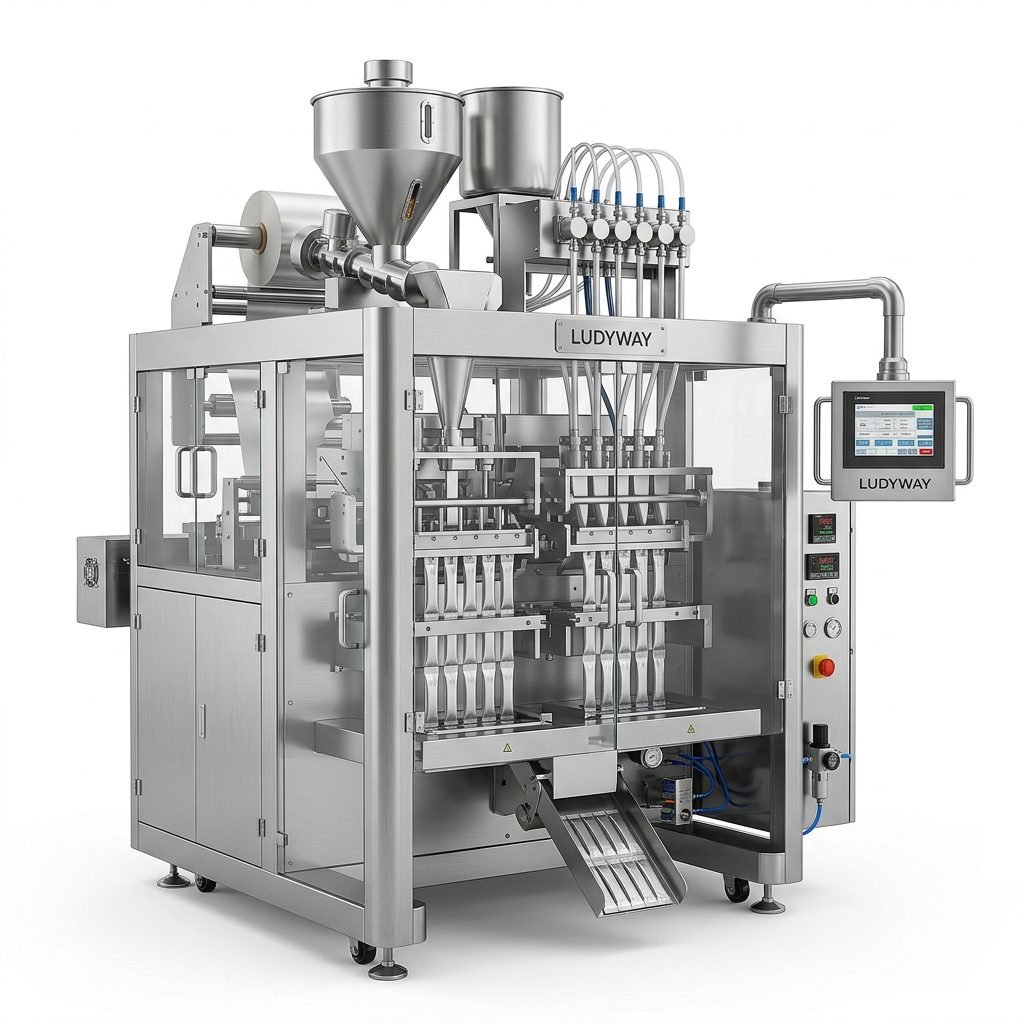
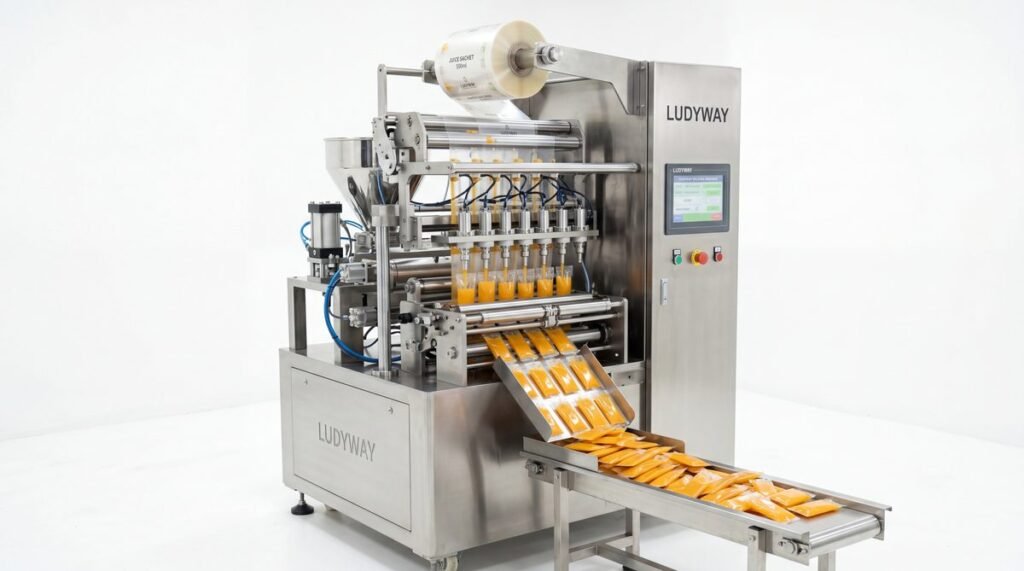
1. Advanced Stick Pack & Sachet Packaging Machines
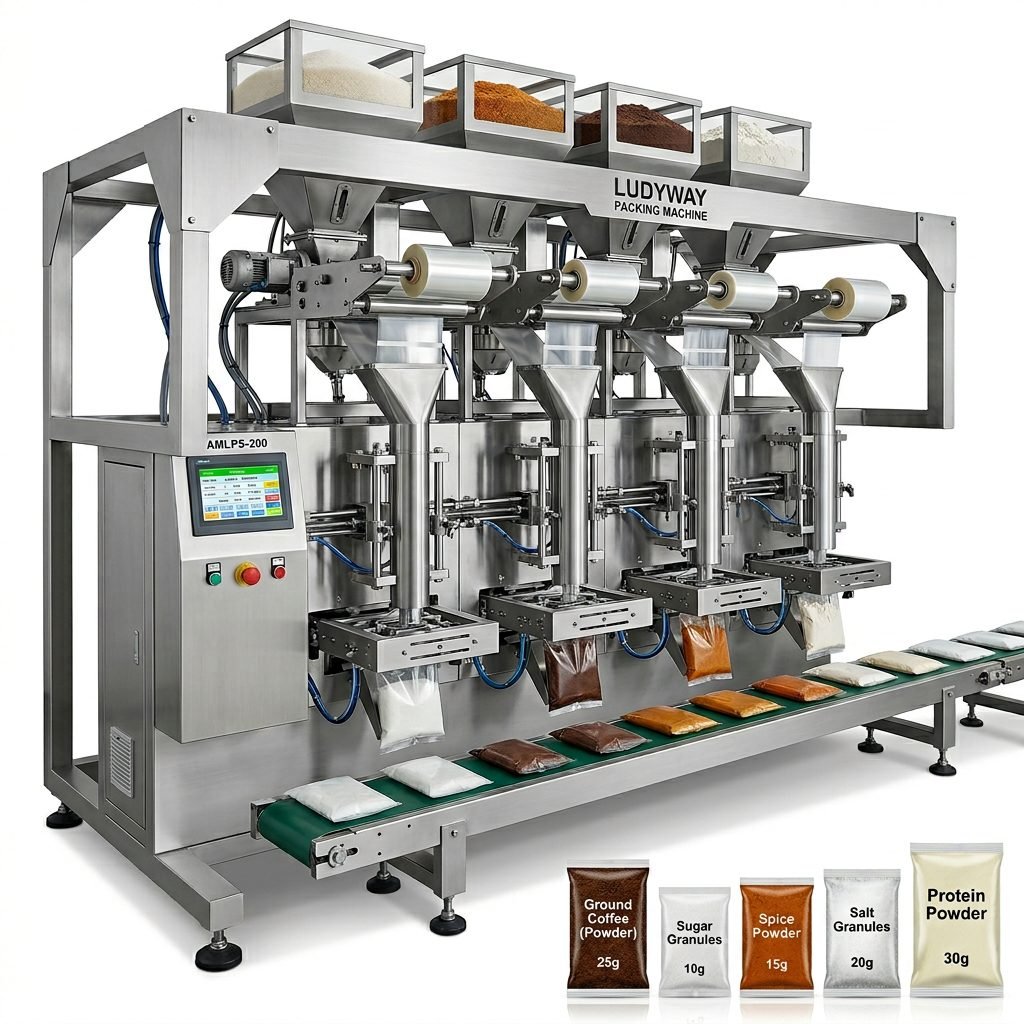
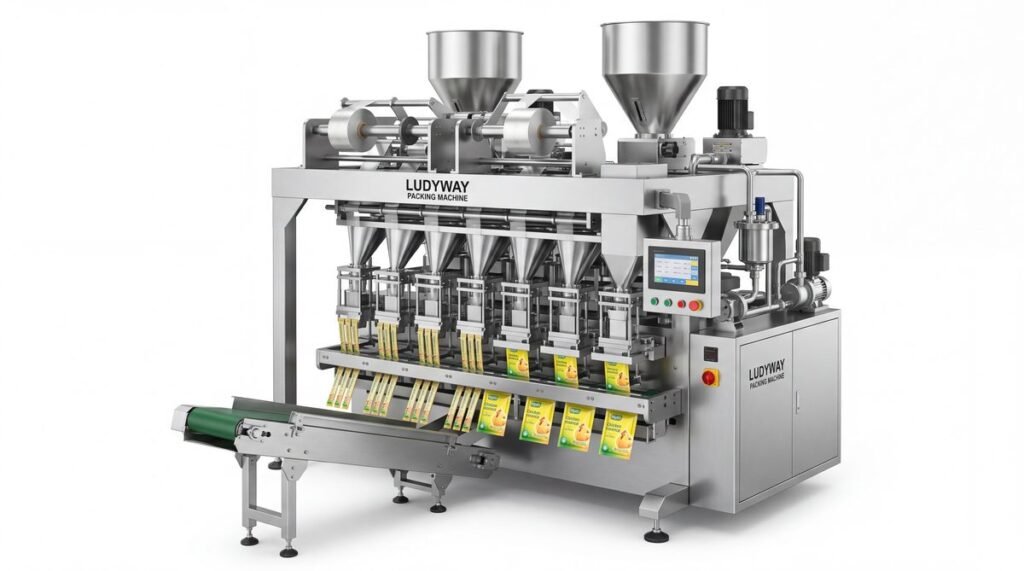
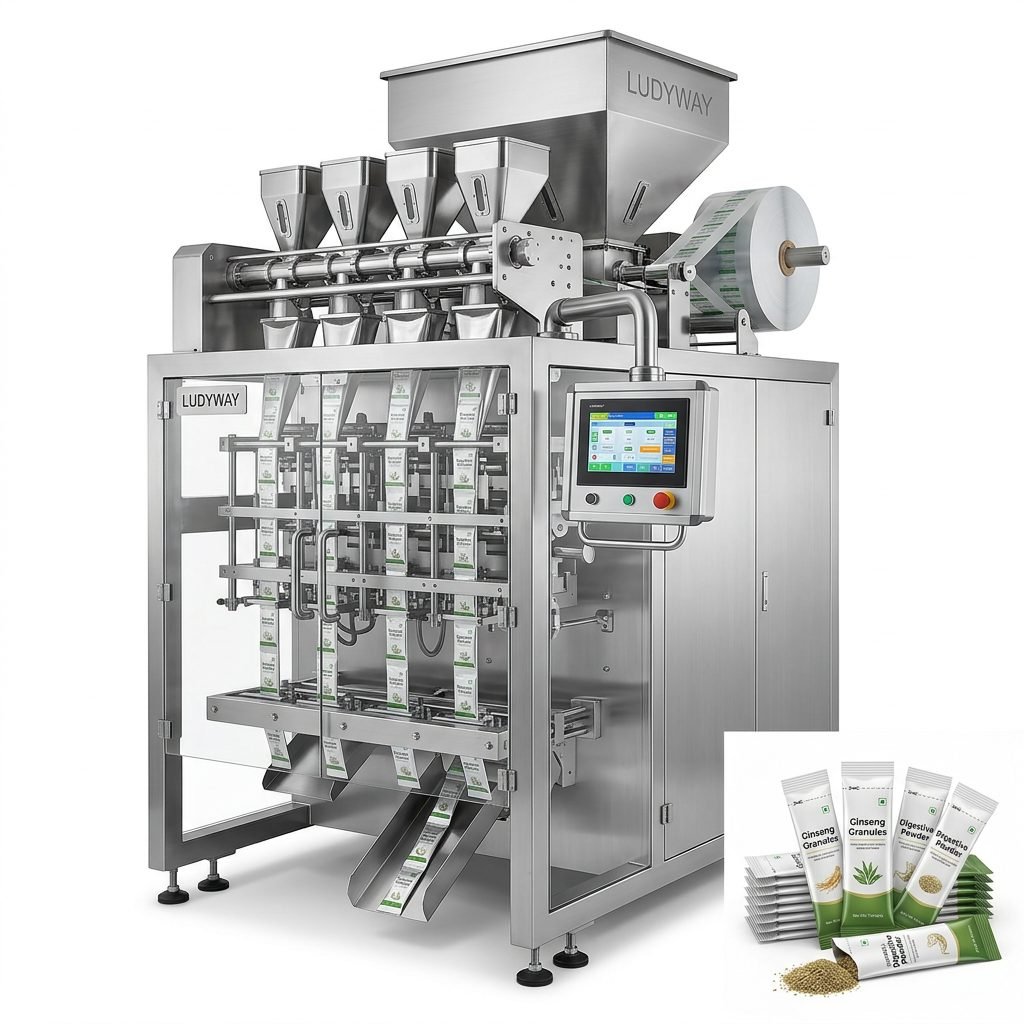
For unit-dose packaging of powders, granules, or liquids, multi-lane stick pack and sachet machines are invaluable. Modern systems offer:
✓ High-Speed Operation: Capable of producing hundreds of packs per minute.
✓ Precision Dosing: Ensures accurate fill weight every time, minimizing giveaway.
✓ Quick Changeover: Allows rapid switching between pack sizes and materials, ideal for short production runs.
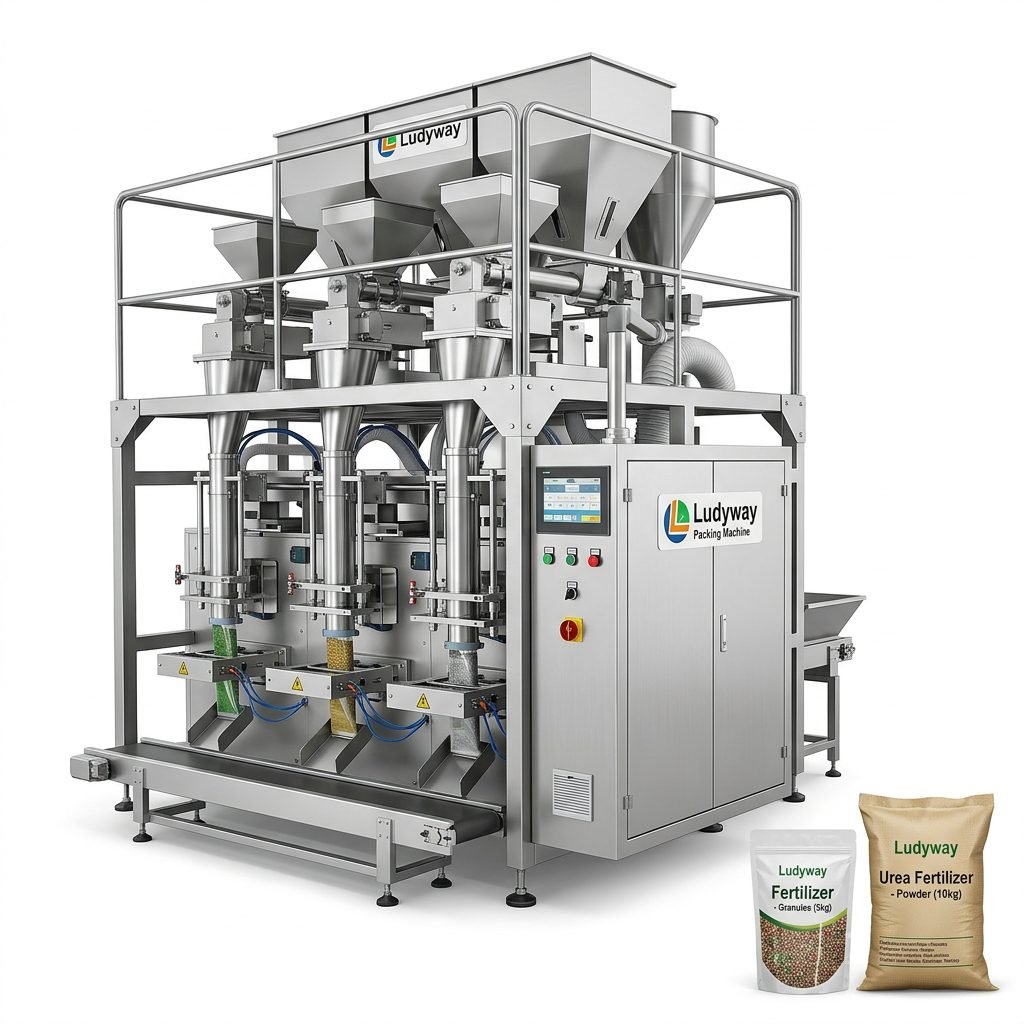
2. Automated Granule and Powder Fillers
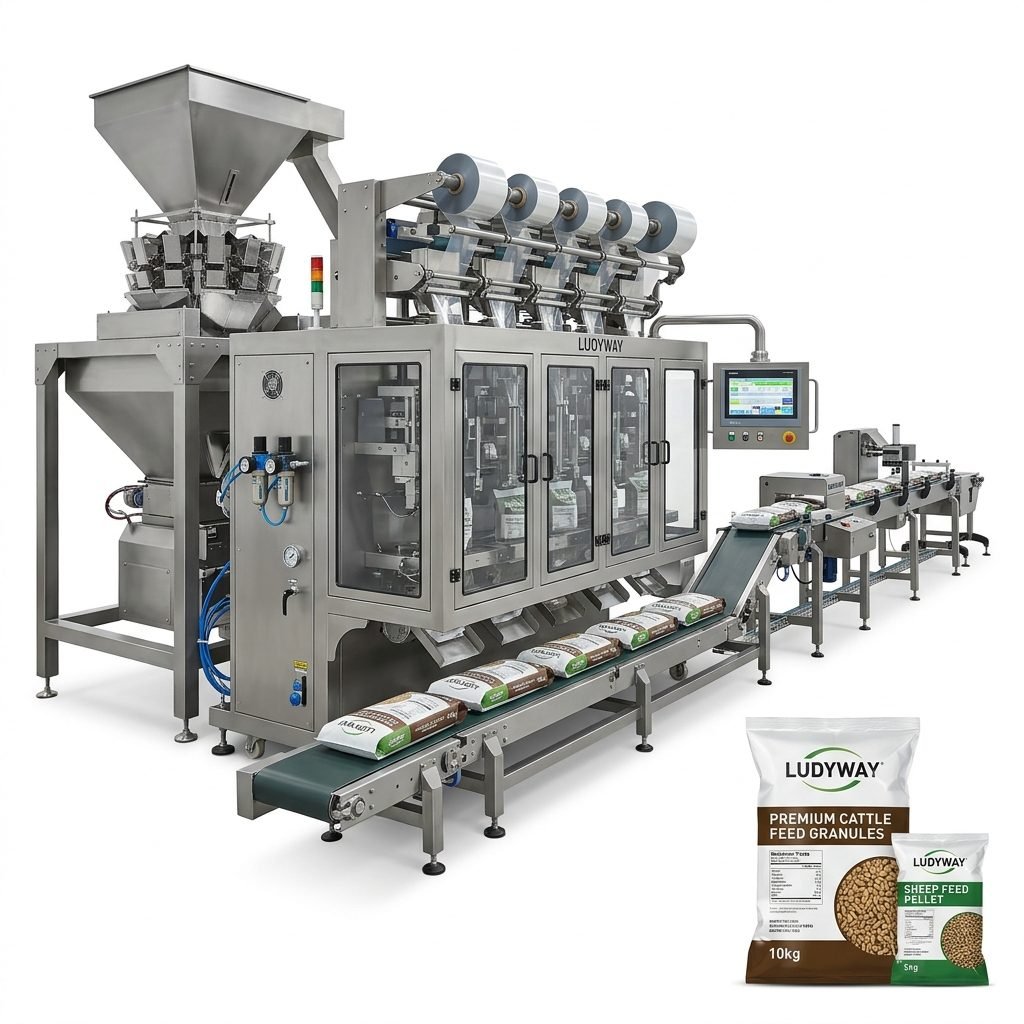
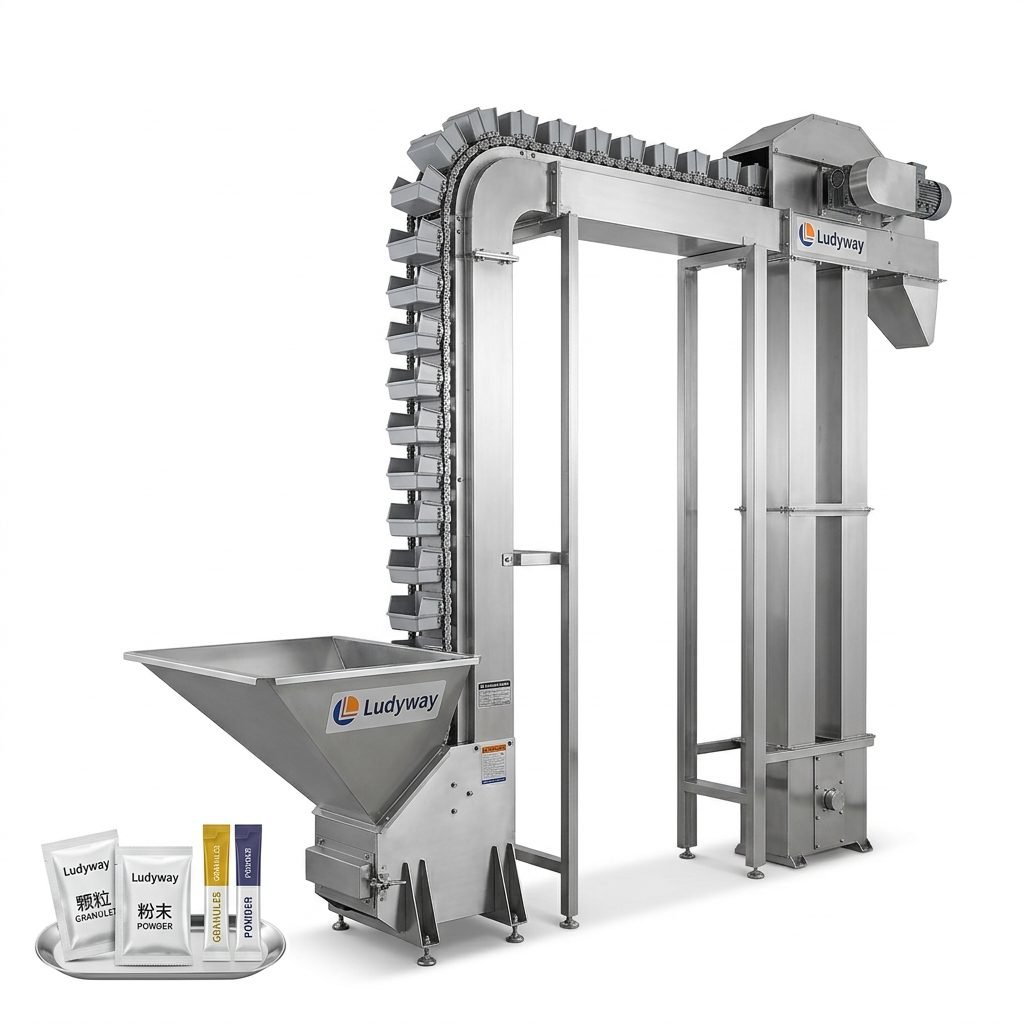
These systems are the workhorses for products like coffee, sugar, seasoning, and chemical powders. Key features include auger filling technology for non-free-flowing products and integrated check-weighing systems to guarantee compliance and reduce waste.
3. Integrated Liquid Packaging Lines
For sauces, oils, or industrial lubricants, fully automated liquid filling and capping lines provide a complete solution. Look for systems with no-drip nozzles, level-sensing technology, and CIP (Clean-in-Place) capabilities to maintain hygiene and reduce changeover time.
The Advantage of Turnkey Production Solutions
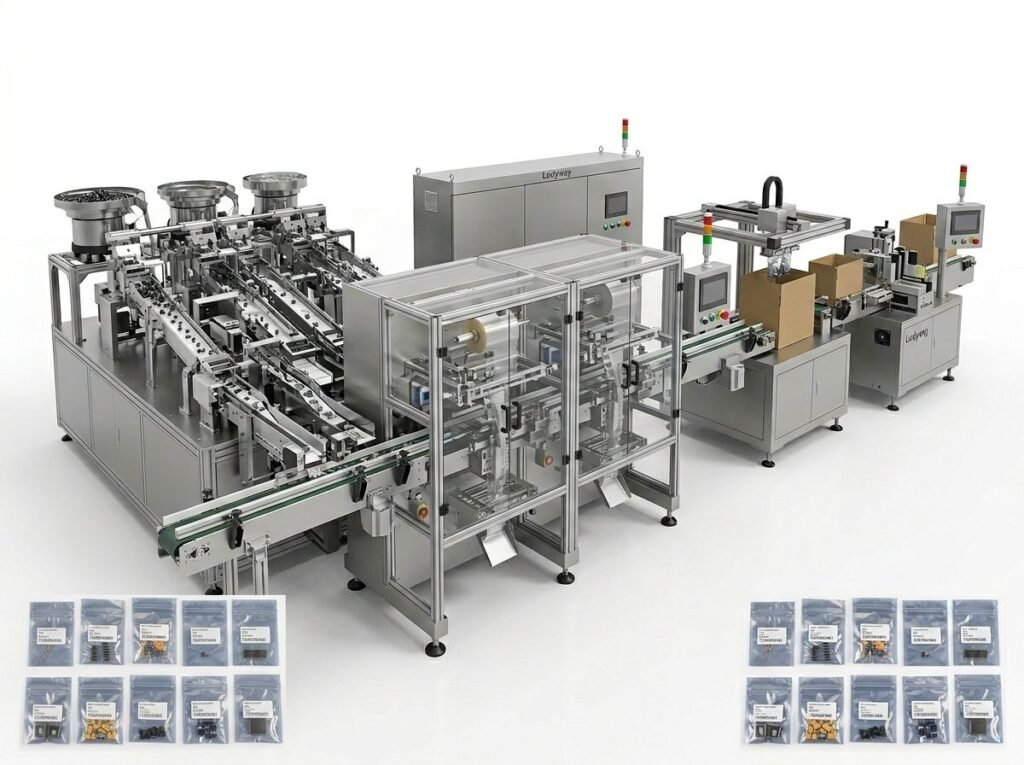
Beyond individual machines, the greatest leap in efficiency comes from integrated, turnkey production lines. A single-source provider can design, supply, and commission a complete line—from product feeding and packaging to cartoning and palletizing. This holistic approach ensures seamless communication between all line components, minimizes integration headaches, and provides a single point of accountability for service and support.
Why Partner with a Specialized Provider?
Choosing a partner with deep industry experience, like Ludyway Packing Machine, brings significant benefits. With over 30 years of expertise, such partners understand the nuances of different products and regional production demands. They offer more than just equipment; they provide reliable solutions backed by strong engineering and a portfolio of over 50 intelligent machine models tailored to specific application needs.
Driving Sustainability and Cost Savings
High-efficiency machinery also contributes to sustainability goals. Precise dosing reduces material usage, energy-efficient drives lower power consumption, and robust construction extends machinery life, reducing the environmental impact of manufacturing and replacement. These factors collectively drive down the total cost of ownership, making the investment in advanced packaging technology financially sound.
Future-Proofing Your Packaging Operation
The future of packaging is smart and connected. Investing in machinery with IoT (Internet of Things) readiness, data collection ports, and modular designs allows for easy upgrades. This ensures your operation can adapt to new market trends, such as e-commerce-friendly packaging or real-time production monitoring, without needing a complete line overhaul.
Implementing high-efficiency packaging solutions is a strategic decision that impacts every aspect of production. For food and industrial manufacturers in high-output regions, it’s the cornerstone of maintaining quality, ensuring speed, and achieving sustainable growth in a competitive marketplace. By focusing on reliable, adaptable, and integrated machinery from experienced providers, businesses can build a packaging operation that is not just efficient for today but ready for the challenges of tomorrow. For insights into configuring a complete line, exploring customized automation solutions is a recommended next step.
Frequently Asked Questions (FAQs)
What types of products are best suited for stick pack machines?
Stick pack machines are exceptionally versatile and ideal for single-serve portions of free-flowing and non-free-flowing products. Common applications include instant coffee, sugar, drink mixes, pharmaceutical powders, condiments like ketchup or mayonnaise, and liquid supplements. Their compact, hygienic format is popular for on-the-go consumption.
How can I reduce product waste in my powder filling line?
Product waste can be minimized through several key equipment features: 1) Precision auger fillers with servo-driven motors for exact dosing, 2) Integrated check-weighers that automatically reject under/over-filled packs and provide feedback to the filler for self-correction, and 3) efficient dust extraction systems that recover airborne product. Regular maintenance and calibration are also crucial.
What should I consider when switching from manual to automated packaging?
The transition requires planning. Key considerations include: a clear analysis of your current output and target speed (PPM), the physical characteristics of your product (flowability, abrasiveness), available factory floor space and utilities (power, air), the skill level of your operators, and your budget for both capital expenditure and long-term maintenance. Partnering with an experienced supplier for a feasibility study is highly advisable.
Are high-speed packaging machines difficult to maintain?
While advanced machines are complex, reputable manufacturers design them for ease of maintenance. Look for features like tool-less access panels, self-diagnostic systems, readily available spare parts, and comprehensive training from the supplier. A strong technical support and service agreement is essential to maximize uptime and machine lifespan.
Can one packaging line handle multiple different products?
Yes, with the right design. Modern modular packaging lines are built for flexibility. Quick-change features on form-fill-seal machines, interchangeable filler heads, and recipe storage in the PLC (Programmable Logic Controller) allow for rapid changeover between different products, pack sizes, and materials. This is ideal for contract packers or companies with a diverse product portfolio.