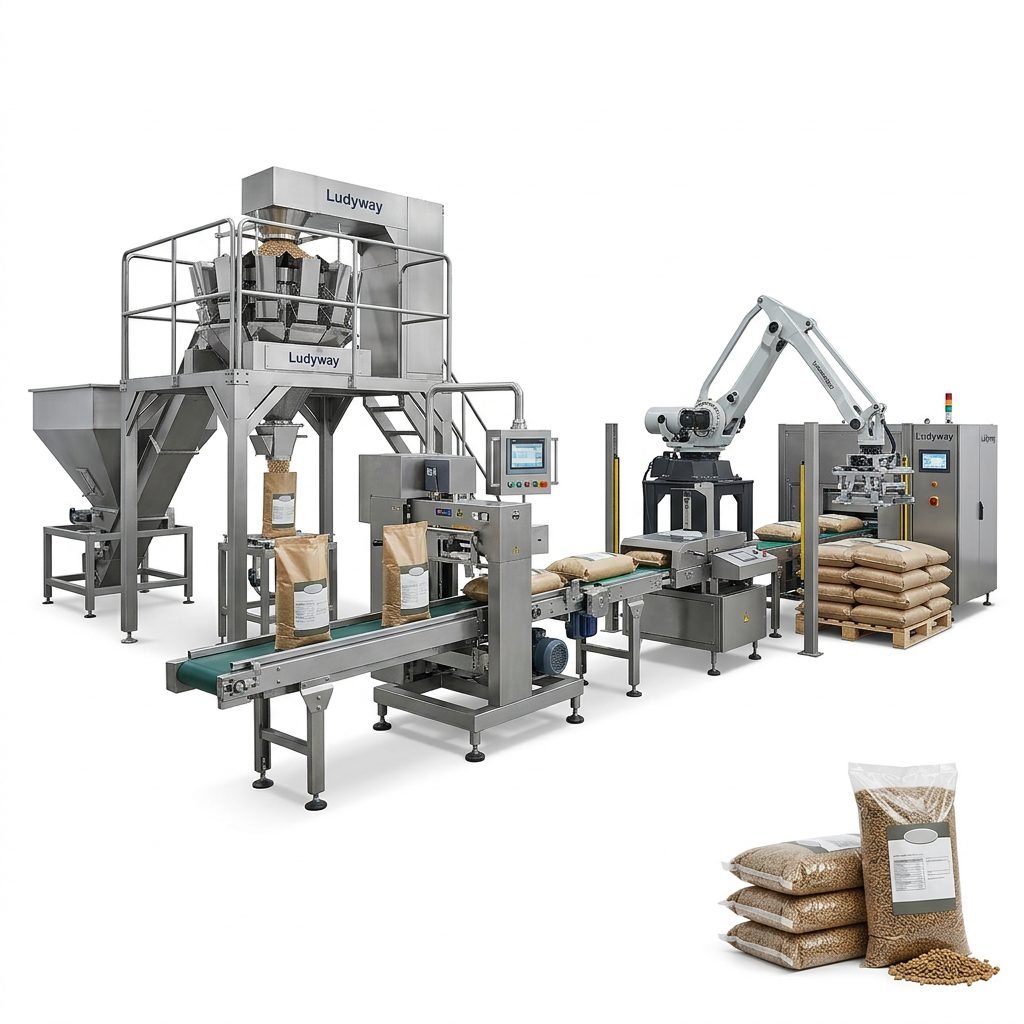
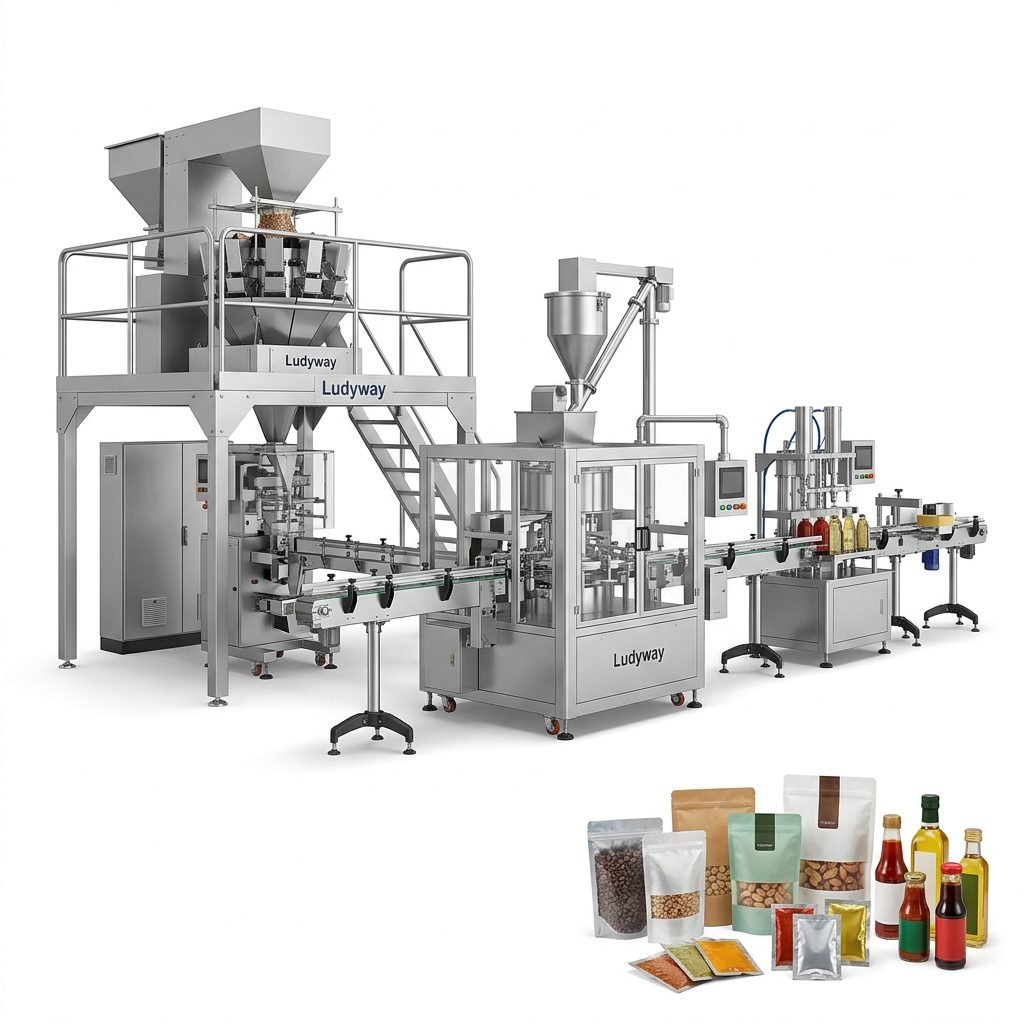
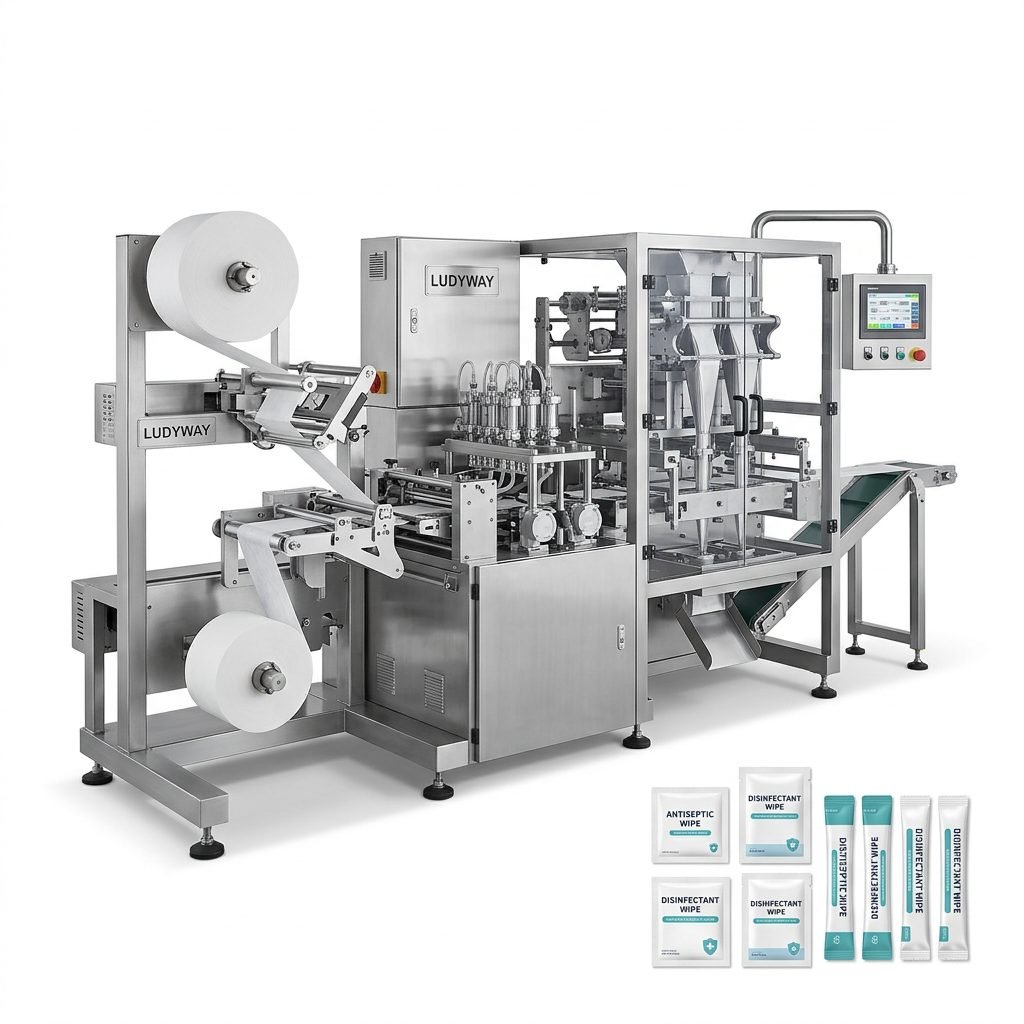
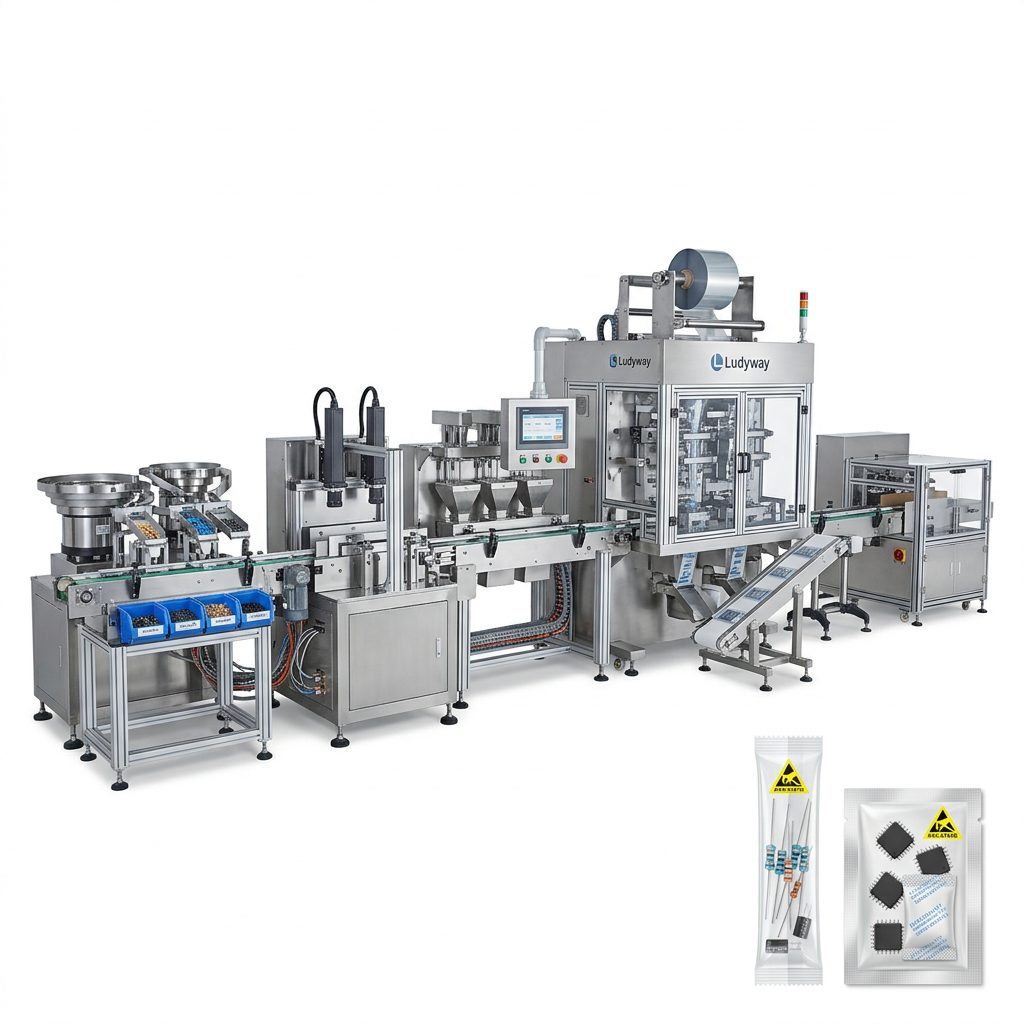
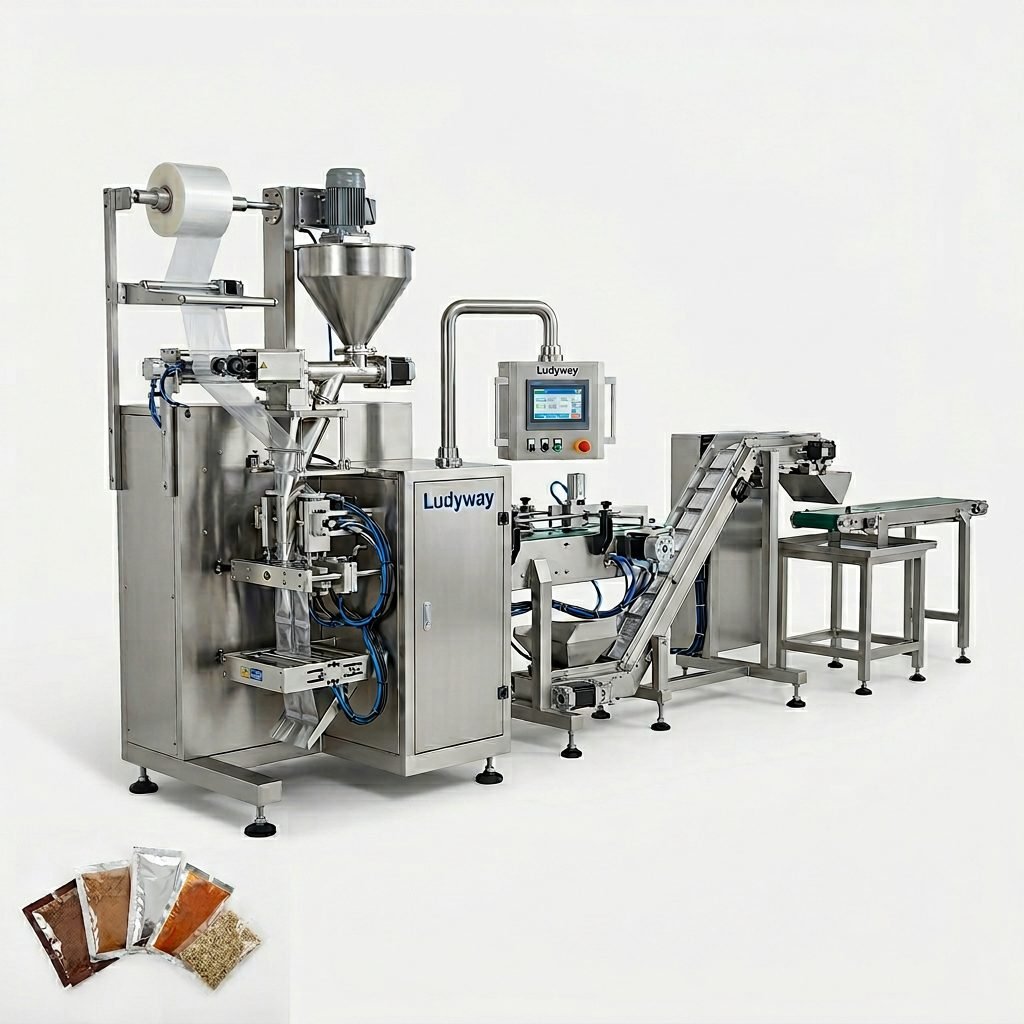
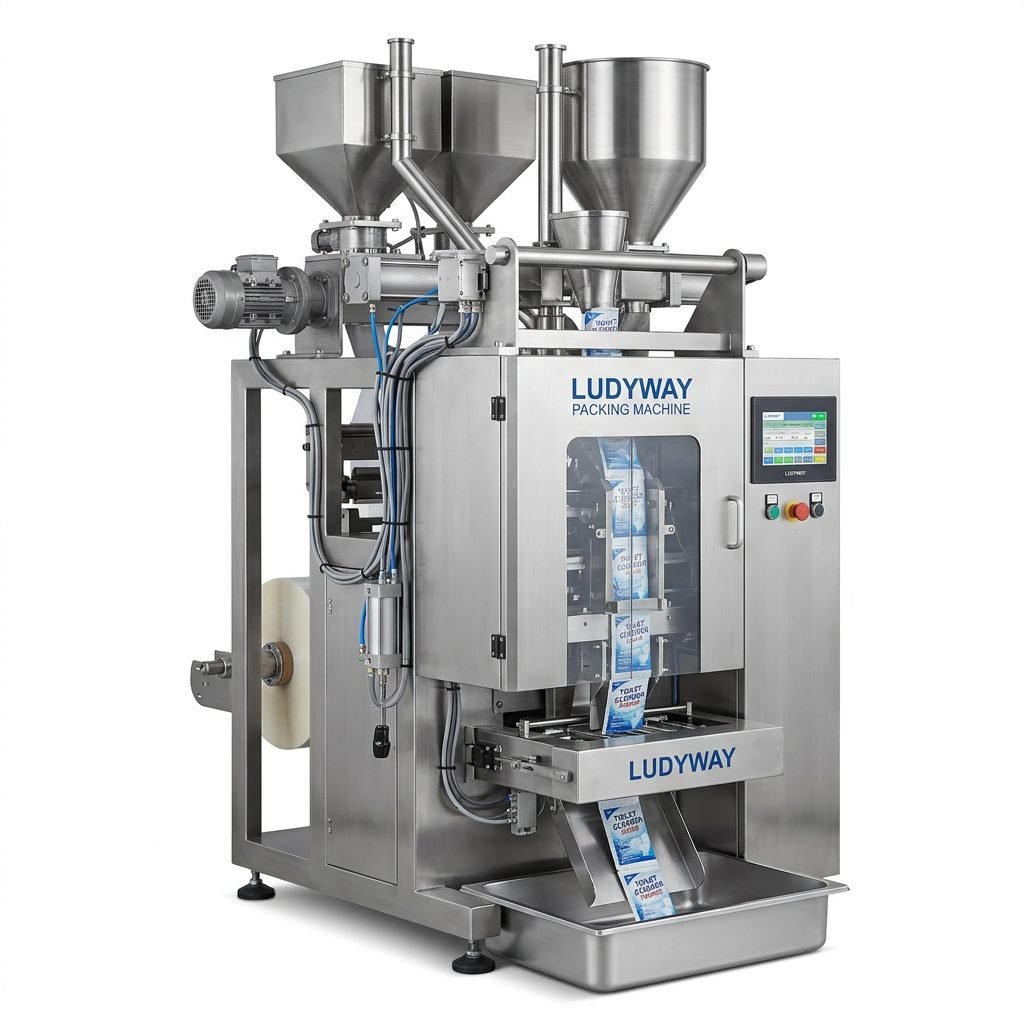
Effective technical support is the backbone of any successful packaging operation. When machinery runs smoothly, production targets are met, product quality is maintained, and operational costs are kept in check. This comprehensive guide delves into the essential pillars of technical support for packaging machinery: systematic troubleshooting, proactive maintenance, and strategic optimization. By mastering these areas, you can minimize downtime, extend equipment lifespan, and maximize the efficiency of your packaging lines.
Understanding Common Packaging Machine Failures
Before diving into solutions, it’s crucial to recognize the typical symptoms and their potential causes. A methodical approach to diagnosis saves valuable time.
Frequent Operational Issues
Inconsistent Sealing: This is one of the most common complaints. It can manifest as weak seals, burned film, or incomplete closures. Primary culprits often include incorrect temperature settings on the sealing jaws, worn or dirty jaw surfaces, inadequate pressure, or improper film material compatibility.
Inaccurate Filling/Dosing: When your machine dispenses too much or too little product, check for obstructions in the hopper or feed screws, worn augers or pistons, calibration drift in load cells, or issues with the product’s flow characteristics (e.g., clumping powder).
Film Feeding & Web Breaks: Misaligned film rolls, incorrect tension settings, damaged or dirty guide rollers, and mechanical issues with the pull belts or servos can all lead to film jams, wrinkles, or breaks, halting production.
A Step-by-Step Troubleshooting Methodology
Adopt a logical, step-by-step process to isolate and resolve issues efficiently:
- Observe and Define: Clearly identify the symptom. When did it start? Is it consistent or intermittent? Which specific station or component is involved?
- Consult the Manual: Your machine’s operation and maintenance manual is the first reference point for error codes, adjustment ranges, and lubrication points.
- Isolate the System: Determine if the problem is mechanical (e.g., a loose bolt, worn part), electrical (sensor failure, faulty wiring), pneumatic (low air pressure, leaking cylinder), or software-related (parameter error).
- Check the Basics: Verify power supply, air pressure, and machine grounding. Ensure all safety guards are properly engaged, as interlocks can prevent operation.
- Systematic Testing: Make one adjustment or replacement at a time and test the result. This prevents introducing new variables and confusion.
Proactive Maintenance: The Key to Longevity
Preventive maintenance is far more cost-effective than reactive repairs. A disciplined schedule keeps machines running reliably.
Daily & Weekly Maintenance Tasks
Daily Checks (Start of Shift)
- Clean all product contact surfaces, sealing jaws, and film guides to prevent contamination and buildup.
- Visually inspect for loose fasteners, unusual wear, or leaks (air, oil).
- Check and record critical parameters like sealing temperature and air pressure.
- Lubricate designated points as per the manufacturer’s guidelines (often with food-grade oil if applicable).
Weekly/ Monthly Procedures
- Inspect and clean filters in pneumatic lines and vacuum systems.
- Check drive belts and chains for tension and wear; adjust or replace as needed.
- Calibration verification for filling systems and checkweighers.
- Back up machine parameter settings and production data.
Scheduled Professional Servicing
Beyond operator-level care, plan for periodic professional service. This involves deeper tasks like replacing wear parts (sealing jaws, gaskets, O-rings, bearings), verifying electrical system integrity, and updating control software. Partnering with a reliable service provider like Ludyway Machinery ensures access to genuine parts and expert technicians familiar with your specific equipment models.
Optimization Guides for Peak Performance
Optimization goes beyond fixing problems—it’s about fine-tuning your machine for maximum output, quality, and material efficiency.
Optimizing for Speed and Efficiency
To safely increase cycle rates, analyze the machine’s limiting factor. Is it the filling speed, film pull length, or sealing dwell time? Synchronizing servo movements, minimizing non-productive travel, and ensuring smooth product transfer can shave seconds off each cycle. Regularly review production data to identify bottlenecks.
Optimizing for Material Savings
Packaging film is a major consumable cost. Implement these strategies:
- Precision Registration: Ensure the photoelectric sensor is correctly aligned and clean to minimize film waste during print registration.
- Seal Jaw Optimization: Perfectly adjusted temperature, pressure, and dwell time create strong seals with the narrowest possible seal width, reducing film usage per bag.
- Pack Size Analysis: Regularly review if your pack size is the most material-efficient for the product volume. Even a millimeter reduction in bag dimensions can lead to significant annual savings.
Optimizing for Different Products
Switching products requires recalibration. For powders, ensure anti-static measures are in place and hoppers are free of moisture. For granules, adjust vibration settings to ensure consistent filling. For liquids, verify pump calibration and check all tubing and nozzle connections for leaks. The engineering team at Ludyway can provide tailored optimization guides for specific product types.
Building a Support Partnership
Choosing the right equipment partner is a long-term strategic decision. Look for a provider with deep industry experience, a comprehensive portfolio, and a proven global support network. A partner with over 30 years of experience brings invaluable knowledge of common failure modes and optimization tricks across diverse applications. Ensure they offer clear documentation, readily available spare parts, and responsive technical support channels, whether online, via phone, or through on-site service visits.
Frequently Asked Questions (FAQs)
1. Our seals are weak and keep opening. We’ve checked the temperature. What else could it be?
Temperature is only one factor. First, verify the sealing pressure is sufficient and evenly distributed across the jaw. Next, inspect the jaw surface for contamination (product residue, carbon buildup) or physical damage like scratches. Finally, ensure the dwell time (the time the jaws are closed under heat and pressure) is set correctly for your specific film material. Using film that is not compatible with your sealing method (e.g., wrong polymer layer) will also cause poor seals.
2. How often should we schedule professional maintenance for our primary packaging line?
A general rule is a minor professional service every 6 months and a major overhaul annually, but this depends heavily on your production volume (hours of operation). High-speed, 24/7 operations may need quarterly check-ups. Always follow the manufacturer’s recommended service intervals in your manual, and adjust based on your operational intensity and the criticality of the line to your production.
3. We’re experiencing frequent film breaks, especially at high speeds. What should we check?
Create a “film path map” and inspect every point of contact. Start with the film roll itself—is it wound evenly? Check all guide rollers for free rotation and clean surfaces. Ensure the dancer roller or tension control system is functioning correctly and not applying erratic tension. Verify the alignment of the film web through the former; misalignment causes drag and stress. Finally, check the pull belts for wear and ensure they are gripping the film evenly.
4. Can we optimize our existing machine to handle a new, more viscous liquid product?
Often, yes, but it requires careful assessment. Key components to review are the filling pump (may need a different type or size), the nozzle diameter, and the product tubing (length and diameter affect flow resistance). You may also need to adjust the machine’s timing to allow for a longer filling cycle. Consult your machine supplier’s technical team for a review; they can often recommend specific kit upgrades or parameter changes.
5. What is the single most important daily maintenance task to prevent major issues?
While all tasks are important, thorough cleaning is paramount. Residual product, dust, and grease attract moisture, cause corrosion, interfere with sensors and moving parts, and can contaminate your product. A clean machine runs cooler, more reliably, and allows you to spot developing problems (like small leaks or cracks) much earlier.