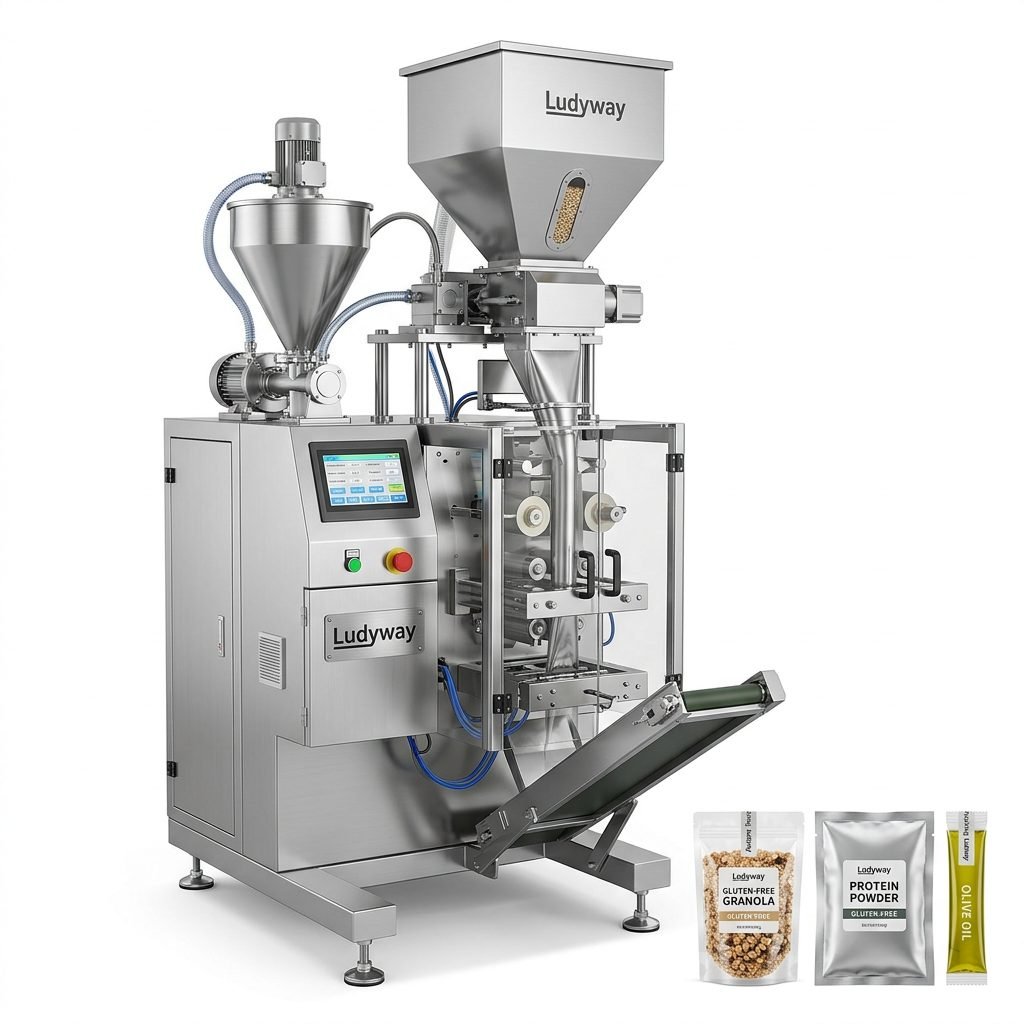
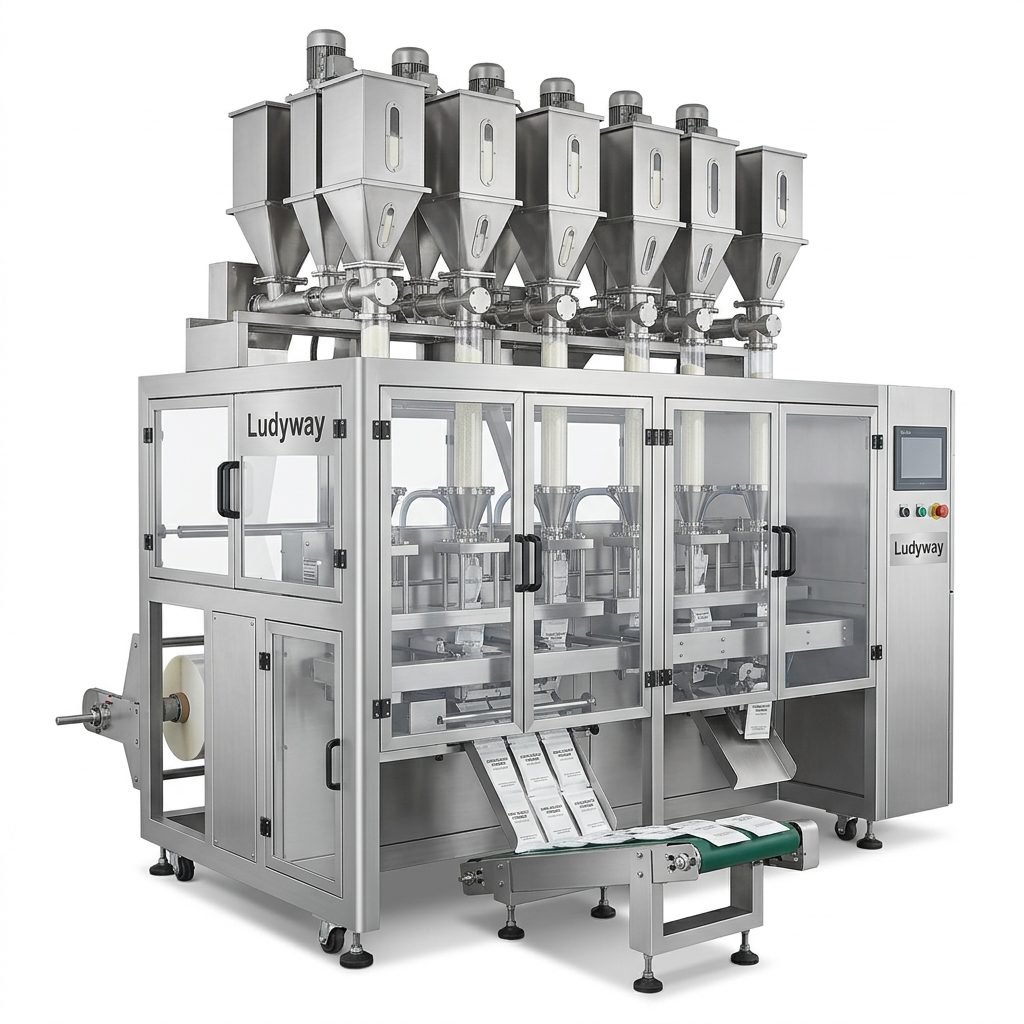
In the firewood industry, efficient packaging is not just about presentation—it’s a critical factor in logistics, storage, and overall profitability. As demand for neatly bundled, easy-to-handle firewood grows, investing in the right firewood packaging equipment becomes essential for producers looking to scale operations and reduce costs. This guide explores the machinery, automation benefits, and key considerations for optimizing your firewood packaging process.
Understanding Firewood Packaging Equipment
Firewood packaging equipment encompasses a range of machines designed to bundle, wrap, seal, and label firewood logs or splits. The primary goal is to transform loose wood into compact, uniform packages that are protected from moisture, easy to stack, and ready for retail or distribution. Common types of equipment include bundling machines, stretch wrappers, bagging systems, and automated lines that integrate multiple steps.
Key Takeaway:
Modern firewood packaging isn’t just manual labor—it’s a streamlined, automated process that enhances product quality and operational speed.
Core Machines in Firewood Packaging
The foundation of any efficient packaging setup lies in selecting the right core machines. These typically include:
Bundling Machines
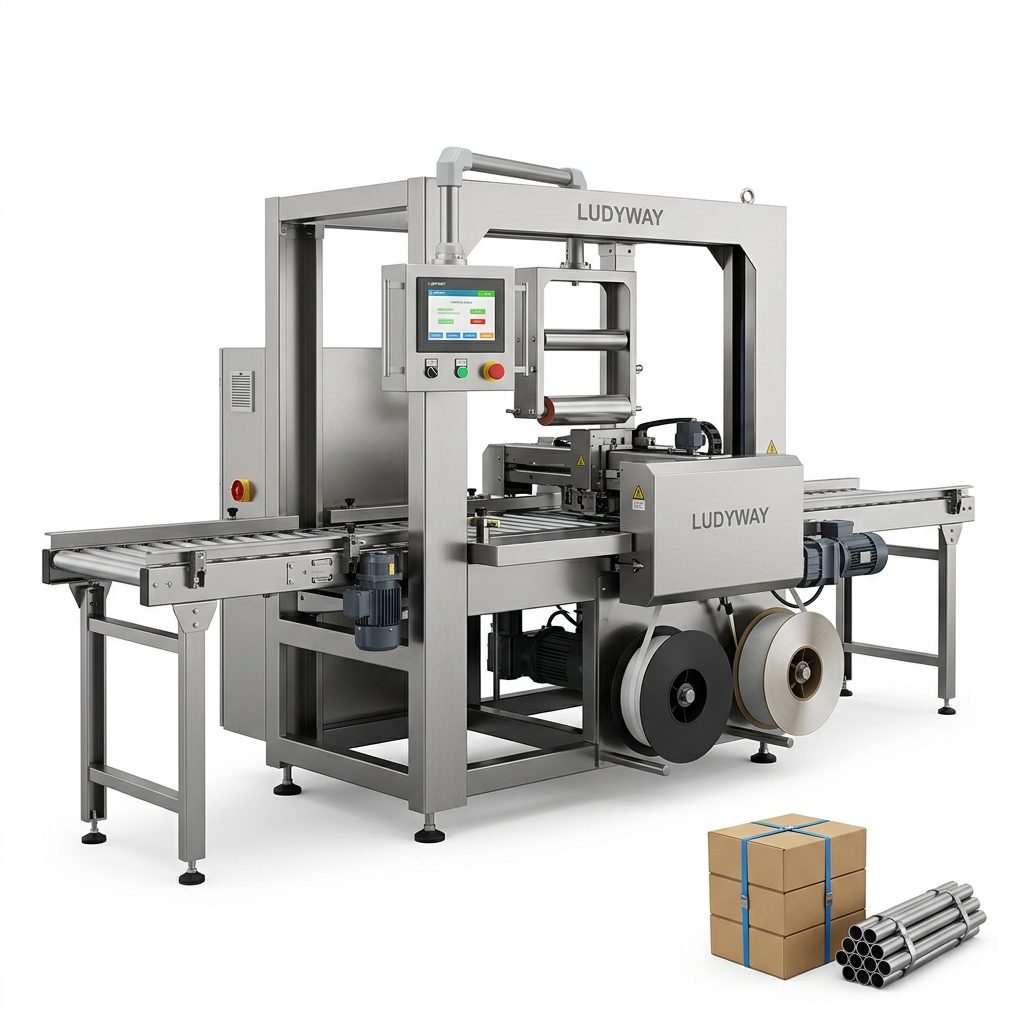
Bundling machines gather firewood pieces into a tight bundle, often using straps, nets, or plastic bands. They ensure consistent bundle size, which is crucial for uniform packaging and palletizing.
Stretch Wrapping Systems
Stretch wrappers apply plastic film around bundles to secure them and provide weather resistance. Automatic wrappers can handle high volumes with minimal operator intervention.
Bagging and Sealing Equipment
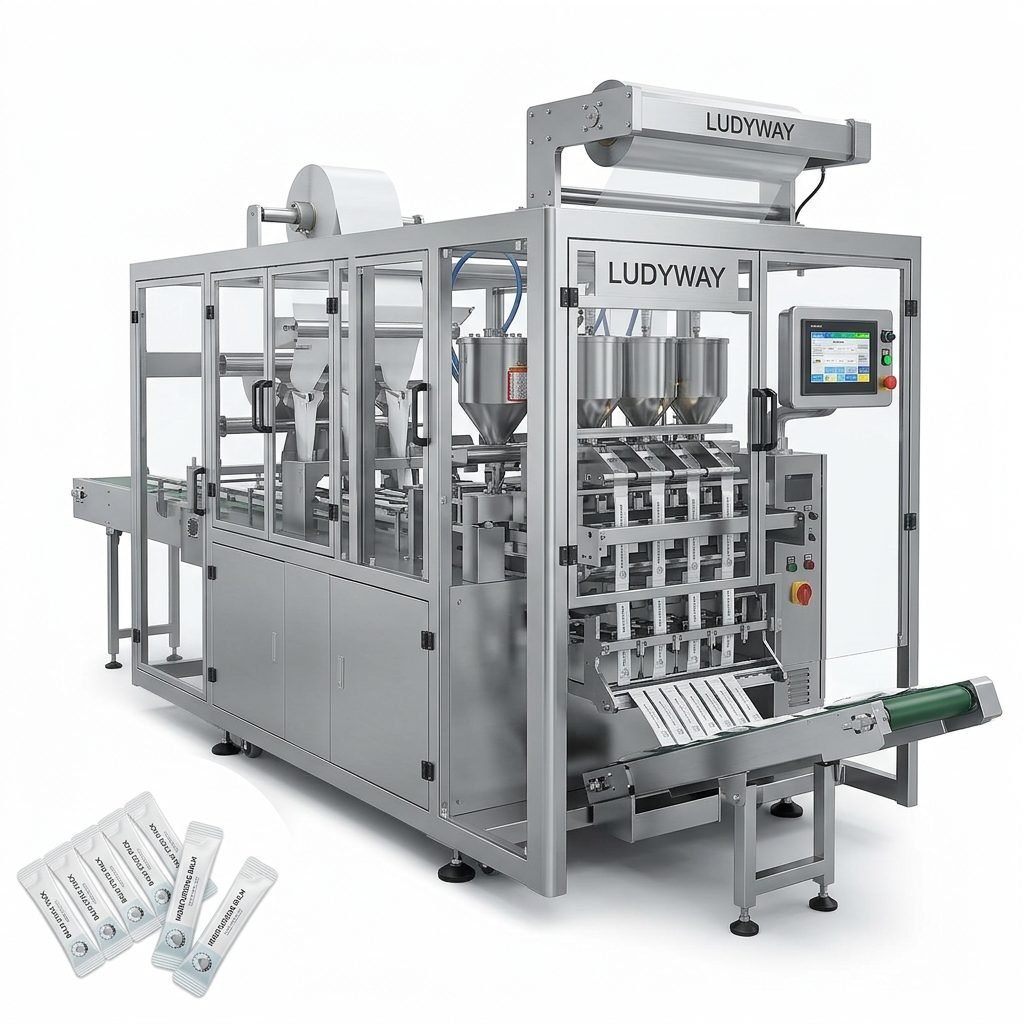
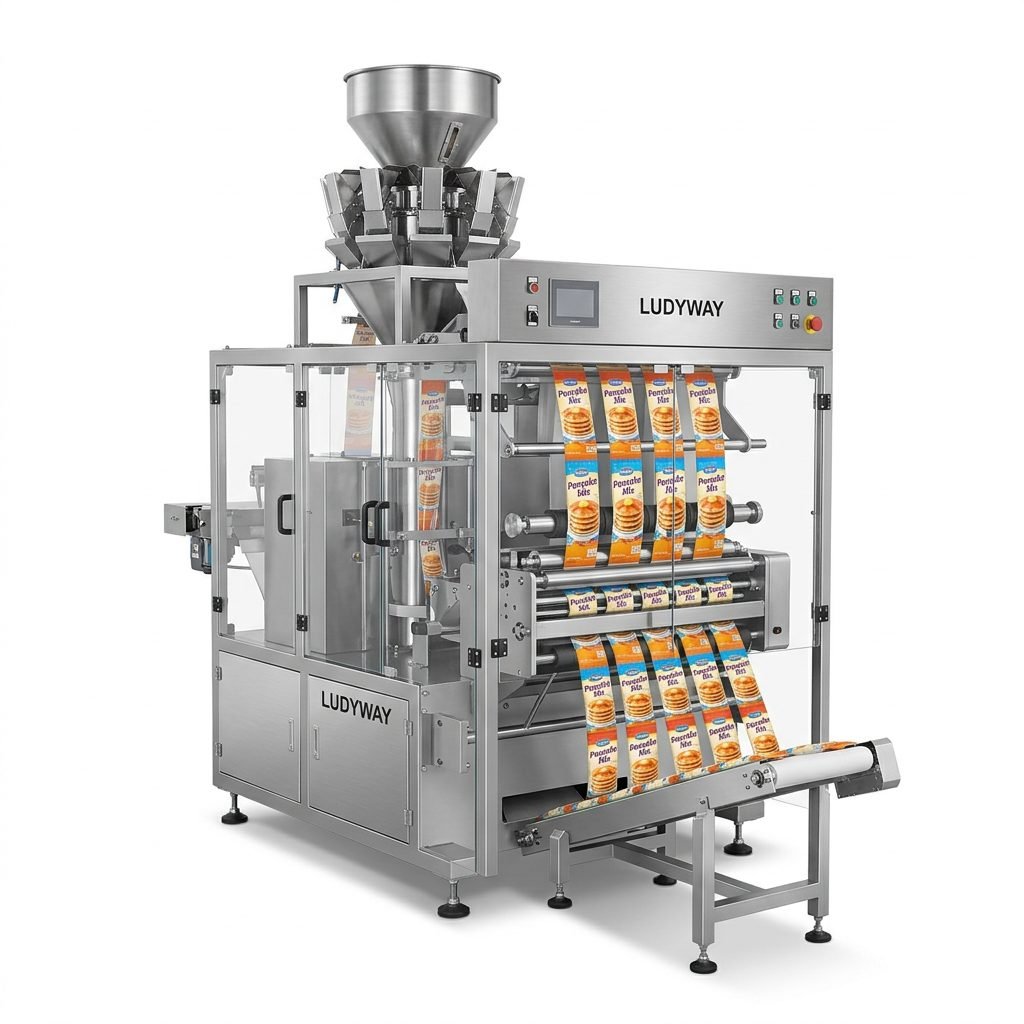
For retail-ready packages, bagging machines insert bundles into plastic or paper bags, which are then heat-sealed or labeled. Some systems also print batch information or branding directly onto the packaging.
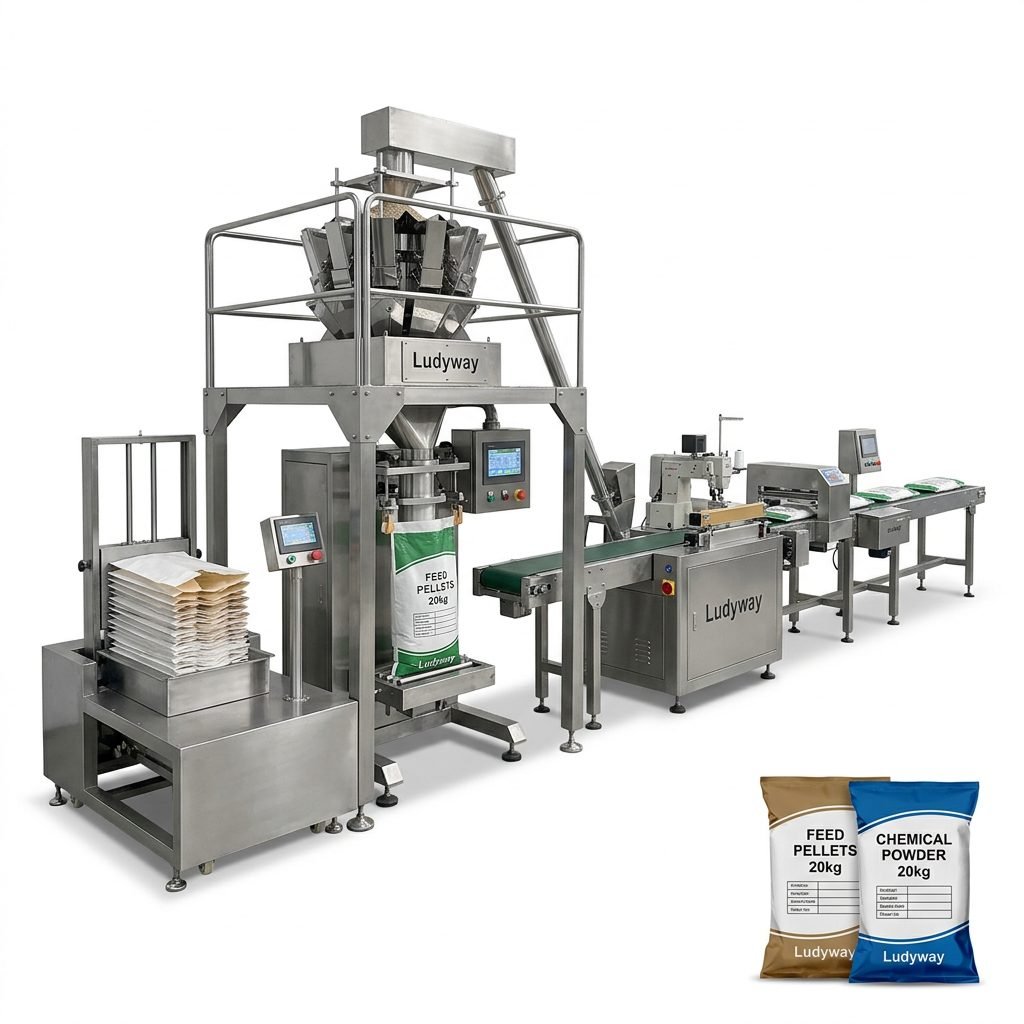
Automated Conveyor and Sorting Lines
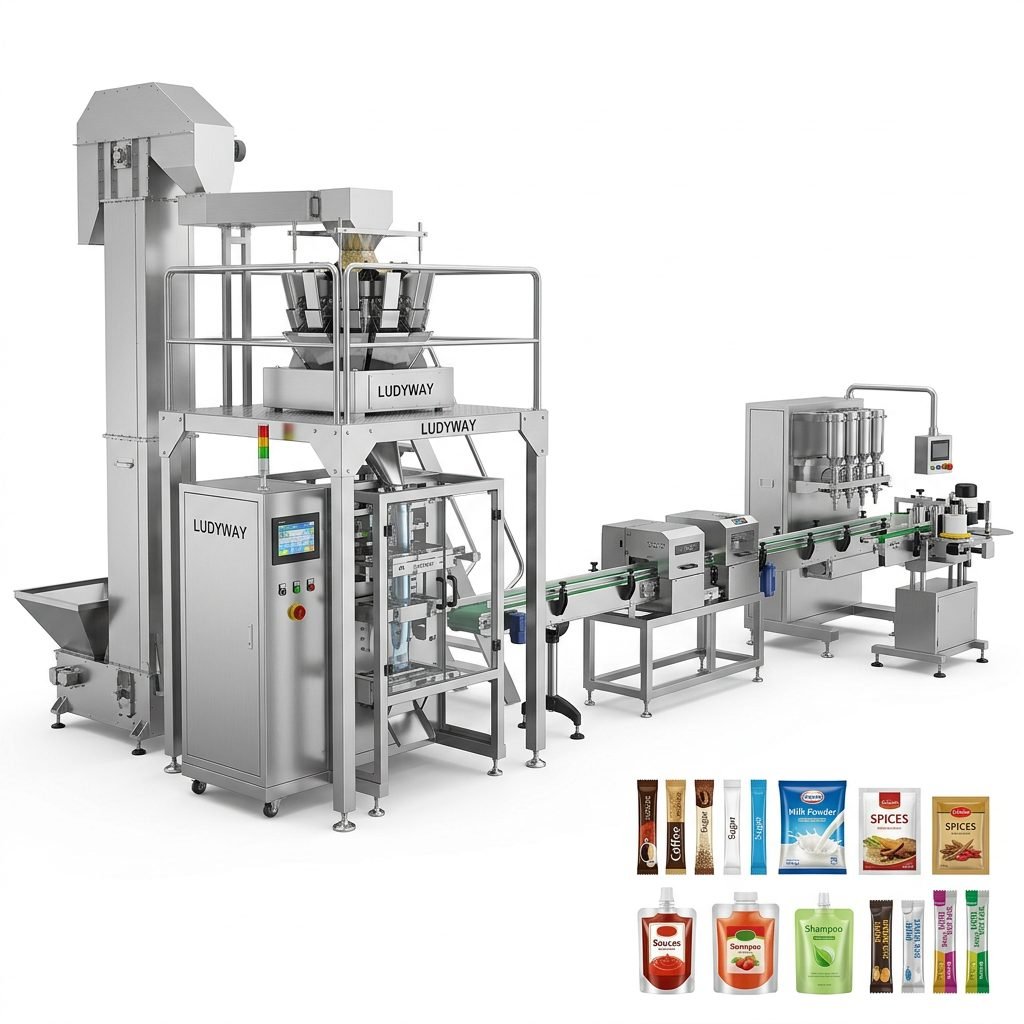
Integrated conveyor systems move firewood between different packaging stages, reducing manual handling and increasing throughput. Sorting mechanisms can separate logs by size before bundling.
Benefits of Automation in Firewood Packaging
Automating your firewood packaging line offers several compelling advantages, especially as labor costs rise and quality expectations increase.
Increased Productivity: Automated systems can package hundreds of bundles per hour, far surpassing manual methods. This allows businesses to meet large orders and seasonal demand spikes efficiently.
Consistent Package Quality: Machines ensure every bundle is the same size, weight, and tightness, enhancing brand reputation and reducing customer complaints.
Labor and Cost Savings: While the initial investment may be significant, automation reduces long-term reliance on manual labor, lowers packaging material waste, and minimizes workplace injuries associated with heavy lifting.
Improved Traceability: Many automated systems can integrate labeling and data tracking, allowing producers to monitor output, manage inventory, and comply with regulatory requirements.
Real-World Impact
Producers who switch to semi-automated or fully automated firewood packaging often report a 30–50% increase in daily output and a significant reduction in packaging time per bundle. This efficiency directly translates to higher profitability and scalability.
Cost Considerations and ROI
Investing in firewood packaging equipment requires careful financial planning. Costs vary based on automation level, machine capacity, and custom features.
Initial Investment
Basic semi-automatic bundlers or wrappers may start at a few thousand dollars, while high-speed, fully integrated lines can reach tens or hundreds of thousands. It’s crucial to assess your current and projected volume to choose appropriately.
Operating and Maintenance Costs
Factor in ongoing expenses such as electricity, packaging materials (straps, film, bags), and routine maintenance. Reliable suppliers often provide service support to minimize downtime.
Return on Investment (ROI)
ROI is typically achieved through labor savings, reduced material waste, and increased sales capacity. Many businesses recover their equipment costs within 1–3 years, depending on production scale.
For businesses exploring advanced packaging solutions, partnering with an experienced provider like Ludyway Machinery can help tailor equipment choices to specific budget and output goals. With over 30 years of industry experience, they offer insights into cost-effective automation strategies.
Choosing the Right Equipment Supplier
Selecting a dependable supplier is as important as choosing the machines themselves. Look for providers with proven expertise in packaging machinery and strong after-sales support.
A reputable supplier should offer:
- Customizable solutions that match your firewood type and packaging style
- Comprehensive training for your operators
- Access to spare parts and responsive technical service
- References or case studies from similar firewood producers
Companies like Ludyway specialize in delivering reliable, automated packaging systems backed by engineering support and a global customer base. Their focus on turnkey solutions ensures that your packaging line integrates smoothly into existing operations.
Future Trends in Firewood Packaging
The firewood packaging sector continues to evolve with technology. Emerging trends include:
Sustainable Packaging Materials: Biodegradable nets, recycled plastic films, and paper-based wraps are gaining popularity as environmental concerns grow.
Smart Automation and IoT: Sensors and data connectivity allow remote monitoring of machine performance, predictive maintenance, and real-time production analytics.
Compact and Modular Designs: Space-efficient machines enable smaller producers to automate without requiring large factory footprints.
Staying informed about these trends can help your business remain competitive and adaptable. For more insights into advanced packaging automation, explore resources from industry leaders such as Ludyway Machinery’s packaging solutions.
Frequently Asked Questions (FAQs)
What is the typical output speed of an automatic firewood bundler?
Output speeds vary by model, but many automatic bundlers can produce 10–30 bundles per minute, depending on bundle size and automation level.
Can firewood packaging equipment handle different log sizes?
Yes, most modern machines are adjustable or can be customized to accommodate a range of log lengths and diameters. It’s important to discuss your specific wood dimensions with the supplier.
How much space is needed for a semi-automatic packaging line?
A semi-automatic line typically requires 50–150 square feet, depending on the number of machines and conveyor length. Layout planning with your supplier can optimize space usage.
What type of packaging material is best for weather protection?
UV-resistant stretch film or polyethylene bags are commonly used for moisture and weather protection. The choice depends on storage conditions and environmental goals.
Is technical training provided when purchasing new equipment?
Reputable suppliers like Ludyway Machinery usually include on-site or remote training for your team to ensure safe and efficient machine operation.