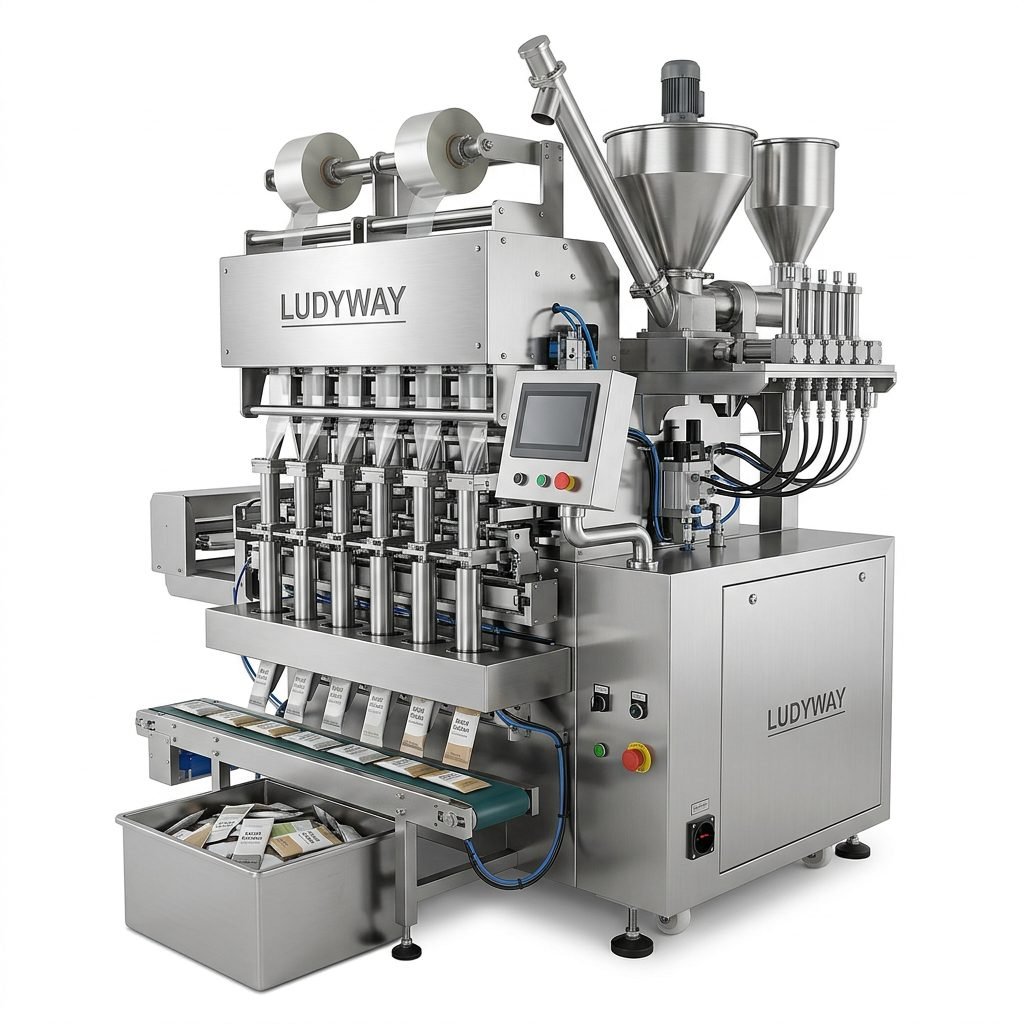
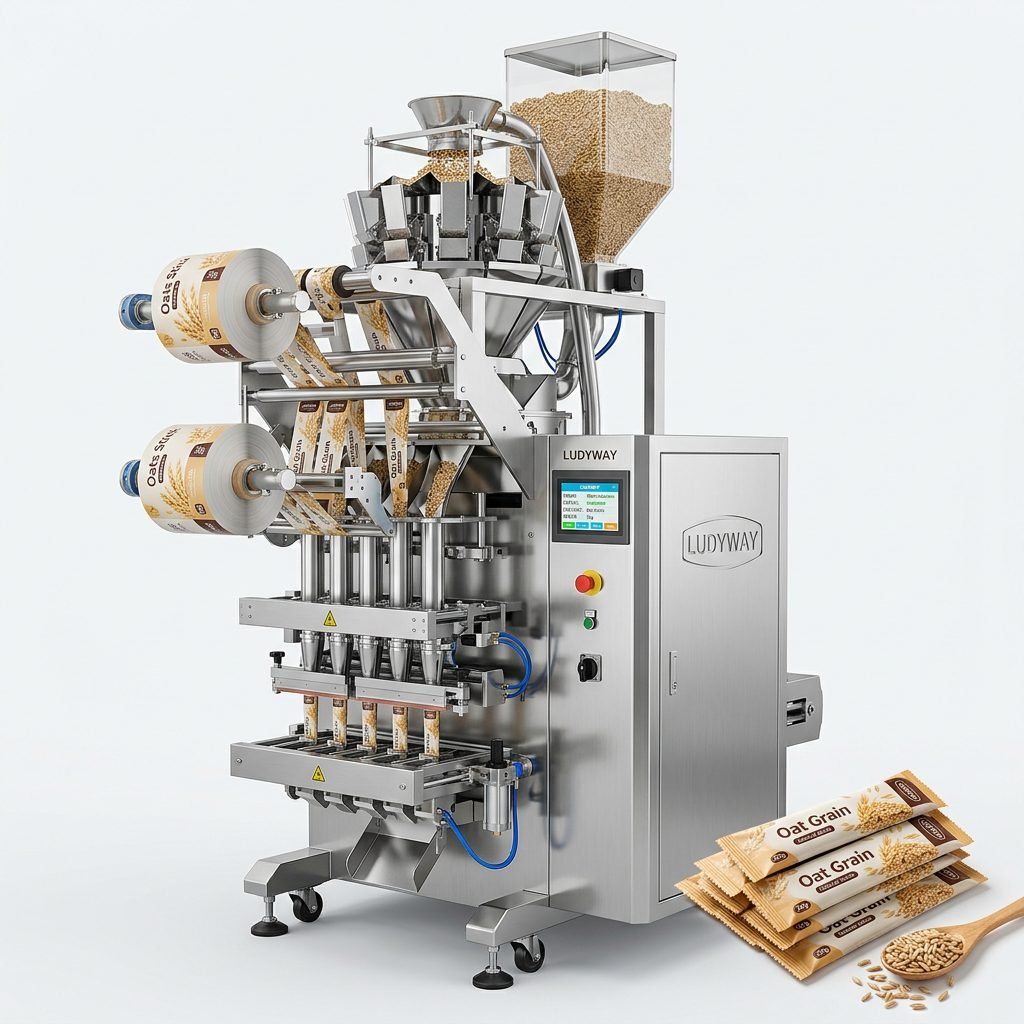
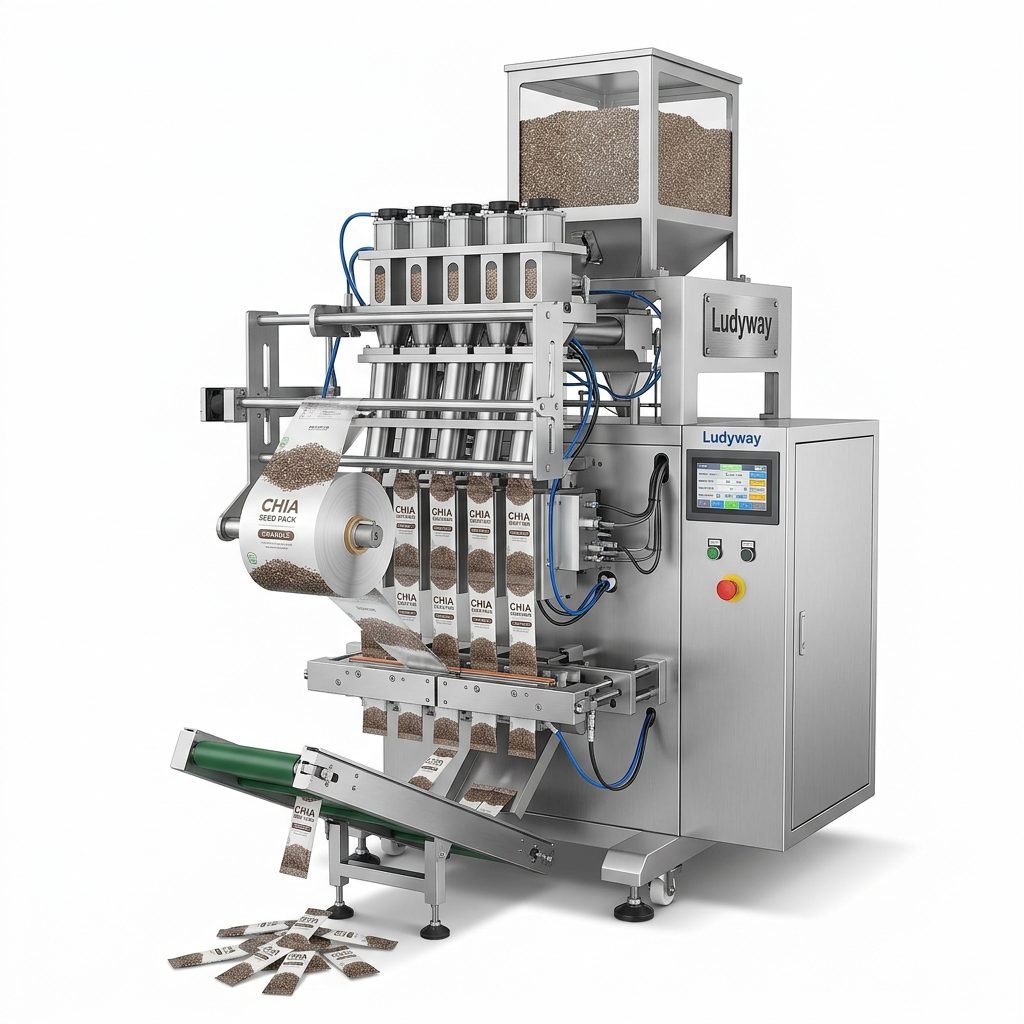
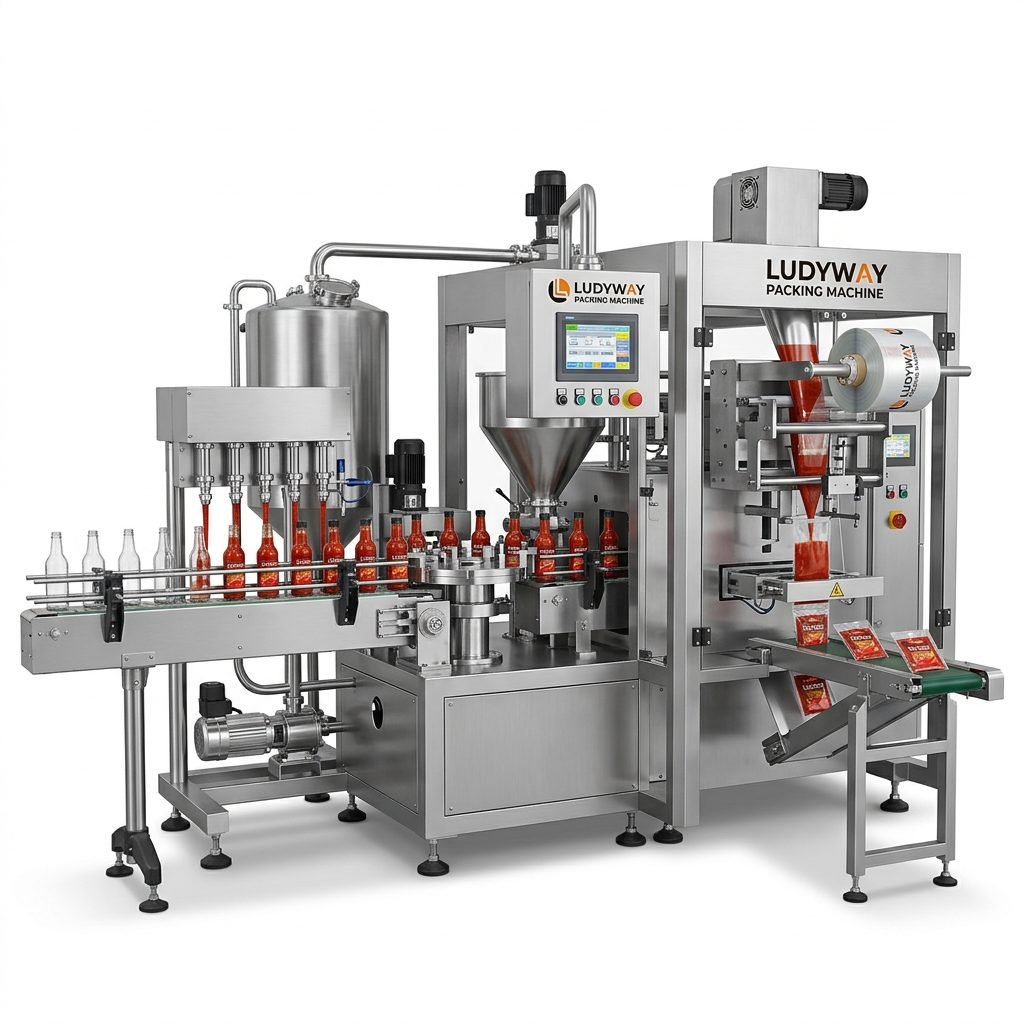
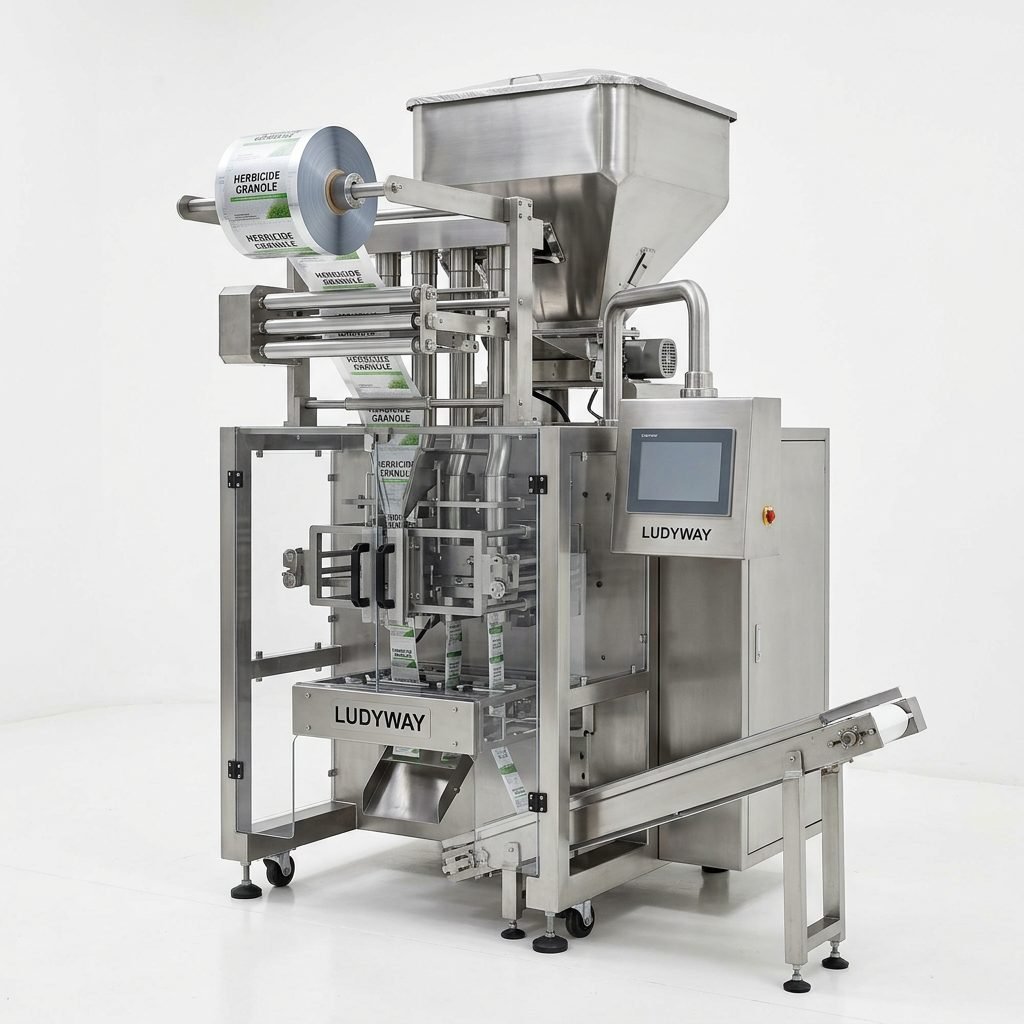
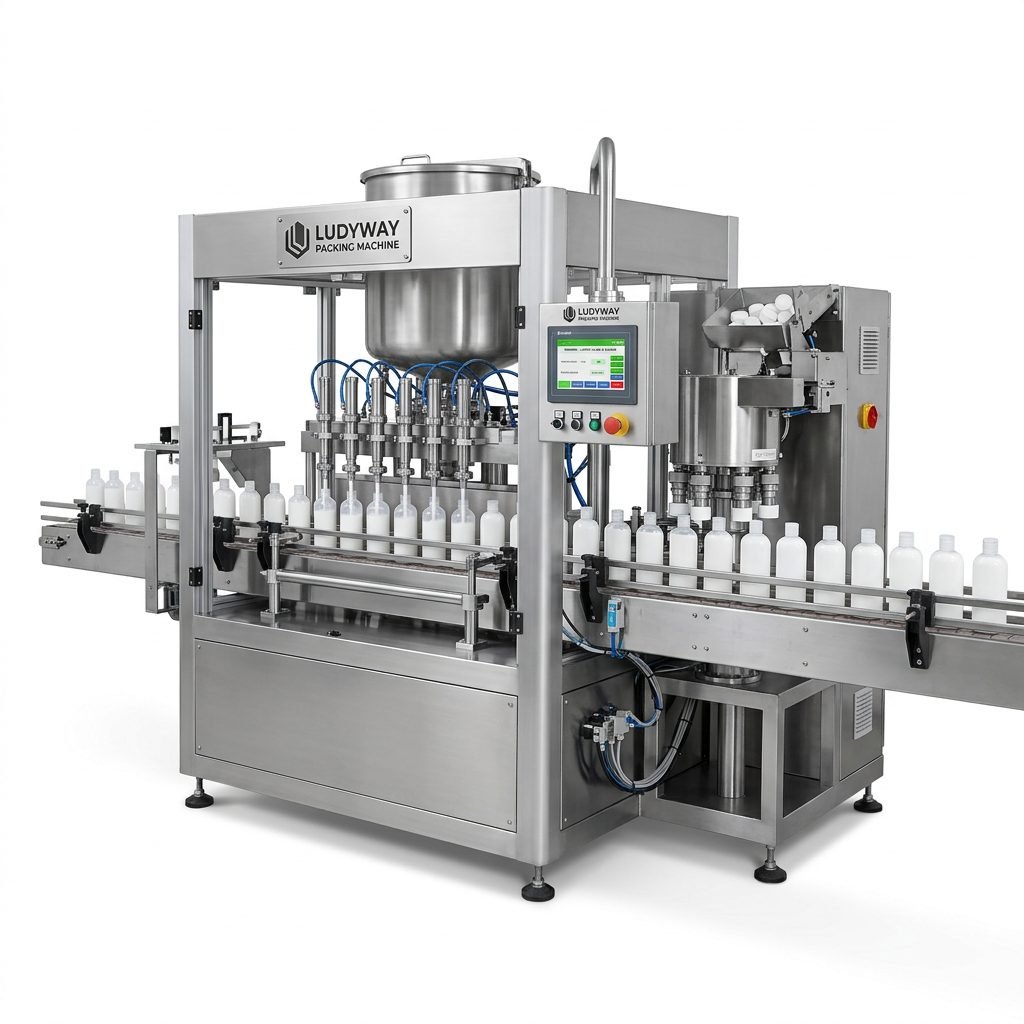
In today’s fast-paced beverage industry, maximizing production efficiency while maintaining impeccable quality is not just a goal—it’s a necessity. For bottling, canning, and beverage production lines, the choice of packaging equipment directly impacts throughput, operational costs, and product integrity. High-efficiency packaging solutions are engineered to streamline these complex processes, integrating speed, precision, and reliability into every stage of production.
The Core Components of a High‑Efficiency Line
A truly efficient packaging line is a symphony of synchronized machinery. It begins with precise filling technology that ensures accurate volume control for liquids, from still water and juices to carbonated soft drinks and viscous syrups. This is followed by swift and secure capping or sealing systems, which are critical for preserving freshness and preventing contamination. Downstream, labeling, coding, and secondary packaging equipment (like case packing and palletizing) must keep pace without creating bottlenecks. The hallmark of modern high-efficiency solutions is intelligent integration, where each machine communicates data to a central control system, enabling real-time monitoring, predictive maintenance, and minimal downtime.
Key Benefit: An integrated high-efficiency line can often increase Overall Equipment Effectiveness (OEE) by 20-35%, primarily through significant reductions in changeover times, material waste, and unplanned stoppages.
Innovations Driving Efficiency in Bottling
The bottling sector has seen remarkable advancements. Rotary filling machines now operate at breathtaking speeds, handling tens of thousands of bottles per hour with micron-level accuracy. Servo-driven cappers provide consistent torque application, eliminating leaks and cap damage. Furthermore, the adoption of lightweighting—using less plastic or glass per bottle—demands even greater handling precision from conveyor and gripper systems to prevent topples or breaks. Modern bottling solutions often feature quick-release mechanisms and recipe-based programmable logic controllers (PLCs) that allow producers to switch between bottle sizes and products in minutes, not hours, catering perfectly to the trend of smaller batch and limited-edition runs.
Canning Lines: Speed Meets Sustainability
Canning production, particularly for beers, ready-to-drink cocktails, and sparkling waters, prioritizes extreme velocity and sustainability. High-speed filling and seaming technology is paramount. Today’s most efficient can fillers utilize pressure-sensitive filling valves to maintain carbonation levels perfectly, while high-precision seamers ensure an airtight seal critical for product shelf life. Efficiency also extends to resource use: systems now incorporate dry lubrication for conveyors and energy recovery systems on air compressors, drastically reducing water and power consumption. The robustness of cans also allows for more aggressive handling and higher stacking in palletizing, optimizing warehouse and logistics space.
→ Focus on Flexibility
The future of beverage packaging is flexible. The most sought-after equipment solutions are those that offer multi-format capabilities. A single line that can be easily configured to handle both cans and bottles, or different sizes of each, provides manufacturers with tremendous agility to respond to market demands without capital investment in multiple dedicated lines.
Beyond Speed: The Role of Smart Technology
High efficiency is no longer solely about mechanical speed. The integration of Industry 4.0 and IoT (Internet of Things) technologies has redefined performance metrics. Sensors on fillers monitor fill heights in real-time, making micro-adjustments to eliminate under or over-fills. Vision inspection systems check every container for fill level, label placement, cap presence, and even label integrity, rejecting faults automatically. This data is aggregated into manufacturing execution systems (MES), providing actionable insights on line performance, predictive maintenance alerts, and traceability for every batch produced. This shift from reactive to proactive management is the true engine of modern efficiency.
Choosing the Right Partner for Your Solution
Implementing a high-efficiency packaging line is a significant investment. Success hinges on partnering with a provider who offers more than just machines. Look for a partner with deep application expertise in the beverage sector, who can design a line that fits your specific product characteristics, desired output, and factory footprint. Comprehensive after-sales support, including readily available spare parts and remote technical assistance, is crucial for maintaining peak efficiency over the entire lifecycle of the equipment. A provider with a proven track record in delivering turnkey projects can seamlessly manage the integration of all line components, ensuring a smooth commissioning process and a faster return on investment.
Ultimately, investing in high-efficiency packaging equipment is an investment in the future competitiveness of your beverage brand. It empowers you to produce higher quality products, respond swiftly to consumer trends, reduce your environmental footprint through less waste and energy use, and improve your bottom line. By focusing on integrated, intelligent, and flexible solutions, producers can build a packaging operation that is not only efficient today but also adaptable for the challenges and opportunities of tomorrow.
Frequently Asked Questions (FAQs)
1. What are the primary cost savings from high-efficiency packaging equipment?
The main savings come from reduced material waste (precise filling saves product), lower energy consumption (optimized motors and drives), decreased labor costs (higher automation), and minimized downtime (reliable machinery and predictive maintenance). The ROI is often realized through increased output and lower cost-per-unit.
2. How difficult is it to retrofit older production lines with new high-efficiency components?
It is a common and viable strategy. Many modern fillers, cappers, or labelers can be integrated into existing lines. The key is a thorough audit by an experienced engineer to assess compatibility, control system integration, and conveyor synchronization to ensure the new component enhances rather than hinders the overall line flow.
3. Can high-speed equipment handle craft or specialty beverages produced in smaller batches?
Absolutely. The latest generation of equipment prioritizes flexibility and quick changeover. Machines with servo-driven adjustments and recipe memory allow producers to switch between different products, bottle sizes, or cap types in a very short time, making high-efficiency technology accessible and profitable for craft producers.
4. What is the most important factor in maintaining the efficiency of a packaging line over time?
Proactive and preventive maintenance is critical. Following the manufacturer’s maintenance schedule, using genuine spare parts, and leveraging connected technology for early fault detection are essential. Regular training for operational and maintenance staff ensures the equipment is used and cared for correctly, sustaining its performance and lifespan.
5. How do I justify the capital investment to management?
Build a business case focused on Total Cost of Ownership (TCO) and value creation. Quantify the expected gains in OEE, reduction in waste and utility costs, and the ability to capture new market opportunities through greater capacity and flexibility. Also, highlight the risk mitigation of newer, more reliable equipment versus the increasing downtime and maintenance costs of an aging line. Demonstrating a clear payback period is key.