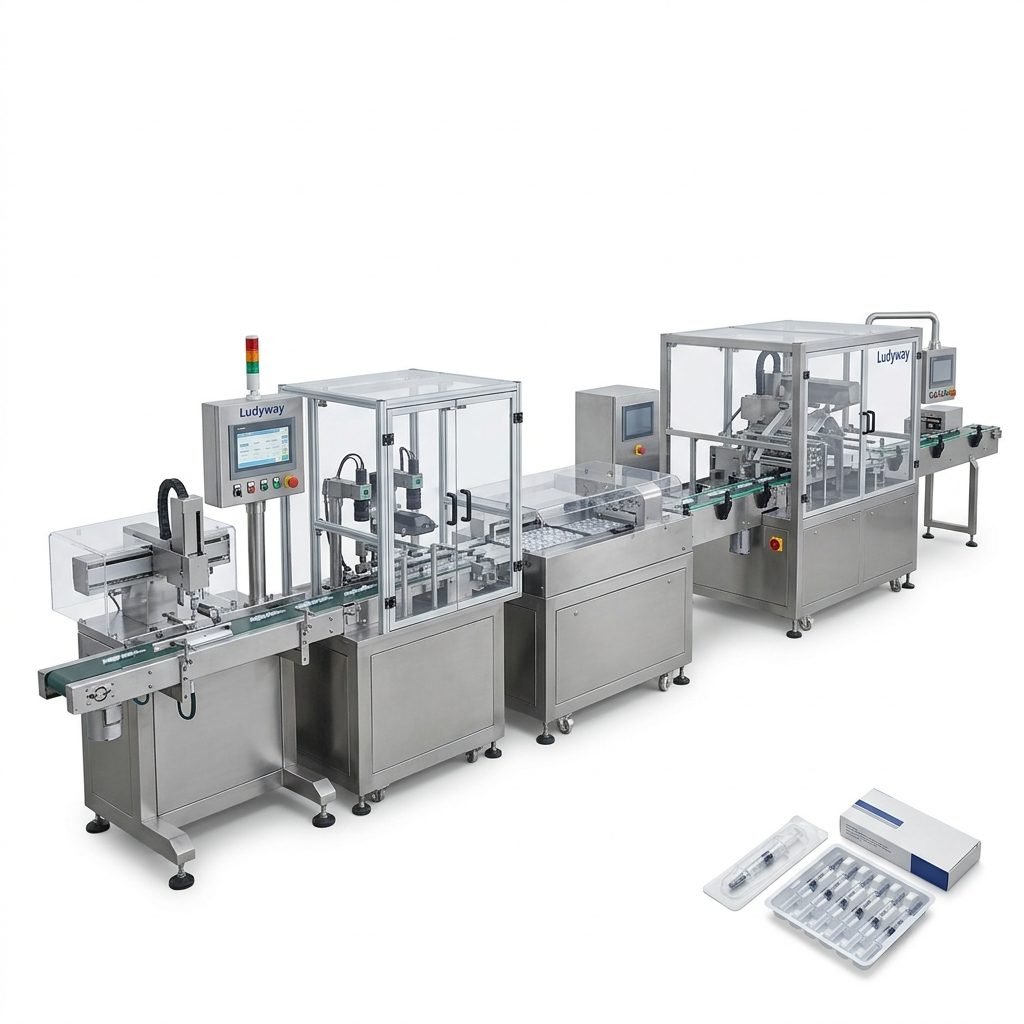
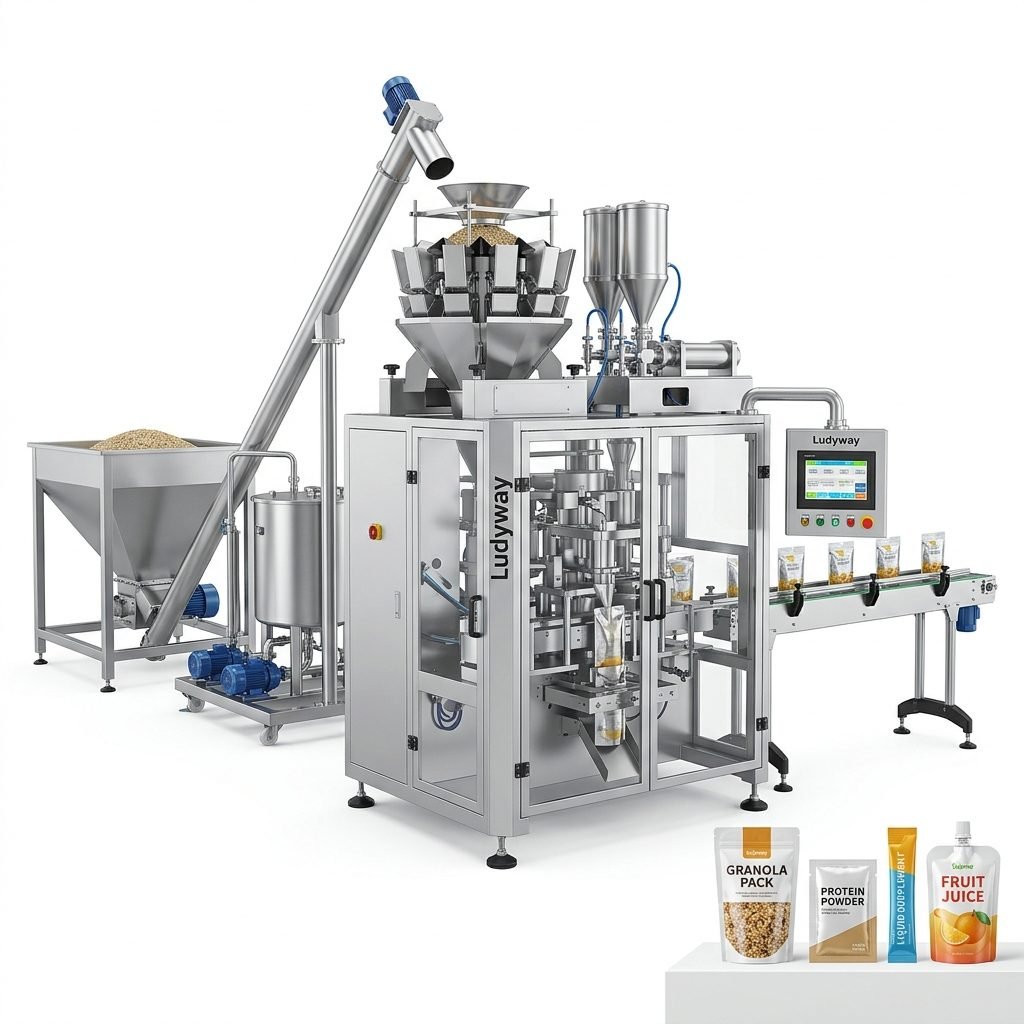
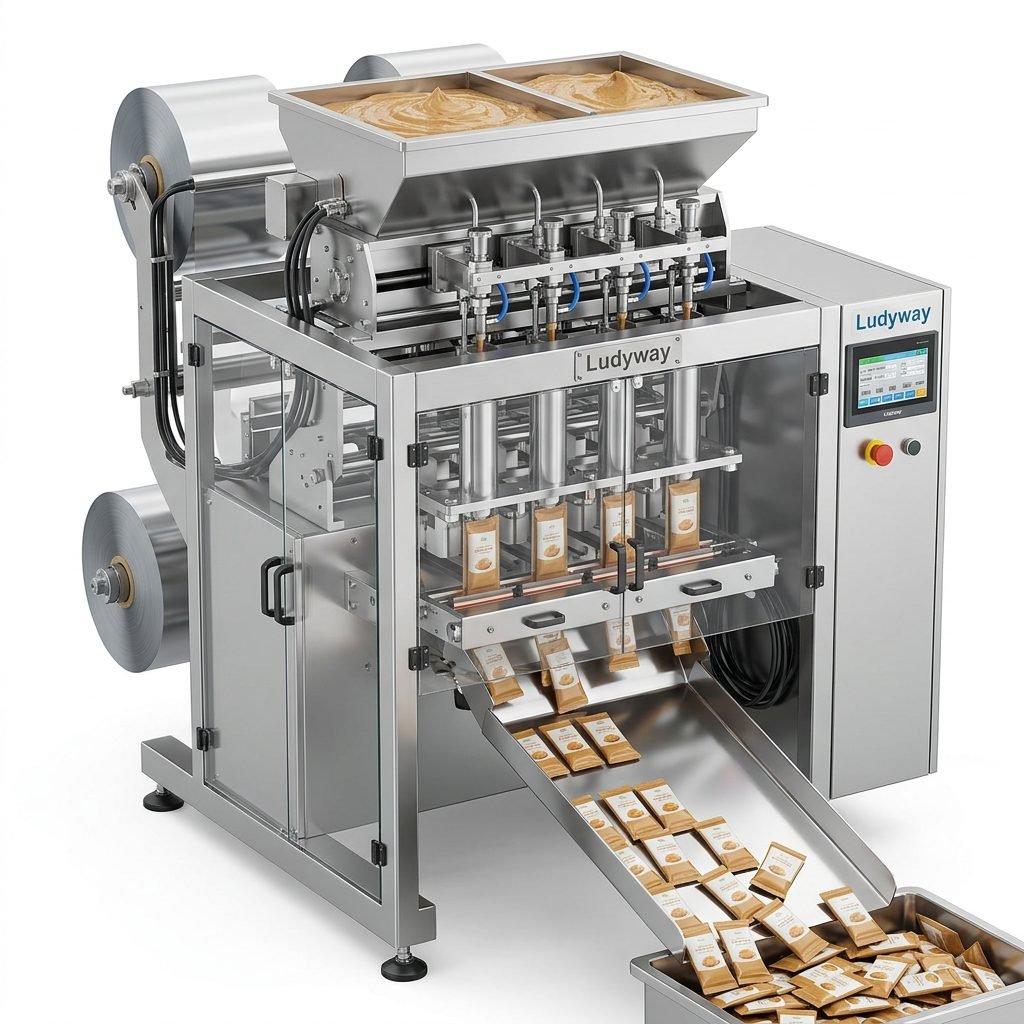
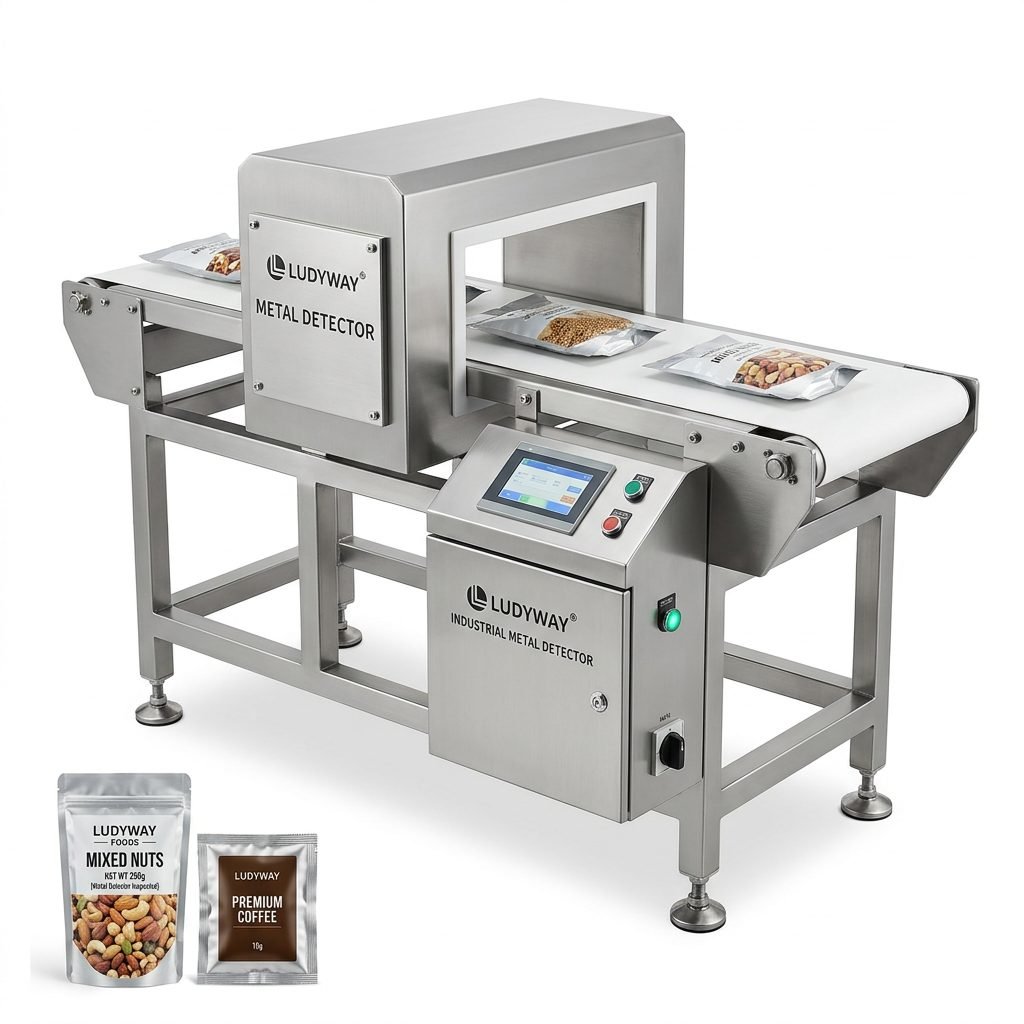
In today’s fast-paced manufacturing landscape, achieving peak efficiency and unwavering reliability in packaging operations is not just an advantage—it’s a necessity. For industries where product integrity, hygiene, and speed are paramount, such as food, pharmaceuticals, and industrial production, the choice of packaging equipment is a critical strategic decision. High-performance packaging solutions are engineered to meet these rigorous demands, offering automation, precision, and flexibility that drive productivity while ensuring the highest standards of quality and safety.
The Critical Role of Advanced Packaging in Modern Industry
Packaging is the final, and often most visible, step in the manufacturing process. It protects the product, conveys vital information, and ensures safe delivery to the end-user. For sensitive sectors, the stakes are even higher.
Food Industry Imperatives
Food producers face challenges like extending shelf life, preventing contamination, and meeting stringent hygiene regulations. High-performance equipment provides gas flushing for modified atmosphere packaging (MAP), precise weight measurement, and seal integrity testing to keep products fresh and safe.
Pharmaceutical & Health Product Standards
This sector demands absolute precision and sterility. Packaging solutions must handle delicate tablets, powders, and liquids with accuracy, often in cleanroom environments. Features like tamper-evident seals, serialization for track & trace, and barrier protection against moisture and light are non-negotiable for patient safety and regulatory compliance.
Industrial & Chemical Production Needs
From automotive parts to agricultural chemicals, industrial packaging must be robust and reliable. Equipment needs to handle abrasive materials, offer high-speed filling for bulk quantities, and provide durable sealing for safe transport and storage, often in challenging environments.
Core Components of High-Performance Packaging Systems
A truly high-performance system is more than a single machine; it’s an integrated solution. Key components work in harmony to create a seamless, efficient line.
1. Intelligent Filling & Dosing Technology
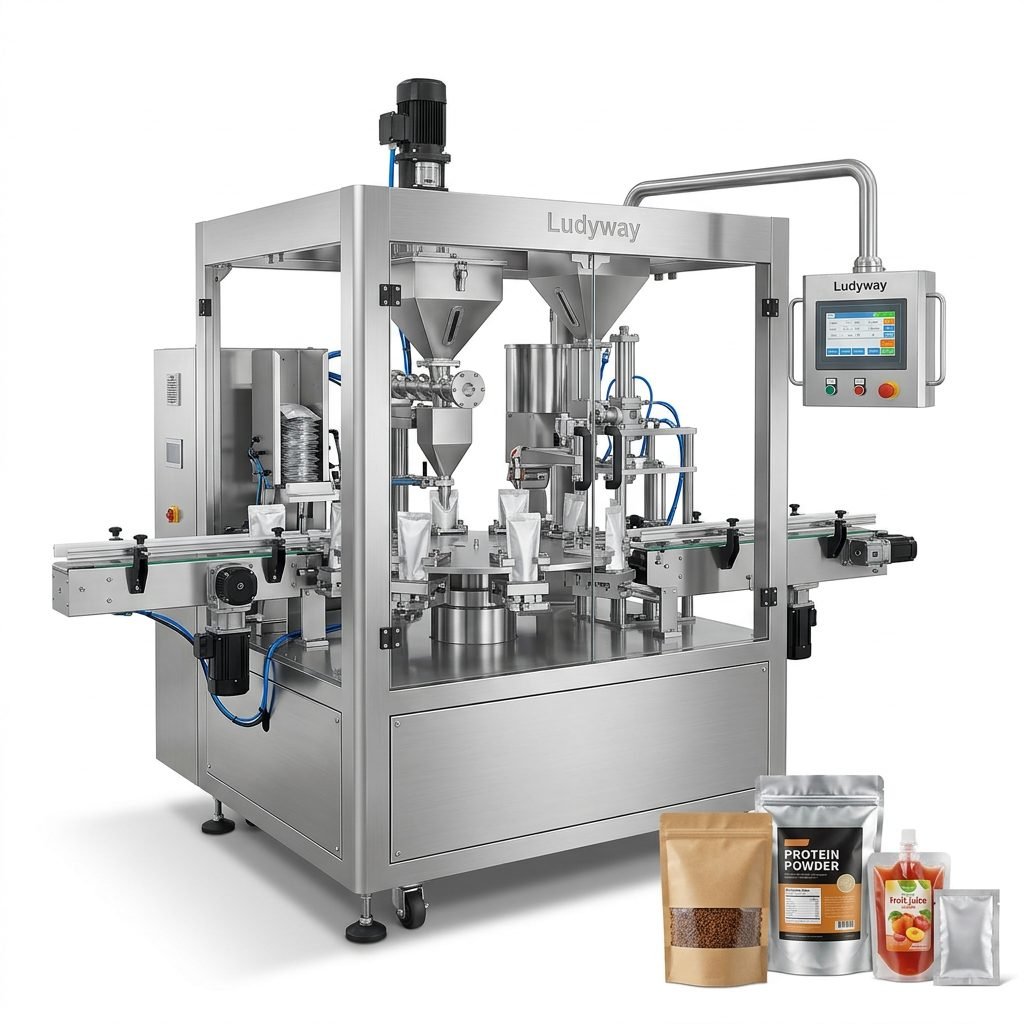
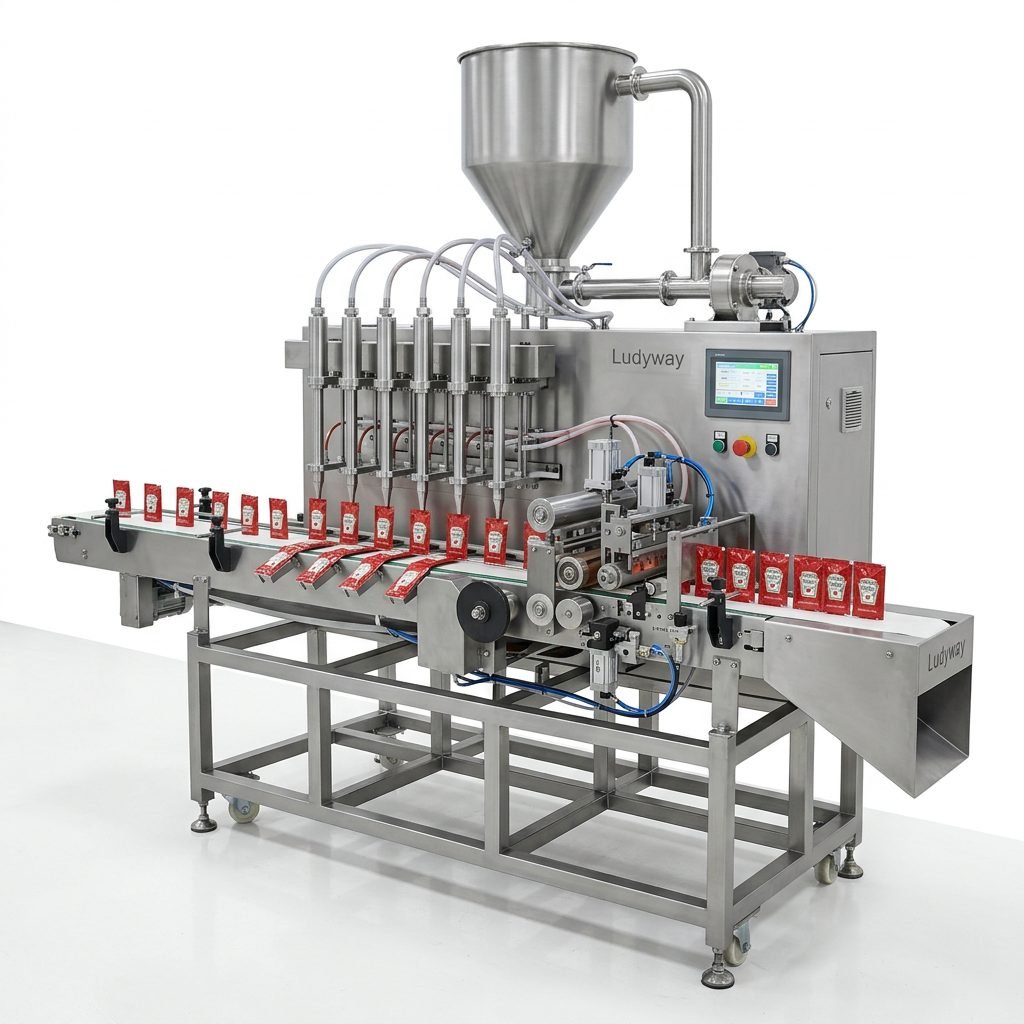
At the heart of any packaging line is the filling system. Modern solutions utilize servo-driven auger fillers for powders, precision liquid pumps, and multi-head weighers for granules. These systems offer minute adjustability, ensuring each package meets exact weight or volume specifications, minimizing giveaway and maximizing yield.
2. Versatile Form-Fill-Seal (FFS) Machines
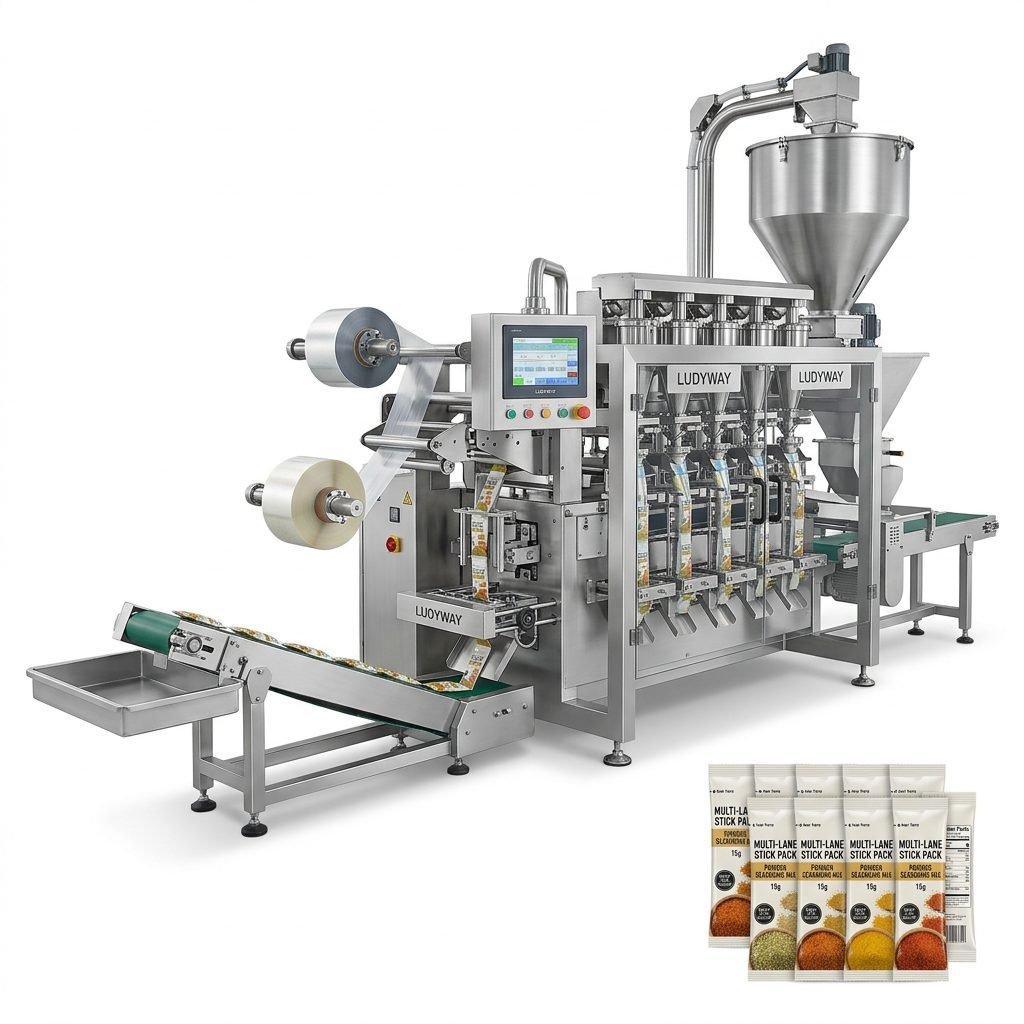
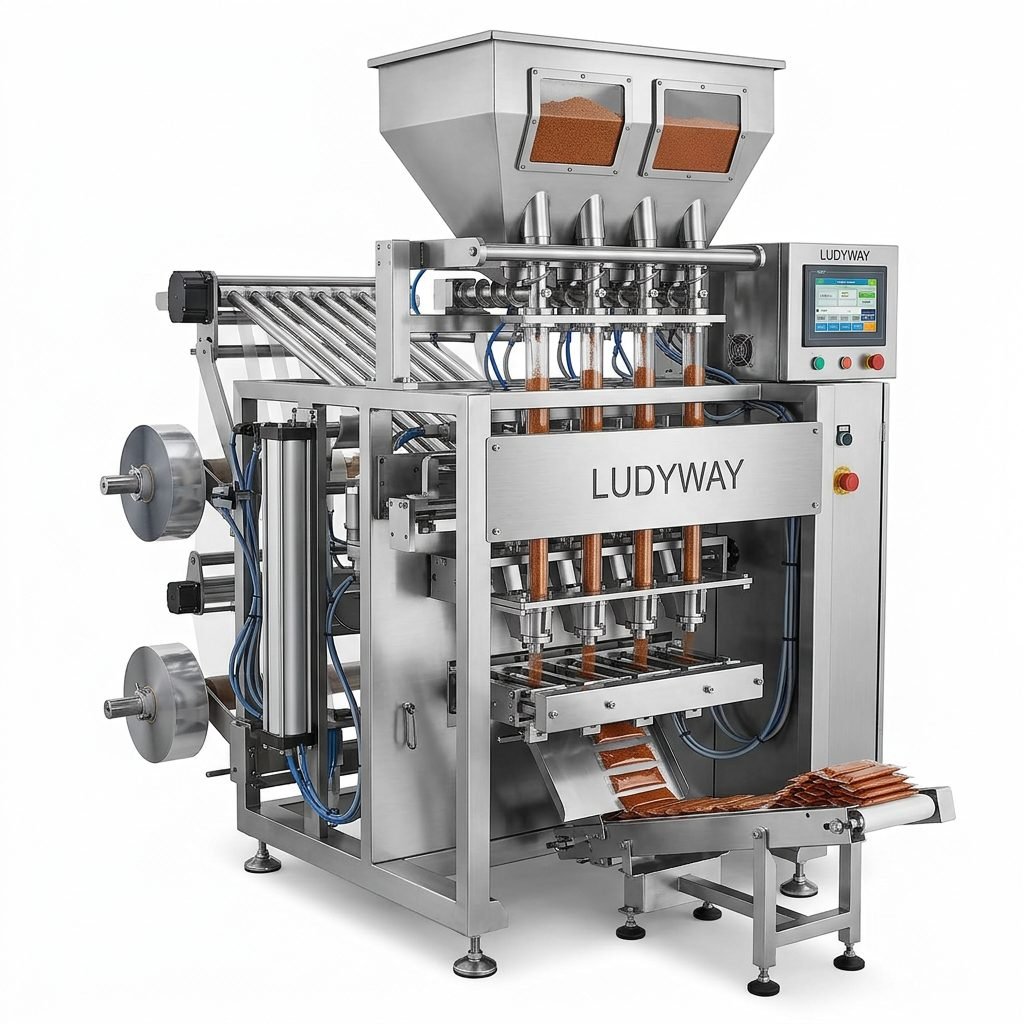
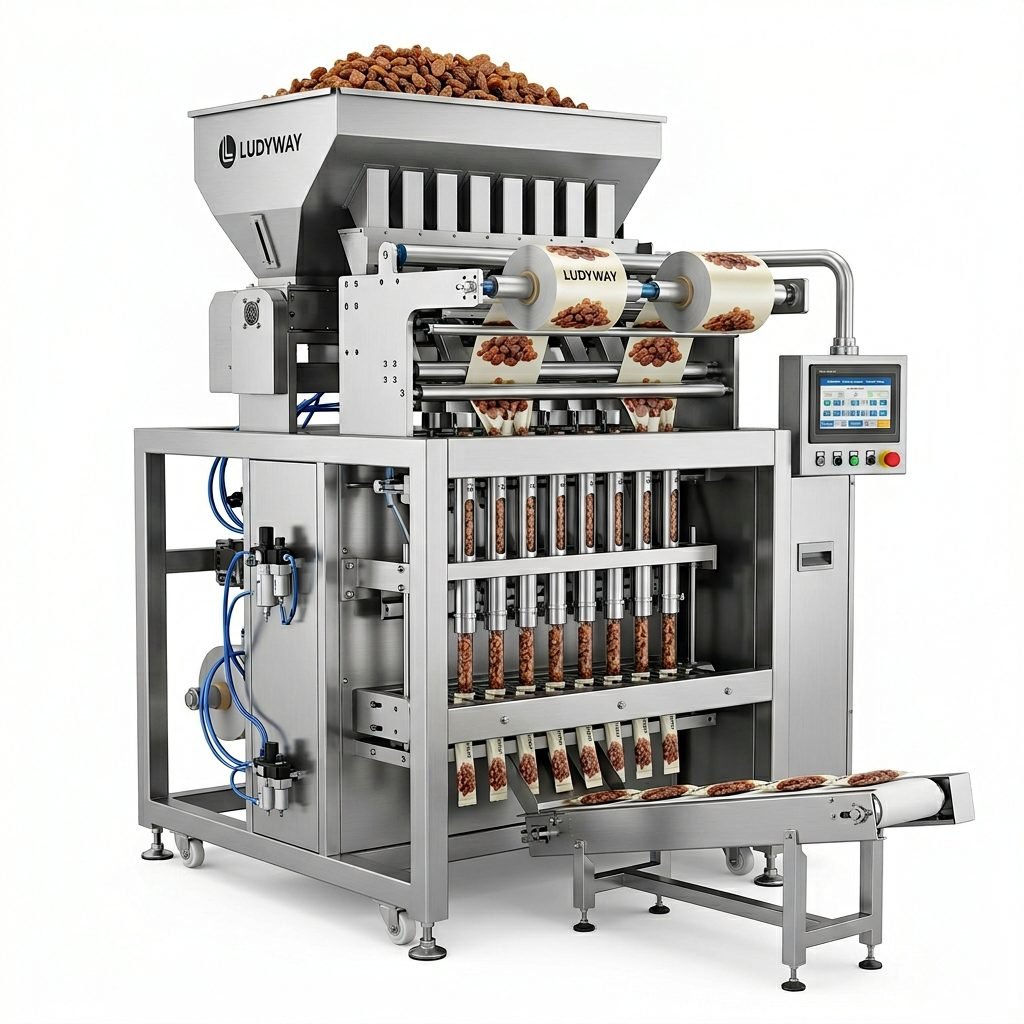
FFS machines are the workhorses, creating the package from a roll of film, filling it, and sealing it in one continuous operation. Vertical (VFFS) and horizontal (HFFS) models cater to different product types, from stick packs and sachets to pouches and bags. High-performance FFS machines feature quick-changeover mechanisms and user-friendly HMIs to reduce downtime between production runs.
3. Robust Sealing & Quality Assurance Integration
A secure seal is critical. Advanced systems employ constant heat control, cooling jaws, and vision inspection systems to check for seal defects, print quality, and even product presence. This in-line quality control prevents waste and ensures every unit that leaves the line is perfect.
4. Automation & Robotics for End-of-Line
To complete the line, robotic cartoners, case packers, and palletizing systems take over. These automated units handle sorting, grouping, and boxing at high speeds, reducing labor costs and physical strain on workers while maintaining a consistent, organized output ready for shipping. For a deeper look into complete system integration, explore our insights on turnkey packaging line solutions.
Benefits of Investing in Optimized Packaging Equipment
The transition to high-performance machinery delivers a compelling return on investment across multiple dimensions of your operation.
→ Enhanced Productivity & Throughput: Automated systems run 24/7 with minimal intervention, dramatically increasing output and allowing you to meet larger orders and tight deadlines.
→ Superior Product Quality & Consistency: Precision engineering eliminates human error in filling and sealing, guaranteeing every product is uniform, properly protected, and professionally presented.
→ Significant Material & Cost Savings: Accurate dosing reduces product giveaway, and optimized film usage minimizes packaging material waste. Lower labor requirements and reduced downtime further cut operational expenses.
→ Unmatched Flexibility & Scalability: Modern machines are designed for change. Quick adjustments allow you to switch between package sizes, shapes, and materials rapidly, responding to market trends. Modular designs let you scale your line as your business grows. Learn more about the advantages of flexible packaging automation.
→ Strengthened Compliance & Traceability: Built-in data logging and reporting features help document production parameters, essential for audits in food and pharma. Serialization capabilities support global track-and-trace regulations.
Selecting the Right Partner for Your Packaging Solution
Choosing equipment is also about choosing a partner. The right supplier provides more than just a machine; they offer expertise, support, and a commitment to your long-term success.
- Proven Industry Experience: Look for a partner with a deep understanding of your specific sector’s challenges and regulations.
- Comprehensive Product Range: A supplier offering a wide selection, from single machines to complete lines, can provide a more unbiased and integrated solution.
- Customization & Engineering Support: Your needs are unique. The ability to customize machinery to handle your specific product is invaluable.
- Global Service & Parts Network: Ensure prompt technical support and availability of spare parts to minimize potential disruptions to your production.
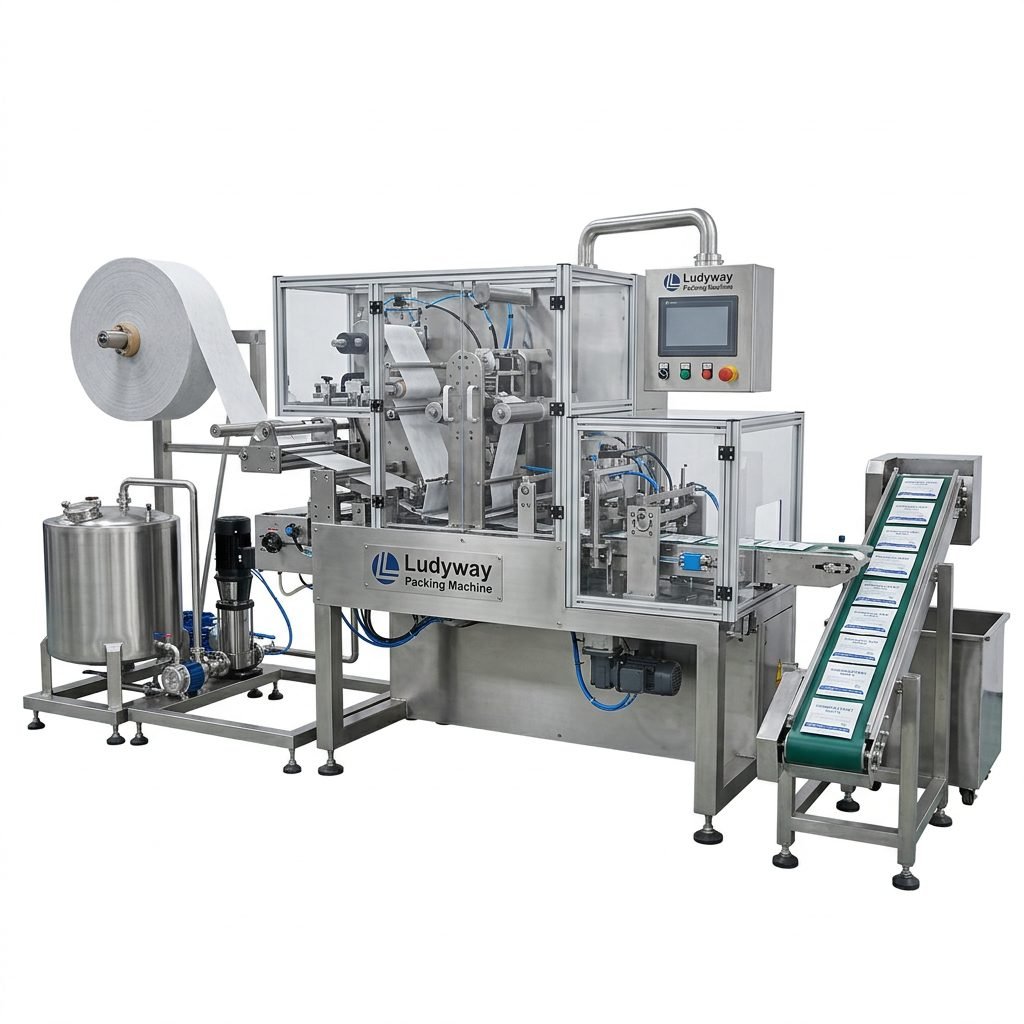
Companies like Ludyway Packing Machine exemplify this approach, leveraging decades of engineering experience to deliver tailored, reliable systems that empower manufacturers worldwide to optimize their packaging operations.
Future Trends: The Next Generation of Packaging Technology
The evolution of packaging technology continues, driven by digitalization and sustainability.
Industry 4.0 & IoT Connectivity: Machines are becoming nodes in a smart factory network, providing real-time data on performance, predictive maintenance alerts, and remote diagnostics to preempt issues.
Sustainable & Eco-Friendly Solutions: There is growing demand for equipment that can handle recyclable, compostable, or mono-material films without compromising speed or seal integrity, supporting corporate environmental goals.
Advanced AI & Machine Vision: Beyond simple detection, AI-powered vision systems can learn to identify increasingly subtle defects and make autonomous adjustments to the production process, pushing quality control to new levels.
Frequently Asked Questions (FAQs)
What is the typical lead time for a high-performance packaging machine?
Lead times vary based on the machine’s complexity and customization level. Standard models may ship in 8-12 weeks, while fully customized turnkey lines require more extensive engineering and can take 16-24 weeks. A reliable supplier will provide a clear project timeline from the outset.
Can new equipment be integrated with our existing production line?
Yes, in most cases. A key service offered by expert suppliers is line integration. They can design new machinery to interface with your current conveyors, coders, and control systems, often using standard communication protocols to create a cohesive and upgraded production unit.
How do I ensure the machine meets food-grade or pharmaceutical safety standards?
Specify your industry requirements during the consultation. Reputable manufacturers design machines with appropriate materials (e.g., stainless steel contact parts), smooth surfaces to prevent bacterial harborage, and designs conducive to cleaning. They should be able to provide documentation and material certifications upon request.
What kind of training and after-sales support is usually provided?
Comprehensive support includes on-site installation and commissioning by factory engineers, detailed operational training for your staff, and provision of manuals and maintenance guides. After-sales support typically encompasses a warranty period, access to remote technical assistance, and a reliable supply of genuine spare parts.
Are high-performance packaging solutions cost-effective for small to medium-sized businesses?
Absolutely. While the initial investment is higher than manual or semi-automatic options, the ROI is realized through dramatic increases in output, reduced labor costs, and near-elimination of product waste. Many suppliers offer scalable solutions, allowing SMEs to start with a core machine and add modules as they grow. The long-term savings and competitive advantage make it a strategic investment.