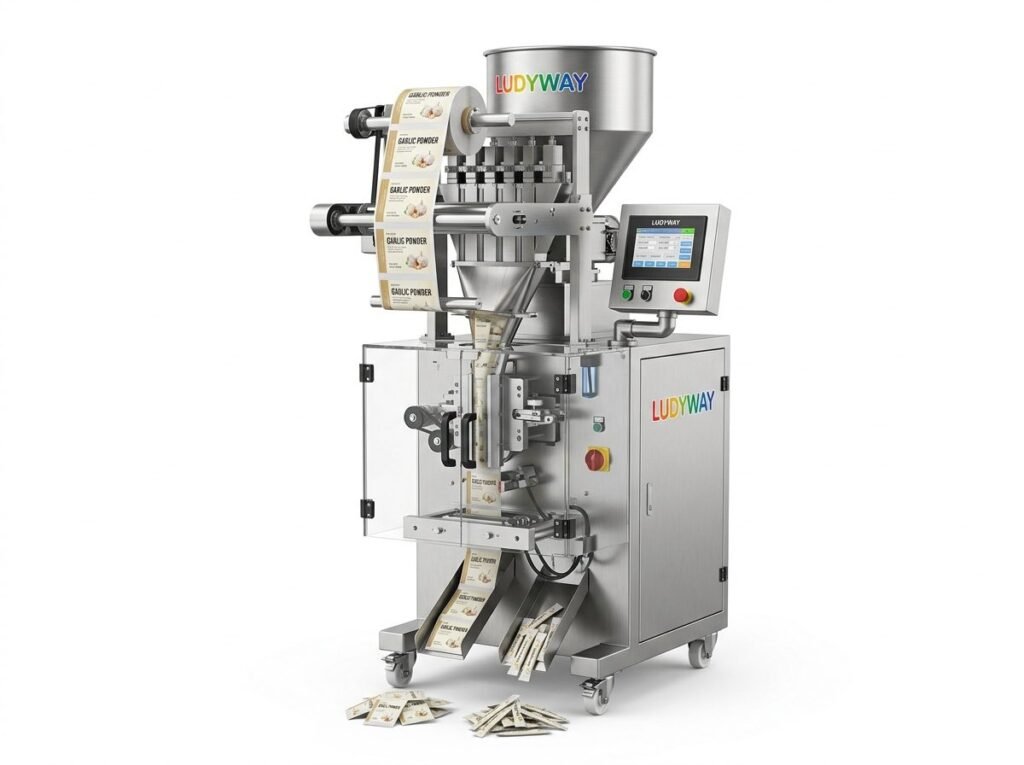
Selecting the right packaging equipment and service provider is a critical strategic decision that directly impacts production efficiency, product quality, and overall operational costs. The ideal partner does more than just sell machinery; they become an integral part of your production ecosystem, offering expertise, reliability, and innovation to support your growth. This guide will explore the key factors to consider when evaluating potential partners and how to ensure you choose the best fit for your specific production requirements.
Understanding Your Core Production Requirements
Before beginning your search, a thorough internal assessment is essential. Clearly defining your needs will streamline the selection process and ensure you find a provider capable of meeting your specific challenges.
Key Questions to Define Your Scope:
- Product Type: Are you packaging granules, powders, liquids, tablets, or pastes? Each material has unique flow characteristics and sealing requirements.
- Production Speed & Volume: What is your required output (e.g., bags per minute)? Do you need a single machine or a complete, synchronized production line?
- Packaging Format: Do you require stick packs, sachets, pouches, or bottles? Consider both current needs and potential future formats.
- Regulatory & Hygiene Standards: Is your industry subject to strict regulations (e.g., FDA, GMP for pharmaceuticals, food-grade standards)?
- Future Scalability: Will your needs grow in the next 3-5 years? Your partner should offer solutions that can scale with your business.
Evaluating Provider Capabilities and Expertise
Once your needs are mapped, you can effectively evaluate potential partners. Look beyond the sales brochure to understand their true capabilities and cultural fit with your organization.
1. Technical Proficiency and Product Range
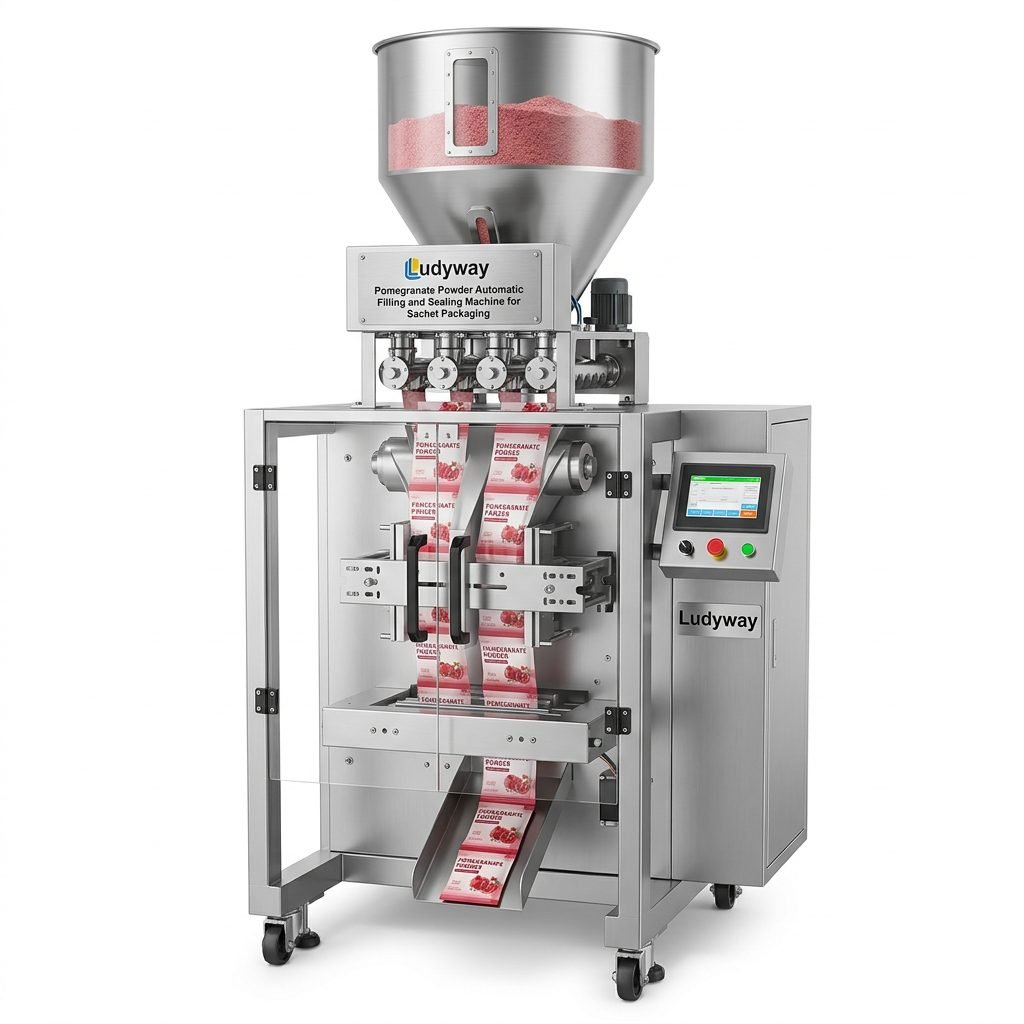
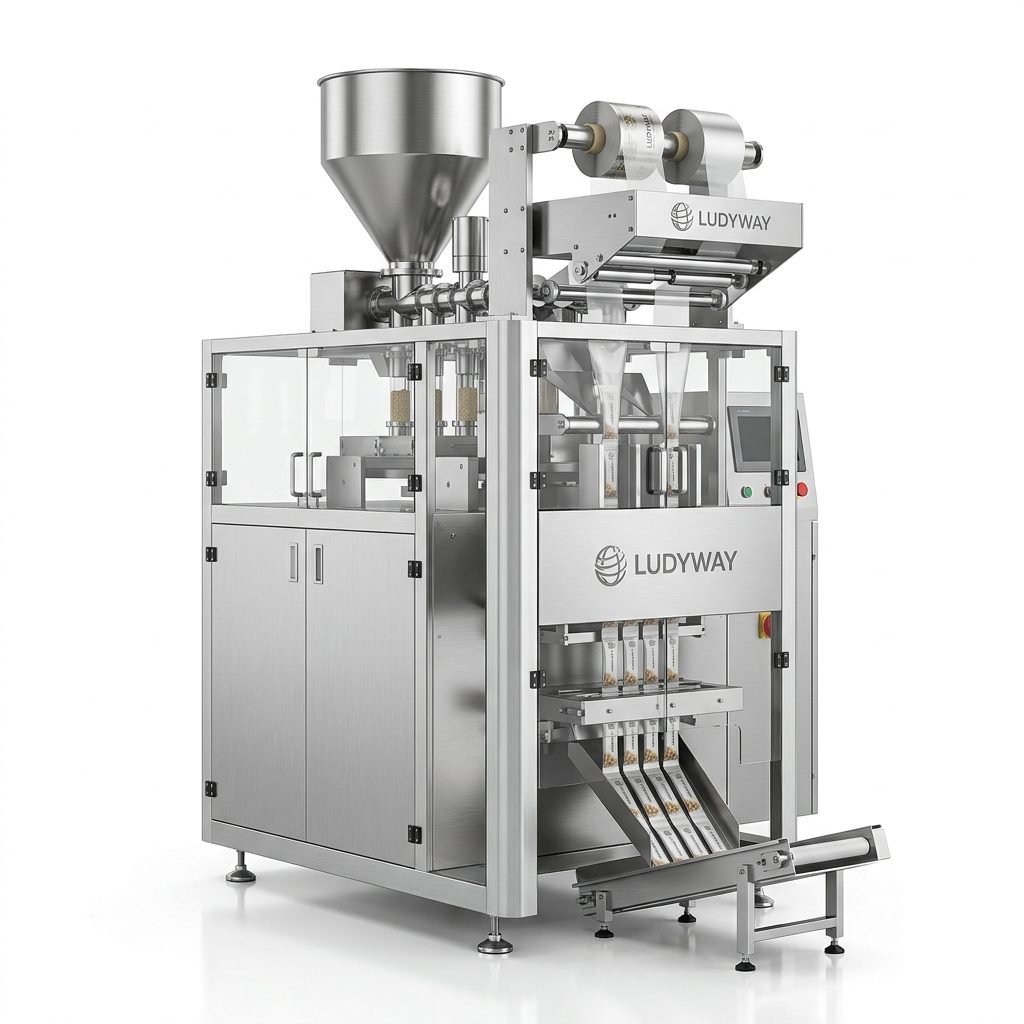
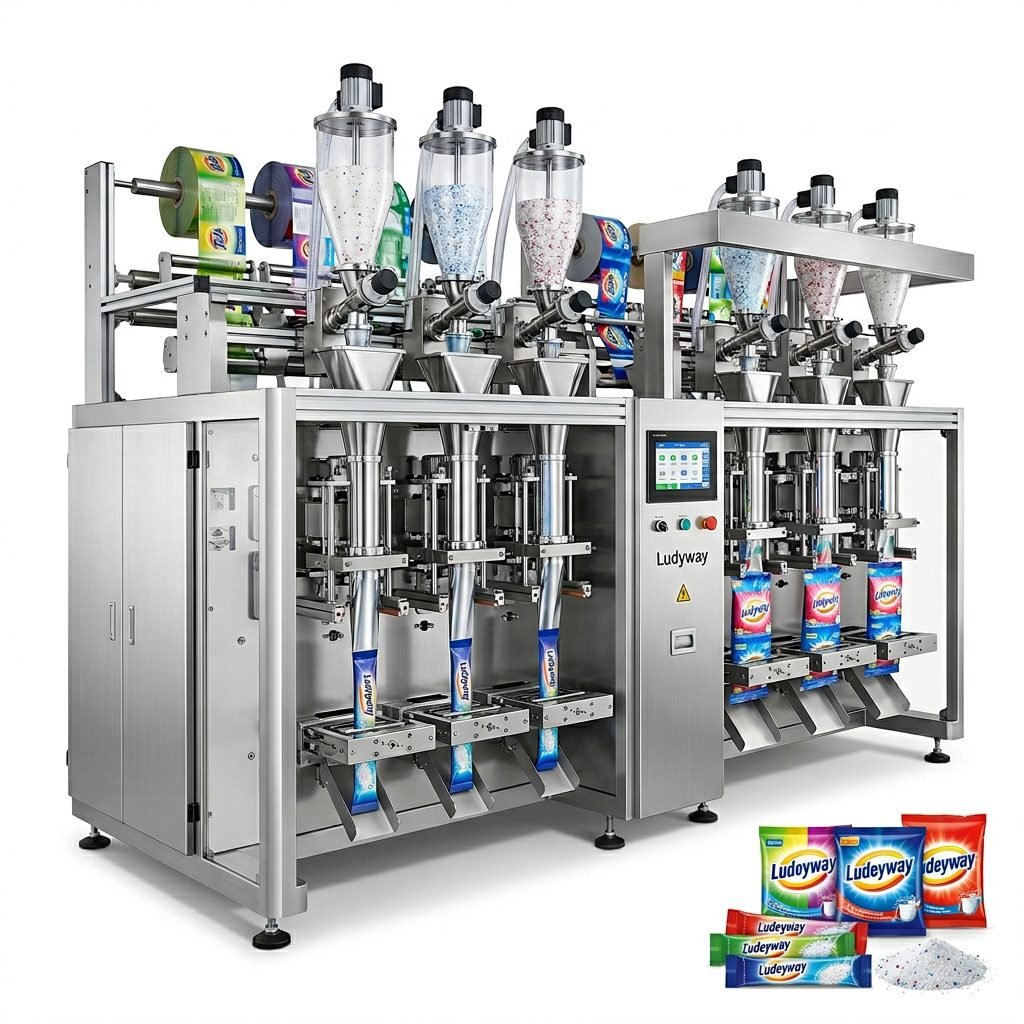
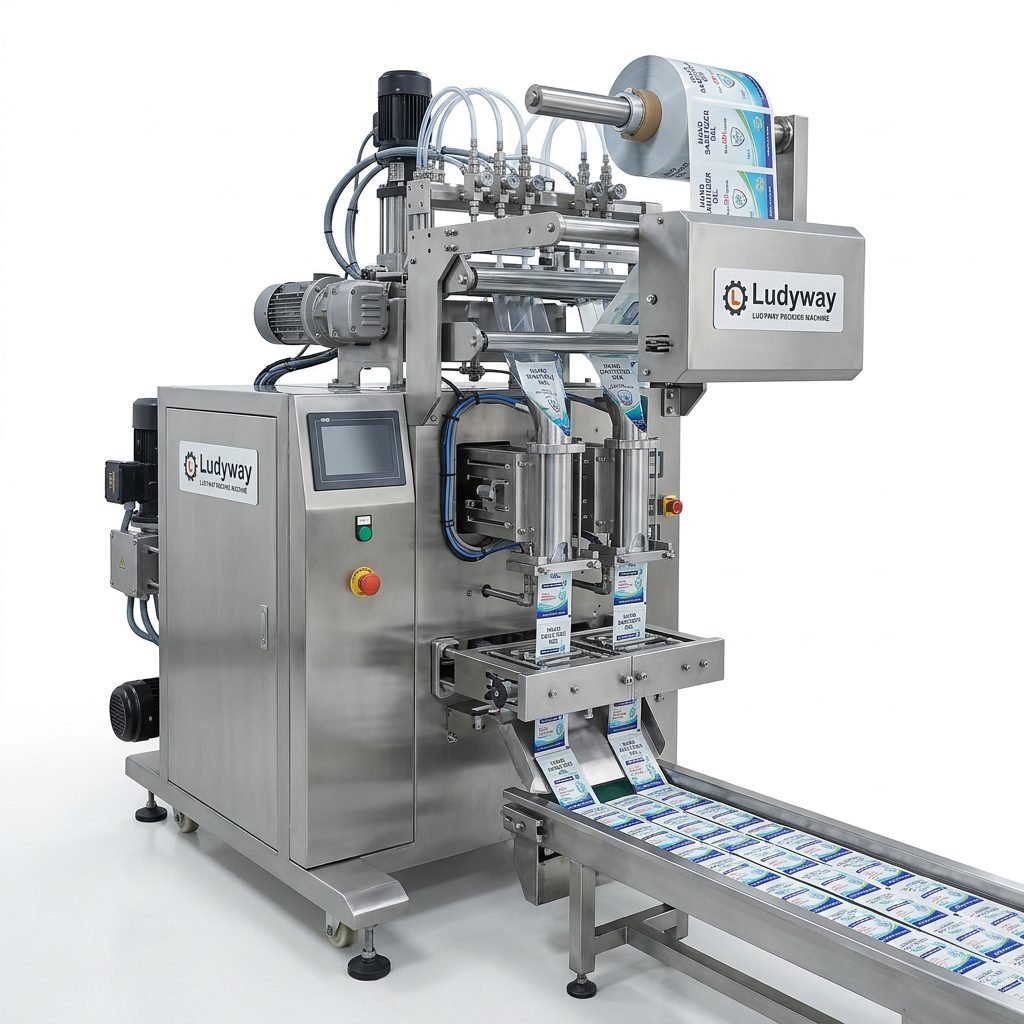
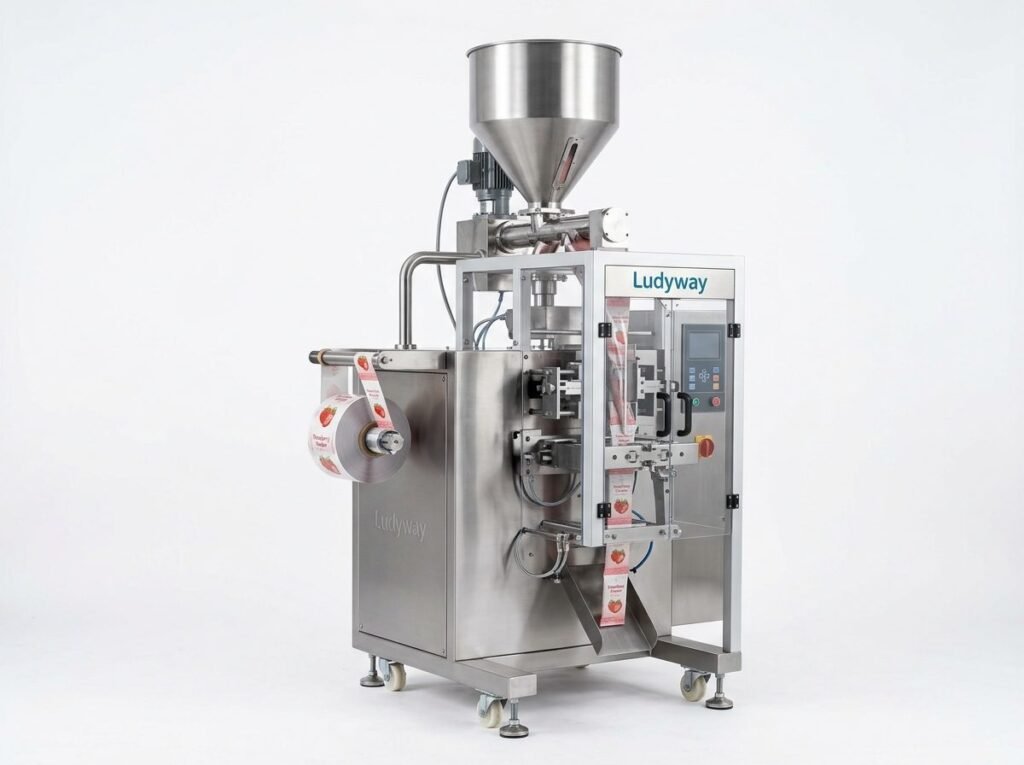
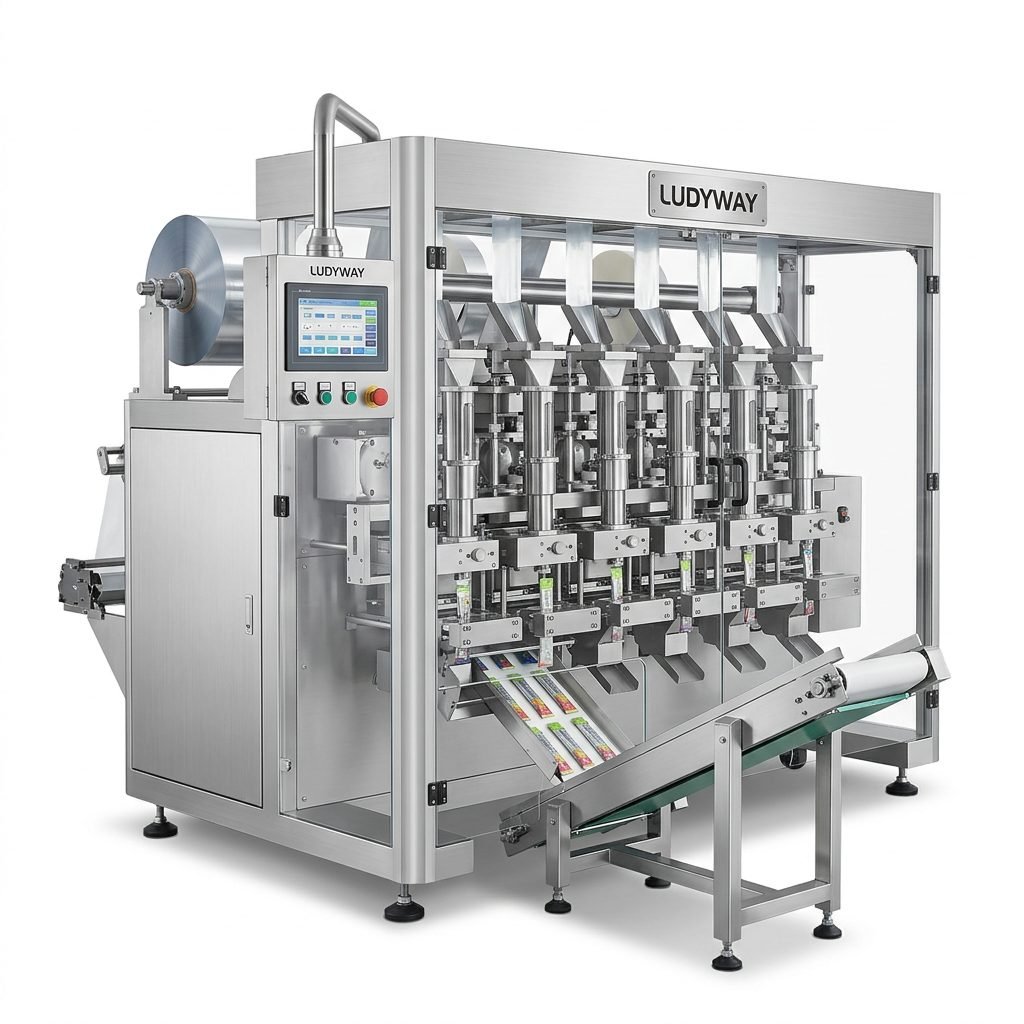
A top-tier provider offers a robust portfolio of machinery. For instance, a company like Ludyway Packing Machine provides over 50 intelligent packaging machine models, including multi-lane stick pack and sachet systems. This breadth indicates deep engineering knowledge and the ability to offer unbiased advice on the best machine for your application, not just the one they happen to sell.
2. Manufacturing Strength and Quality Control
The provider’s own manufacturing infrastructure is a strong indicator of quality and reliability. Partners with substantial in-house production facilities, such as a 20,000㎡ modern production facility, typically have better control over quality, lead times, and customization. This contrasts with mere trading companies that may lack technical depth.
3. Industry Experience and Specialization
Experience in your specific sector is invaluable. A provider with over 30 years of industry experience in food, pharmaceutical, and health industries will understand niche challenges, from contamination control to precise dosing requirements. They bring proven, practical solutions to the table.
4. Service, Support, and Partnership Philosophy
The relationship begins after the sale. Evaluate their support structure:
🔹 Installation & Training: Do they offer comprehensive on-site commissioning and operator training?
🔹 Technical Support & Spare Parts: Is 24/7 support available? What is the average spare parts delivery time?
🔹 Long-term Partnership: Do they demonstrate a commitment to long-term cooperation and continuous improvement, adapting to your evolving needs?
The Selection Process: From Inquiry to Decision
Adopt a structured, phased approach to manage the selection process effectively and mitigate risk.
Phase 1: Initial Screening & Request for Proposal (RFP)
Create a detailed RFP document outlining your technical specifications, required service levels, and commercial terms. Send this to a shortlist of 3-5 pre-qualified providers. Their response clarity and thoroughness will be your first filter.
Phase 2: Deep-Dive Evaluation
This phase involves factory audits (virtual or in-person), reference checks with existing clients in similar industries, and detailed technical discussions. Request to see live production data or performance reports from machines running a product similar to yours.
<h5 style=”Phase 3: Pilot Testing & Final Negotiation
If feasible, arrange a product sample test run at the provider’s facility. This hands-on test is the best way to validate machine performance, packaging quality, and ease of operation. Use the results to finalize technical and commercial negotiations.
Red Flags and Common Pitfalls to Avoid
Being aware of common warning signs can prevent costly mistakes.
- Vague or Incomplete Technical Documentation: Hesitancy to provide detailed manuals, schematics, or compliance certificates.
- Lack of Verifiable References: An inability or unwillingness to connect you with current customers for unbiased feedback.
- Overpromising on Performance: Claims of speeds or capabilities that seem unrealistic compared to industry benchmarks.
- Unclear Total Cost of Ownership (TCO): Focusing only on the initial purchase price while obscuring costs for installation, maintenance, energy consumption, and spare parts.
Building a Successful Long-Term Partnership
Choosing the right partner sets the foundation for a collaborative relationship. Establish clear communication channels, agree on key performance indicators (KPIs) for machine uptime and support response times, and schedule regular review meetings. A true partner will proactively suggest upgrades and optimizations to keep your packaging line at peak performance, supporting your brand’s growth and market agility.
Frequently Asked Questions (FAQs)
What is the most important factor when choosing a packaging equipment provider?
While technical specs are crucial, the provider’s after-sales service and support capability is often the most critical long-term factor. A reliable machine with poor support can become a major production bottleneck.
How can I ensure the machine will work with my specific product?
Always insist on a product sample test run before purchase. This is the only sure way to verify dosing accuracy, sealing integrity, and material compatibility under controlled conditions.
What does a “turnkey solution” typically include?
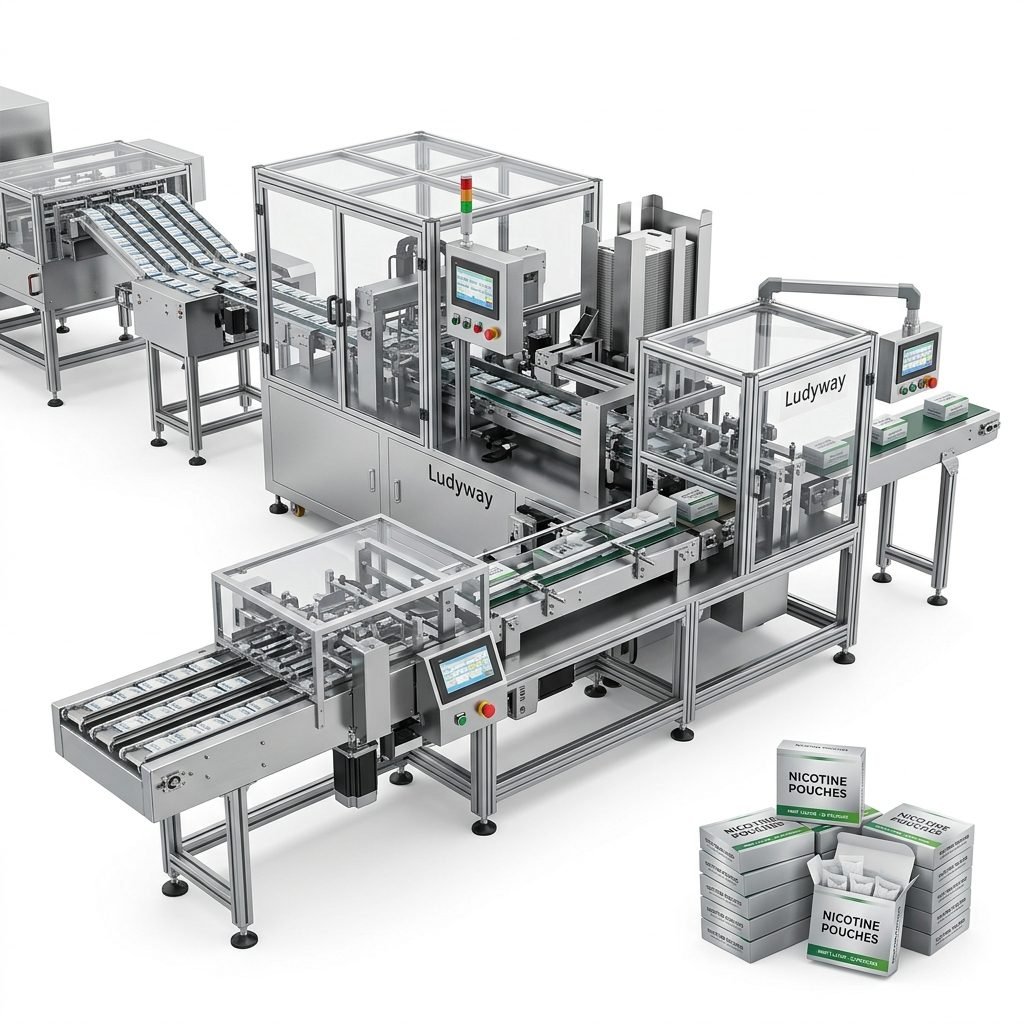
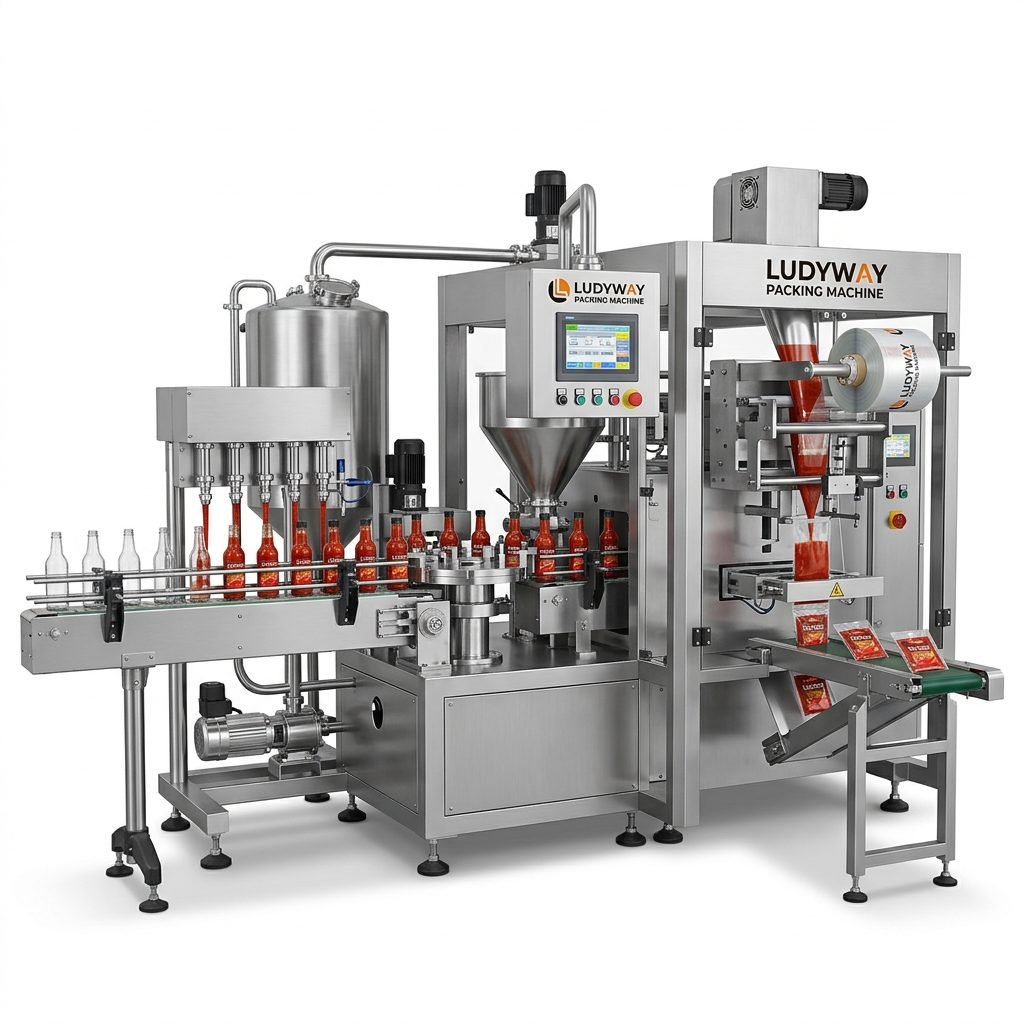
A true turnkey solution from a provider like Ludyway goes beyond the machine. It can encompass factory layout planning, utility hookup guidance, installation, commissioning, comprehensive staff training, and ongoing technical support—essentially delivering a production-ready line.
Is it better to buy a standardized machine or a customized one?
Start with the most standardized model that can meet your core requirements. Customization adds cost and time. Use it only for features critical to your unique product or operation. A good provider will advise on the optimal balance.
How do I budget for the total cost of ownership (TCO)?
Beyond the purchase price, factor in costs for installation, annual maintenance contracts, expected spare parts consumption, energy usage, and potential costs for future changeovers or upgrades. A reputable provider will help you model this TCO.