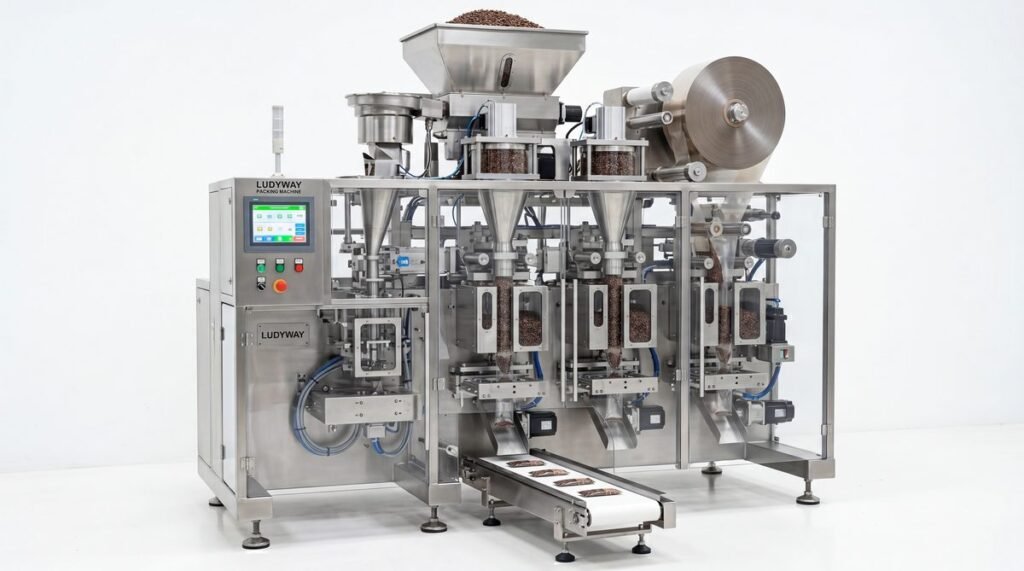
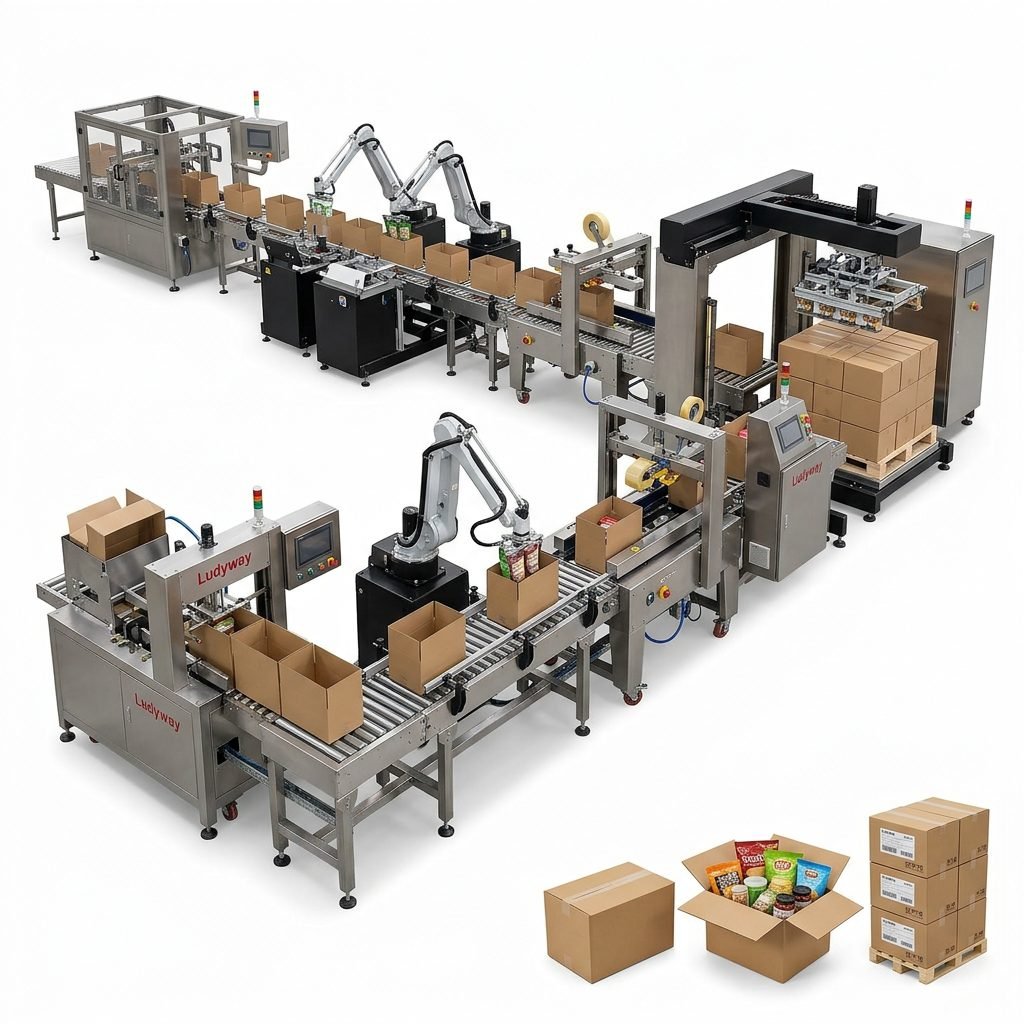
Understanding the cost of packaging equipment is a critical step for any business looking to automate or upgrade its production line. The price is not just a number on a quote; it represents an investment in efficiency, reliability, and the future scalability of your operations. This comprehensive guide will walk you through the key factors that determine packaging machine costs and provide a clear framework to help you select the perfect machine for your specific needs and budget.
Breaking Down the Cost of Packaging Machinery
The price of a packaging machine is influenced by a complex interplay of technical specifications, material requirements, and operational goals. A basic, single-function machine will naturally have a different price point than a fully integrated, high-speed turnkey system.
Core Price Determinants
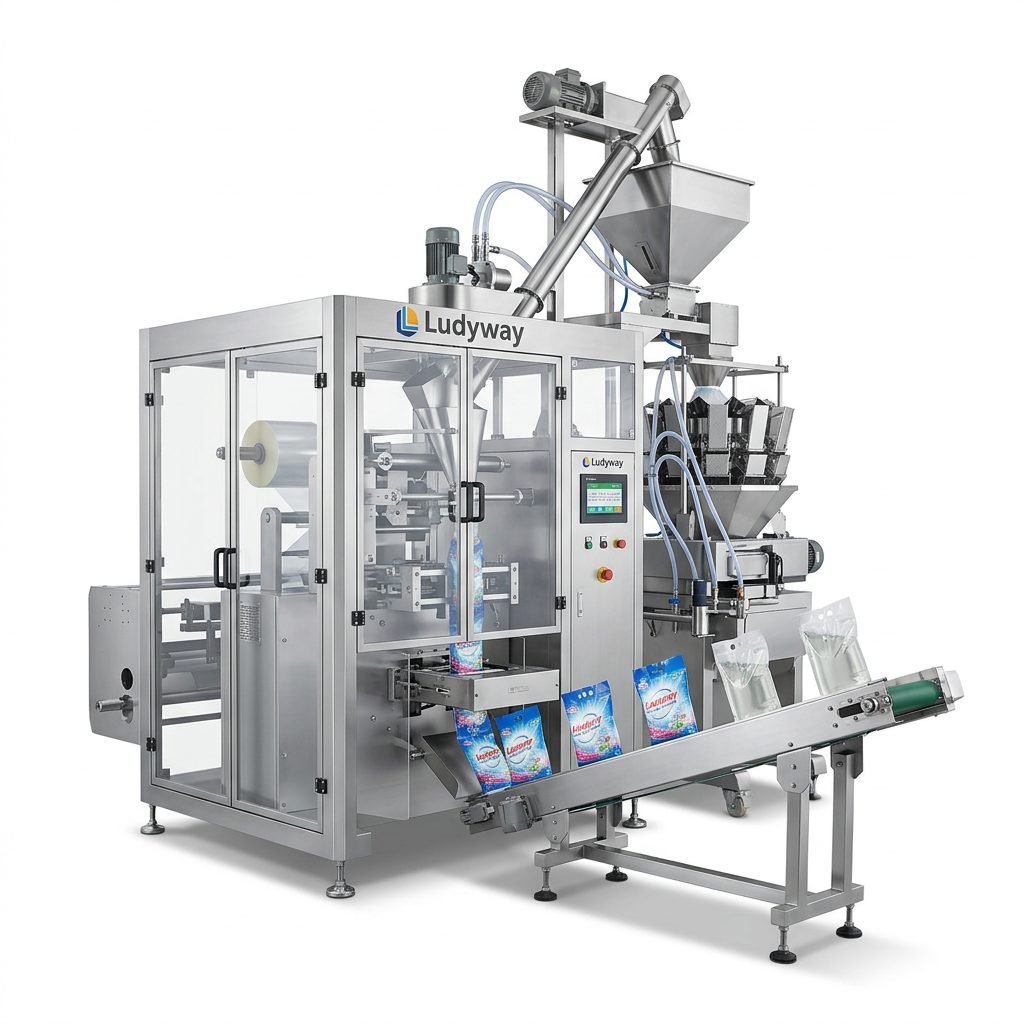
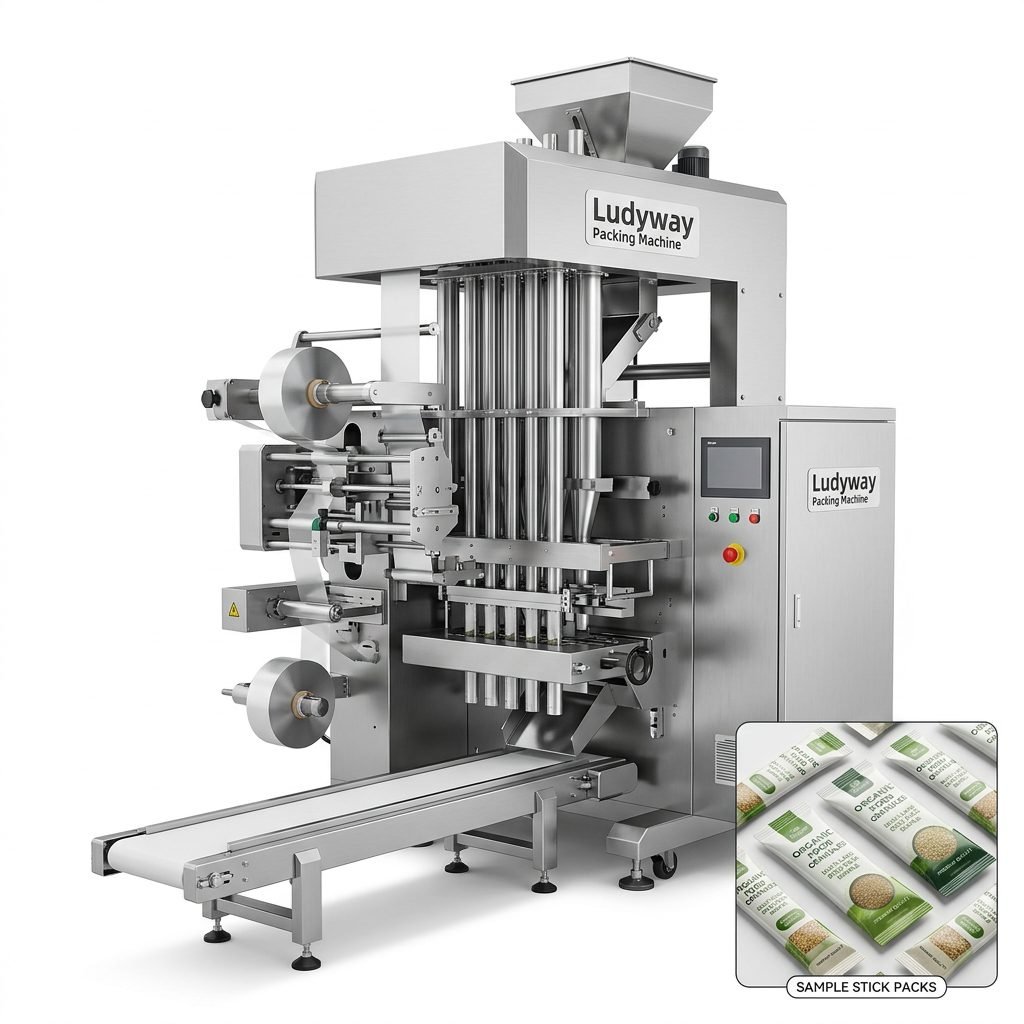
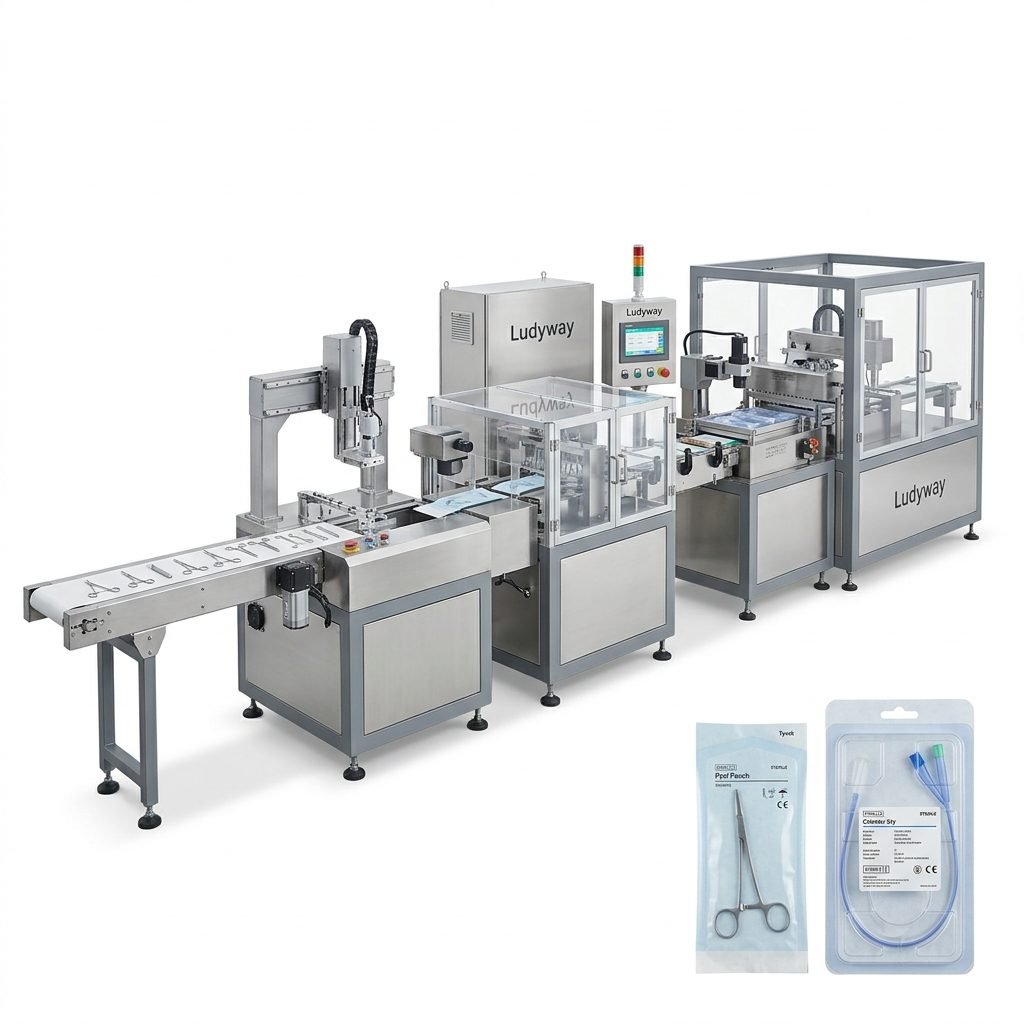
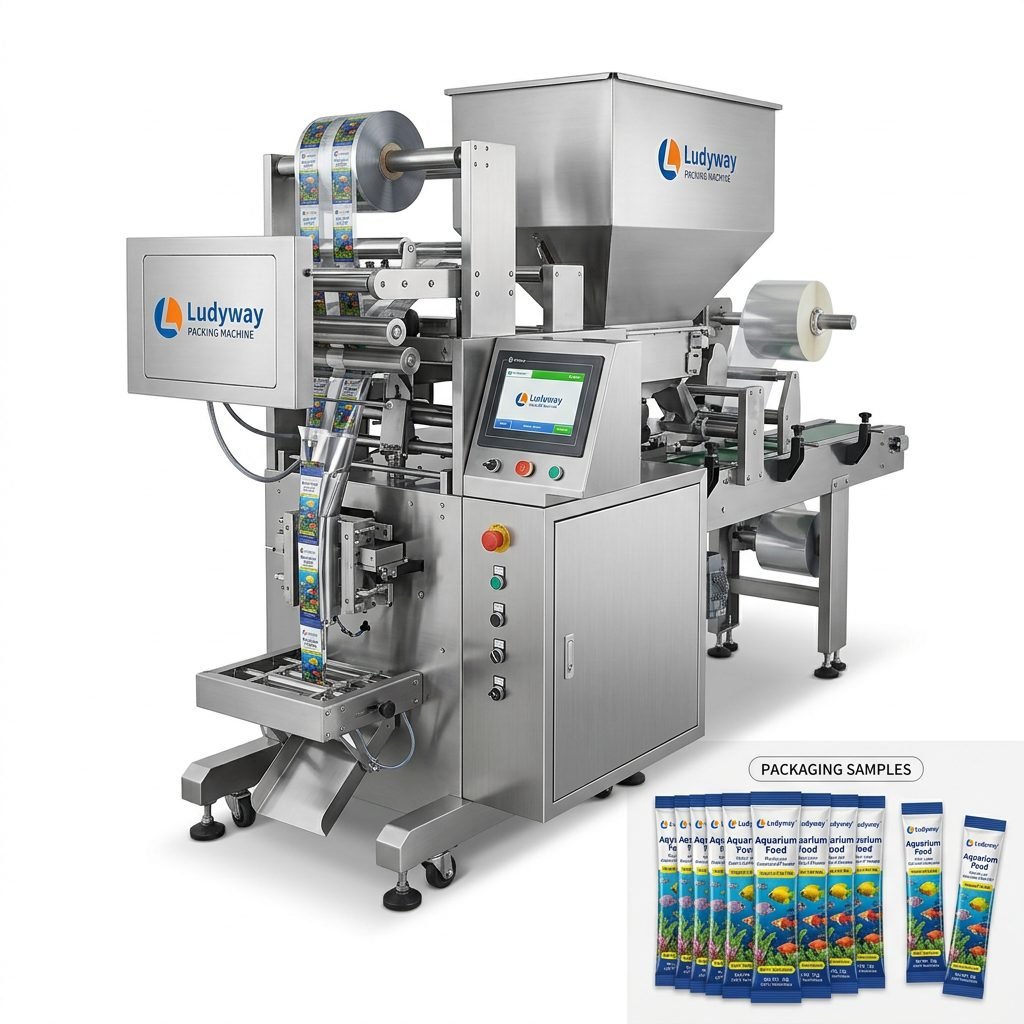
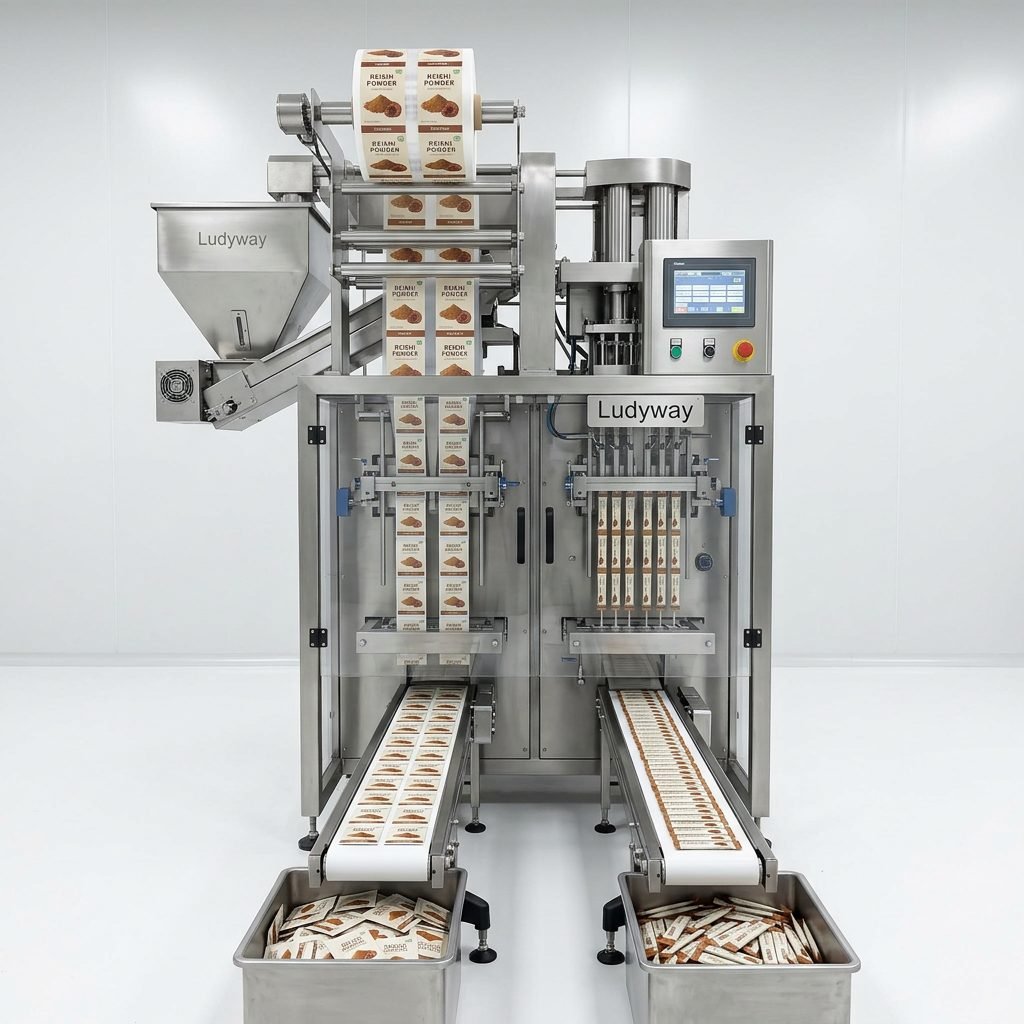
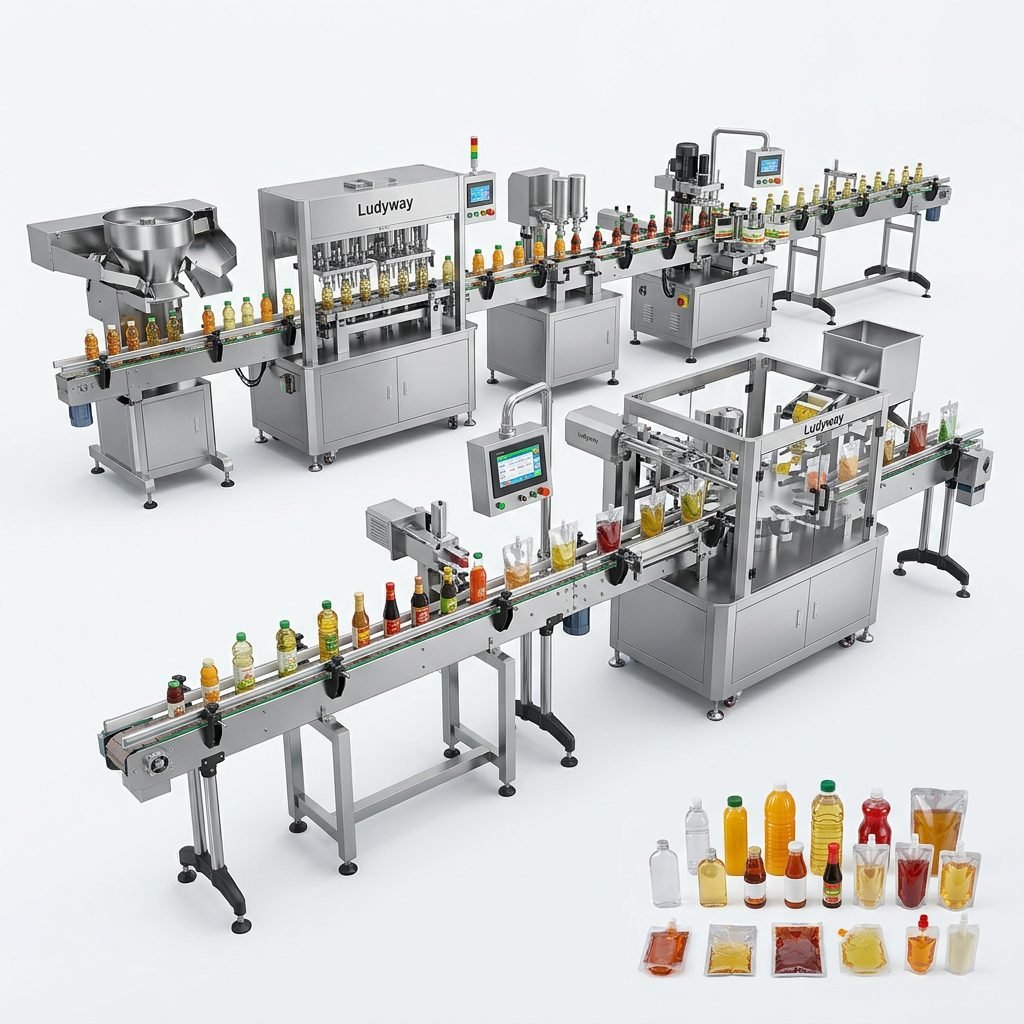
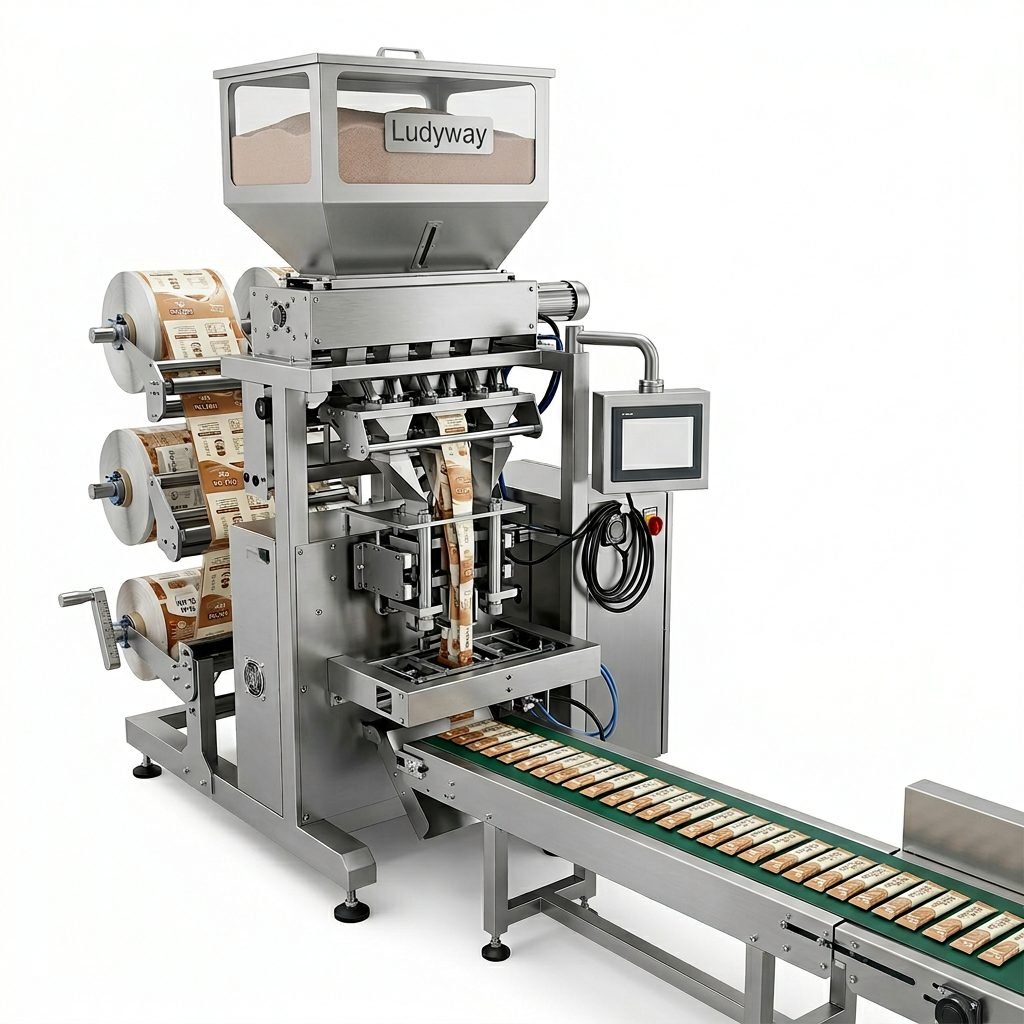
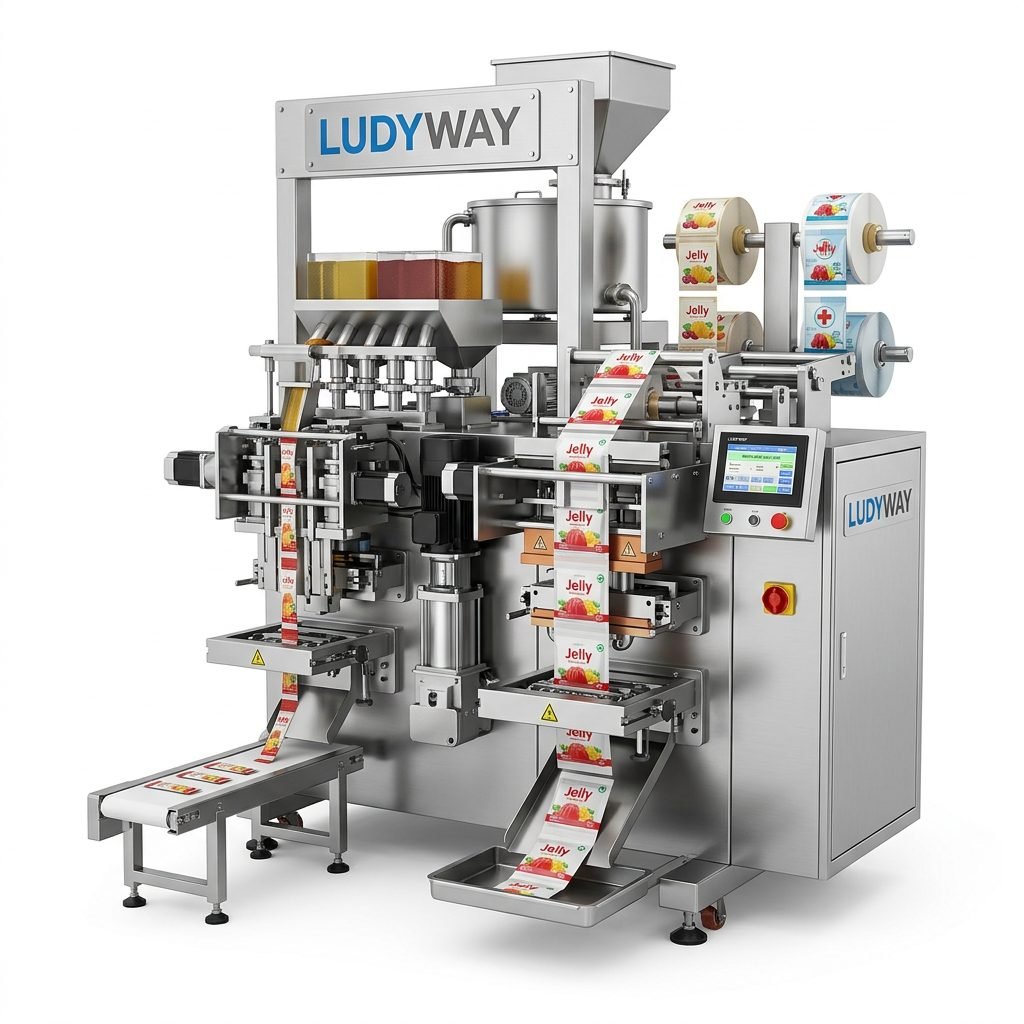
Machine Type and Technology: The fundamental technology is the biggest cost driver. Simple vertical form-fill-seal (VFFS) machines are generally more affordable than complex rotary pouch packers or aseptic liquid filling lines. The level of automation—from semi-automatic to fully robotic—also significantly impacts the price.
Production Speed and Output: Machines are engineered for specific capacities, measured in packs per minute (PPM). A machine rated for 60 PPM will cost less than one built for 200 PPM, as the latter requires more robust motors, precision components, and advanced control systems to maintain stability at high speeds.
Materials and Construction: The quality of materials used in the machine frame, contact parts, and sealing jaws directly affects both price and longevity. Machines built with food-grade stainless steel (e.g., SS304, SS316) and hardened tooling for abrasive products command a higher price but offer superior hygiene, corrosion resistance, and durability.
Additional Factors Influencing Your Investment
Beyond the base machine, several other elements contribute to the total cost of ownership.
- Customization: Off-the-shelf solutions are cost-effective, but many production lines require custom hoppers, feeding systems, special sealing profiles, or integration with existing conveyors and downstream equipment. Each modification adds engineering time and cost.
- Changeover Flexibility: Machines designed for quick changeovers between different pouch sizes or products often feature servo-driven adjustments and digital recipe storage. This flexibility is a valuable feature that increases the initial investment but reduces downtime in the long run.
- Brand and Support: Established brands with a proven track record, like Ludyway Packaging Machinery, often price their machines to reflect decades of engineering experience, reliable performance, and comprehensive after-sales support, including training, spare parts, and technical service.
A Practical Framework for Choosing the Right Machine
Selecting equipment is a strategic decision. A methodical approach ensures your investment aligns with both current needs and future growth.
Step 1: Conduct a Thorough Needs Analysis
Begin by clearly defining your requirements. What product are you packaging (granules, powder, liquid)? What is your target output (bags per minute, shifts per day)? What packaging material are you using (laminate film, paper, recyclable composites)? Documenting these specifics is the foundation of an accurate comparison.
Step 2: Evaluate Key Machine Specifications
With your needs in hand, compare machines based on hard data.
✔ Accuracy and Consistency: For expensive or precisely dosed products like pharmaceuticals or premium supplements, weigh-filling accuracy is paramount. Look for machines with high-precision servo auger or weigh cell systems.
✔ Sealing Integrity: The seal is the most critical part of the package. Ensure the machine’s sealing technology (constant heat, impulse, ultrasonic) is perfectly suited to your film material to prevent leaks and ensure product freshness.
✔ Ease of Operation and Maintenance: A user-friendly HMI control panel with intuitive software reduces training time and operator error. Easy access to components for cleaning and routine maintenance minimizes downtime.
Step 3: Consider the Total Cost of Ownership (TCO)
Look beyond the purchase price. Calculate the TCO by factoring in estimated energy consumption, required maintenance schedules, the cost and availability of spare parts, and the potential cost of production downtime. A slightly more expensive but more reliable machine often has a lower TCO over 5-10 years.
Step 4: Partner with the Right Supplier
Your machinery supplier should be a long-term partner. Assess their industry experience, review case studies from similar applications, and inquire about their support structure. Can they provide installation supervision, operator training, and prompt technical assistance? A supplier with over 30 years of industry experience brings invaluable problem-solving expertise to the table.
Why Expertise Matters in Your Selection
Partnering with a knowledgeable provider transforms the purchasing process from a transactional event into a strategic consultation. An expert team can help you navigate technical trade-offs, foresee potential production bottlenecks, and recommend a solution that optimizes both performance and budget. They draw on a deep repository of practical knowledge—gained from deploying 200+ production equipment solutions globally—to ensure your chosen machine delivers on its promises from day one.
Final Checklist Before You Buy
- ✅ Have you validated the machine with your actual product and packaging material?
- ✅ Is the supplier’s warranty clear, and are service contracts available?
- ✅ Does the machine comply with relevant safety and industry standards (CE, FDA, GMP) for your market?
- ✅ Has the supplier provided a detailed layout for the machine’s integration into your factory floor?
- ✅ Are the costs for shipping, installation, and initial training included in the final quote?
Investing in packaging equipment is a significant decision that impacts your operational efficiency and product quality for years to come. By thoroughly understanding the cost structure and following a disciplined selection process, you can make a confident investment that drives productivity, ensures consistency, and supports your business growth. The right machine is not an expense; it’s a cornerstone of your production capability.
Frequently Asked Questions (FAQs)
What is the typical price range for a new packaging machine?
Prices vary dramatically based on type and complexity. A basic semi-automatic tabletop machine can start from a few thousand dollars, while a high-speed, fully automated turnkey production line can range from $50,000 to several hundred thousand dollars. It’s essential to get detailed quotes based on your specific requirements.
Should I buy a new or used packaging machine?
New machines offer the latest technology, full warranty, and reliability. Used machines can be a lower-cost entry point but may come with hidden maintenance costs, obsolete controls, and limited support. For critical production, a new machine from a reputable supplier like Ludyway often provides better long-term value and peace of mind.
How long does it take to install and commission a new packaging line?
The timeline depends on the machine’s complexity. A standard VFFS machine might be operational within a week after delivery, including installation and basic training. A complete custom line with integration may require several weeks of planning, installation, and fine-tuning to reach optimal performance.
What kind of after-sales support should I expect?
Comprehensive support includes detailed operation and maintenance manuals, on-site or remote installation supervision, thorough operator training, readily available spare parts, and access to technical support for troubleshooting. Ensure your supplier has a proven support system in place.
Can one machine handle multiple different products or package sizes?
Many modern machines are designed for flexibility. Look for features like servo-driven size changeovers and digital recipe storage, which allow quick switching between products. However, significant differences in product characteristics (e.g., powder vs. granules) may require dedicated equipment or major change parts.